
1. AI & Education
2. CCH Method
2-1. Method Notes
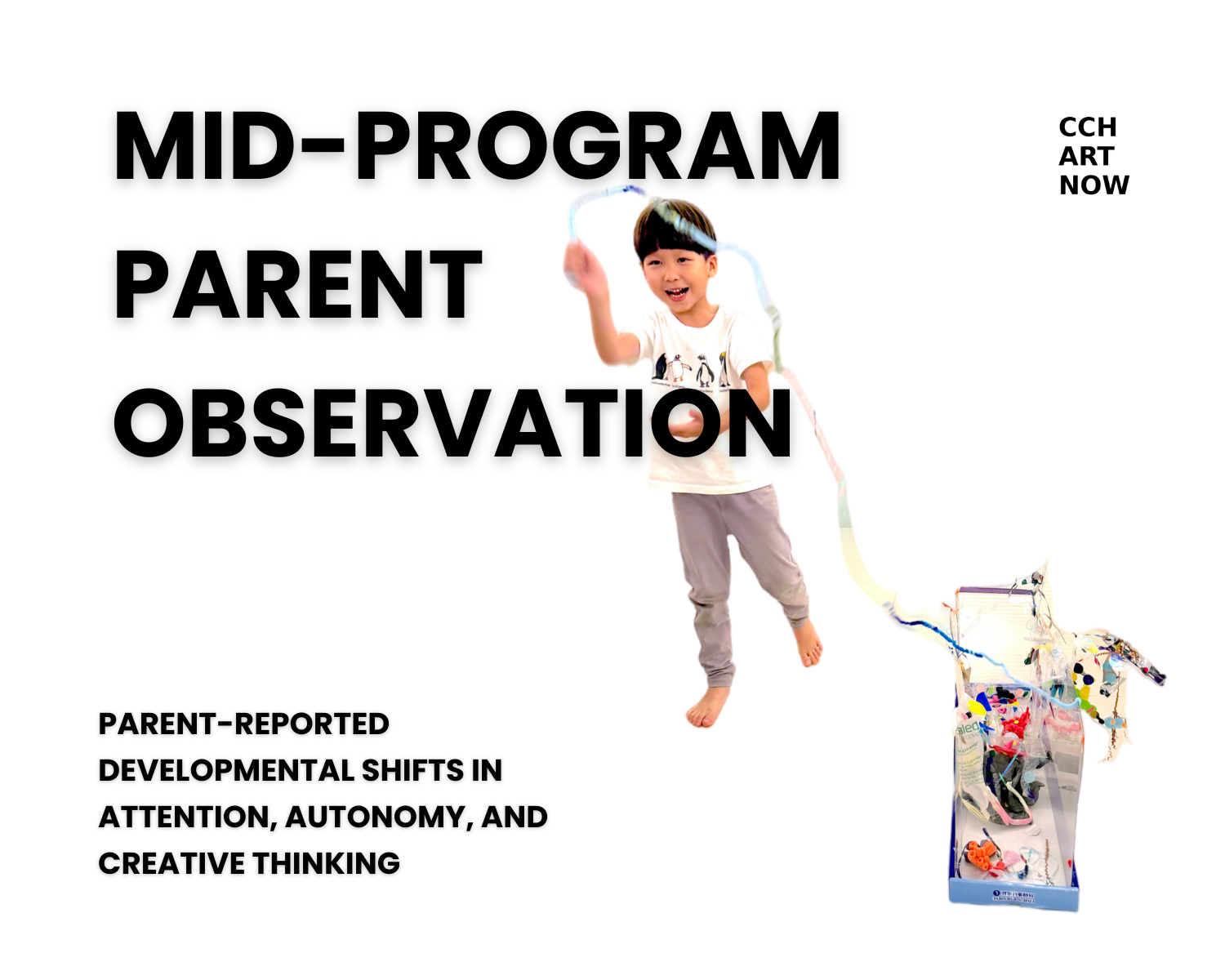
3. Studio Observations — Children
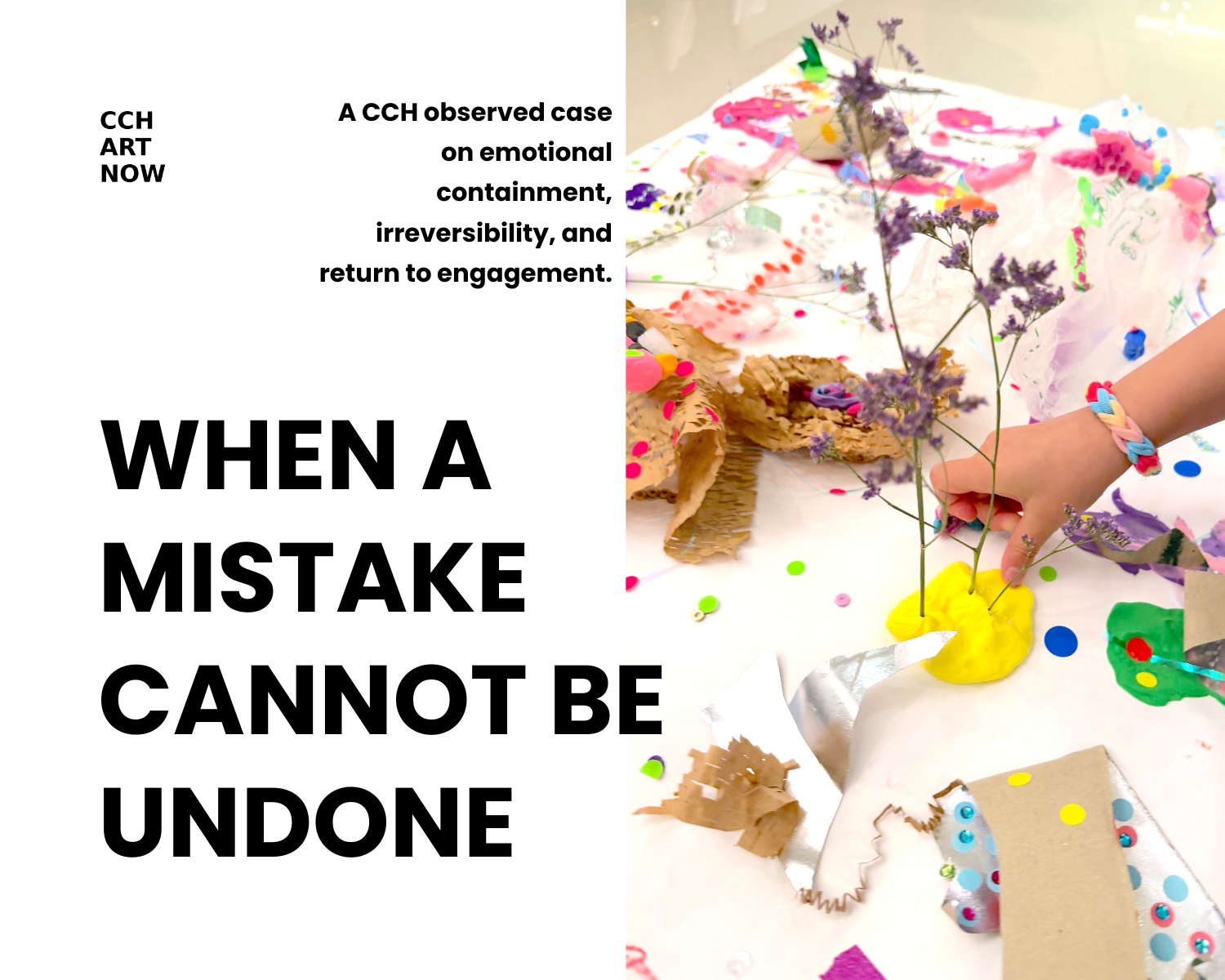
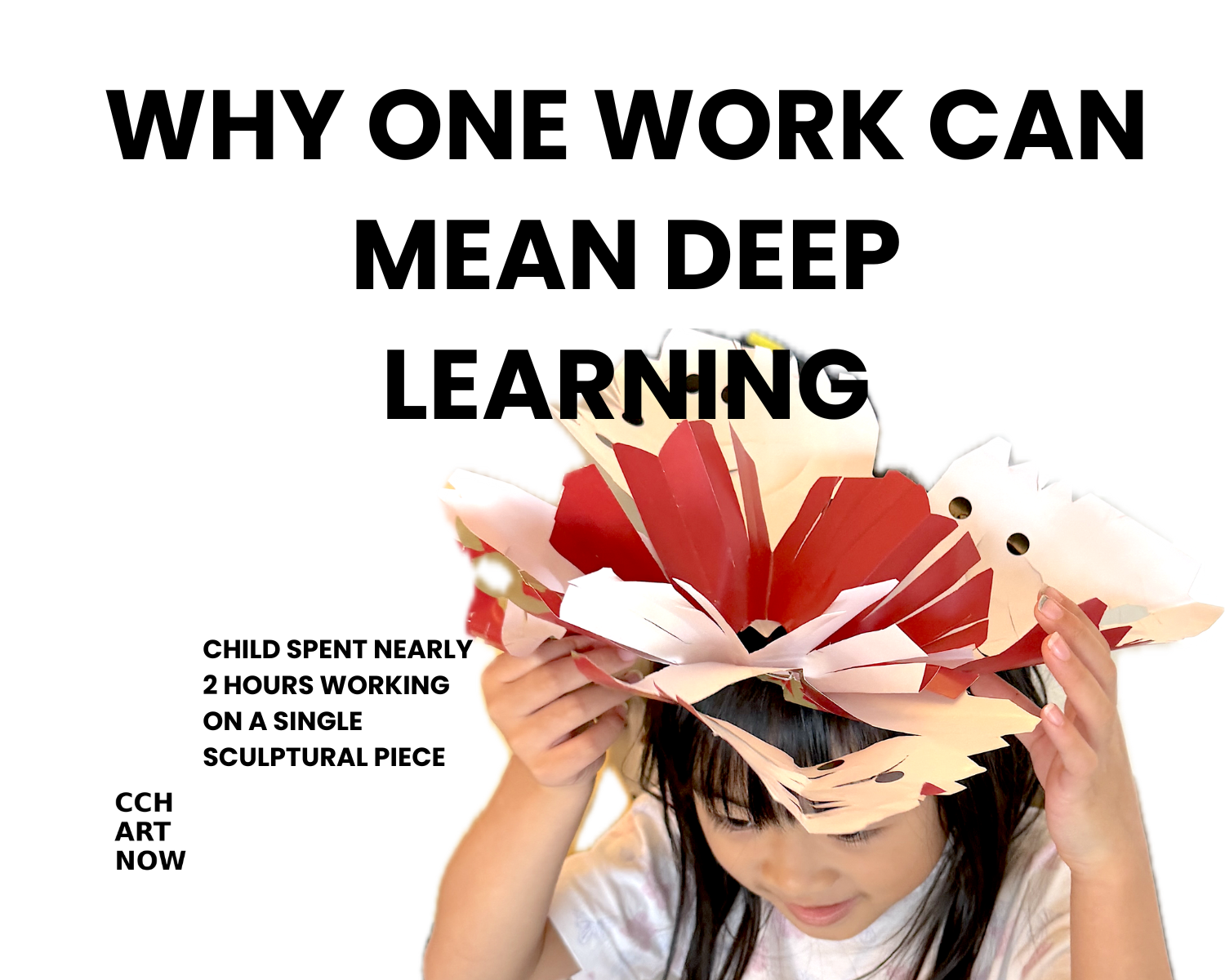
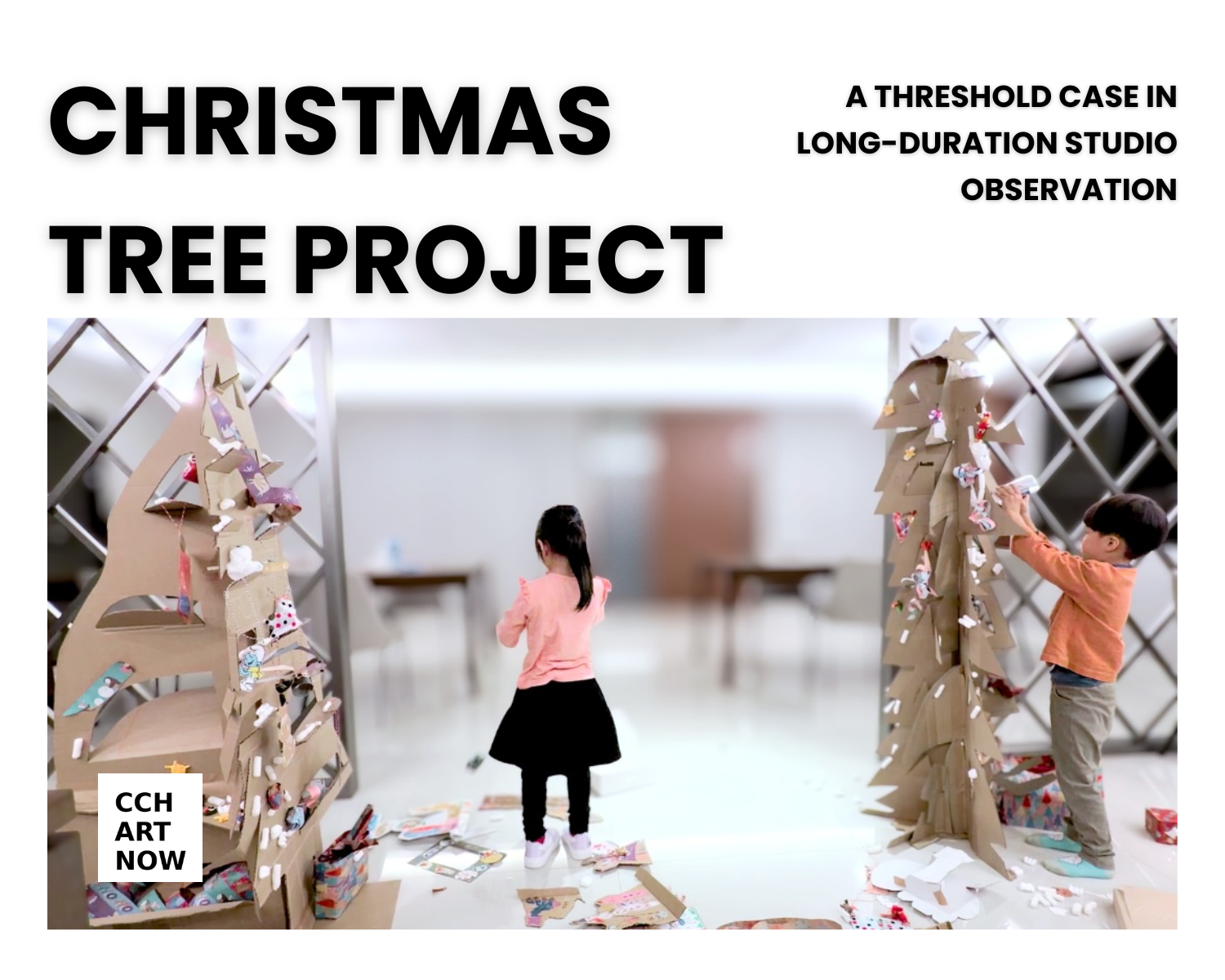
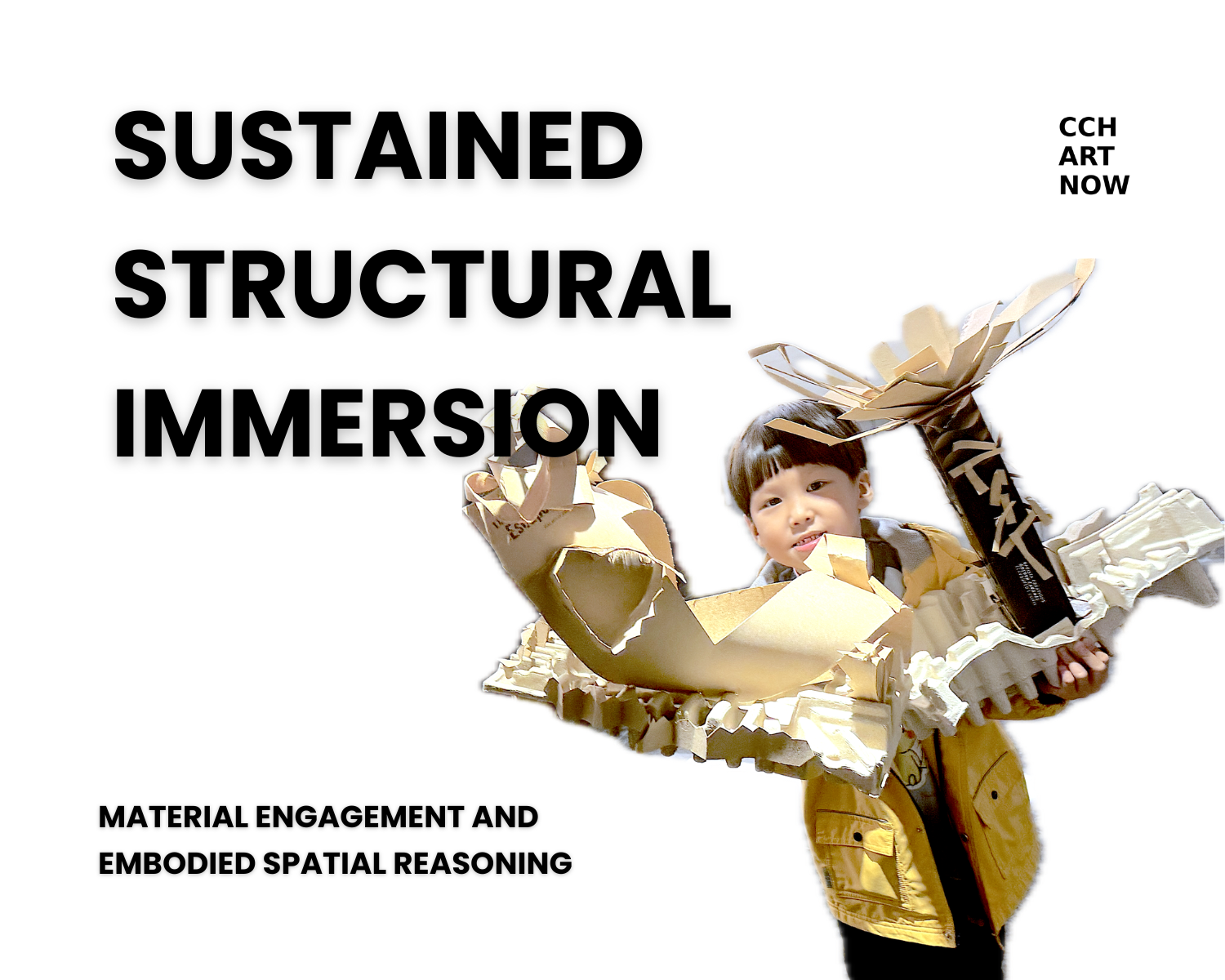
4. Adolescent Development
5. Adult studio case
6. Enterprise & Organizational Practice
7. Artist practice
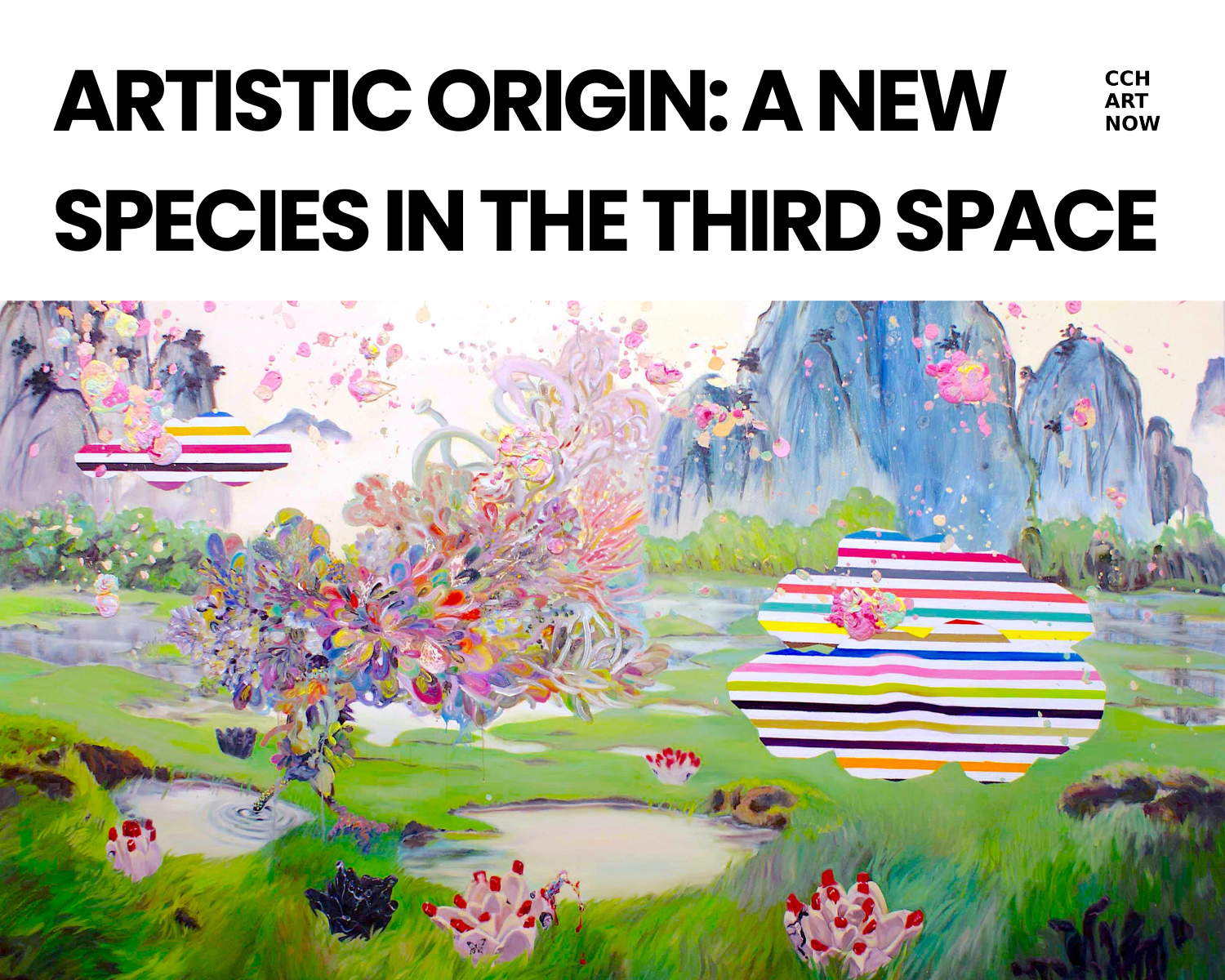
Full Article Archive
Browse all published writings, studio observations, case records, and educational essays from CCH ART NOW.
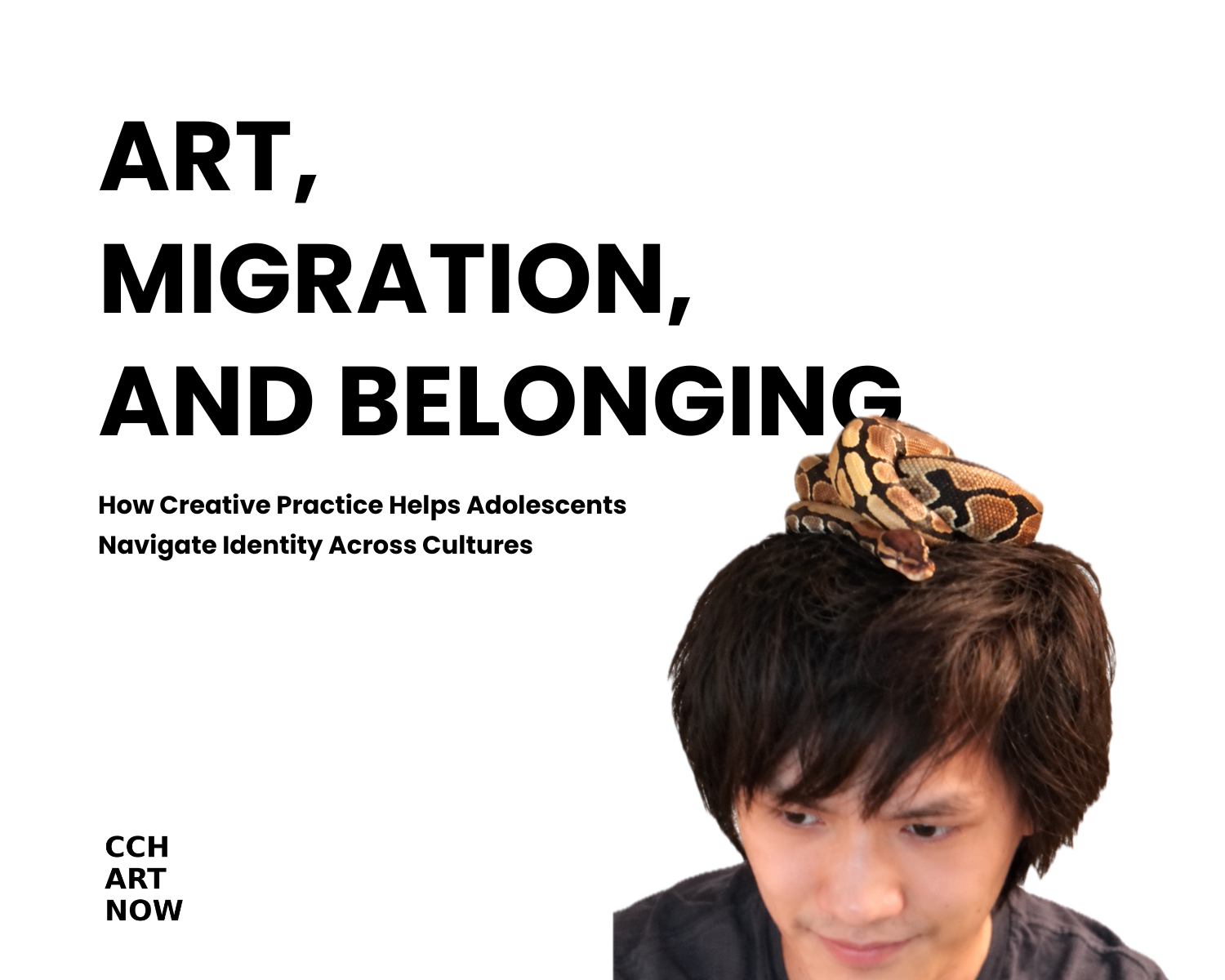
Art, Migration, and Belonging
Through an international student’s playful film about his pets, this retrospective explores how art education can make room for language struggles, identity, and belonging. Everyday encounters become a visual language of companionship, revealing how “cold-blooded” animals brought warmth to a young person’s life—and courage to face each new day.
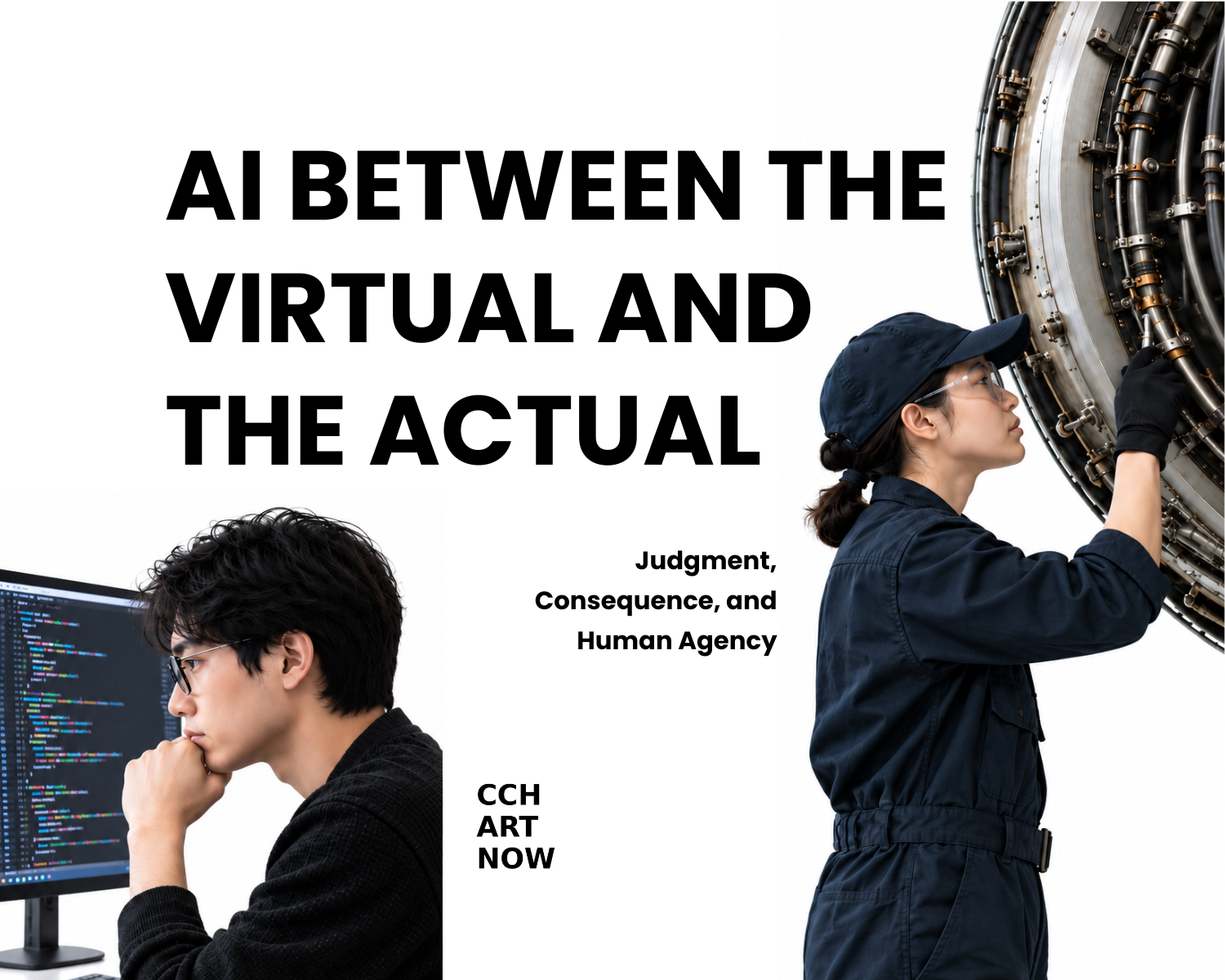
AI BETWEEN THE VIRTUAL AND THE ACTUAL
AI is transforming both digital and physical work, but not in the same way. By comparing software engineering with aircraft maintenance, this article examines where human judgment, accountability, and consequence still matter—and how CCH uses material practice to cultivate those capacities in the age of AI.
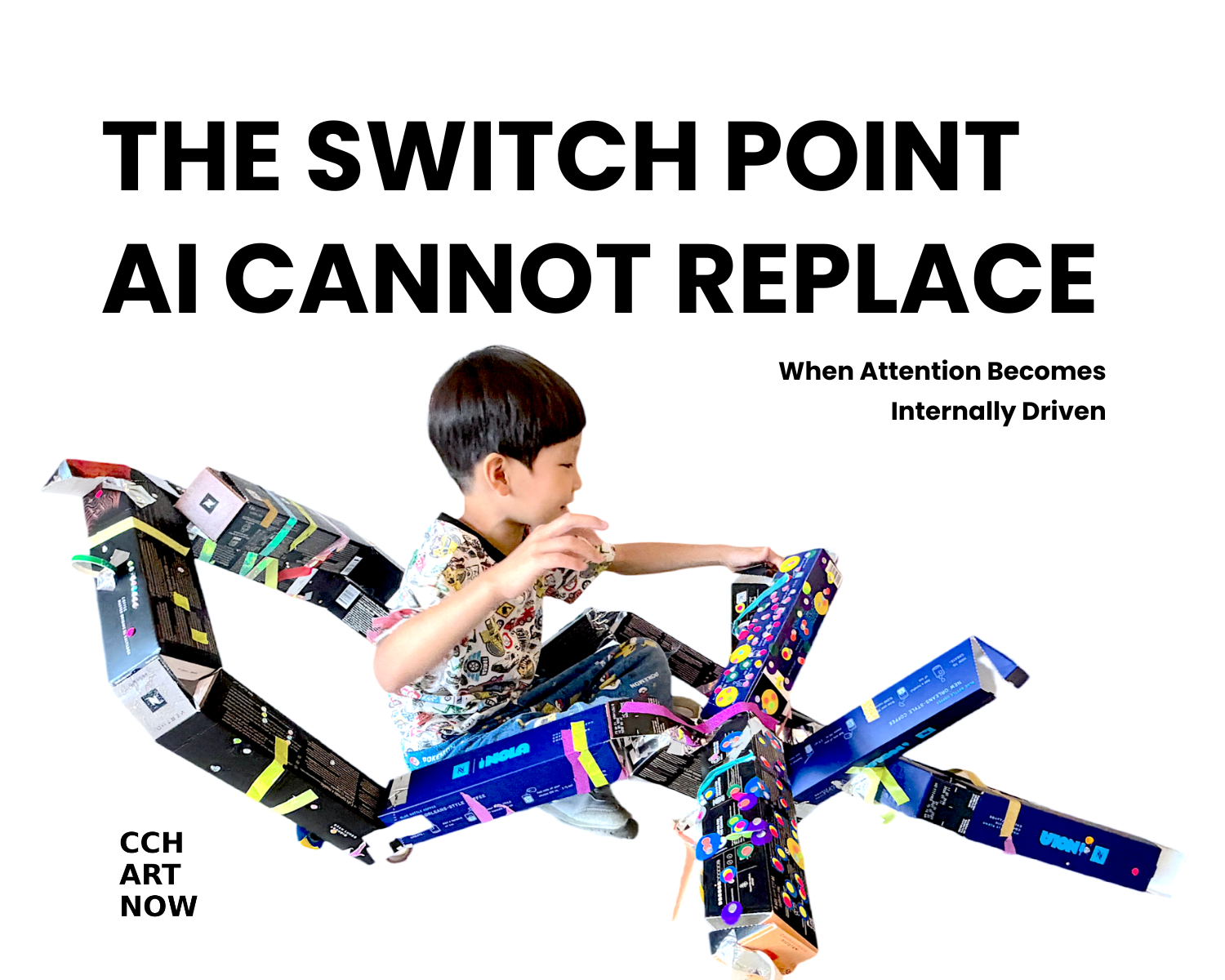
THE SWITCH POINT AI CANNOT REPLACE
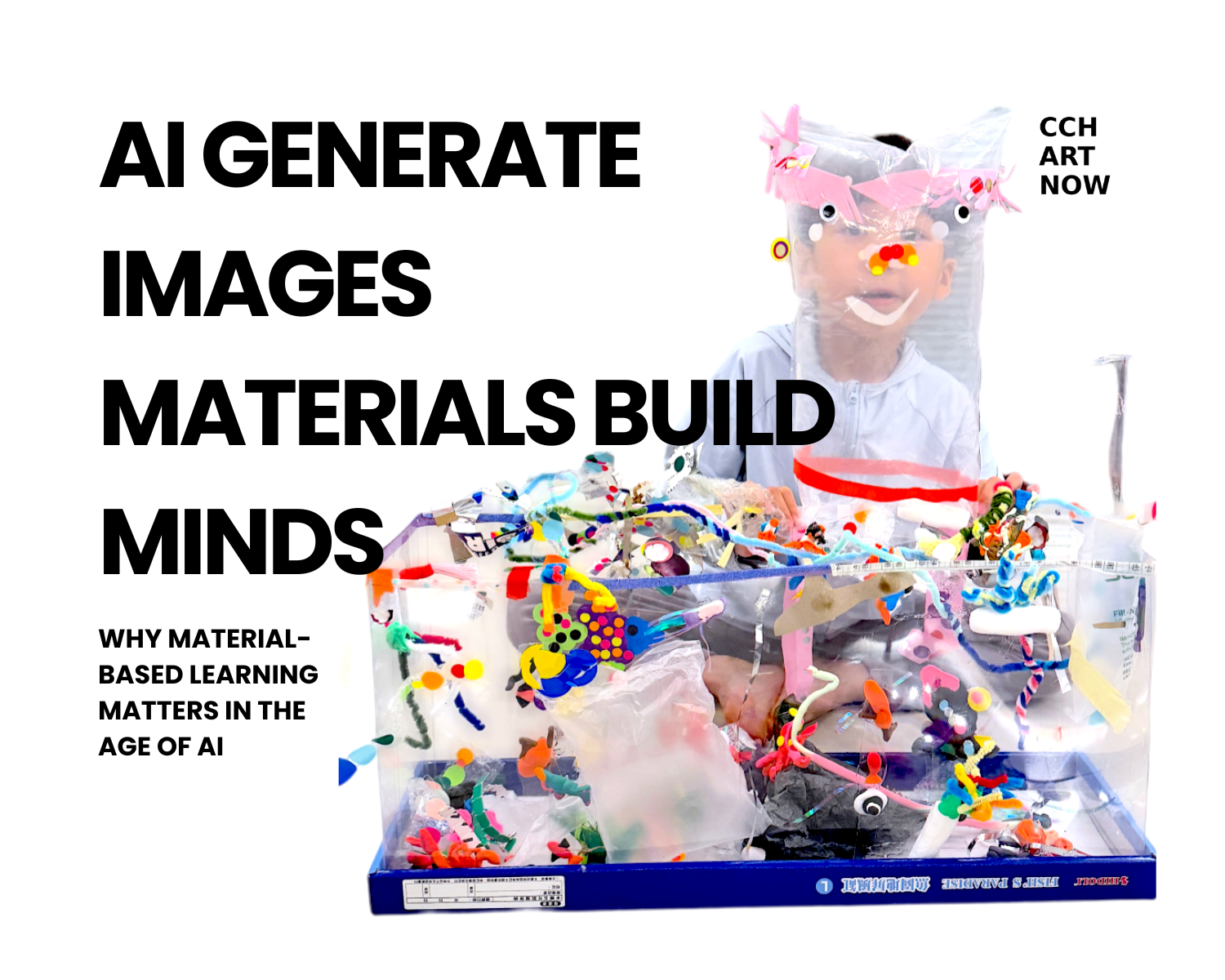
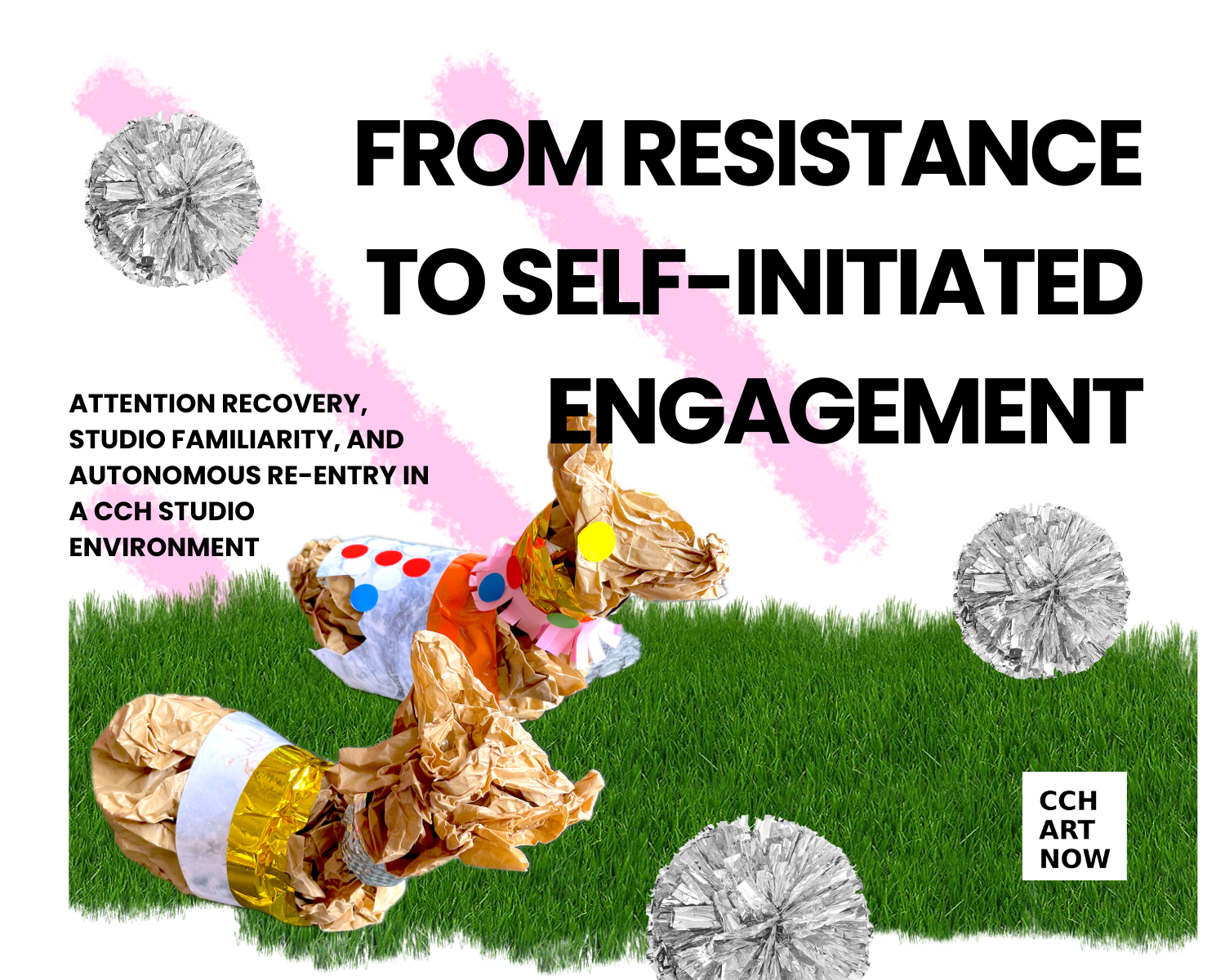
AI can generate possibilities instantly. But turning an intention into physical reality requires something different: attention, judgment, adaptation, and action. This case documents the moment a child shifted from resistance to deep engagement—and began solving a problem that could not be completed by prediction alone.
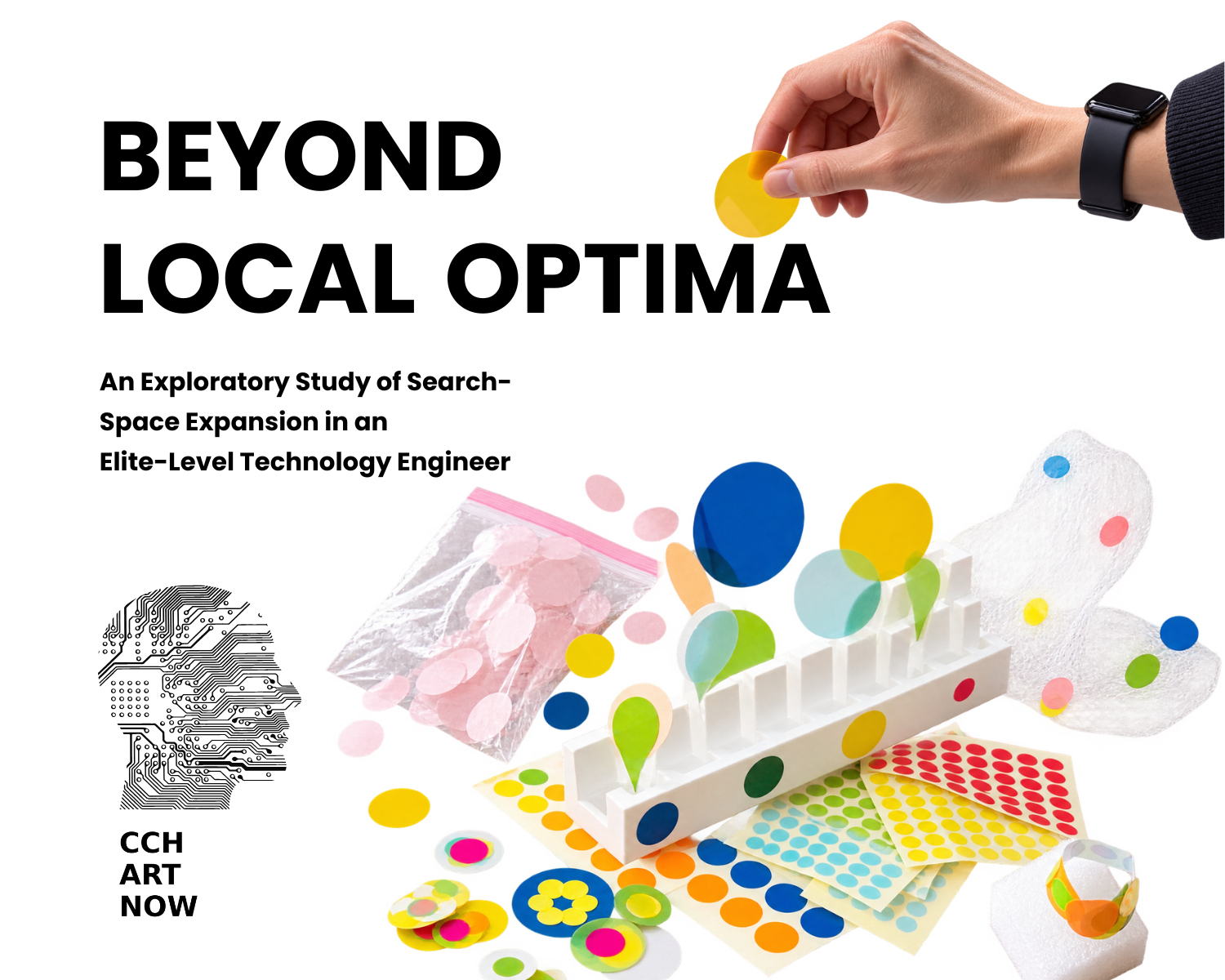
Beyond Local Optima
An exploratory CCH case examining how an elite-level technology engineer responds to open-ended material conditions—and what search-space expansion may reveal about expert judgment, uncertainty, and human decision-making in the age of AI.
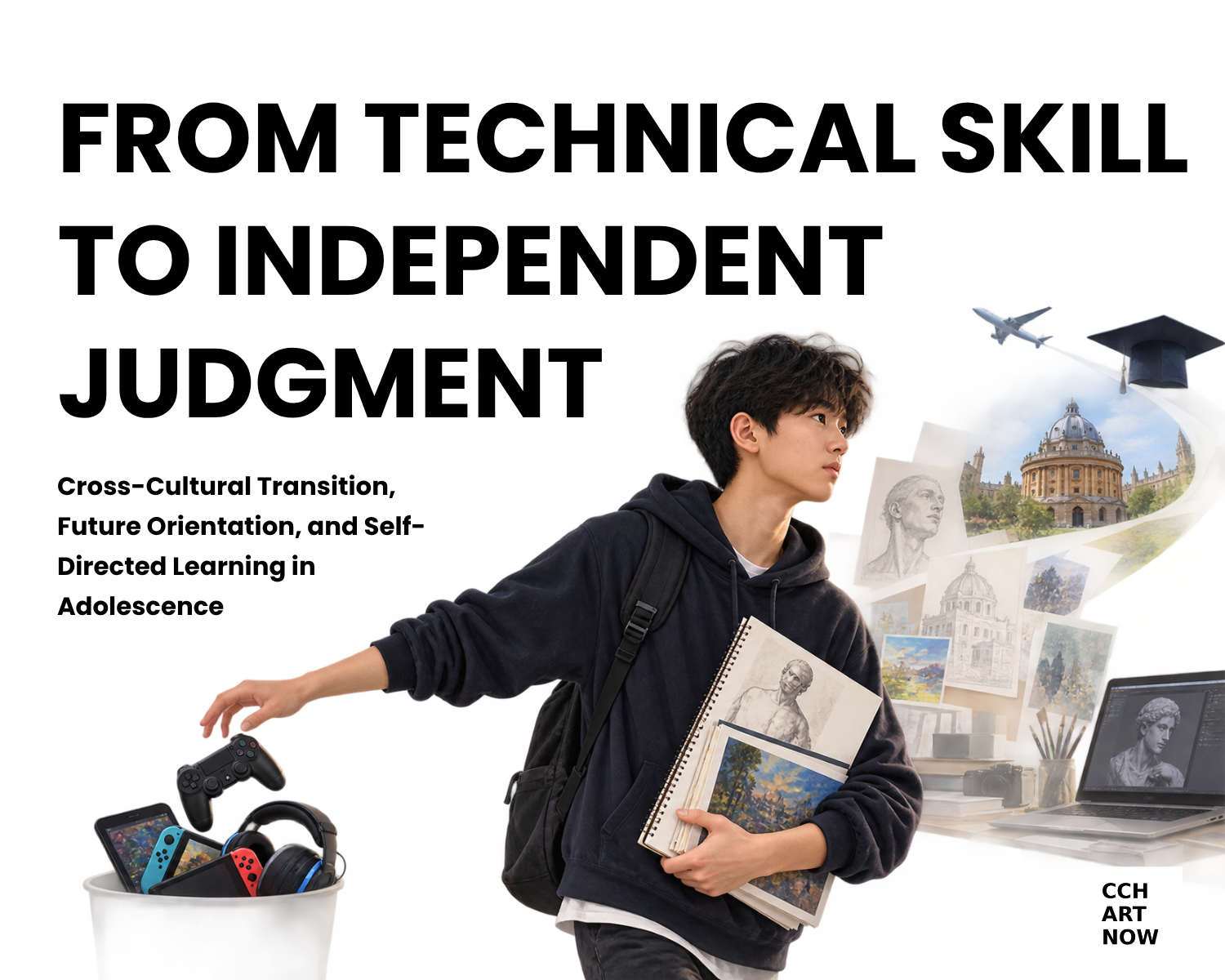
From Technical Skill to Independent Judgment
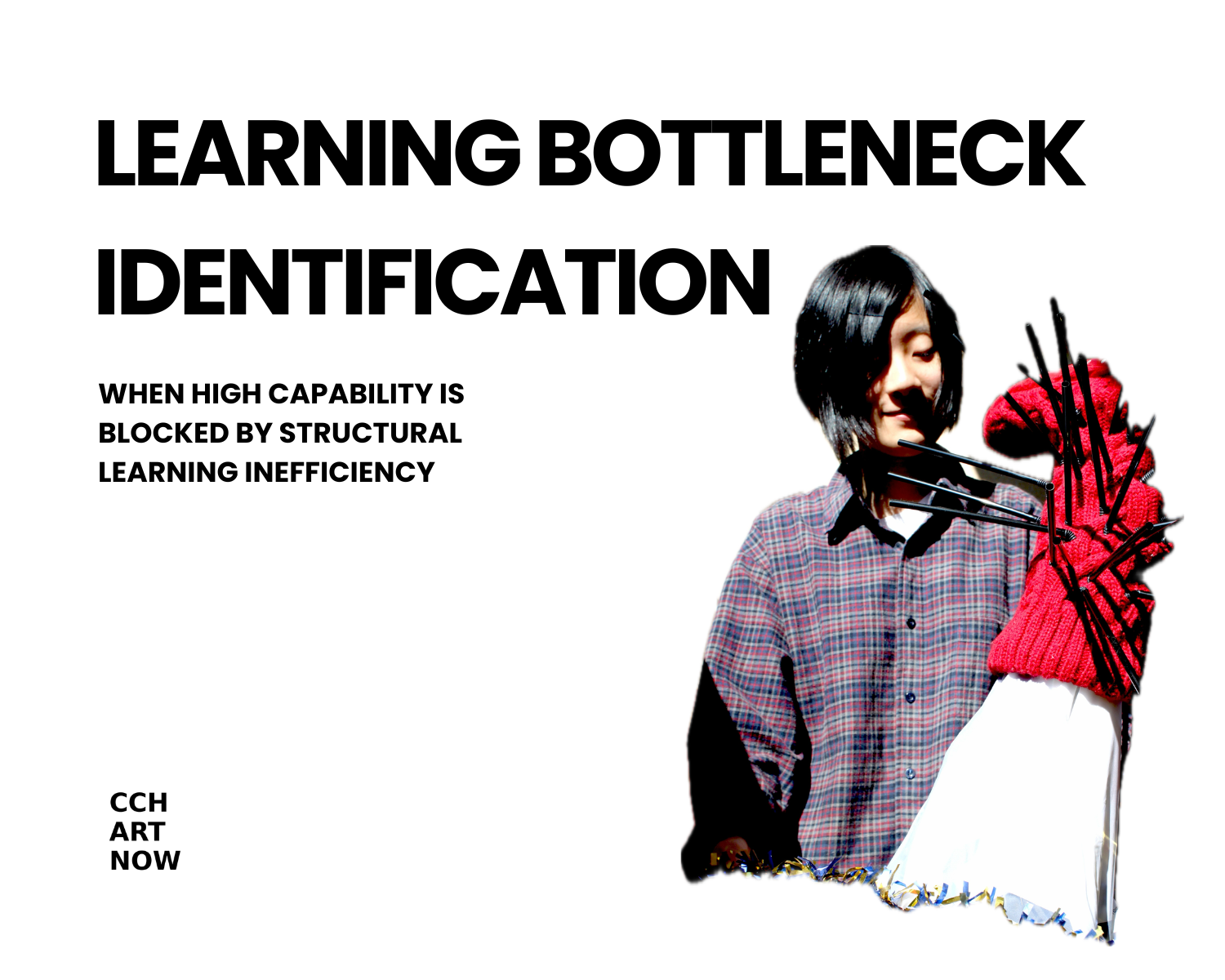
A high school student with strong technical drawing skills began developing conceptual thinking, future orientation, and self-directed learning through social inquiry and long-term goal mapping. This case explores how cross-cultural pedagogical translation can help adolescents connect present decisions with distant academic goals.
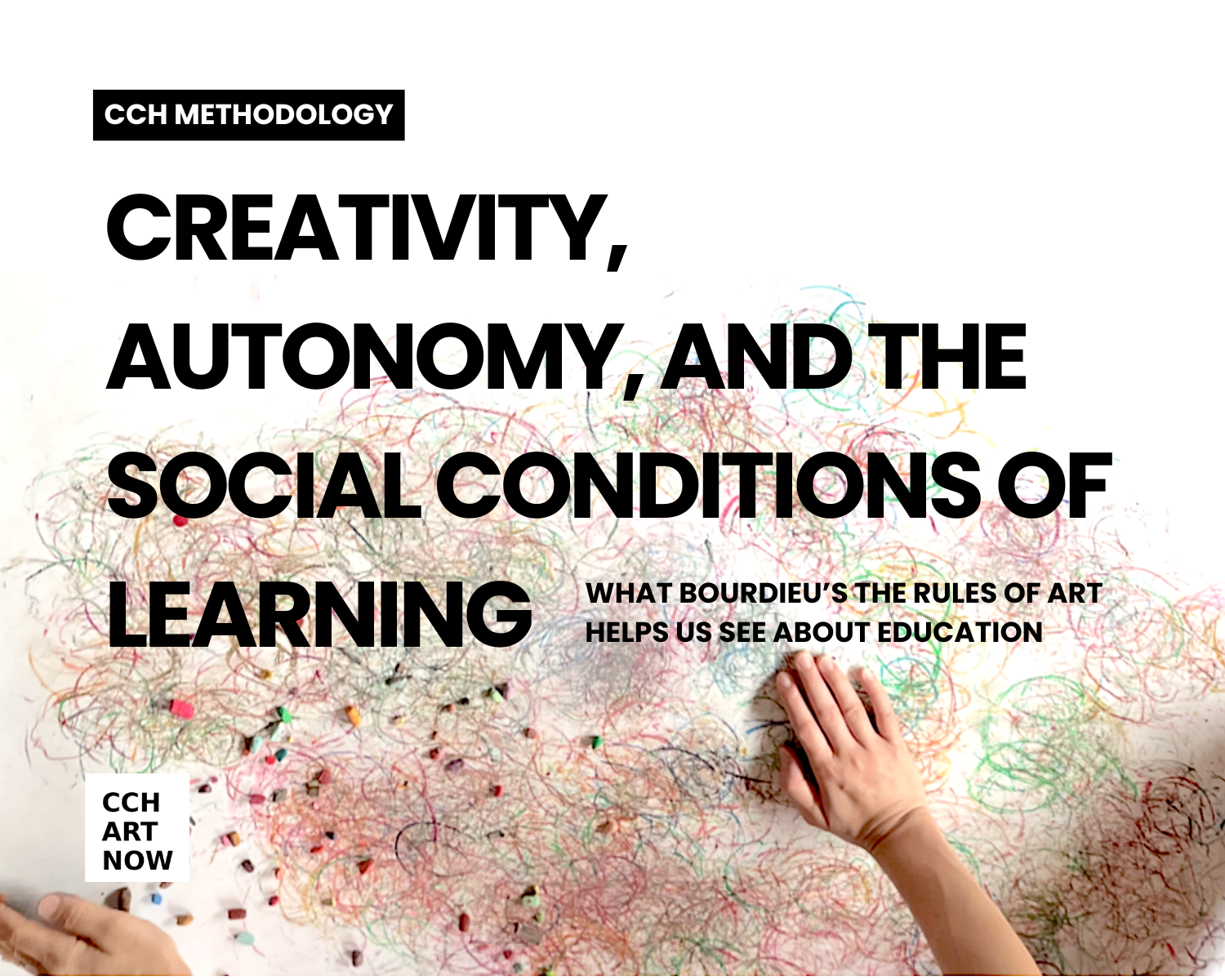
Creativity, Autonomy, and the Social Conditions of Learning
Creative learning does not happen outside culture, institutions, or systems of value. Drawing on Pierre Bourdieu’s The Rules of Art, this article examines how autonomy, material resistance, documentation, and professional interpretation shape what society recognizes as meaningful education.
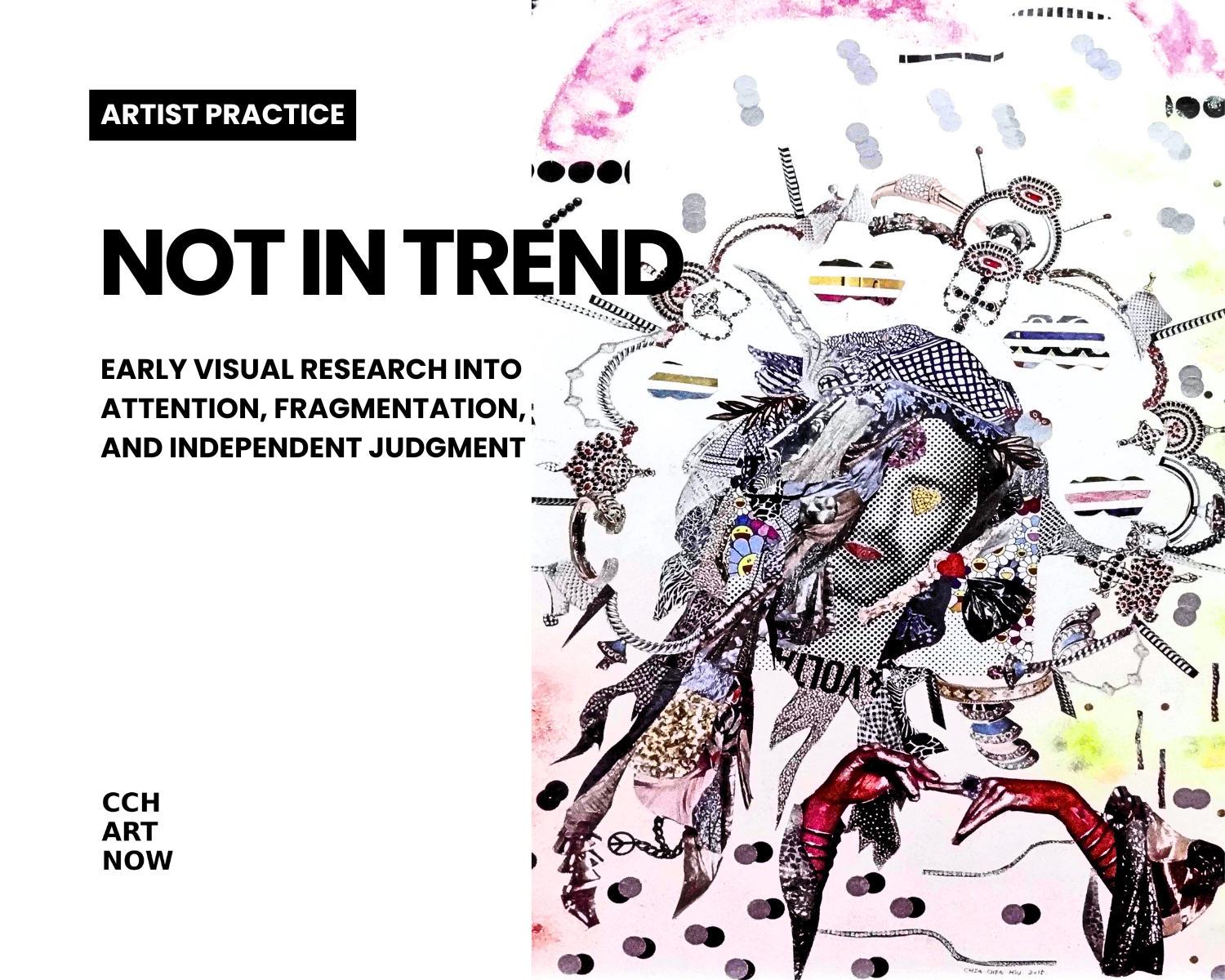
Not in Trend
Created before the formal development of the CCH Protocol, the Not in Trend series explored attention, cultural fragmentation, material layering, and independent visual judgment. These works now reveal an early foundation of CCH ART NOW: the study of how human beings select, organize, resist, and construct meaning under complexity.
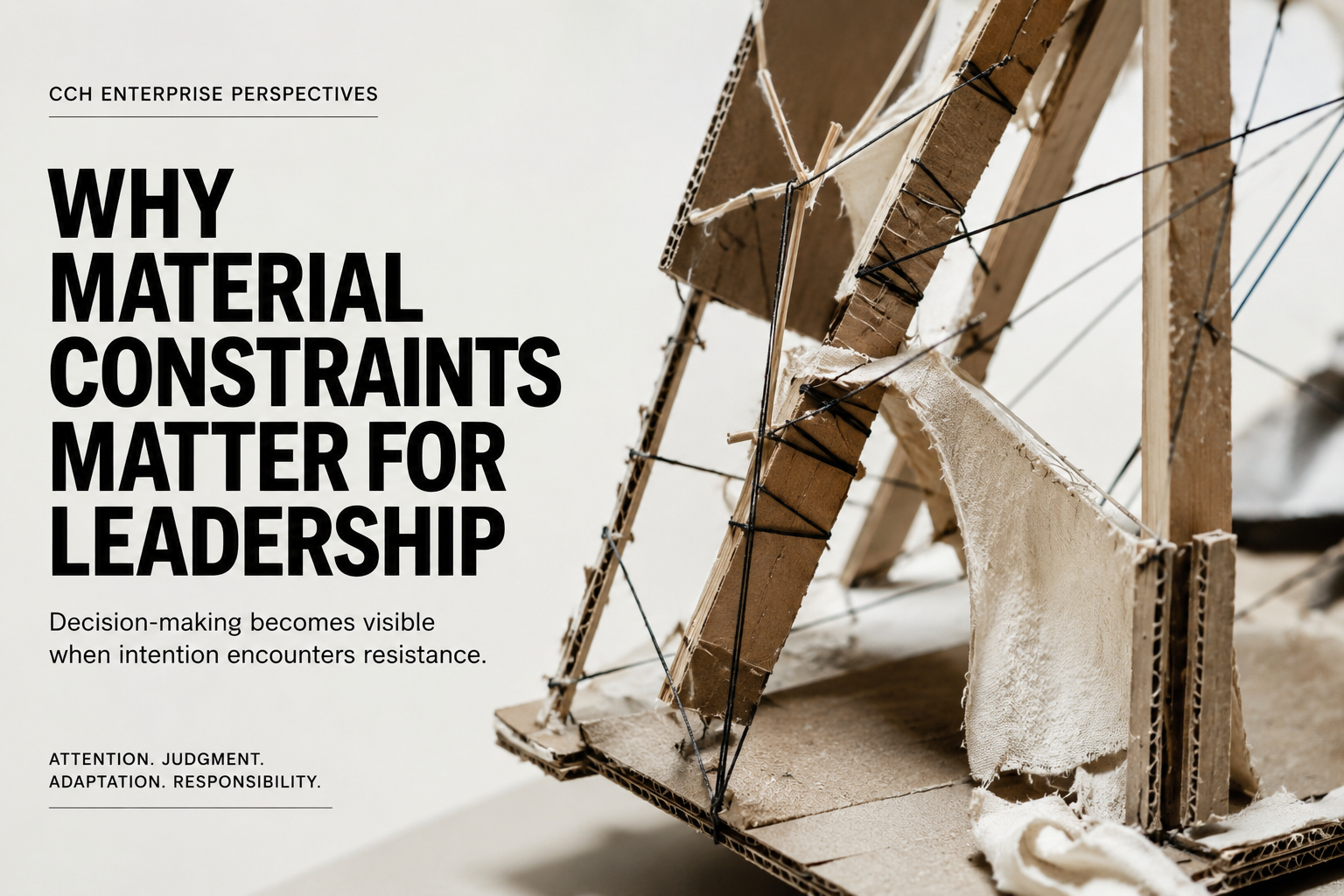
Why Material Constraints Matter for Leadership
Leadership becomes visible when intention encounters resistance. This article examines how material constraints create bounded decision environments in which attention, prioritization, adaptation, support-seeking, revision, and responsibility can be observed without reducing CCH enterprise work to a conventional creativity workshop.
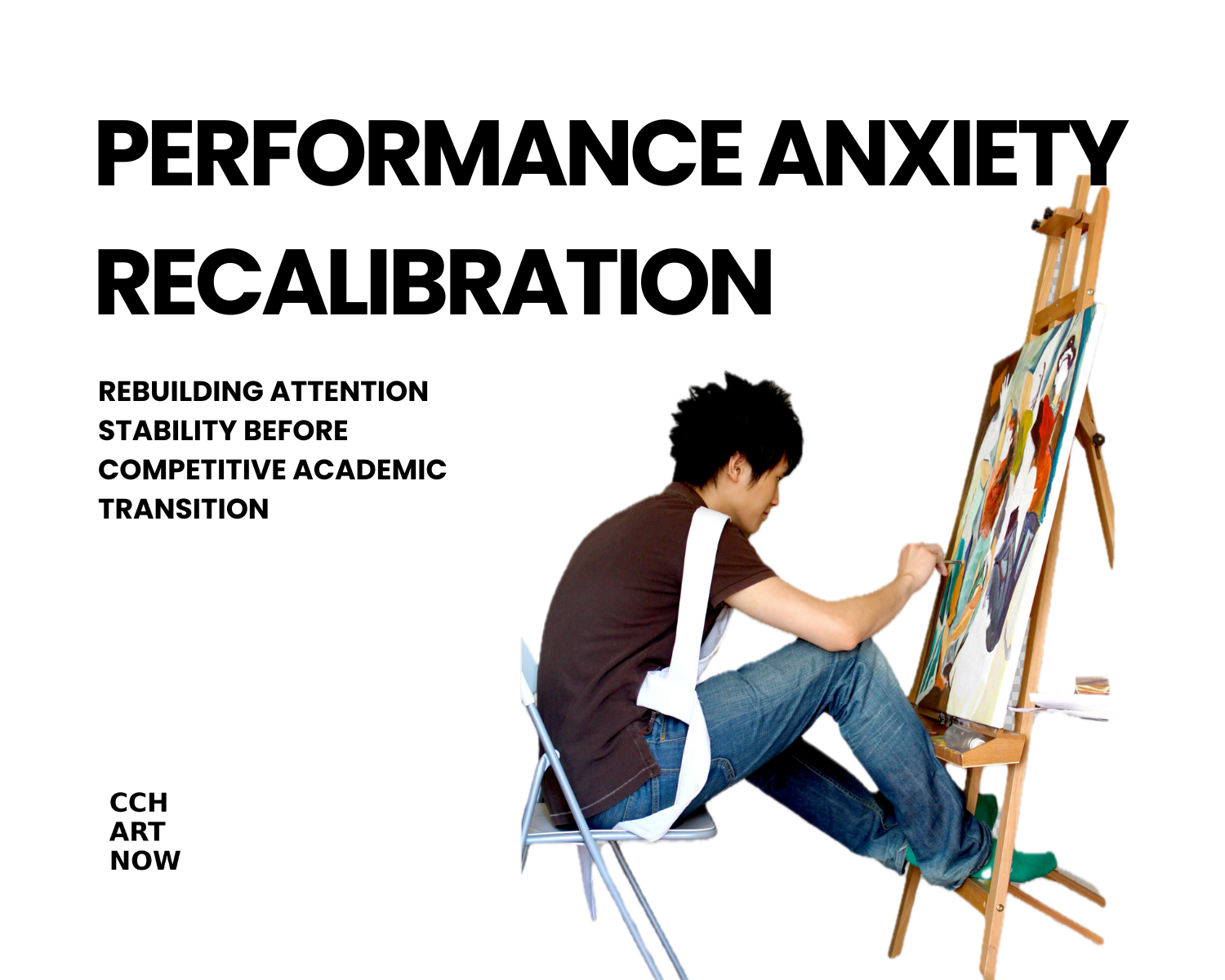
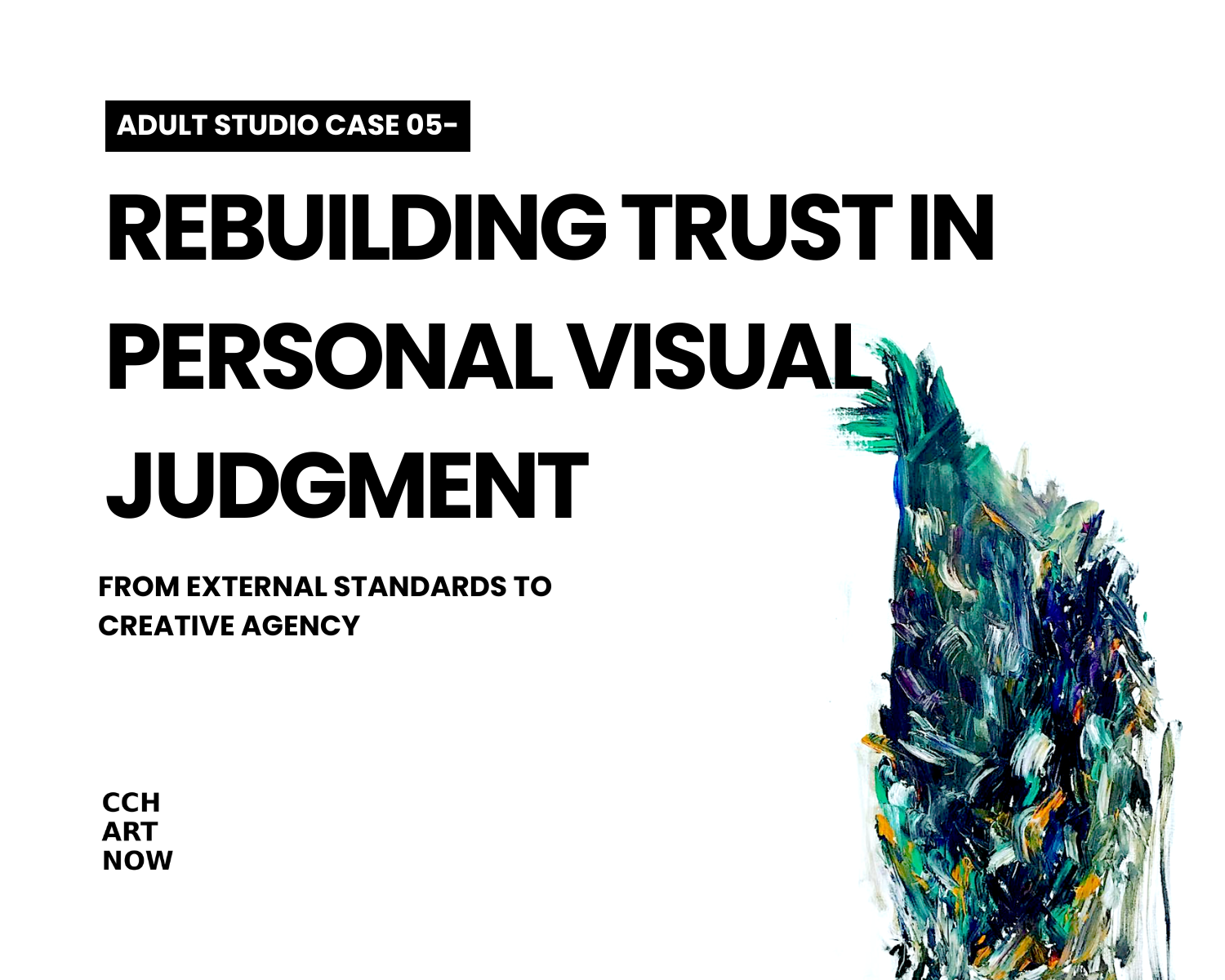
ADULT STUDIO CASE 05-Rebuilding Trust in Personal Visual Judgment
Adults often enter the studio relying on external approval, technical correctness, and inherited aesthetic standards. This case examines how sustained painting practice can support more specific visual reasoning, internally grounded judgment, meaningful closure, and creative agency.
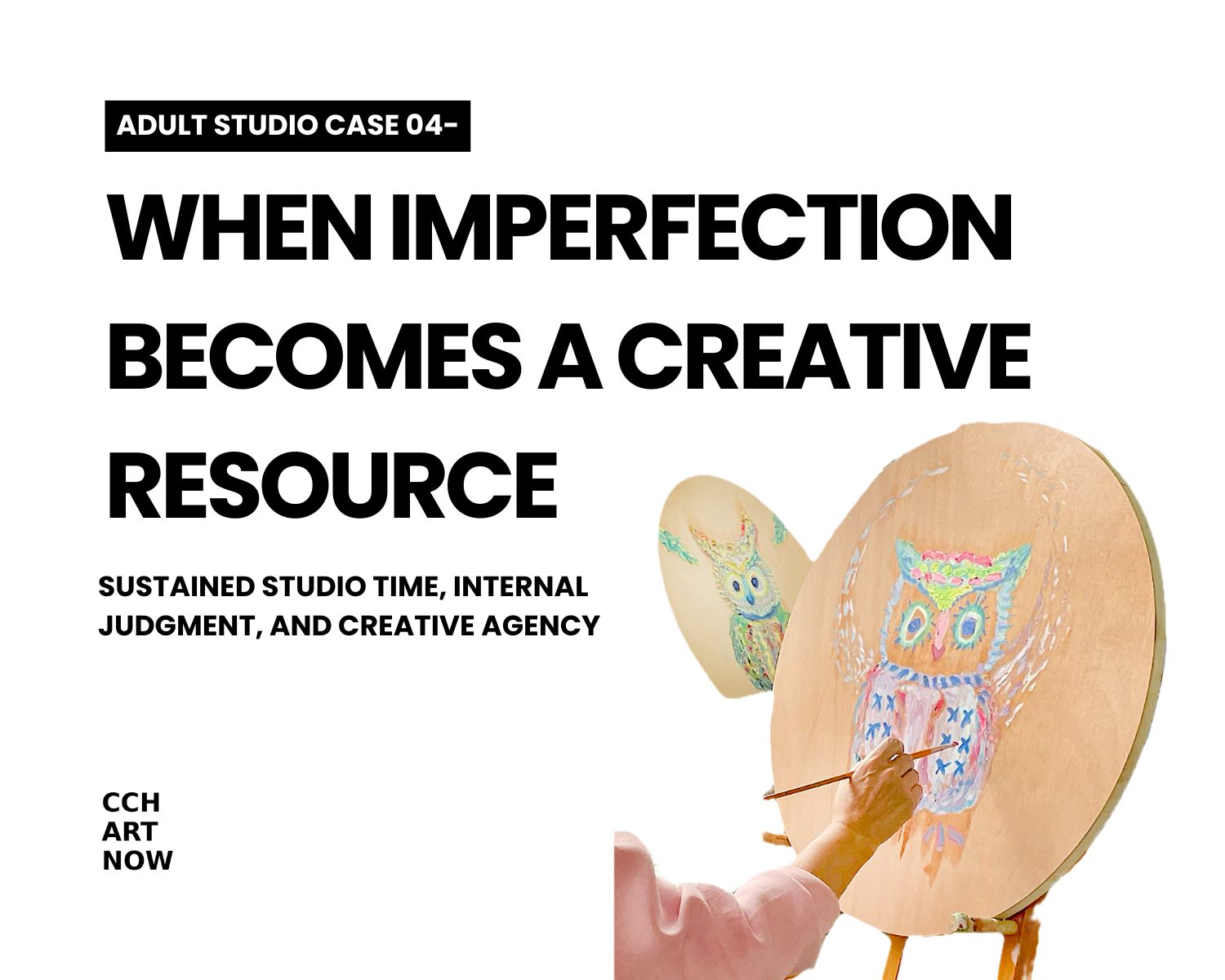
ADULT STUDIO CASE 04-When Imperfection Becomes a Creative Resource
Adults often interpret irregularity, incompletion, and material unpredictability as failure. This case examines how sustained studio time can slow premature evaluation, transform imperfection into visual evidence, and support the development of internal judgment and creative agency.
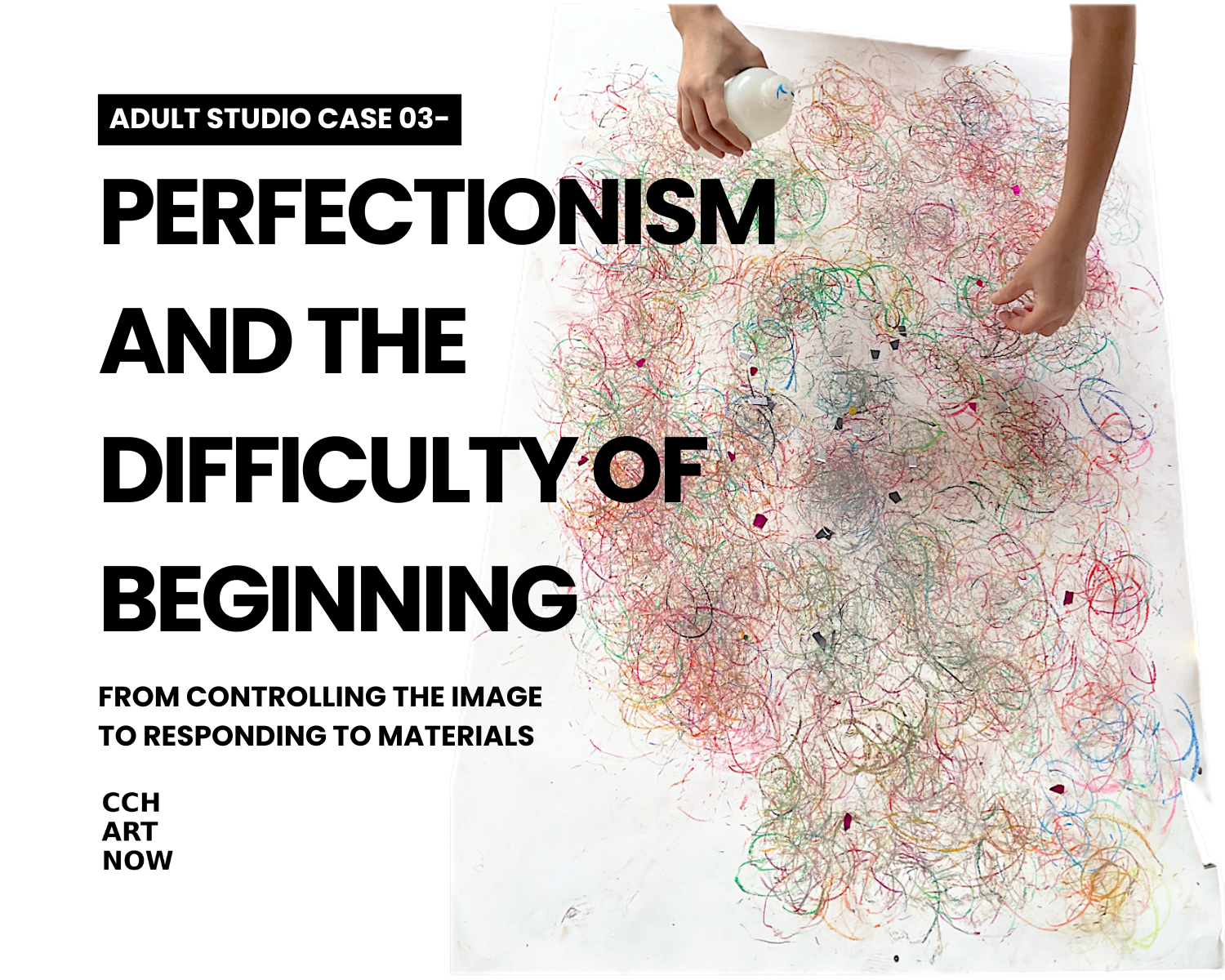
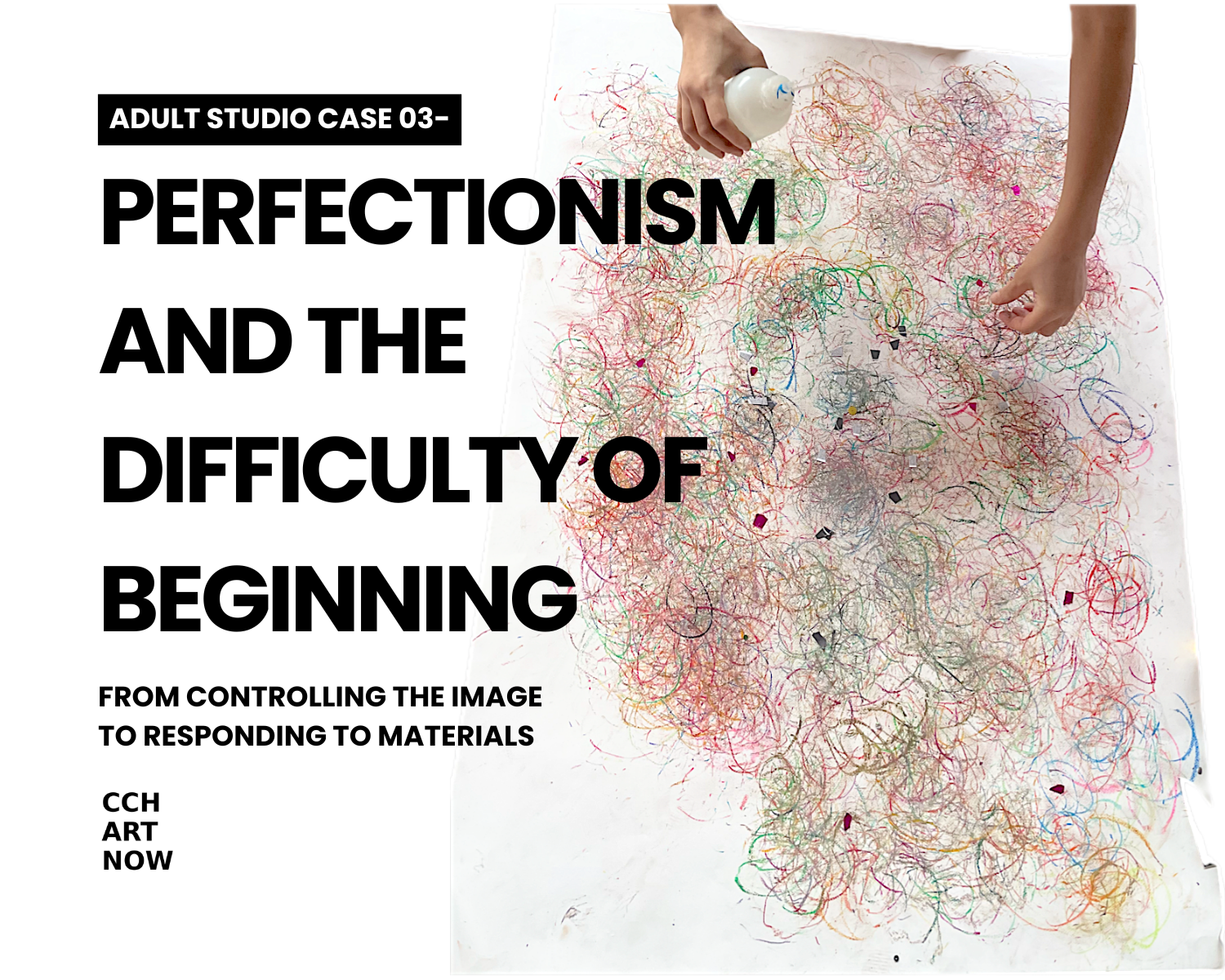
ADULT STUDIO CASE 03-Perfectionism and the Difficulty of Beginning
Perfectionism can make beginning difficult when adults attempt to predict and control the image before materials provide enough evidence. This case examines how paint flow, layering, scraping, collage, surface traces, and material uncertainty support a shift toward responsive visual judgment.
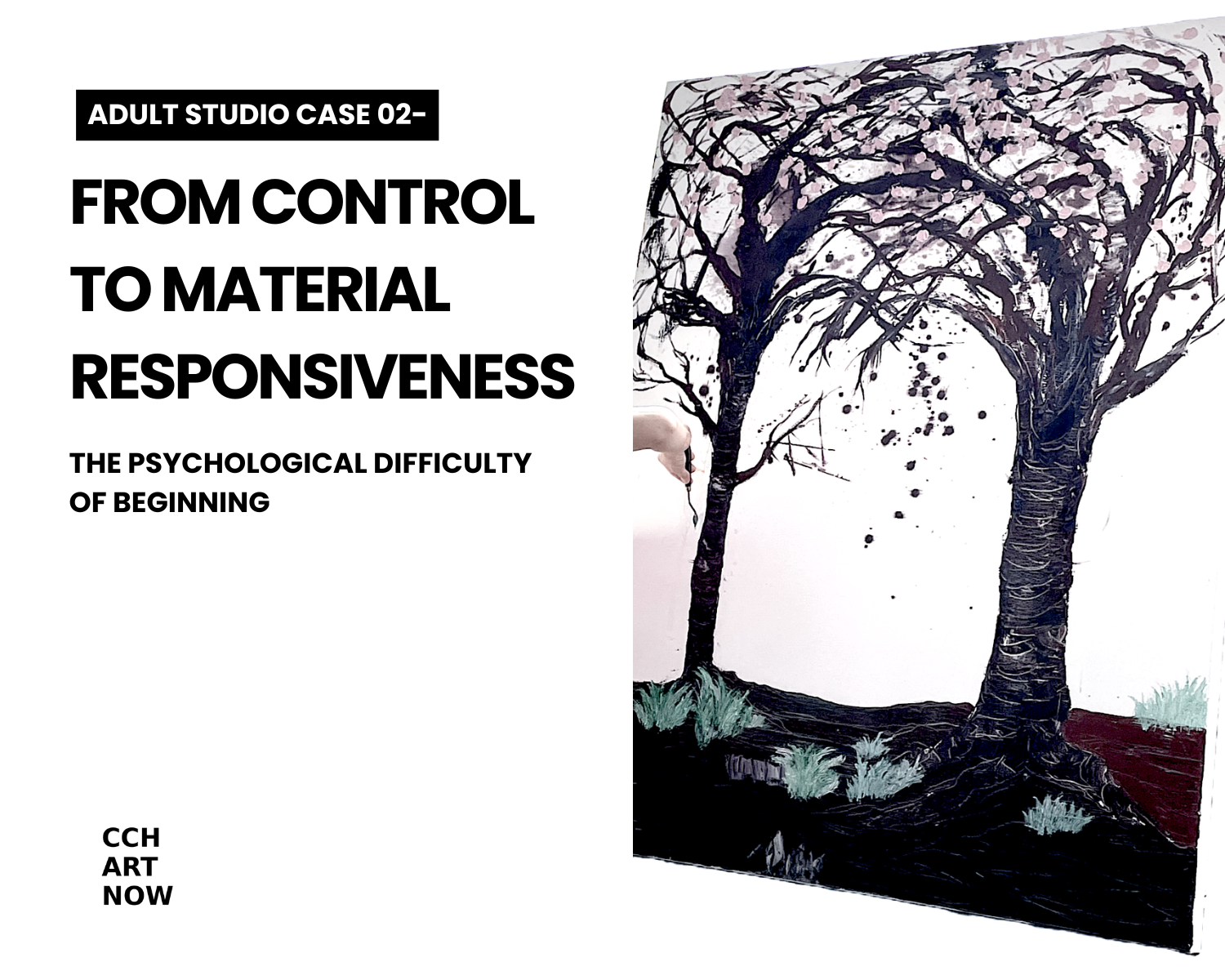
ADULT STUDIO CASE 02- From Control to Material Responsiveness
The difficulty of beginning is often psychological before it is technical. This adult studio case examines how material testing, residue, uncertainty, and visual evidence can help adults move from controlling a predicted result toward responsive decision-making.
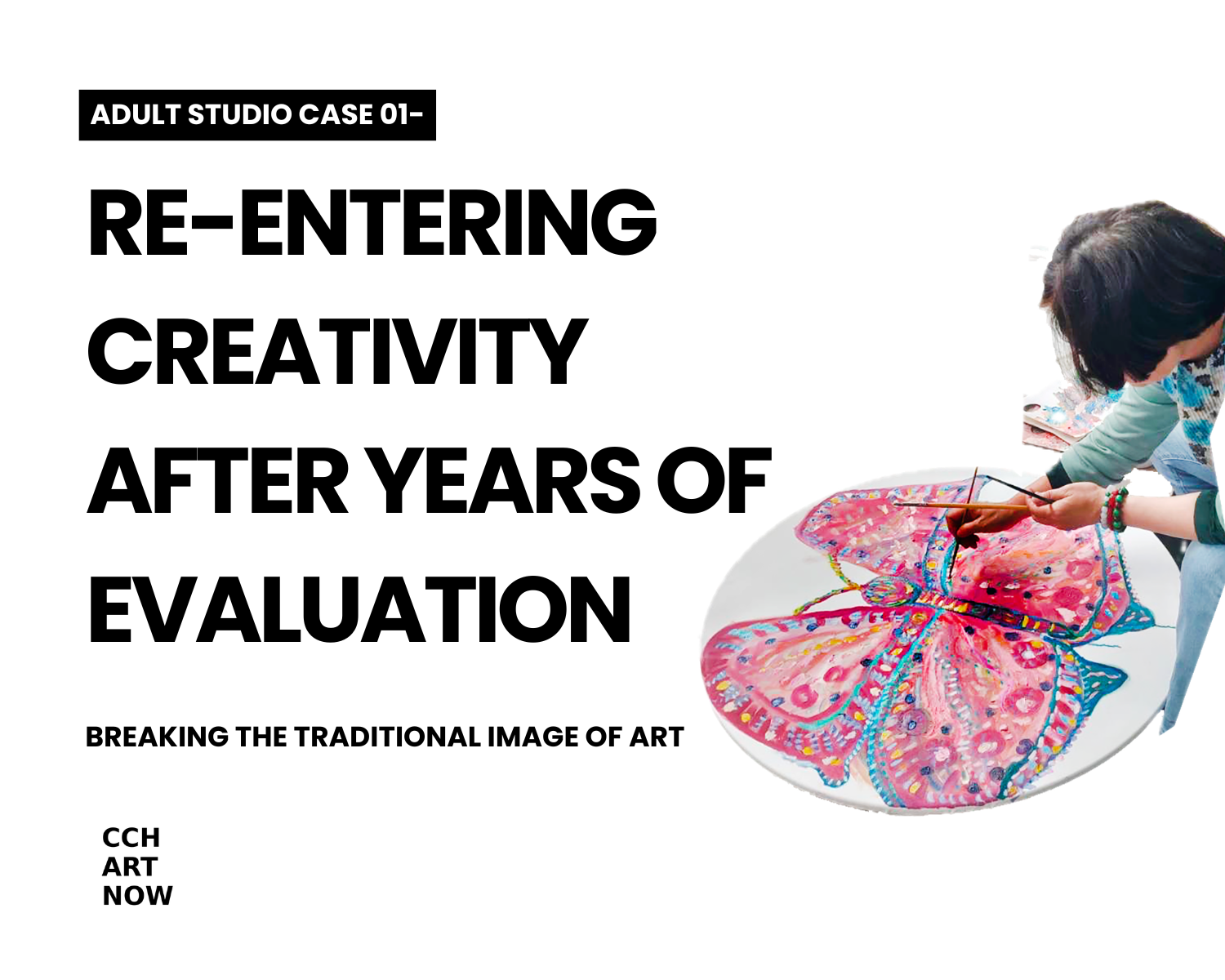
ADULT STUDIO CASE 01-Re-entering Creativity After Years of Evaluation
Adults often re-enter creativity carrying fixed ideas about talent, realism, refinement, and what serious art should look like. This case examines how painting and material exploration can loosen premature evaluation and rebuild personal visual judgment.
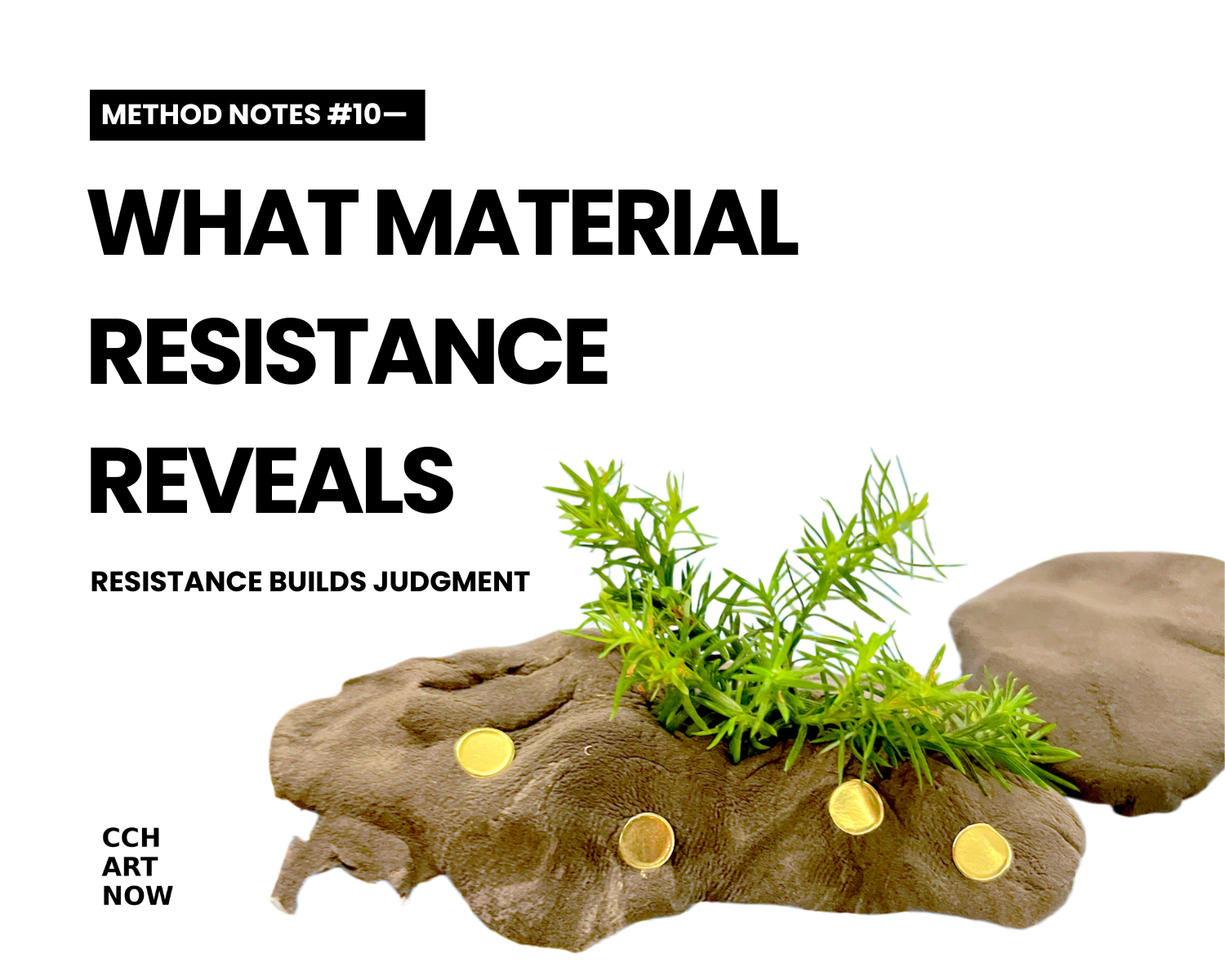
METHOD NOTES 10- What Material Resistance Reveals
Material resistance creates situations in which learners must observe, decide, revise, regulate, and recover. This Method Note examines how CCH interprets constraints as opportunities for judgment while distinguishing developmental observation from product evaluation.
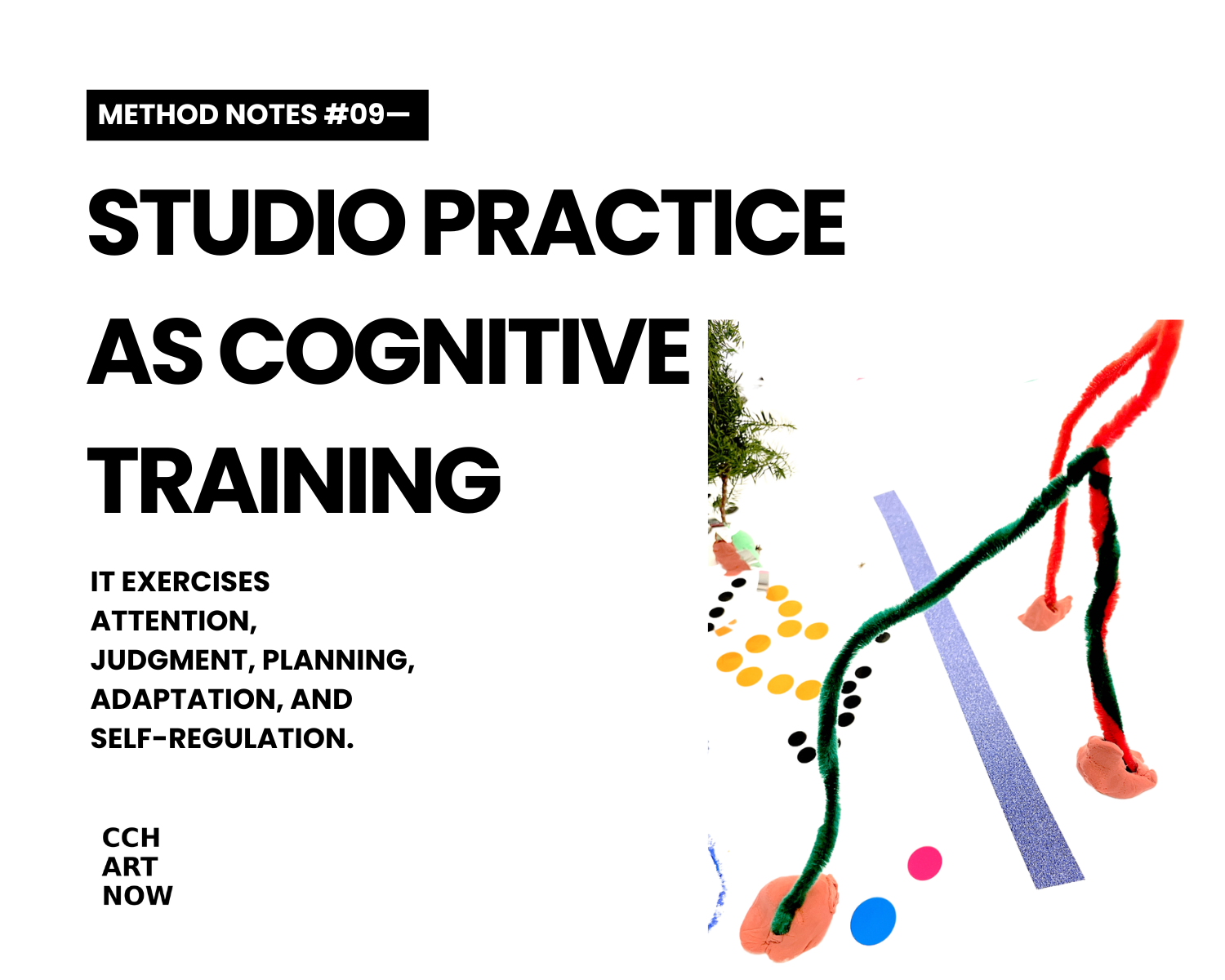
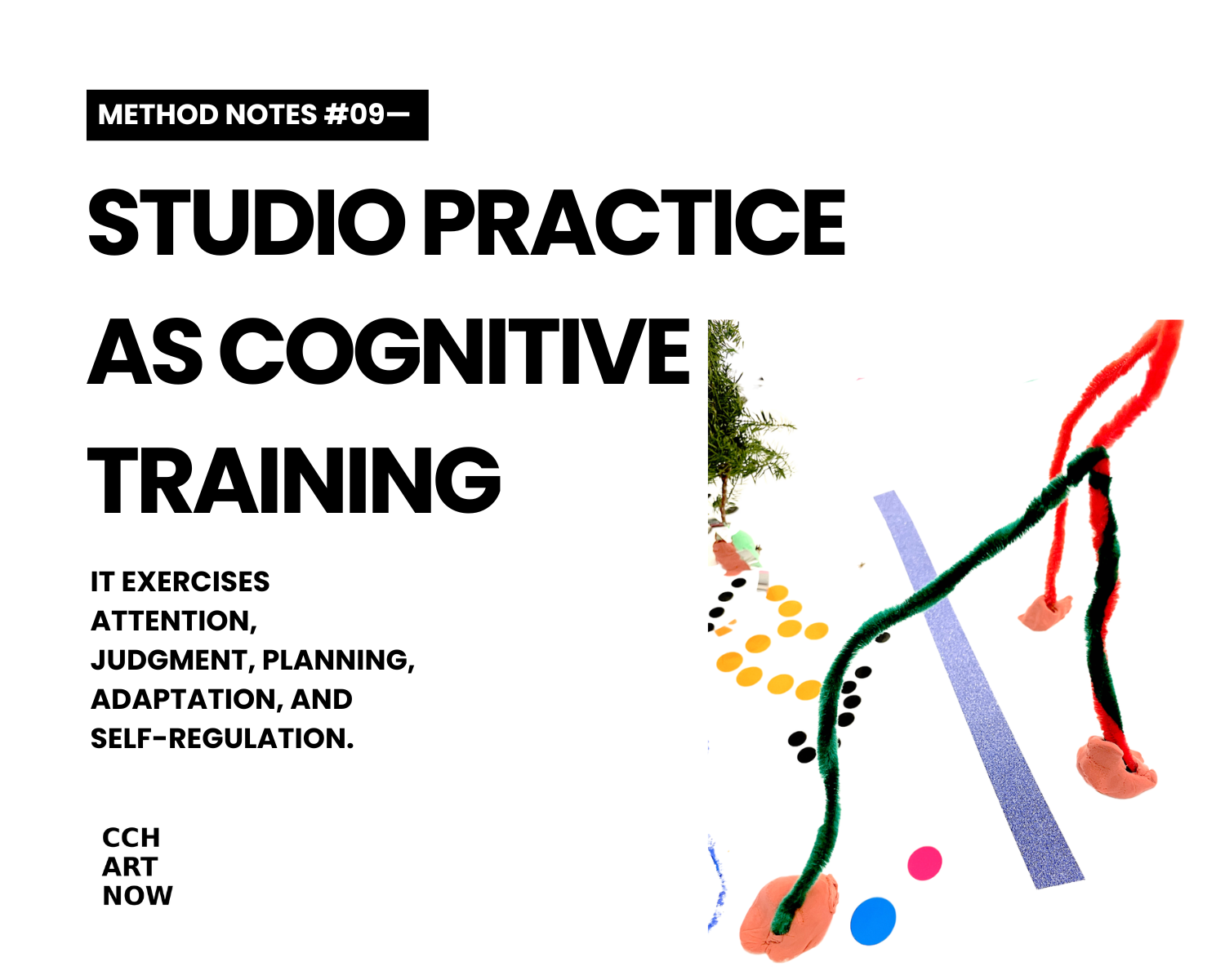
METHOD NOTES 09-Studio Practice as Cognitive Training
Studio practice can exercise more than artistic skill. This Method Note examines how making activates attention, working memory, planning, judgment, cognitive flexibility, self-regulation, and adaptive problem-solving through embodied material engagement.
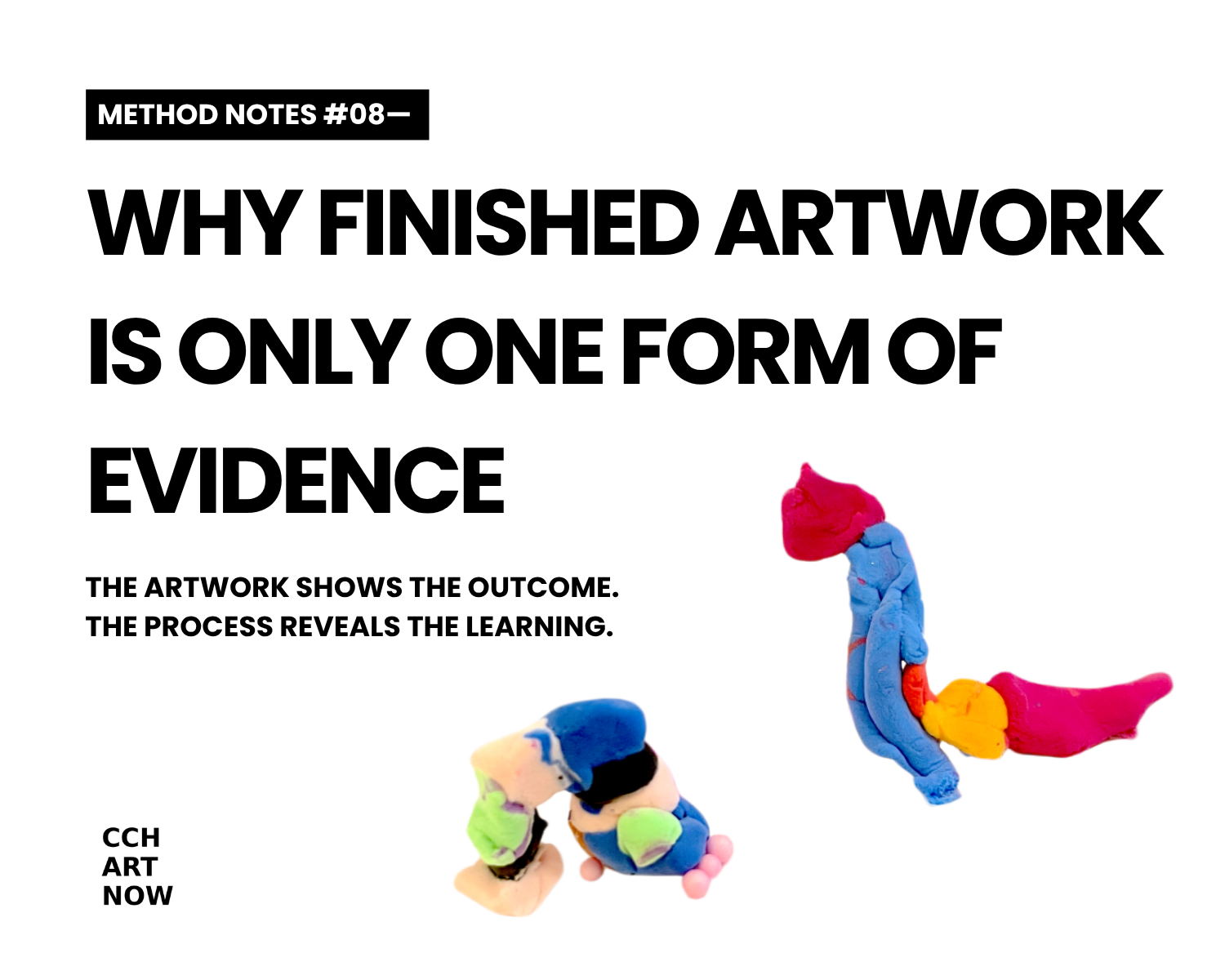
METHOD NOTES 08 - Why Finished Artwork Is Only One Form of Evidence
Finished artwork is meaningful evidence, but it cannot fully reveal how learning developed. This Method Note examines how CCH combines products, process records, observation, reflection, material traces, and longitudinal patterns to document studio learning.
METHOD NOTES 07-Attention Is Built, Not Taught
Attention is not built through reminders alone. This Method Note examines how emotional safety, material feedback, manageable challenge, flow conditions, repeated return, and two-hour studio units support the development of self-directed attention.
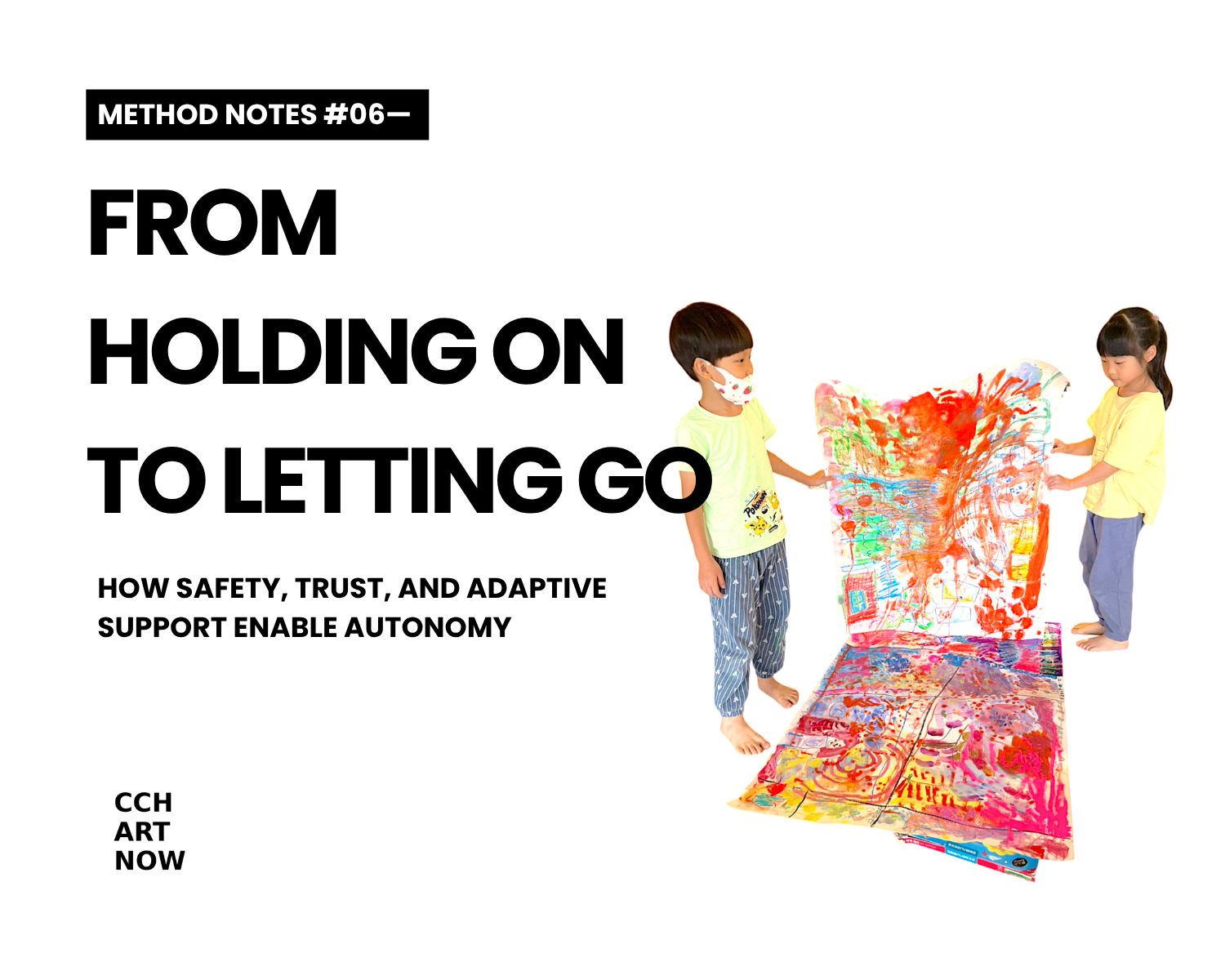
METHOD NOTES 06 -From Holding On to Letting Go
Holding on can provide safety before trust has formed. This Method Note examines how children, parents, educators, and adult learners gradually move from external reassurance and control toward autonomy, psychological flexibility, and independent engagement.
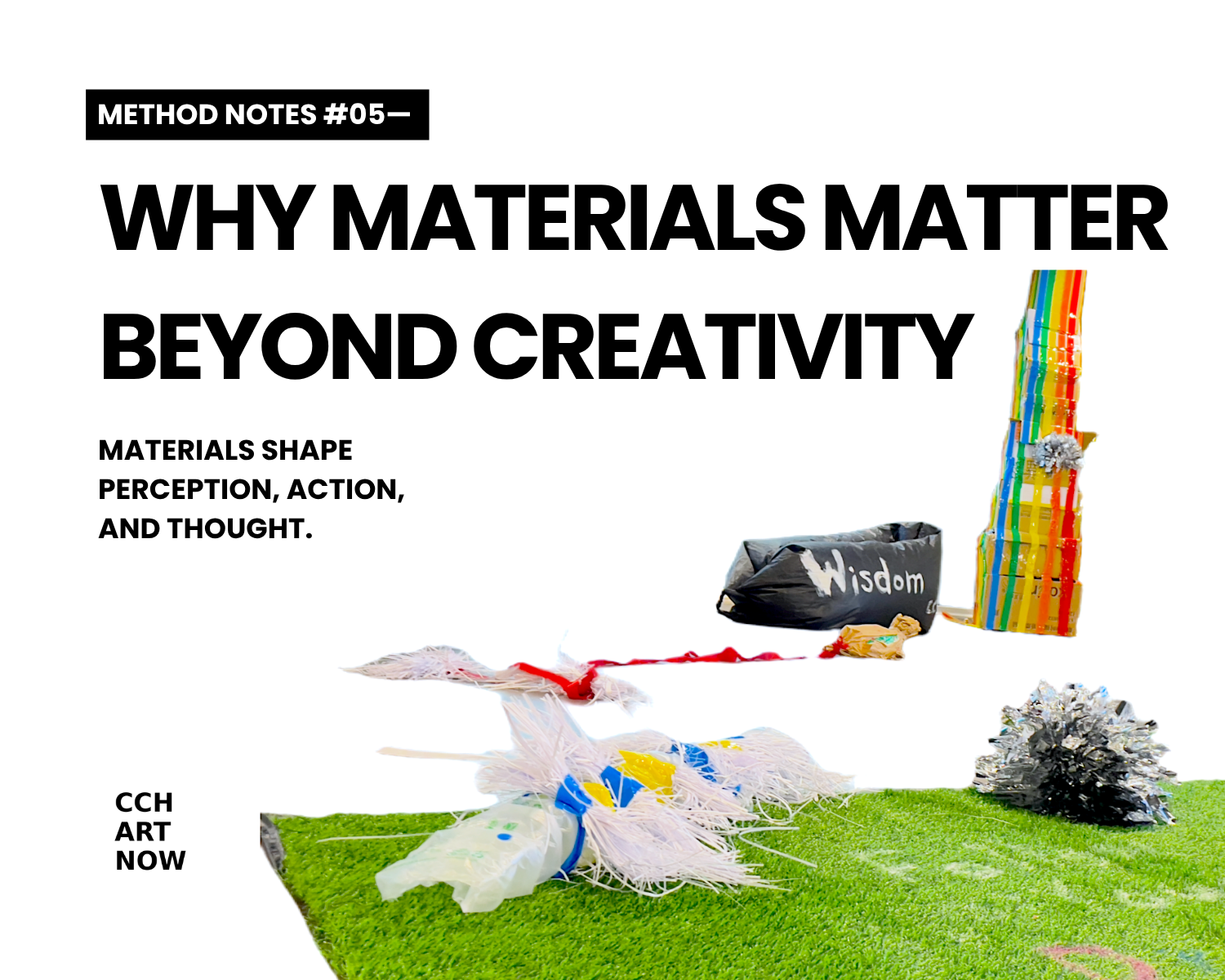
METHOD NOTES 05 - Why Materials Matter Beyond Creativity
Materials do more than support creativity. This Method Note examines how physical resistance, affordances, embodied action, and material feedback shape attention, judgment, autonomy, and cognitive development.
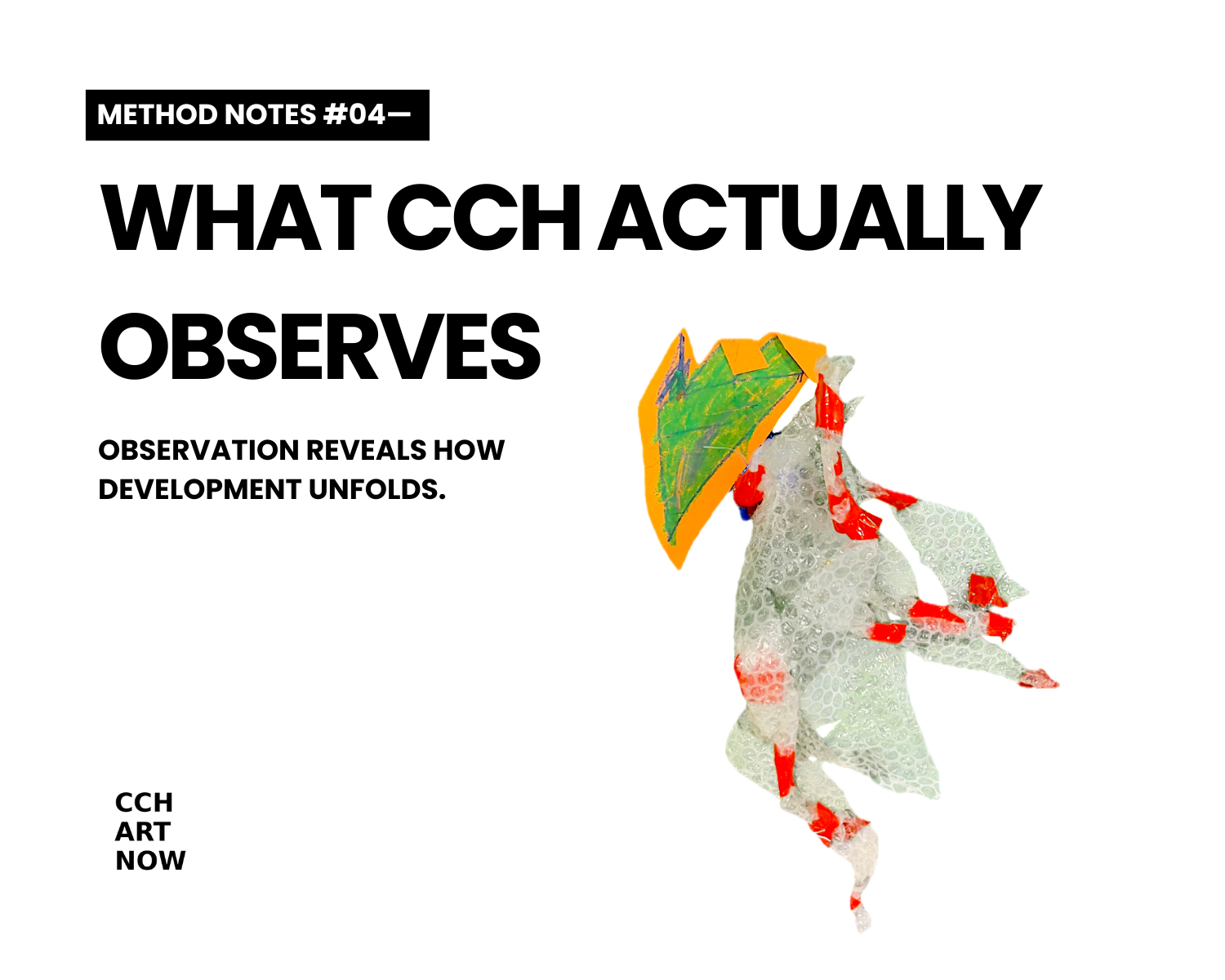
METHOD NOTES 04-What CCH Actually Observes
CCH observation extends beyond finished artwork. This Method Note introduces the framework used to examine initiation, attention, decision-making, revision, recovery, help-seeking, and material interaction during studio practice.