
The Neuroplasticity Window
Why Ages 5–10 Matter for Attention, Self-Regulation, and Creative Autonomy
Ages 5–10 represent an important developmental window for cultivating attention regulation, executive function, emotional self-regulation, and independent decision-making. During this period, children are not simply acquiring isolated skills; they are actively forming the cognitive patterns through which they respond to challenge, uncertainty, frustration, material resistance, and social evaluation.
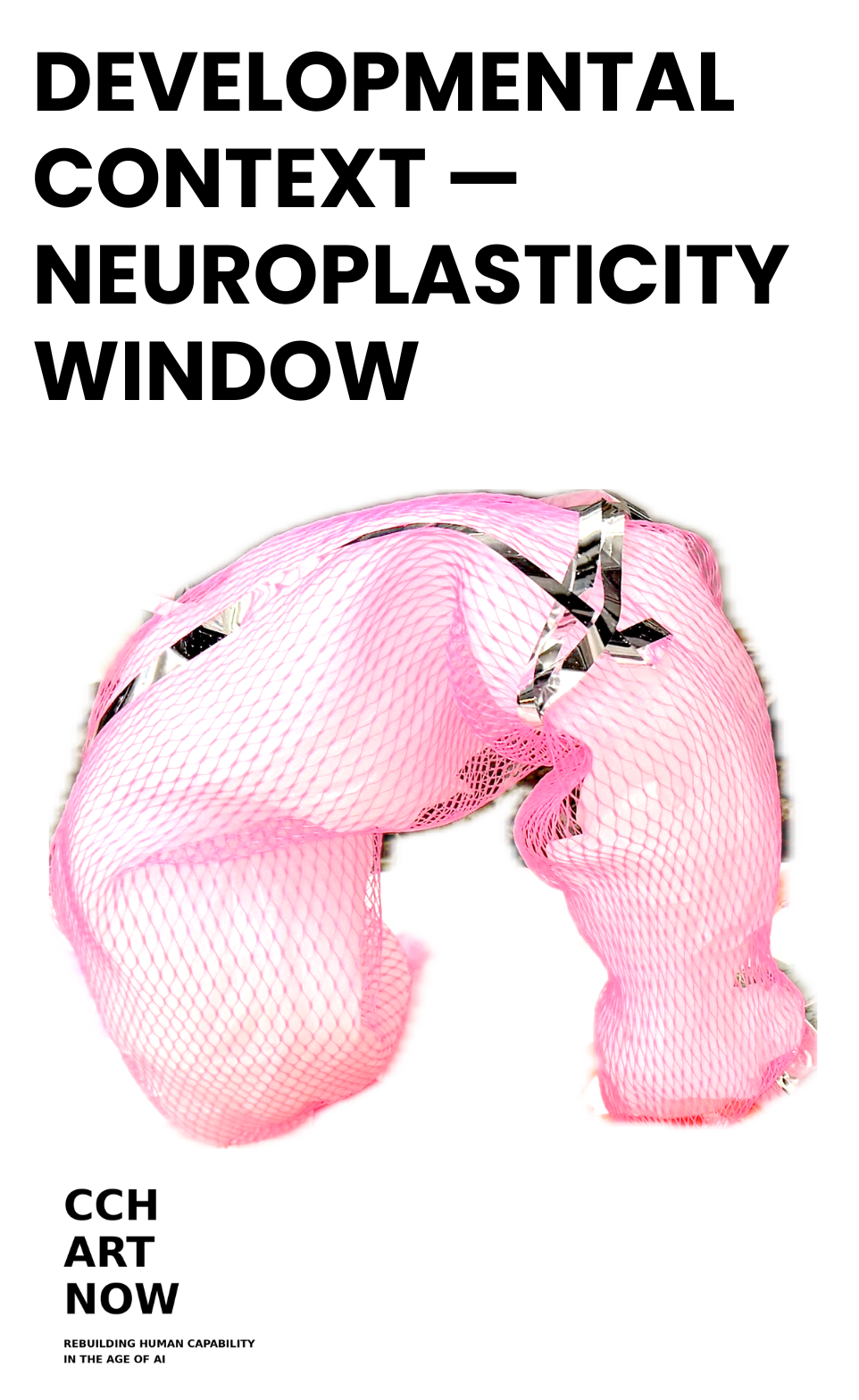
Research in developmental psychology and cognitive neuroscience consistently identifies executive function as a central foundation for learning. Executive function includes working memory, inhibitory control, cognitive flexibility, planning, decision-making, and the ability to regulate attention toward a goal. These capacities are not fixed at birth; they develop through repeated practice within supportive environments (Center on the Developing Child, Harvard University, n.d.; Best & Miller, 2010).
A major developmental review of executive function notes that these abilities undergo substantial change across childhood and continue to develop through adolescence. This means that childhood is not merely a preparation stage for academic learning; it is a formative period during which children strengthen the internal systems that allow them to stay with difficulty, delay impulsive responses, shift strategies, and make increasingly independent judgments (Best & Miller, 2010).
Scientific evidence also suggests that self-regulation in childhood has long-term significance. In a longitudinal study following approximately 1,000 children from birth to age 32, childhood self-control predicted later physical health, substance dependence, personal finances, and criminal offending outcomes, even after accounting for intelligence and social class (Moffitt et al., 2011). This does not mean that any single educational environment determines a child’s future. However, it does suggest that the repeated practice of self-control, attention, and regulation during childhood deserves serious educational attention.
This does not mean that early development determines a child’s future in a fixed or irreversible way. Neuroplasticity remains possible across the lifespan. However, research on learning and sensitive periods emphasizes that earlier developmental windows may provide particularly efficient opportunities for shaping certain capacities through repeated experience, while later intervention often requires more deliberate structure, environmental recalibration, and sustained re-entry into practice (White et al., 2013).
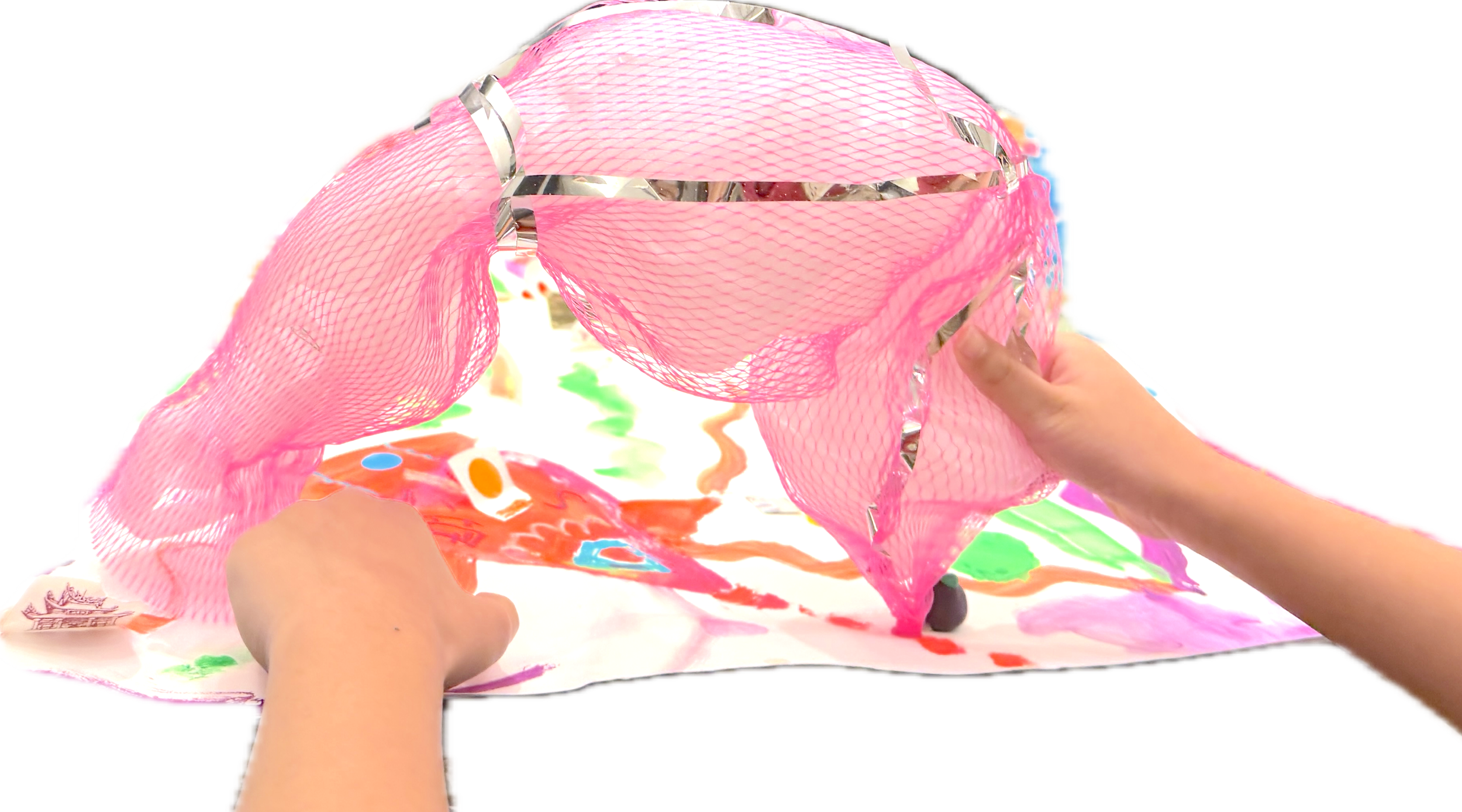
Neuroplasticity remains possible across the lifespan.
Within this context, CCH studios are designed around a specific educational question:
How can a learning environment help children practice attention, judgment, autonomy, and emotional regulation without relying on screens, templates, constant adult correction, or predetermined outcomes?
The answer is not to accelerate production. It is to slow down the learning field enough for children to encounter material reality directly.
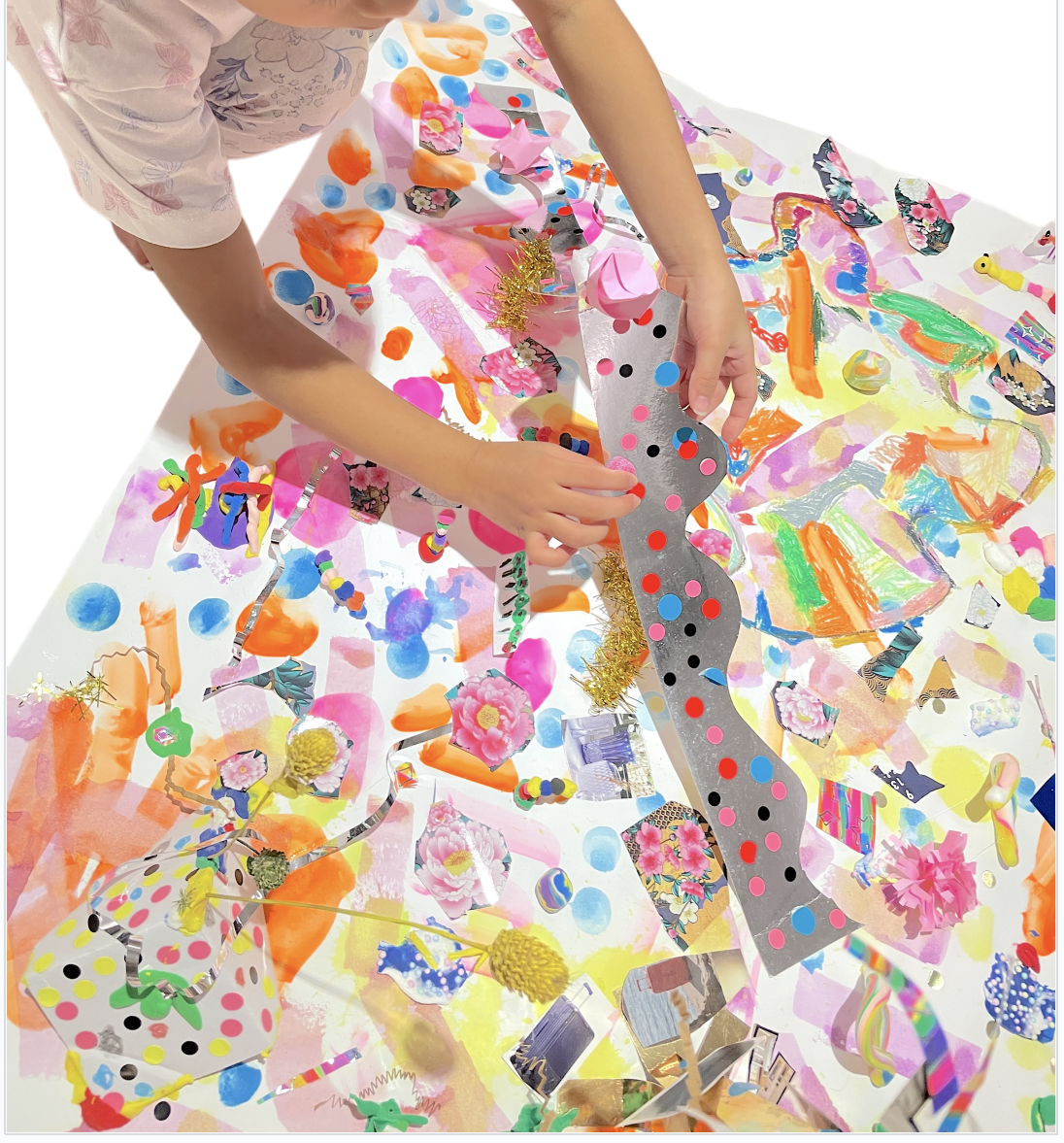
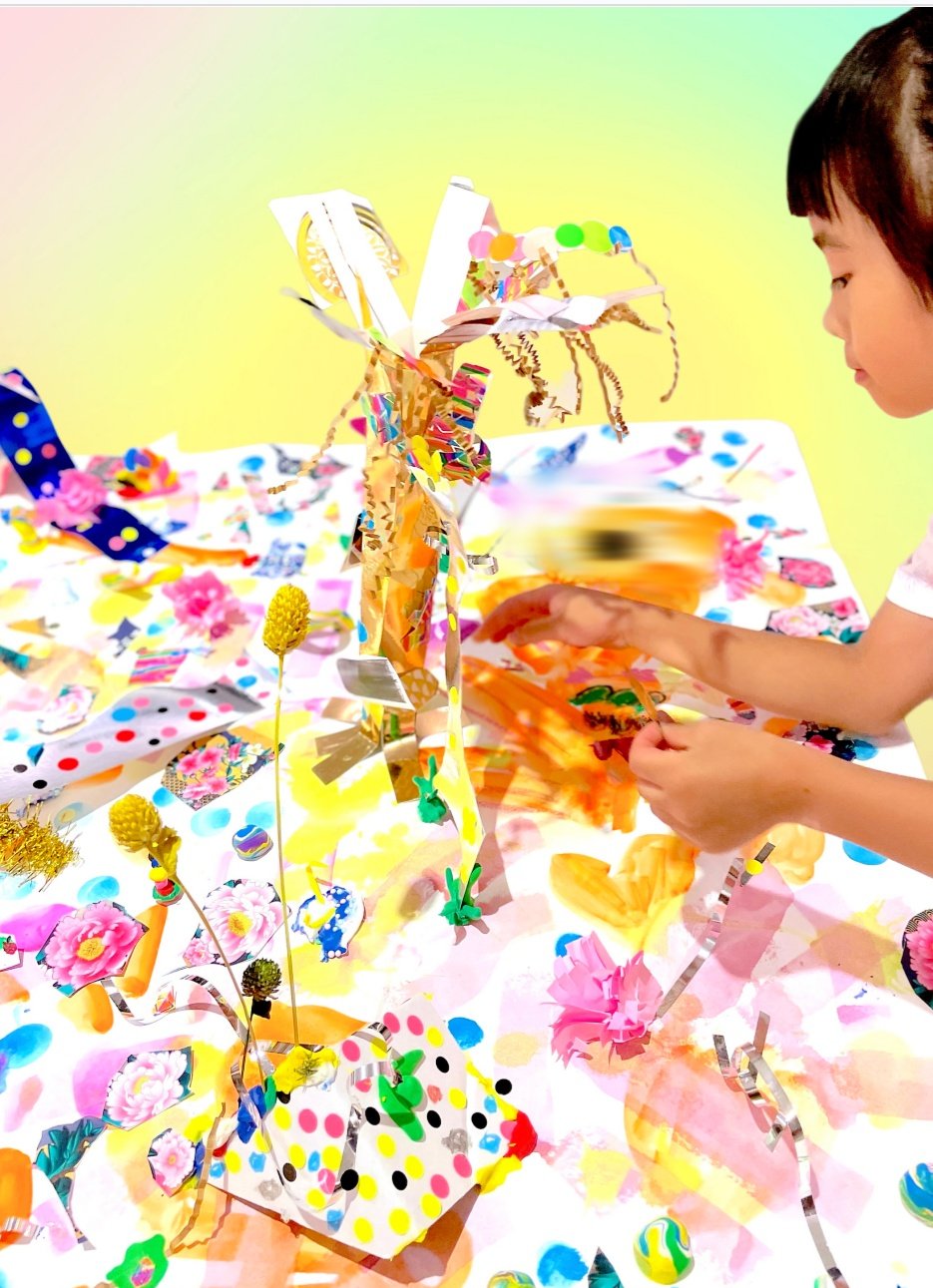
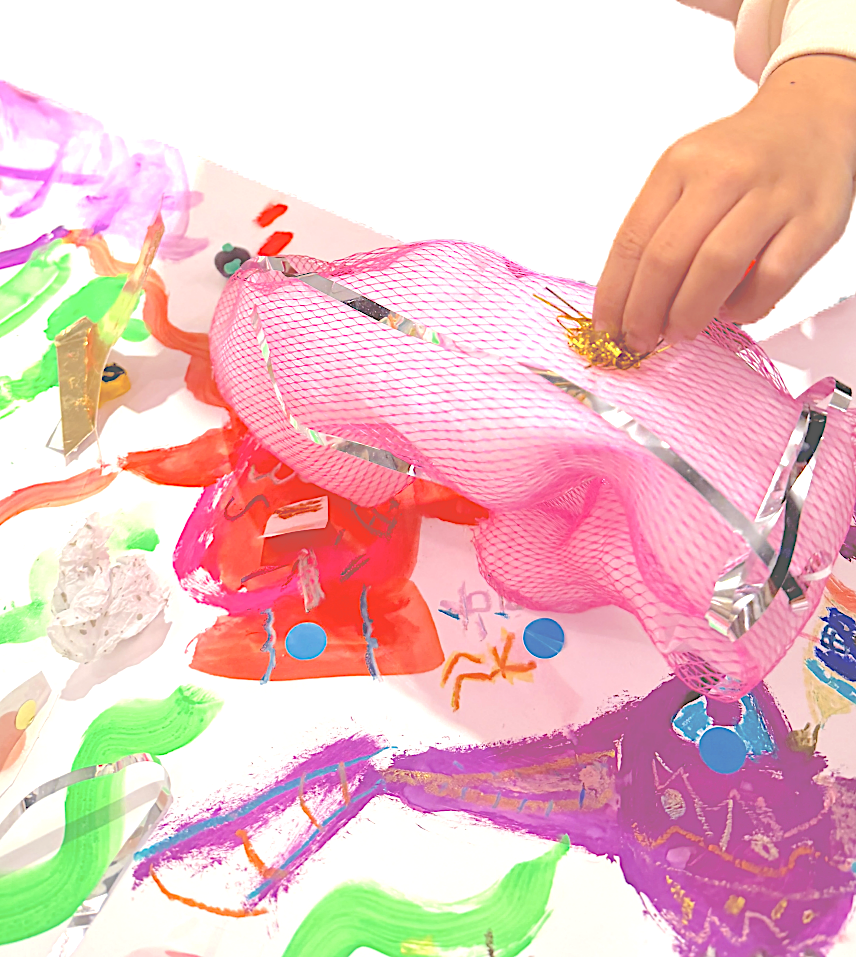
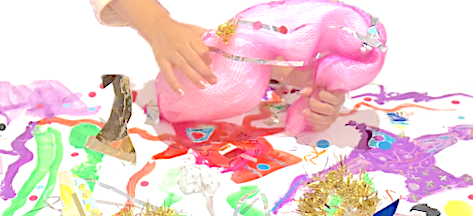
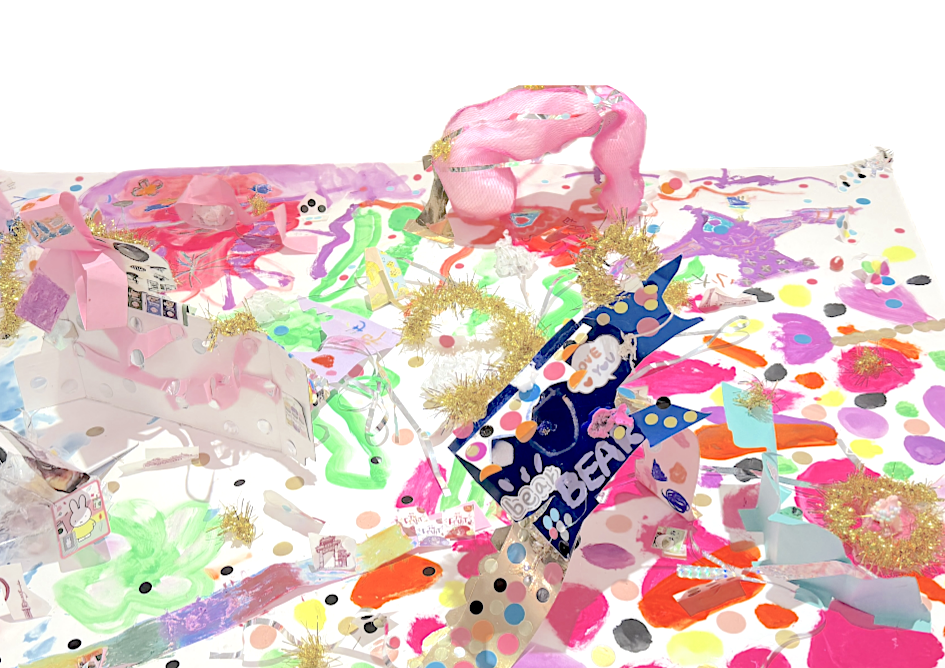
In CCH studio conditions, children work with physical materials that resist immediate control. Paper bends, paint spreads, structures collapse, flowers wilt, glue fails, transparent forms break, and fragile materials cannot always be repaired. These material conditions create a concrete learning environment in which children must observe, adjust, decide, and continue. The child is not merely “making art.” The child is practicing how to remain cognitively present when the world does not immediately cooperate.
This is where material-based problem-solving becomes developmentally meaningful. A child who must decide where to place an object, how to stabilize a structure, whether to repair or continue, and when to stop is practicing executive function in embodied form. Attention is not trained as an abstract command — “focus.” It is trained through repeated cycles of perception, decision, action, consequence, and revision.
Recent research on arts-based cognitive enrichment also suggests that structured creative learning can be connected to executive function development, although the strength of evidence differs across art forms and study designs. A 2024 randomized controlled trial examined the effect of music and visual arts group practice on children’s cognitive and brain development, reflecting a growing research interest in how arts learning may contribute to cognitive development beyond technical skill acquisition (James et al., 2024).
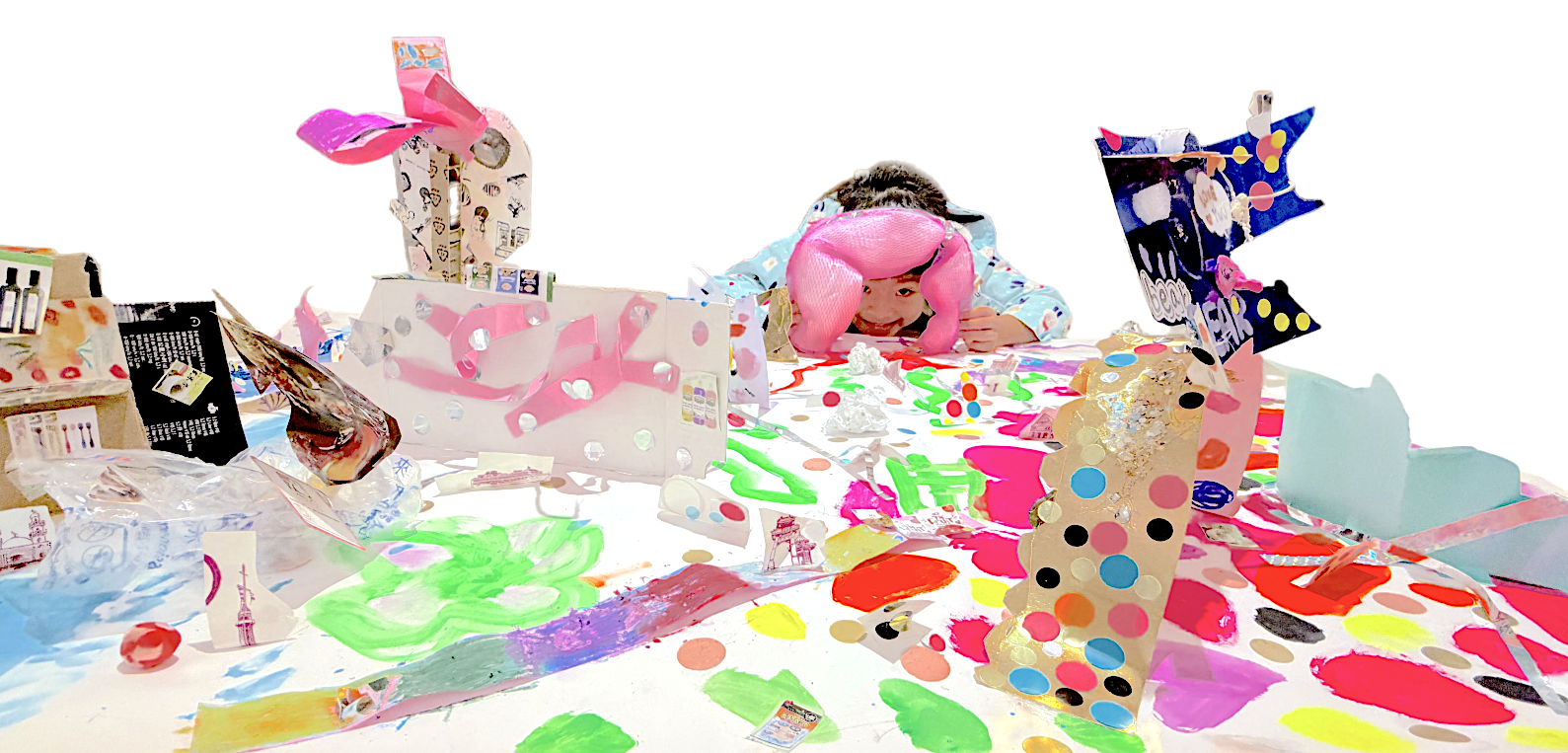
CCH does not treat these studies as proof that any art class automatically improves executive function. That would be an overstatement. The developmental value depends on how the environment is structured. A template-based class that prioritizes speed, imitation, and adult-approved outcomes may train compliance more than autonomy. By contrast, a studio designed around sustained concentration, open-ended material engagement, and self-directed exploration gives children more opportunities to practice internal judgment.
This distinction is important.
The developmental value depends on how the environment is structured.
In many conventional learning environments, children become dependent on external evaluation. They look to the adult to know whether they are “right,” “good,” or “finished.” Over time, this may reduce opportunities for independent decision-making. In carefully structured studio conditions, the adult does not disappear, but the adult gaze is deliberately reduced. The educator provides safety, rhythm, and structural boundaries, while allowing the child to experience responsibility for the work.
This supports a gradual shift from external approval-seeking toward internal authorship.
The child begins to ask different questions:
What do I notice?
What is not working?
What can I try next?
What does the material require?
What decision belongs to me?
These questions are cognitively significant. They move the child from passive reception toward active regulation.
For children between ages 5 and 10, this kind of practice may be especially meaningful because executive function, emotional self-regulation, attention control, and independent decision-making are still actively consolidating. When children repeatedly experience a stable environment where they can remain with difficulty, tolerate uncertainty, repair mistakes, and make autonomous choices, these capacities may gradually stabilize as repeatable cognitive patterns rather than remain isolated situational behaviors.
CCH studios are therefore designed not only as art spaces, but as developmental environments for attention and judgment.
The emphasis is not on producing more artwork. It is on strengthening the child’s ability to stay present with a process, interpret material feedback, regulate emotional responses, and make decisions under uncertainty. In an age of accelerated digital input and fragmented attention, these capacities are increasingly valuable.
At the same time, the developmental claims must remain precise. CCH observations are not presented as clinical evidence, universal developmental prescriptions, or guaranteed outcomes. They are practice-based educational observations aligned with existing research on executive function, self-regulation, neuroplasticity, and learning environments.
Later developmental intervention remains possible. Older children, adolescents, and adults can still rebuild attention and autonomy. However, the process may require stronger structure, more intentional environmental design, and a more deliberate re-entry into sustained attention practices.
This is why the 5–10 developmental window matters.
It is not because development ends afterward. It is because this period offers a powerful opportunity to help children rehearse the internal architecture of attention, self-regulation, flexible problem-solving, and creative identity while these systems are still highly responsive to repeated experience.
CCH studios are built from this premise: when children are given time, material reality, emotional safety, and meaningful autonomy, creative learning can become more than art education. It can become a disciplined practice of human attention.
References
Best, J. R., & Miller, P. H. (2010). A developmental perspective on executive function. Child Development, 81(6), 1641–1660.
Center on the Developing Child, Harvard University. (n.d.). A guide to executive function. Harvard University.
James, C. E., Tingaud, M., Laera, G., et al. (2024). Cognitive enrichment through art: A randomized controlled trial on the effect of music or visual arts group practice on cognitive and brain development of young children. BMC Complementary Medicine and Therapies, 24, 141.
Moffitt, T. E., Arseneault, L., Belsky, D., Dickson, N., Hancox, R. J., Harrington, H., Houts, R., Poulton, R., Roberts, B. W., Ross, S., Sears, M. R., Thomson, W. M., & Caspi, A. (2011). A gradient of childhood self-control predicts health, wealth, and public safety. Proceedings of the National Academy of Sciences, 108(7), 2693–2698.
White, E. J., Hutka, S. A., Williams, L. J., & Moreno, S. (2013). Learning, neural plasticity and sensitive periods: Implications for language acquisition, music training and transfer across the lifespan. Frontiers in Systems Neuroscience, 7, 90.