
1. AI & Education

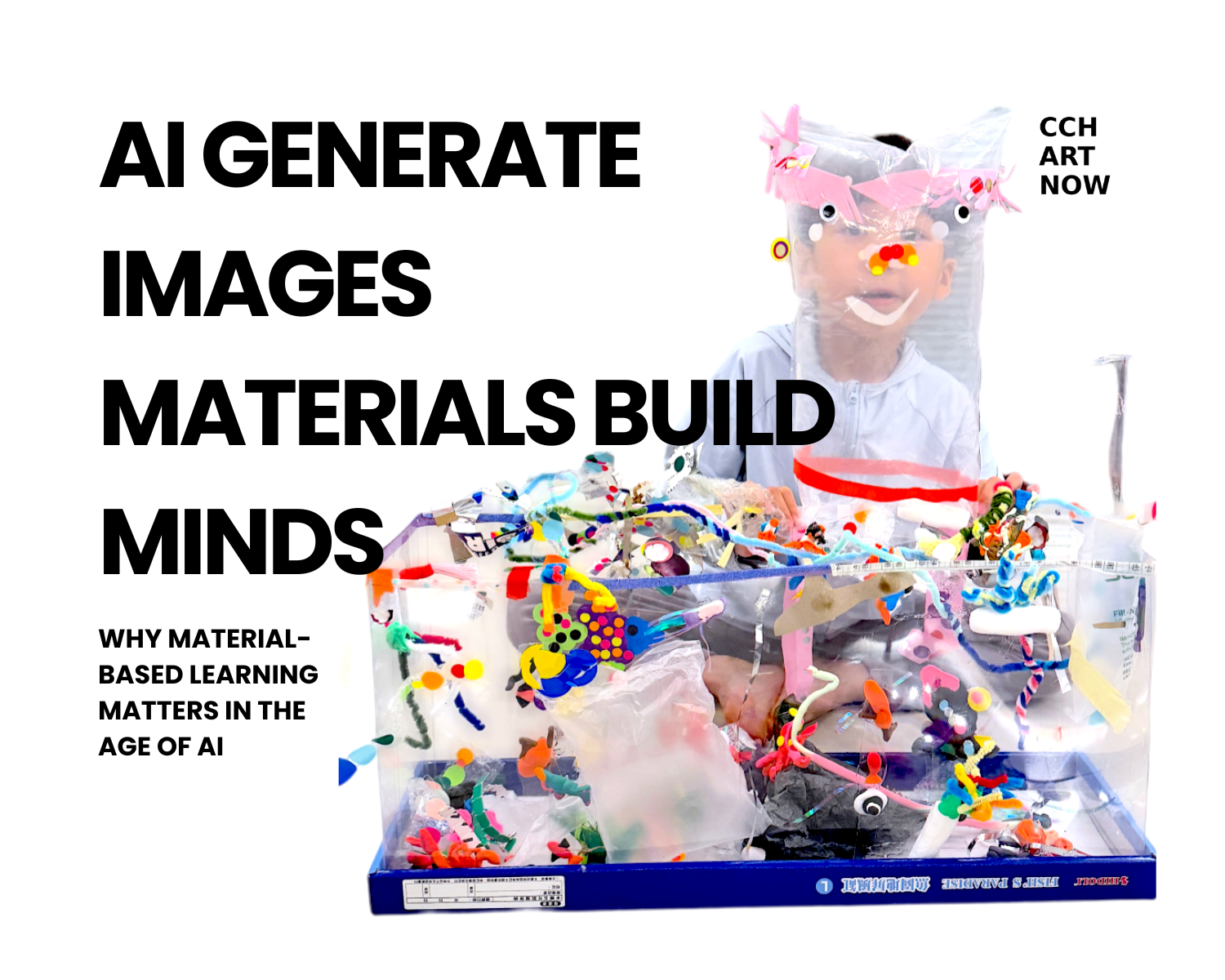
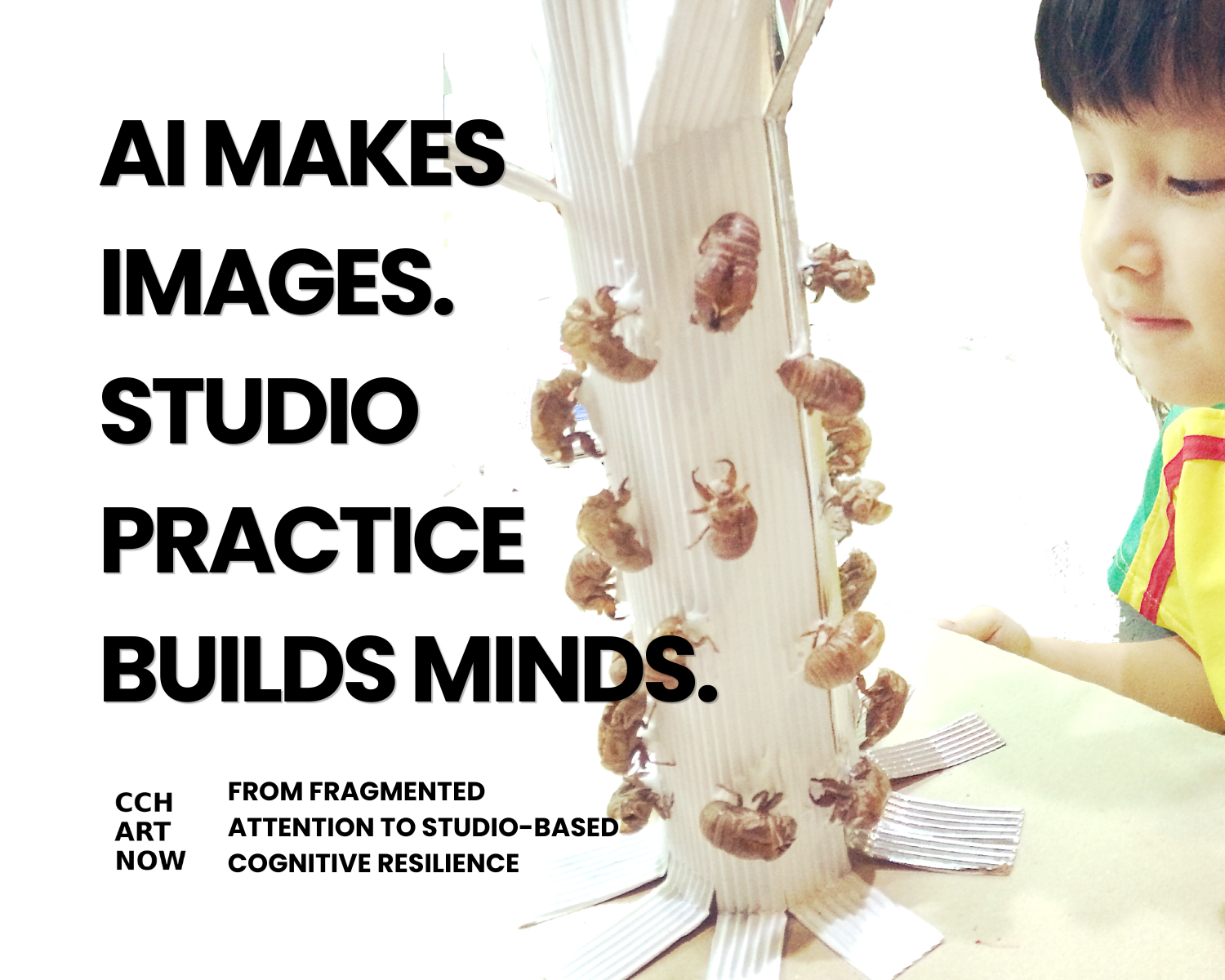
2. CCH Method
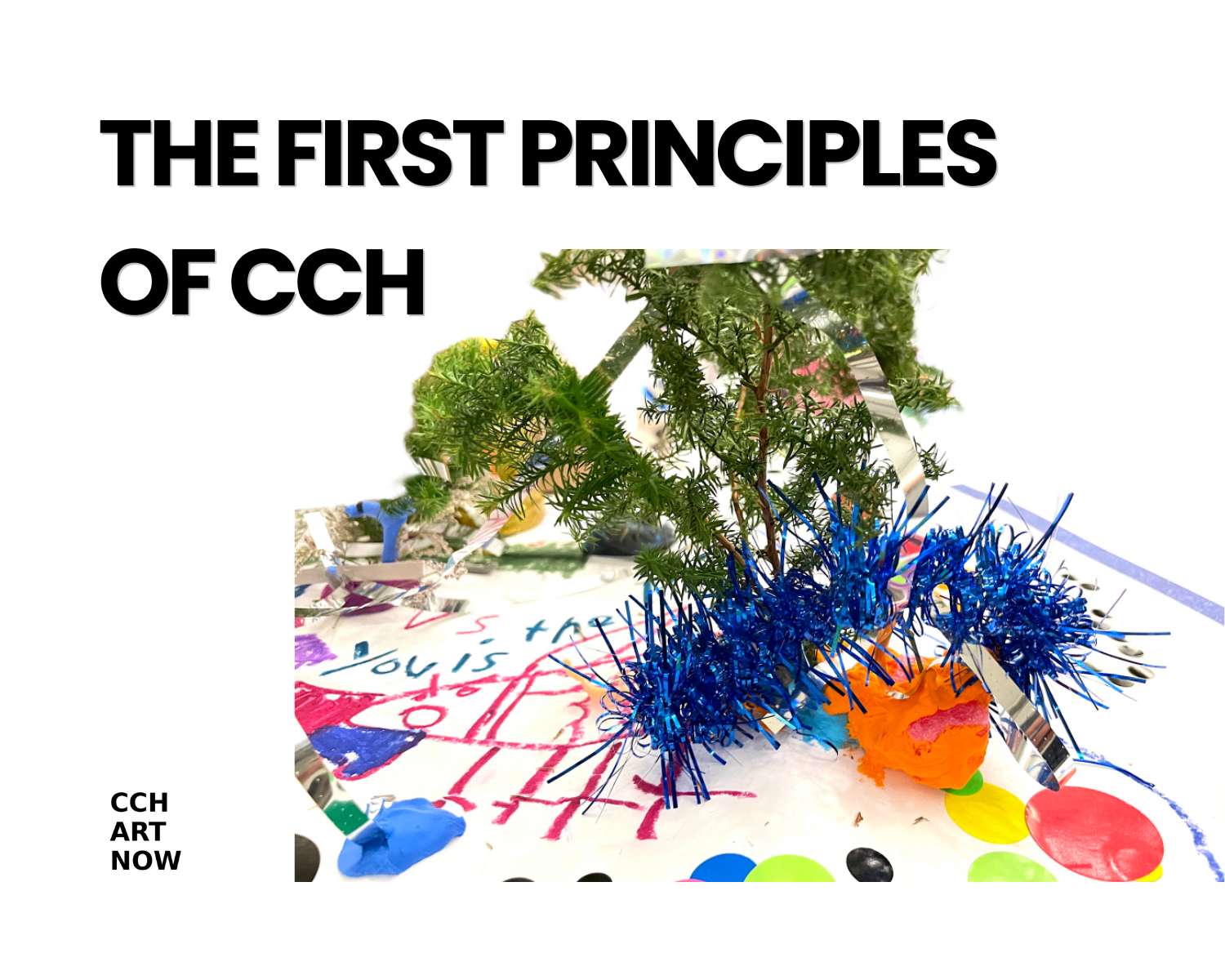
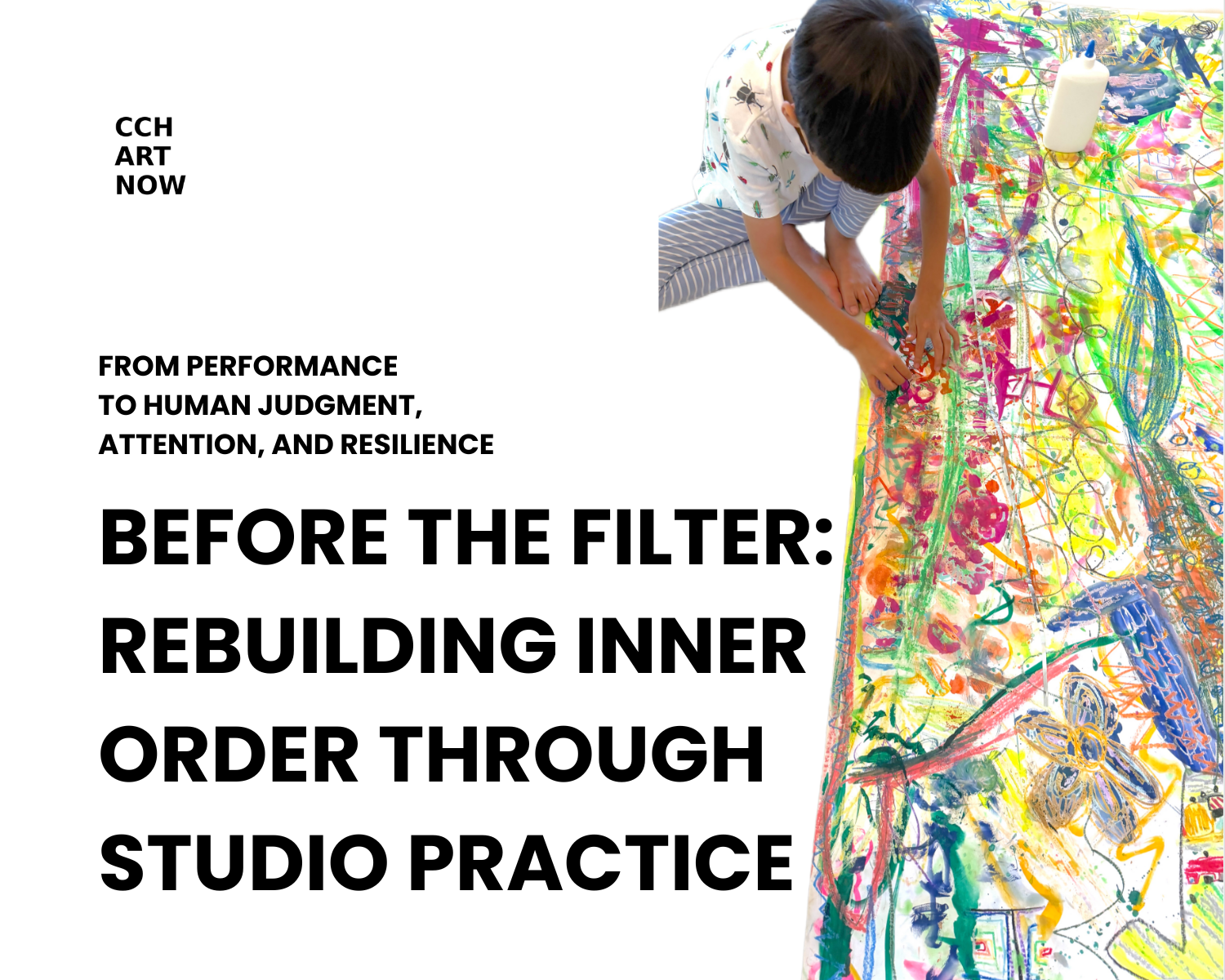

2-1. Method Notes
3. Studio Observations — Children
4. Adolescent Development
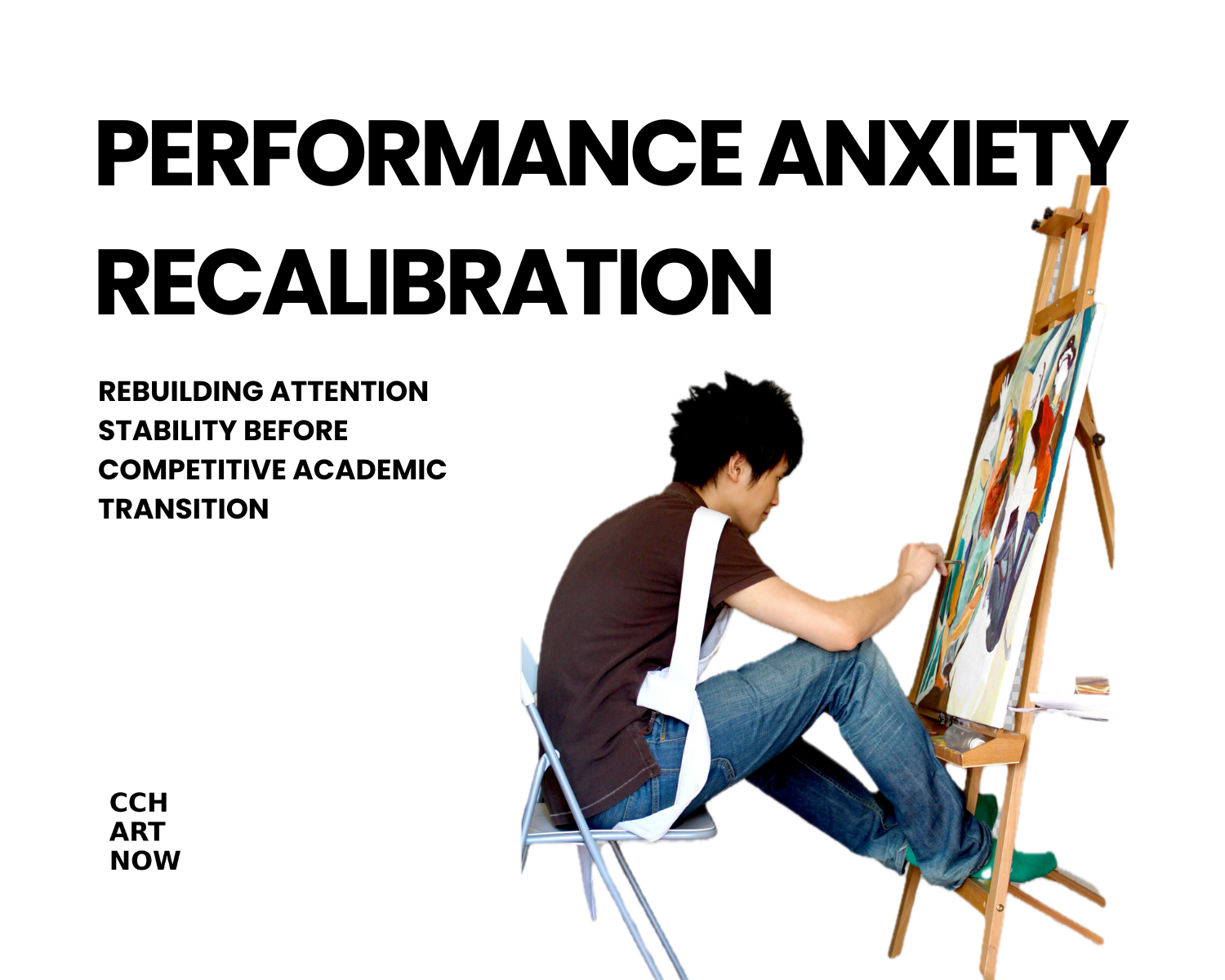
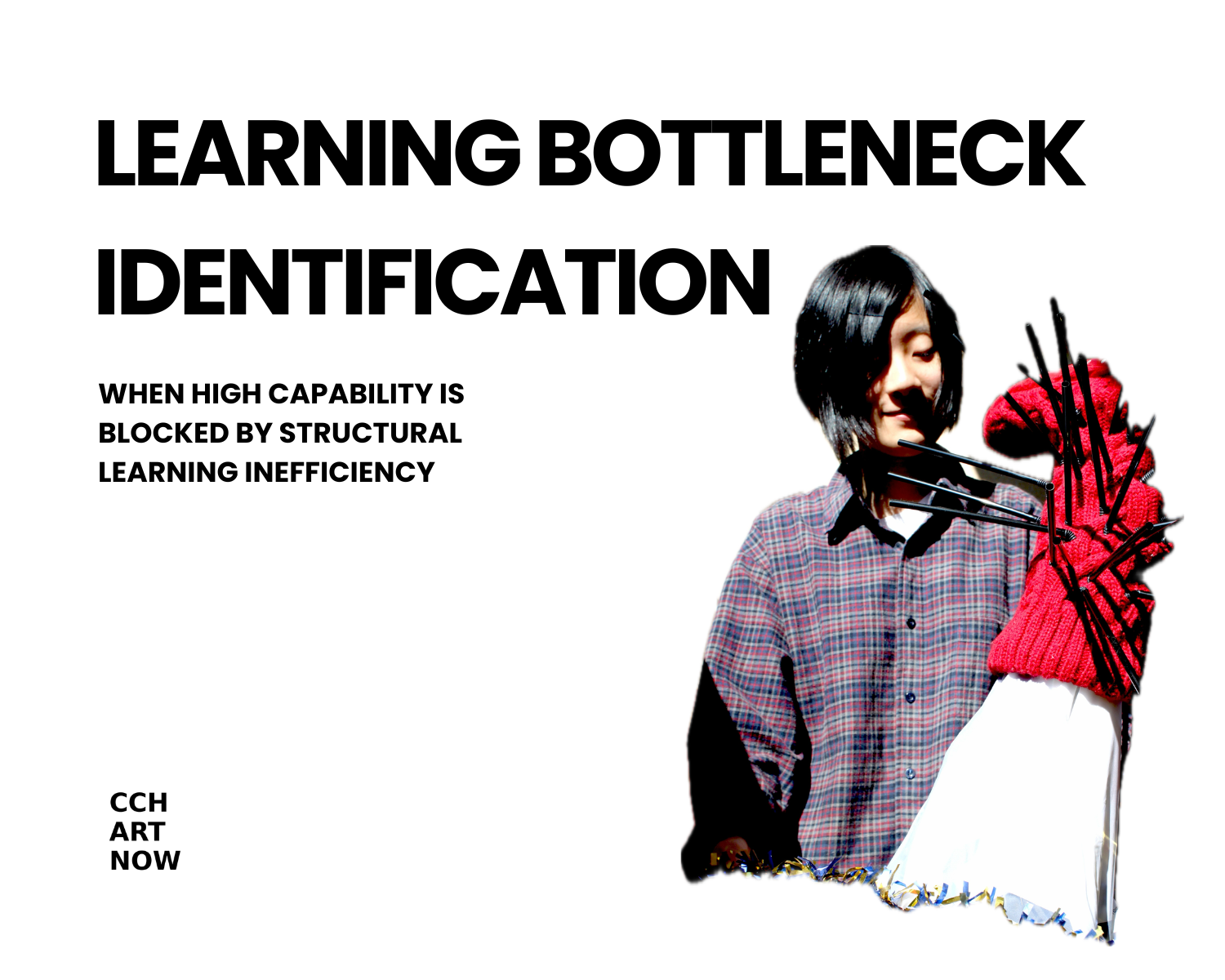
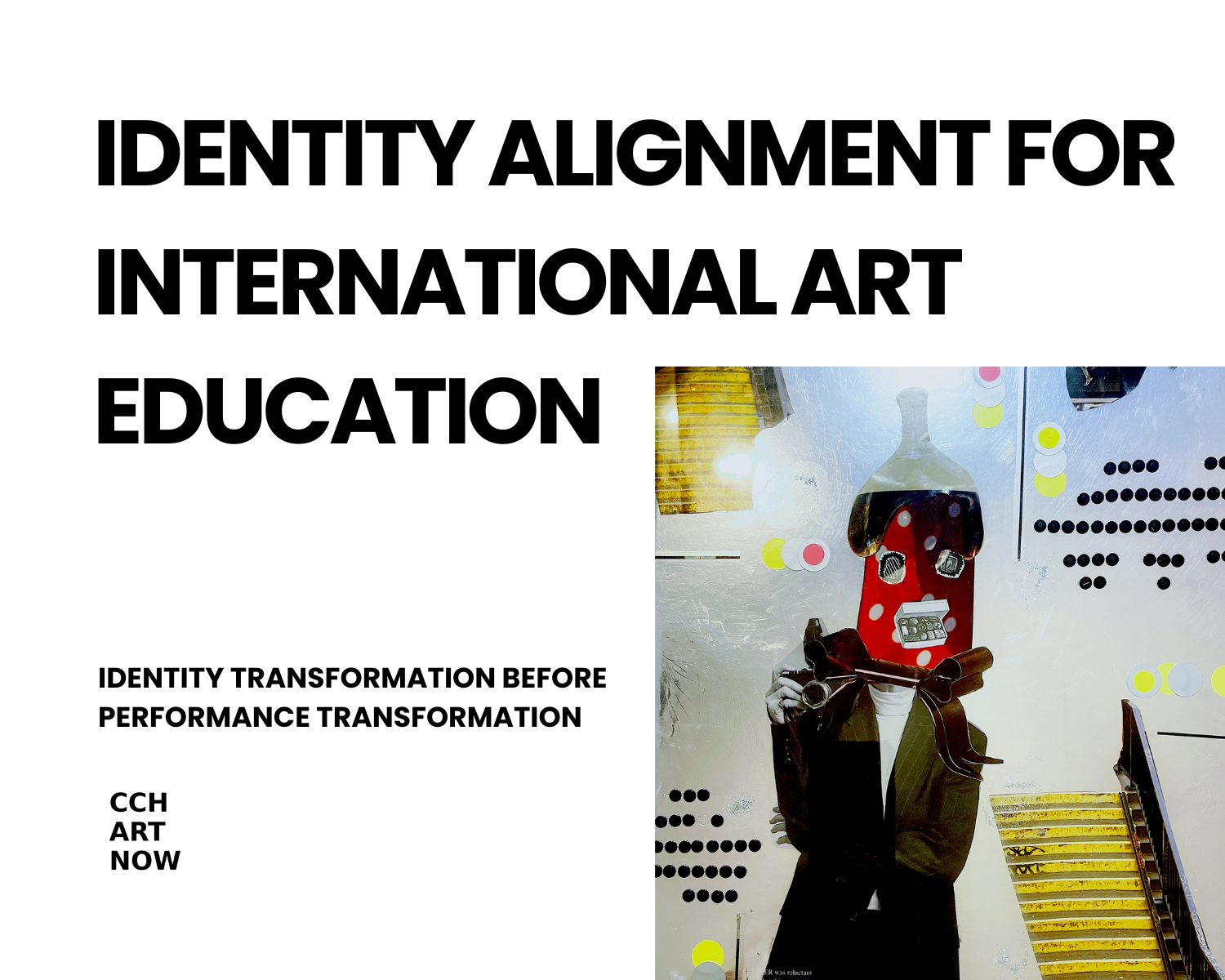
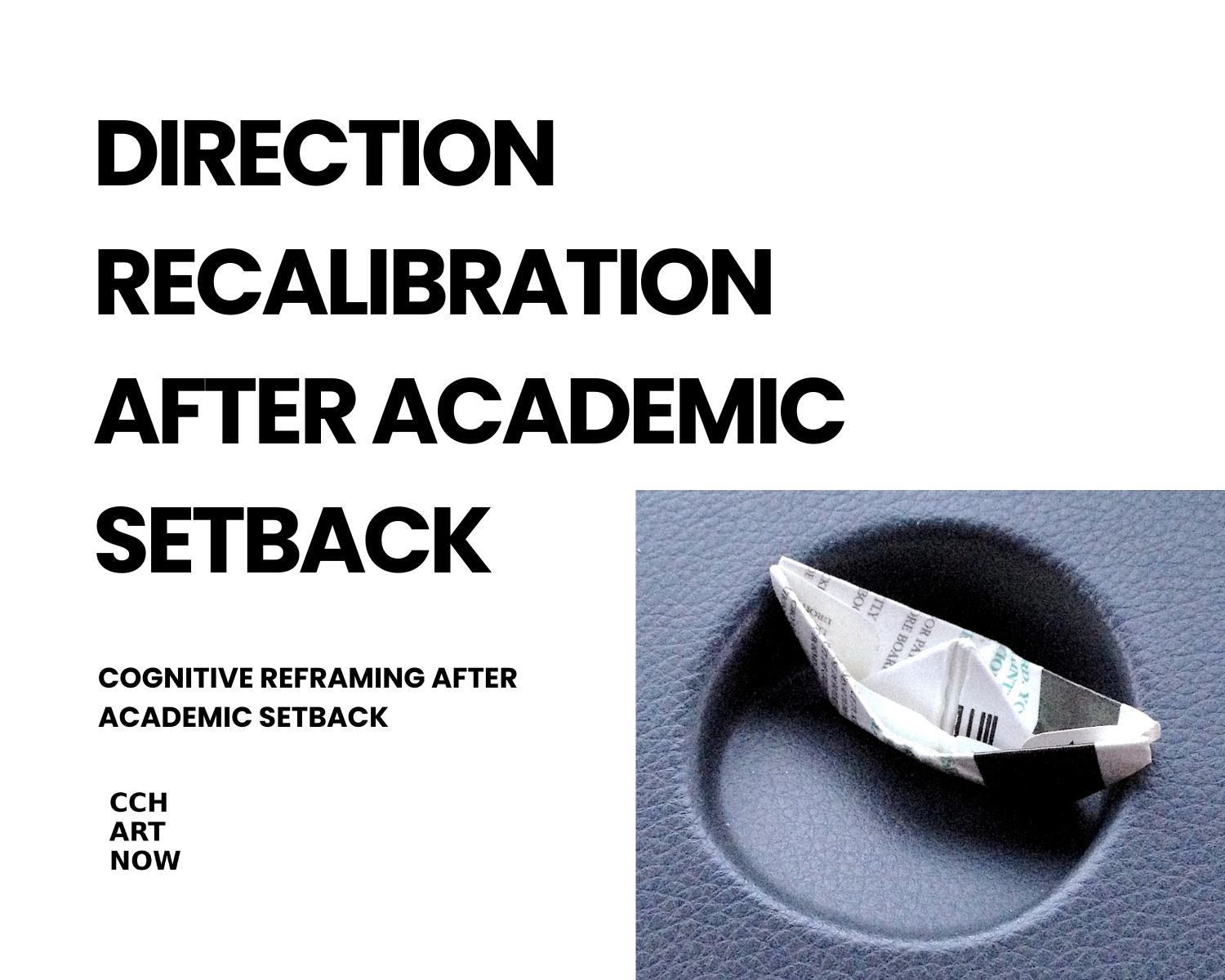
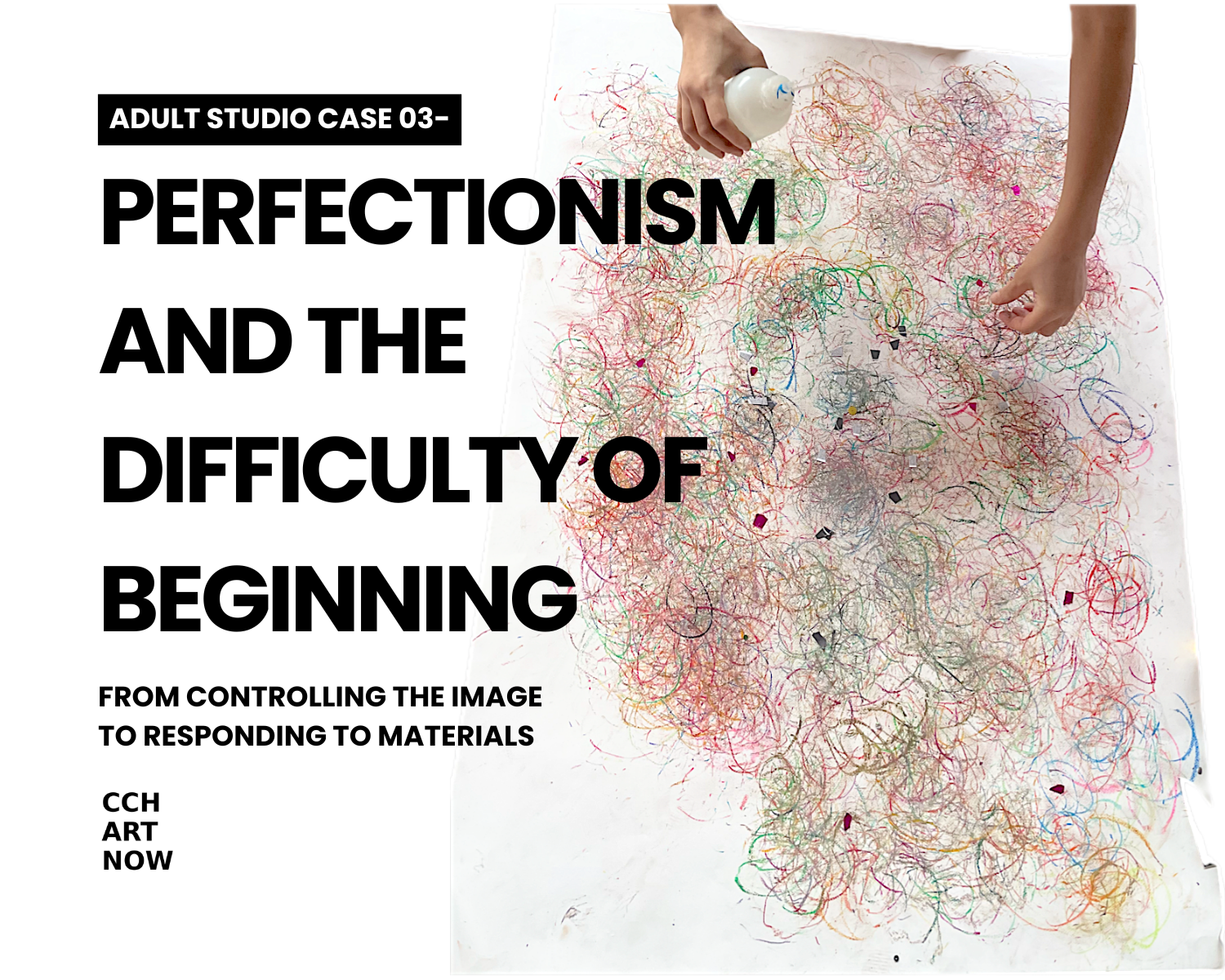
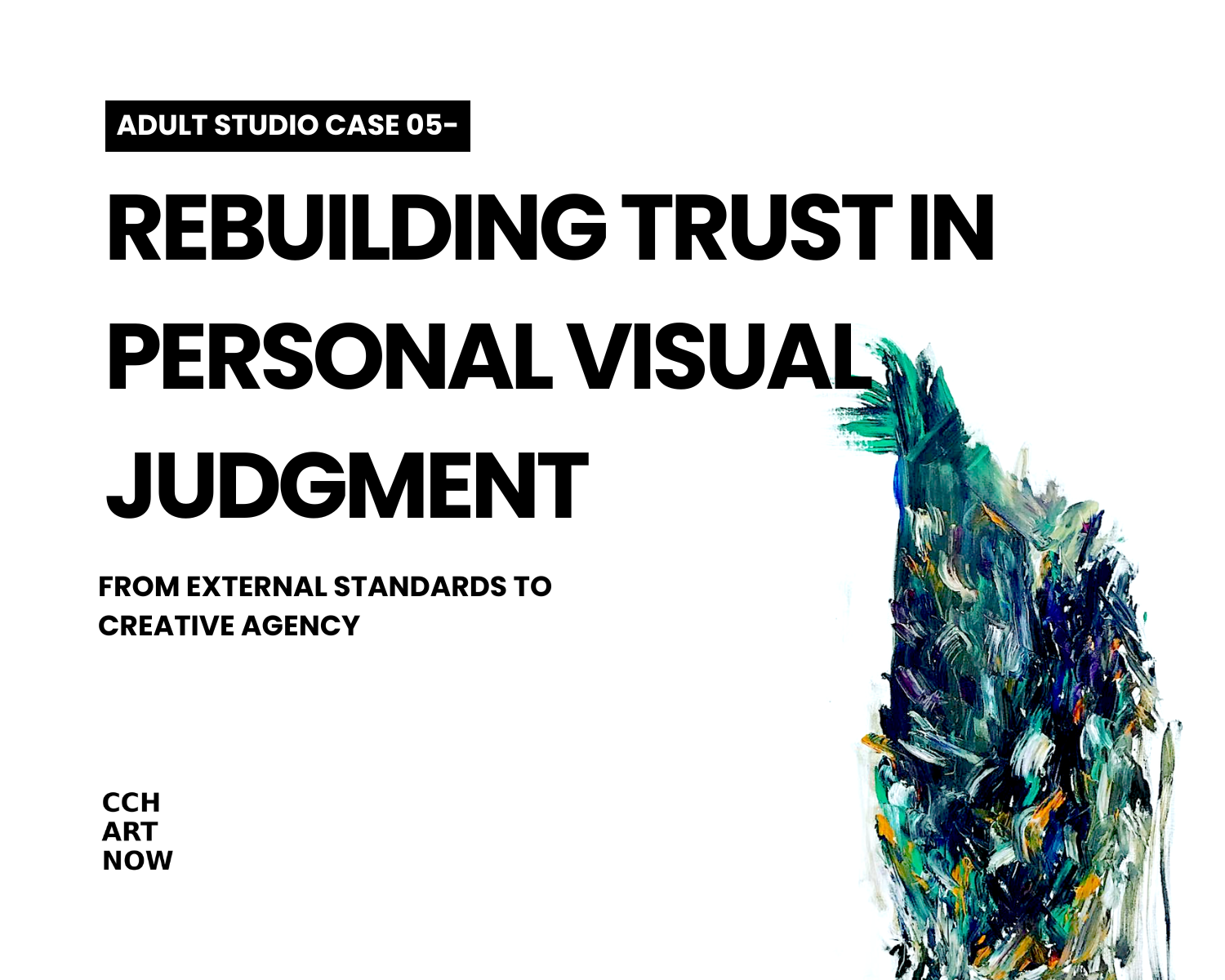
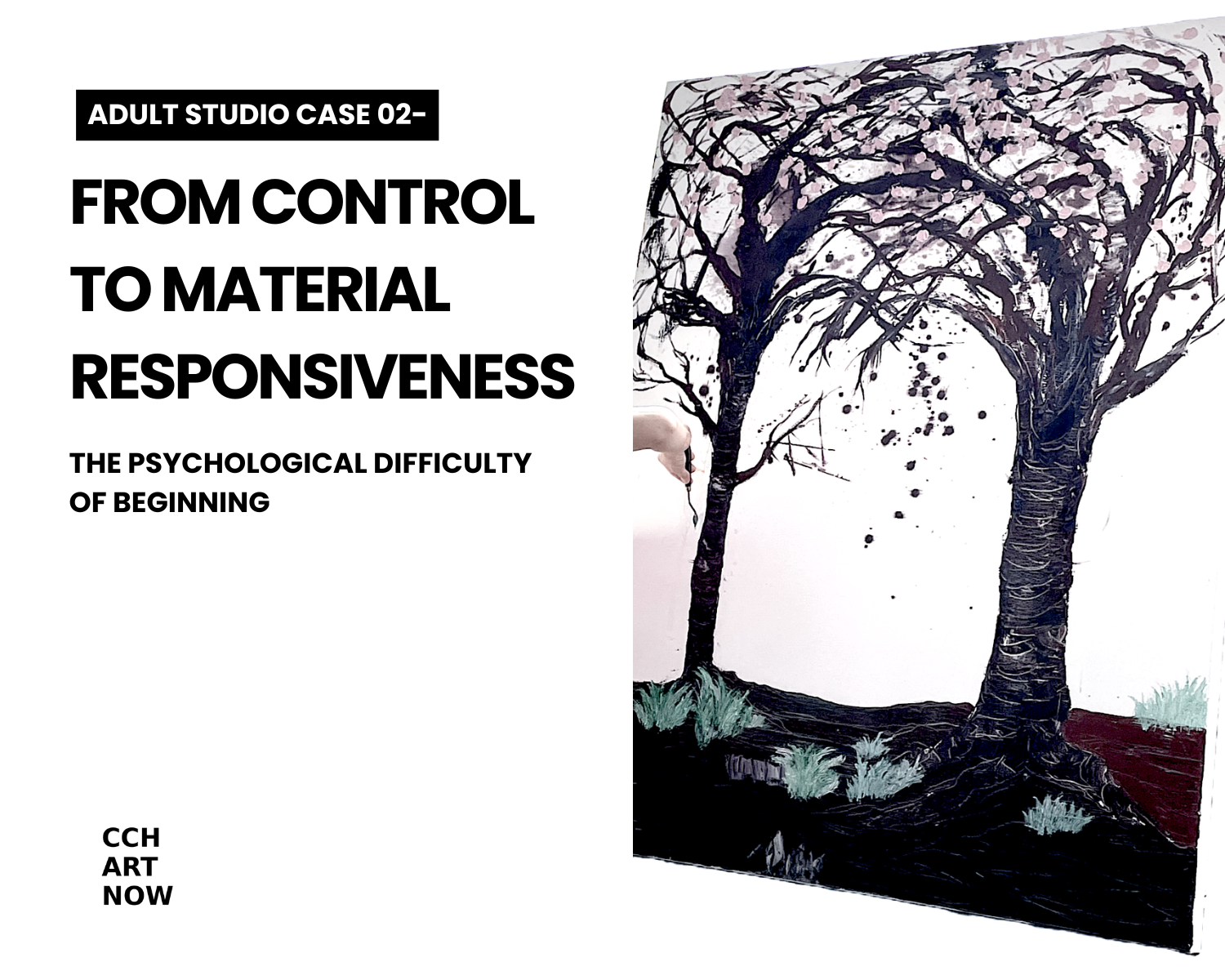
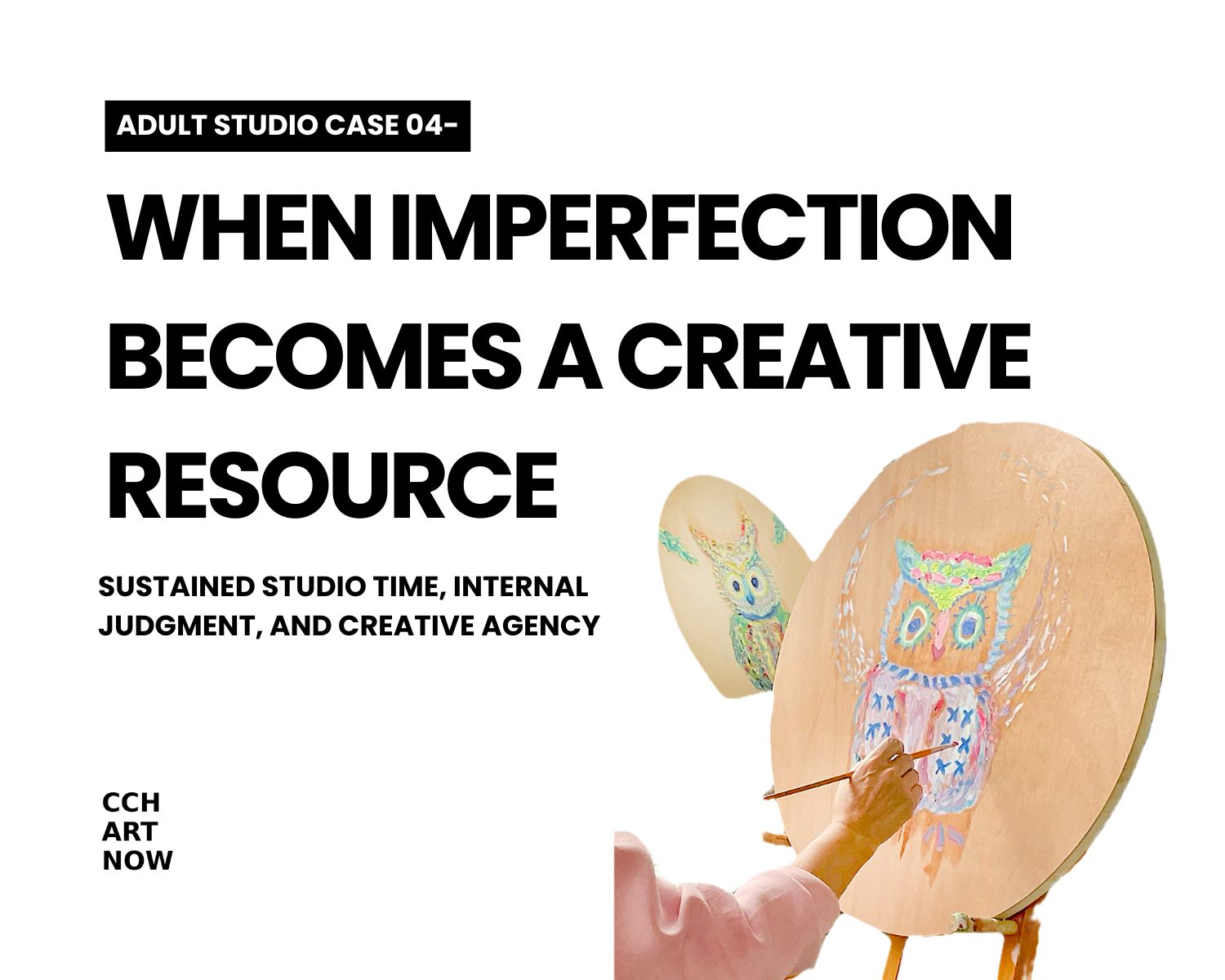
5. Adult studio case
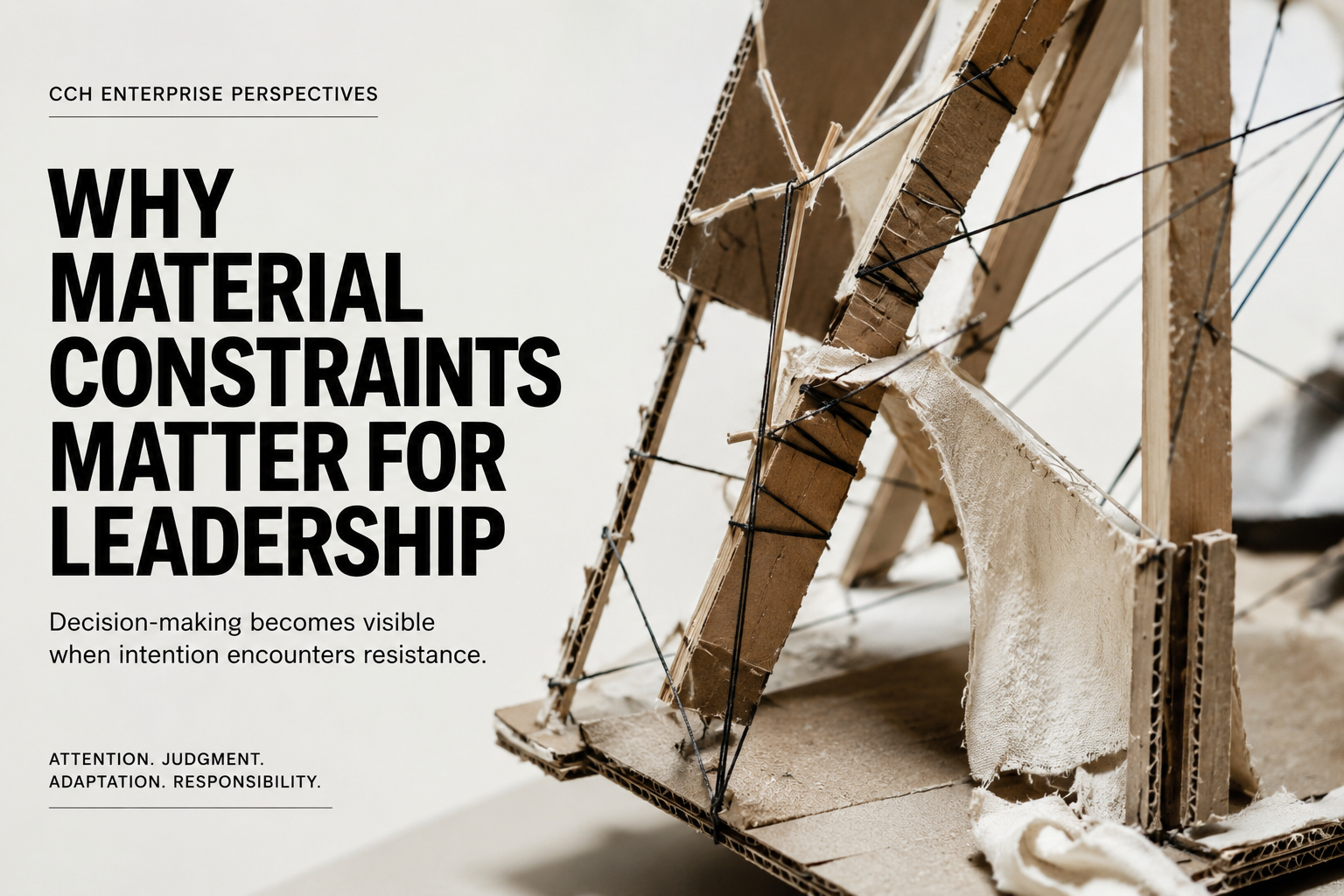
6. Enterprise & Organizational Practice
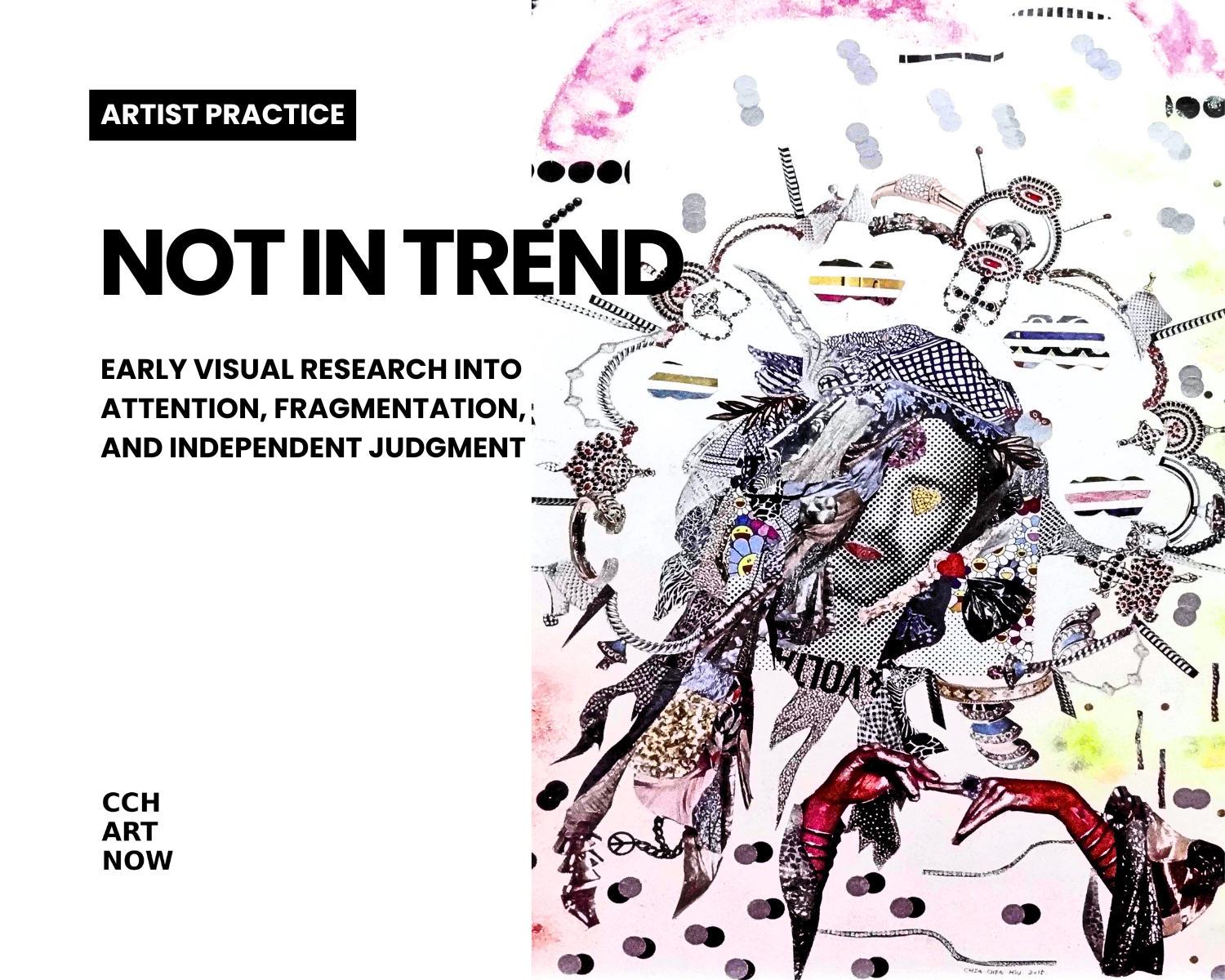
7. Artist practice
Full Article Archive
Browse all published writings, studio observations, case records, and educational essays from CCH ART NOW.
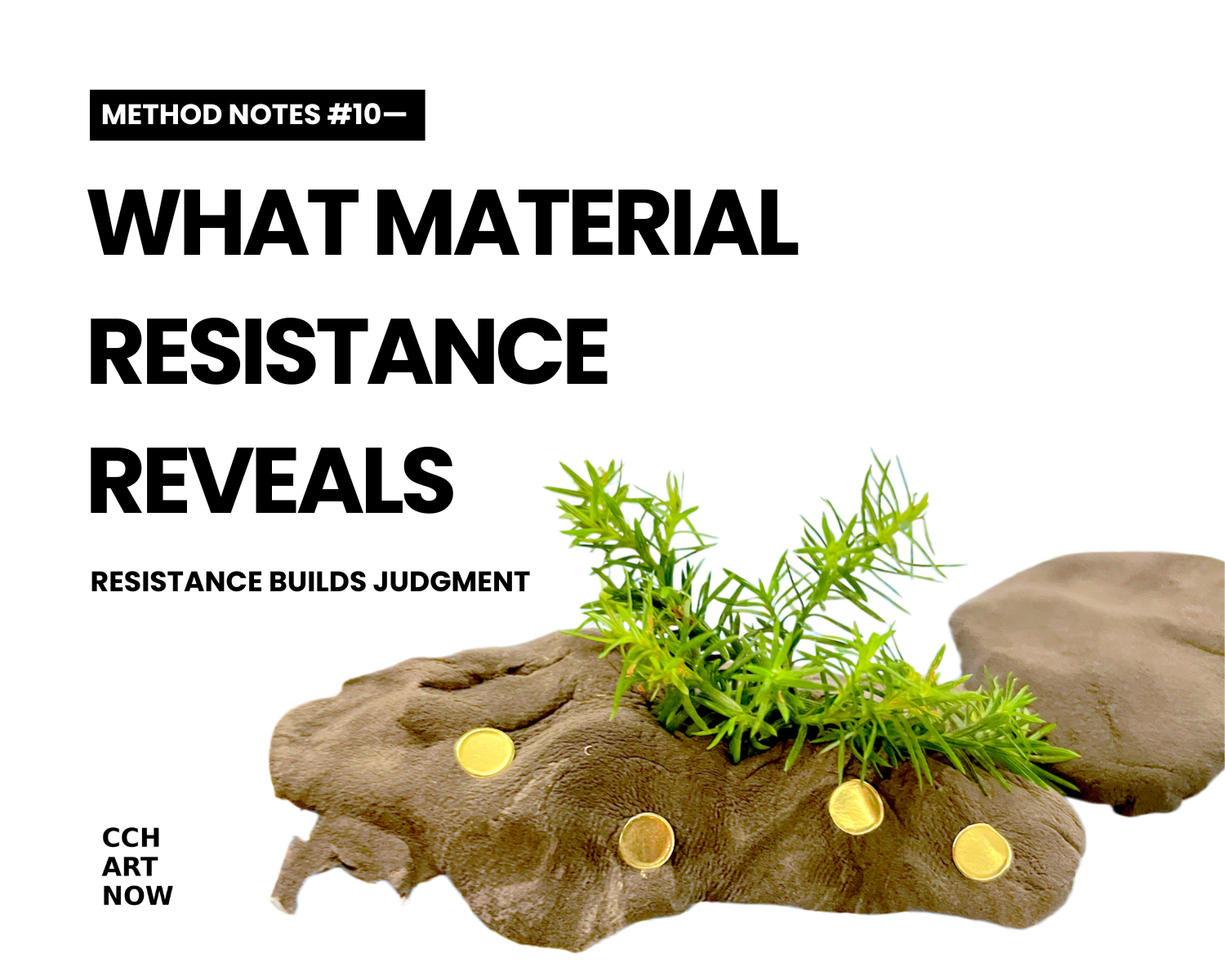
METHOD NOTES 10- What Material Resistance Reveals
Material resistance creates situations in which learners must observe, decide, revise, regulate, and recover. This Method Note examines how CCH interprets constraints as opportunities for judgment while distinguishing developmental observation from product evaluation.
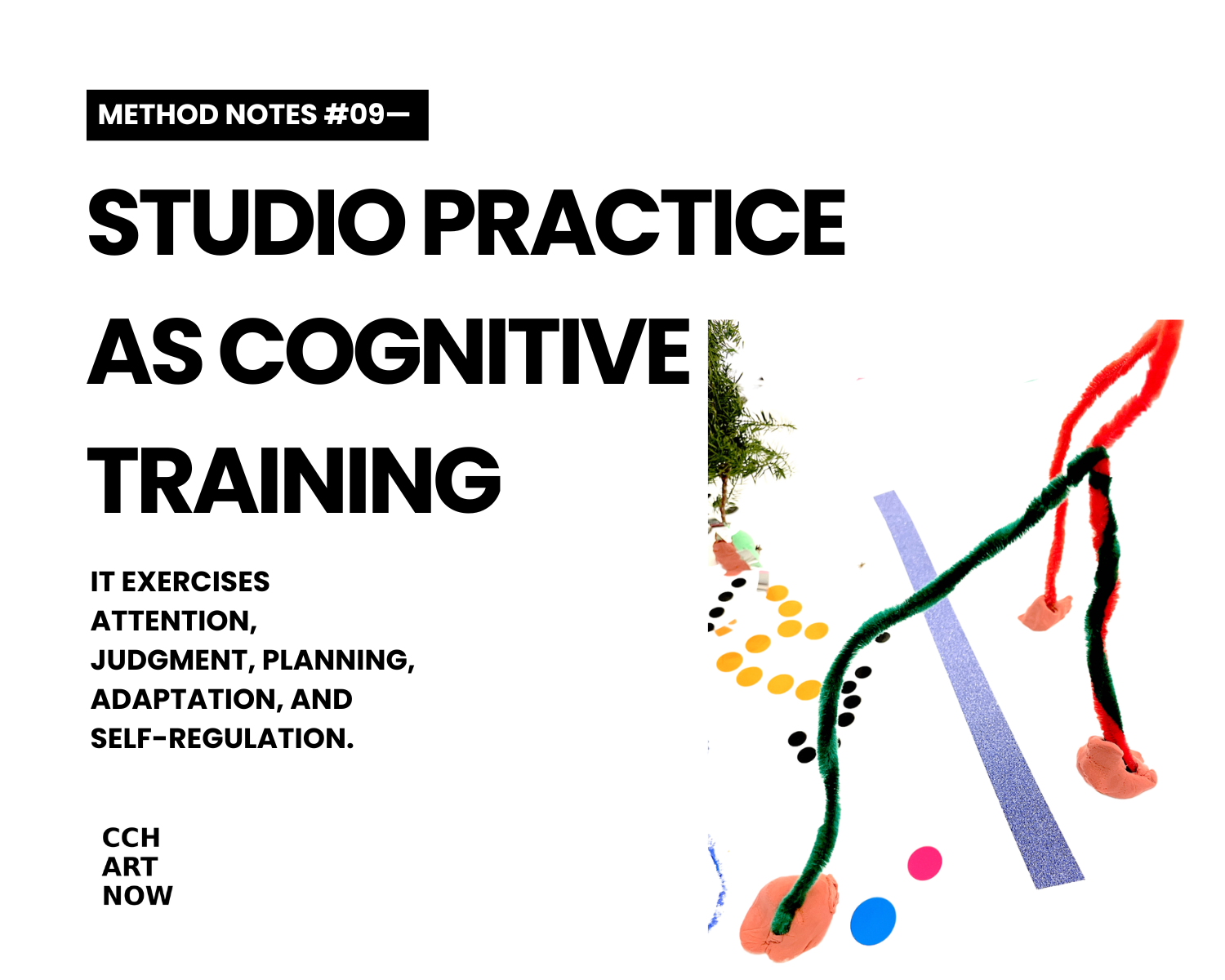
METHOD NOTES 09-Studio Practice as Cognitive Training
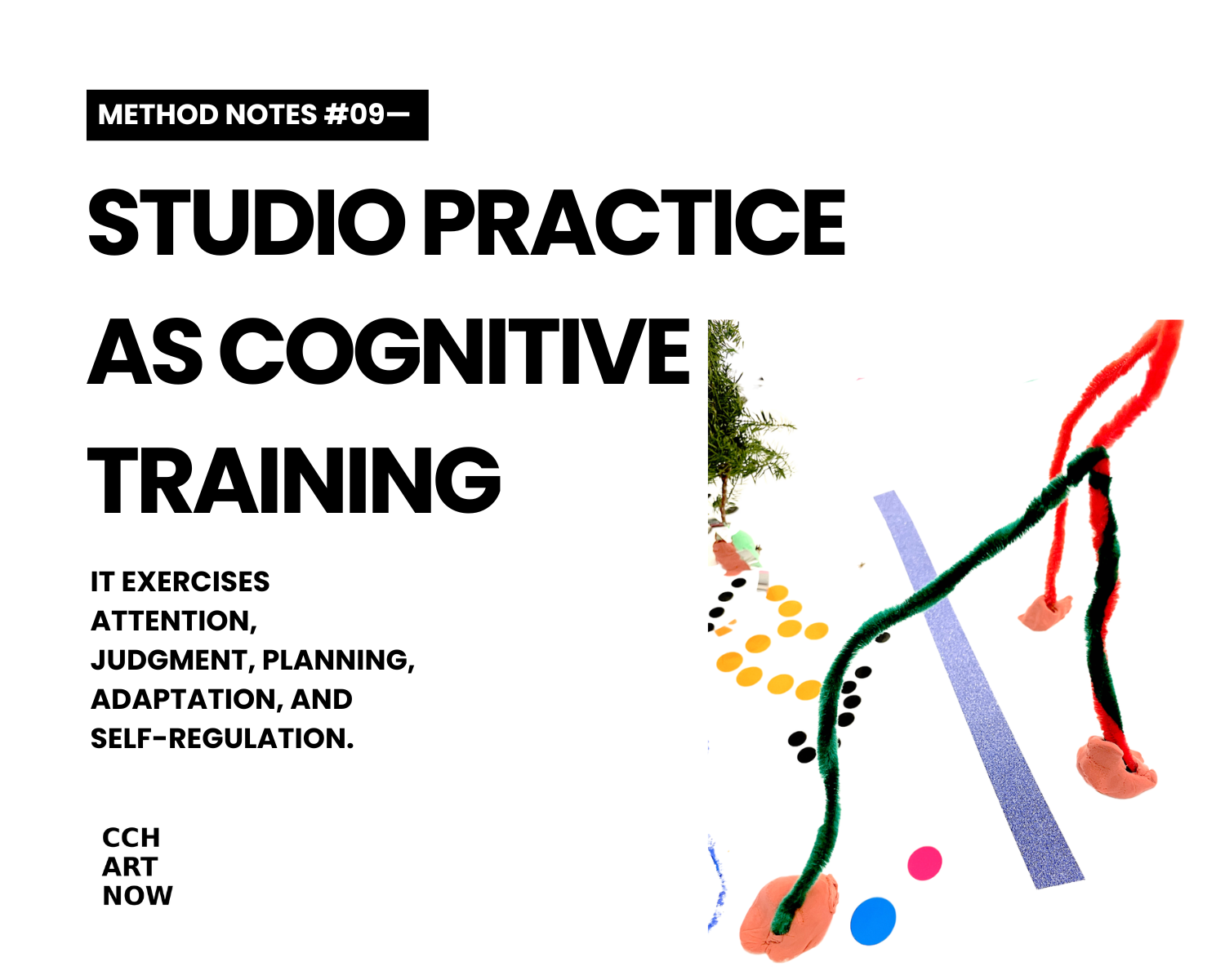
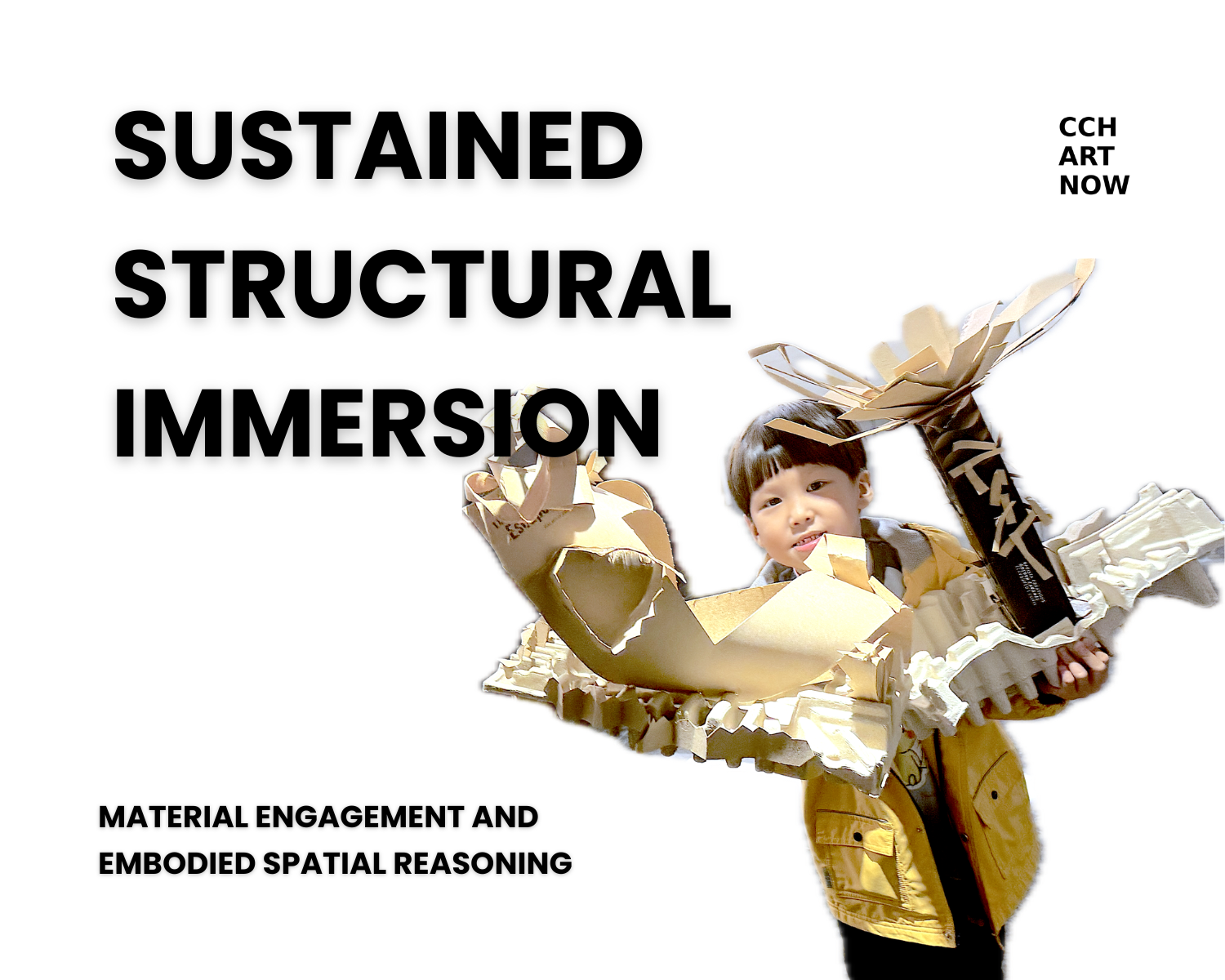
Studio practice can exercise more than artistic skill. This Method Note examines how making activates attention, working memory, planning, judgment, cognitive flexibility, self-regulation, and adaptive problem-solving through embodied material engagement.
METHOD NOTES 07-Attention Is Built, Not Taught
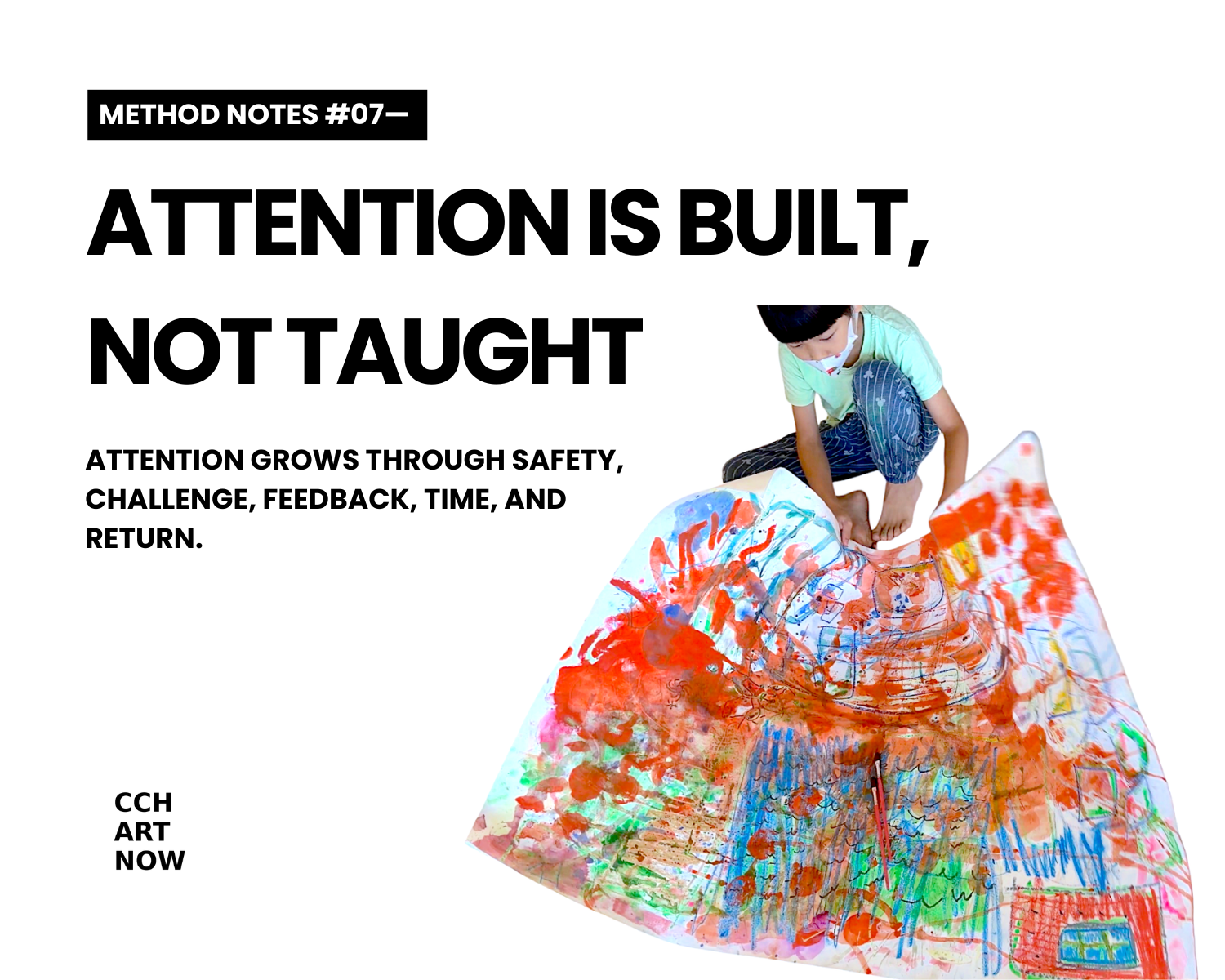
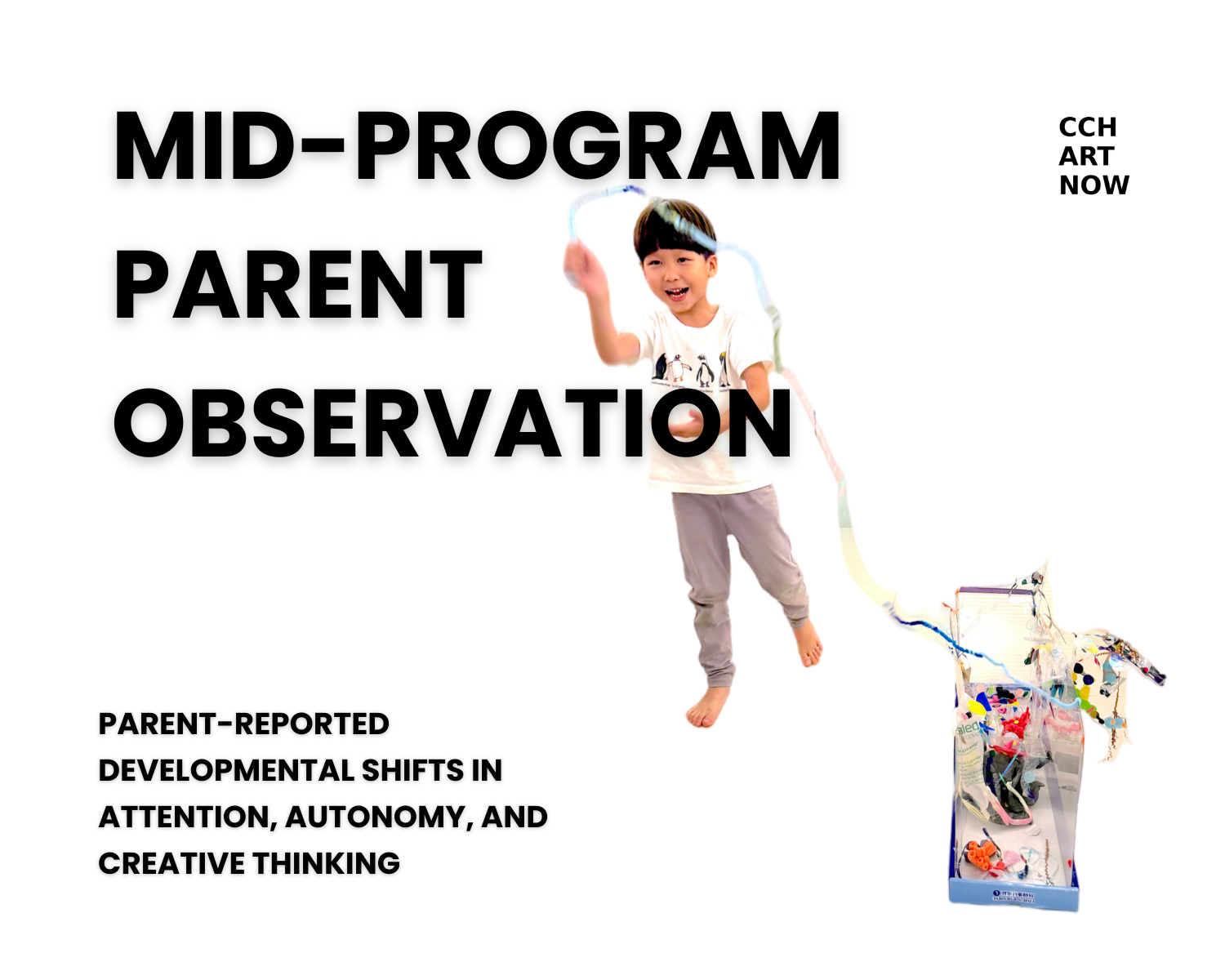
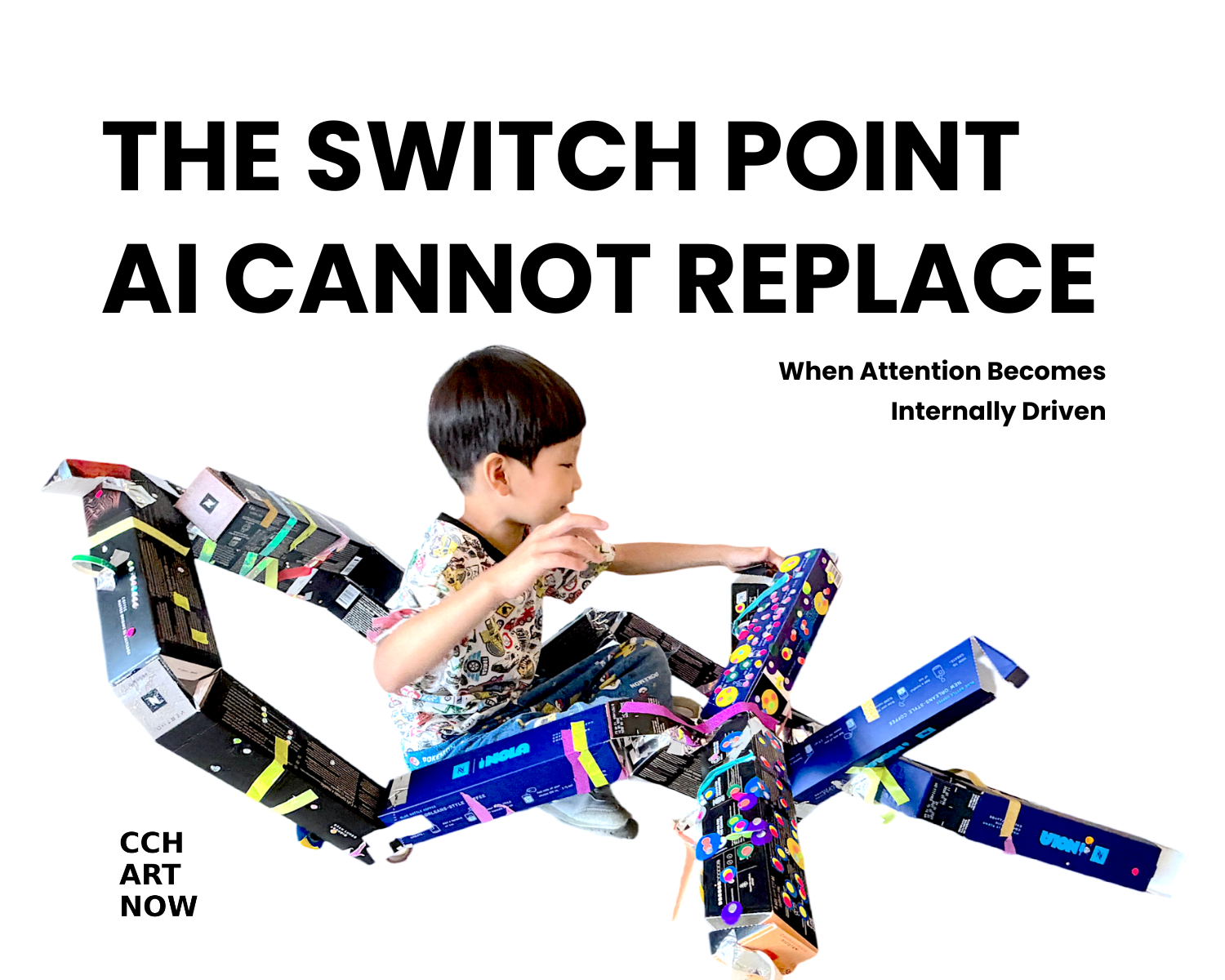
Attention is not built through reminders alone. This Method Note examines how emotional safety, material feedback, manageable challenge, flow conditions, repeated return, and two-hour studio units support the development of self-directed attention.
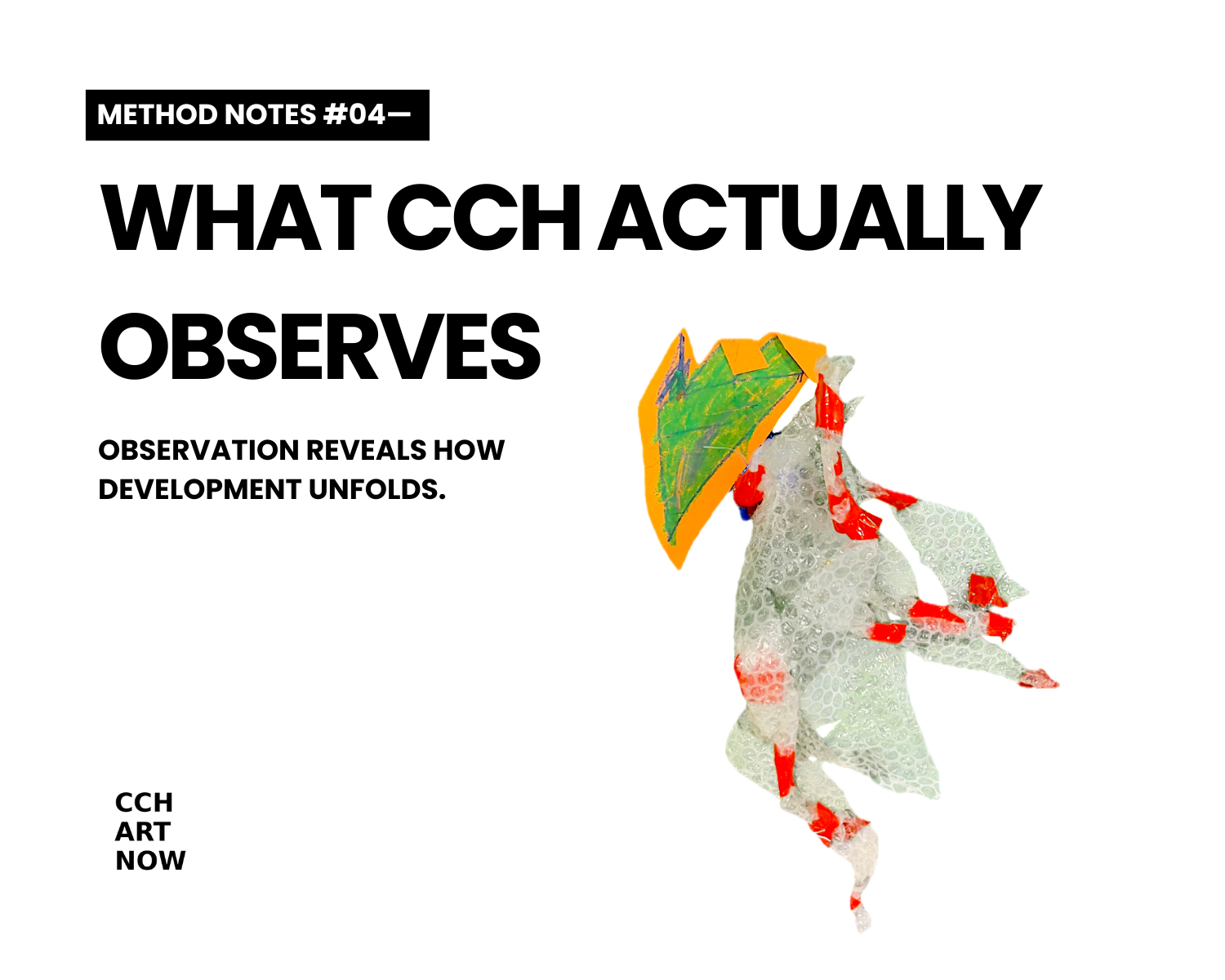
METHOD NOTES 04-What CCH Actually Observes
CCH observation extends beyond finished artwork. This Method Note introduces the framework used to examine initiation, attention, decision-making, revision, recovery, help-seeking, and material interaction during studio practice.
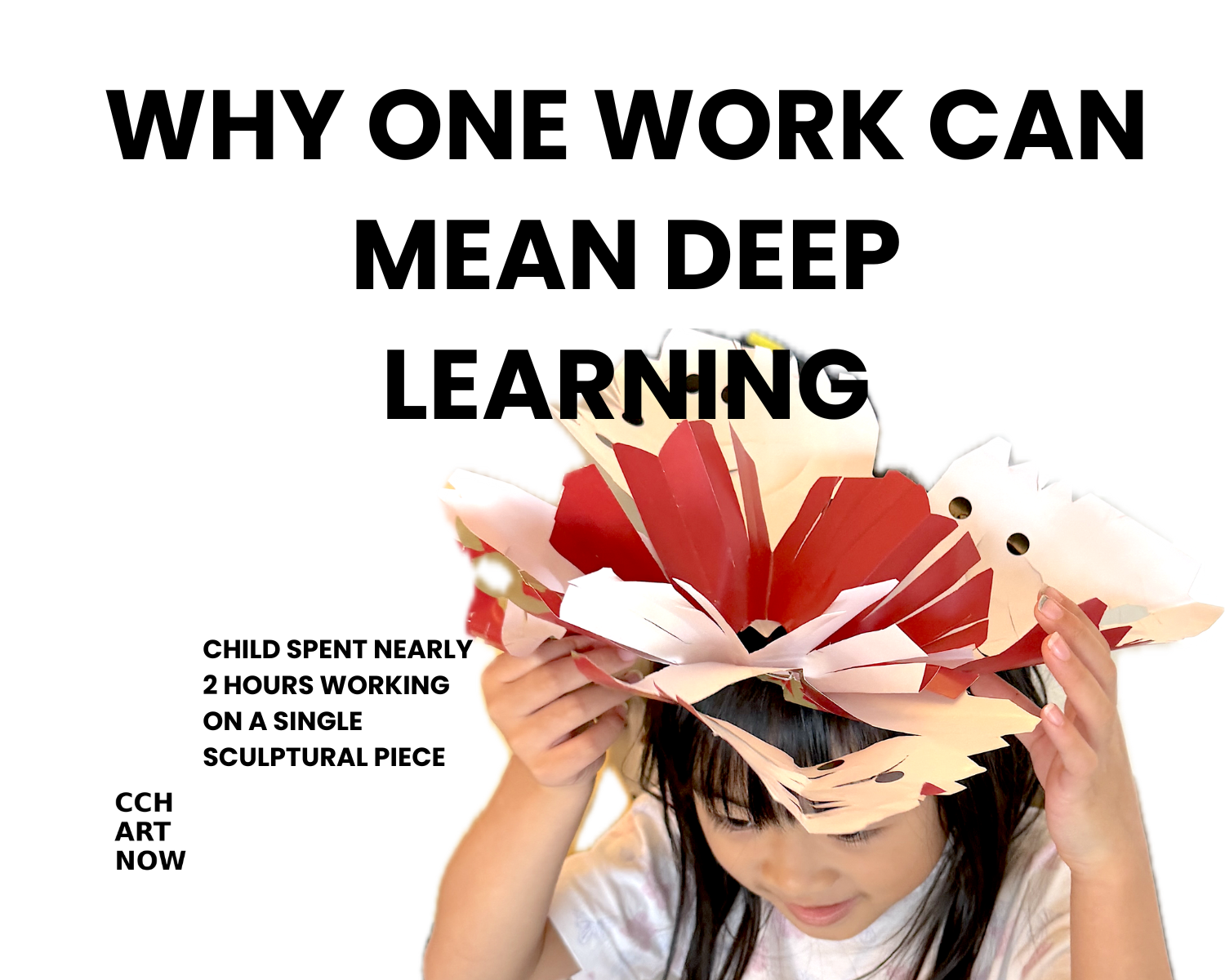
Before the Filter: Rebuilding Inner Order Through Studio Practice
CCH explores how material-based studio practice supports attention, judgment, frustration tolerance, and self-direction before polished performance emerges. Through real creative process, learners rebuild inner order by encountering uncertainty, material resistance, and meaningful decision-making.
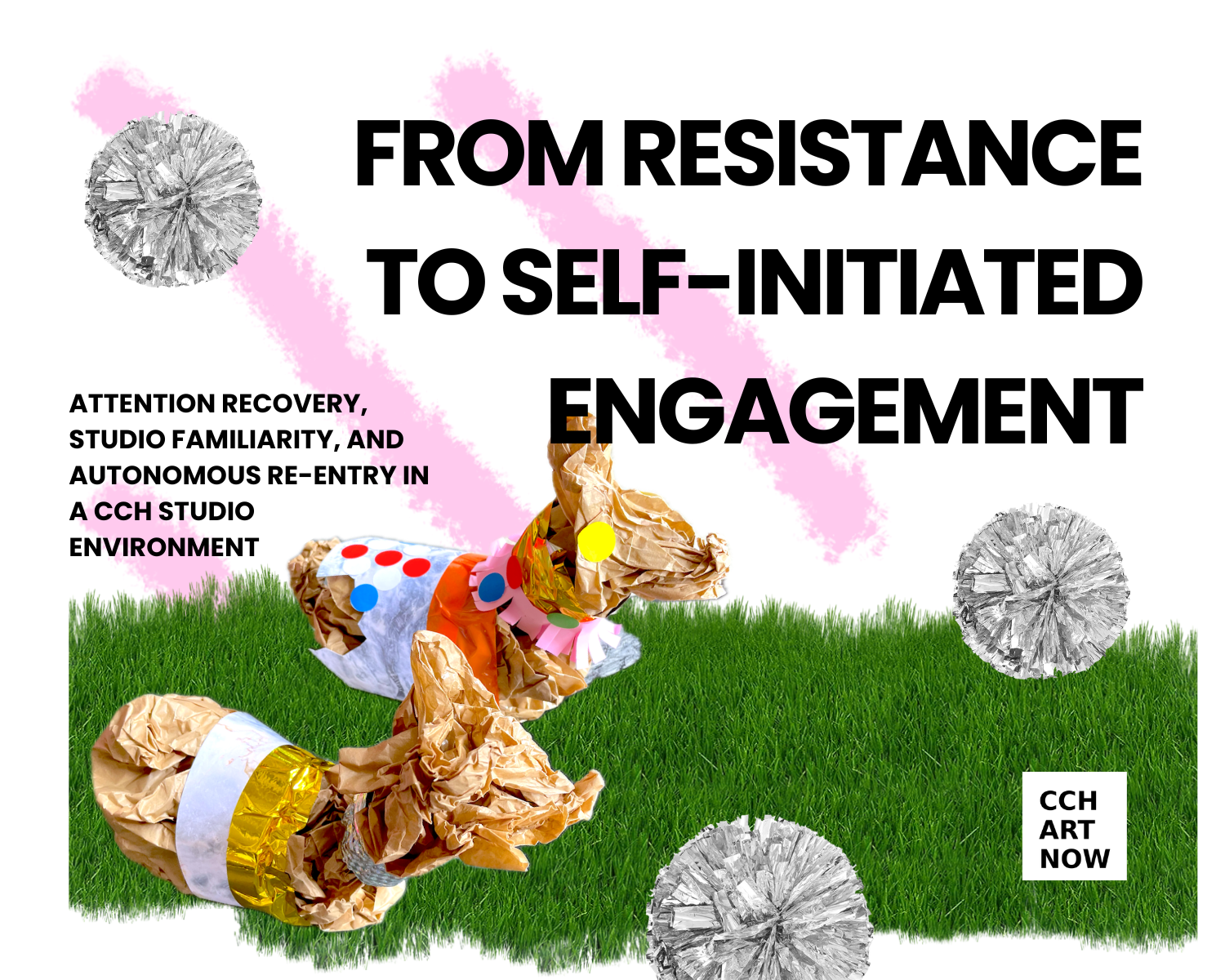
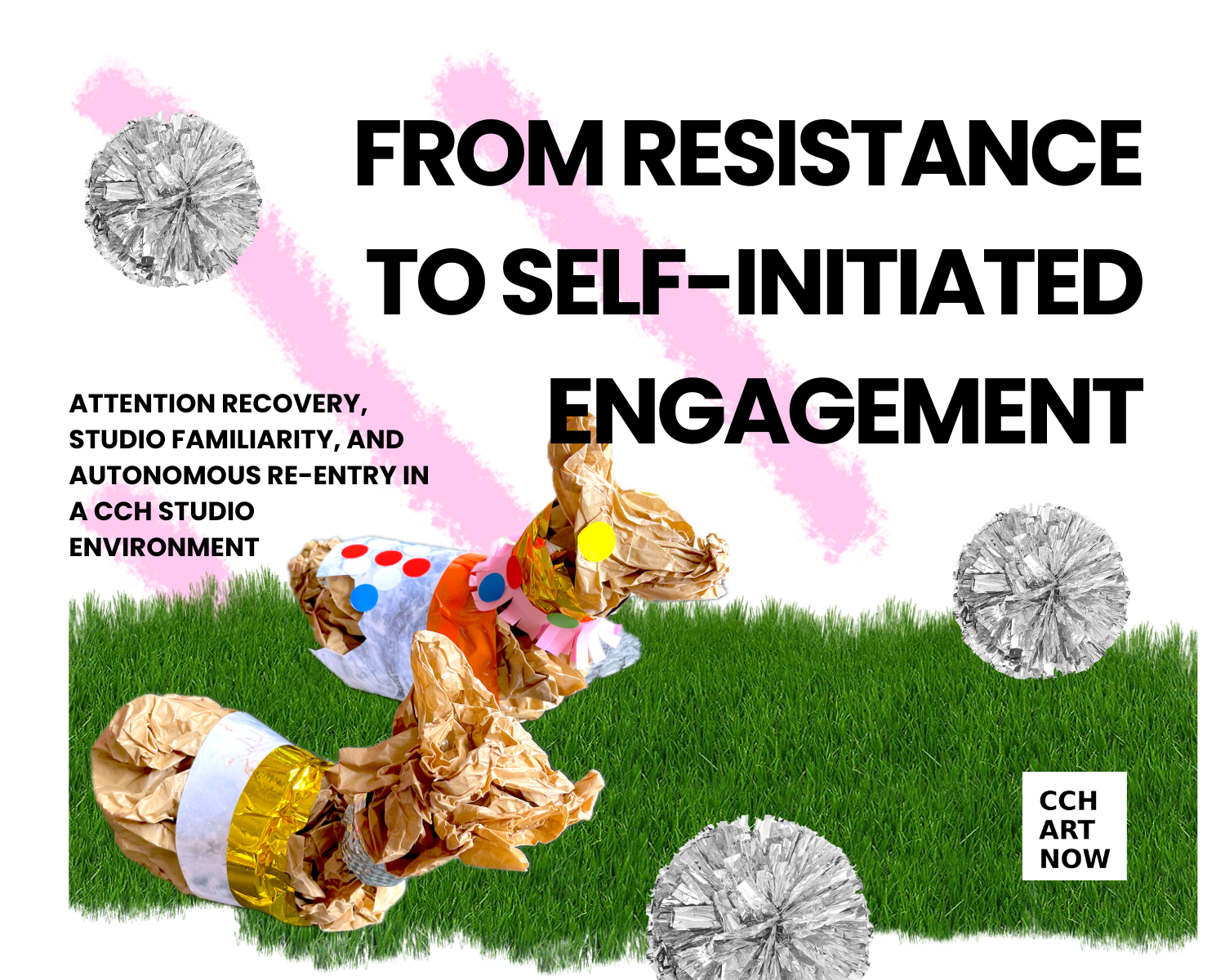
FROM RESISTANCE TO SELF-INITIATED ENGAGEMENT
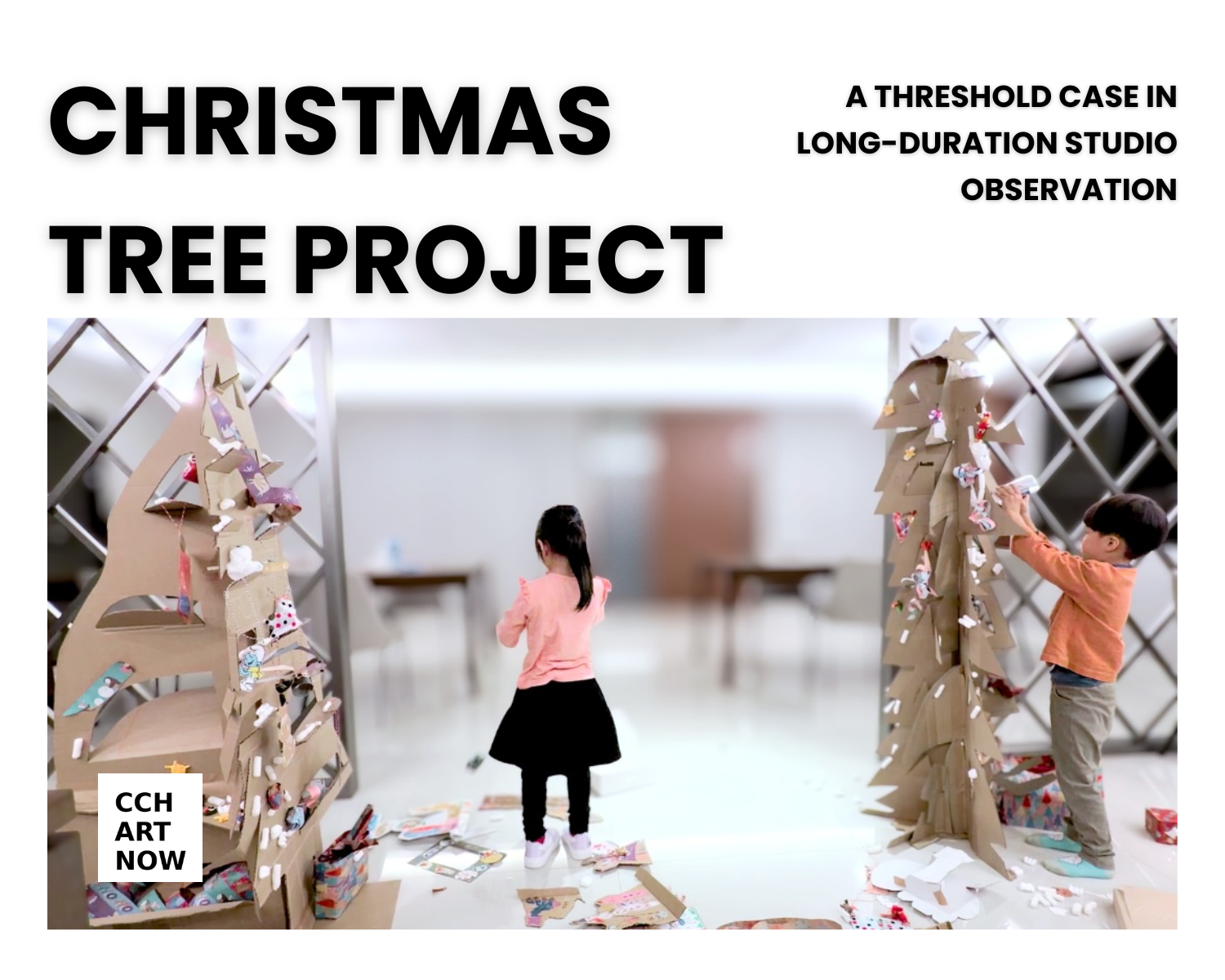
A CCH ART NOW™ studio observation examining how a young learner moved from initial resistance to self-initiated engagement through attention recovery, studio familiarity, material interaction, and autonomy-supportive structure.
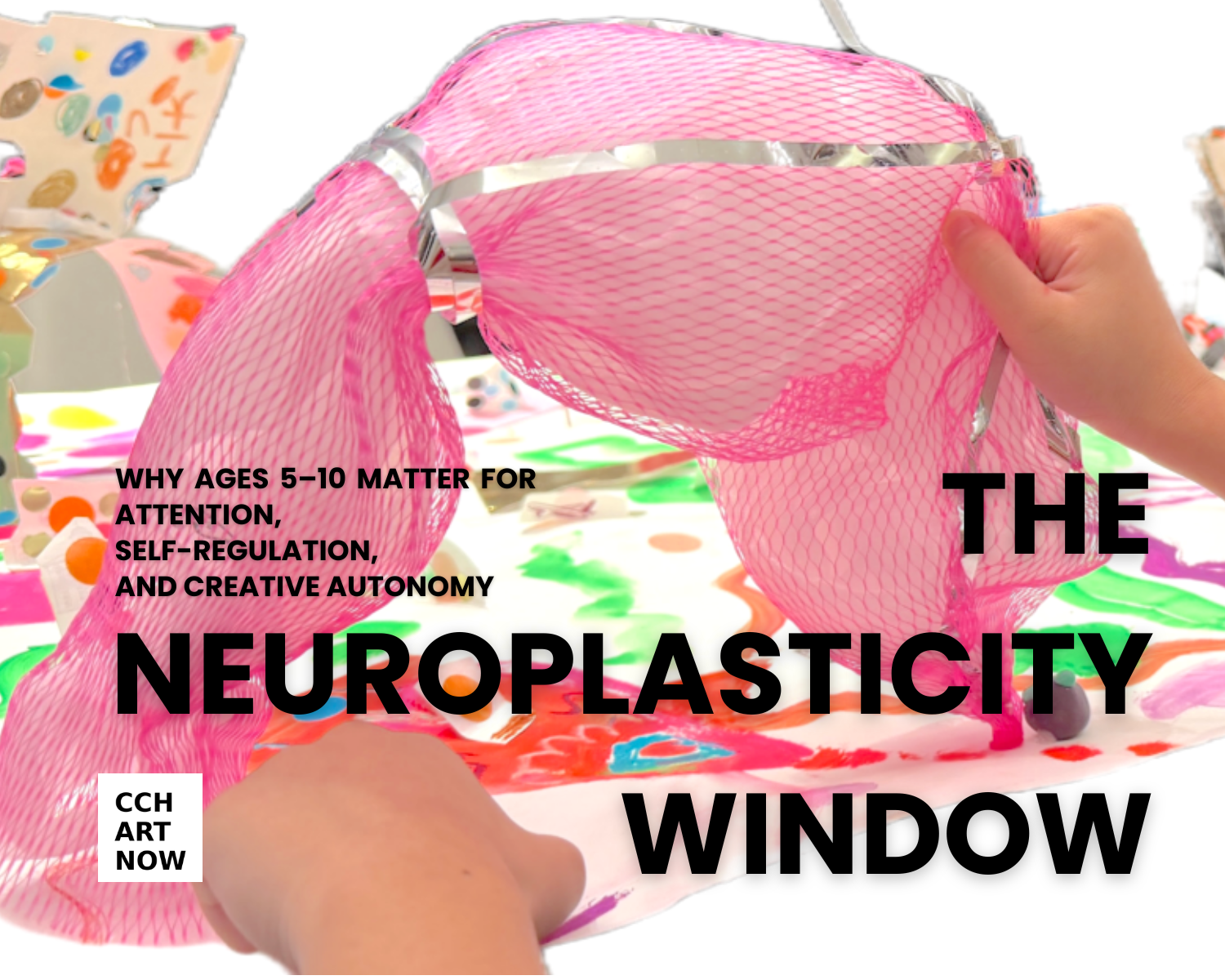
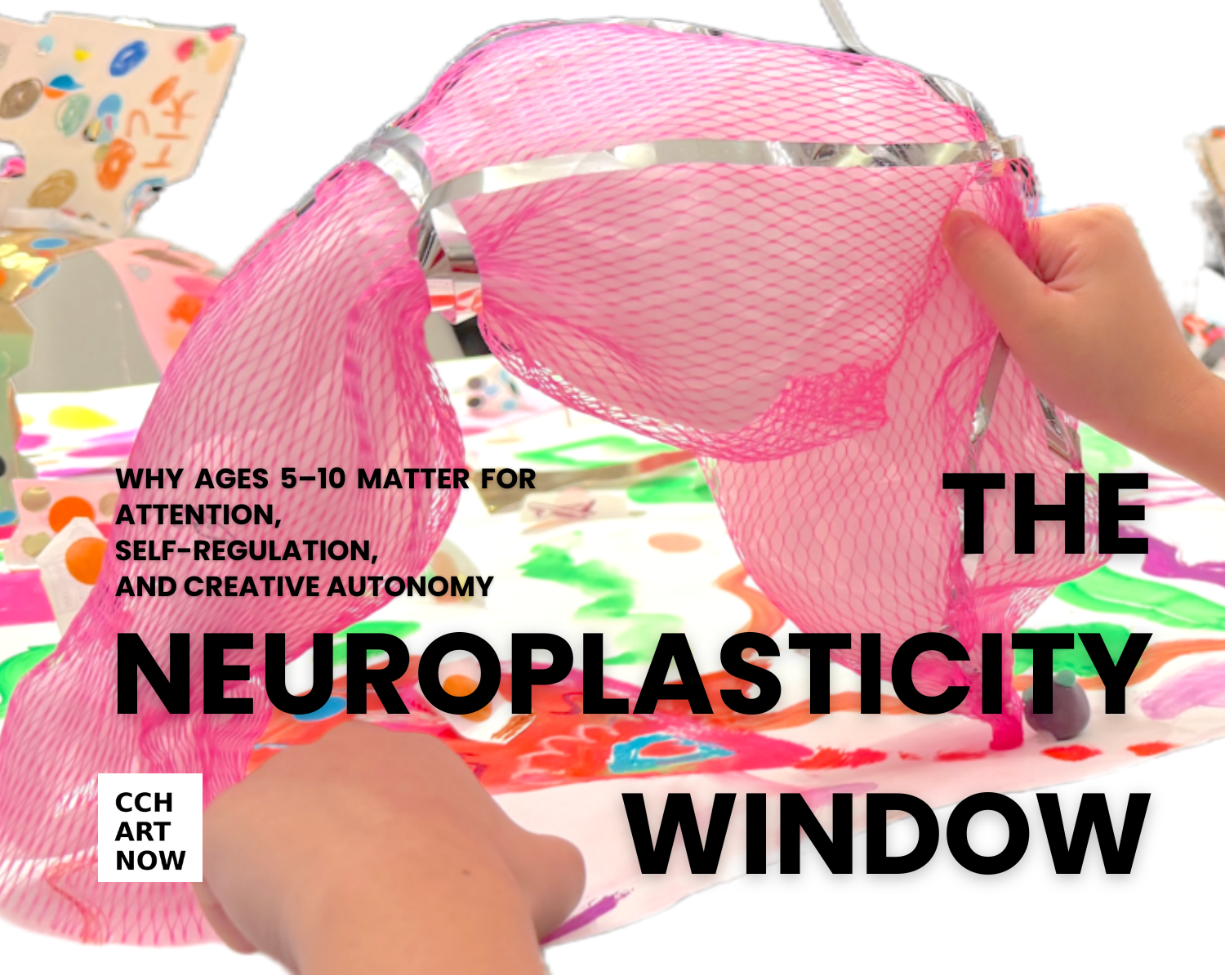
The Neuroplasticity Window
Why ages 5–10 matter for attention, self-regulation, and creative autonomy — and how material-based studio learning can support children’s developing executive function and independent judgment.
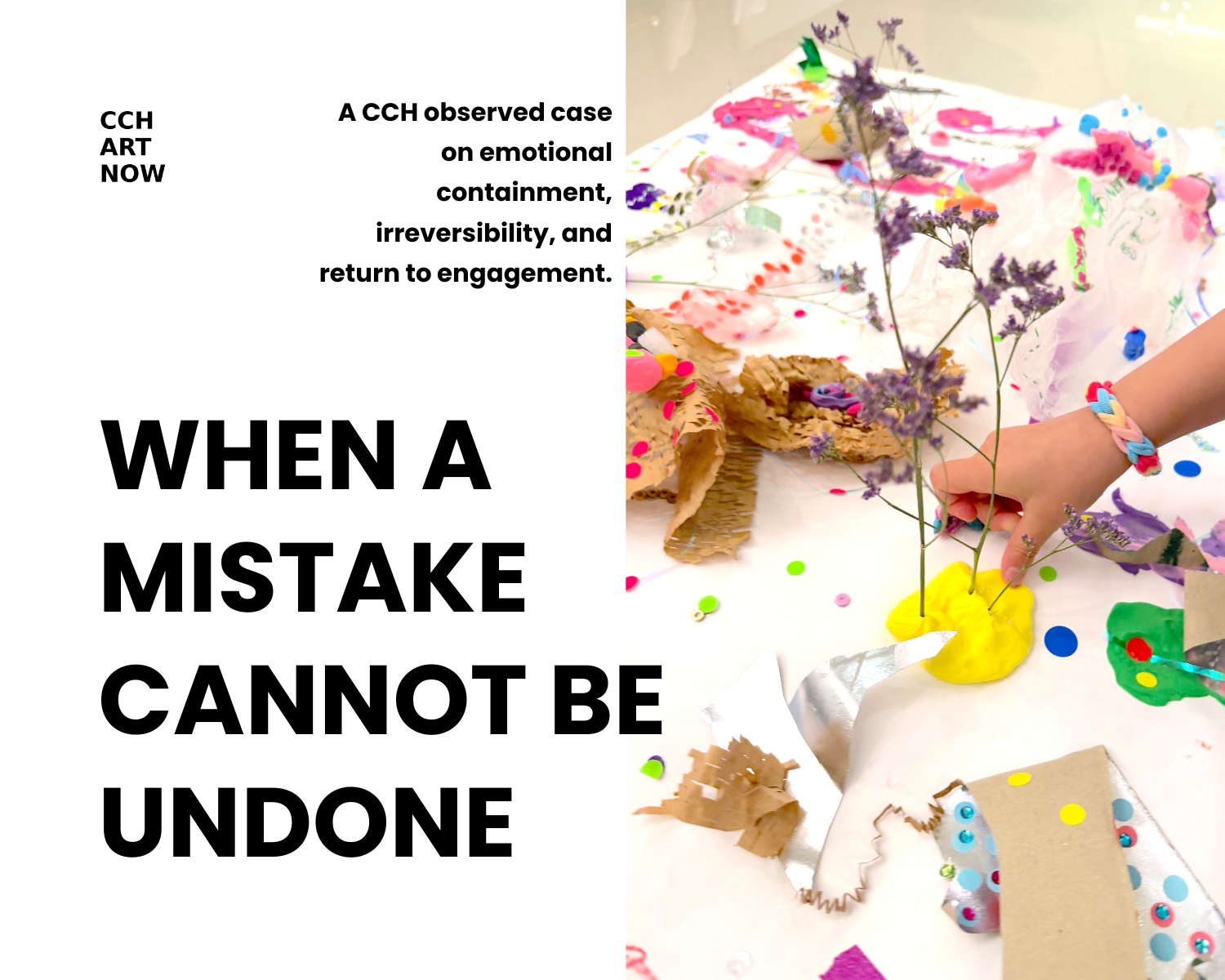
When a Mistake Cannot Be Undone
A CCH observed case documenting how a young learner moved from emotional intensity toward recognition of irreversibility, ownership of the action–outcome relationship, and self-initiated return to studio engagement.