
When Children Stop Exploring
Evaluation Pressure, Self-Monitoring, and the Loss of Exploratory Cognition
CCH ART NOW™
Studio Observations|Children
Focus area: exploratory cognition, evaluation pressure, attention, self-monitoring, and material-based learning
Overview
In many educational discussions, creativity is often treated as a talent problem.
Some children are described as creative. Others are described as distracted, hesitant, unmotivated, or lacking imagination.
Across long-duration studio observations with children, CCH ART NOW™ repeatedly observes a different pattern.
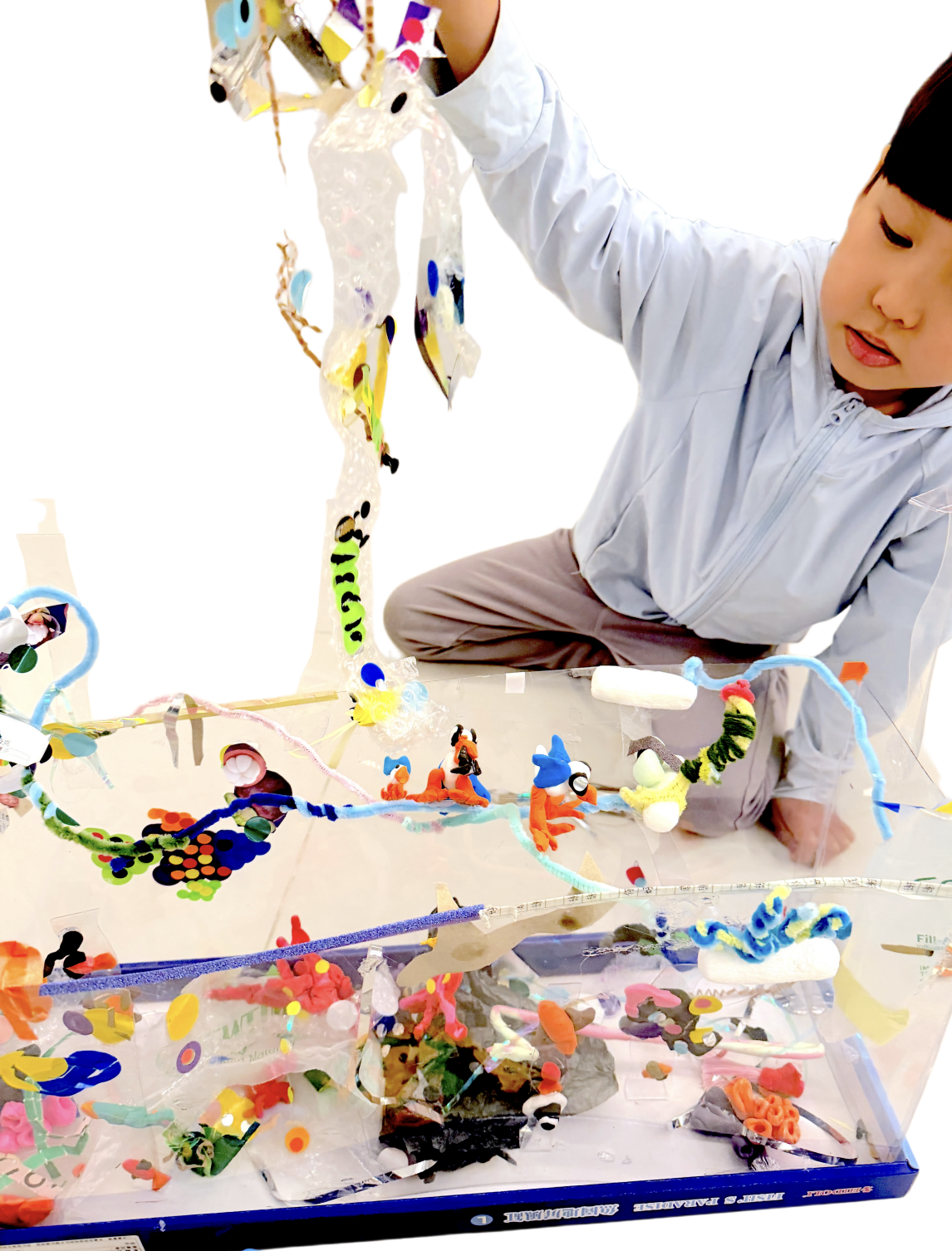
The issue is often not the absence of creativity. It is the gradual reduction of exploratory cognition under increasing evaluation pressure.
In other words, children may not simply “lose creativity.” They may learn, over time, to monitor themselves so closely that exploration becomes psychologically expensive.
When a child becomes preoccupied with whether an action is correct, beautiful, efficient, or approved, attention begins to shift away from the material situation itself. The child is no longer only making. The child is also watching the self from the outside.
This article examines how exploratory engagement narrows, why this matters in the age of AI, and how CCH studio environments are designed to protect the conditions under which children can remain with uncertainty, material resistance, and unfinished thinking.
The Problem Is Not Always Creativity
A child who hesitates may still have creative capacity.
A child who asks what to do next may still have imagination.
A child who appears less exploratory may not be lacking ideas.
The more precise question is:
What conditions have shaped the child’s relationship to uncertainty?
When children repeatedly experience learning environments that reward speed, correctness, imitation, and externally validated outcomes, they may begin to internalize a narrow model of learning:
make the correct thing
avoid mistakes
finish quickly
please the adult
compare with others
reduce uncertainty as soon as possible

This model may produce visible compliance and clean outcomes. However, it may also reduce the child’s willingness to stay inside unresolved situations.
From a CCH perspective, this matters because creativity is not only the ability to generate attractive objects. It is also the capacity to remain engaged before the answer is known.
Before Optimization Pressure Fully Forms
In early childhood, many children engage with materials in ways that are structurally different from older learners.
Not necessarily better.
Not more intelligent.
Not automatically more imaginative.
Simply less optimized.
A young child may:
test multiple possibilities without needing immediate validation
remain inside unresolved situations longer
modify structures repeatedly without concern for efficiency
move laterally between ideas without anxiety over correctness
tolerate material ambiguity before asking for a defined answer
invent functions before naming them clearly
continue touching, arranging, and testing before explaining
This state is often romanticized as “natural creativity.”
CCH interprets it more carefully:
It is a cognitive condition in which exploratory behavior has not yet been heavily constrained by performance-based evaluation systems.
The child is not always trying to produce a correct result. The child is still available to material surprise.
This availability is developmentally important. It allows thinking to emerge through action, touch, repetition, failure, adjustment, and return.
What Changes Over Time
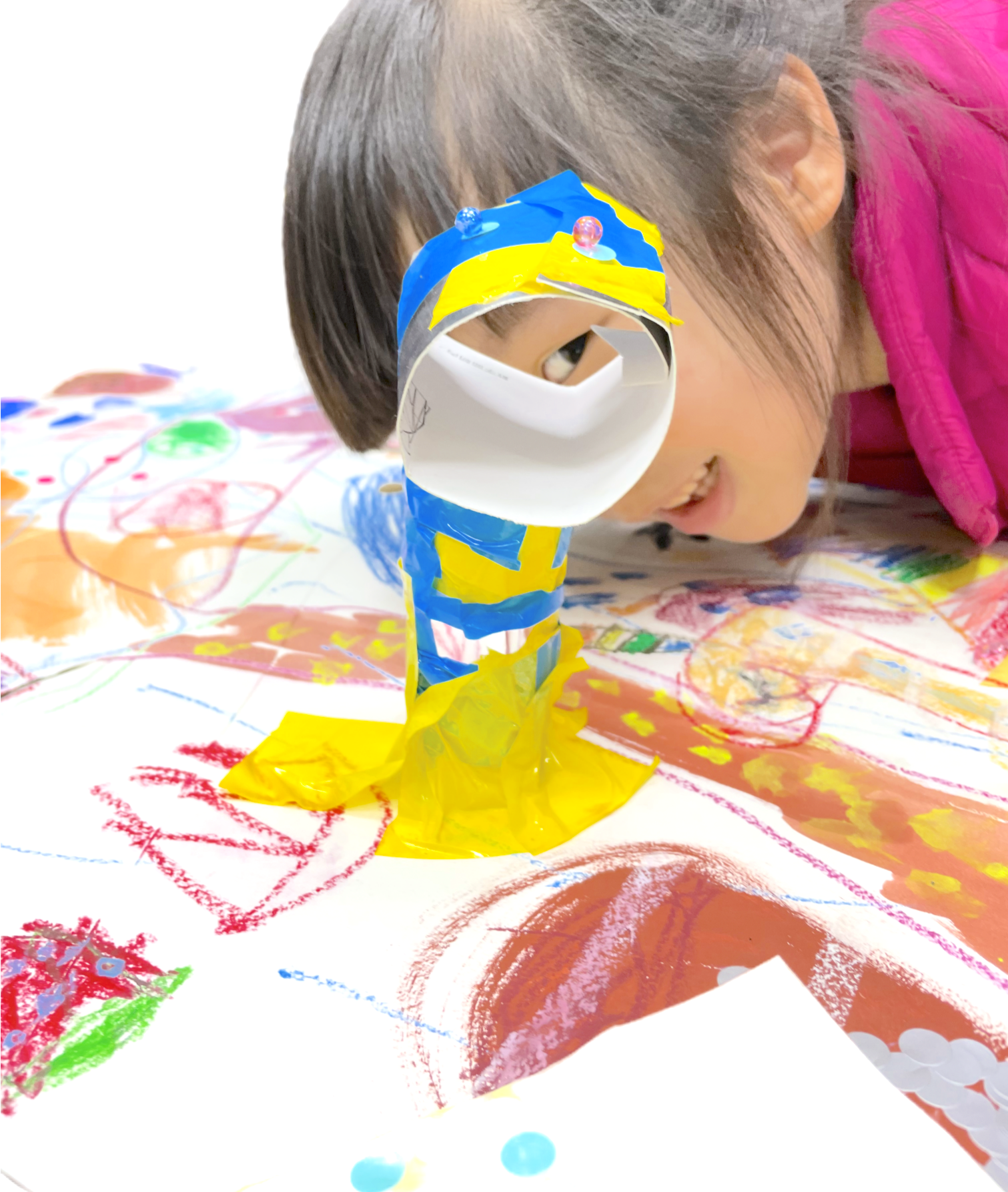
As children grow older, CCH frequently observes the emergence of several patterns:evaluation
hesitation before experimentation
increased self-monitoring
premature closure of ideas
dependency on external confirmation
reduced tolerance for ambiguity
reduced willingness to take material risks
early fixation on correct outcomes
Children may begin asking:
“Is this right?”
“What am I supposed to make?”
“Does this look good?”
“Can you help me?”
“What should I do next?”
These questions are not wrong. They are developmentally understandable.
However, when these questions appear too early or too frequently, they may signal a shift in attention.
The child’s attention gradually moves away from:
exploration
sensory engagement
iterative discovery
material testing
open-ended decision-making
and toward:
evaluation
correctness
comparison
approval seeking
outcome protection
Structurally, this is a major cognitive shift.
The child may still make something. The child may still complete the task. The final object may still look acceptable.
But the deeper cognitive field has narrowed.
The child is no longer fully inside the work. Part of the child’s attention is occupied by monitoring how the work will be judged.
Flow Becomes Harder to Access
Sustained creative engagement requires more than concentration.
It requires a temporary reduction of self-conscious evaluation.
When children are deeply immersed in making, they are not constantly asking whether the work is good enough. They are responding to material, structure, rhythm, resistance, and emerging possibility.
In CCH observations, flow-like engagement often appears through:
continuous handling of materials
repeated adjustment without external prompting
long periods of visual and tactile attention
self-initiated revision
return after difficulty
reduced need for adult confirmation
absorption in the evolving work
As evaluation pressure increases, this state becomes harder to access.
Not because the child becomes less intelligent.
Not because the child loses imagination.
But because cognitive resources become increasingly occupied by:
fear of mistakes
outcome anticipation
self-comparison
adult approval monitoring
social judgment
efficiency pressure
When a child is constantly asking, “Is this good?” attention is no longer fully available for exploration.
A portion of the mind is watching the self from the outside.
This is why CCH does not treat sustained engagement as a soft or decorative behavior. Sustained engagement is a meaningful learning signal. It shows whether a child can remain cognitively present without collapsing into premature judgment.
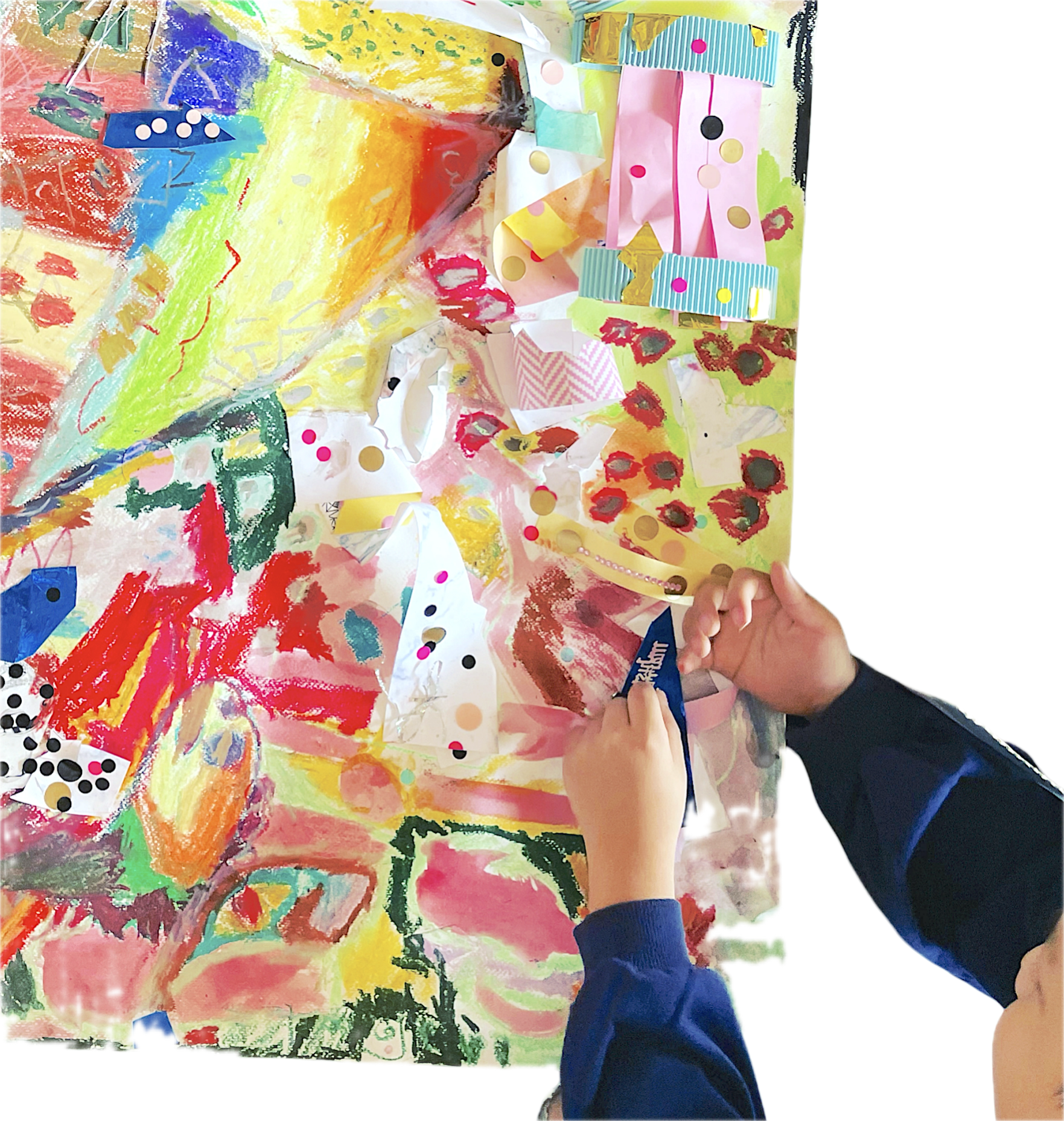
Optimization and the Narrowing of Cognition
Modern educational systems often emphasize:
measurable performance
speed
efficiency
standardized outcomes
accelerated achievement
visible correctness
These systems can produce strong execution skills.
They can train children to complete tasks quickly, follow instructions, avoid visible errors, and meet external expectations.
However, an unintended side effect may be the narrowing of exploratory cognition.
Children may learn to:
avoid mistakes quickly
reduce uncertainty immediately
seek predefined answers
copy successful models
optimize toward evaluation metrics
stop exploring once an acceptable answer appears
This creates a paradox:
The more a system optimizes for predictable outcomes, the more difficult sustained exploratory engagement may become.
This does not mean structure is harmful.
Structure can support learning. The question is what kind of structure is being built.
A structure that rewards only correctness may train compliance.
A structure that holds uncertainty can train judgment.
This distinction is central to CCH.
The CCH studio is not an unstructured space where children simply do whatever they want. It is a carefully held environment where material resistance, time, adult restraint, and open-ended constraints allow children to practice decision-making before the outcome is known.
Exploratory Cognition Requires Maintenance
Another important observation is that exploratory cognition is not permanently stable.
Even children who previously demonstrated strong exploratory engagement may show noticeable reductions after long breaks from open-ended cognitive practice.
After periods dominated by passive entertainment, highly structured instruction, screen-based stimulation, or outcome-driven activities, some children may return with:
lower iteration endurance
faster frustration
increased hesitation
reduced immersion
stronger dependence on external guidance
reduced tolerance for unfinished work
greater need for immediate confirmation
This suggests that exploratory cognition may function less like a fixed personality trait and more like an actively maintained condition.
In CCH, this becomes visible through material action.
A child may not yet be able to sustain uncertainty alone. But within a carefully held studio environment, the child may gradually extend attention, tolerate frustration, test alternatives, and make independent decisions.
That is not simply art-making.
It is developmental scaffolding through material experience.
Observing Cognition Through Material Interaction
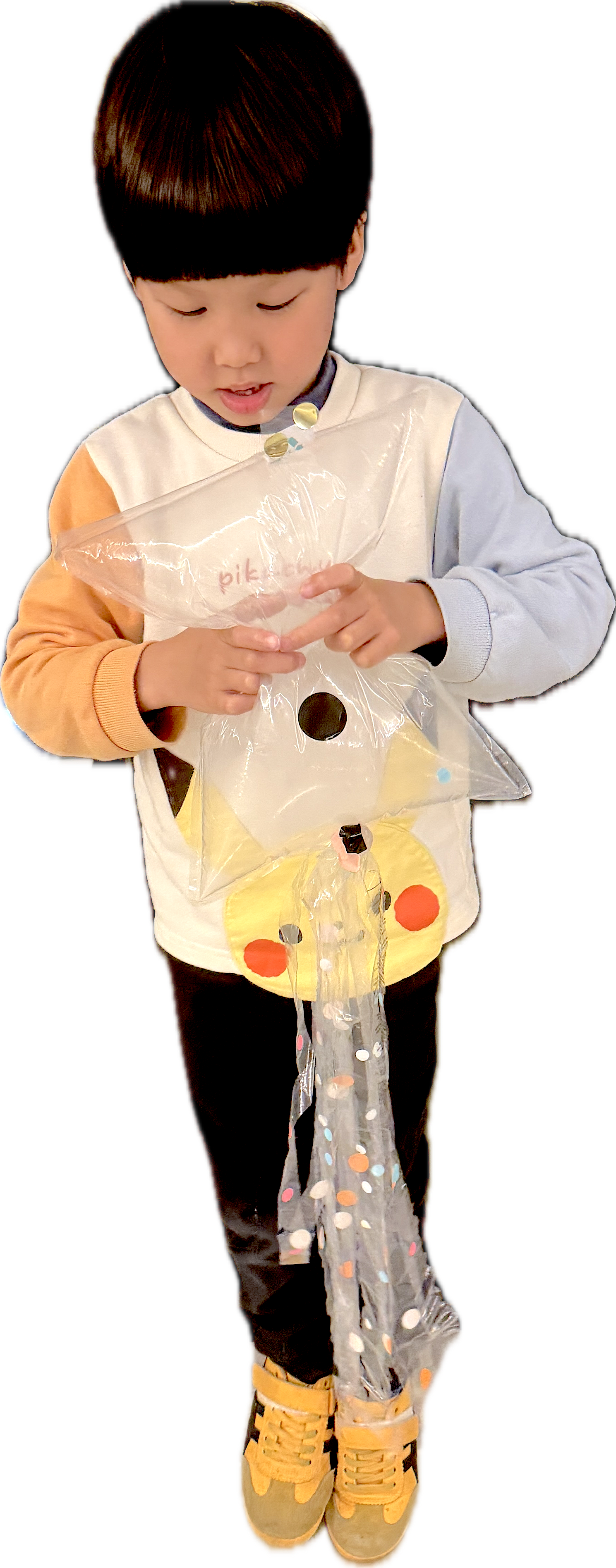
At CCH ART NOW™, children’s work is not treated as evidence of talent alone.
The creative process is observed as a visible record of how cognition responds to uncertainty.
The studio becomes a place where the following patterns can be seen in real time:
attention
hesitation
risk tolerance
iteration
decision-making
material reasoning
emotional recovery
cognitive flexibility
exploratory endurance
response to failure
return after disruption
This is why material matters.
Materials resist.
Materials collapse.
Materials stain.
Materials break.
Materials refuse easy control.
Materials produce consequences.
These consequences make thinking visible.
A child’s response to material difficulty can reveal more than the final object itself. When a child pauses, adjusts, tests, repairs, re-enters, or chooses a new path, cognition is taking form through action.
This is the core of CCH studio observation.
The question is not only:
What did the child make?
The more important question is:
How did the child remain with the process when the outcome was not yet clear?
Why This Matters in the AI Era
In the age of AI, execution is becoming increasingly automated.
Information is abundant.
Images can be generated quickly.
Correct answers can be produced instantly.
Optimization is scalable.
The growing challenge may not be access to intelligence.
The deeper challenge may be whether human beings can remain meaningfully engaged in situations where:
no immediate answer exists
ambiguity remains unresolved
iteration is required
failure is informative
judgment must develop over time
meaning cannot be generated instantly
These conditions are deeply connected to:
research
invention
design
science
entrepreneurship
systems thinking
long-horizon problem-solving
artistic practice
ethical judgment
The question is no longer simply:
Can humans produce answers?
Increasingly, the question becomes:
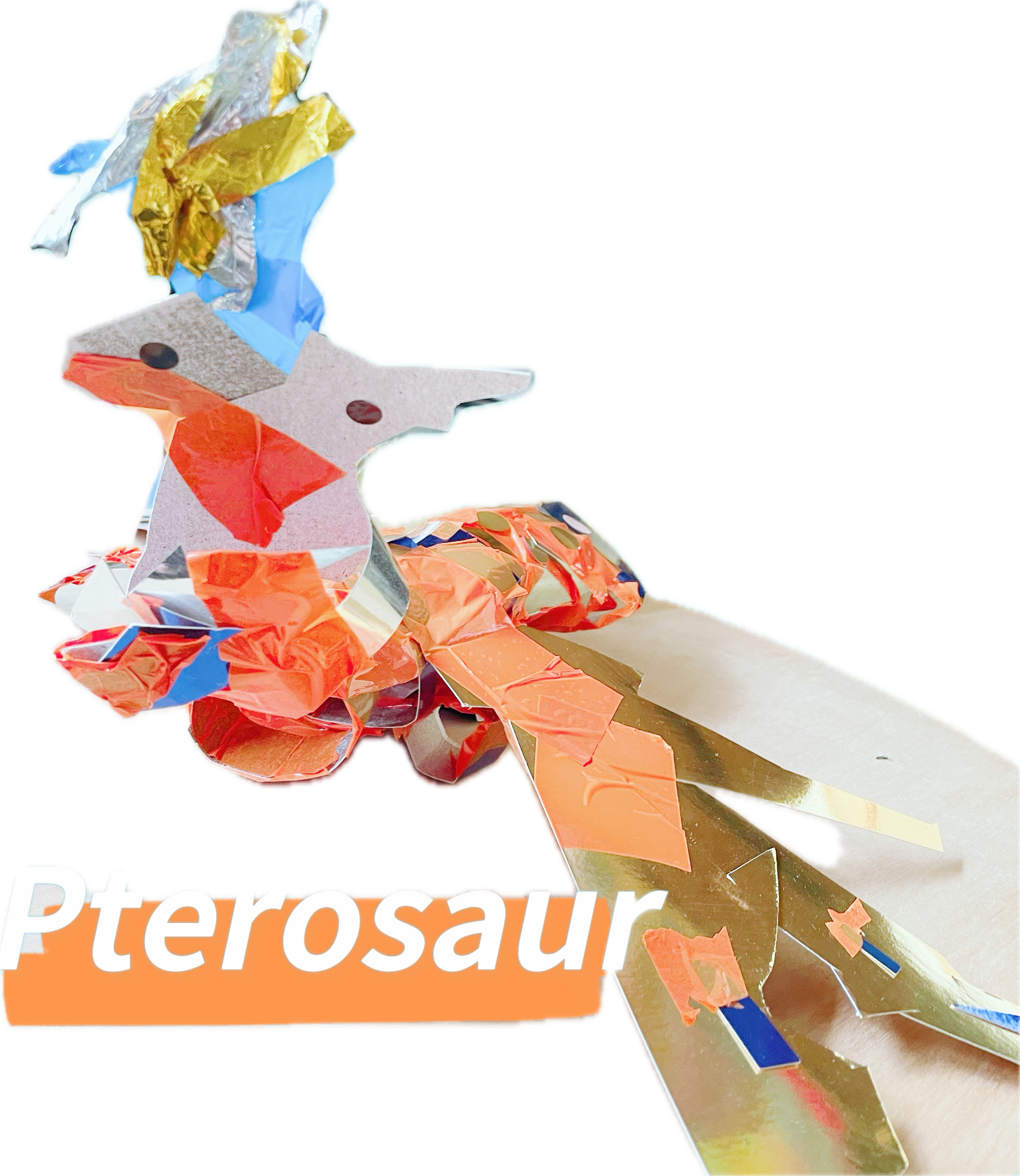
Can humans remain engaged before answers are known?
This is where CCH becomes relevant beyond art education.
If AI can generate outputs quickly, then human education must pay closer attention to what happens before output:
attention
interpretation
resistance
uncertainty tolerance
material judgment
decision-making
meaning formation
The future of human capability may depend less on producing faster answers and more on sustaining deeper engagement with unresolved problems.
CCH Interpretation
When children stop exploring, the issue may not be a lack of creativity.
It may be that the child has learned too early to ask for correctness before having enough time to encounter possibility.
It may be that the child has learned to watch the self from the outside.
It may be that speed, approval, and measurable outcomes have become more psychologically important than material discovery.
CCH does not aim to remove structure. It aims to design a different kind of structure.
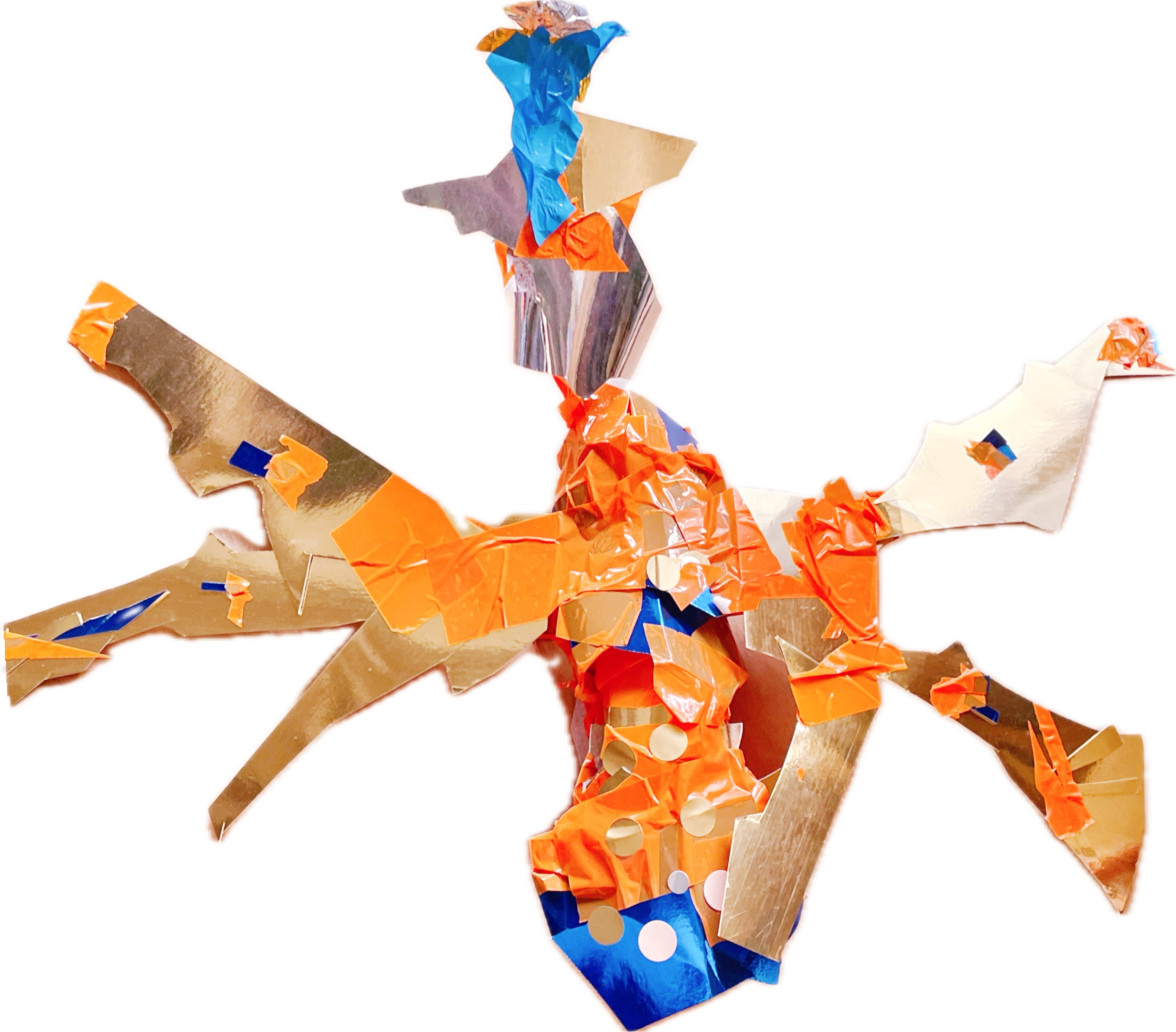
A CCH studio protects:
time
material consequence
emotional safety
exploratory permission
adult restraint
unfinished thinking
self-authored decision-making
Within this environment, the child can practice staying with difficulty without being rushed into immediate resolution.
This is not the same as free play without pedagogical structure.
It is a designed learning ecology where uncertainty is not eliminated too quickly.
Educational Implication
The educational implication is direct:
Children need environments where exploratory cognition can be practiced before it disappears under evaluation pressure.
This does not mean children should never be evaluated. It does not mean skill, discipline, or structure are unimportant.
It means that developmental learning environments must distinguish between:
execution and exploration
compliance and judgment
output and process
speed and attention
correctness and possibility
adult approval and internal decision-making
If children only learn to complete what is already defined, they may become efficient producers of acceptable outcomes.
But if they learn to remain with uncertainty, test material possibilities, recover from mistakes, and make decisions before the answer is known, they may develop capacities that remain valuable far beyond art class.
This is the educational purpose of CCH.
Evidence Boundary
This article presents CCH ART NOW™ studio-based observations and theoretical interpretation. It is not a clinical assessment, psychological diagnosis, therapeutic claim, or completed third-party impact evaluation.
The observations described here should be read as qualitative educational insights drawn from repeated studio practice with children. Further structured documentation, parent feedback, longitudinal observation, and external review would strengthen the evidence base over time.
Closing Reflection
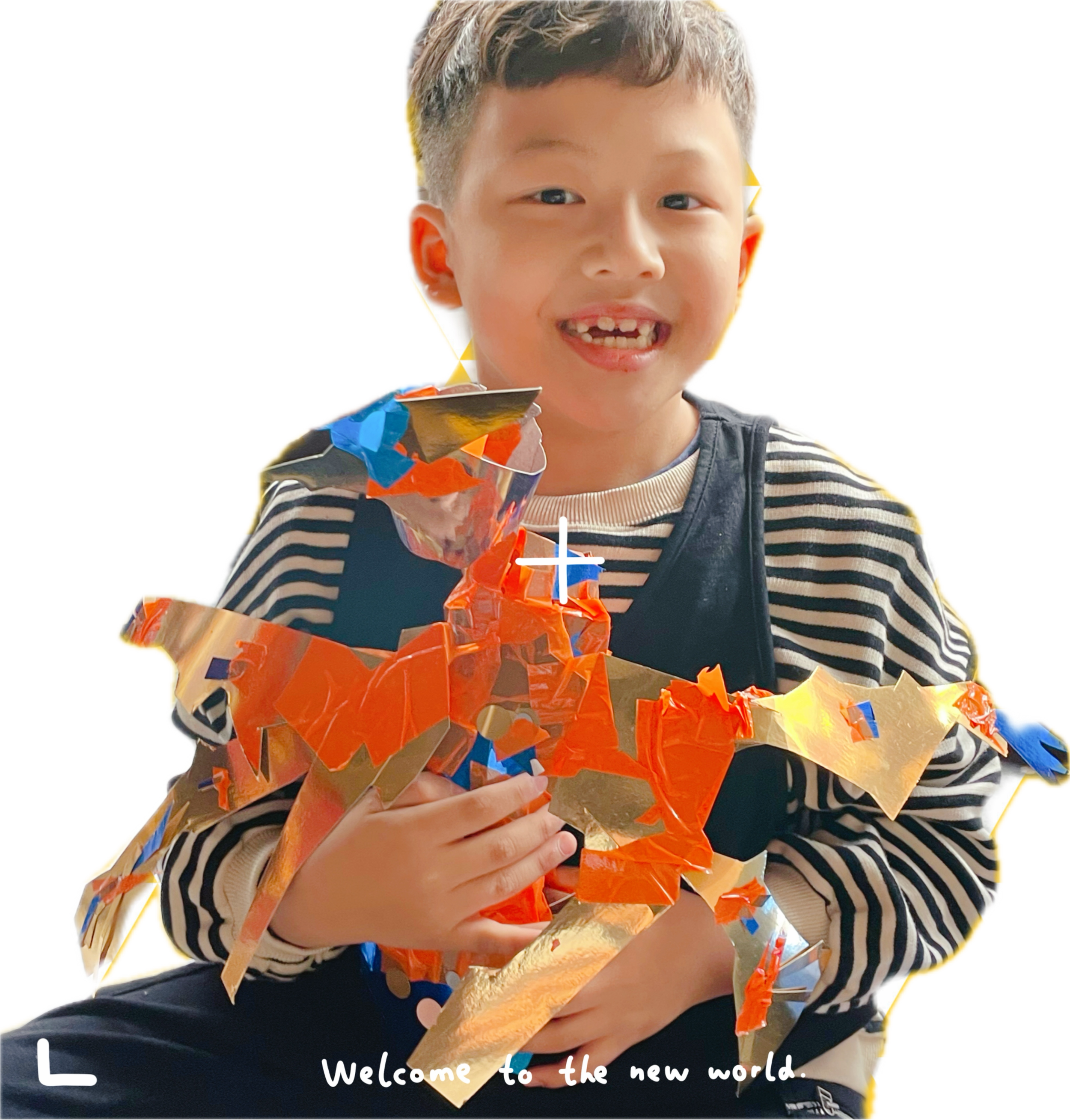
When children stop exploring, the problem may not be a lack of creativity.
It may be that they have learned too early to watch themselves from the outside.
They may have learned to ask for correctness before they have had enough time to encounter possibility.
They may have learned that speed, approval, and measurable outcomes matter more than remaining with the unknown.
In the AI era, this matters deeply.
Because the most human capacities may not appear at the moment of output.
They may appear earlier:
when a child hesitates, but stays; when a structure fails, but the child tries again; when there is no answer yet, but attention remains alive.
That is the moment CCH observes.
That is where exploratory cognition begins.
References / Theoretical Anchors
Dewey, J. — experiential learning, continuity, interaction, and the educative value of experience.
Csikszentmihalyi, M. — flow, deep concentration, ordered attention, and reduced self-consciousness.
Bruner, J. — discovery learning, culture of education, and learning that goes beyond given information.
Vygotsky, L. S. — Zone of Proximal Development, scaffolding, and the emergence of developmental capacity under guided conditions.