
1. AI & Education
2. CCH Method
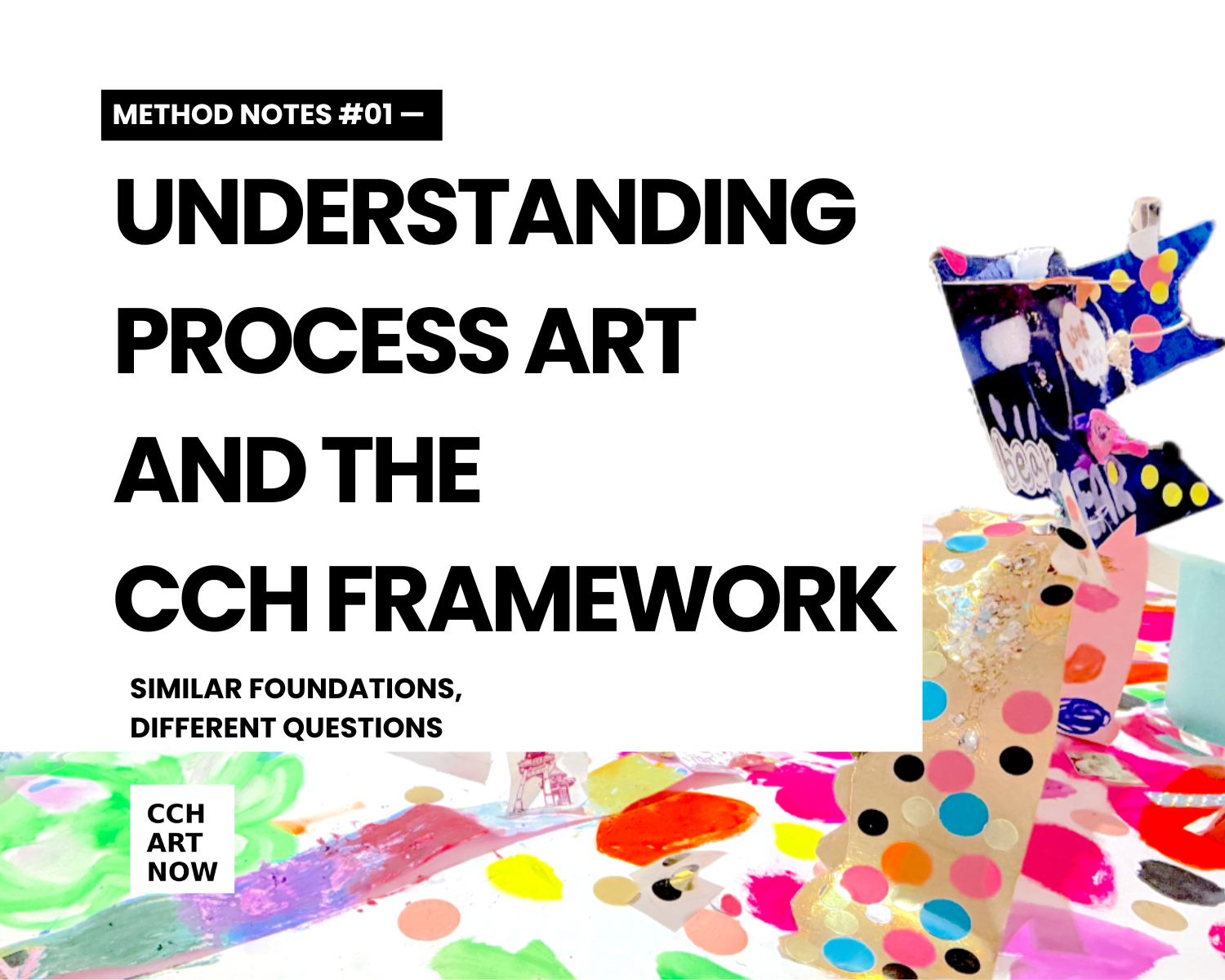
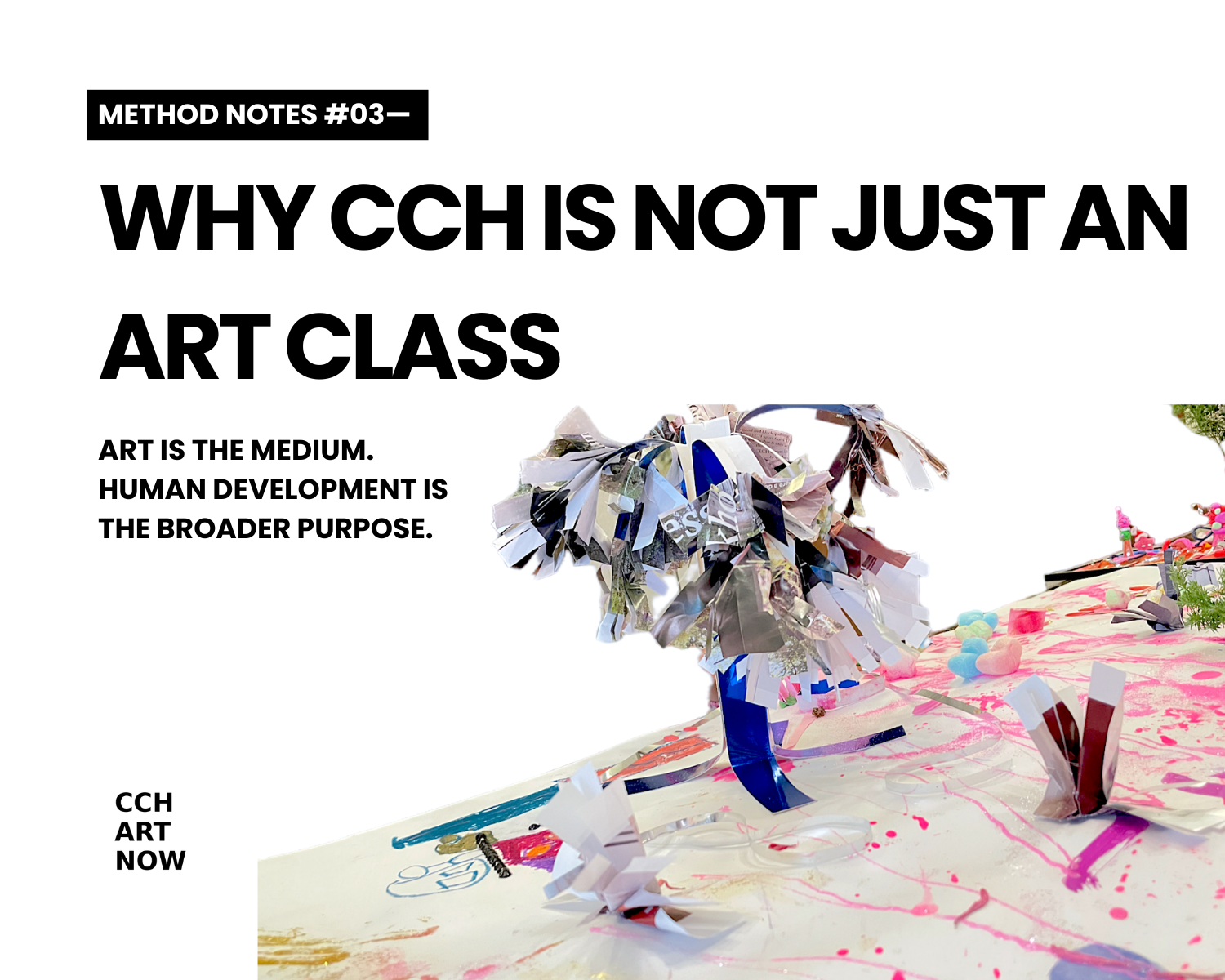
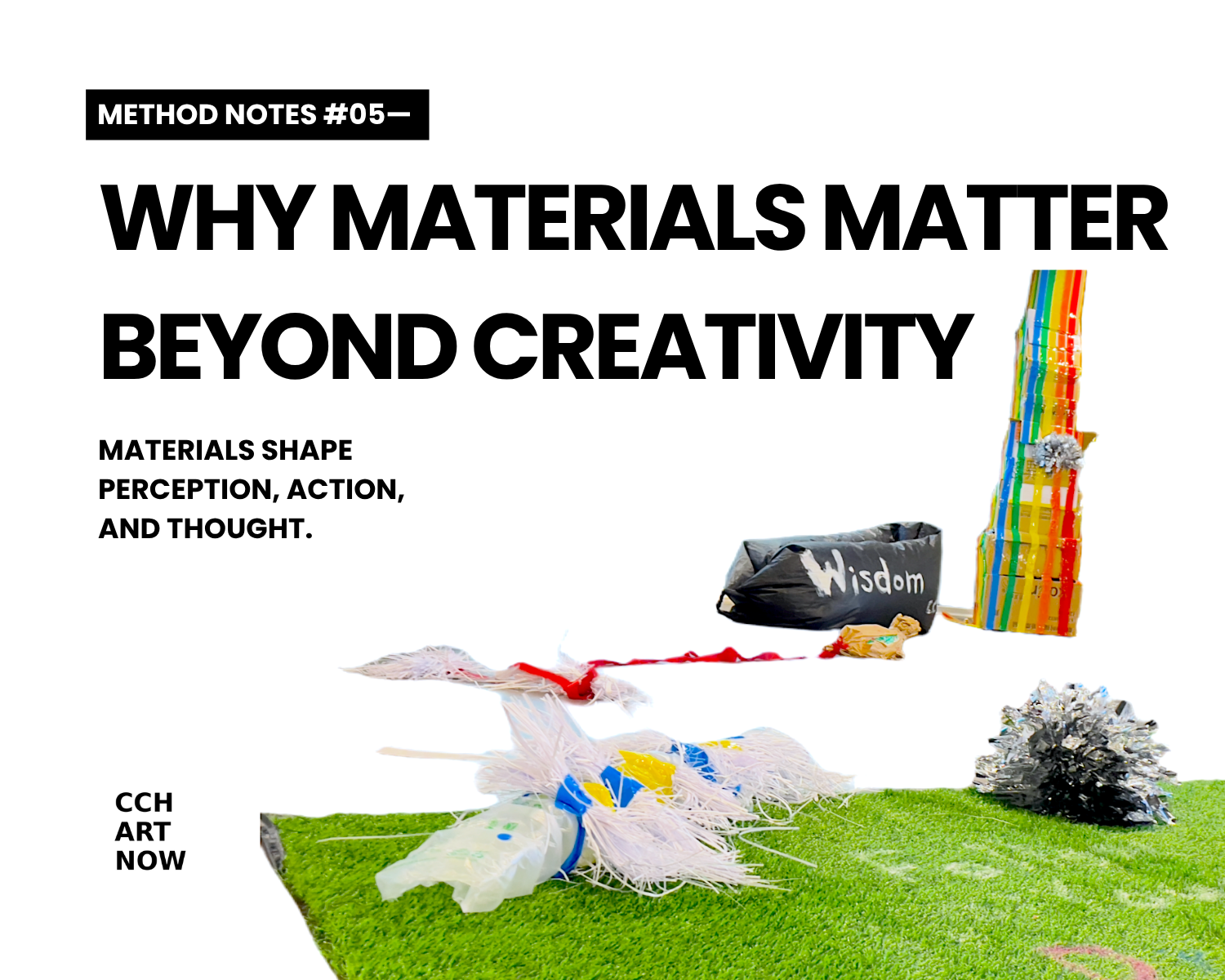
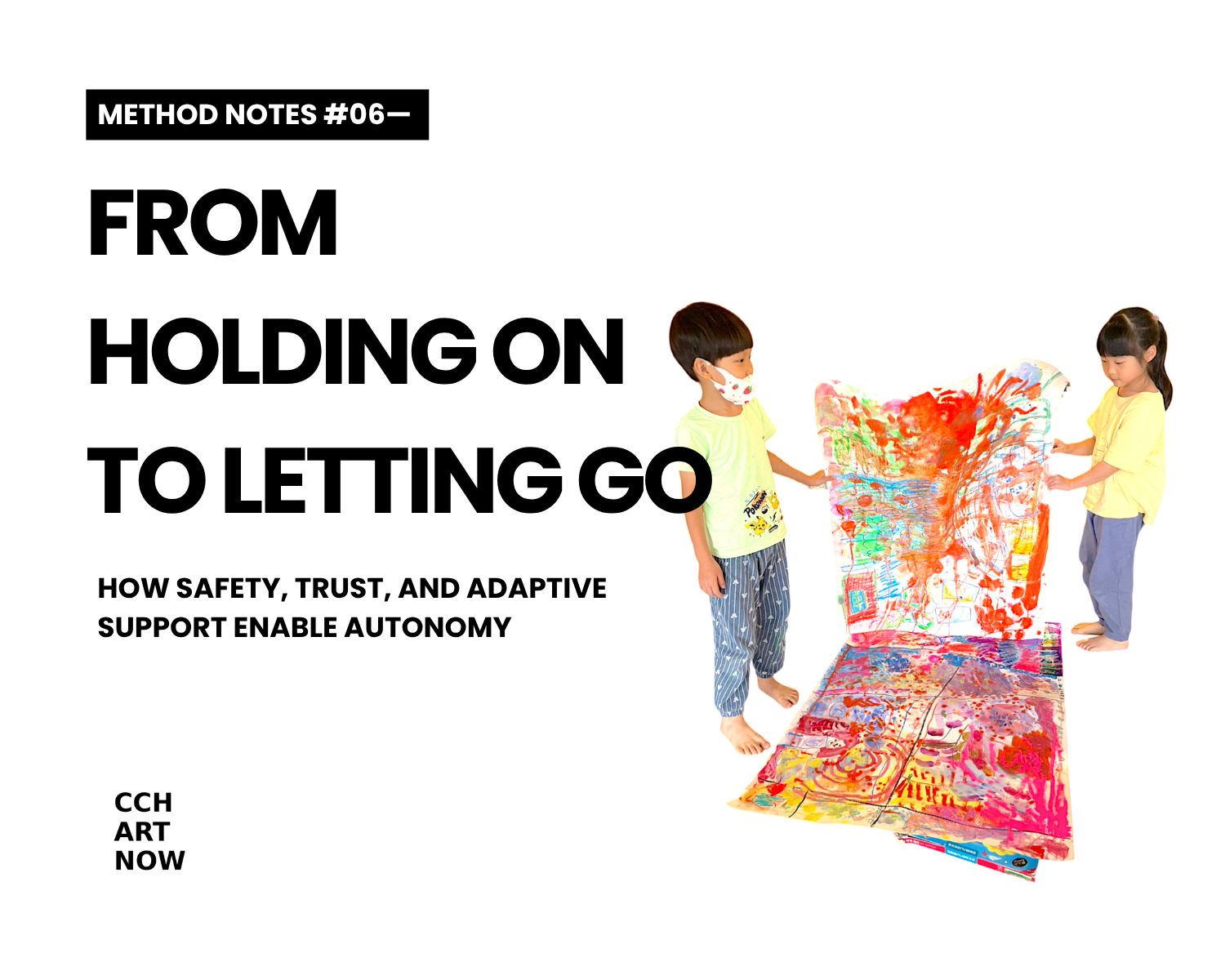
2-1. Method Notes
3. Studio Observations — Children
4. Adolescent Development
5. Adult studio case
6. Enterprise & Organizational Practice
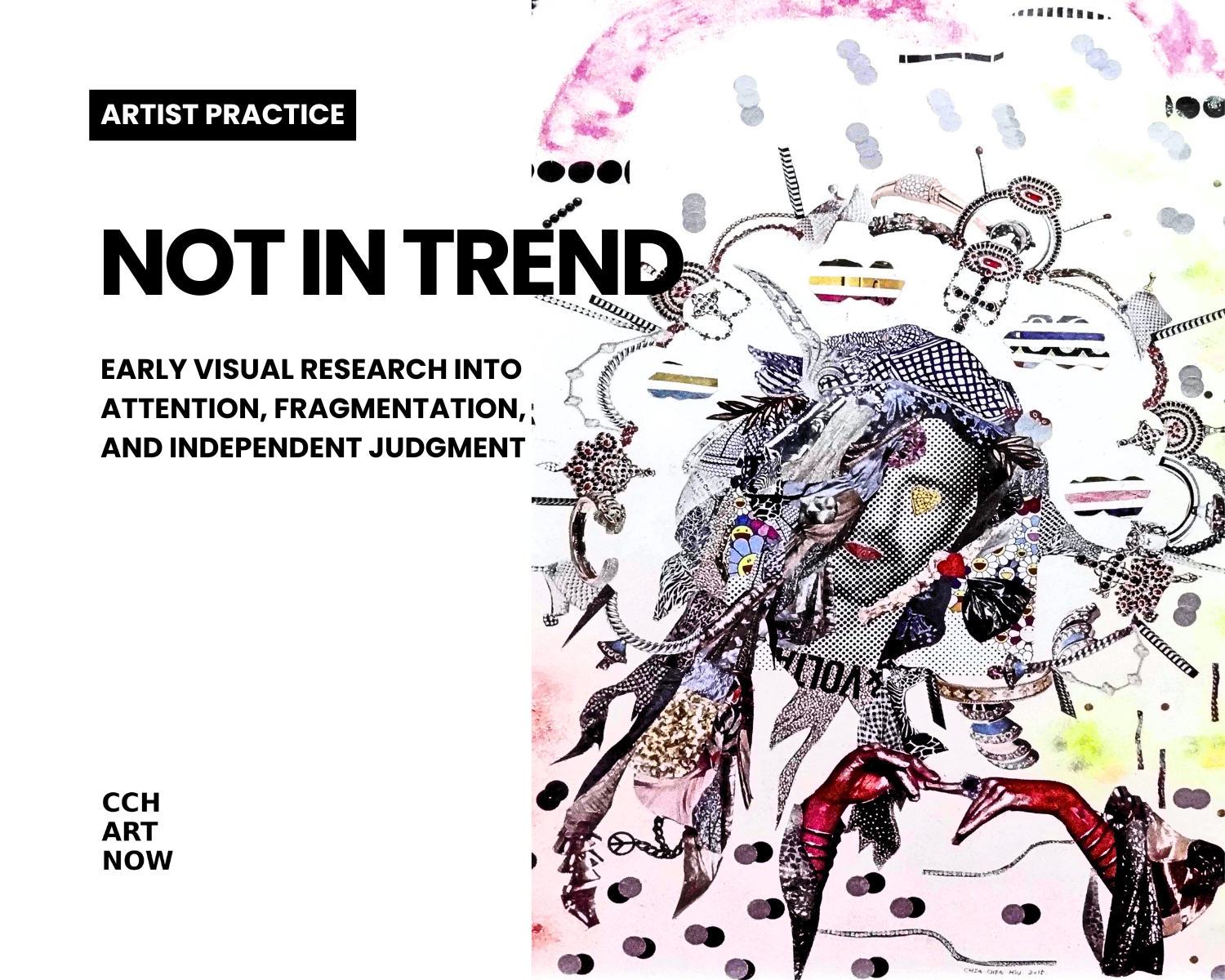
7. Artist practice
Full Article Archive
Browse all published writings, studio observations, case records, and educational essays from CCH ART NOW.
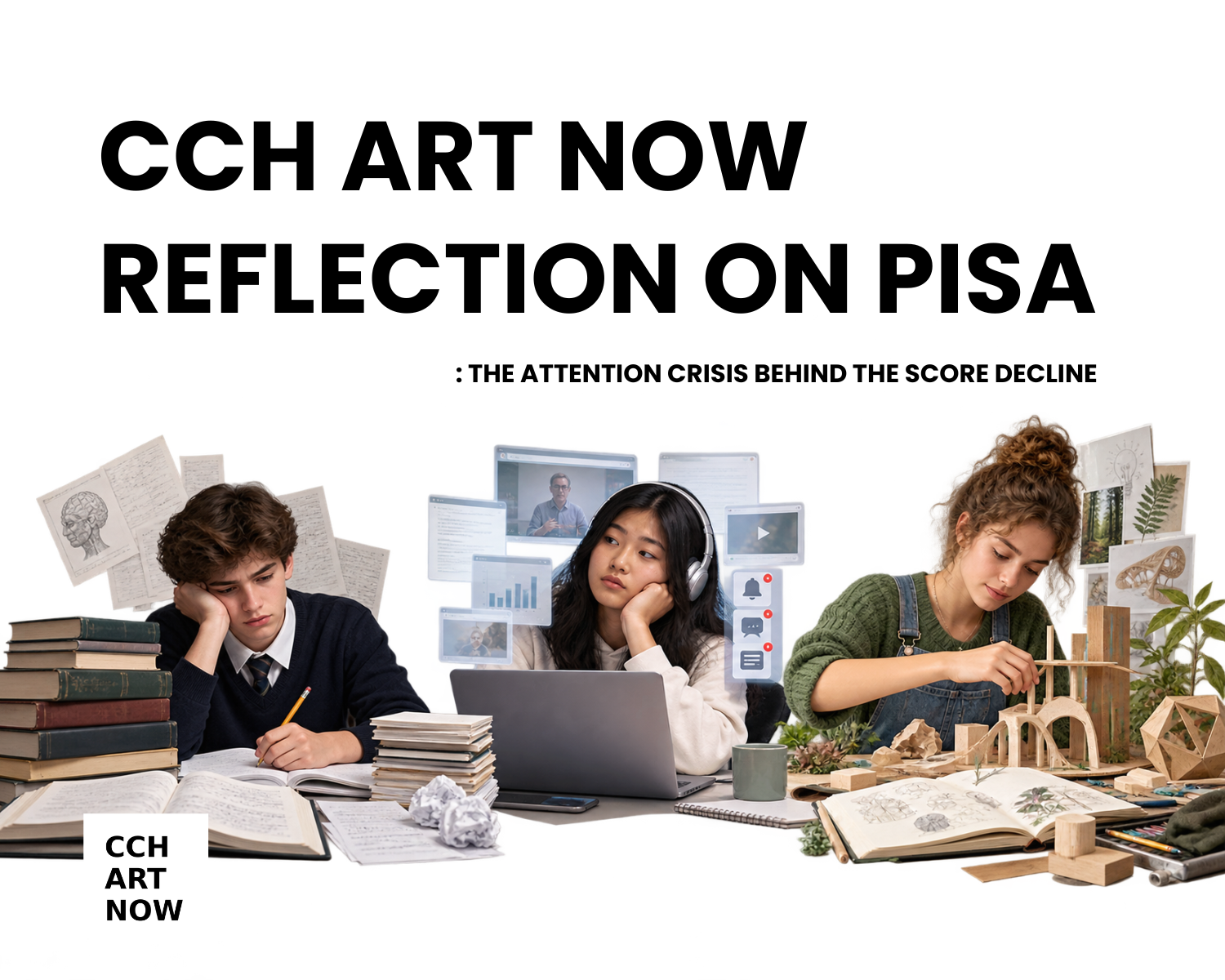
CCH ART NOW REFLECTION ON PISA
The latest PISA findings point to more than declining academic performance. They reveal shifts in attention, persistence, effort, and the way students respond to difficulty. CCH ART NOW examines what these signals may mean for learning, judgment, and human agency in the age of AI.
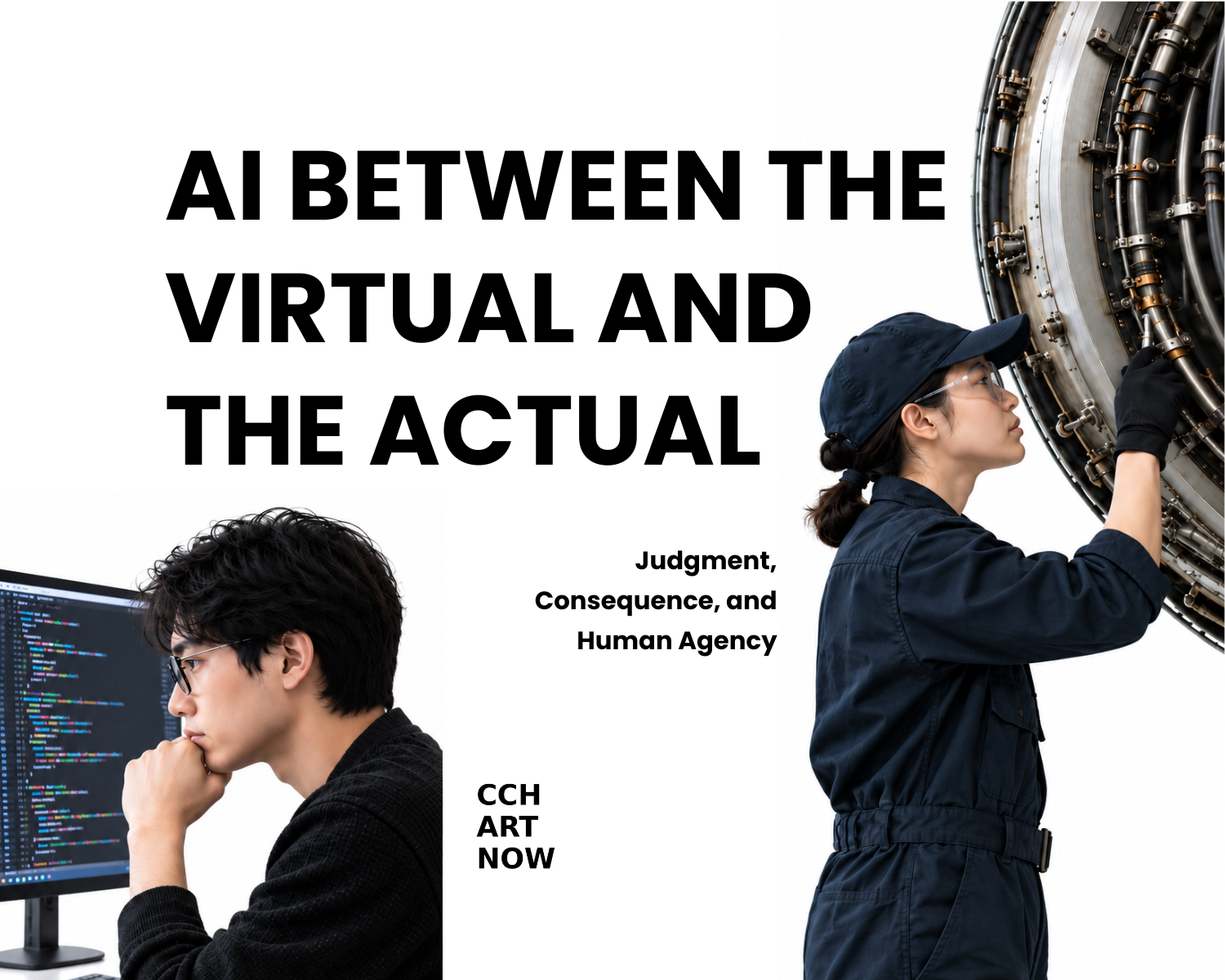
AI BETWEEN THE VIRTUAL AND THE ACTUAL
AI is transforming both digital and physical work, but not in the same way. By comparing software engineering with aircraft maintenance, this article examines where human judgment, accountability, and consequence still matter—and how CCH uses material practice to cultivate those capacities in the age of AI.
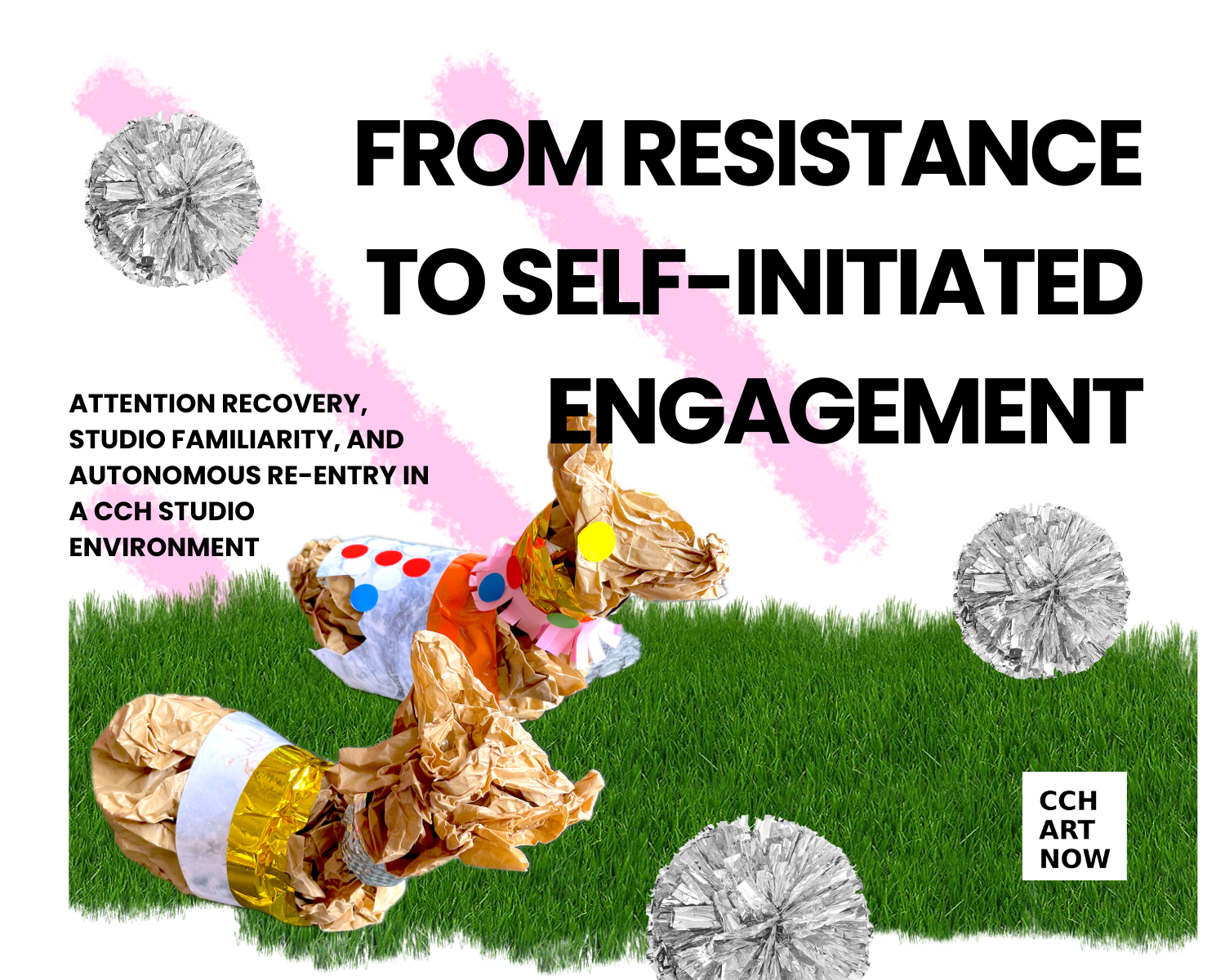
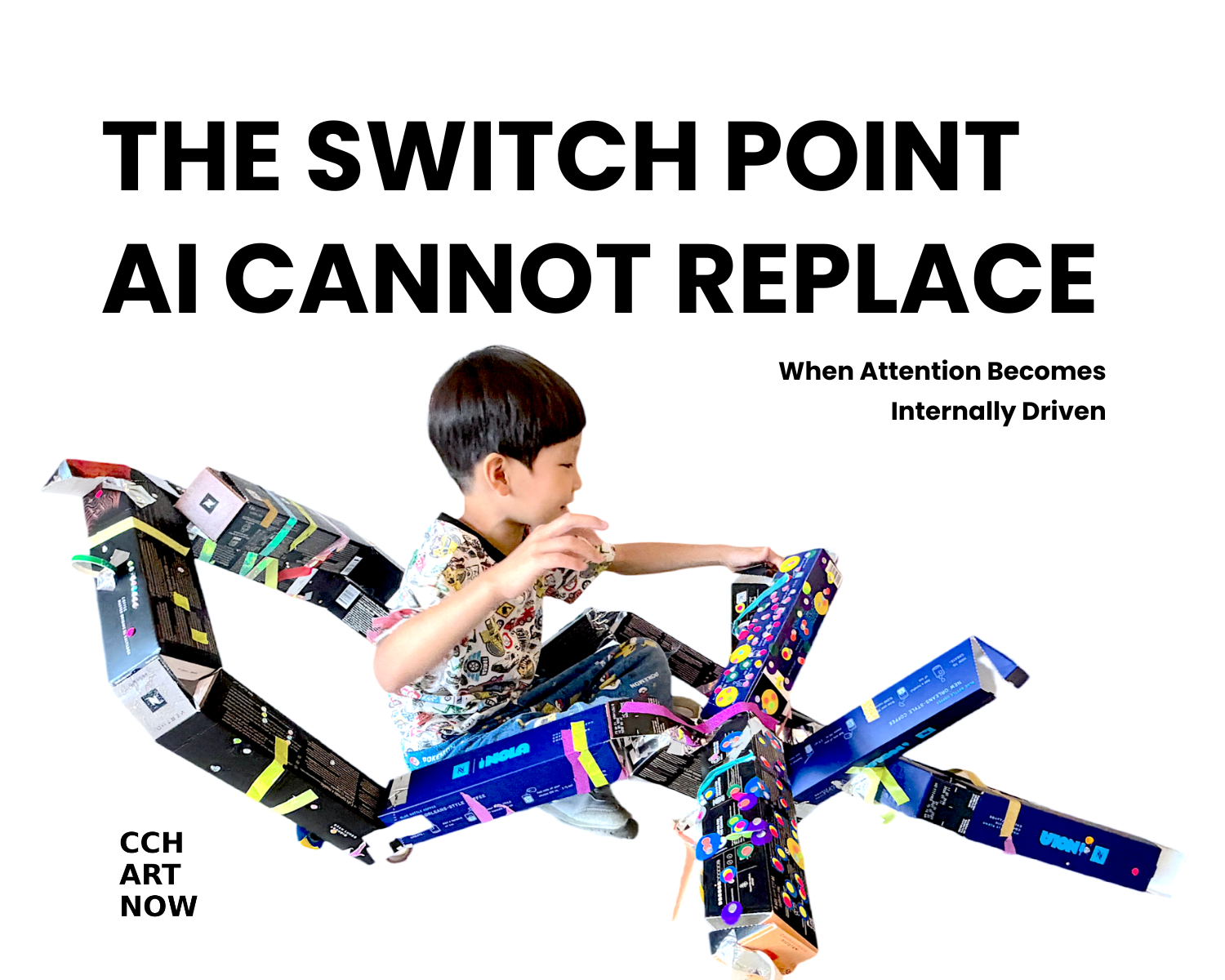
THE SWITCH POINT AI CANNOT REPLACE
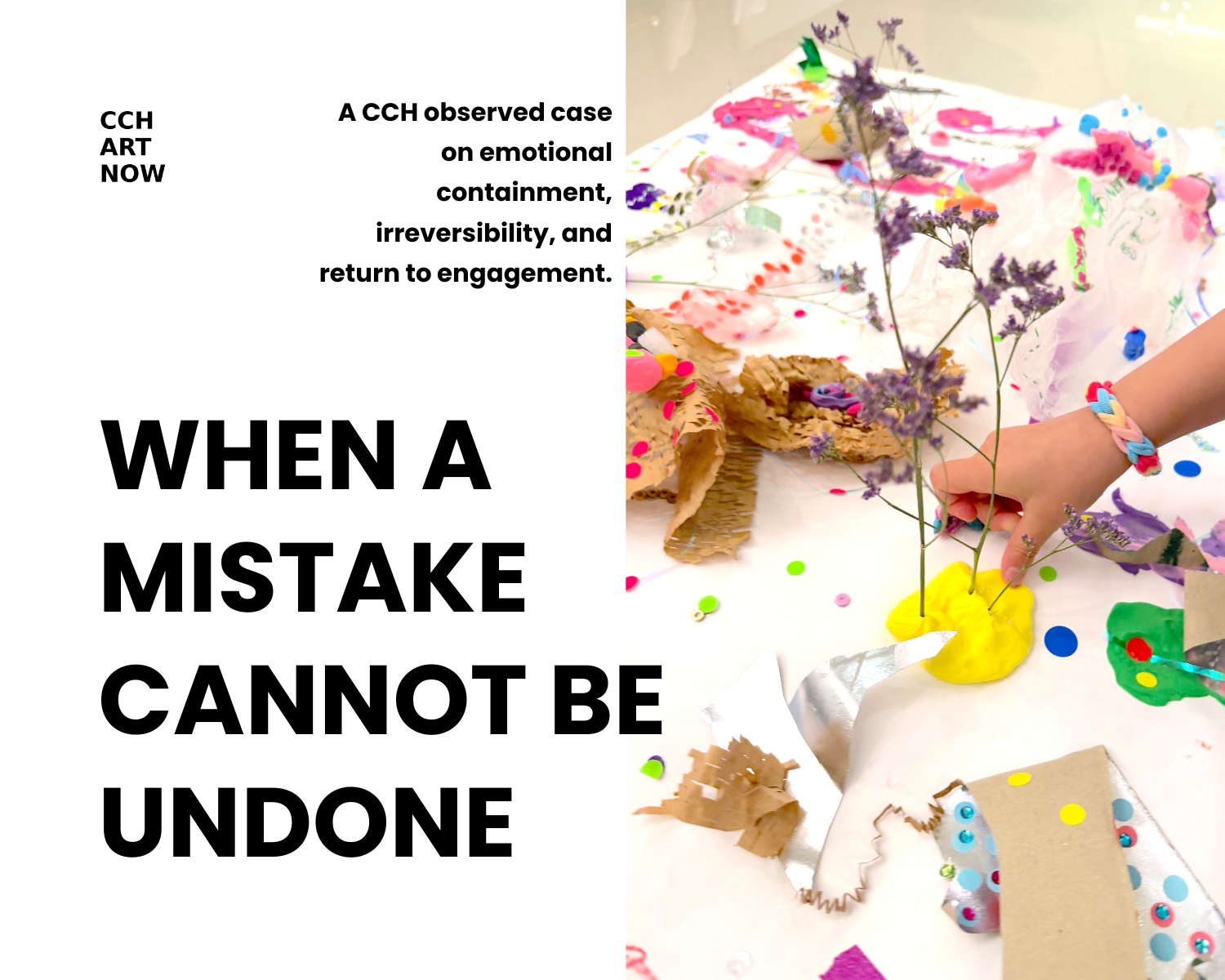
AI can generate possibilities instantly. But turning an intention into physical reality requires something different: attention, judgment, adaptation, and action. This case documents the moment a child shifted from resistance to deep engagement—and began solving a problem that could not be completed by prediction alone.
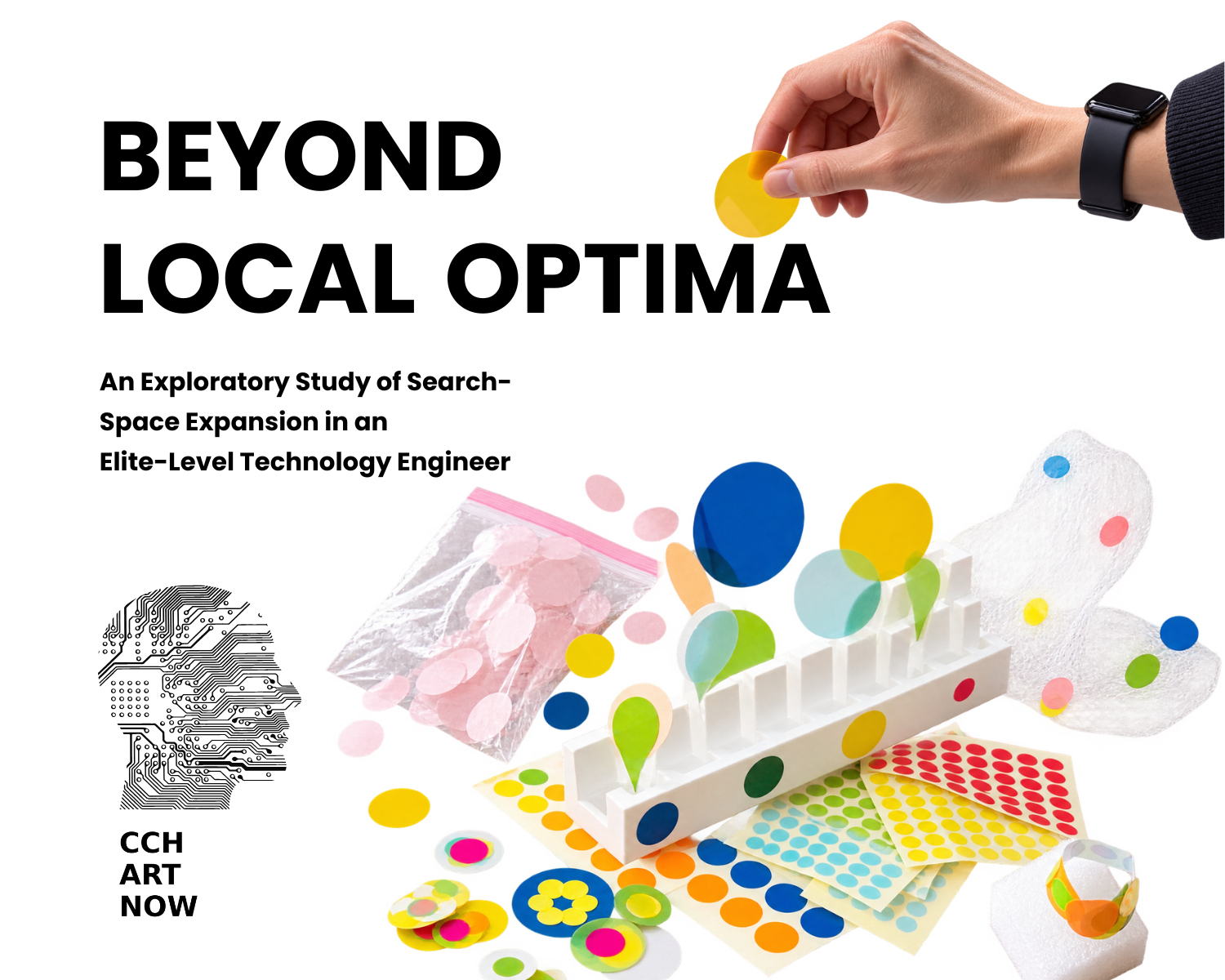
Beyond Local Optima
An exploratory CCH case examining how an elite-level technology engineer responds to open-ended material conditions—and what search-space expansion may reveal about expert judgment, uncertainty, and human decision-making in the age of AI.
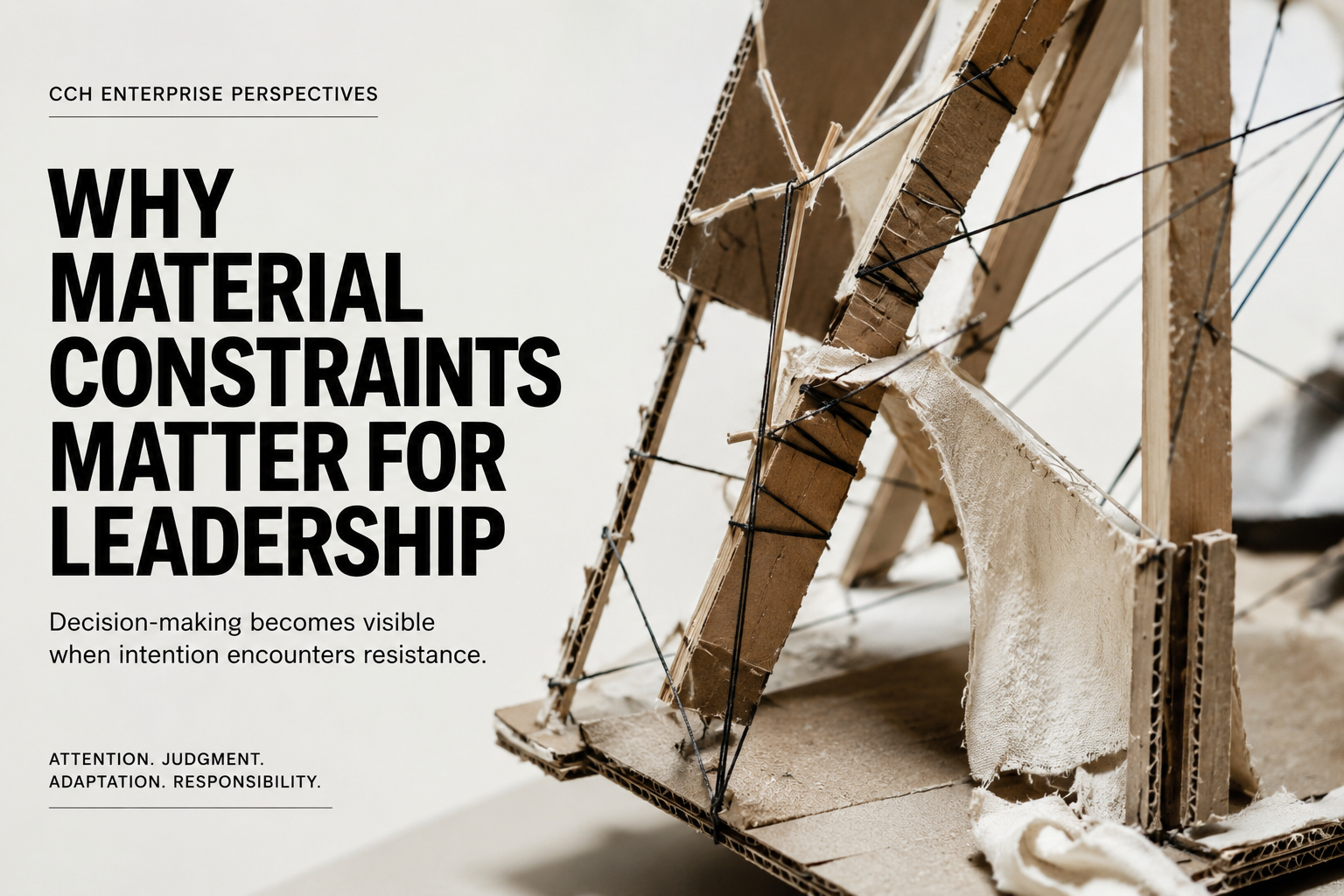
Why Material Constraints Matter for Leadership
Leadership becomes visible when intention encounters resistance. This article examines how material constraints create bounded decision environments in which attention, prioritization, adaptation, support-seeking, revision, and responsibility can be observed without reducing CCH enterprise work to a conventional creativity workshop.
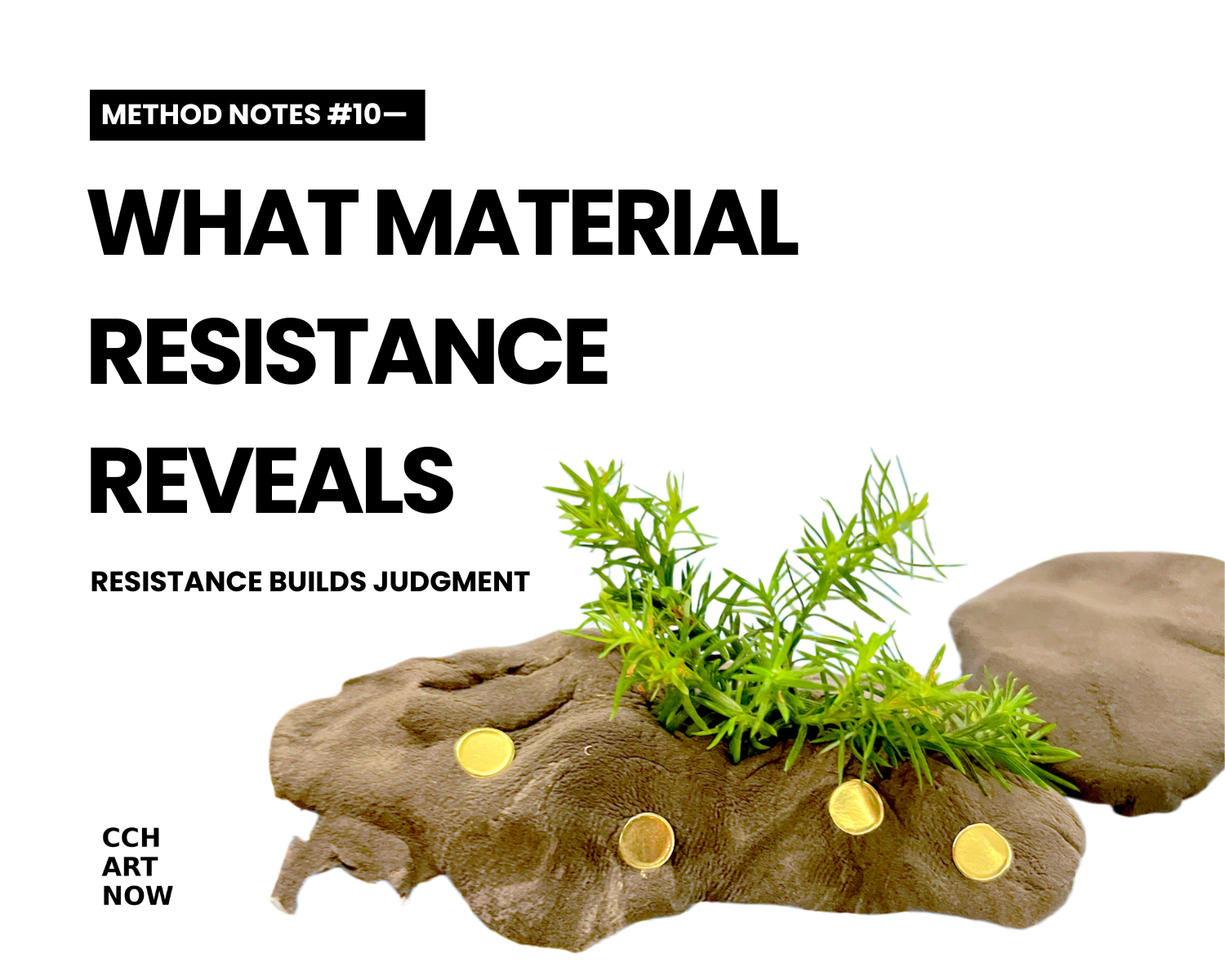
METHOD NOTES 10- What Material Resistance Reveals
Material resistance creates situations in which learners must observe, decide, revise, regulate, and recover. This Method Note examines how CCH interprets constraints as opportunities for judgment while distinguishing developmental observation from product evaluation.
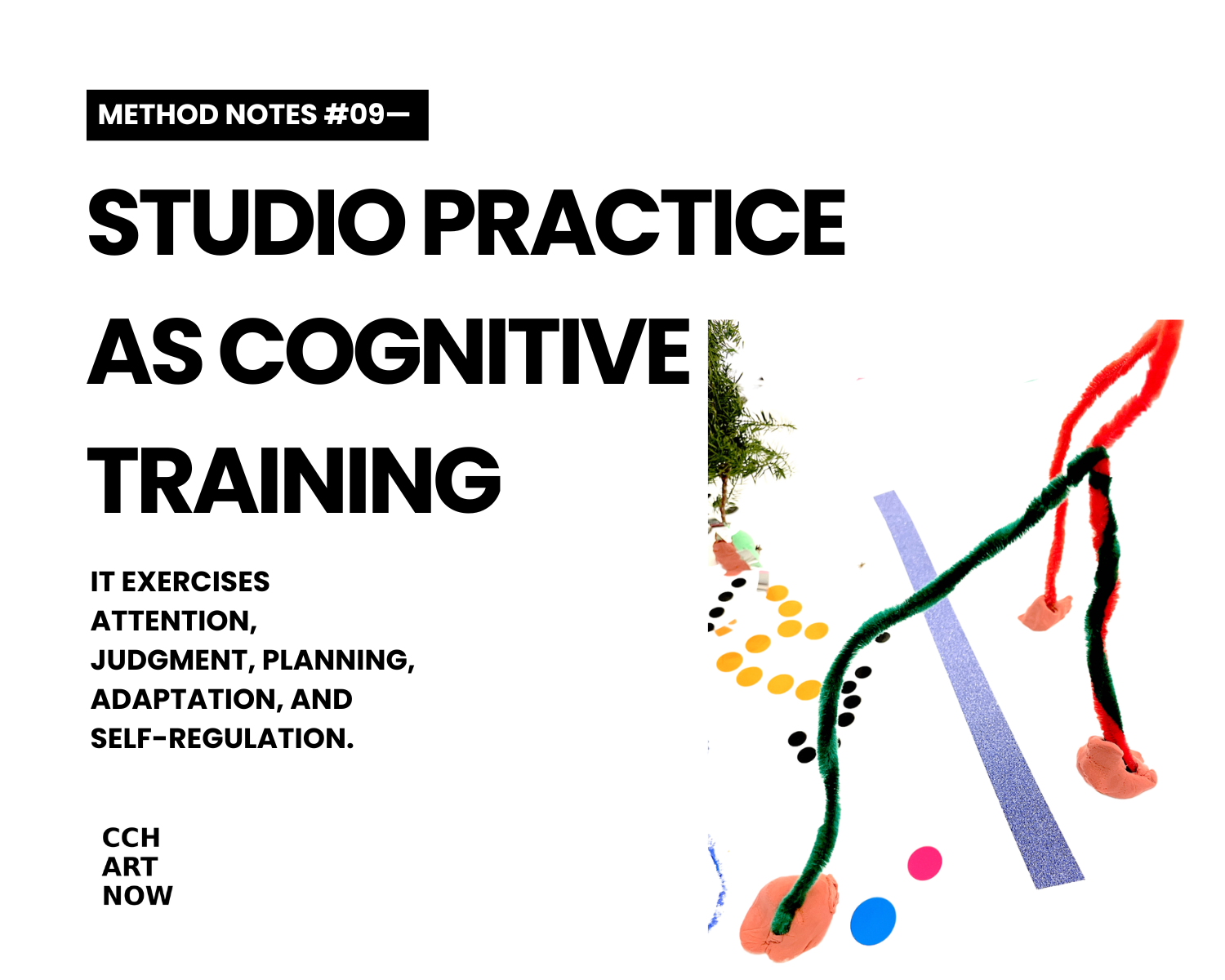
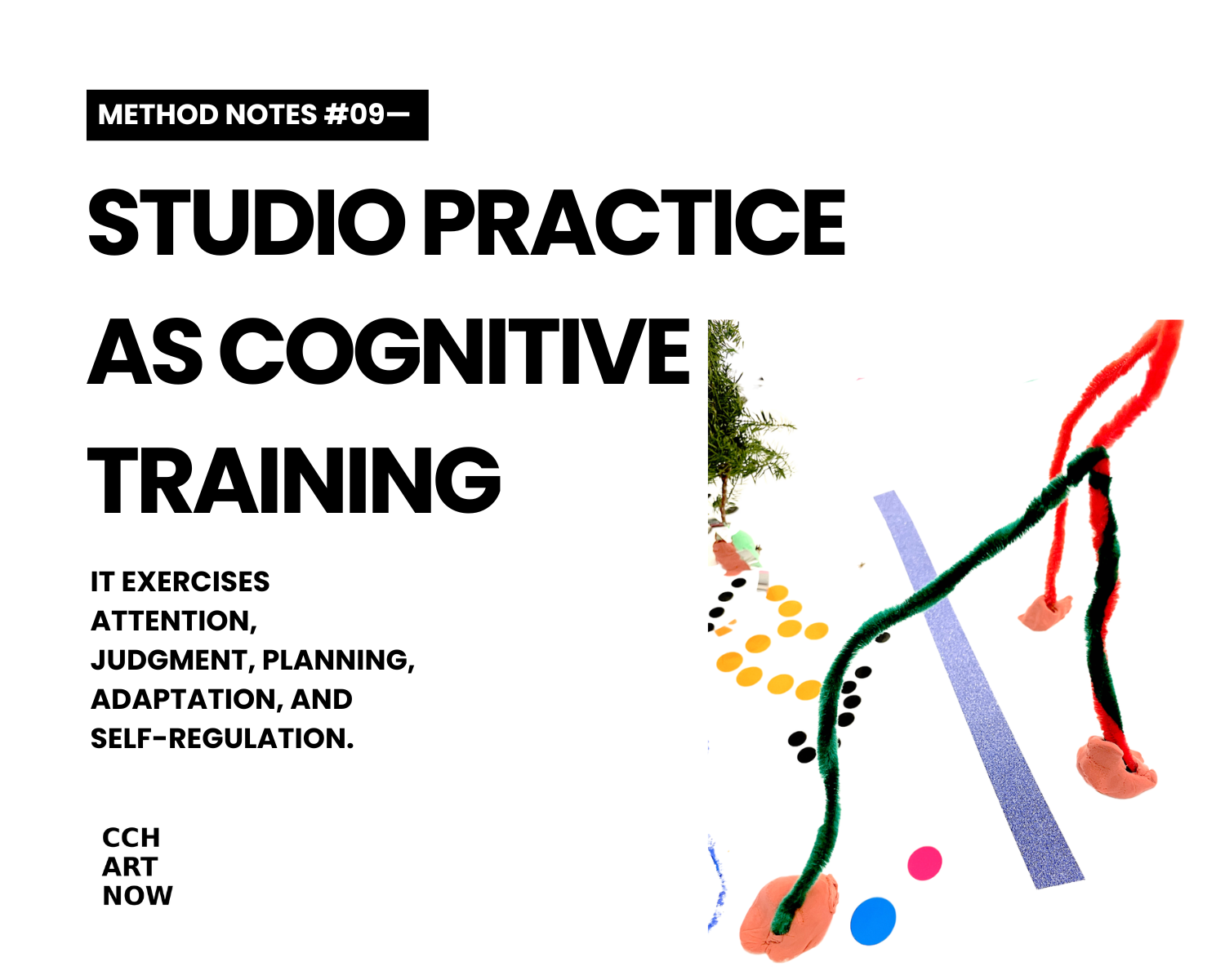
METHOD NOTES 09-Studio Practice as Cognitive Training
Studio practice can exercise more than artistic skill. This Method Note examines how making activates attention, working memory, planning, judgment, cognitive flexibility, self-regulation, and adaptive problem-solving through embodied material engagement.
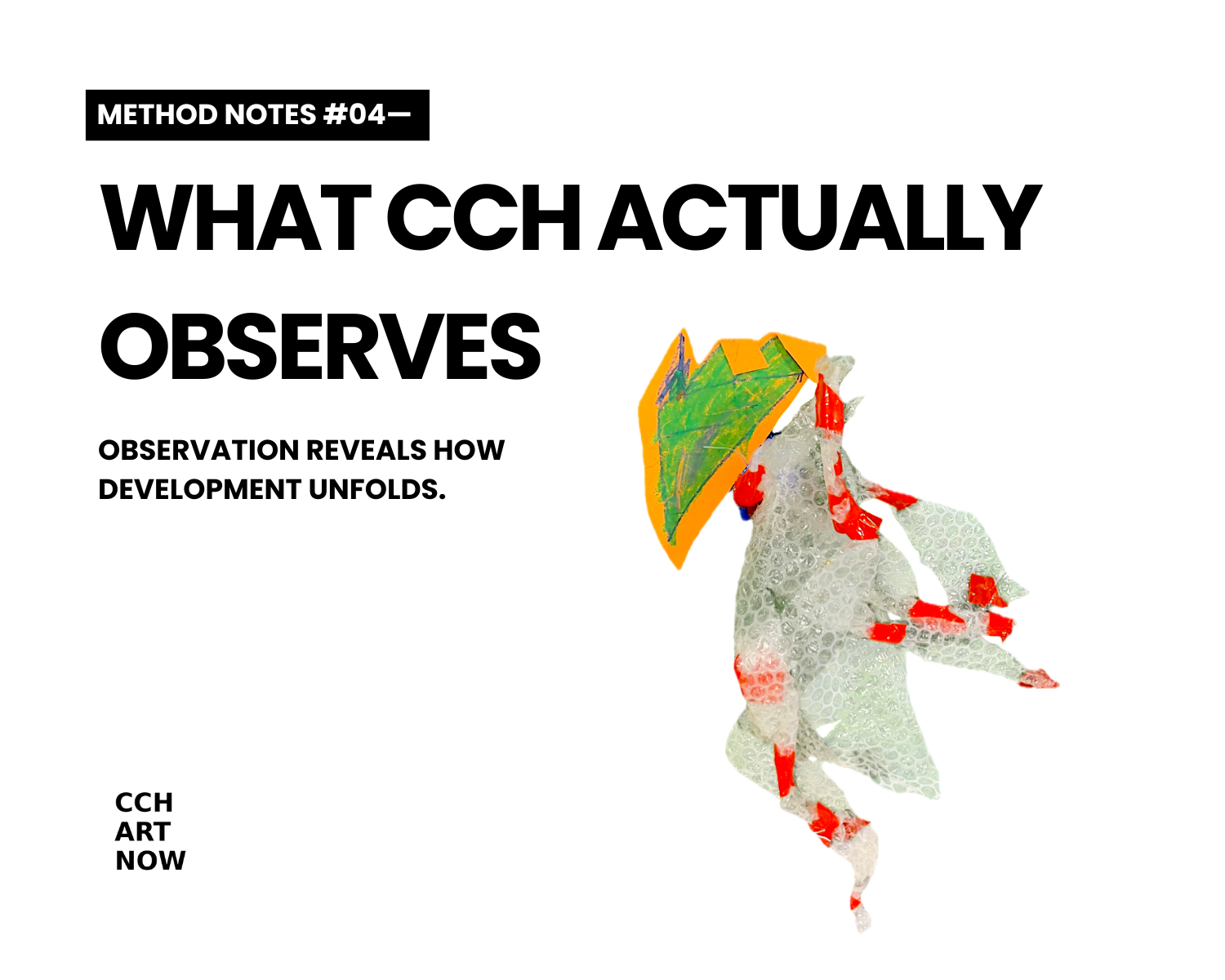
METHOD NOTES 04-What CCH Actually Observes
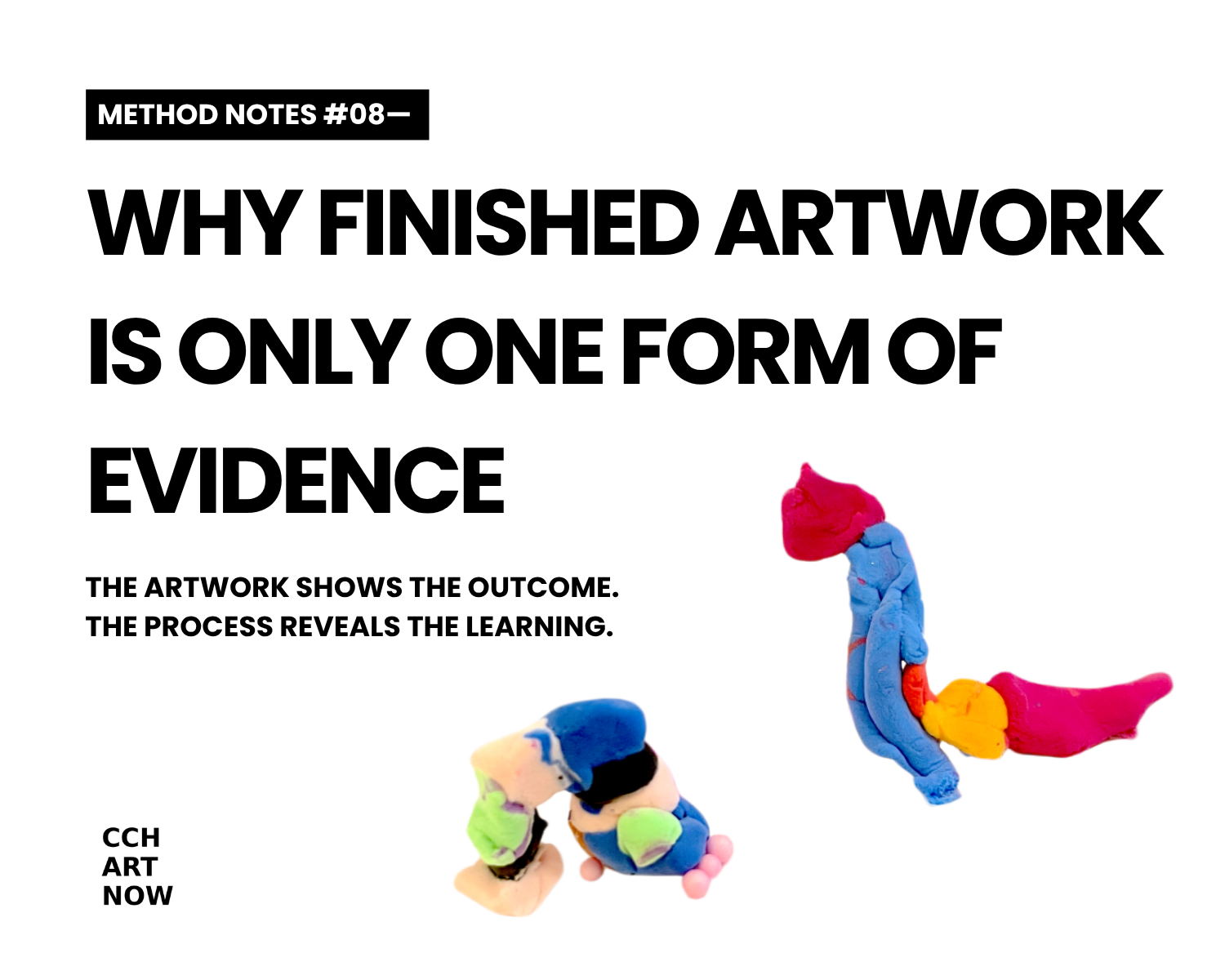
CCH observation extends beyond finished artwork. This Method Note introduces the framework used to examine initiation, attention, decision-making, revision, recovery, help-seeking, and material interaction during studio practice.
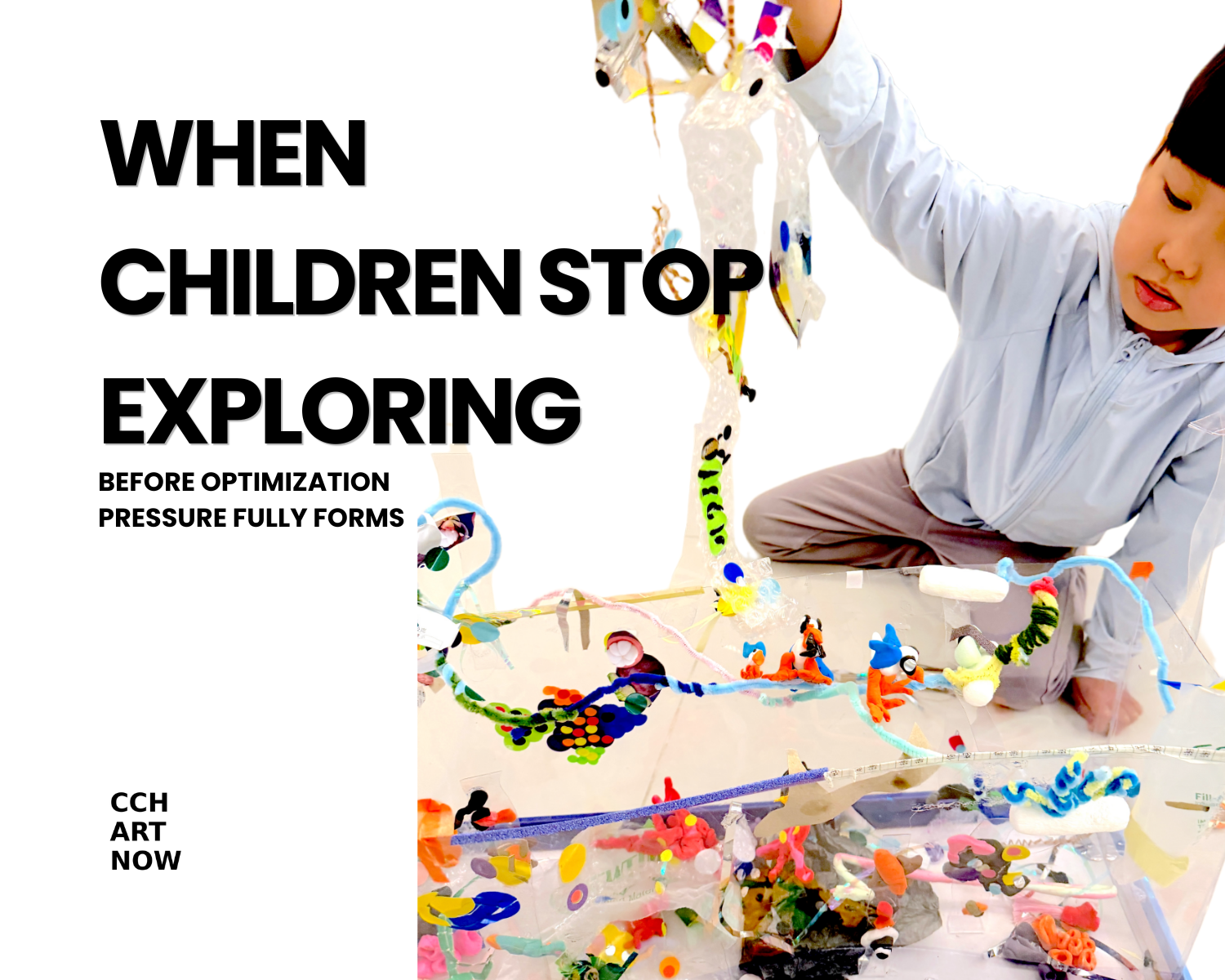
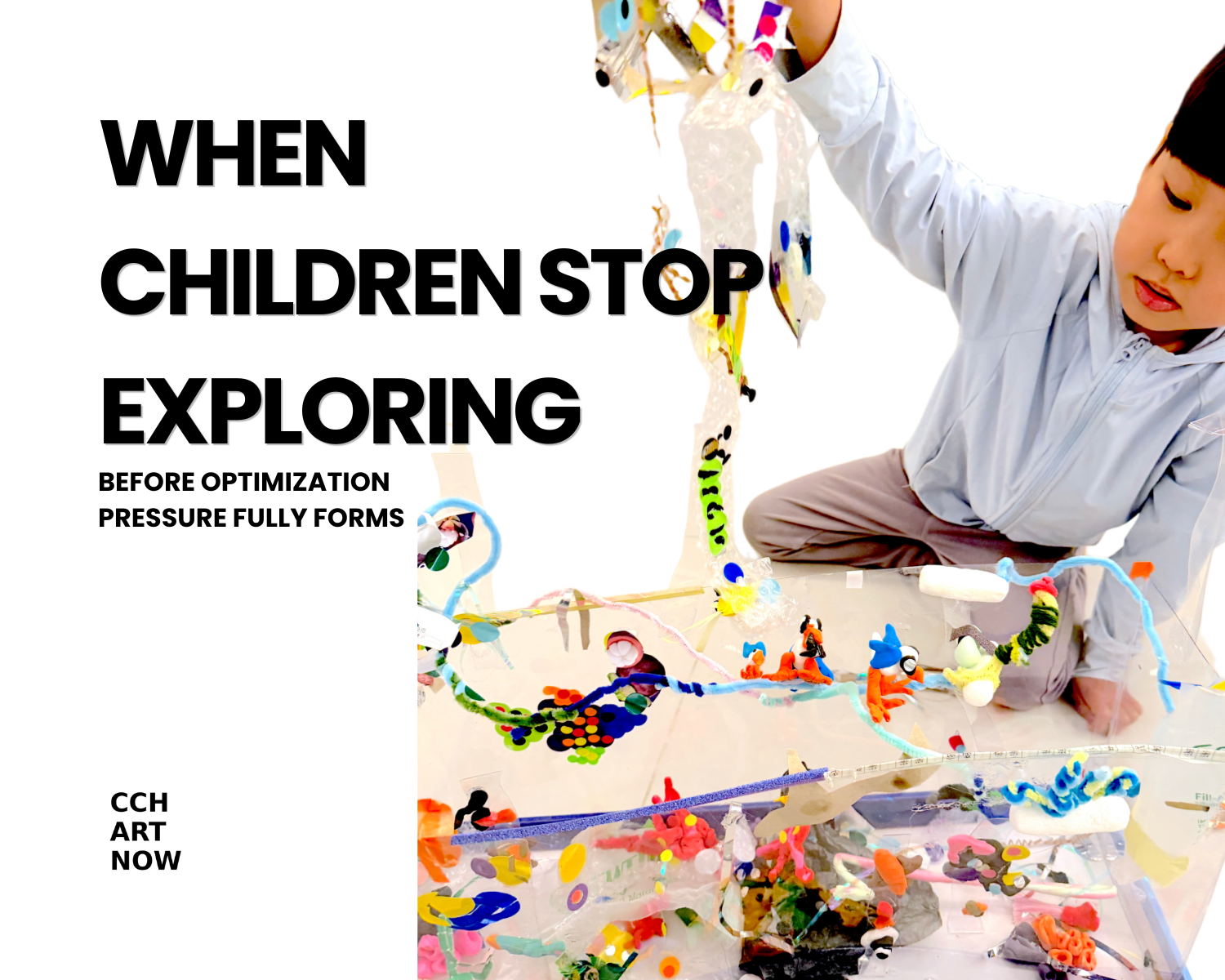
When Children Stop Exploring
When children stop exploring, it may not be a lack of creativity. It may be the result of increasing evaluation pressure. This article examines how exploratory cognition narrows over time, and why the ability to stay with uncertainty matters deeply in the AI era.