

FROM RESISTANCE TO SELF-INITIATED ENGAGEMENT
Attention Recovery, Studio Familiarity, and Autonomous Re-Entry in a CCH Studio Environment
CCH ART NOW™
Studio Observations|Children
Focus area: attention recovery, re-engagement, autonomy-supportive structure, material-based learning, and self-initiated participation
Overview
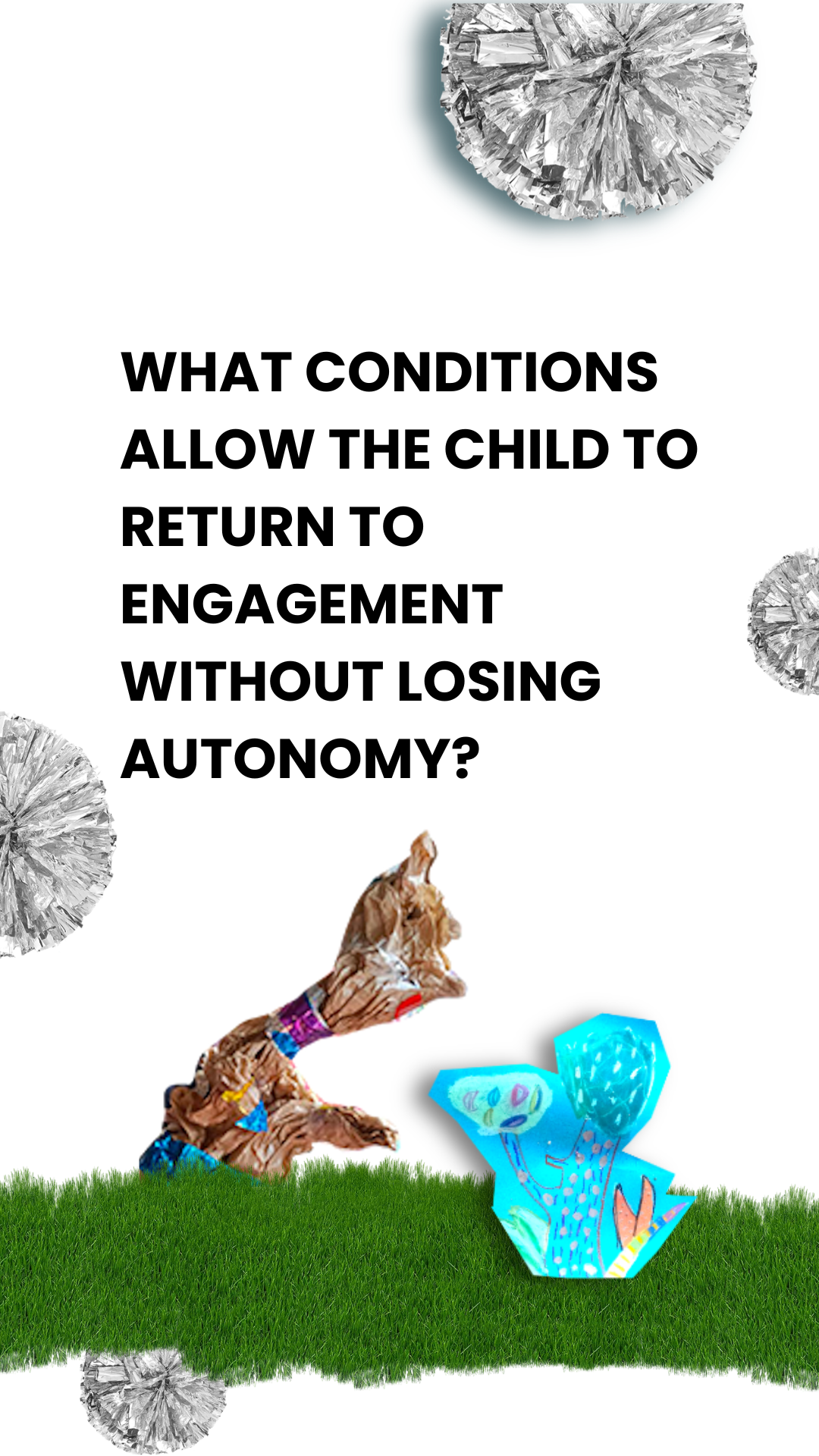
A child’s initial resistance is often interpreted too quickly.
In conventional learning environments, reluctance may be read as disobedience, low motivation, lack of focus, or unwillingness to participate. Within CCH studio observation, resistance is treated more carefully. It is not dismissed, but it is also not immediately corrected.
Resistance may indicate fatigue, uncertainty, unfamiliarity, social vigilance, fear of failure, sensory overload, or insufficient readiness to enter the task. The educational question is therefore not simply:
How can the adult make the child begin?
The more precise question is:
What conditions allow the child to return to engagement without losing autonomy?
This case documents a young learner who initially resisted participation, observed the studio environment, and later re-entered the work process through self-initiated material engagement. Rather than forcing immediate compliance, the studio held a stable structure that allowed attention to recover over time.
This observation is significant because the shift from resistance to participation did not depend on persuasion, reward, entertainment, or adult performance. It emerged through spatial familiarity, low-pressure presence, peer activity, and the availability of materials.
From a CCH perspective, this is not a minor classroom management moment. It is a visible example of attention recovery and autonomous re-entry.
Why Resistance Matters Educationally
Resistance in children is often treated as something to eliminate.
However, from a developmental perspective, resistance can be an important signal. It shows that the child is negotiating the relationship between internal state, external demand, environmental safety, and perceived agency.
Executive function research is relevant here because children’s ability to pause, regulate impulses, shift attention, and re-enter a task depends on developing cognitive control systems rather than simple obedience. Adele Diamond’s review describes executive functions as supporting the ability to think before acting, stay focused, meet novel challenges, and work flexibly with ideas.
The Harvard Center on the Developing Child similarly describes executive function and self-regulation as skills that help individuals manage information, make decisions, and plan ahead; these capacities are not fixed at birth but develop through experience and practice.
This matters because a child who resists may not need stronger external control. The child may need a learning environment that supports the transition from dysregulation or uncertainty back into purposeful action.
In CCH, the educator does not immediately convert resistance into compliance. Instead, the studio conditions are held long enough for the child to observe, stabilize, and re-enter.
Case Structure
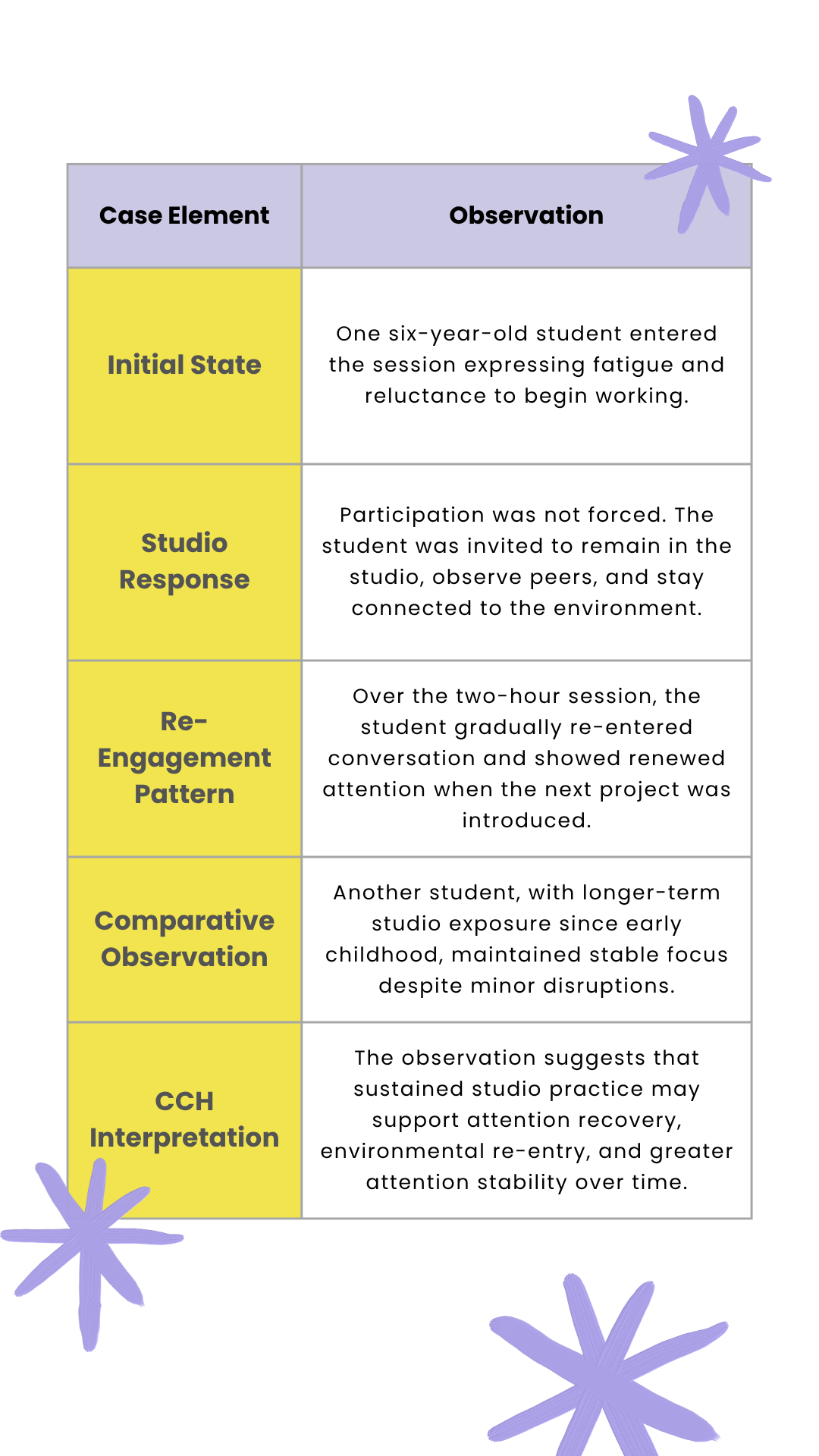
The case began with a young learner entering the studio in a state of reluctance. The child did not immediately participate in the material activity and showed signs of disengagement.
The adult response was intentionally restrained.
The child was not removed from the learning environment. The child was not forced into immediate production. The child was allowed to remain present, observe the activity, and gradually encounter the studio rhythm.
This created a three-part structure→
This created a three-part re-entry structure: initial resistance, low-pressure observation, and self-initiated return.
This structure is important because the child did not move from resistance to engagement through adult command. The movement occurred through environmental continuity.
The studio became a stabilizing field rather than a site of pressure.
Attention Recovery Is Not Passive Waiting
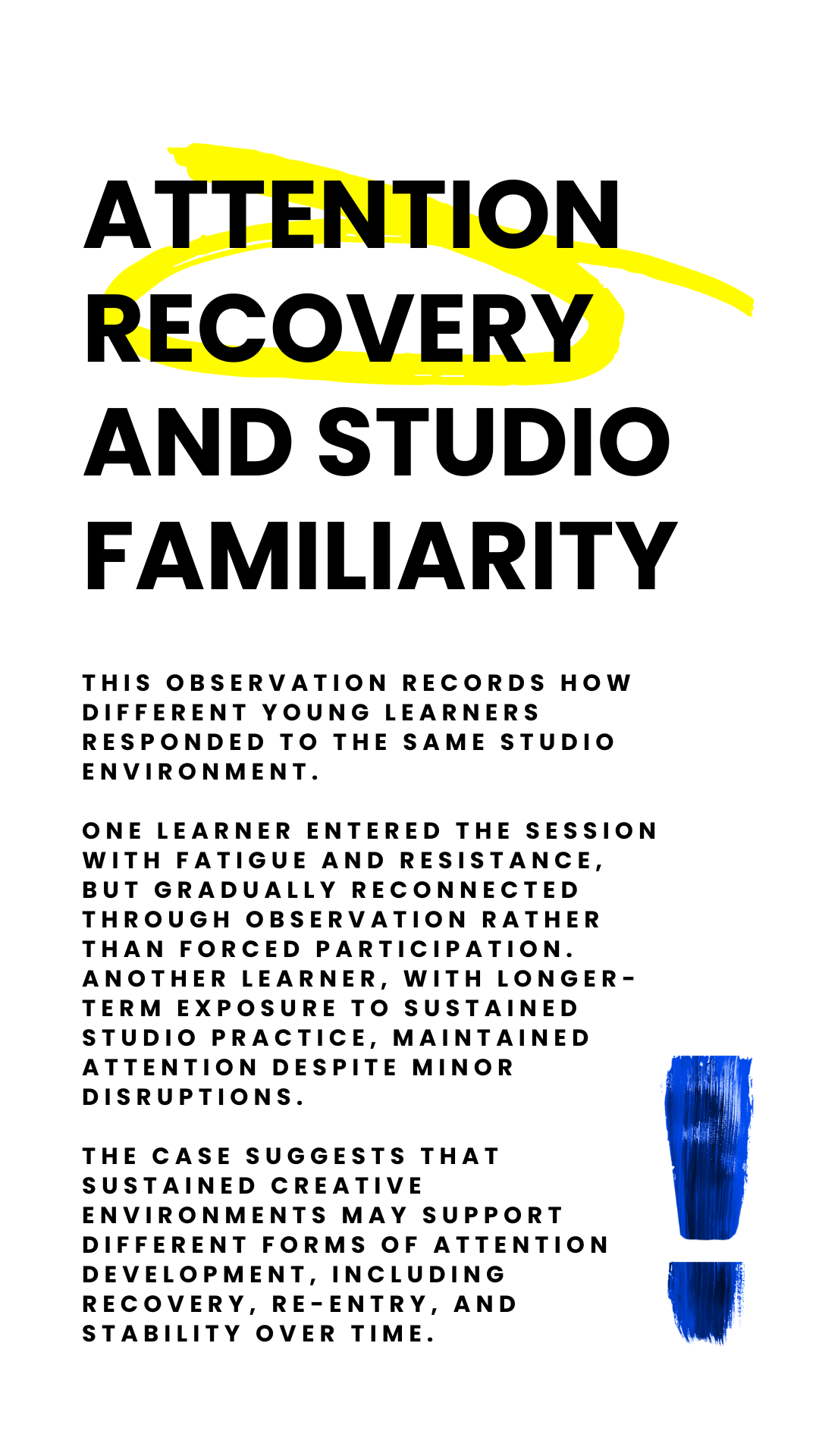
Allowing a child to observe is not the same as doing nothing.
In CCH, observation can be an active transitional state. A child who is not yet making may still be processing:
the rhythm of the room
the behavior of peers
the available materials
the level of adult pressure
the safety of experimentation
the emotional tone of the studio
the possible entry points into action
This matters because participation is not only physical. Before the child acts, the child must often reconstruct a sense of orientation.
From a cognitive perspective, re-entry requires attentional shifting, emotional regulation, and working memory. The child has to move from “I do not want to begin” into “I can try one action.” That transition is small externally, but cognitively significant.
In CCH observation, the moment of re-entry often appears through a modest material action:
touching one material
watching another child build
choosing one piece
asking a narrow question
testing a small attachment
moving closer to the table
making one mark
joining without announcement
These small actions matter because they show the child beginning to regulate participation from within.
Autonomy-Supportive Structure
The CCH response in this case aligns with the educational implications of Self-Determination Theory, especially the role of autonomy, competence, and relatedness in sustaining motivation. In education, SDT emphasizes that motivation is strengthened when learners experience autonomy, competence, and relational support rather than only external pressure.
This does not mean the child is left without structure.
Autonomy-supportive learning is not the same as permissive absence. The adult still designs the environment, protects the time frame, holds behavioral boundaries, and maintains the studio task. The difference is that the adult does not collapse the child’s agency by converting every hesitation into an instruction.
In this case, the child remained inside a structured environment:
the studio activity continued
materials remained available
peers continued working
the adult presence stayed stable
no dramatic attention was given to refusal
participation remained possible
re-entry did not require public correction
The child was therefore not abandoned. The child was given an autonomous pathway back into engagement.
This distinction is central to CCH.
The goal is not to make the child obey faster. The goal is to support the child’s capacity to return.
Material Engagement as Re-Entry Mechanism
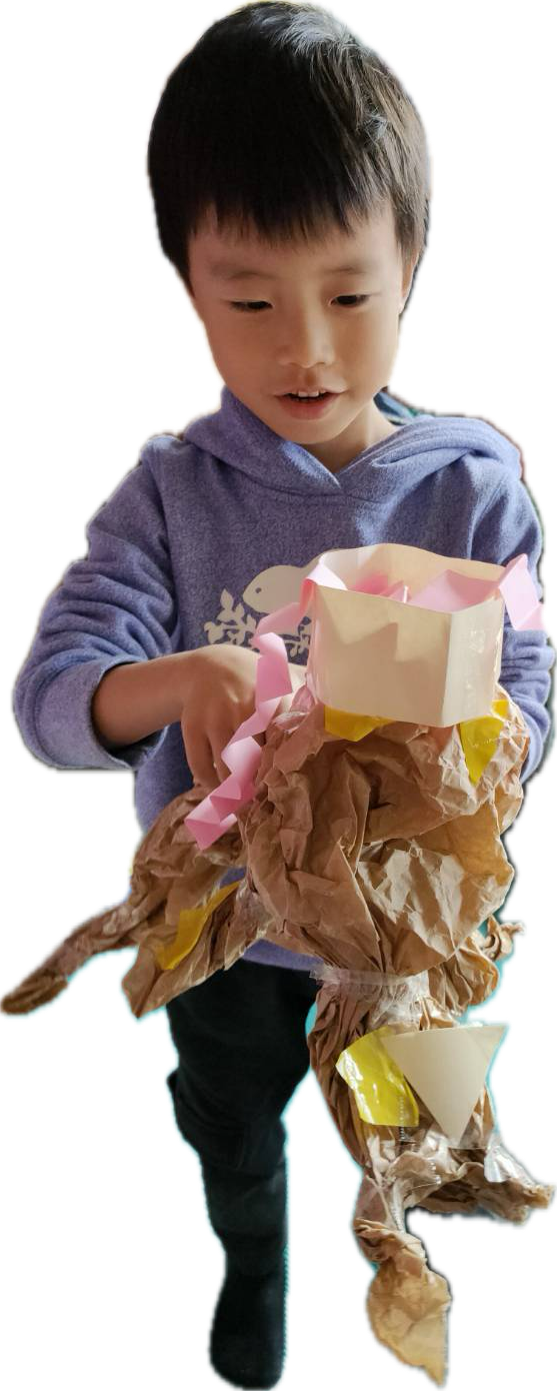
Material played a critical role in the child’s return to engagement.
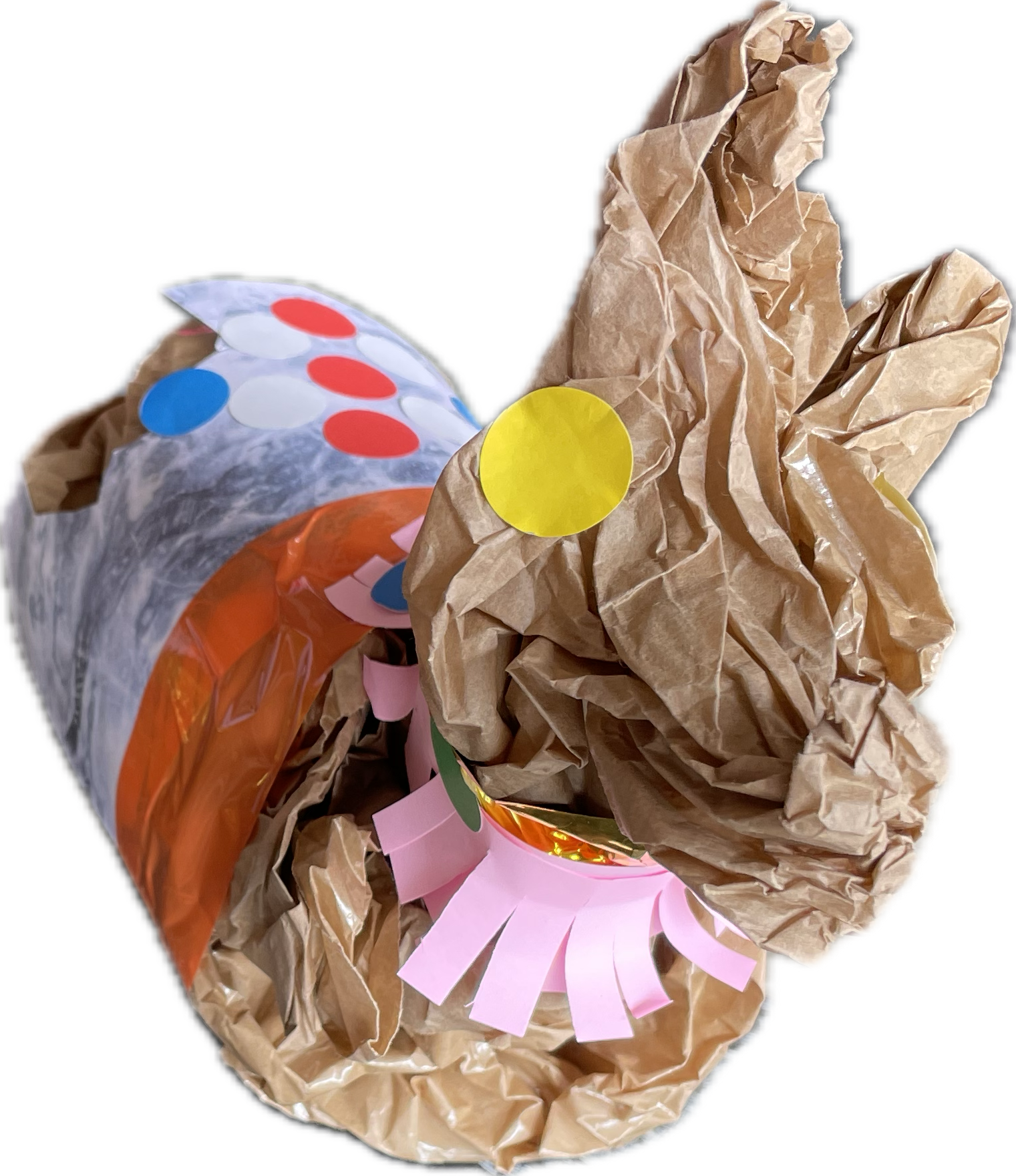
Unlike verbal instruction, material does not demand immediate explanation. It offers an entry point through touch, placement, adjustment, resistance, and possibility. A child who is not ready to verbally commit may still be able to begin through the body.
This is where material-based learning becomes cognitively important.
Material Engagement Theory argues that cognition is not contained only inside the head; material things, artifacts, and signs participate in the formation of thought. Malafouris’s work places materiality directly into the cognitive equation, emphasizing that making and thinking are deeply coupled.
This supports a key CCH premise:
Materials can function as a bridge between resistance and cognition.
When the child returns through material action, the adult does not need to over-explain the transition. The material system itself gives the child a concrete place to begin.
The learner may not yet be ready to say, “I am engaged now.”
But the hand begins to test.
The eye begins to compare.
The body moves closer.
The child selects, adjusts, and continues.
This is why CCH treats material interaction as more than craft activity. It is an observable site of cognitive reorganization.
The Role of Peer Activity and Studio Familiarity
Another important feature of this case is the presence of peers.
The learner did not re-enter in isolation. The child remained within a room where other children were already working. This created a social but non-coercive field.
Here, Vygotsky’s theory is relevant. The Zone of Proximal Development describes the gap between what a learner can do independently and what the learner can accomplish with guidance or support from others. The important point for this case is that support does not always need to appear as direct adult instruction. It may also appear as a structured social environment in which the learner can observe possible actions before attempting them.
In CCH, peer activity can quietly support re-entry because it shows the resistant learner that:
the task is possible
others are already engaged
mistakes are not catastrophic
the material system has multiple entry points
the studio rhythm is stable
the adult is not using pressure as the main tool
The learner sees participation before choosing participation.
This is especially important for children who need environmental familiarity before they can act. For some children, the first learning task is not making the object. The first task is trusting the space enough to begin.
Observed Learning Signals
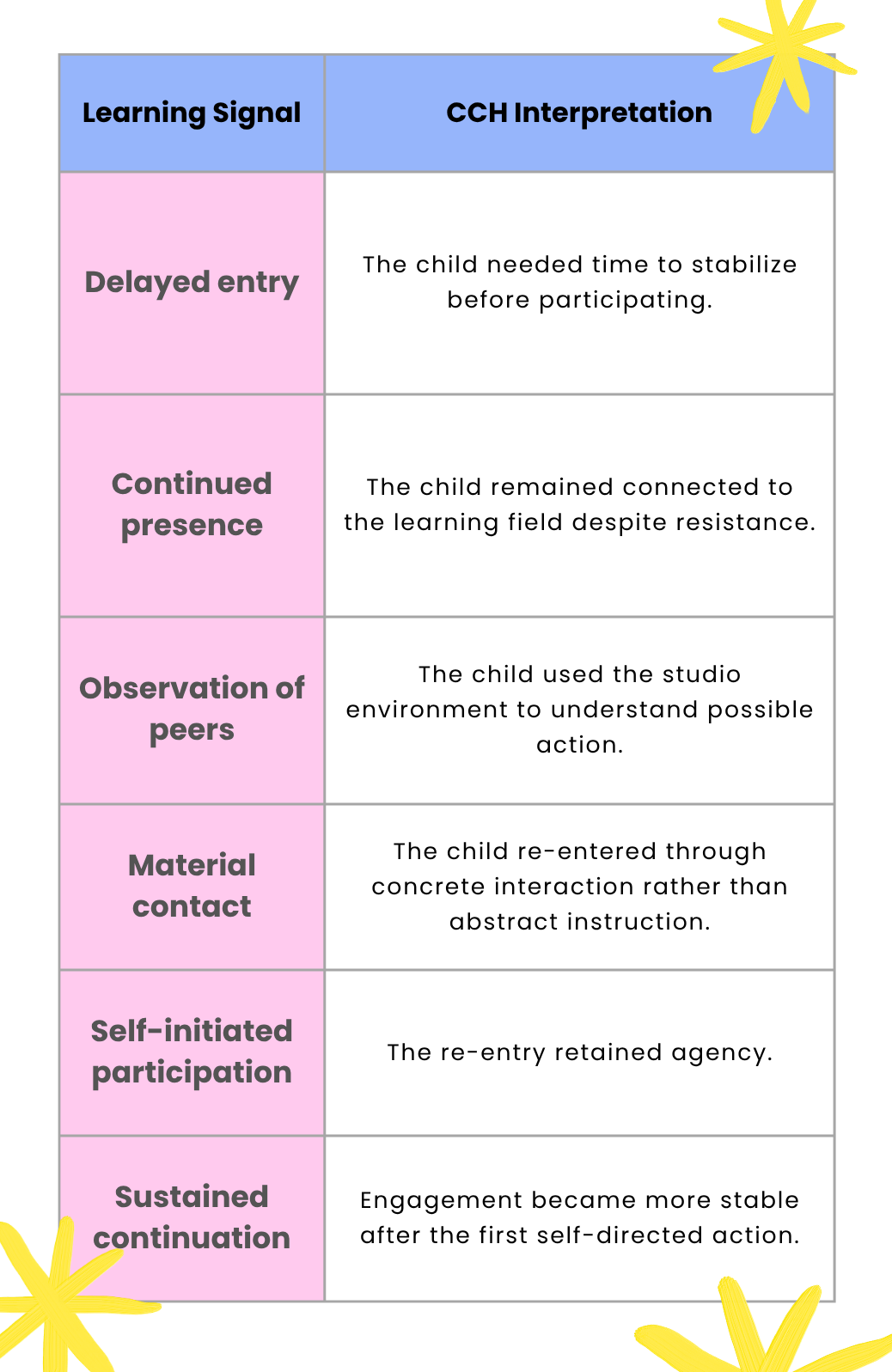
The key observation in this case is not only that the child eventually participated.
The deeper learning signal is the manner of re-entry.
The child did not simply comply after being pushed. The child gradually returned through observation, proximity, material contact, and self-initiated action.
This suggests several learning signals→
These signals cannot be measured only by output quantity.
A child may produce very little during the resistant phase, yet still be engaged in important cognitive work: scanning the environment, managing uncertainty, testing safety, and preparing for action.
In this sense, the shift from non-participation to participation is not an empty delay. It is part of the learning process.
Attention Stability Over Time
This case also included a comparative observation: another learner with longer-term exposure to sustained studio practice showed greater attention continuity despite minor disruptions.
This comparison is important but should be interpreted carefully. It does not prove a universal causal claim. However, it suggests a pattern worth documenting:
Repeated exposure to stable studio conditions may strengthen a child’s ability to remain engaged through small disturbances.
This aligns with the developmental view that executive function and self-regulation are built through repeated practice in supportive environments. Harvard’s guide emphasizes that these skills develop over time and are shaped through experience rather than appearing fully formed.
CCH therefore treats long-duration studio practice as a training condition for attention stability.
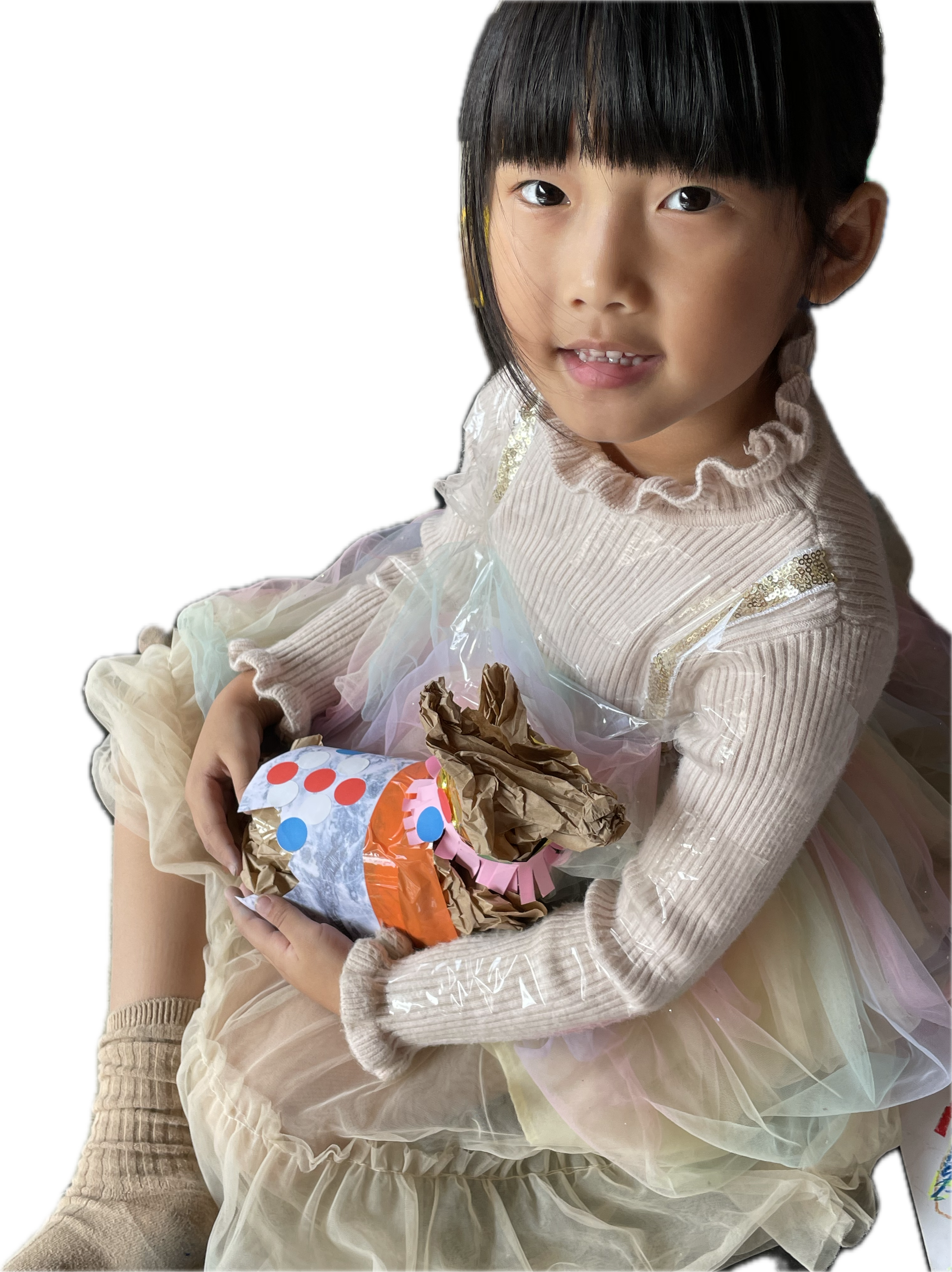
The studio does not merely ask children to focus. It gives them repeated opportunities to:
enter
hesitate
observe
test
fail
recover
continue
return
This repeated cycle is educationally meaningful because attention is not only a momentary state. It is a recoverable capacity.
Why This Is Different From Entertainment-Based Engagement
A child can appear engaged when entertained.
A child can also appear engaged when rewarded.
But these forms of engagement do not necessarily show autonomous attention.
CCH is interested in a different form of engagement: the child’s ability to remain connected to a material process without constant novelty, digital stimulation, external reward, or adult performance.
This distinction matters in the AI era because many environments are increasingly optimized to capture attention. CCH is not trying to capture attention. It is trying to cultivate the child’s capacity to direct attention.
This is why the movement from resistance to self-initiated engagement is significant. The child’s attention was not seized from the outside. It was gradually reorganized from within the learning environment.
That difference is central.
Captured attention depends on stimulus design.
Cultivated attention depends on internal regulation, environmental stability, and meaningful action.
CCH is concerned with the second.
Educational Implication
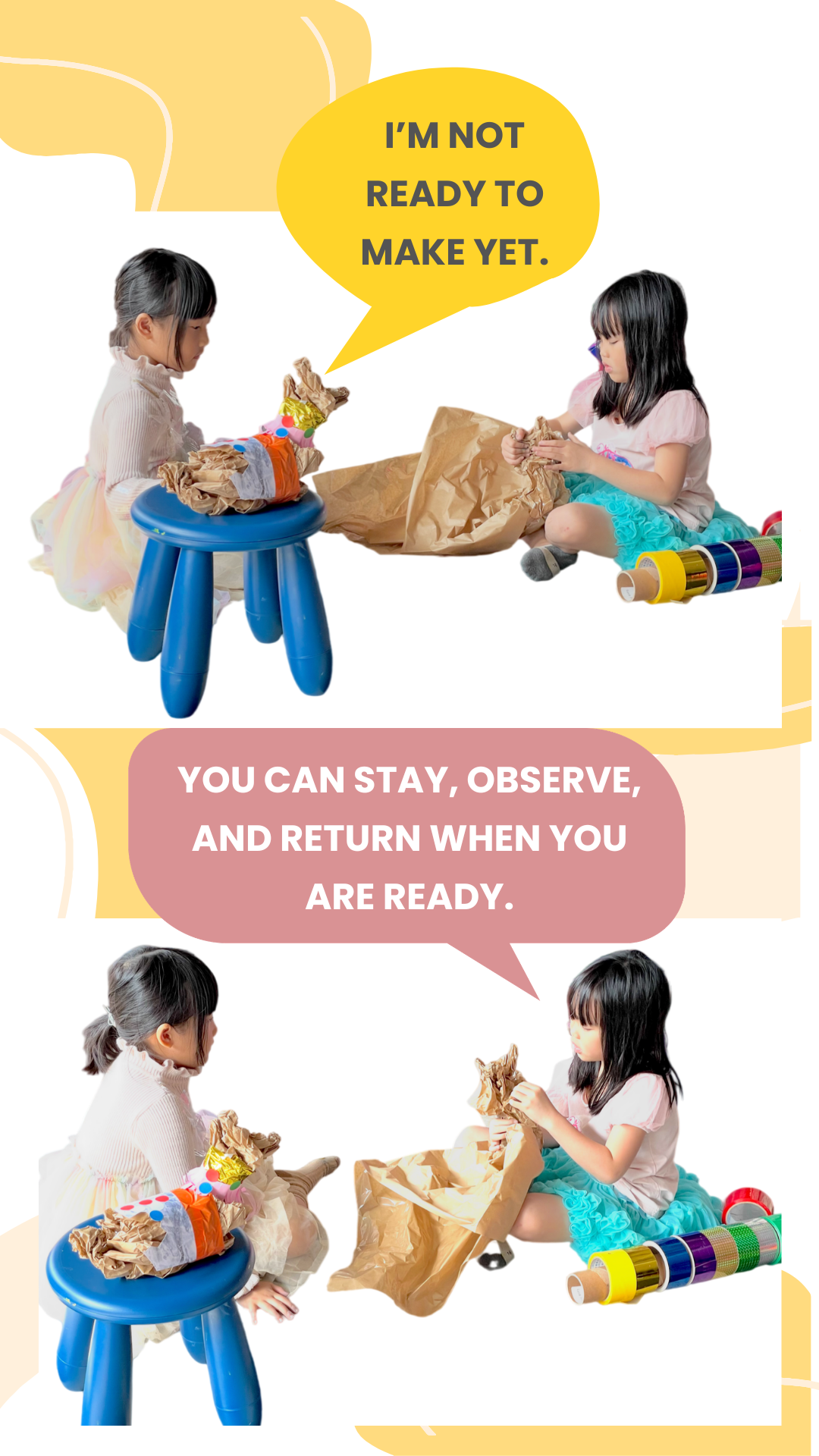
The educational implication of this case is direct:
Resistance should not always be interpreted as failure to learn.
In some cases, resistance is the beginning of a developmental process. The child may need time to observe, regulate, and identify a safe point of entry.
If adults force immediate participation too quickly, the child may comply externally while remaining internally disconnected. If adults abandon the child completely, the child may remain outside the learning process.
CCH proposes a third position:
Hold the environment. Reduce pressure. Preserve agency. Keep the material pathway open.
This allows the child to move from:
This sequence is not accidental. It is a studio-based model of re-entry.
CCH Interpretation
From a CCH perspective, this case demonstrates that attention does not always need to be forced.
Attention can be allowed to stabilize.
The educator’s role is not to dominate the child’s entry into the work. The role is to construct the conditions under which the child can recover orientation and choose to re-enter.
This requires:
adult restraint
stable spatial structure
meaningful material availability
tolerance for delayed participation
protection from public correction
non-dramatic response to resistance
trust in the child’s capacity to return
The child’s eventual participation matters because it was not extracted. It emerged.
This is the difference between managed behavior and developing autonomy.
Evidence Boundary
This article presents a qualitative studio observation from the CCH ART NOW™ educational context. It is not a clinical assessment, psychological diagnosis, therapeutic claim, or completed third-party evaluation.
The case should be read as a practice-based observation of attention recovery, autonomous re-entry, and material engagement within a designed studio environment. Further structured observation, longitudinal documentation, parent feedback, and external review would strengthen the evidence base over time.
Closing Statement
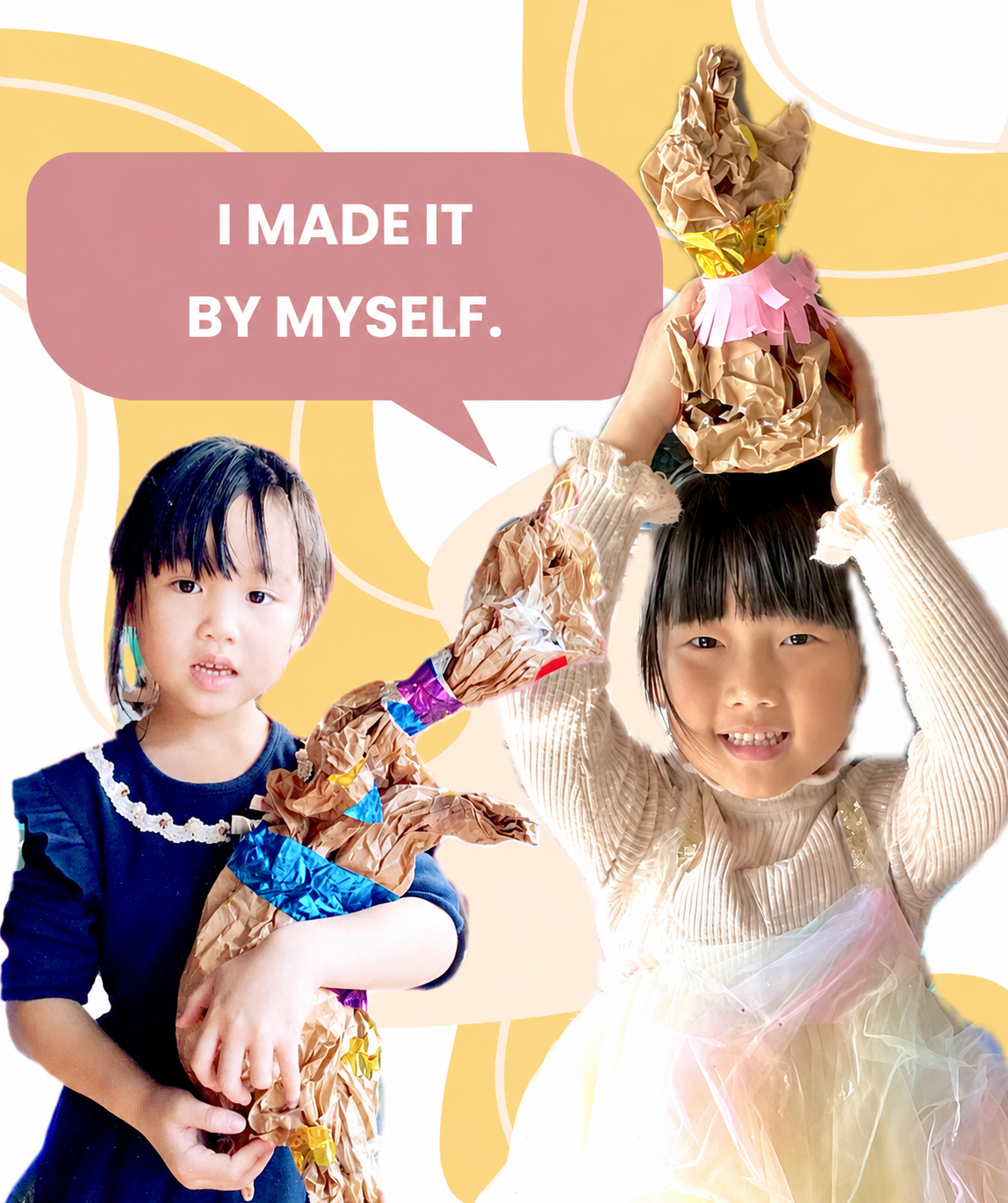
A child who resists may not be refusing learning.
The child may be negotiating readiness.
The child may be testing whether the environment is safe enough for uncertainty.
The child may need time before action can become self-authored.
In this case, the most important moment was not the first refusal. It was the return.
When the child re-entered through material engagement, the studio became more than a place of production. It became a structure for attention recovery.
That is what CCH observes.
That is what CCH protects.
References
Diamond, A. (2013). Executive functions. Annual Review of Psychology, 64, 135–168.
Center on the Developing Child at Harvard University. A Guide to Executive Function.
Guay, F. (2022). Applying Self-Determination Theory to Education. Canadian Journal of School Psychology.
Malafouris, L. (2013). How Things Shape the Mind: A Theory of Material Engagement. MIT Press.
Vygotsky, L. S. (1978). Mind in Society: The Development of Higher Psychological Processes. Harvard University Press.