
Adolescent & Young Adult Practice
Attention, Identity, and Learning Recalibration Across Age Groups
CCH case studies examine how structured studio environments support attention stability, identity development, learning bottleneck identification, and cognitive regulation across adolescent, young adult, and institutional learning contexts.

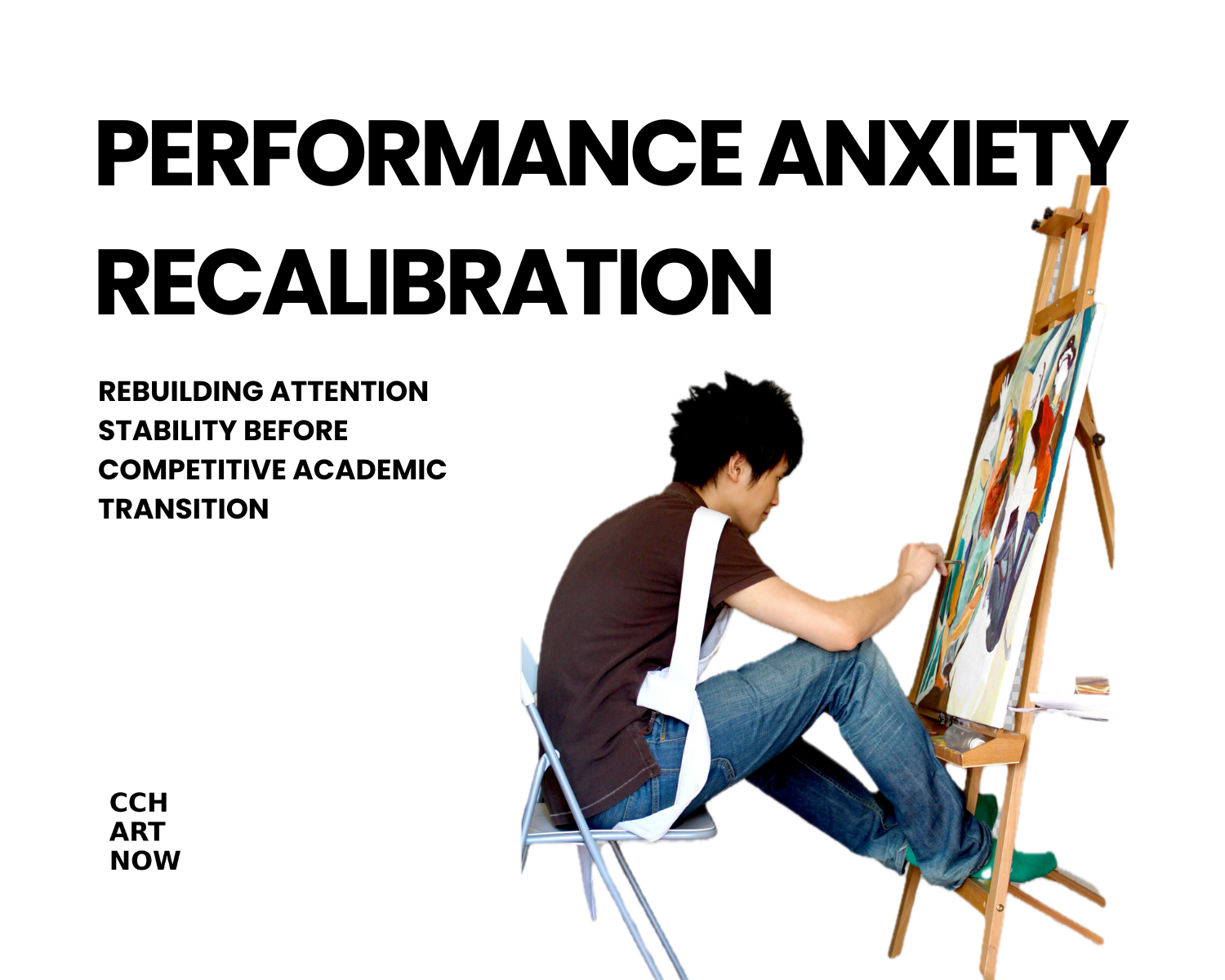

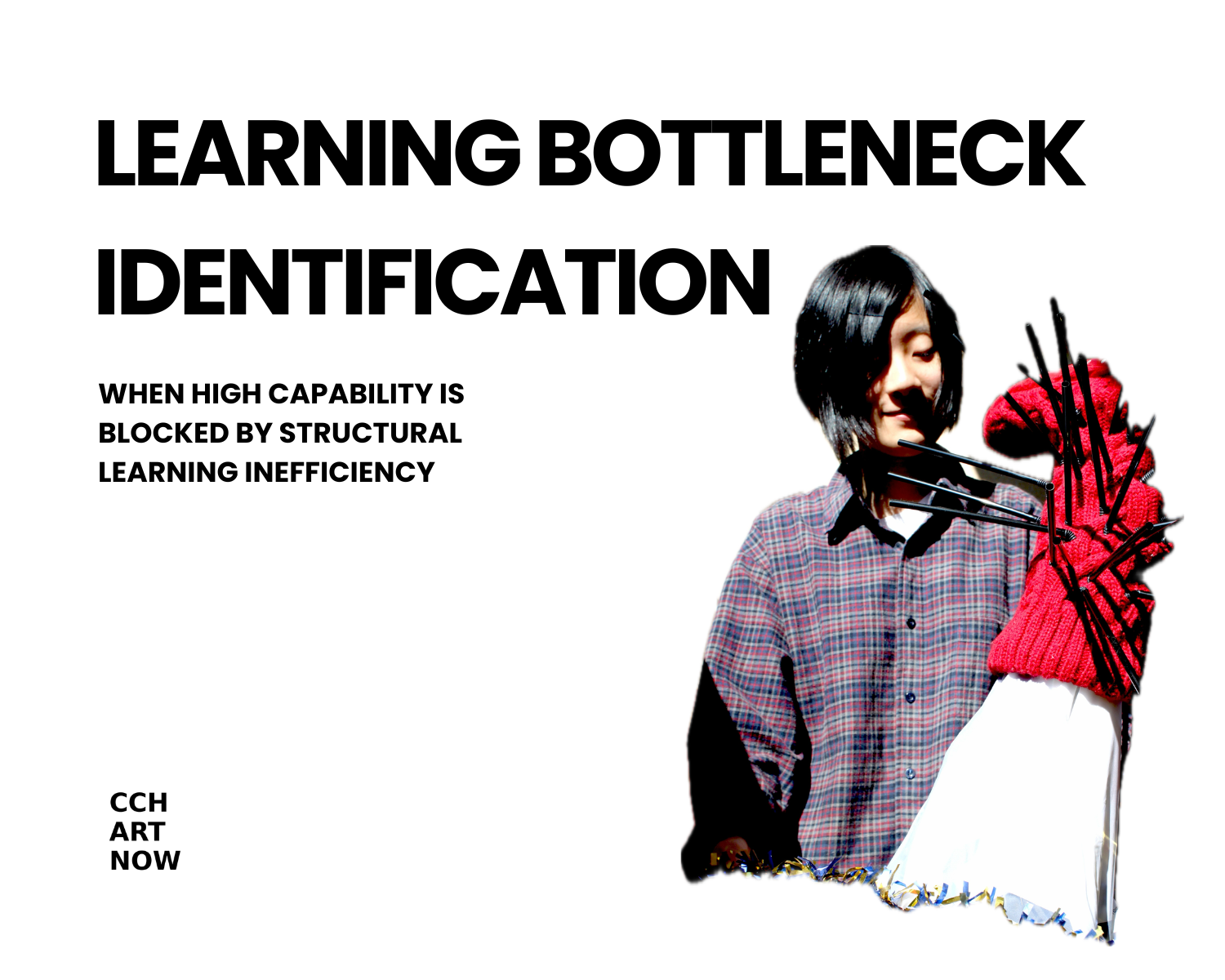
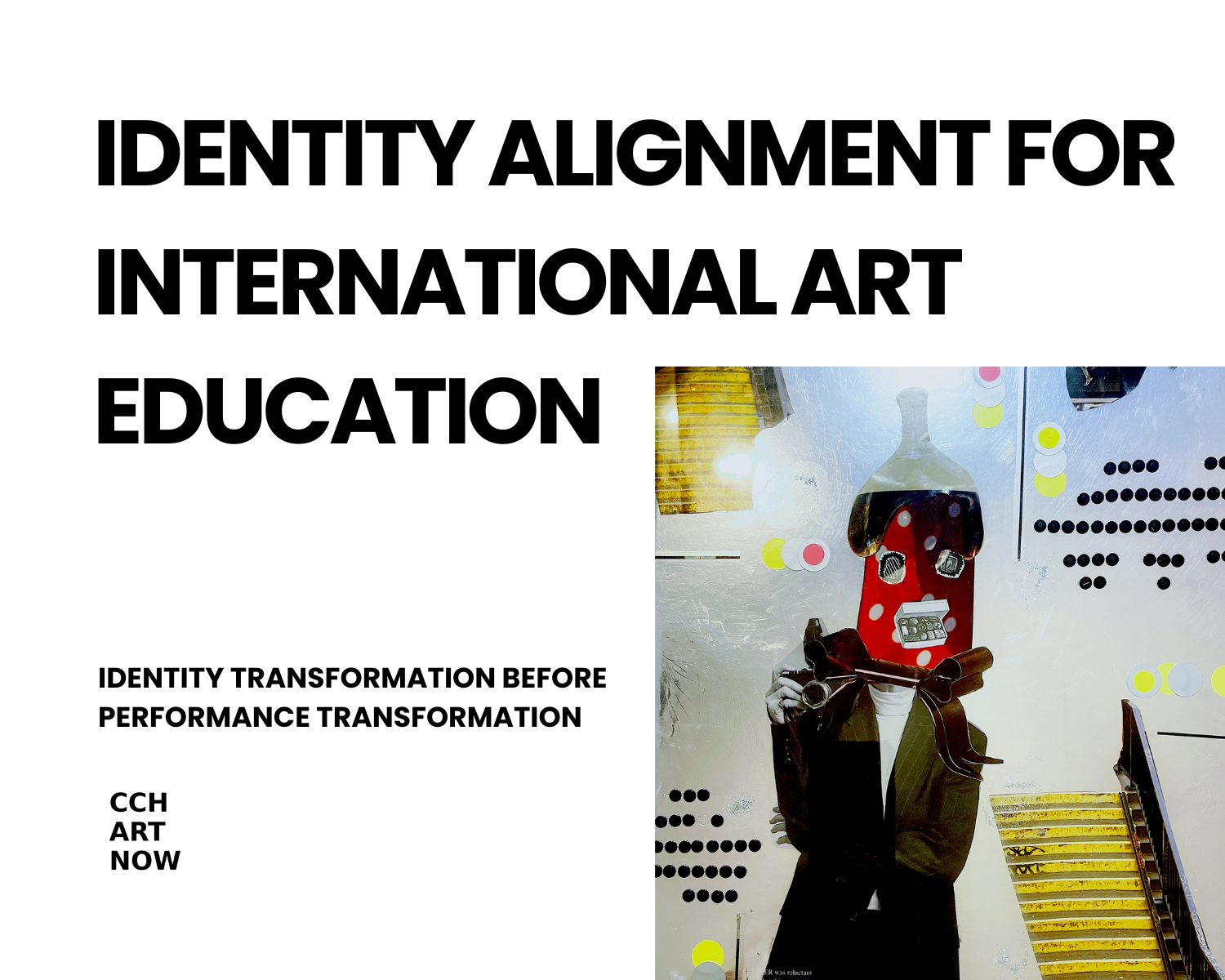
Young Adult & Academic Identity
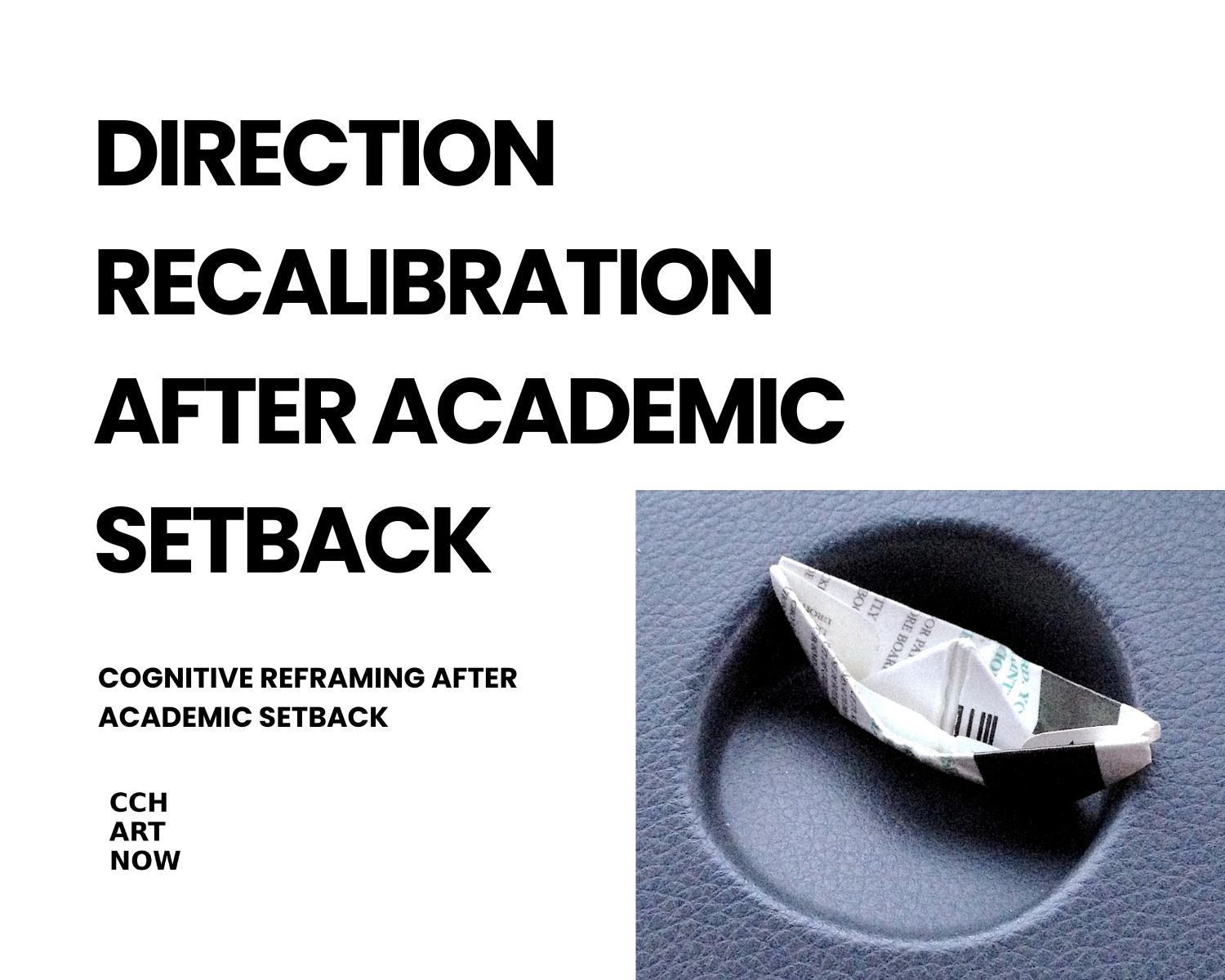
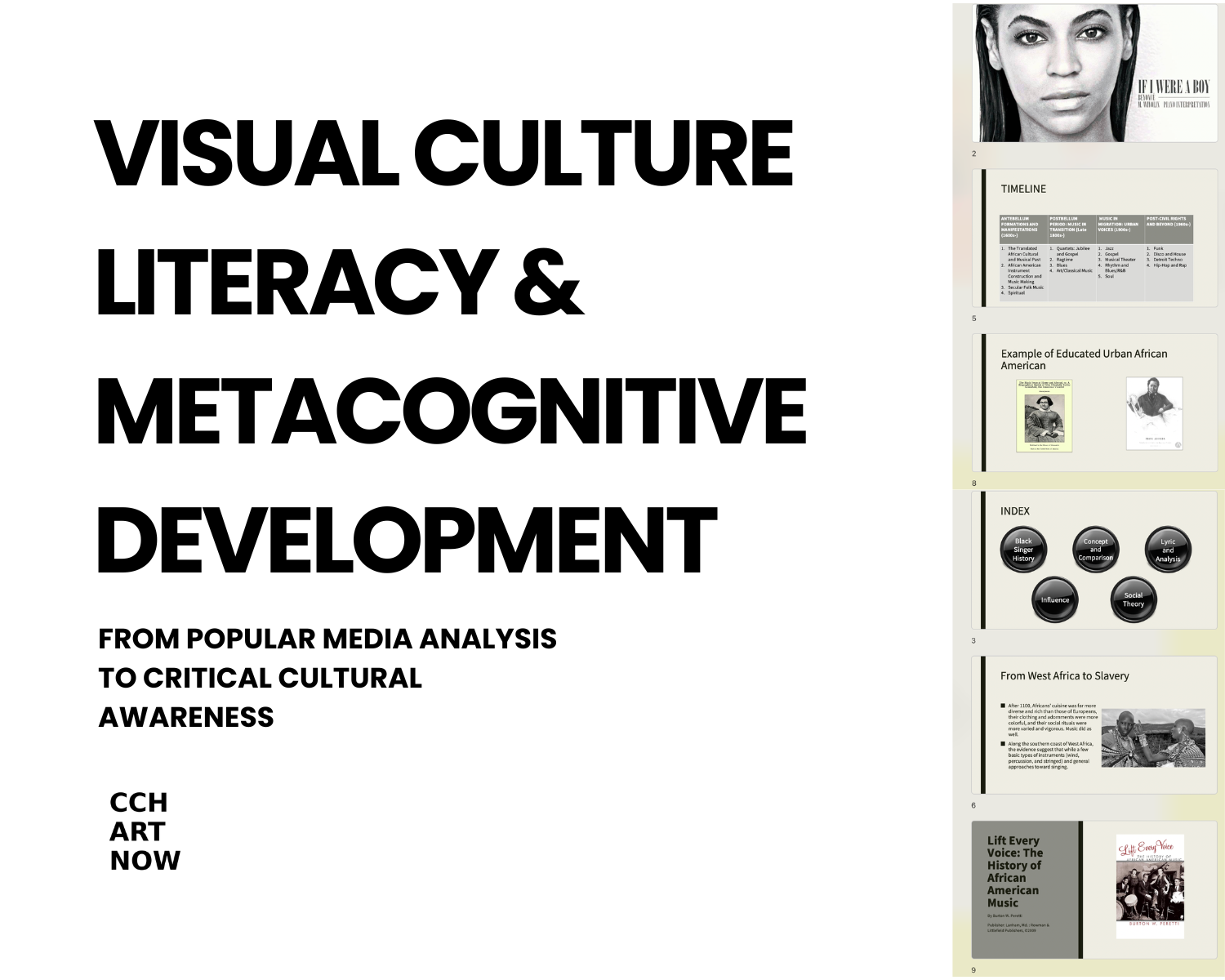
CONCEPTUAL TRANSITION
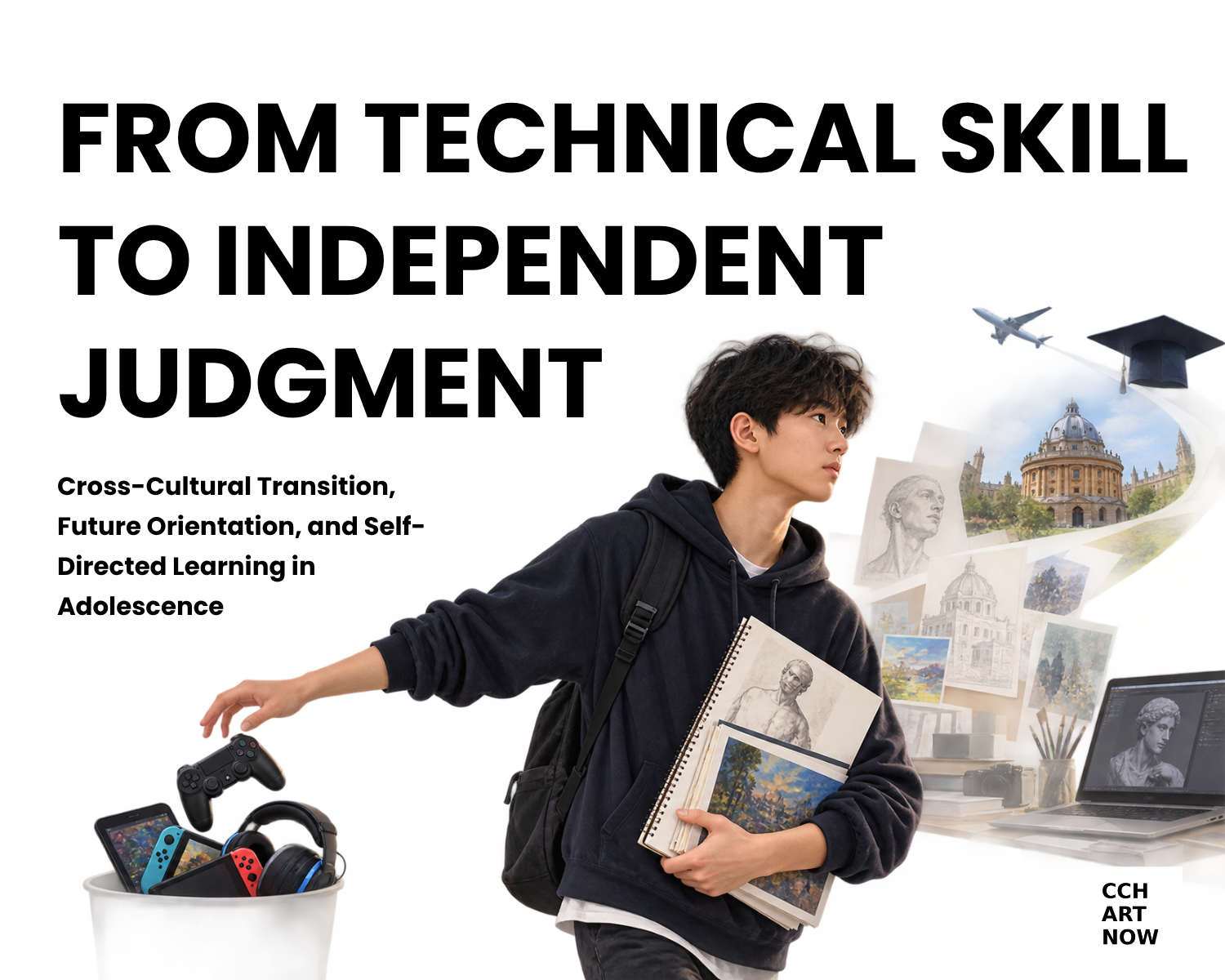
Section 4:
Cross-Case Observations
Across these cases, CCH environments supported attention stabilization, identity clarification, learning strategy recalibration, and improved cognitive resilience.
The recurring pattern is that many learners were not lacking ability. Instead, they experienced friction within conventional educational systems that did not fully support their attention, identity development, learning pathway, or interpretive capacity.
CCH responds to this friction by creating structured studio environments where perception, decision-making, reflective thinking, and self-direction can be strengthened over time.
Rather than teaching artistic techniques alone, CCH functions as a developmental framework. Its programs can be adapted across secondary school transition support, cross-cultural university cohorts, adult cognitive renewal programs, and mixed-age studio environments.
Observed outcomes include improved sustained attention, stronger reflective thinking, greater identity coherence, and increased learning resilience in high-stimulation environments.
This is why CCH studio environments are best understood not only as spaces of artistic production, but as developmental systems for attention, cognitive flexibility, and independent judgment.