
1. AI & Education
2. CCH Method
2-1. Method Notes

3. Studio Observations — Children

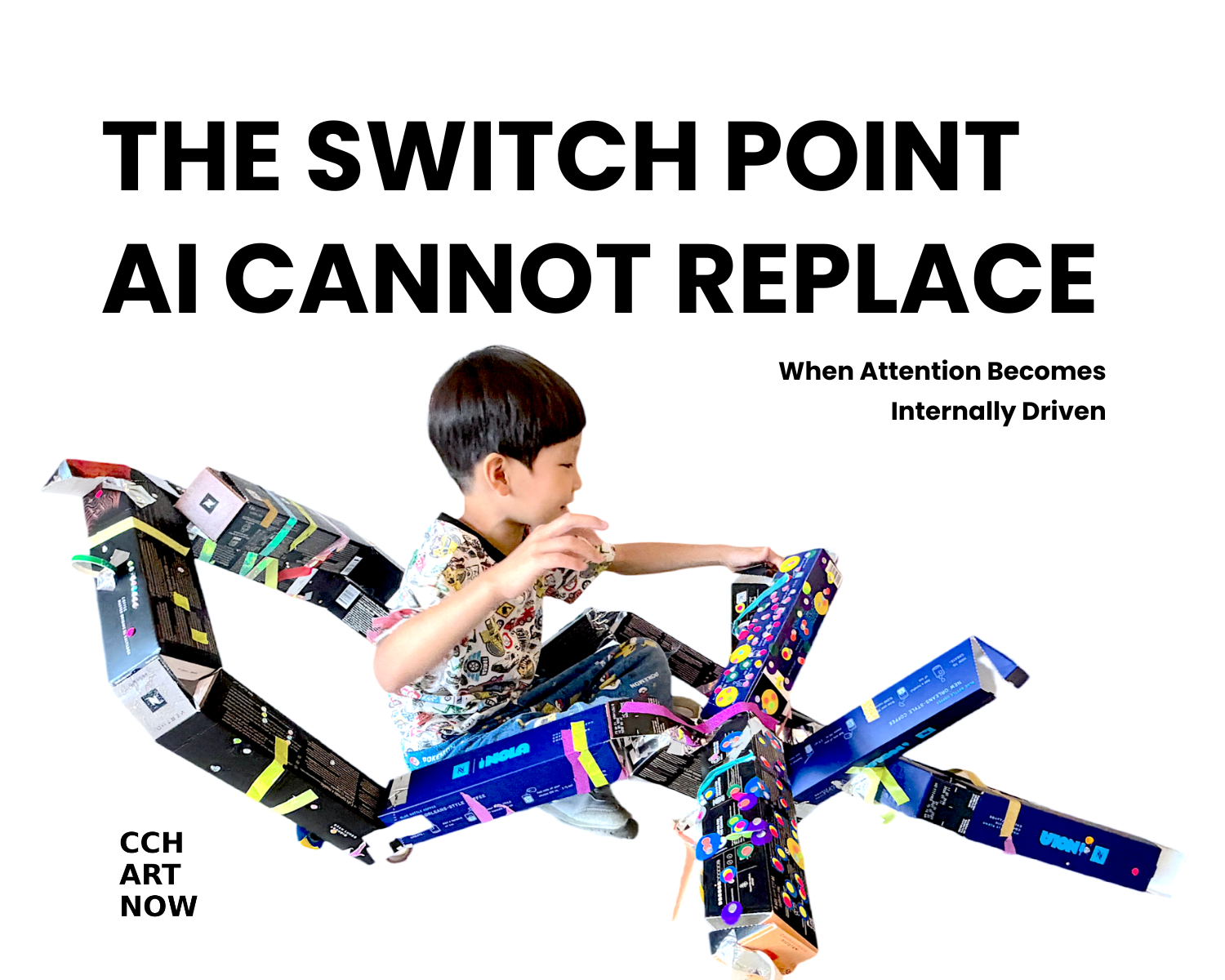
4. Adolescent Development
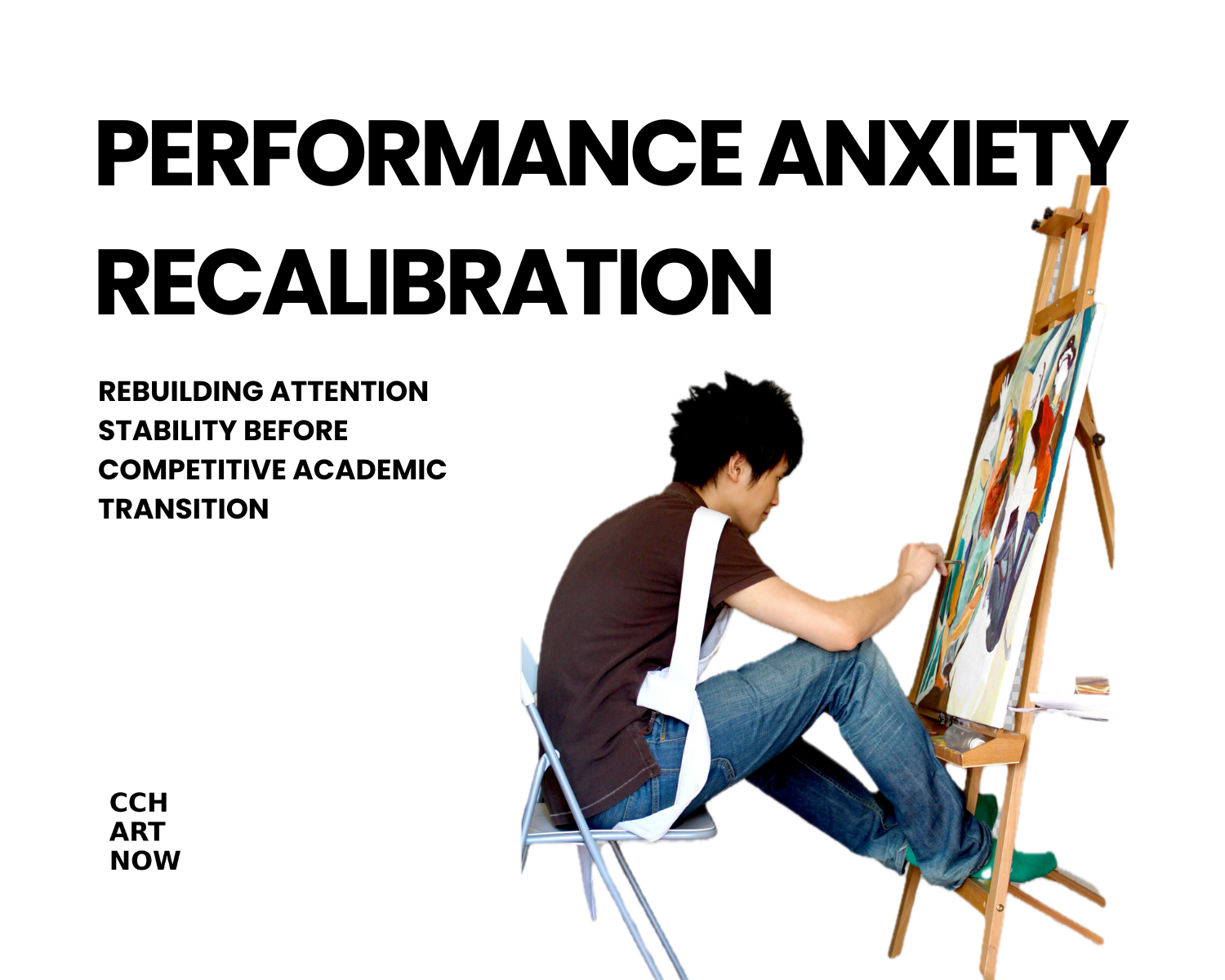
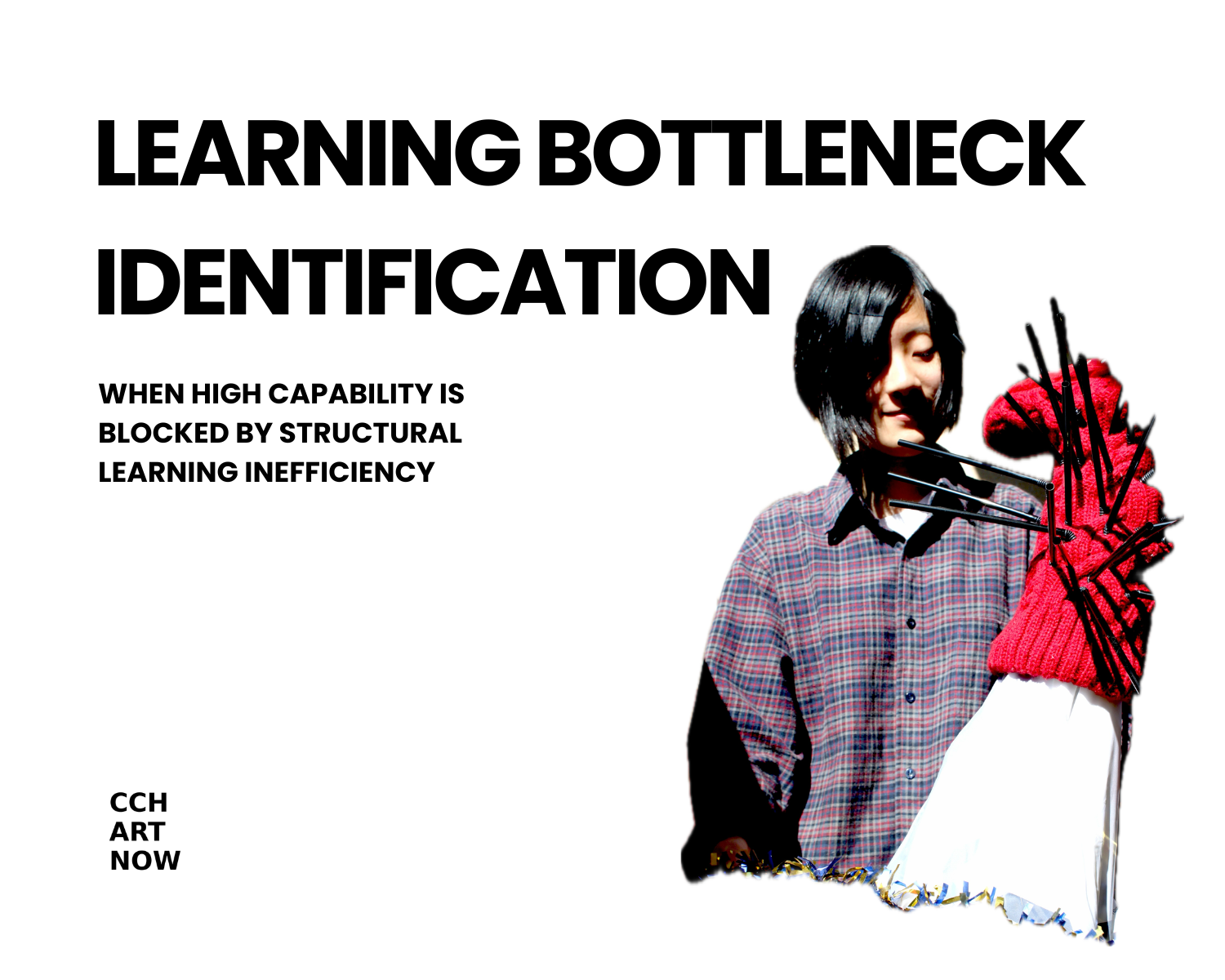
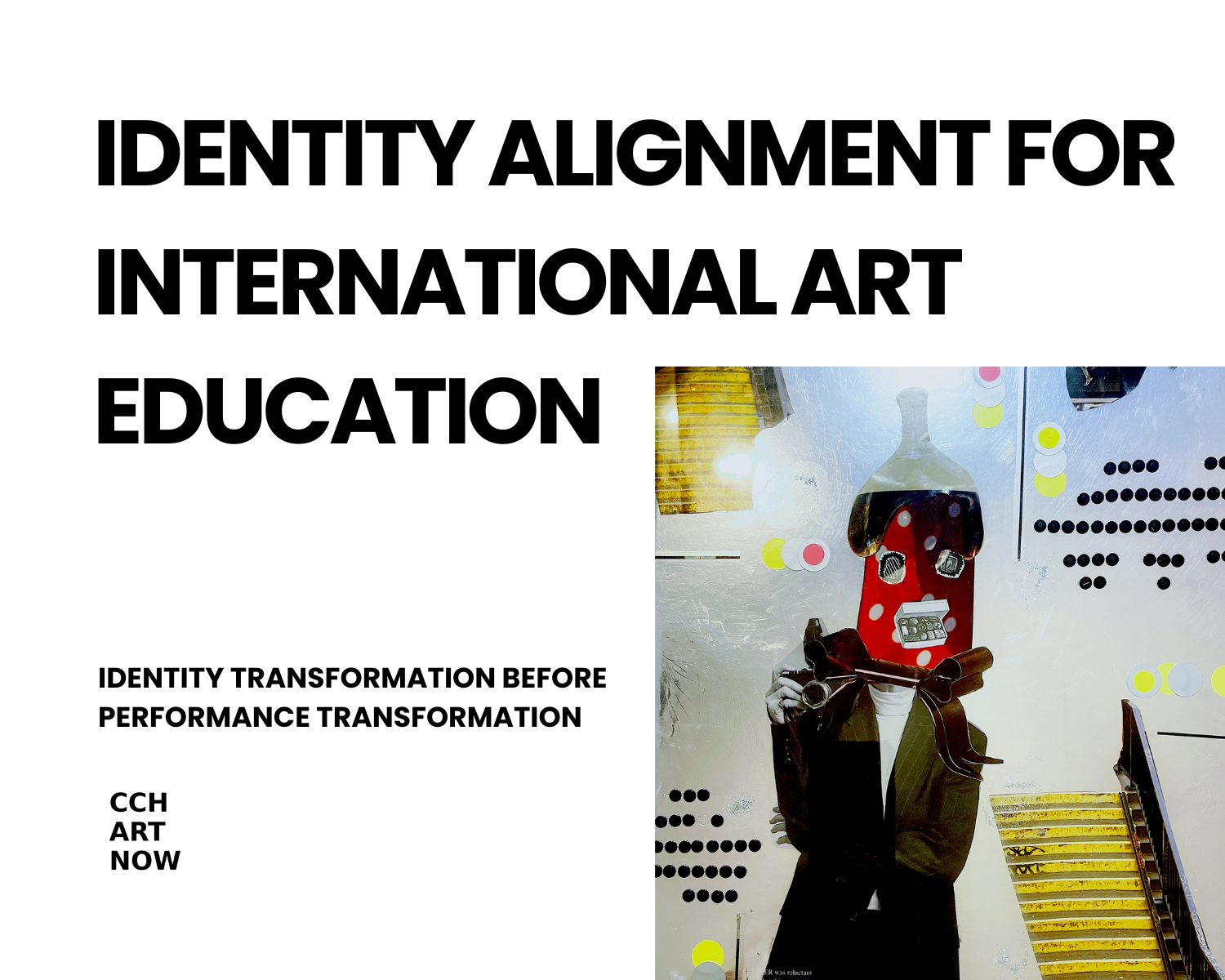
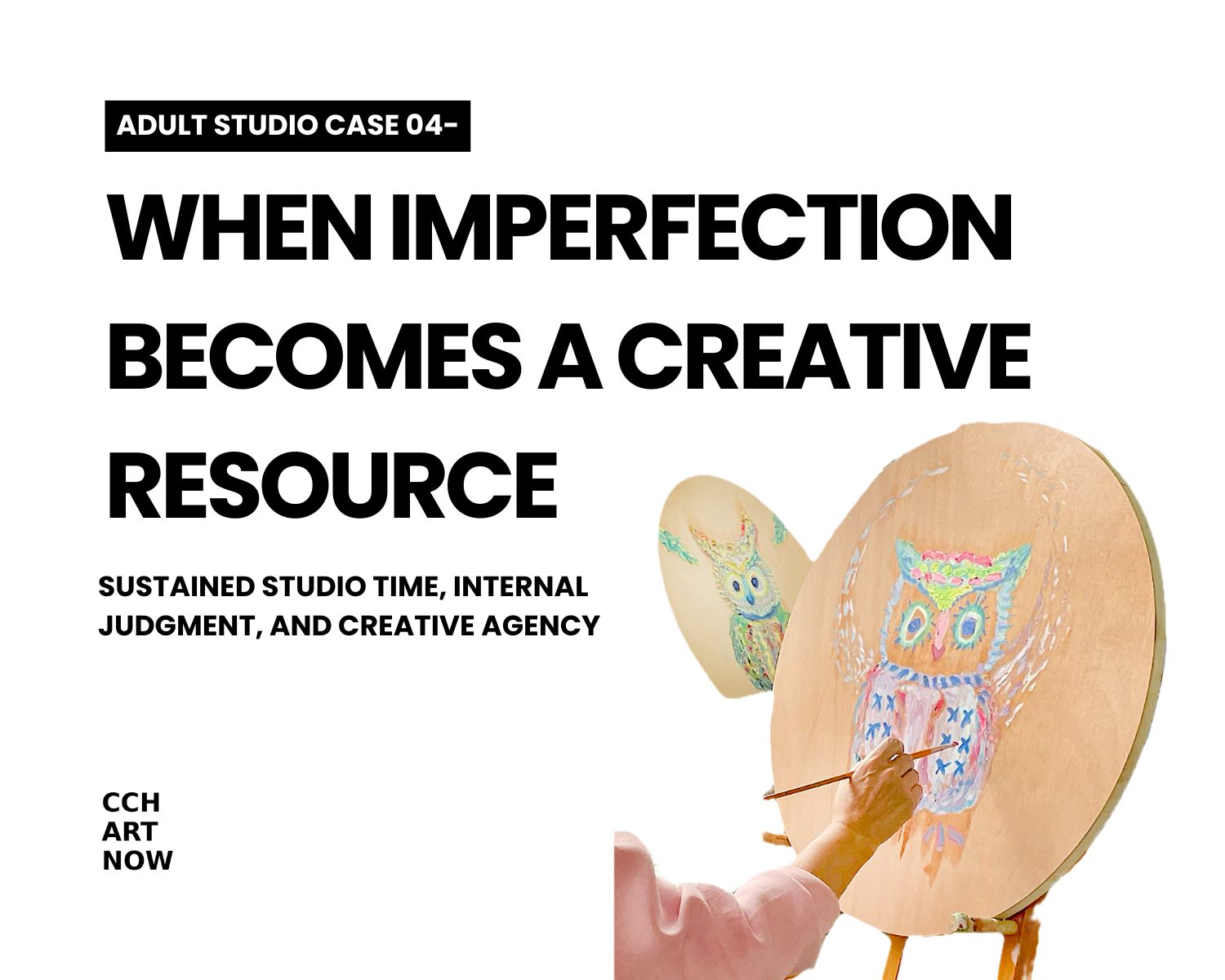
5. Adult studio case
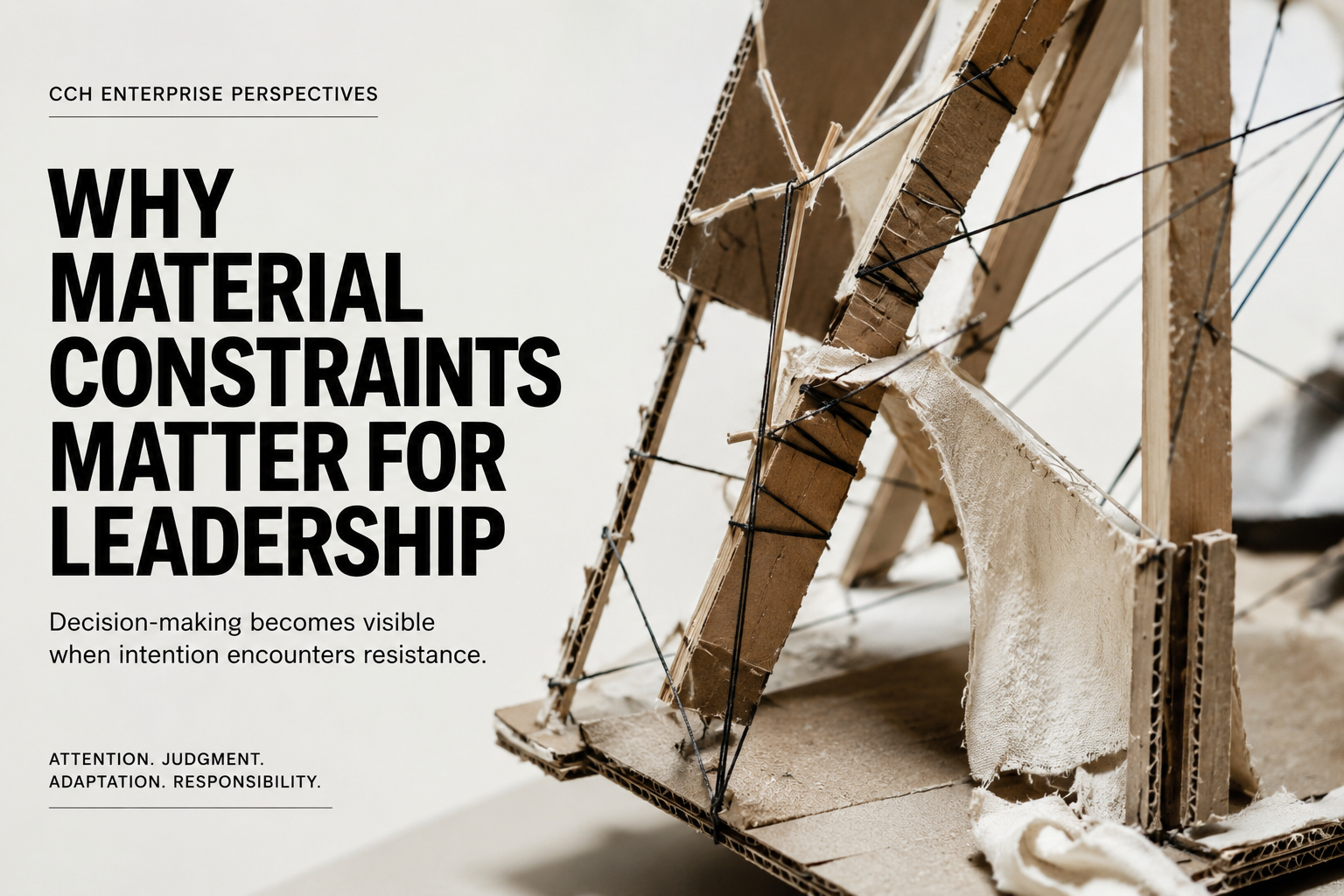
6. Enterprise & Organizational Practice
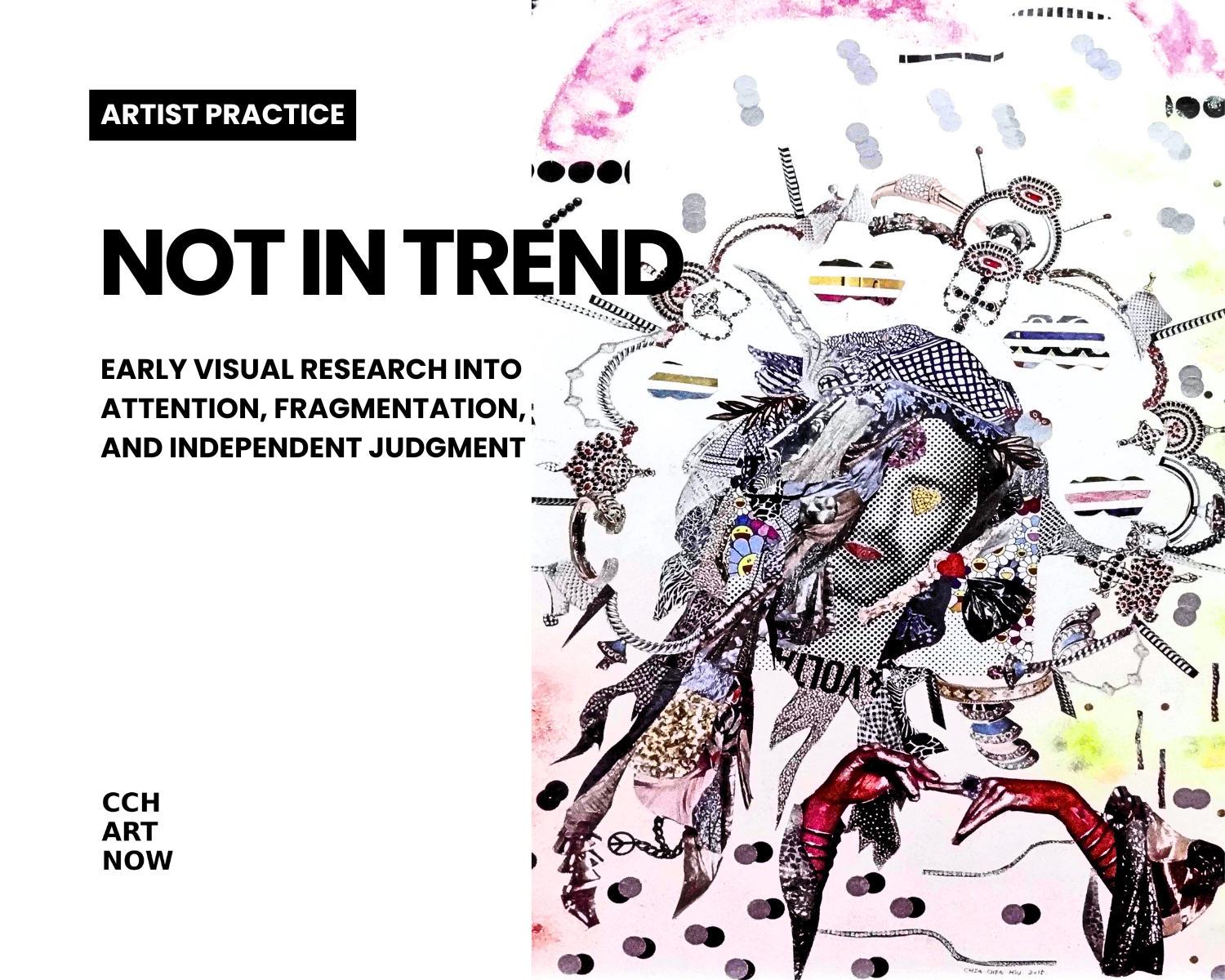
7. Artist practice
Full Article Archive
Browse all published writings, studio observations, case records, and educational essays from CCH ART NOW.
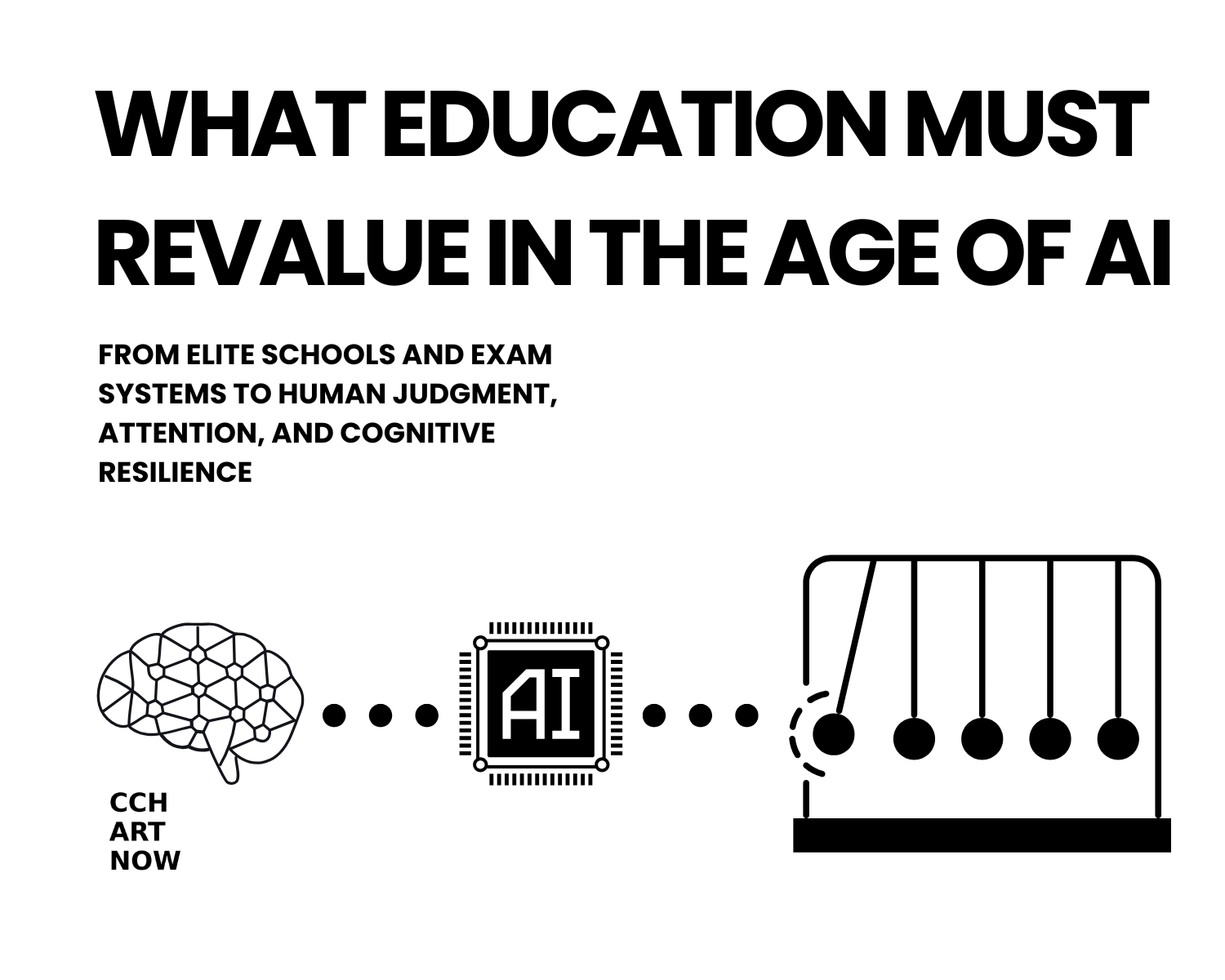
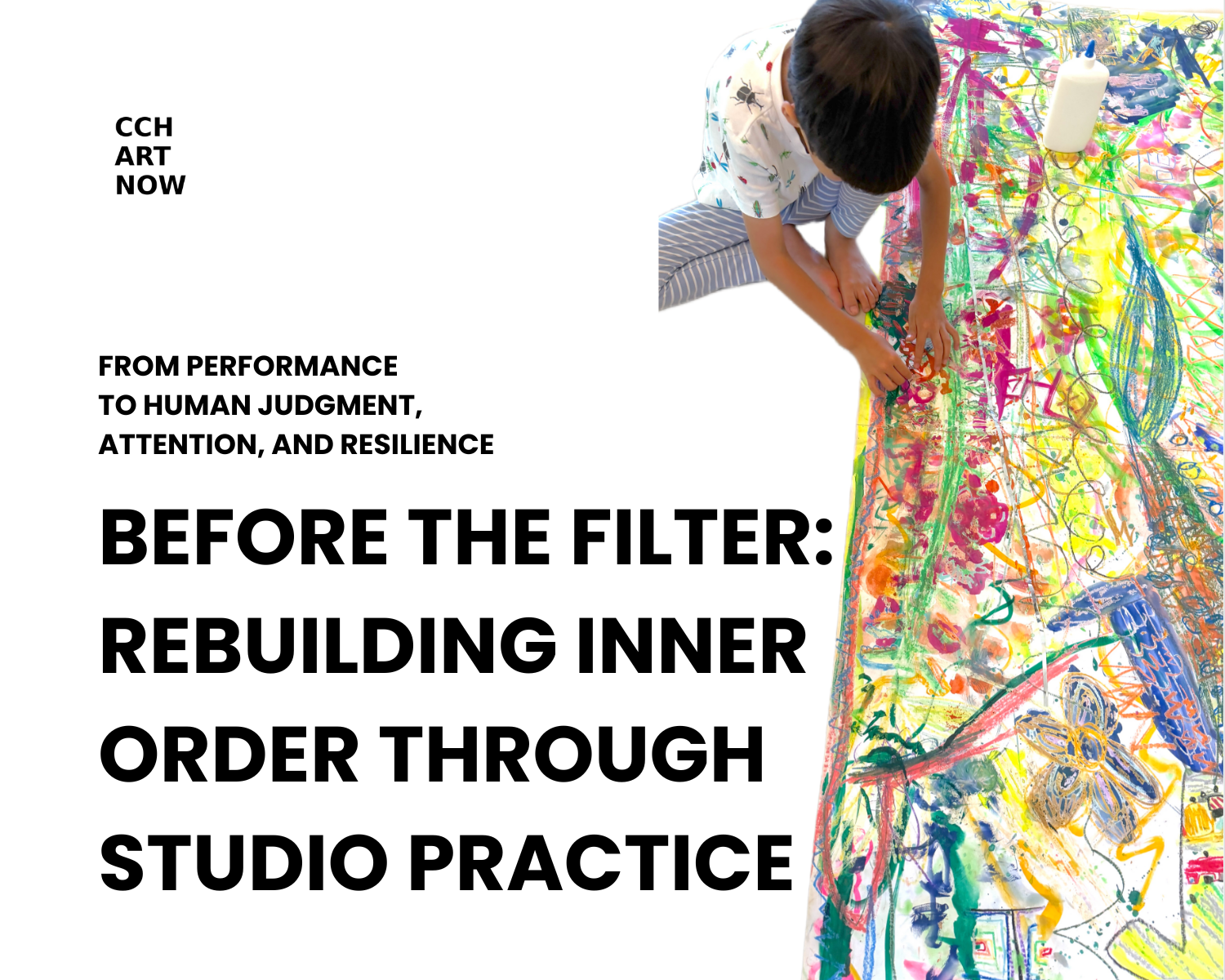
What Education Must Revalue in the Age of AI
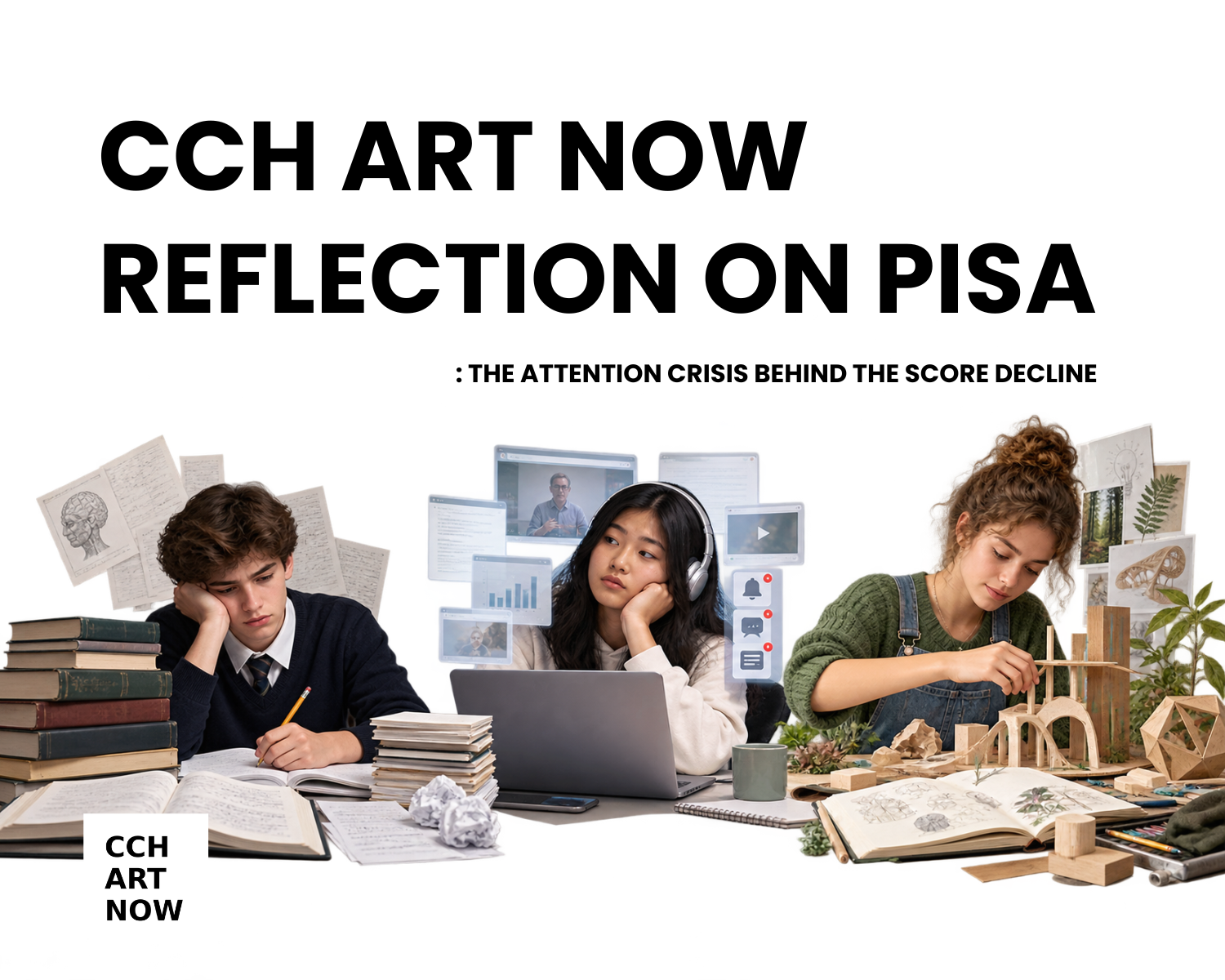
As AI makes knowledge increasingly accessible, education can no longer rely on information delivery as its primary value. The deeper task is to cultivate the human capacities that remain difficult to automate: sustained attention, independent judgment, embodied understanding, emotional regulation, and the ability to continue working under uncertainty. CCH ART NOW positions studio-based learning as a human capability system for the AI era.
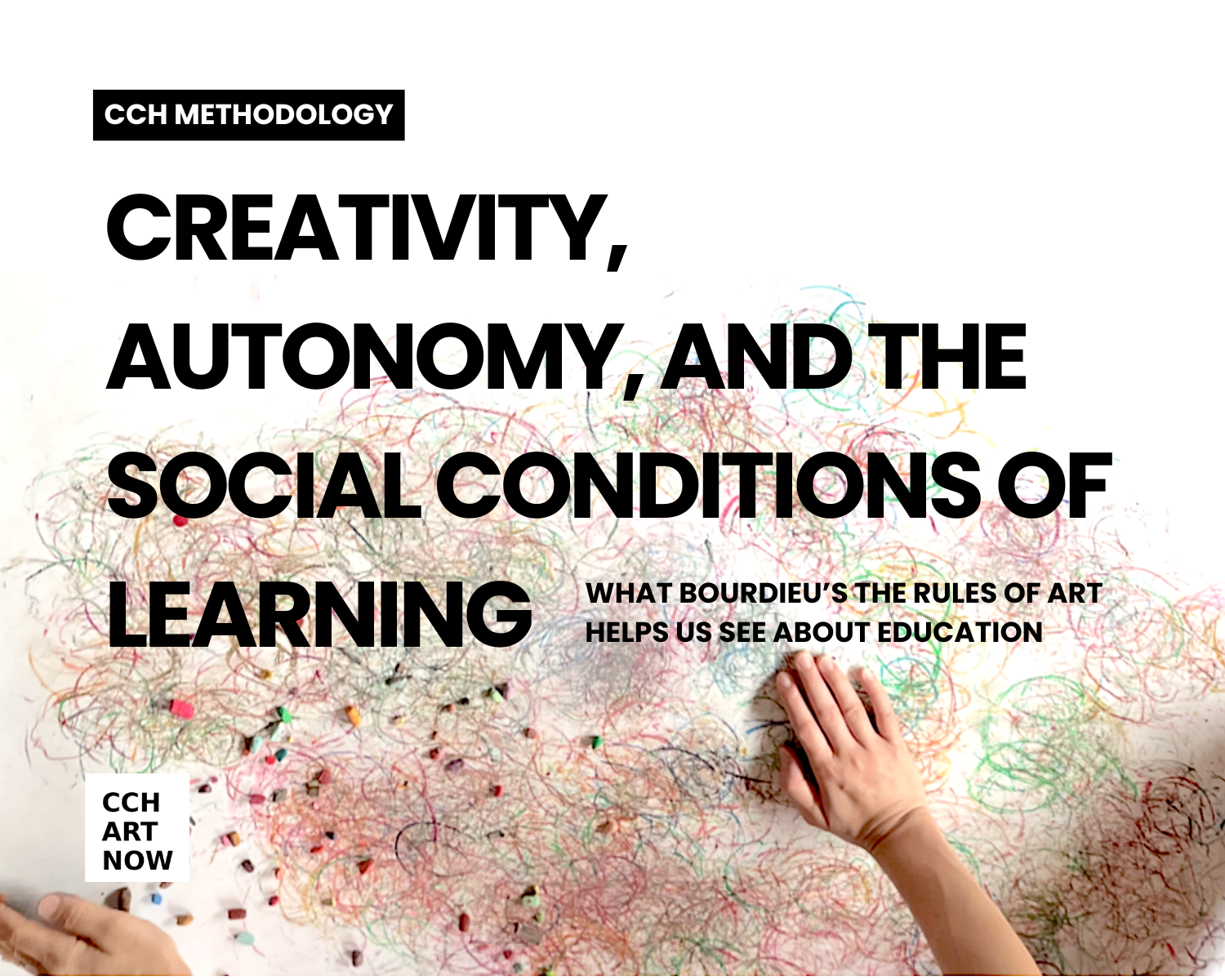
Where Art Becomes a Science of Thinking
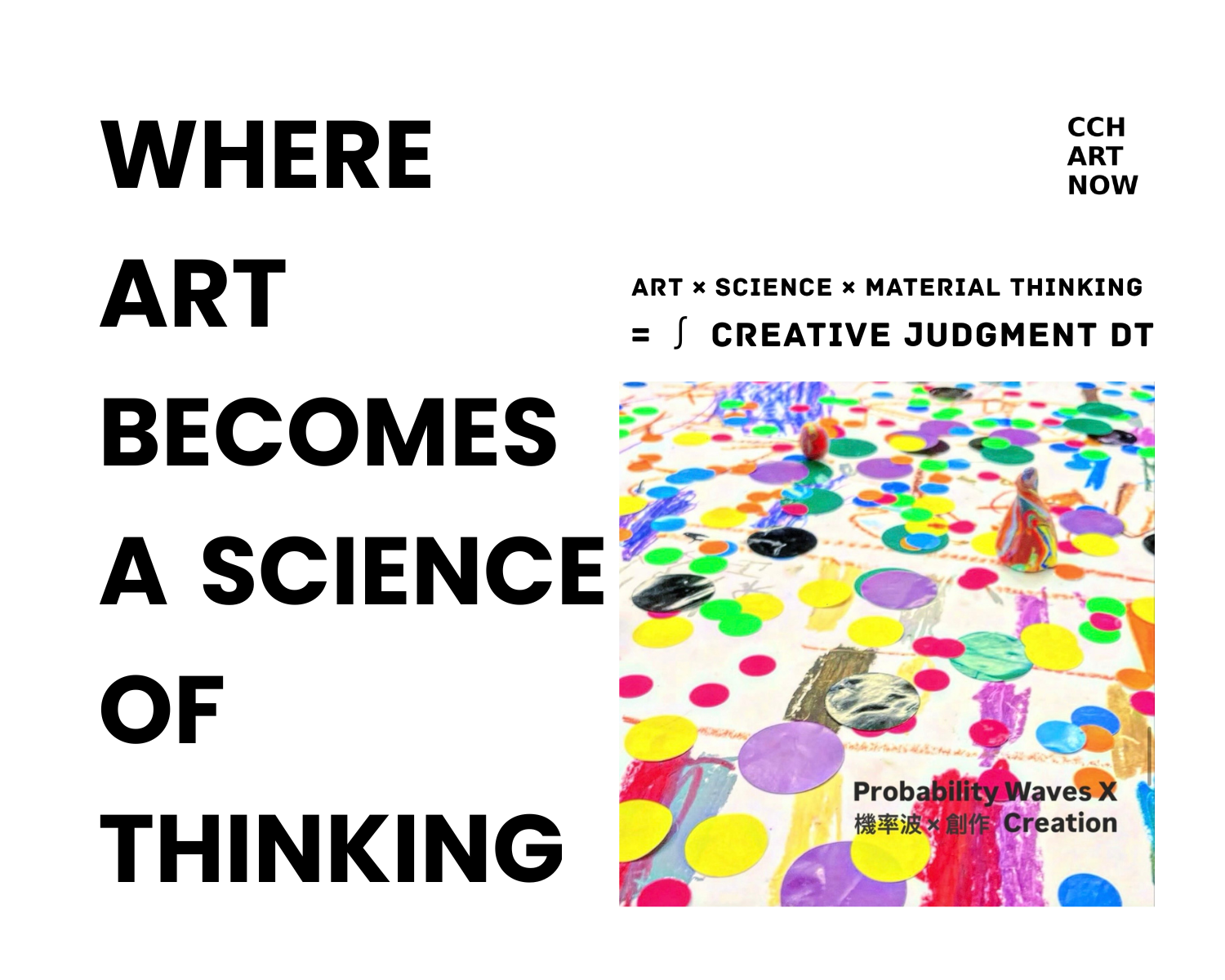
A case-based article on how CCH ART NOW™ turns studio practice into a thinking lab where art, science, probability, material exploration, and creative autonomy meet. Through research evidence and student observation, the article explains why creativity is trainable, why material practice supports cognition, and why human attention, judgment, and meaning-making matter in the AI age.
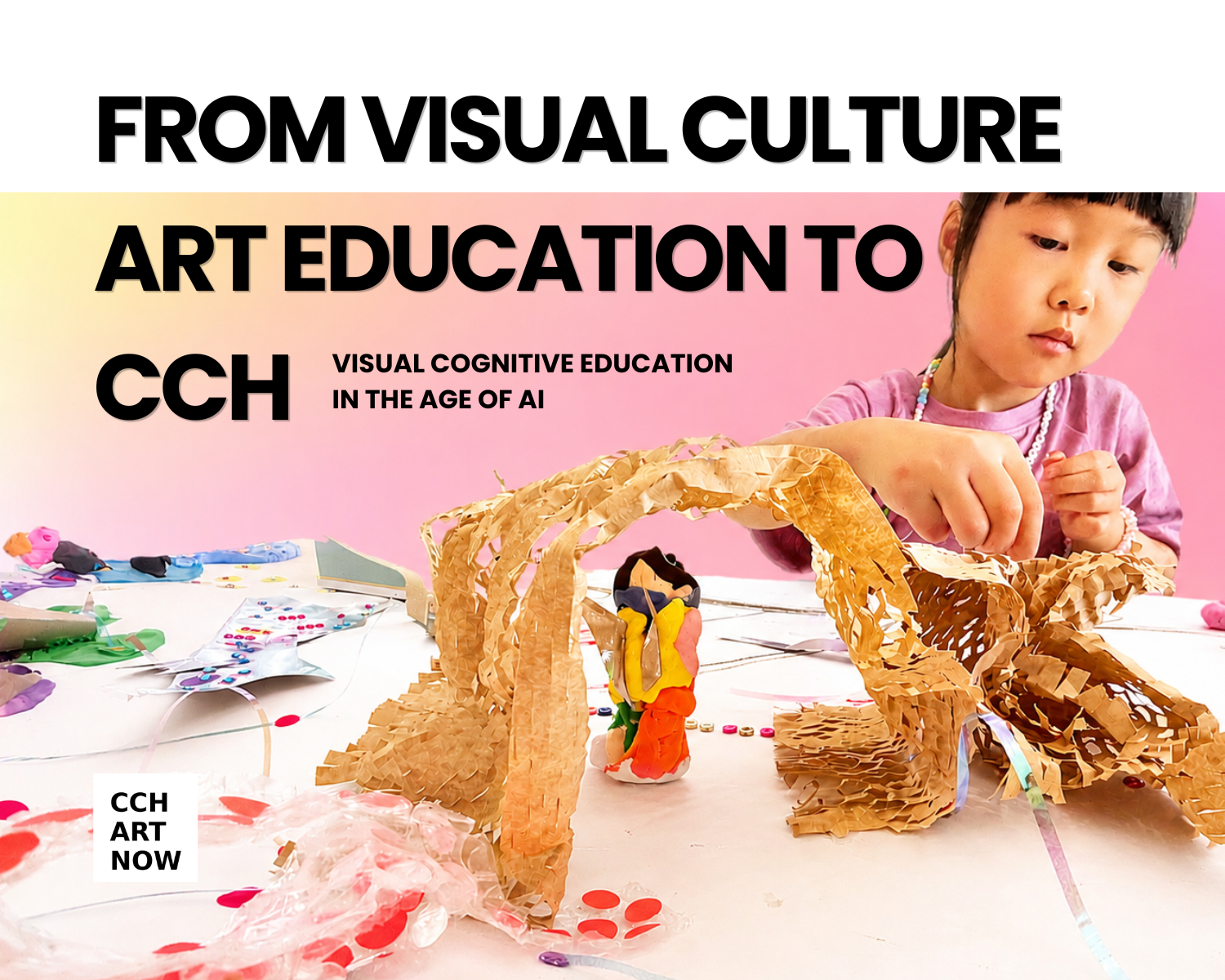
From Visual Culture Art Education to CCH
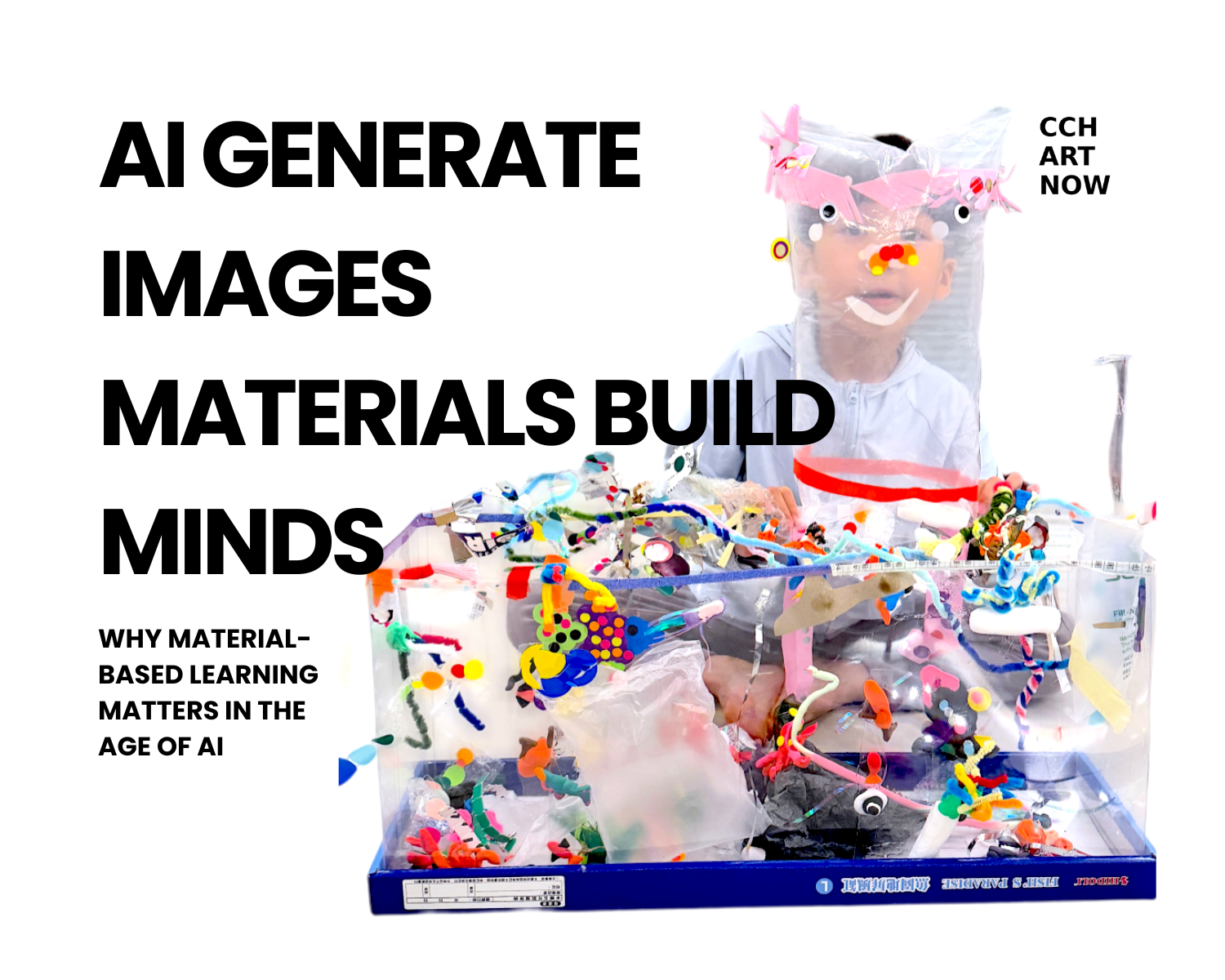
CCH extends Visual Culture Art Education from image reading to the embodied formation of perception, attention, and visual judgment. In the age of AI-generated images, CCH protects the human capacity to observe, create, reflect, and form a self through material-based artistic practice.
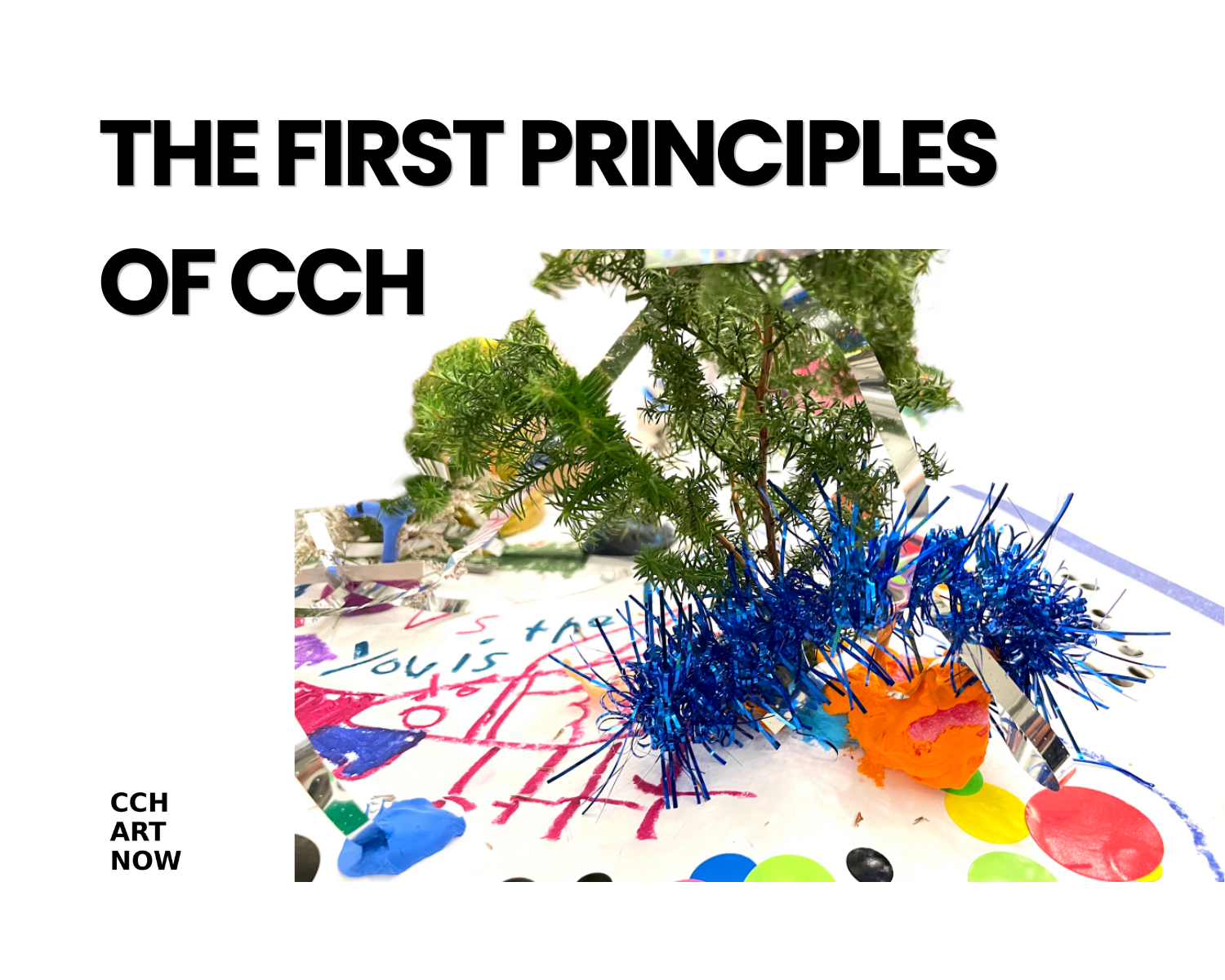
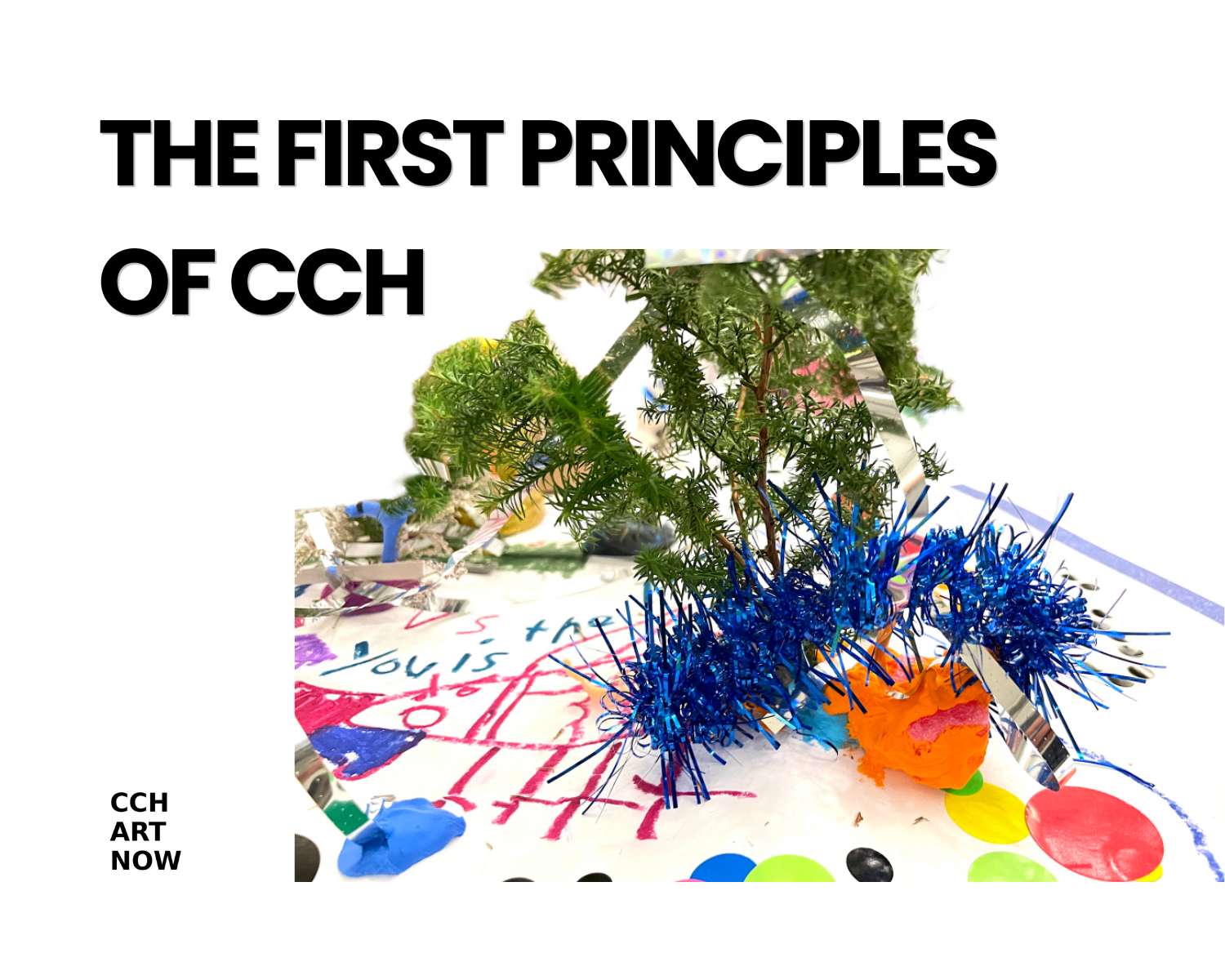
The First Principles of CCH
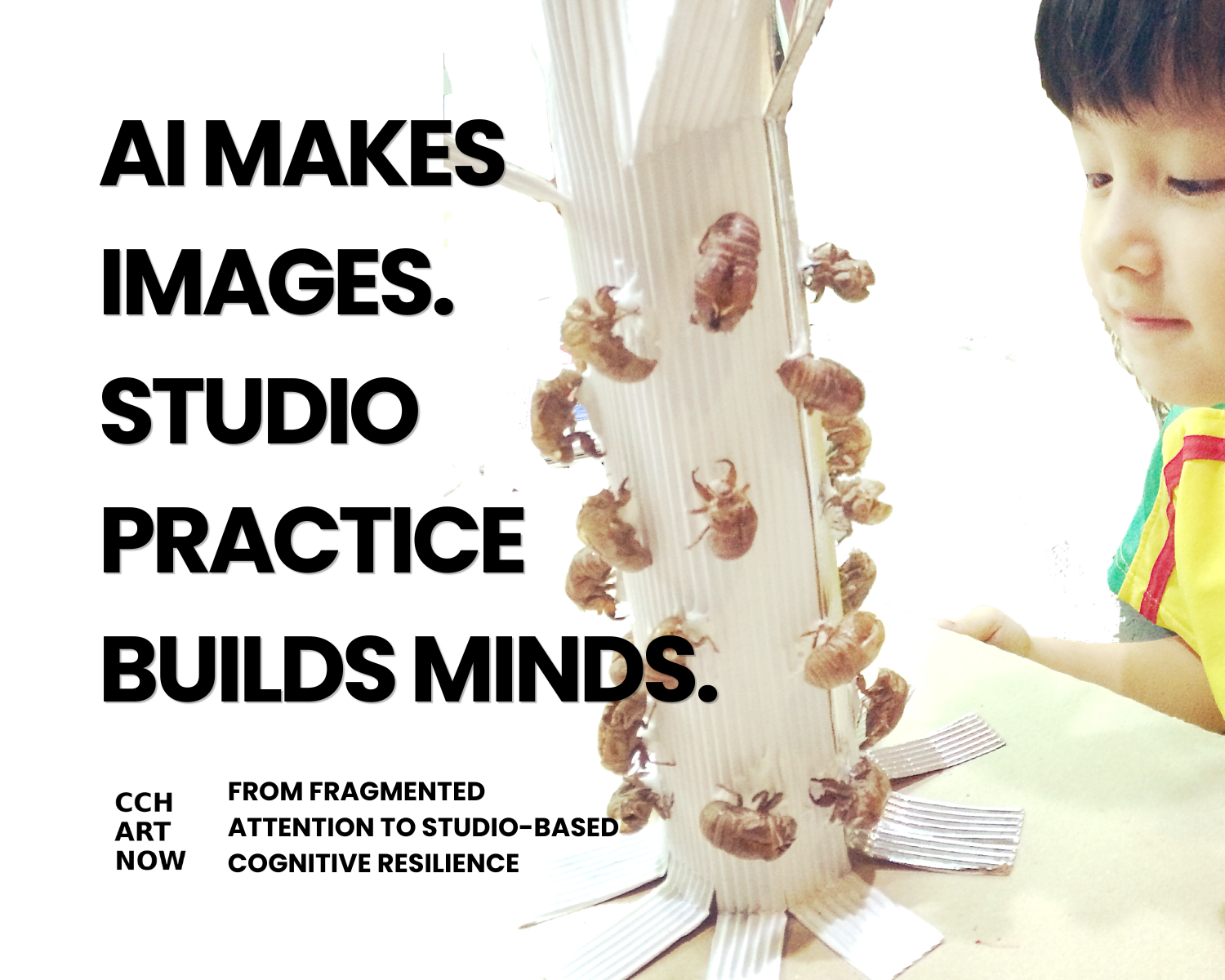
CCH ART NOW™ proposes a first-principles framework for human capability development in the AI era. Through material engagement, sustained attention, embodied cognition, and experiential learning, the article rethinks creativity as an integrated cognitive process rather than a decorative outcome.
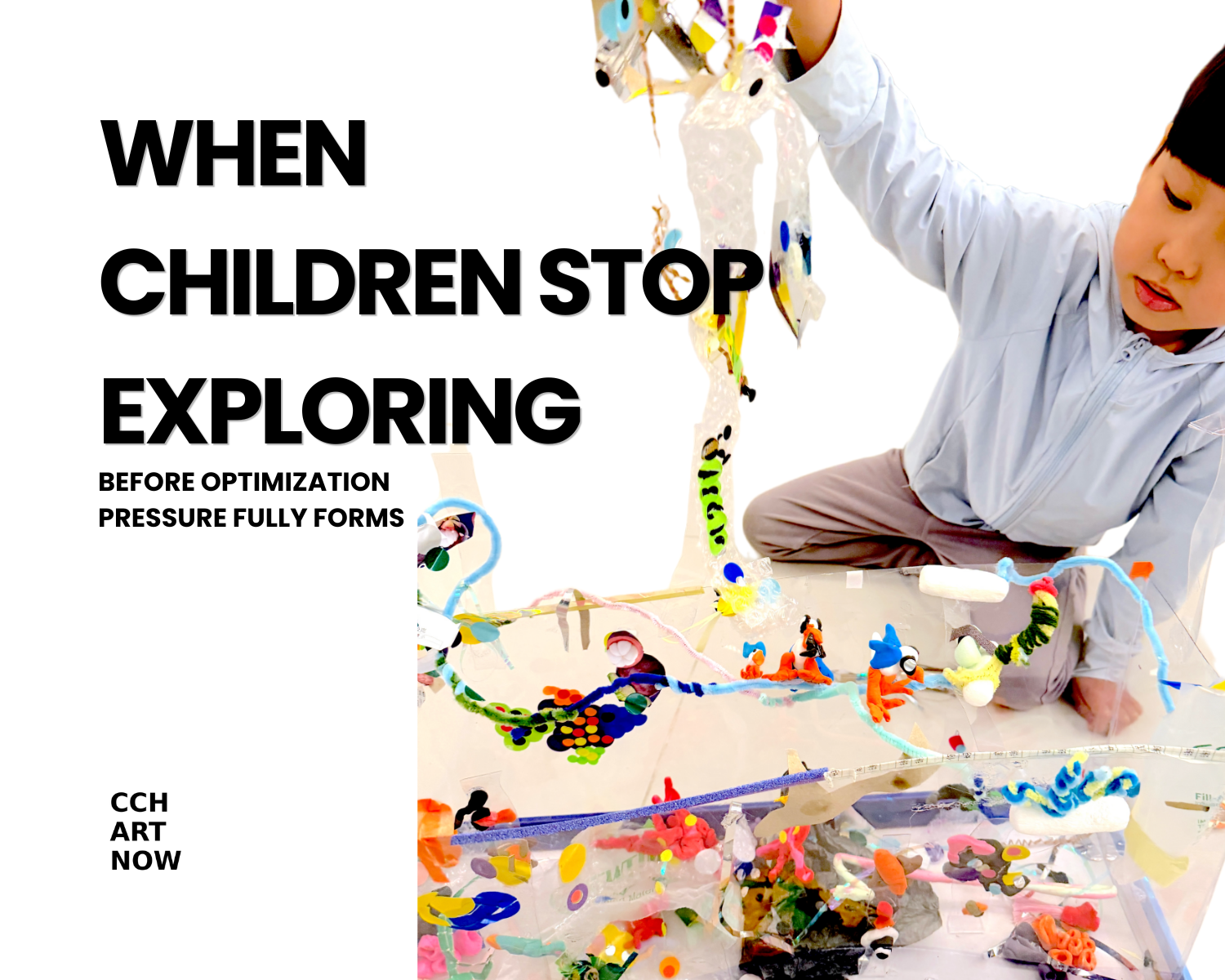
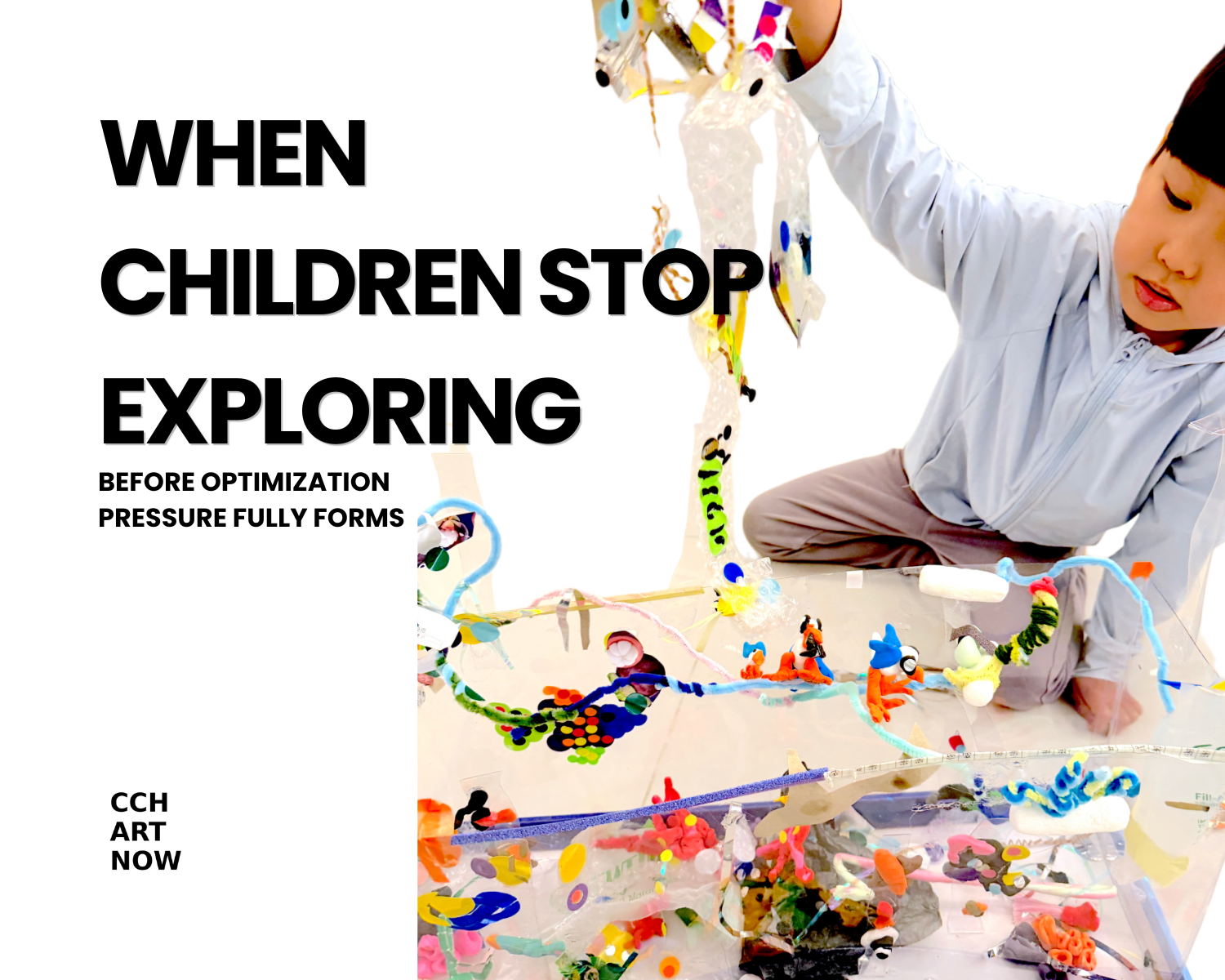
When Children Stop Exploring
When children stop exploring, it may not be a lack of creativity. It may be the result of increasing evaluation pressure. This article examines how exploratory cognition narrows over time, and why the ability to stay with uncertainty matters deeply in the AI era.