
1. AI & Education
2. CCH Method
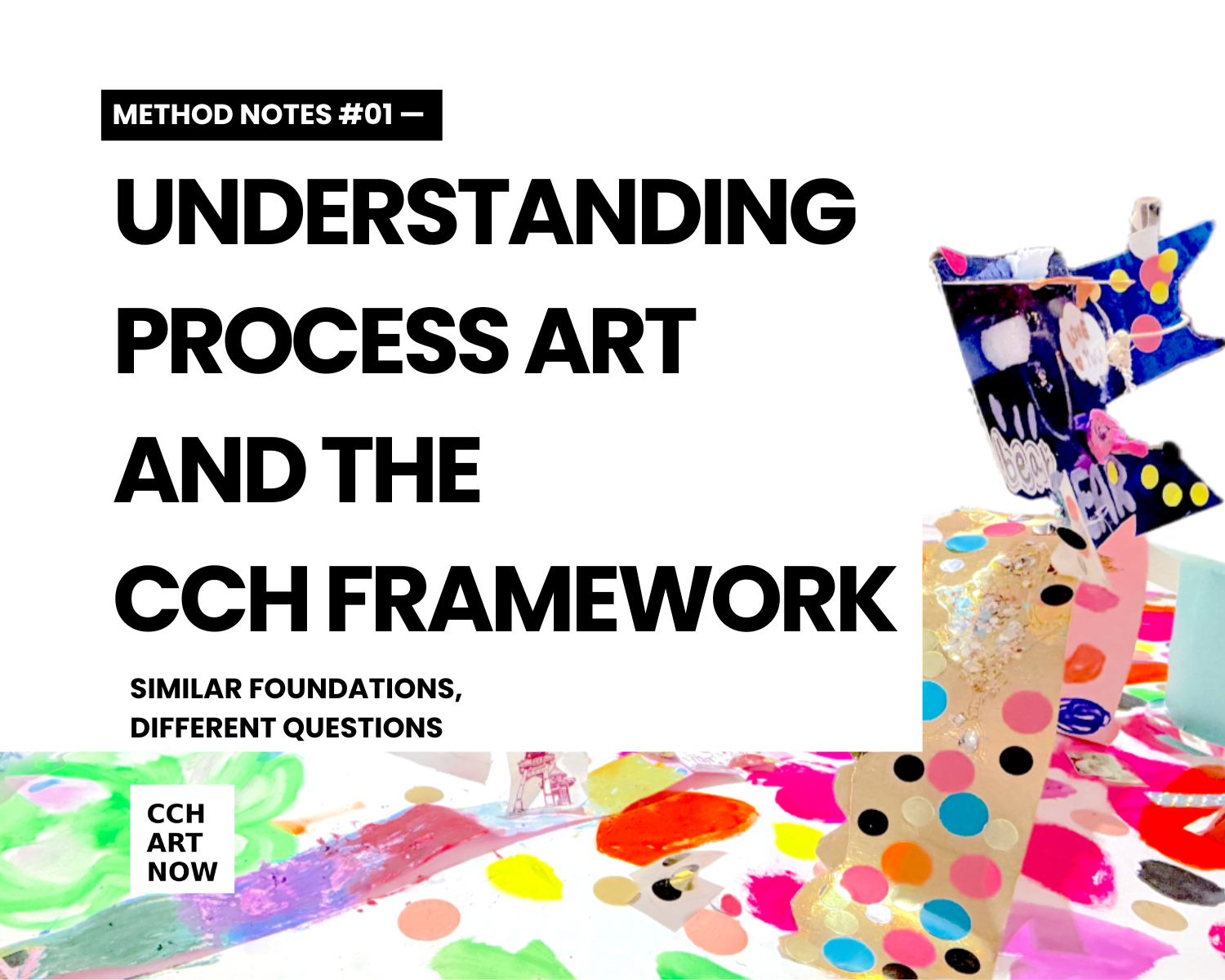
2-1. Method Notes
3. Studio Observations — Children
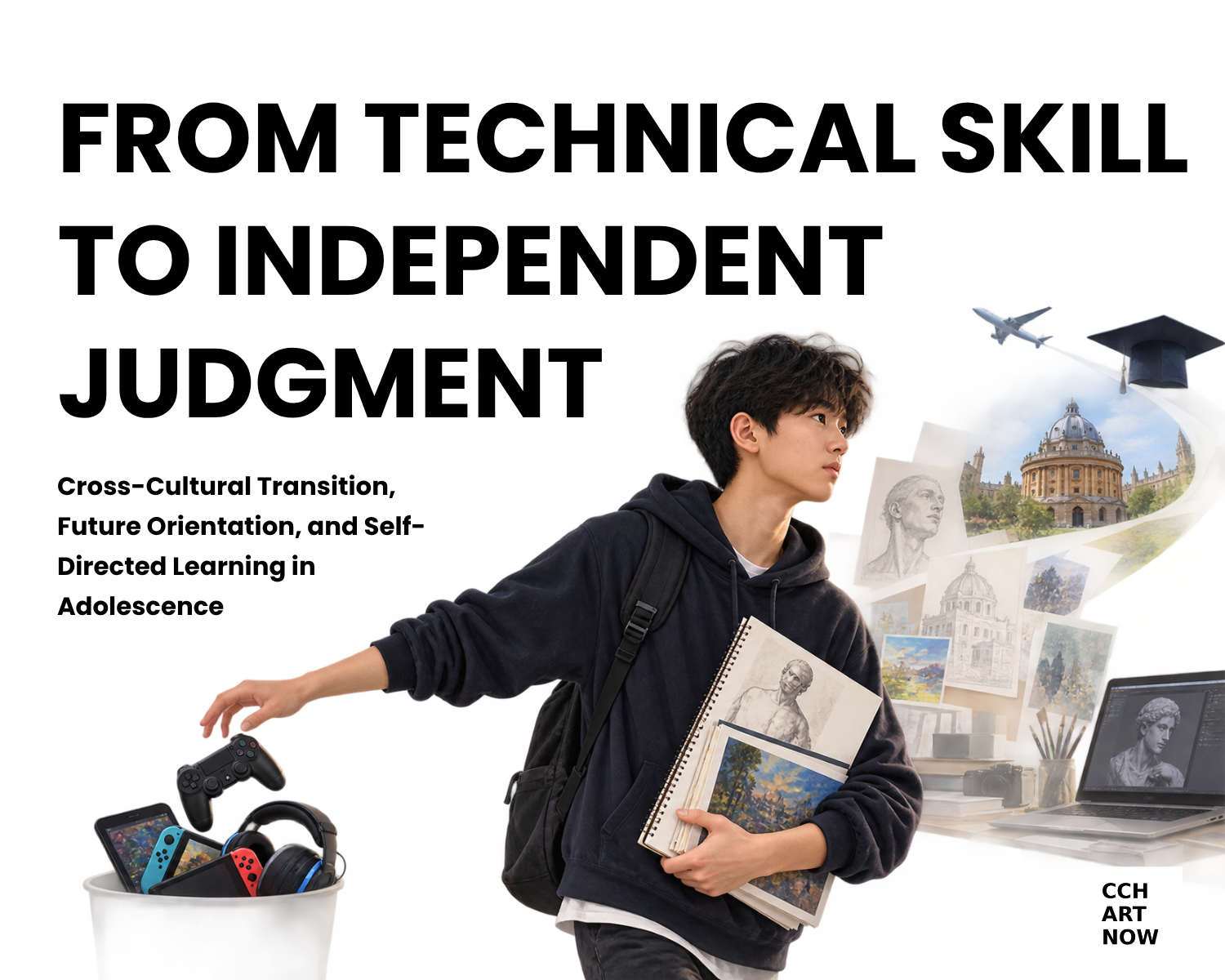
4. Adolescent Development
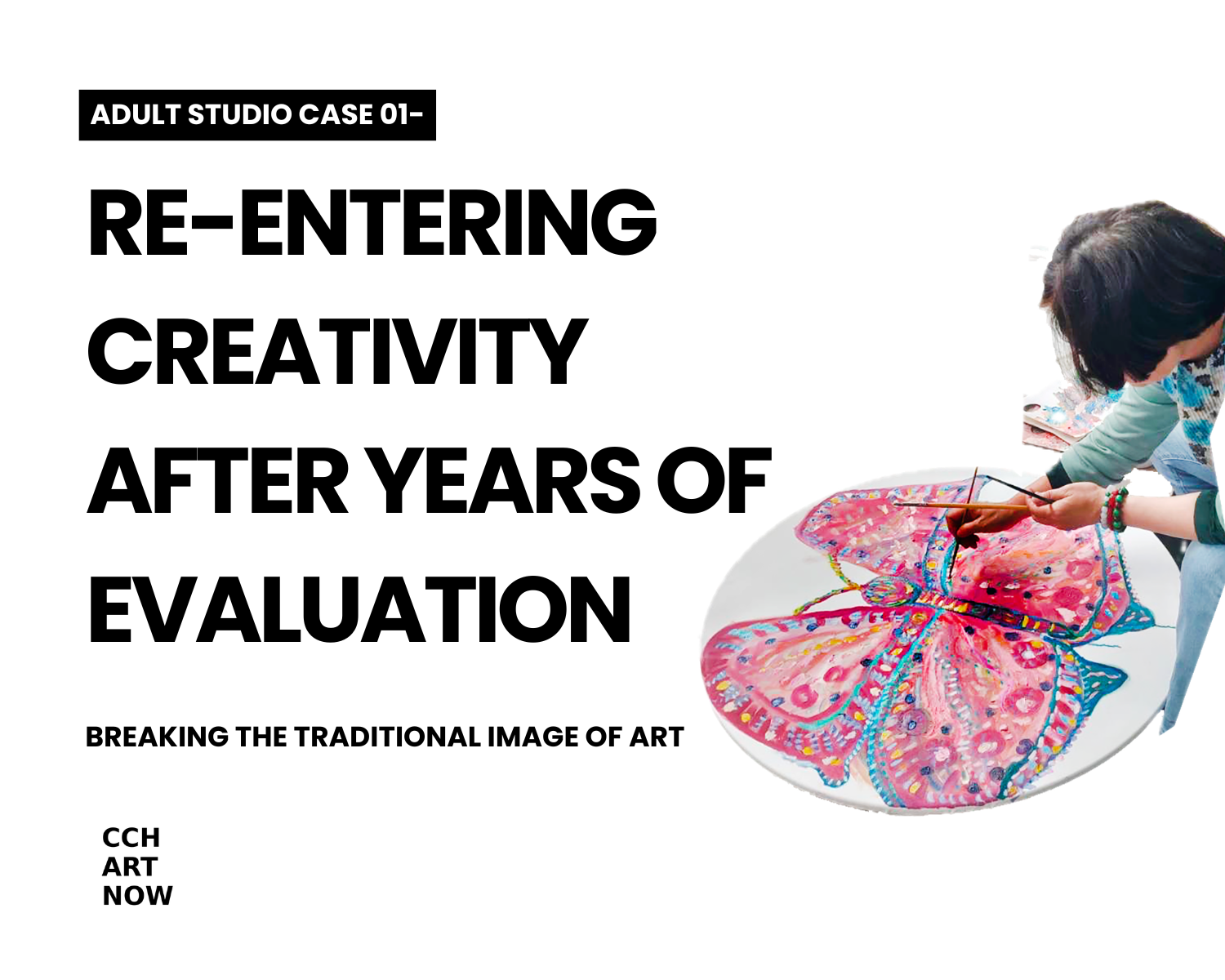
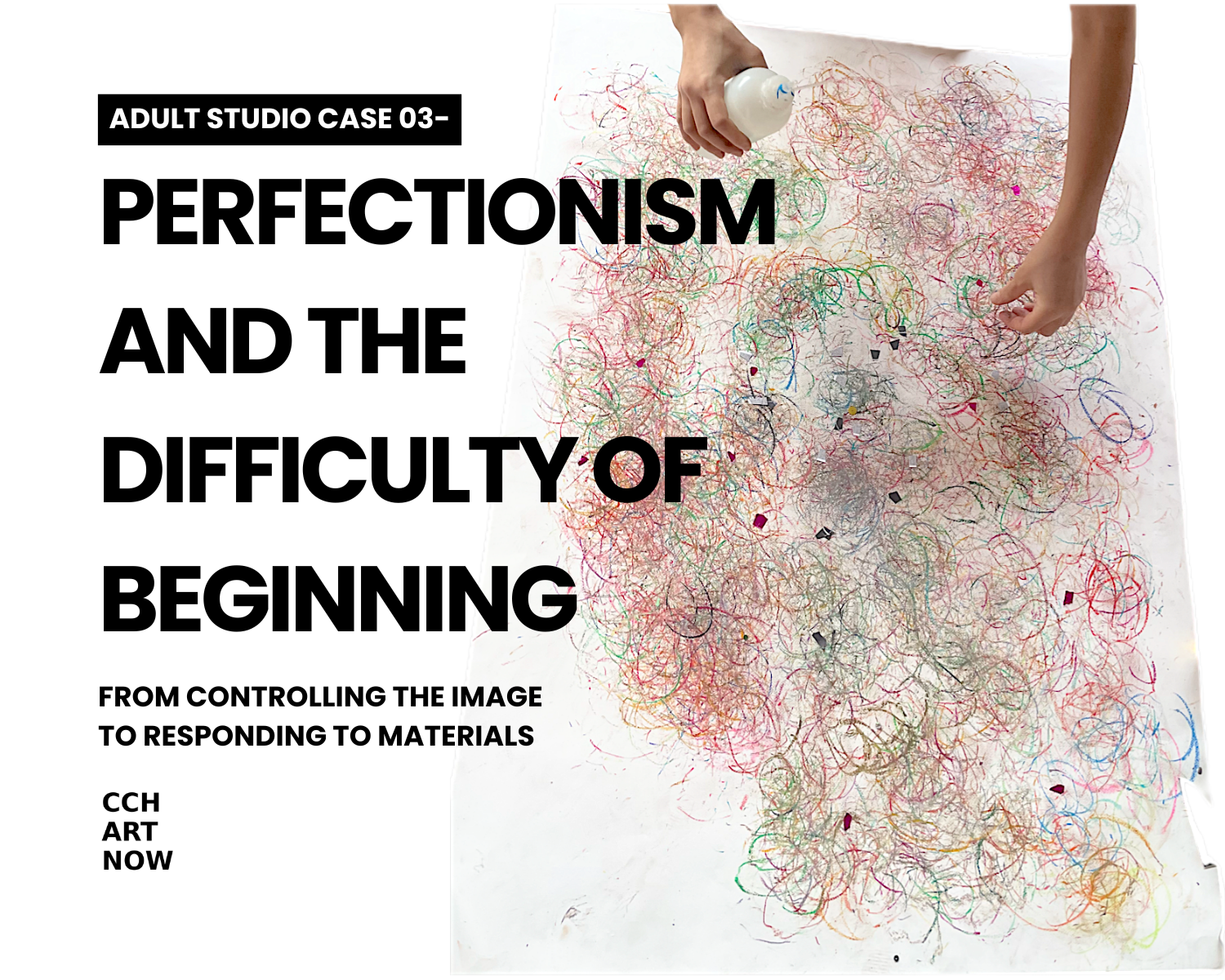
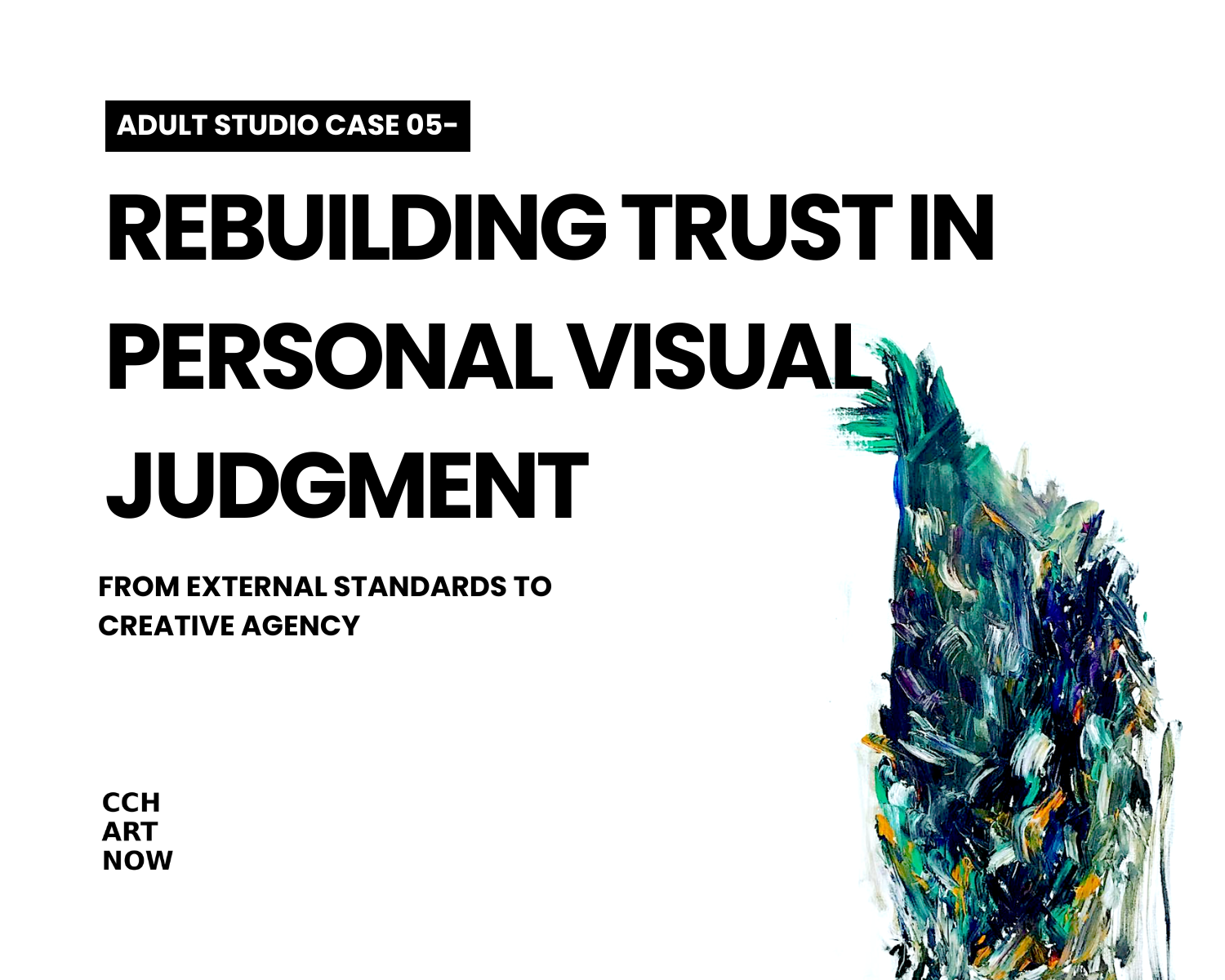
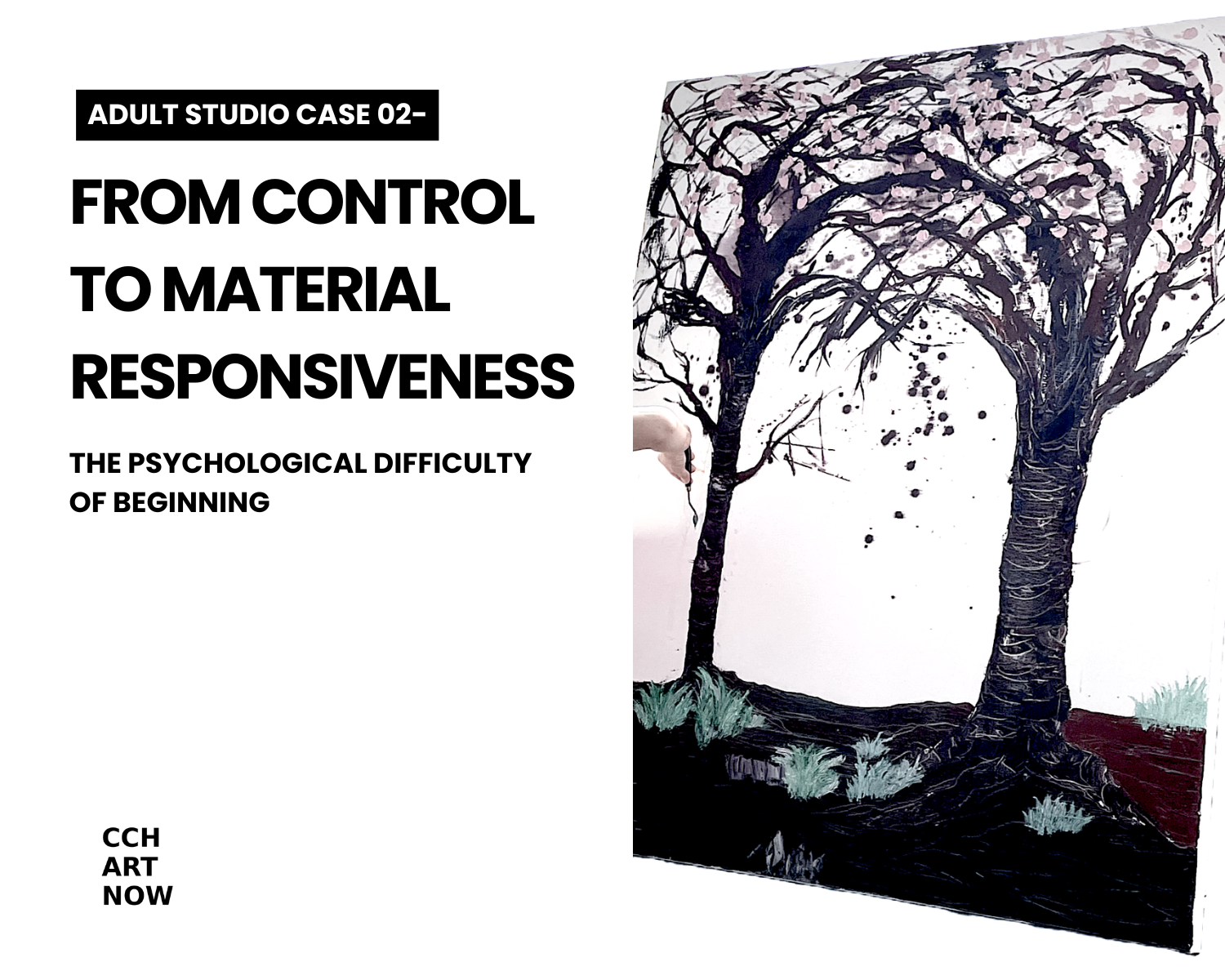
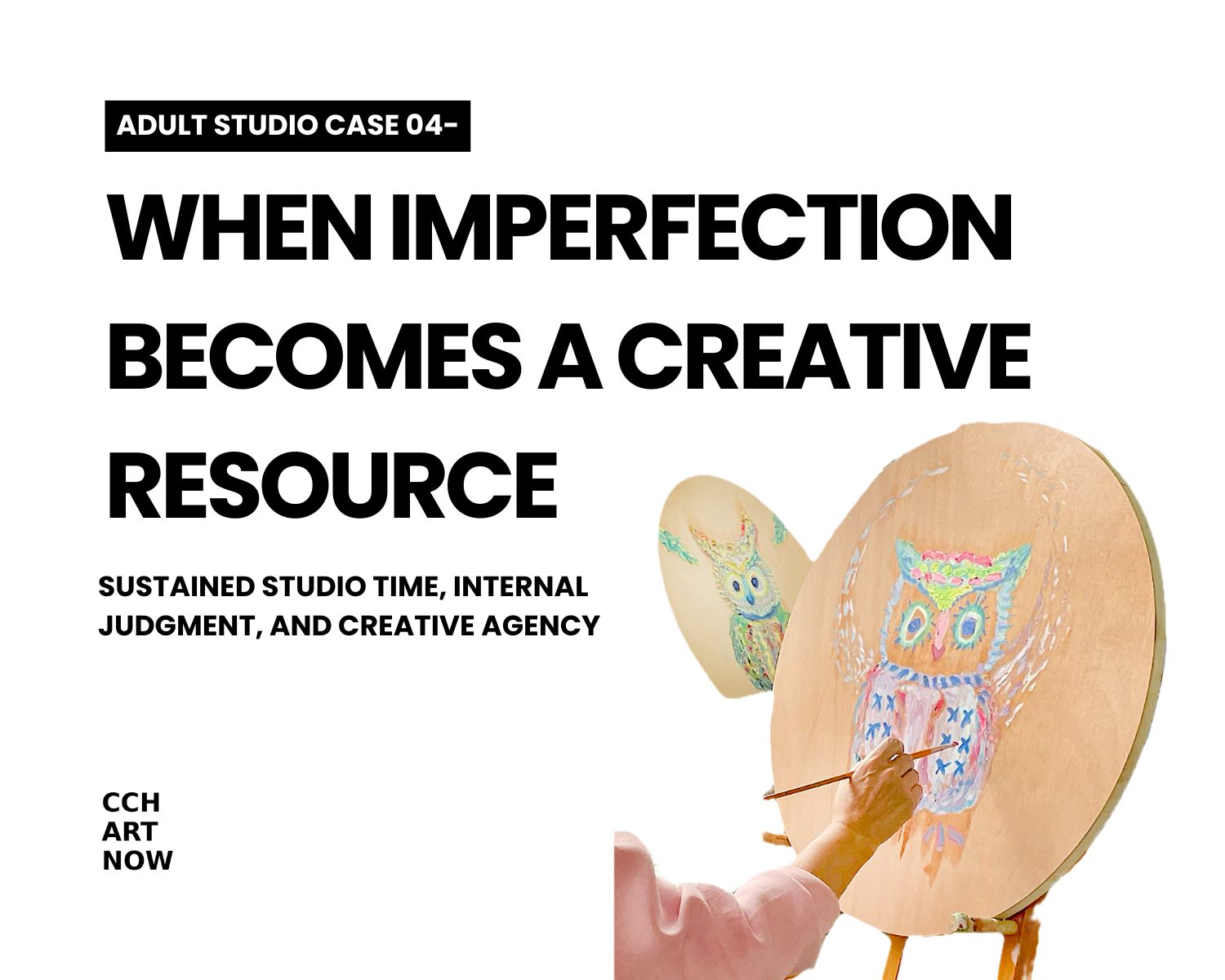
5. Adult studio case
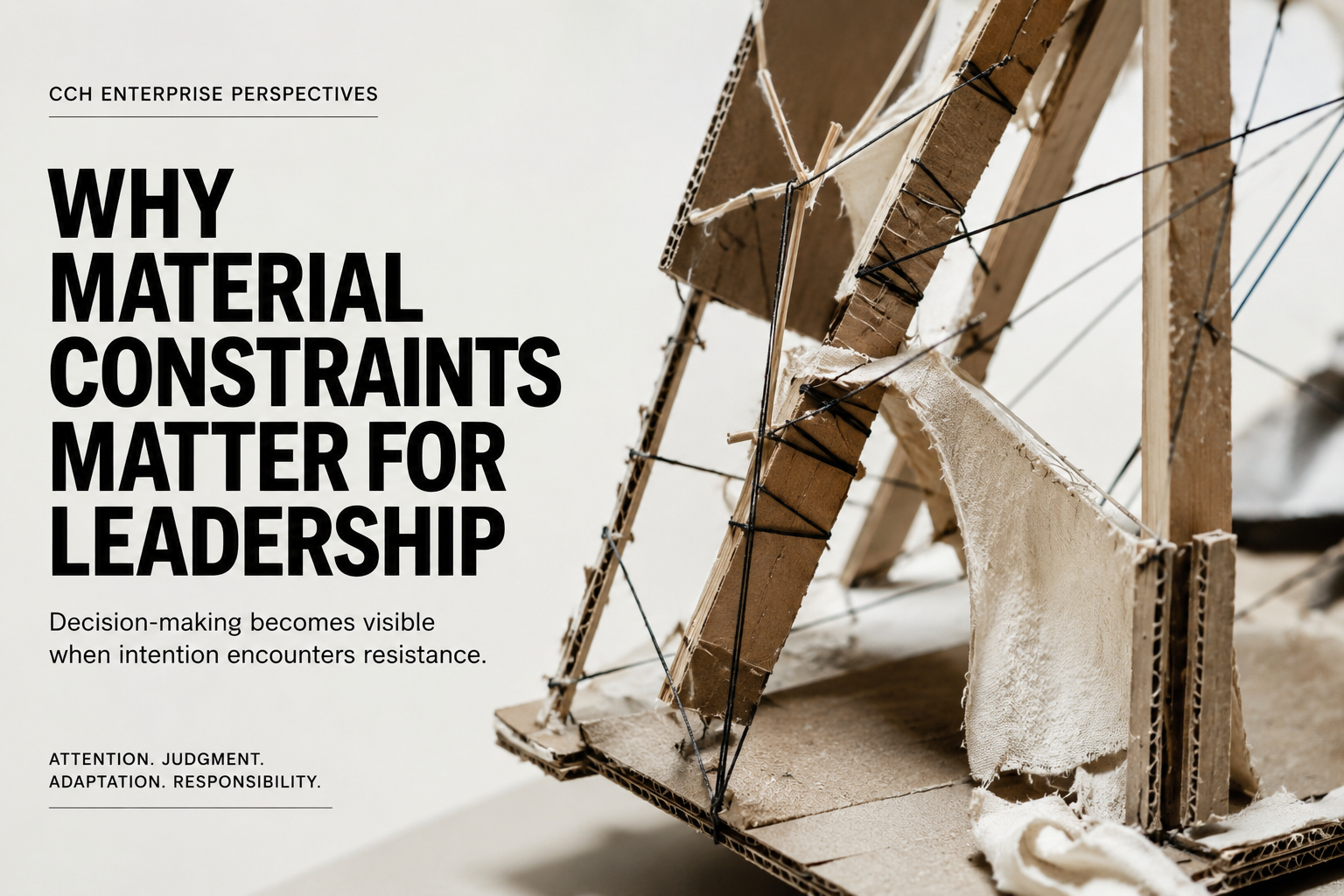
6. Enterprise & Organizational Practice
7. Artist practice
Full Article Archive
Browse all published writings, studio observations, case records, and educational essays from CCH ART NOW.
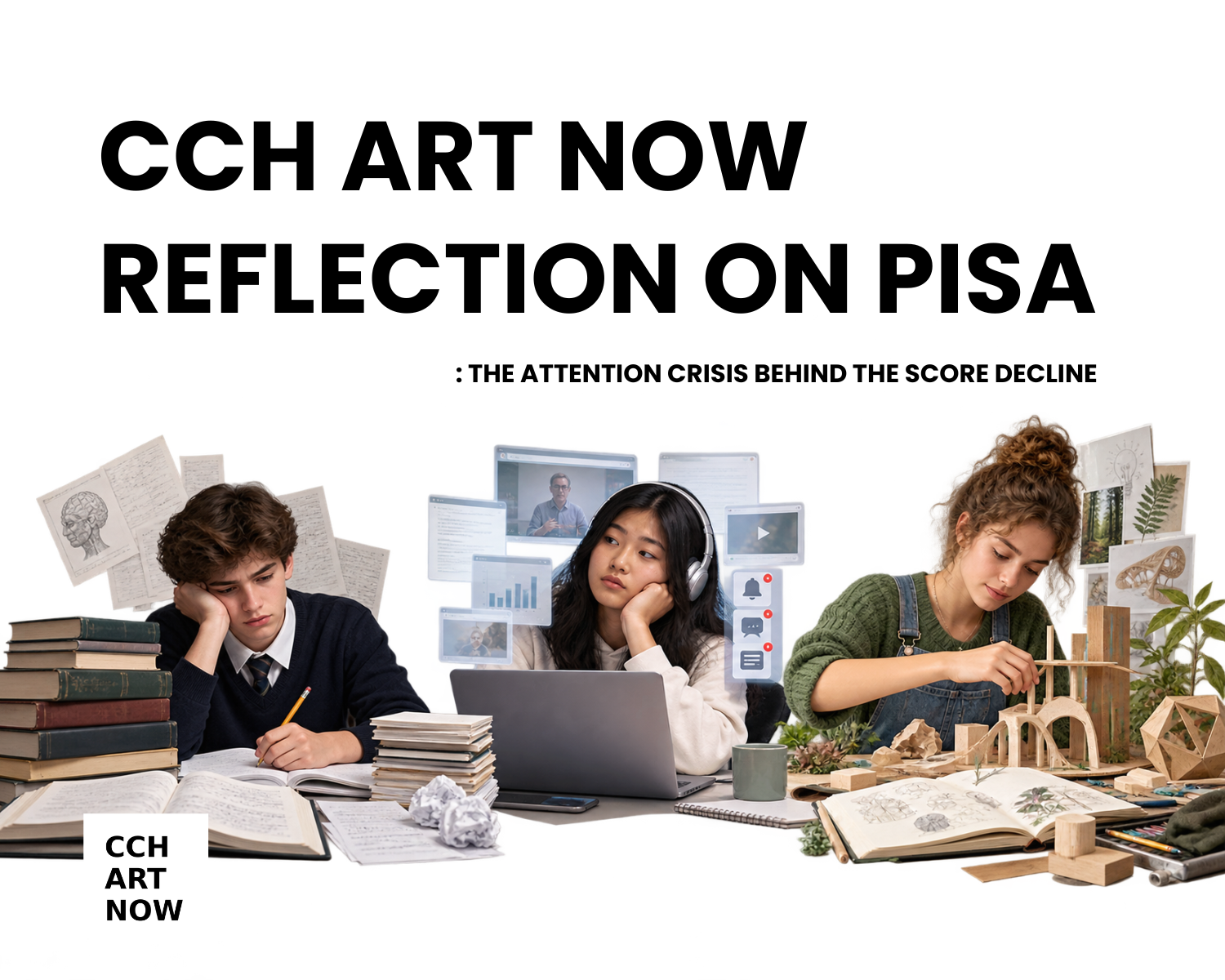
CCH ART NOW REFLECTION ON PISA
The latest PISA findings point to more than declining academic performance. They reveal shifts in attention, persistence, effort, and the way students respond to difficulty. CCH ART NOW examines what these signals may mean for learning, judgment, and human agency in the age of AI.
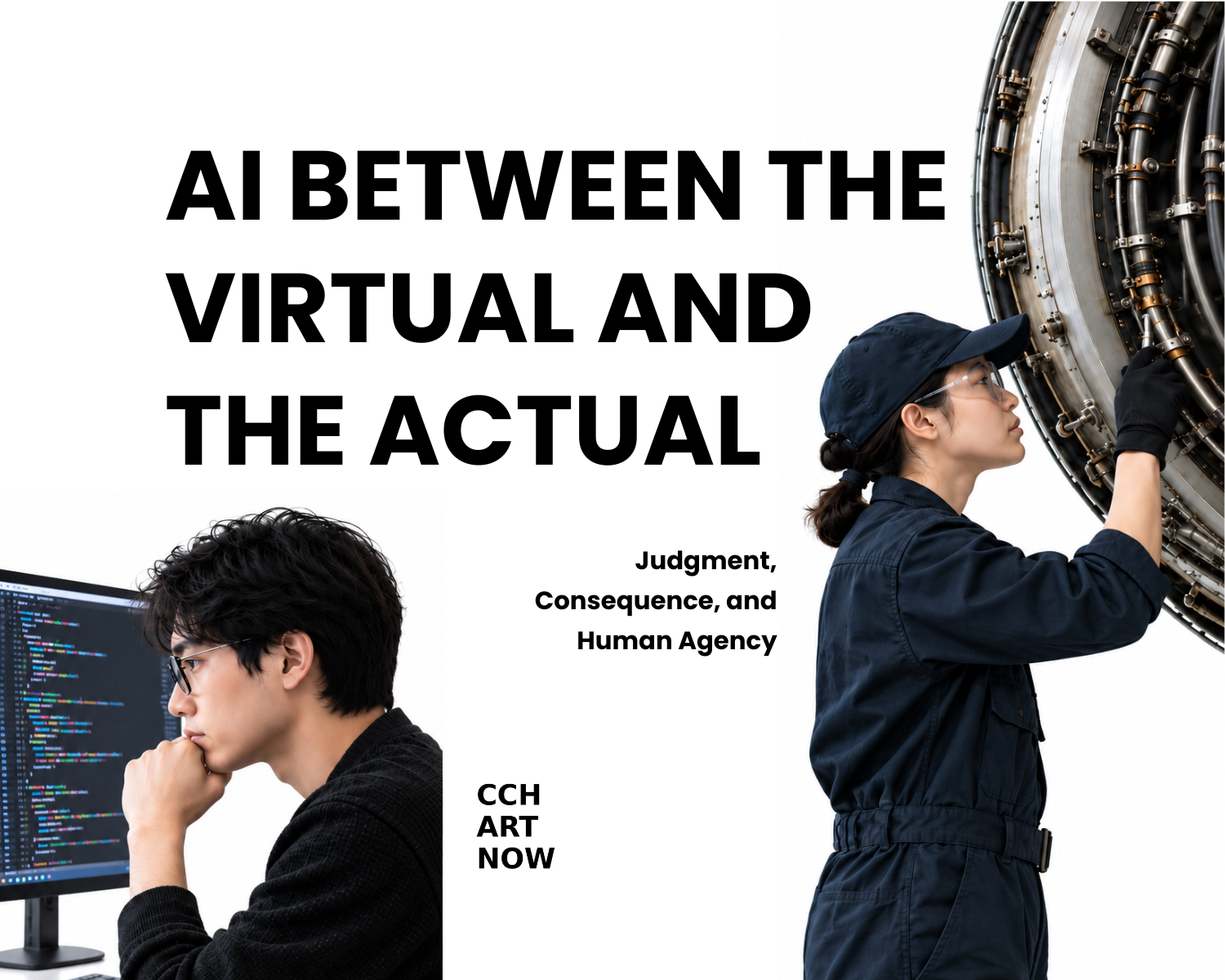
AI BETWEEN THE VIRTUAL AND THE ACTUAL
AI is transforming both digital and physical work, but not in the same way. By comparing software engineering with aircraft maintenance, this article examines where human judgment, accountability, and consequence still matter—and how CCH uses material practice to cultivate those capacities in the age of AI.
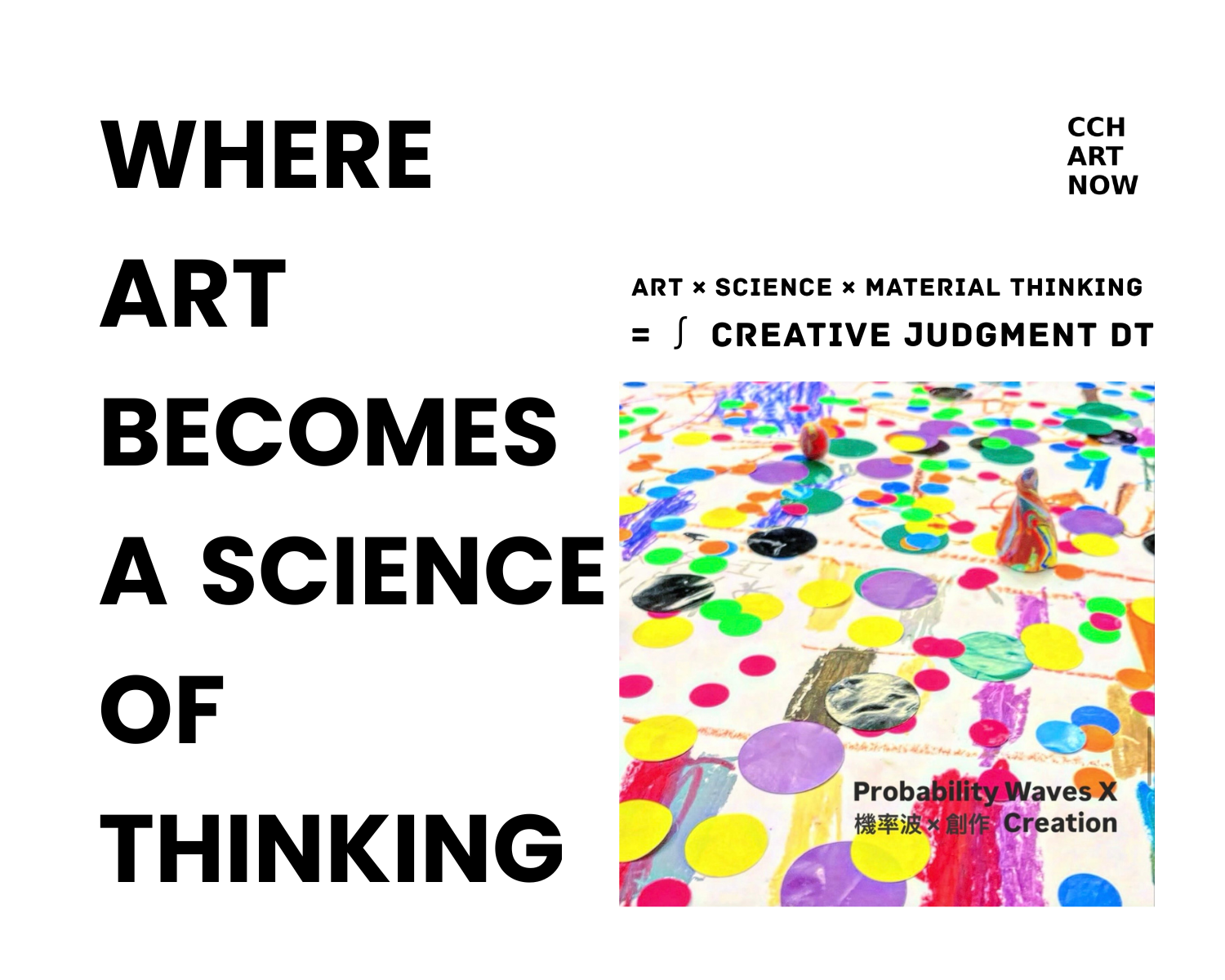
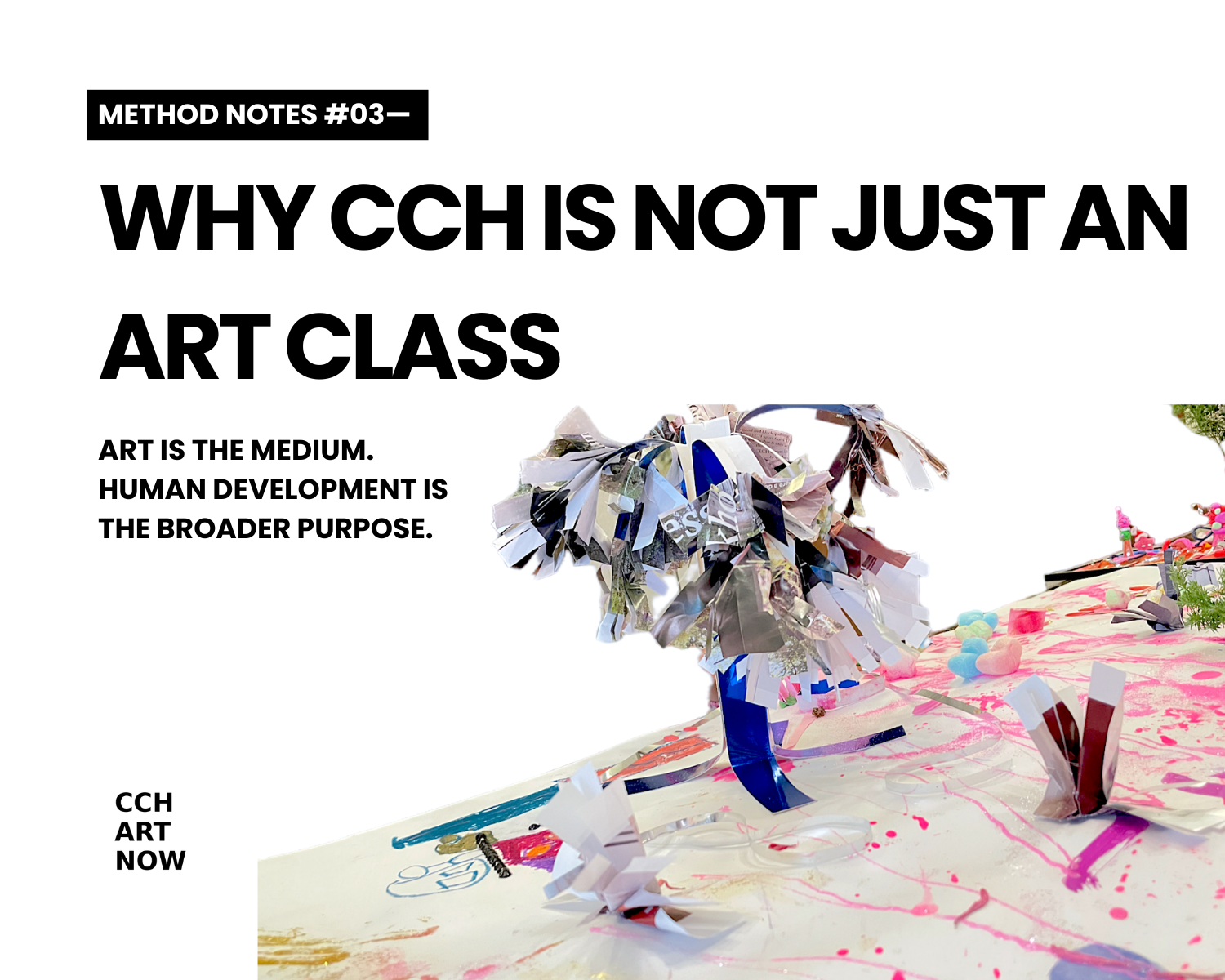
METHOD NOTES 03- Why CCH Is More Than an Art Class
CCH uses art as a medium for developing sustained attention, independent judgment, autonomy, self-regulation, and cognitive resilience. This Method Note explains why the framework extends beyond conventional technique- and outcome-centered art instruction.
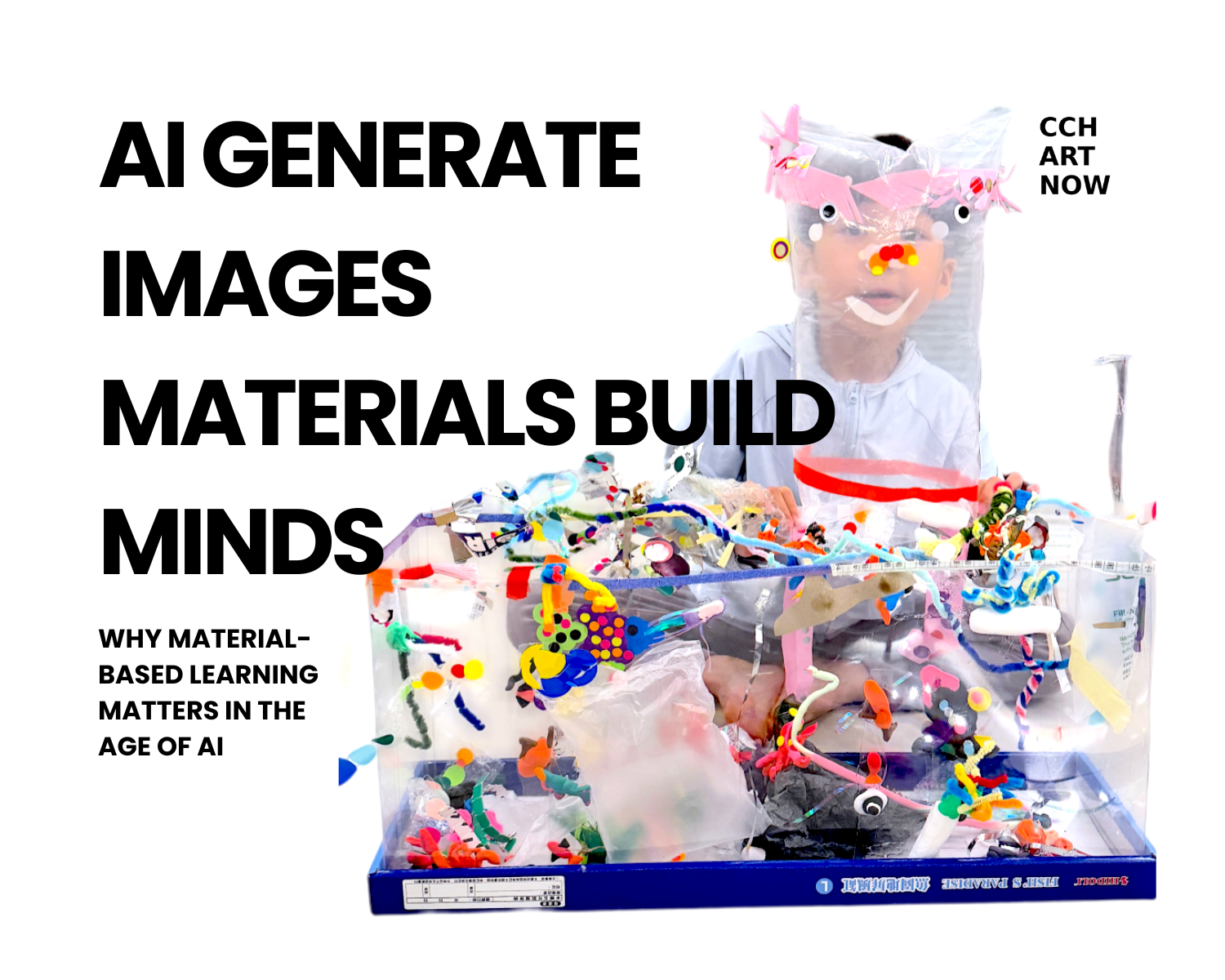
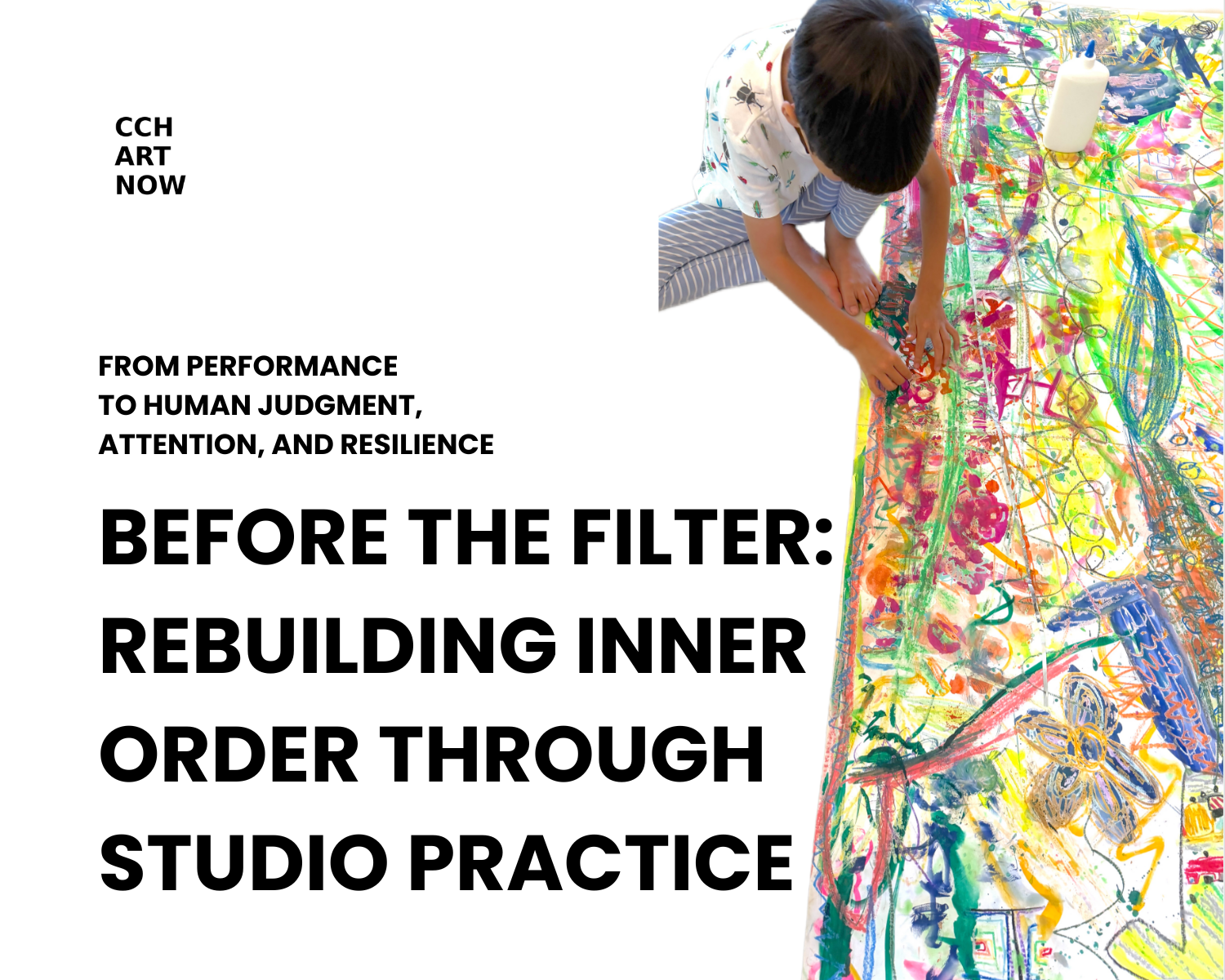
Before the Filter: Rebuilding Inner Order Through Studio Practice
CCH explores how material-based studio practice supports attention, judgment, frustration tolerance, and self-direction before polished performance emerges. Through real creative process, learners rebuild inner order by encountering uncertainty, material resistance, and meaningful decision-making.
What Education Must Revalue in the Age of AI
As AI makes knowledge increasingly accessible, education can no longer rely on information delivery as its primary value. The deeper task is to cultivate the human capacities that remain difficult to automate: sustained attention, independent judgment, embodied understanding, emotional regulation, and the ability to continue working under uncertainty. CCH ART NOW positions studio-based learning as a human capability system for the AI era.
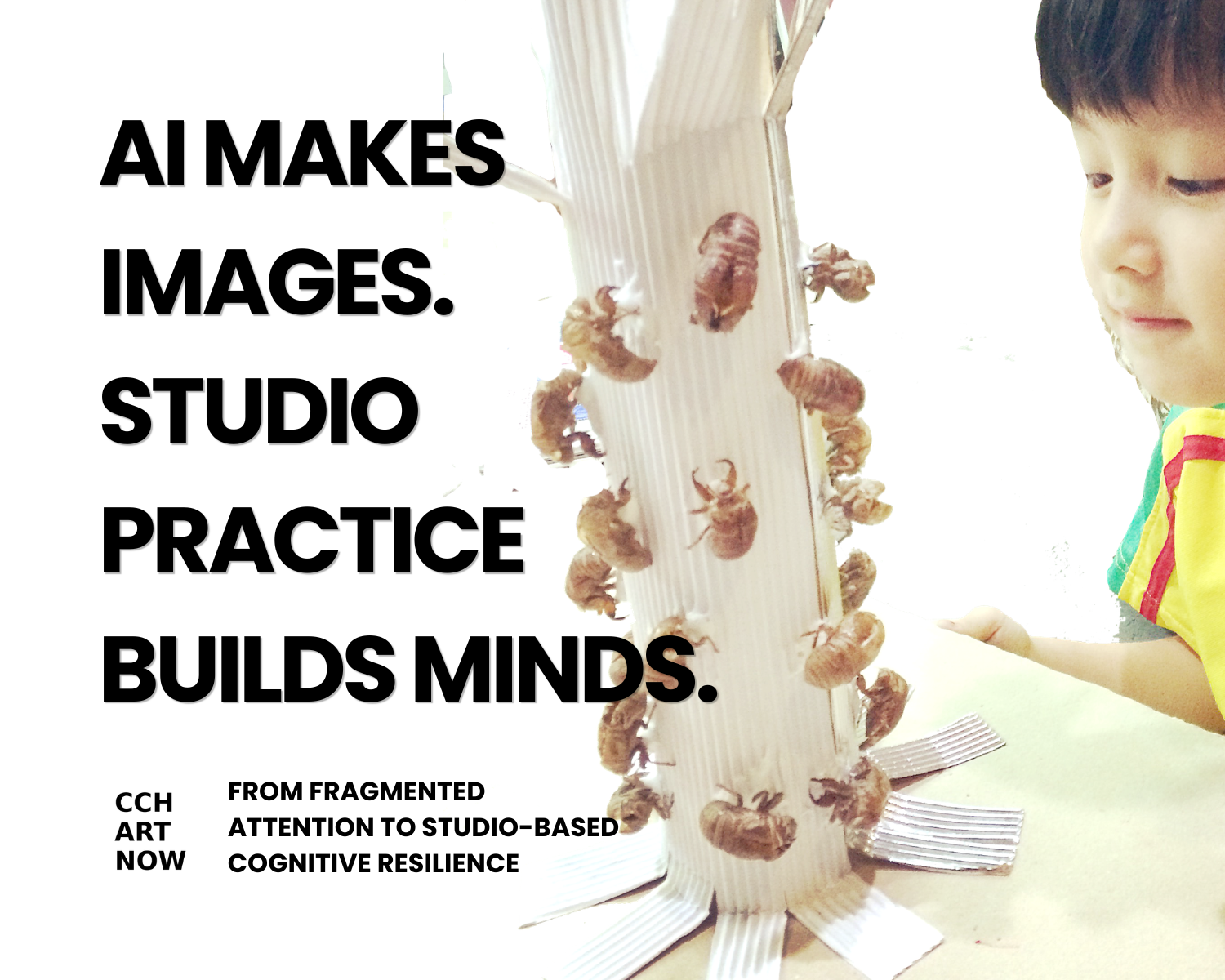
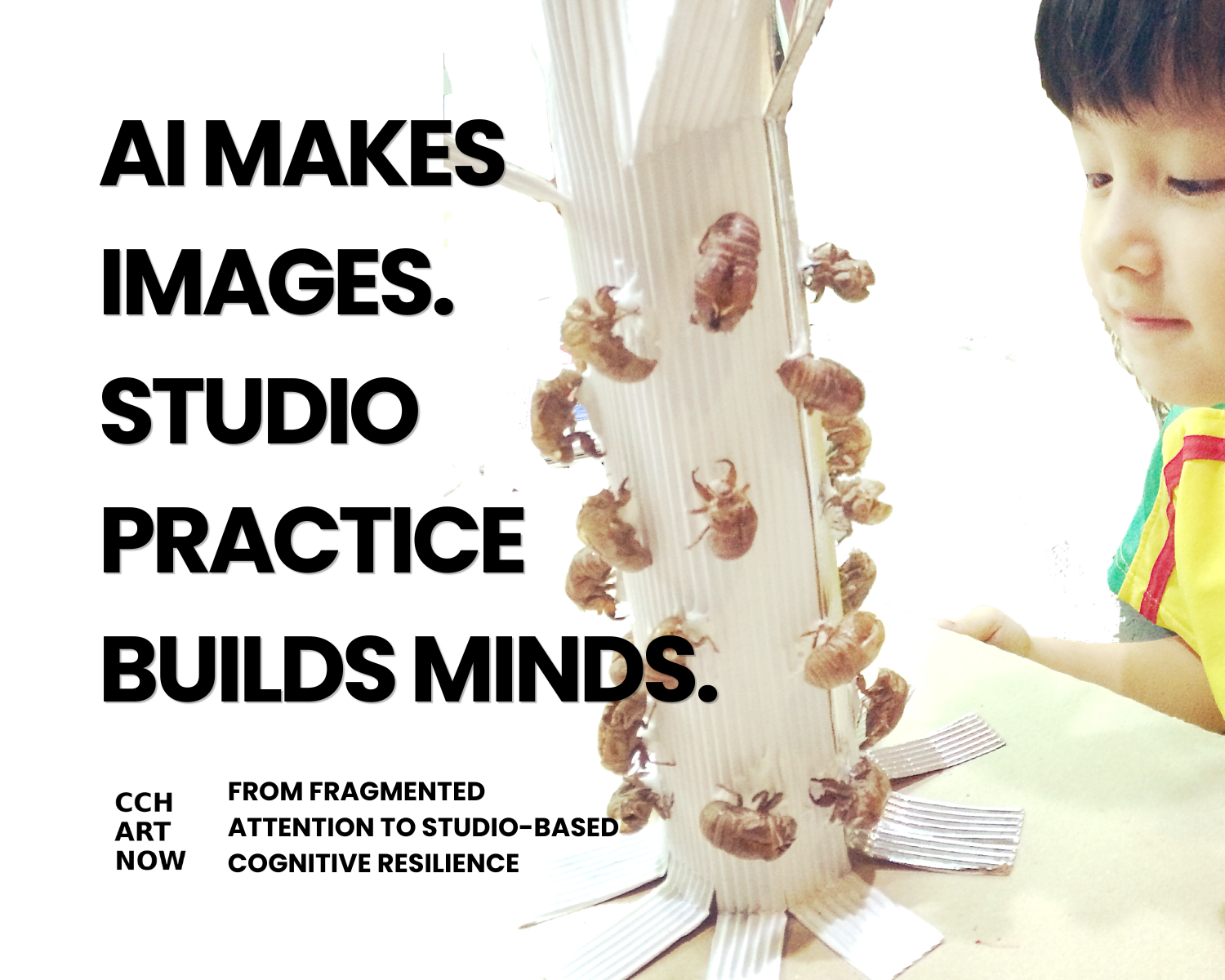
AI Makes Images. Studio Practice Builds Minds.
AI and digital tools are not the problem. The deeper issue is that human attention is increasingly being trained by interruption, acceleration, and output.
This article explores why studio-based practice matters in the AI age. Drawing from research on screen media, digital distraction, task switching, and Amishi Jha’s framework in Peak Mind, it argues that attention is not merely a personality trait or classroom behavior issue. Attention is a foundational human capacity shaped by environments.
CCH ART NOW™ develops studio-based practice as an attention architecture: a long-duration, screen-free, material-based learning system for deep attention, embodied judgment, creative autonomy, and cognitive resilience.
AI can generate images. Studio practice builds minds.
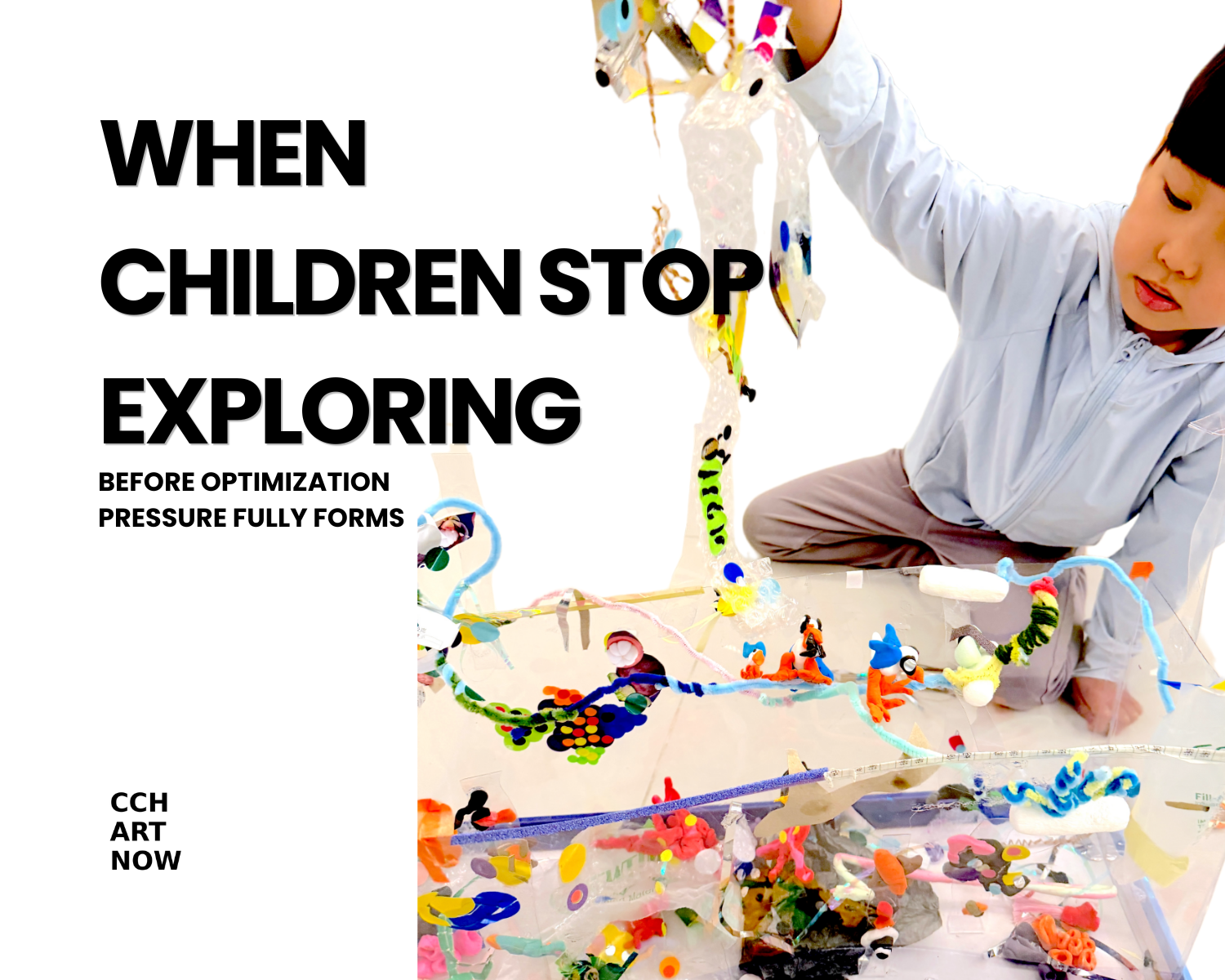
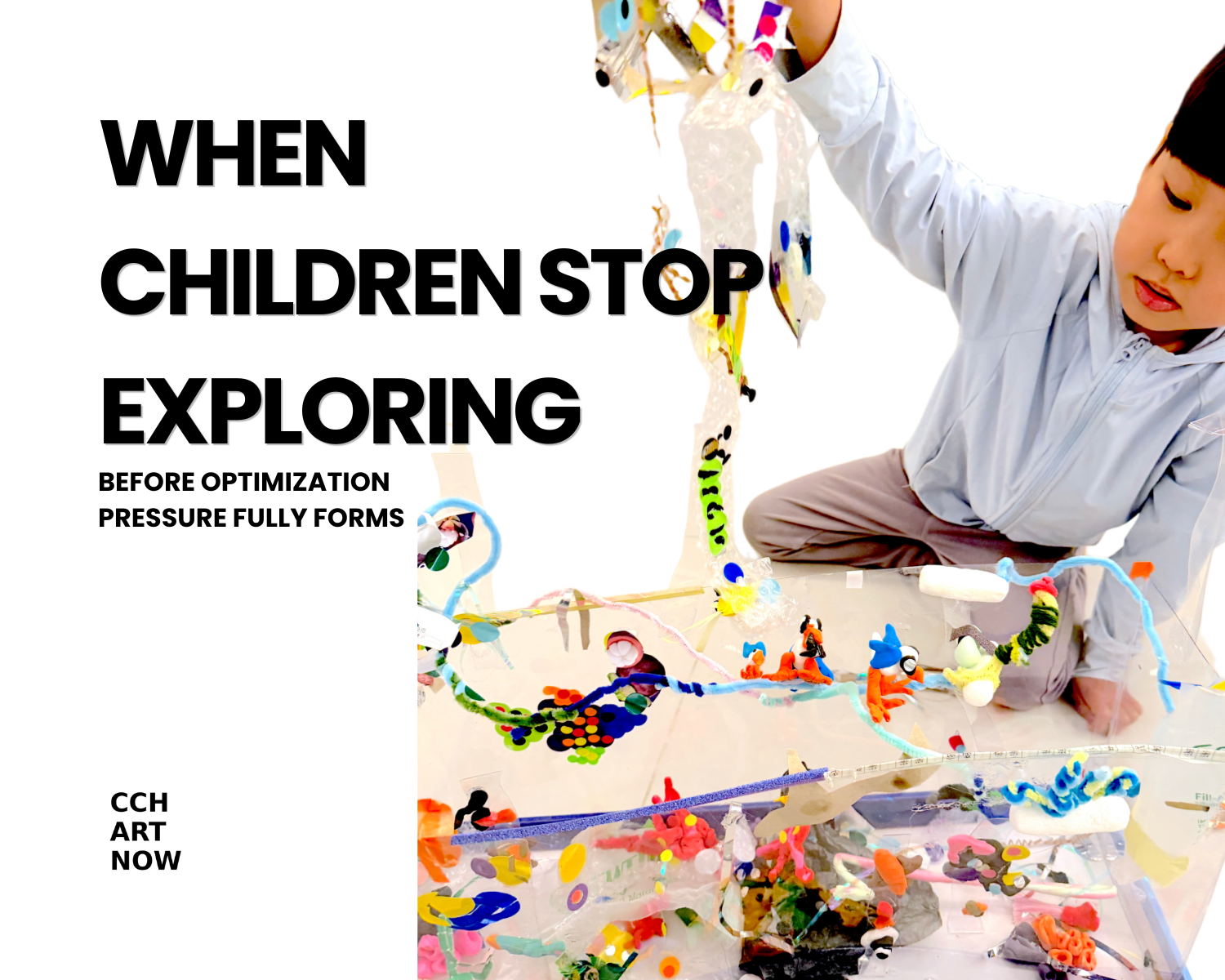
When Children Stop Exploring
When children stop exploring, it may not be a lack of creativity. It may be the result of increasing evaluation pressure. This article examines how exploratory cognition narrows over time, and why the ability to stay with uncertainty matters deeply in the AI era.