
1. AI & Education
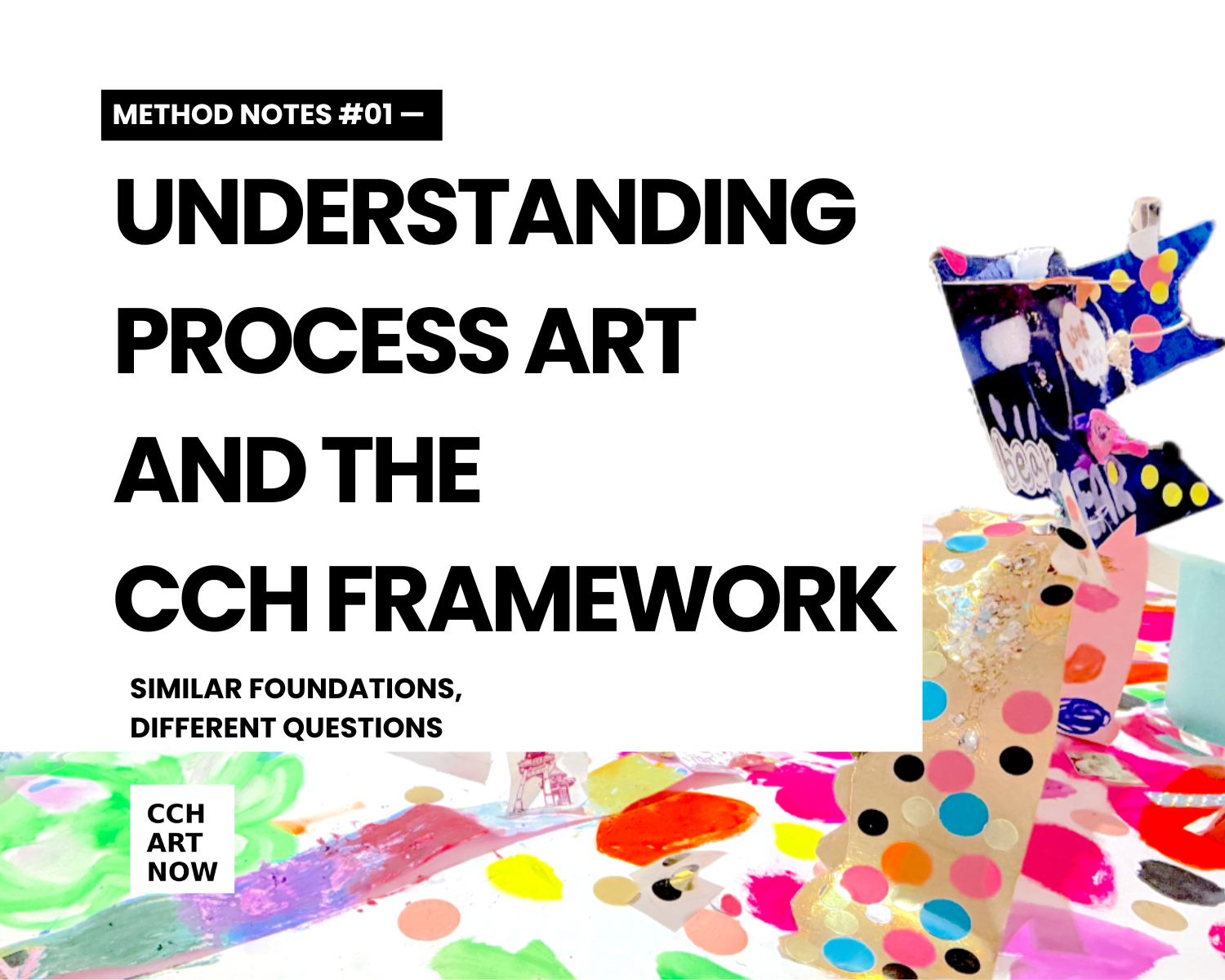
2. CCH Method
2-1. Method Notes
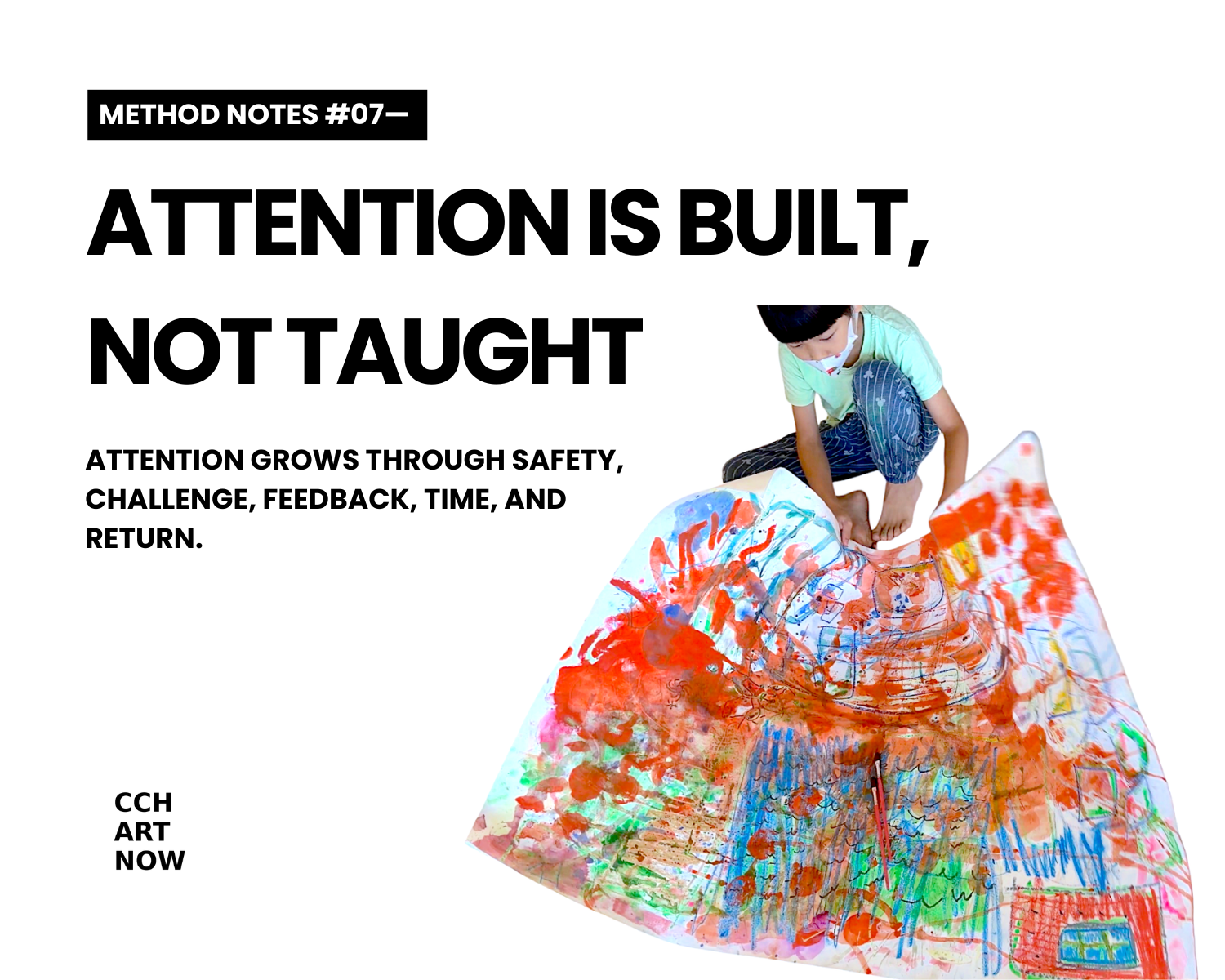
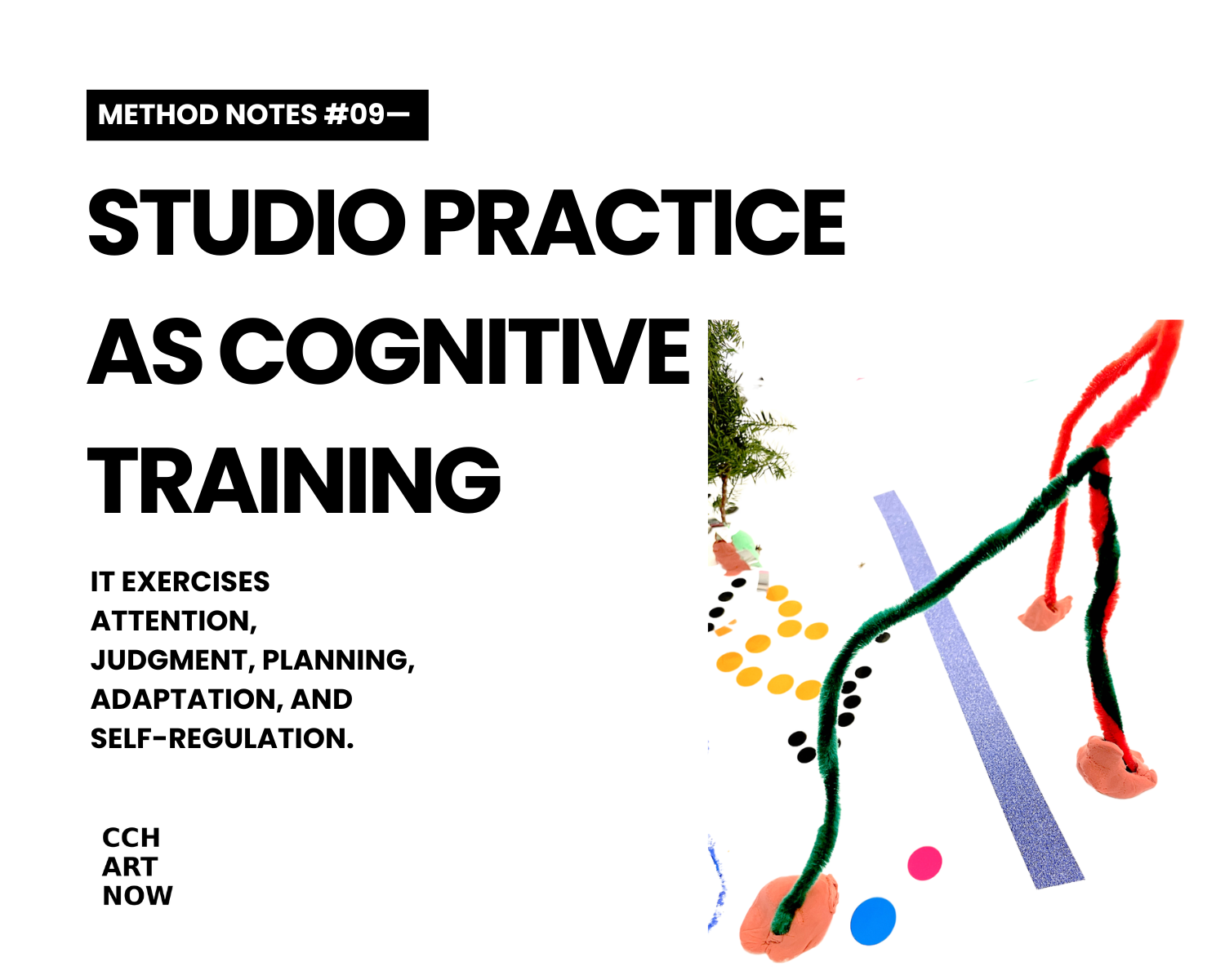
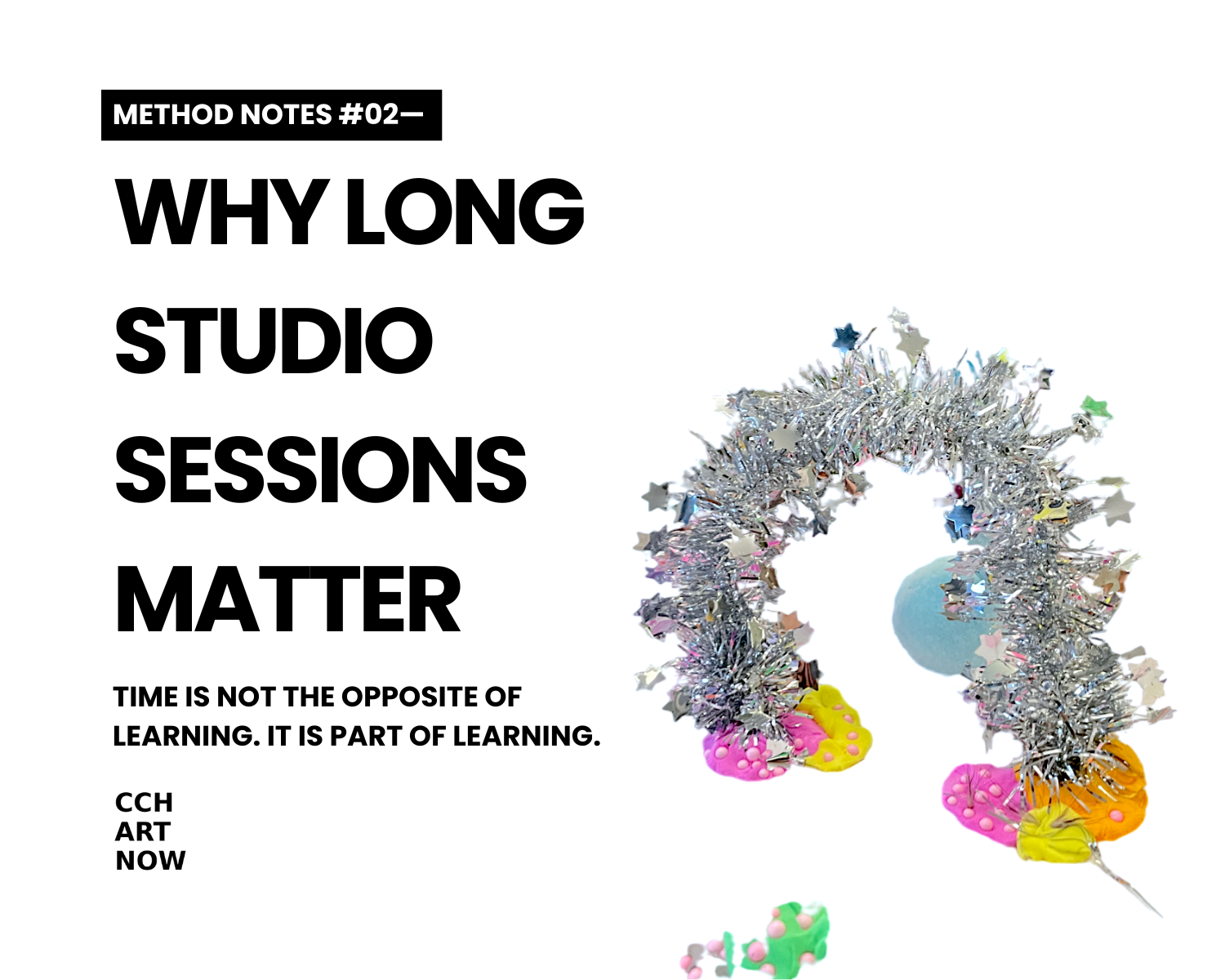
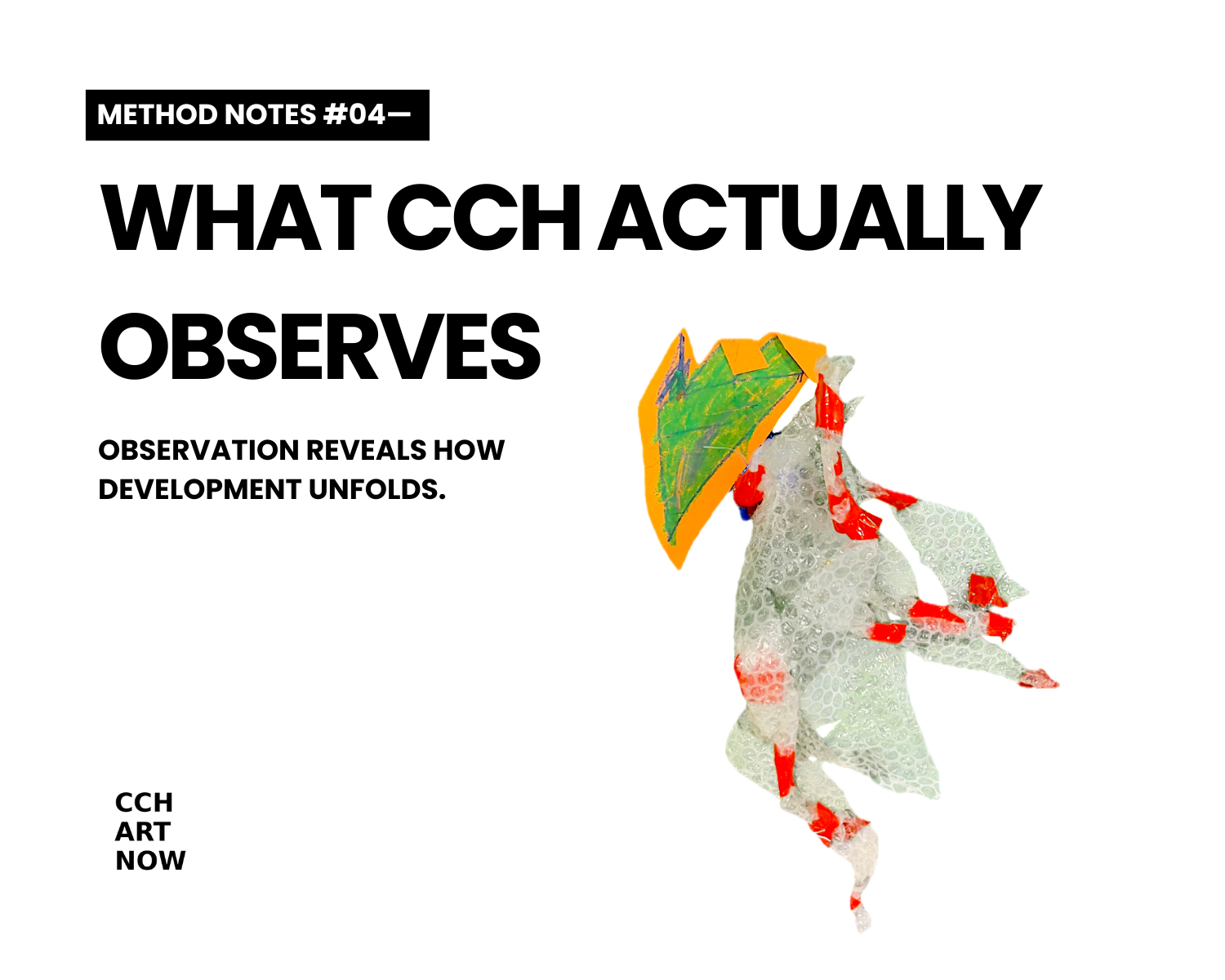
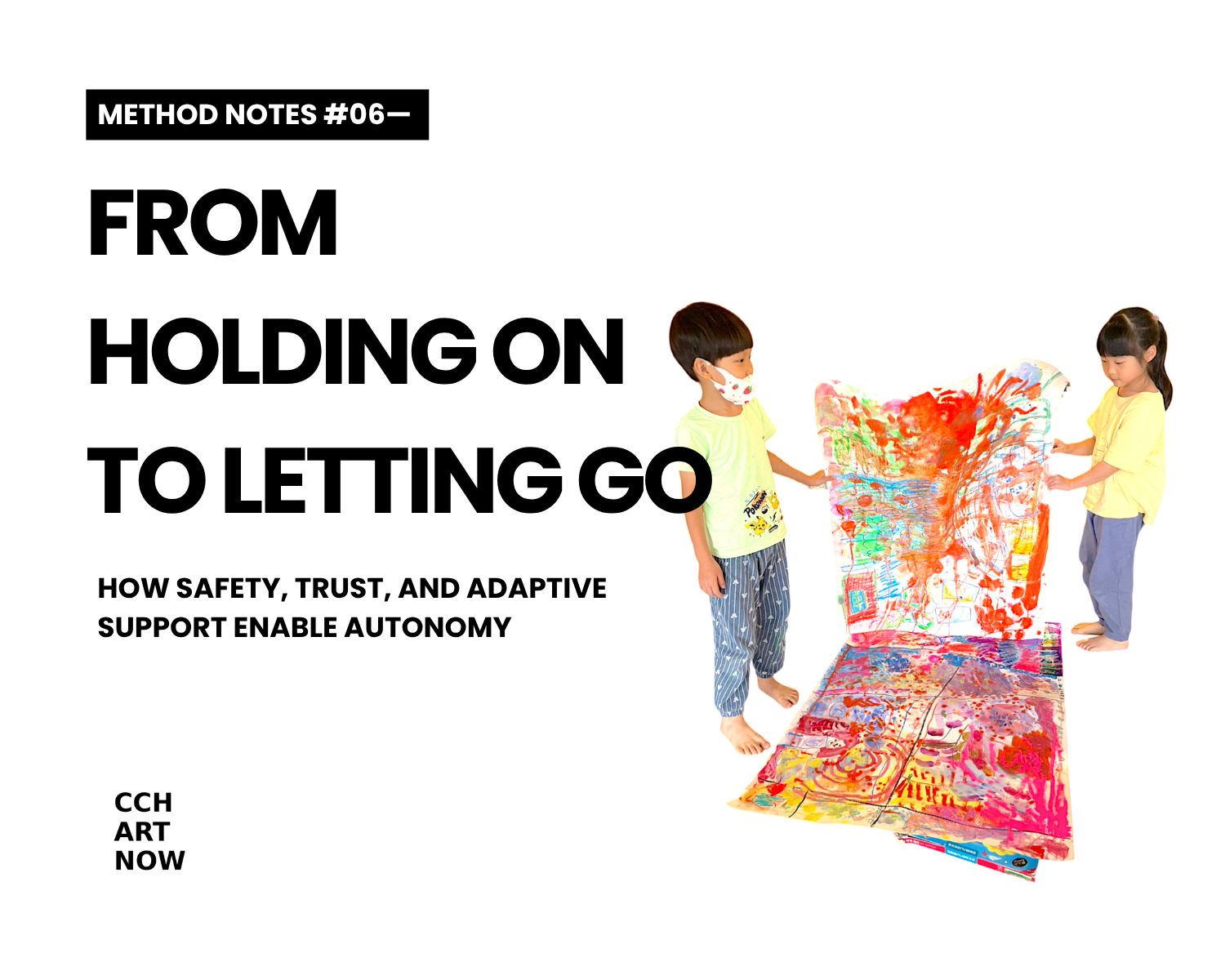
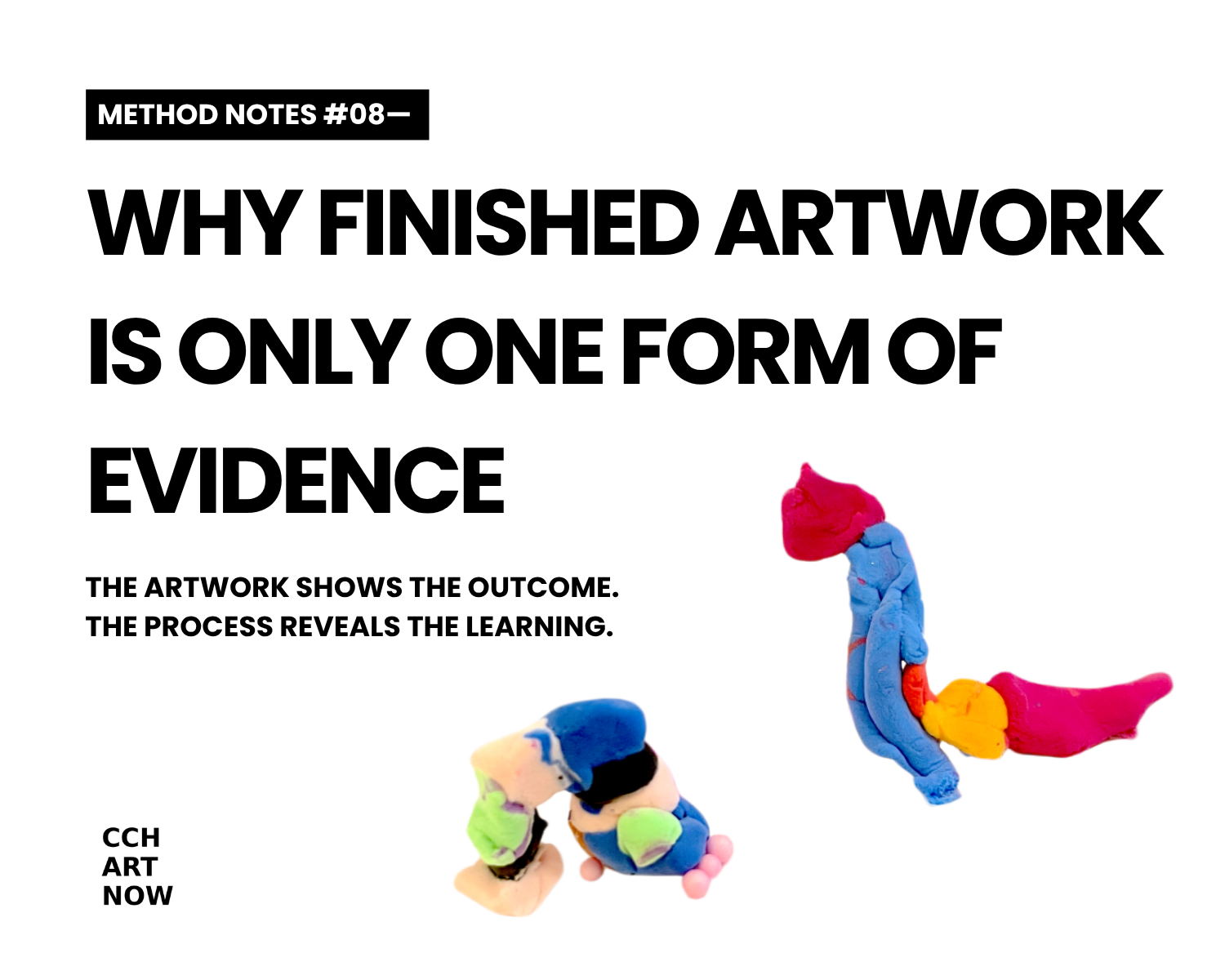
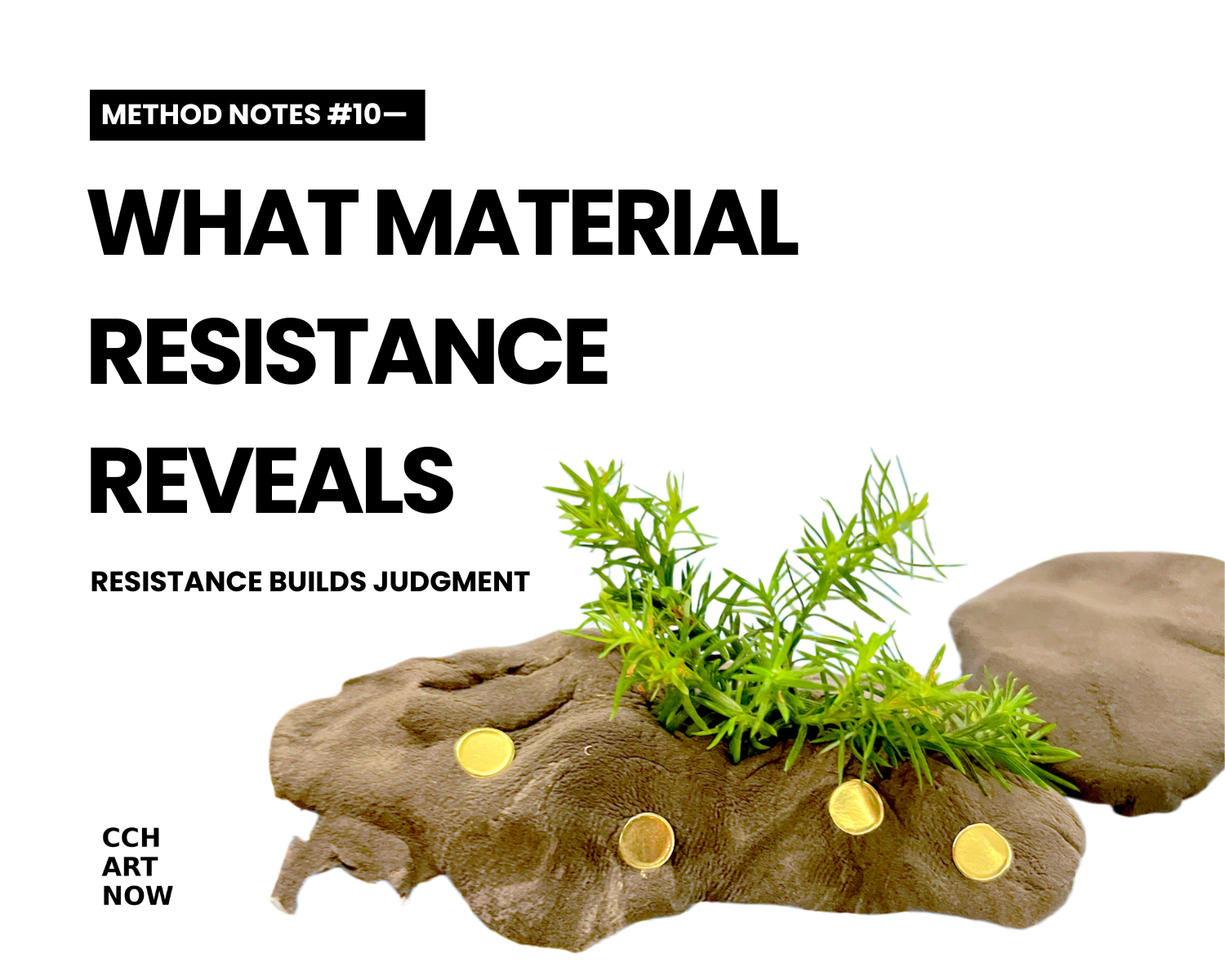
3. Studio Observations — Children
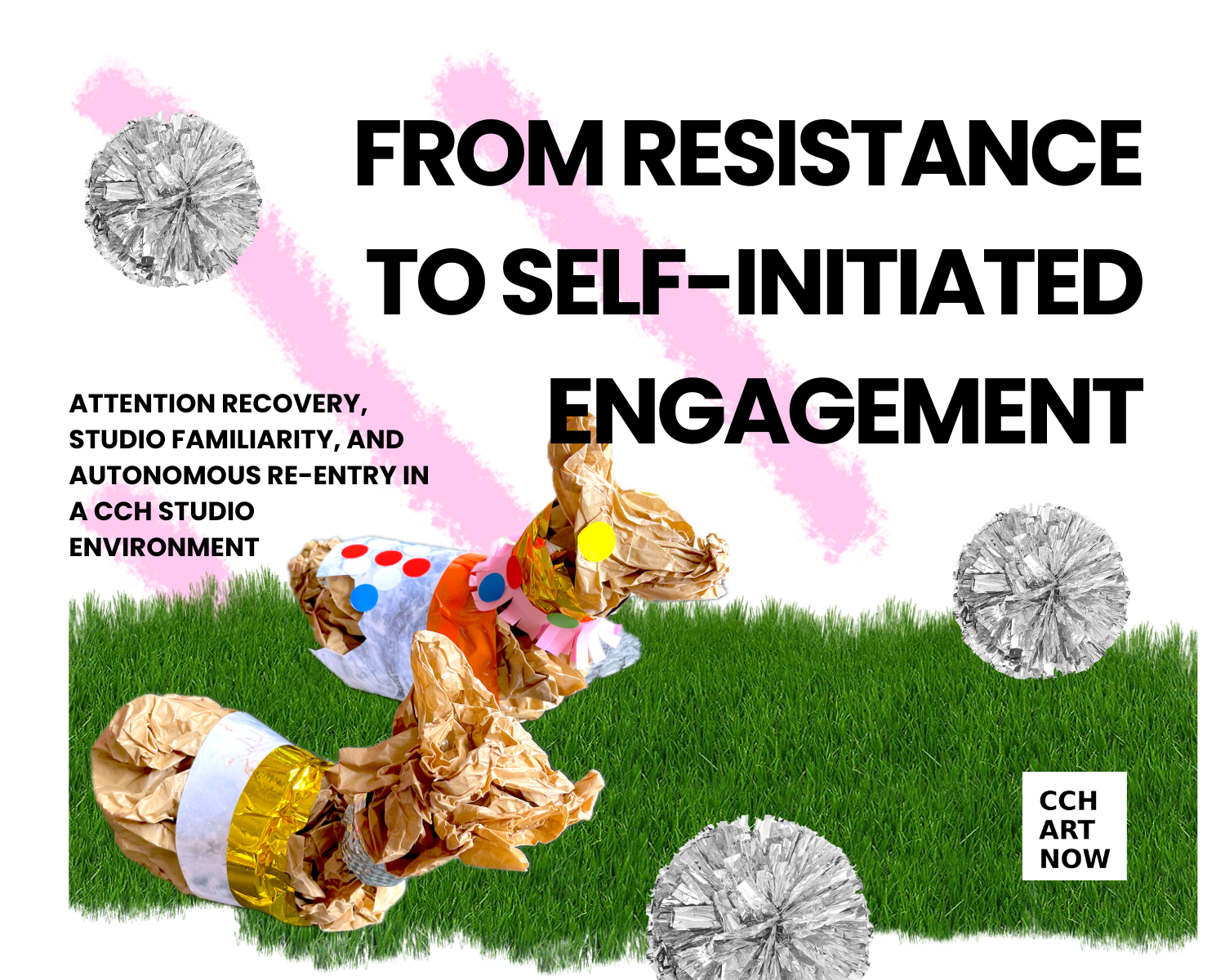
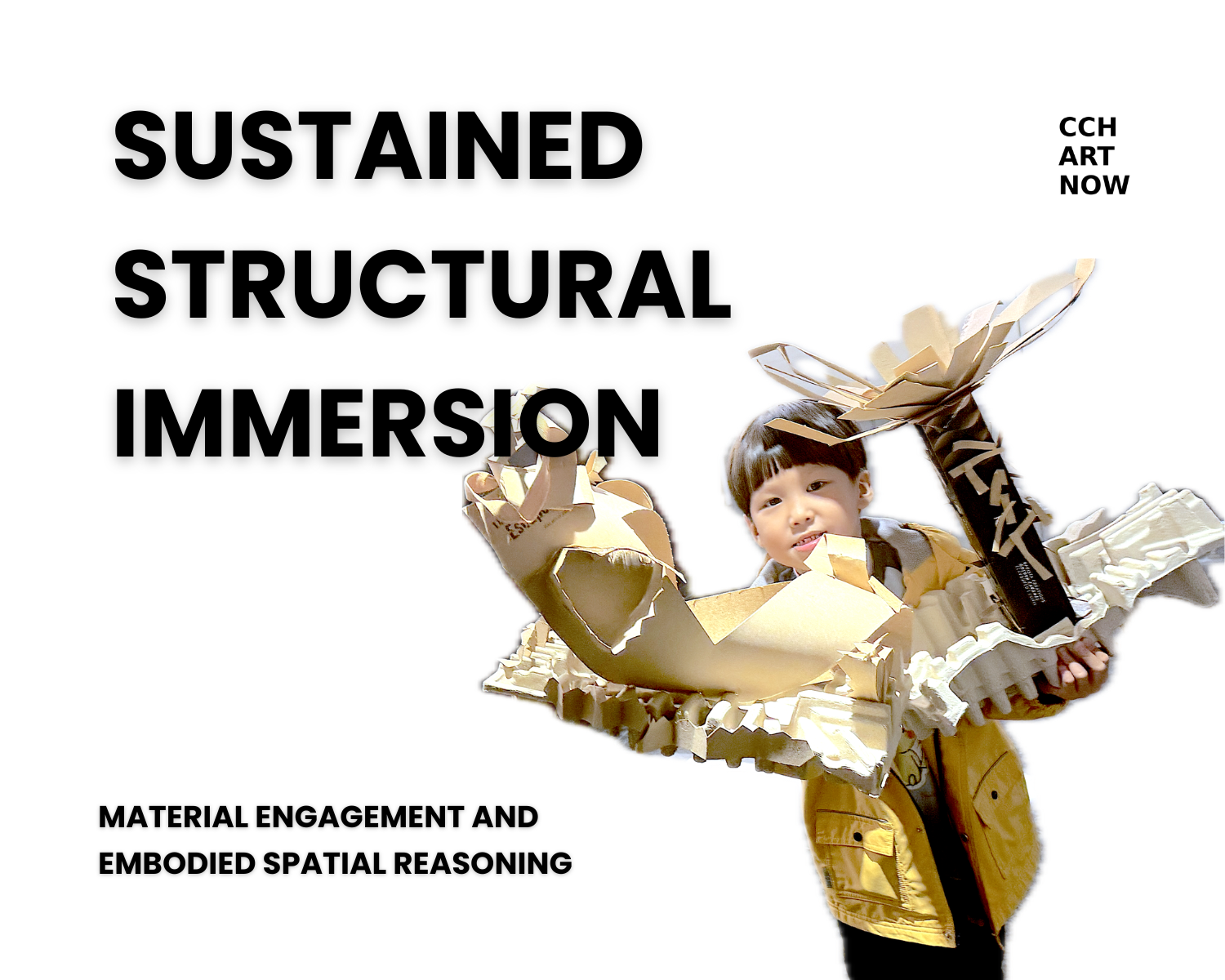
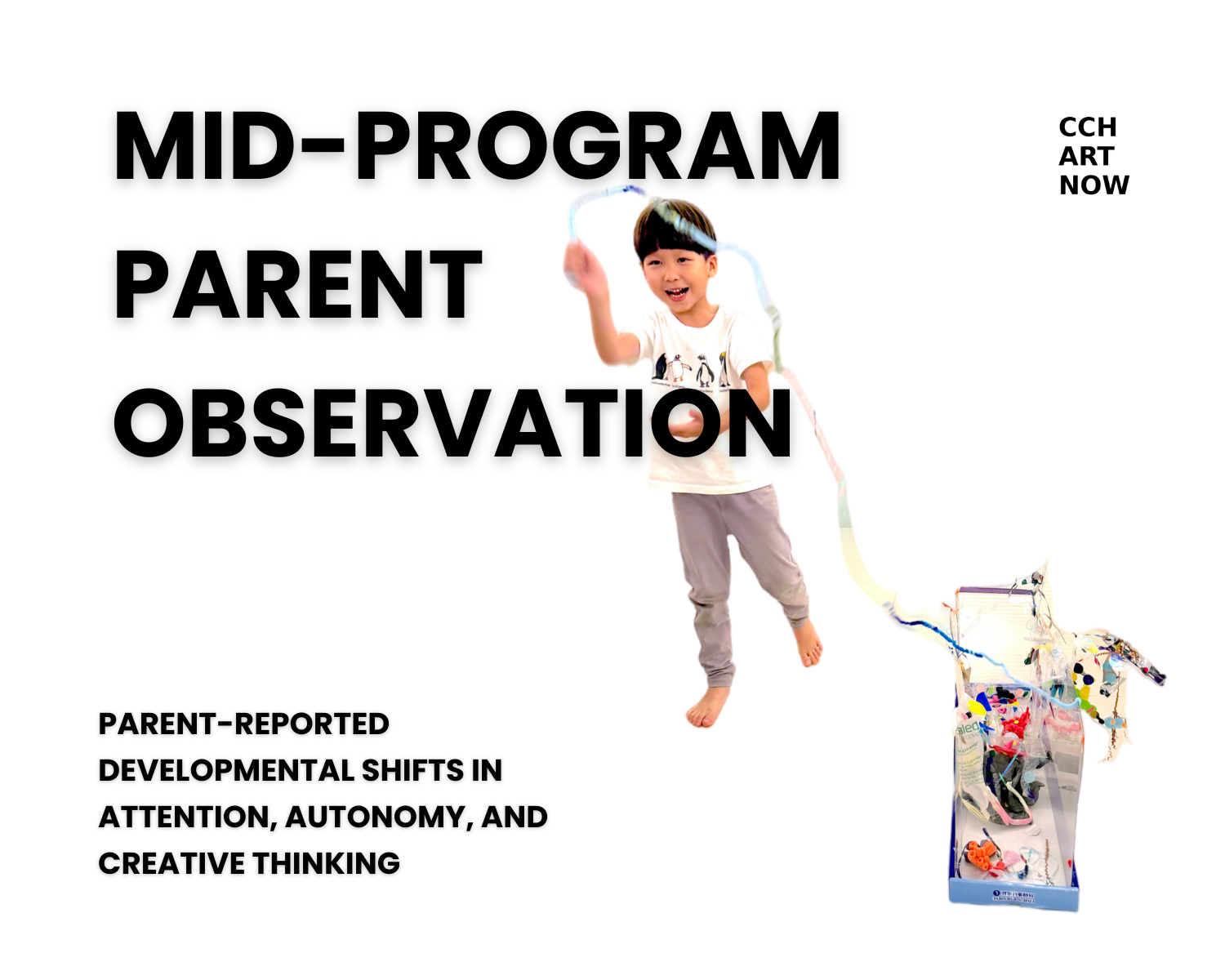
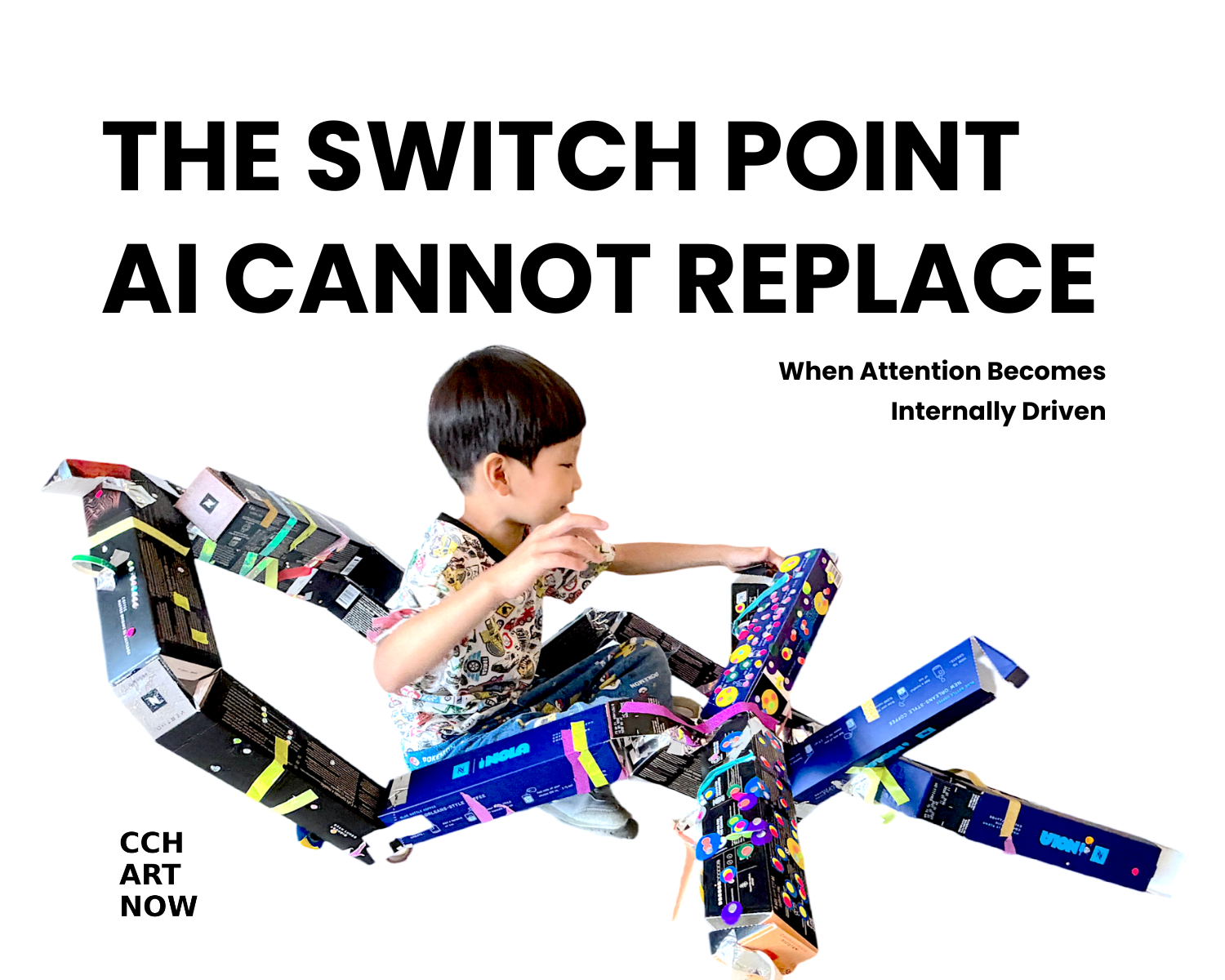
4. Adolescent Development
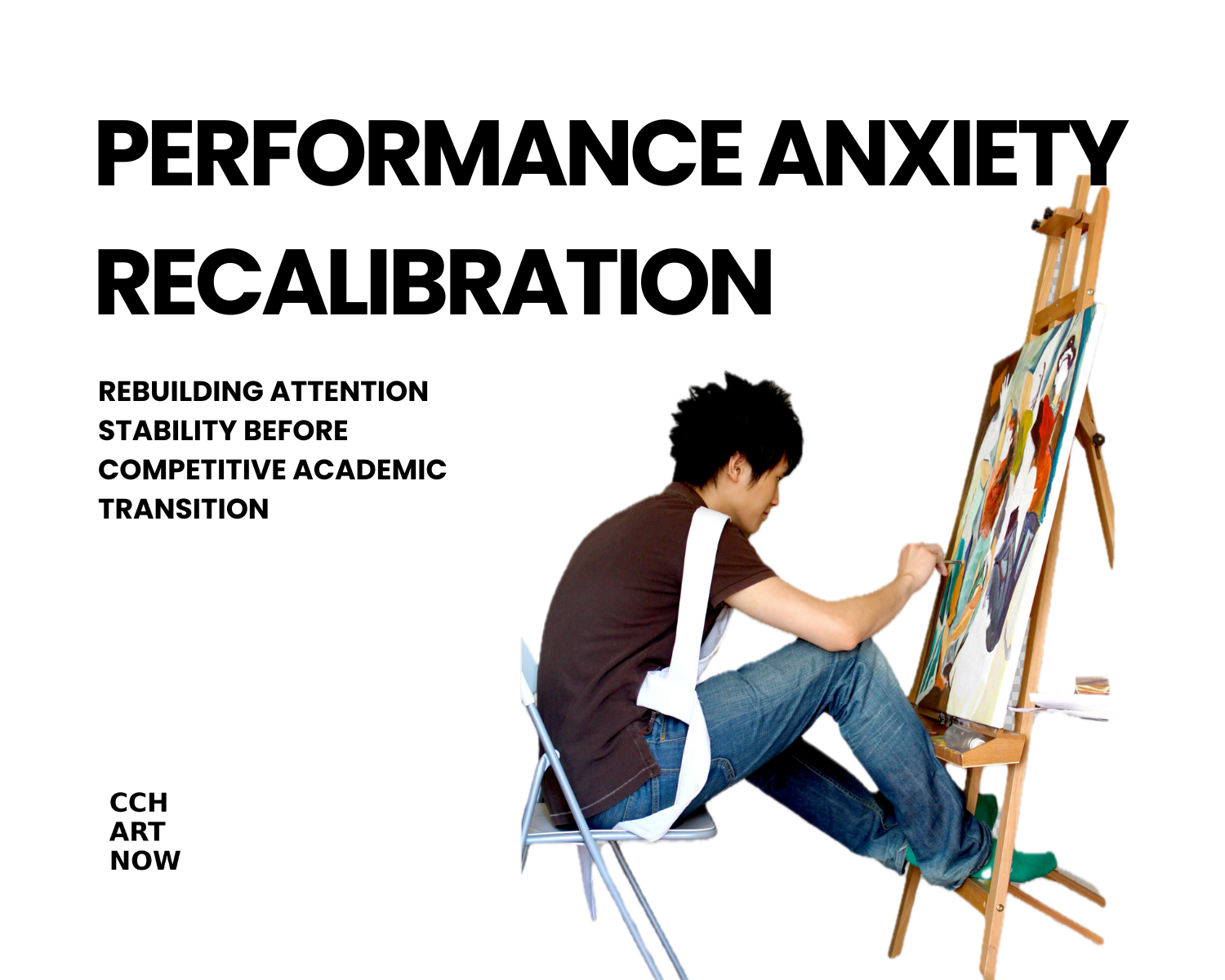
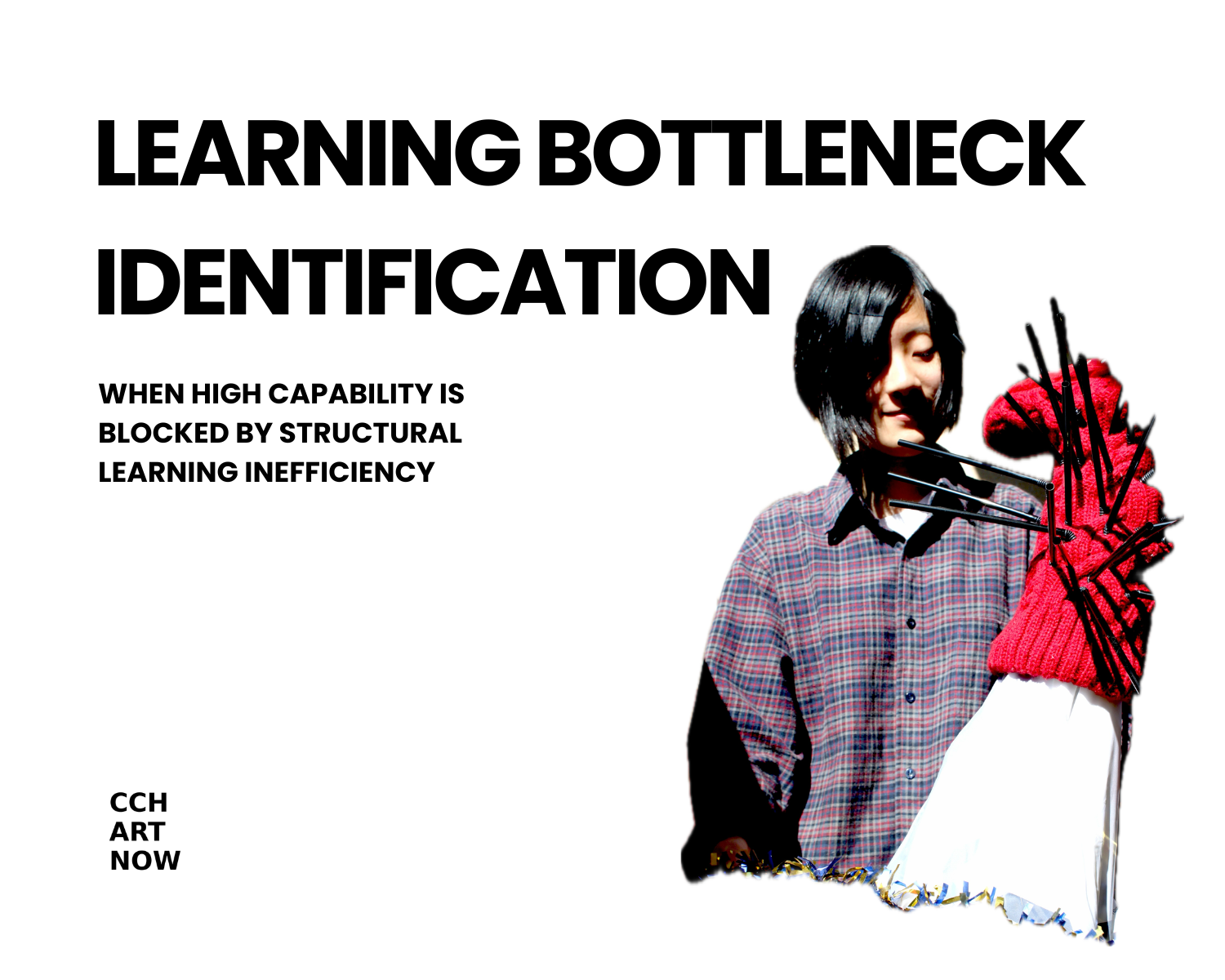
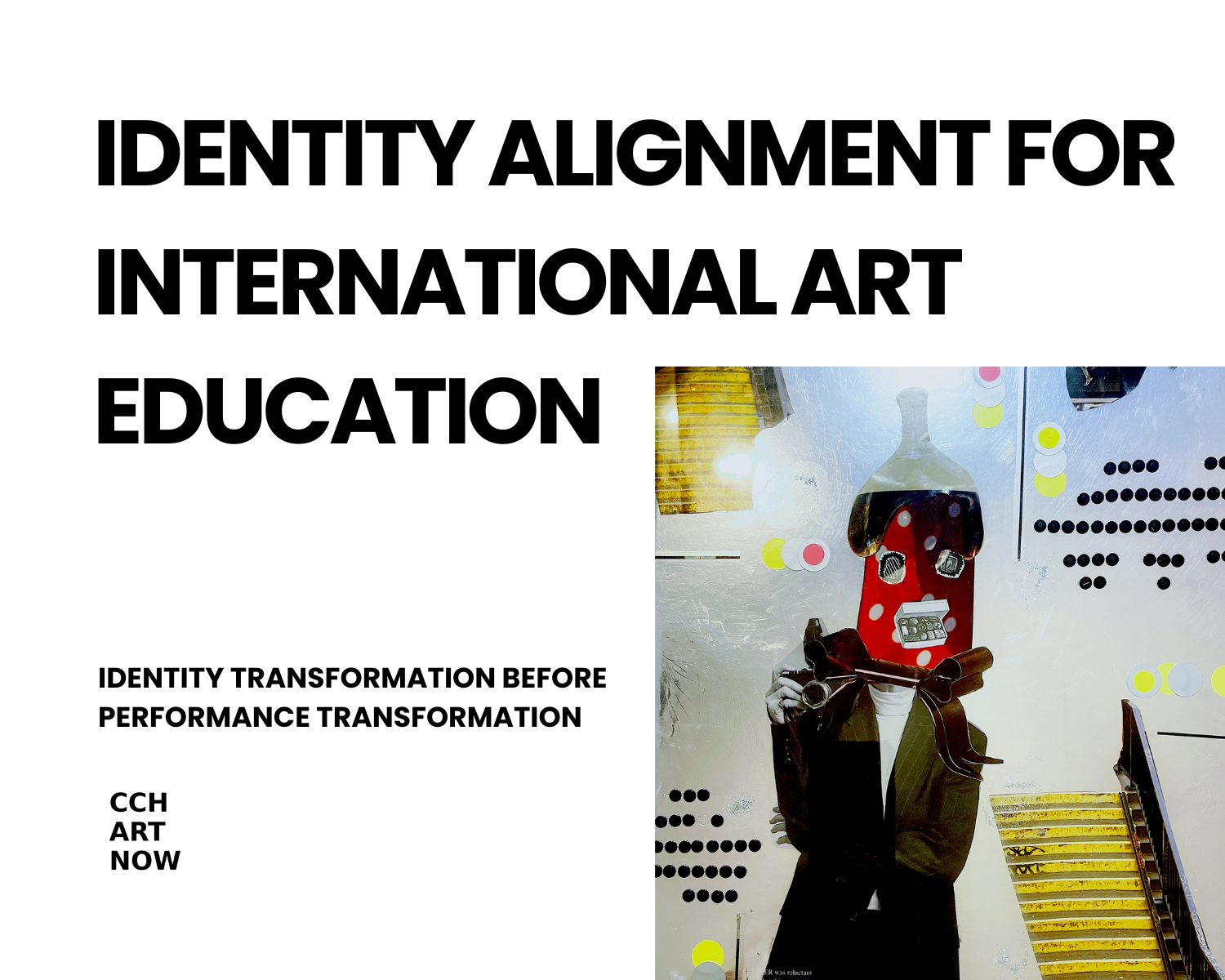
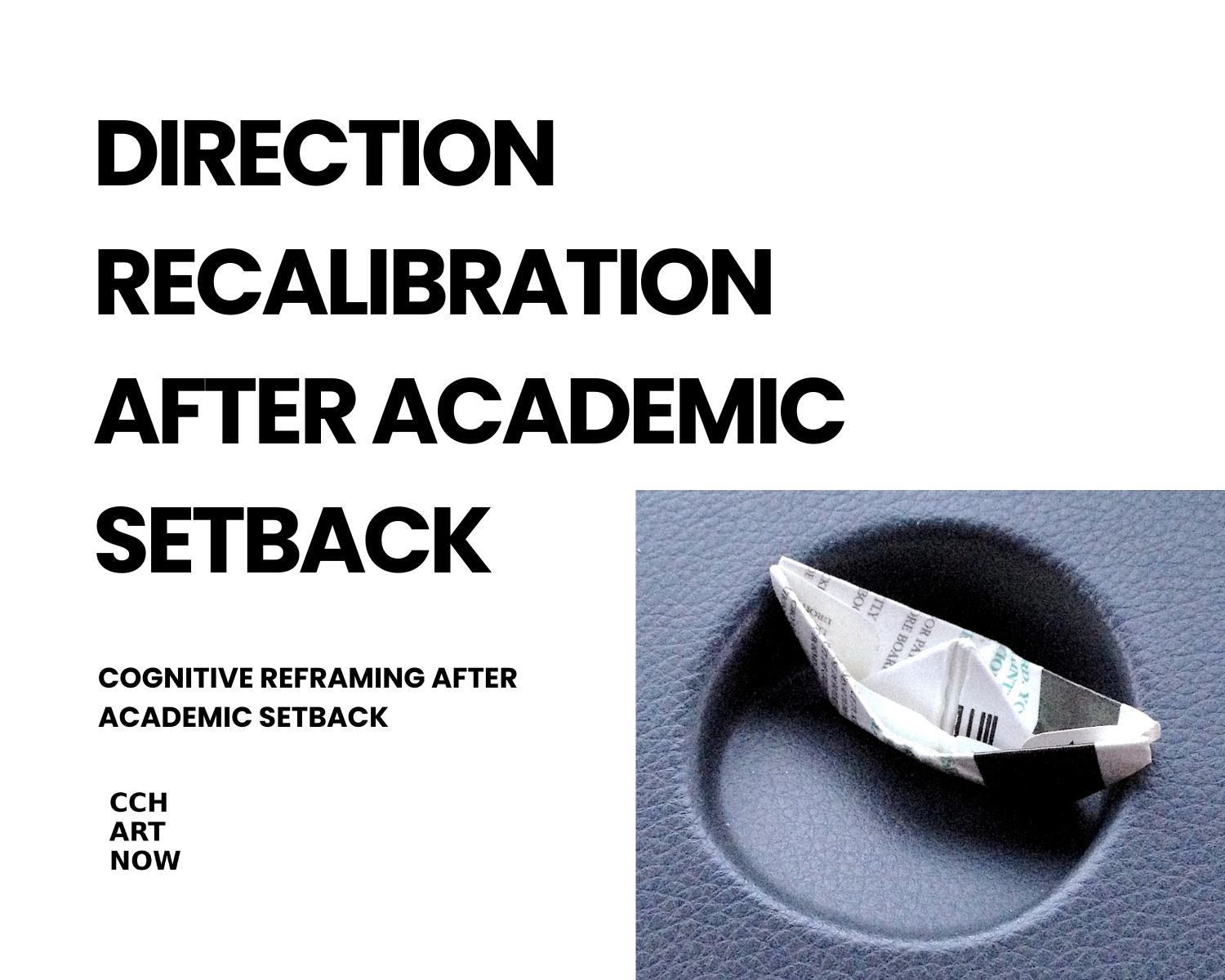
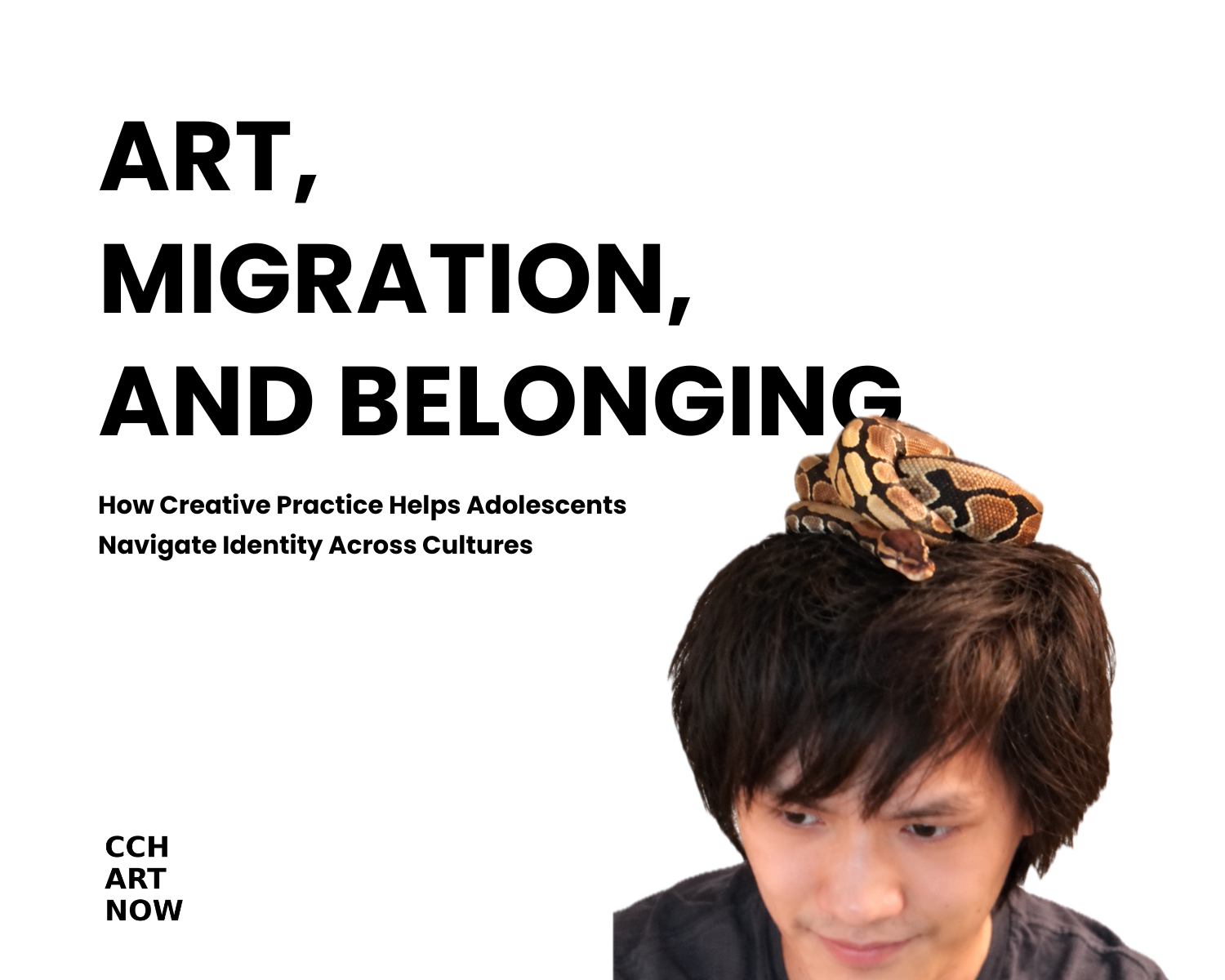
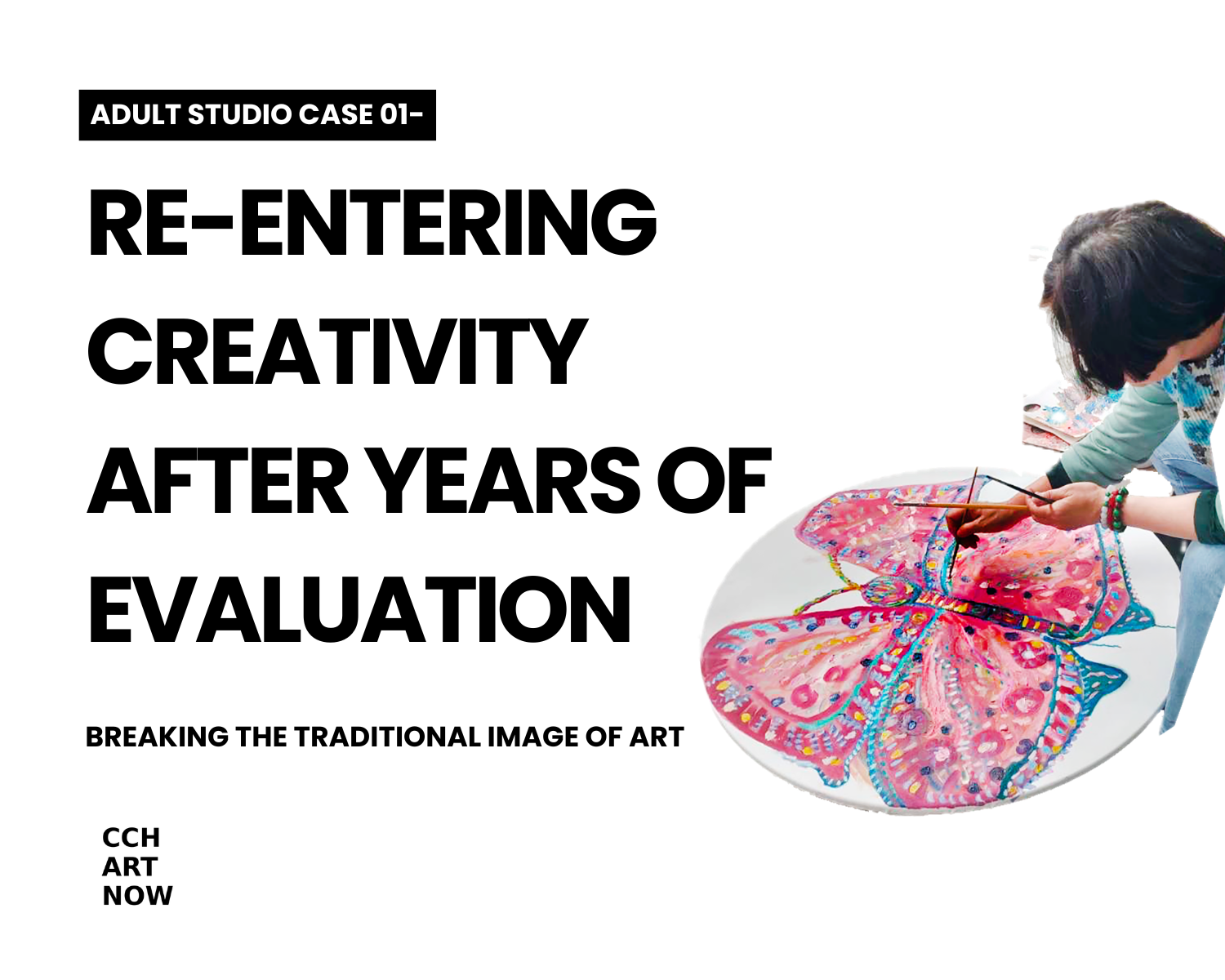
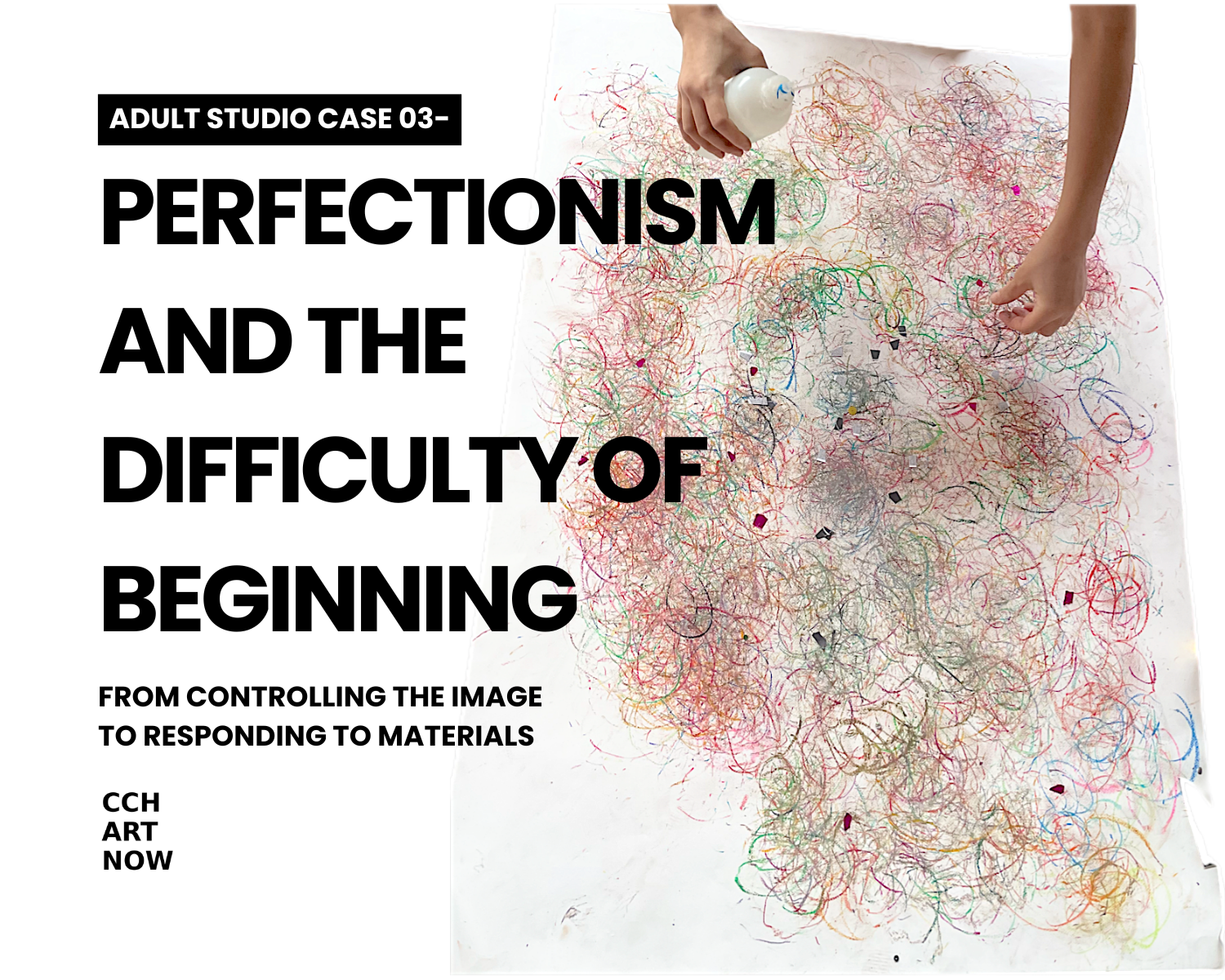
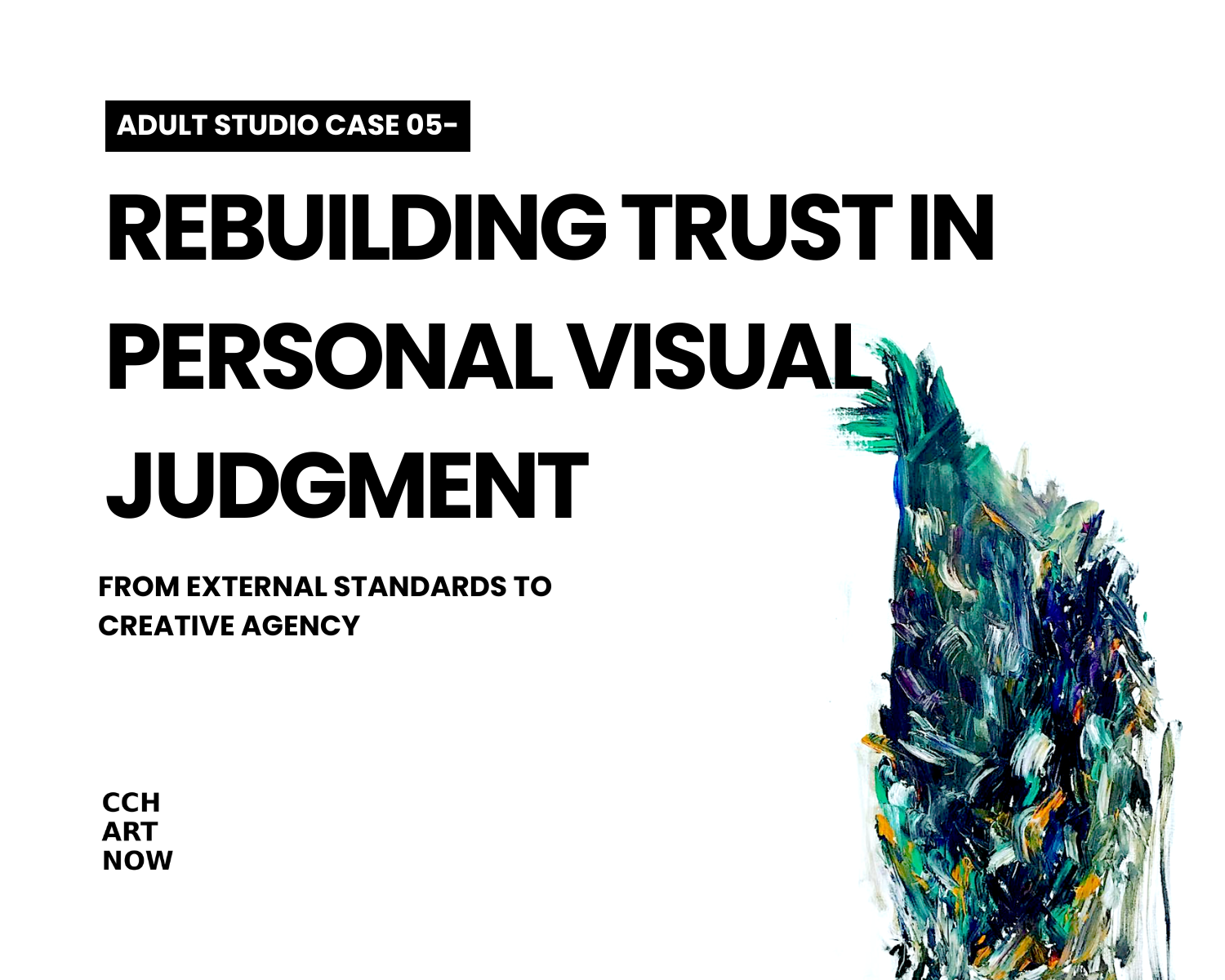
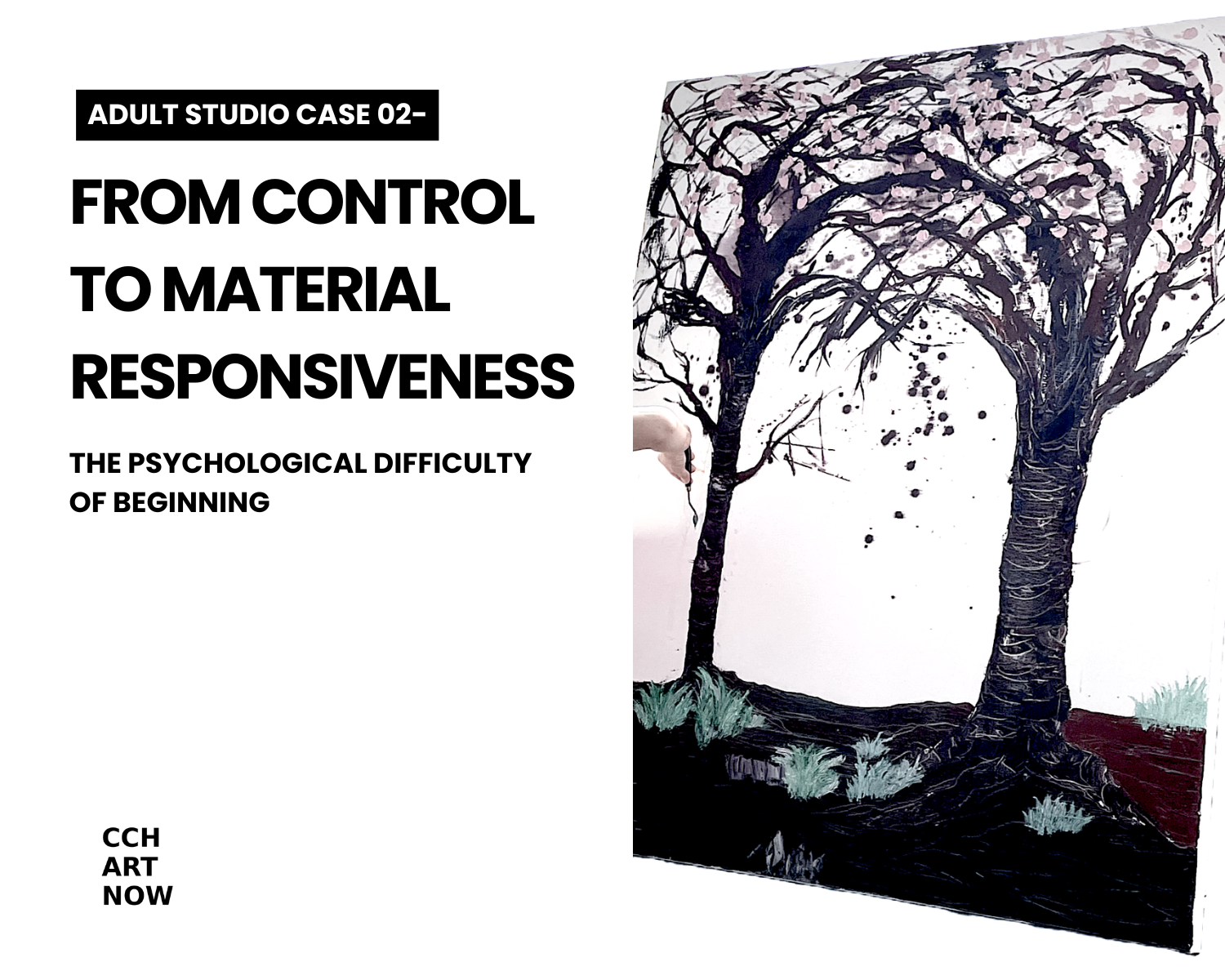
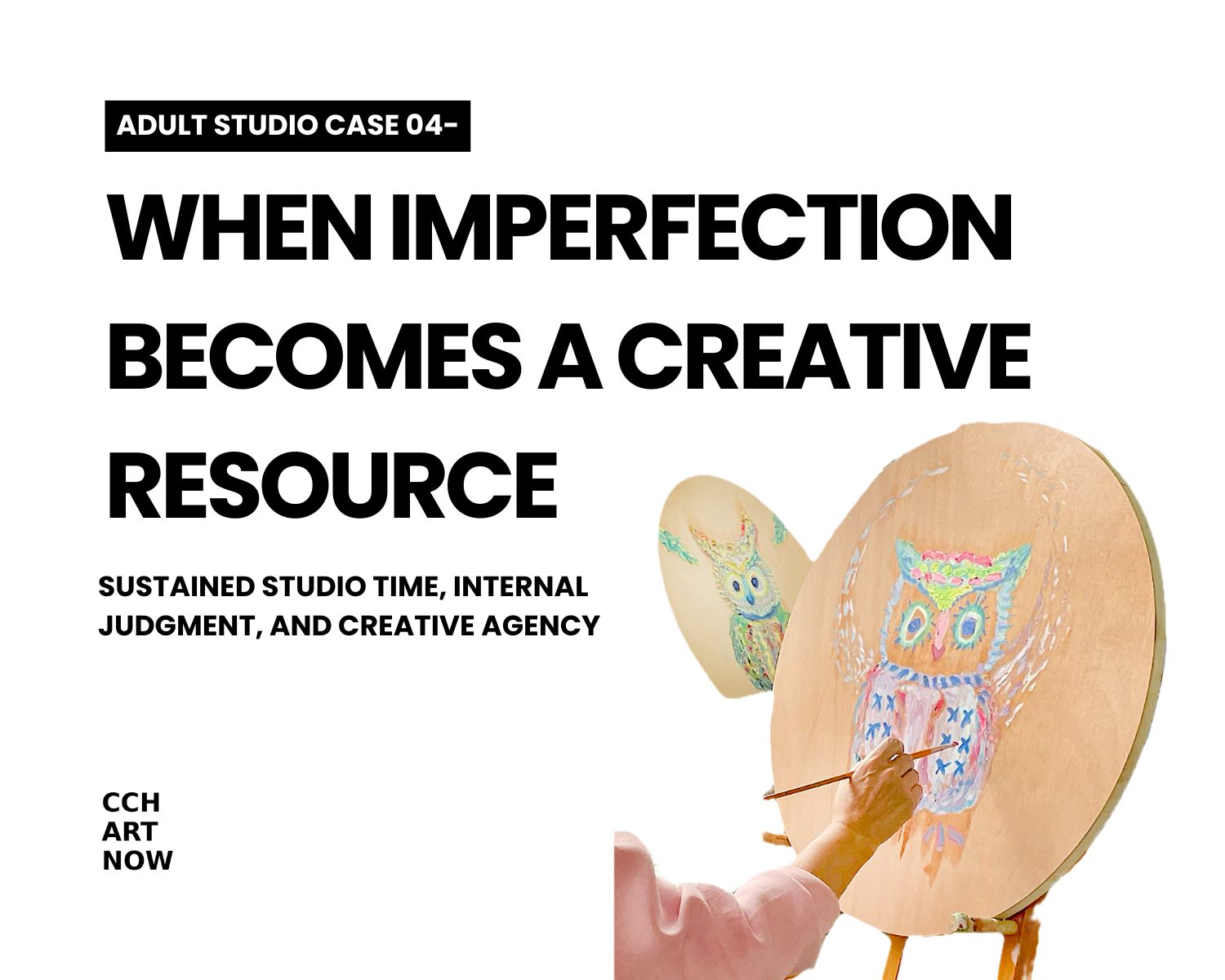
5. Adult studio case
6. Enterprise & Organizational Practice
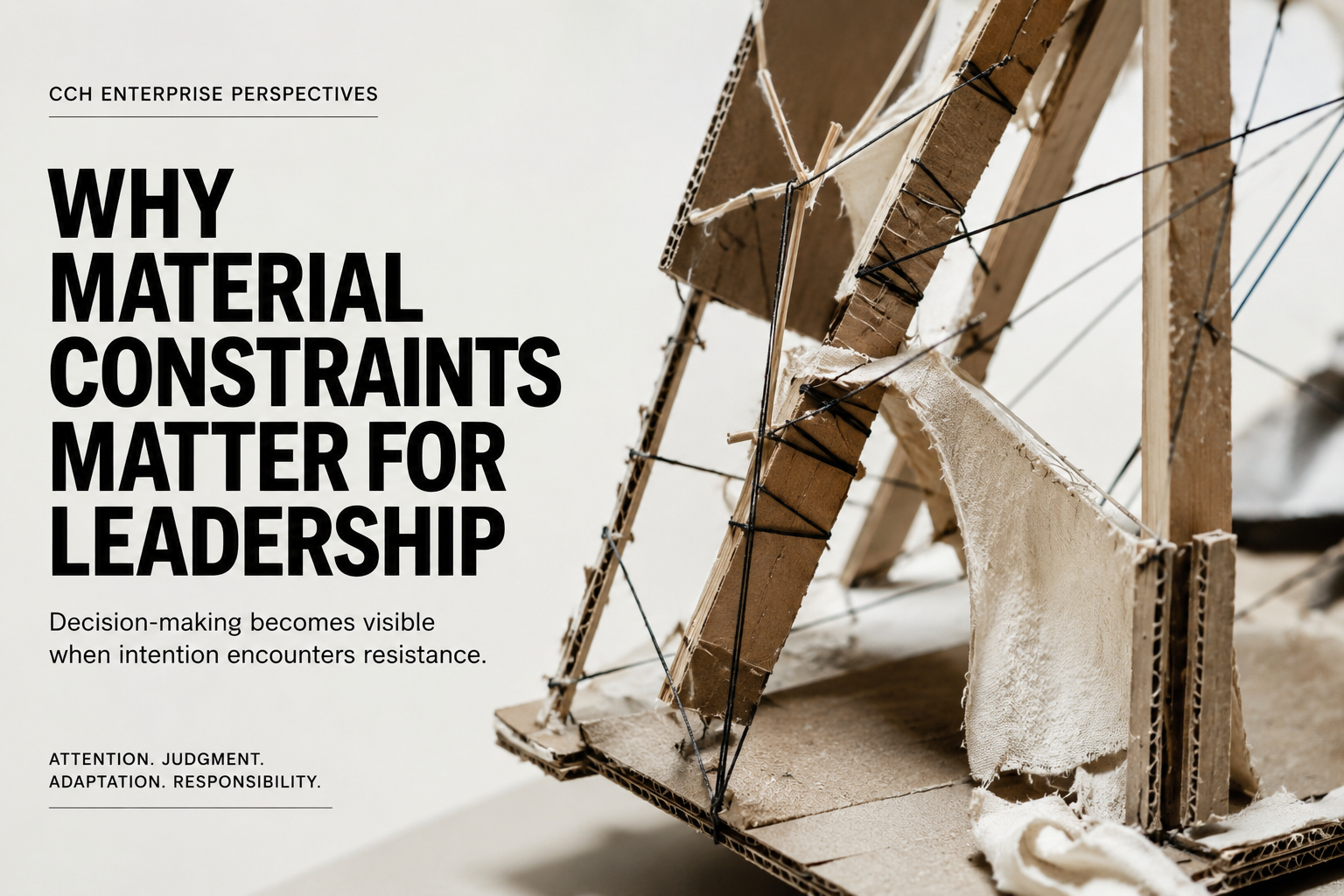
7. Artist practice
Full Article Archive
Browse all published writings, studio observations, case records, and educational essays from CCH ART NOW.
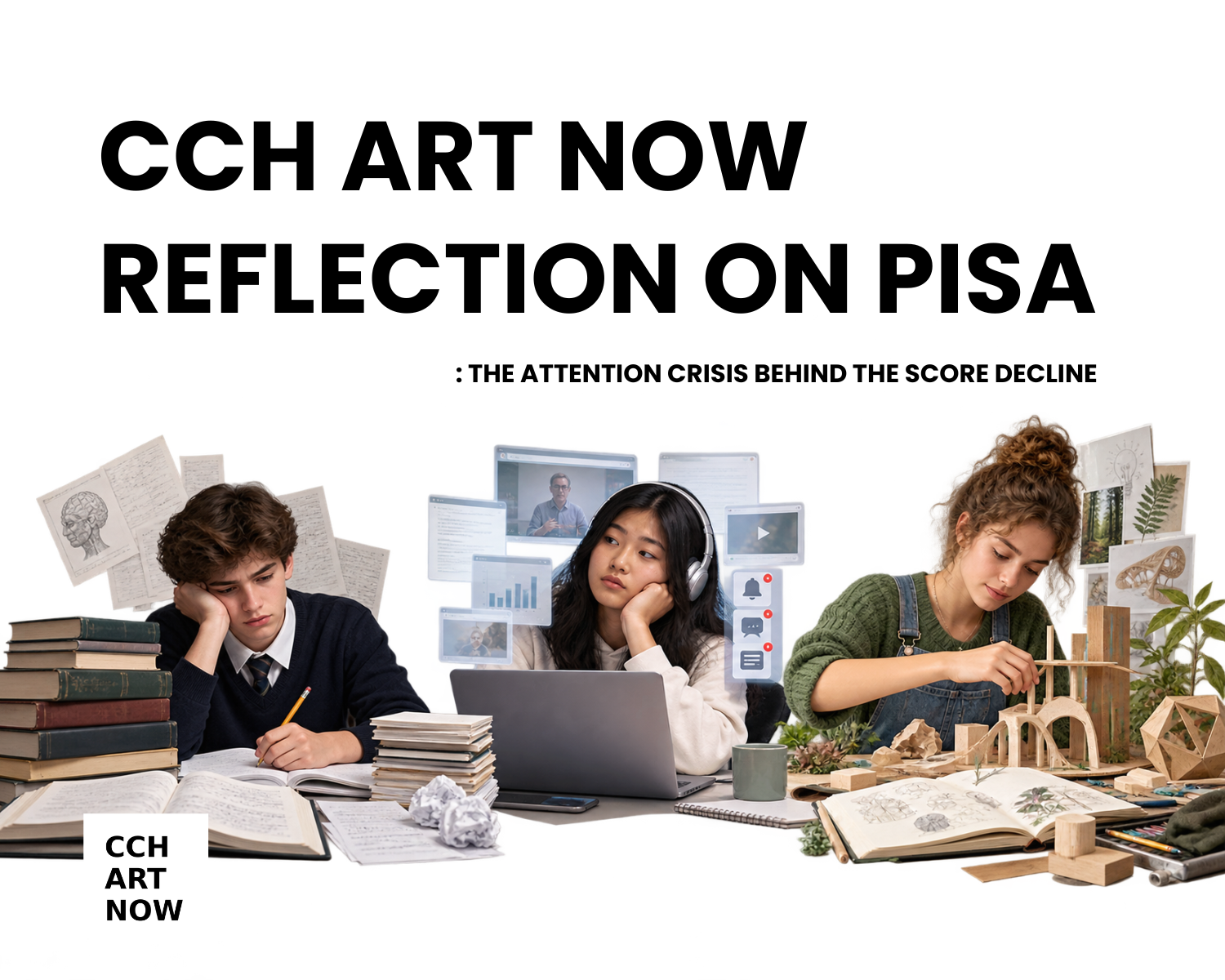
CCH ART NOW REFLECTION ON PISA
The latest PISA findings point to more than declining academic performance. They reveal shifts in attention, persistence, effort, and the way students respond to difficulty. CCH ART NOW examines what these signals may mean for learning, judgment, and human agency in the age of AI.
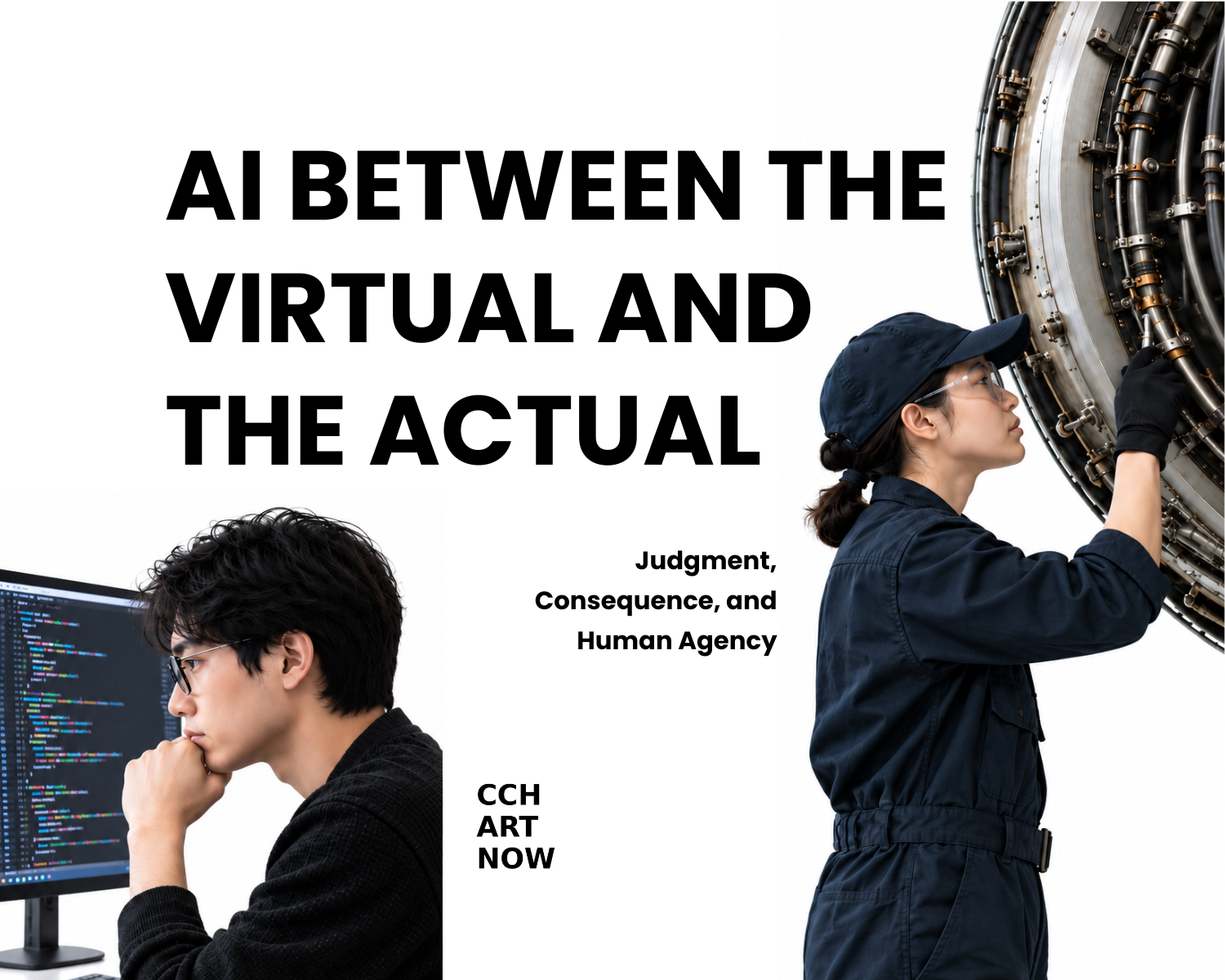
AI BETWEEN THE VIRTUAL AND THE ACTUAL
AI is transforming both digital and physical work, but not in the same way. By comparing software engineering with aircraft maintenance, this article examines where human judgment, accountability, and consequence still matter—and how CCH uses material practice to cultivate those capacities in the age of AI.
THE SWITCH POINT AI CANNOT REPLACE
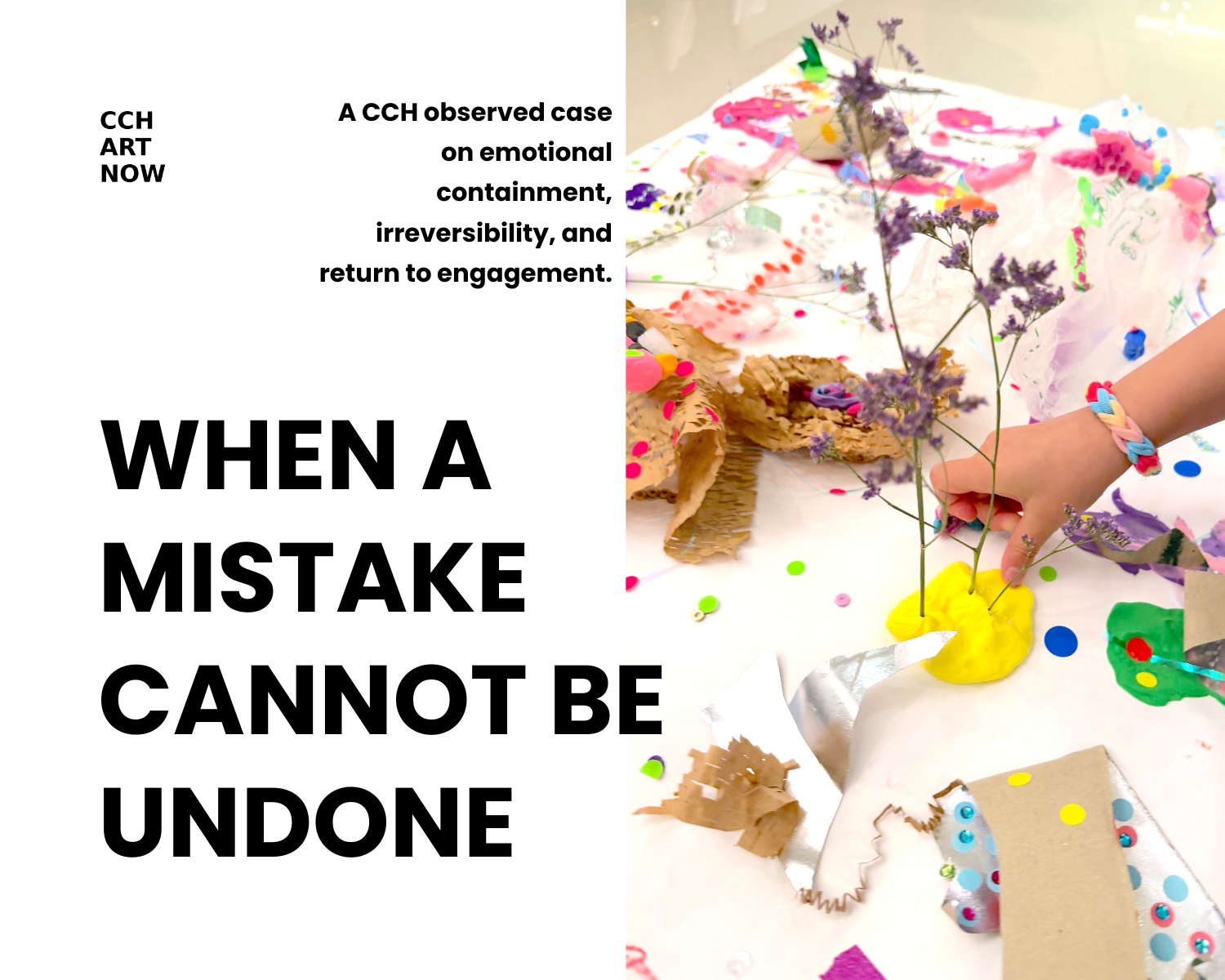
AI can generate possibilities instantly. But turning an intention into physical reality requires something different: attention, judgment, adaptation, and action. This case documents the moment a child shifted from resistance to deep engagement—and began solving a problem that could not be completed by prediction alone.
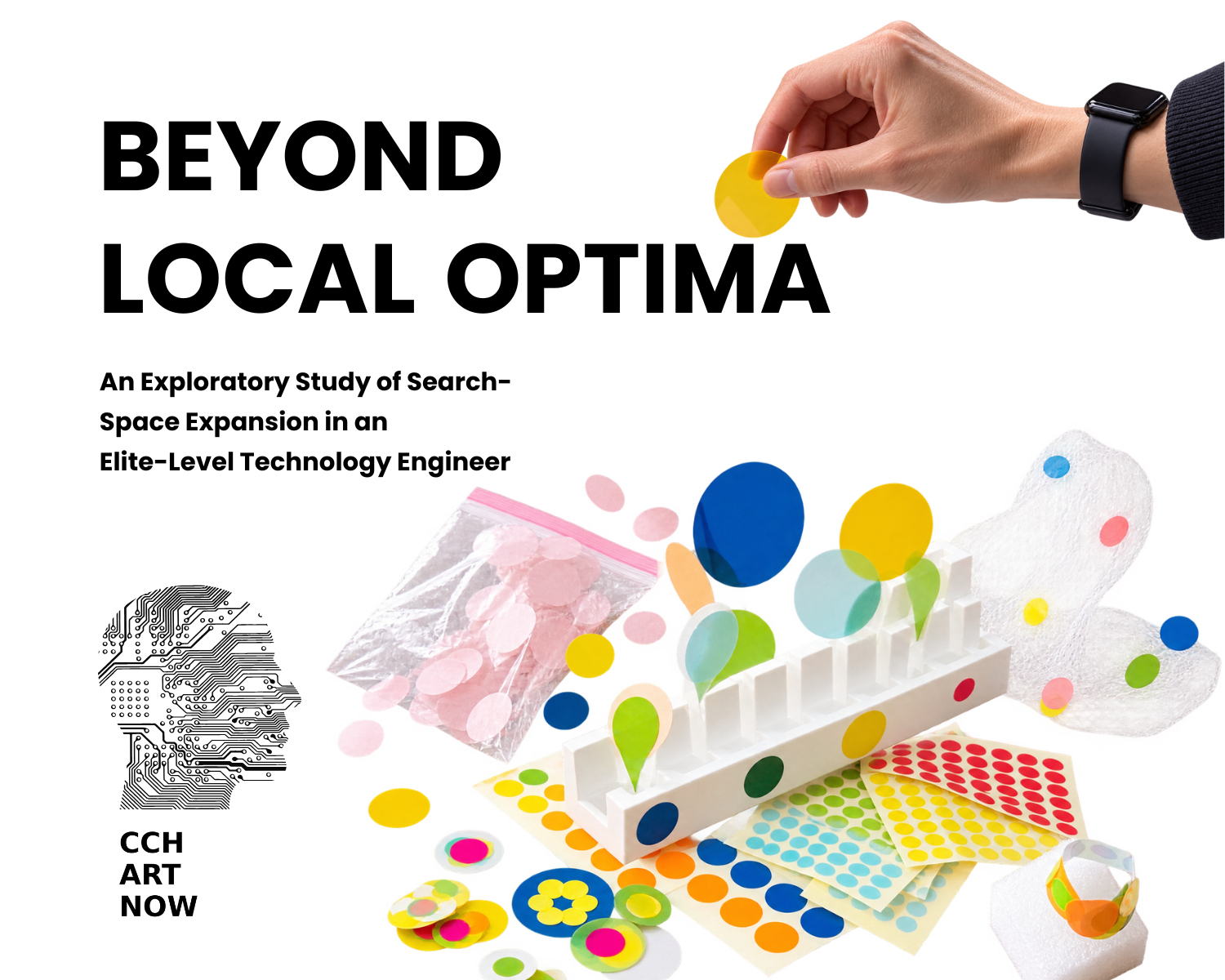
Beyond Local Optima
An exploratory CCH case examining how an elite-level technology engineer responds to open-ended material conditions—and what search-space expansion may reveal about expert judgment, uncertainty, and human decision-making in the age of AI.
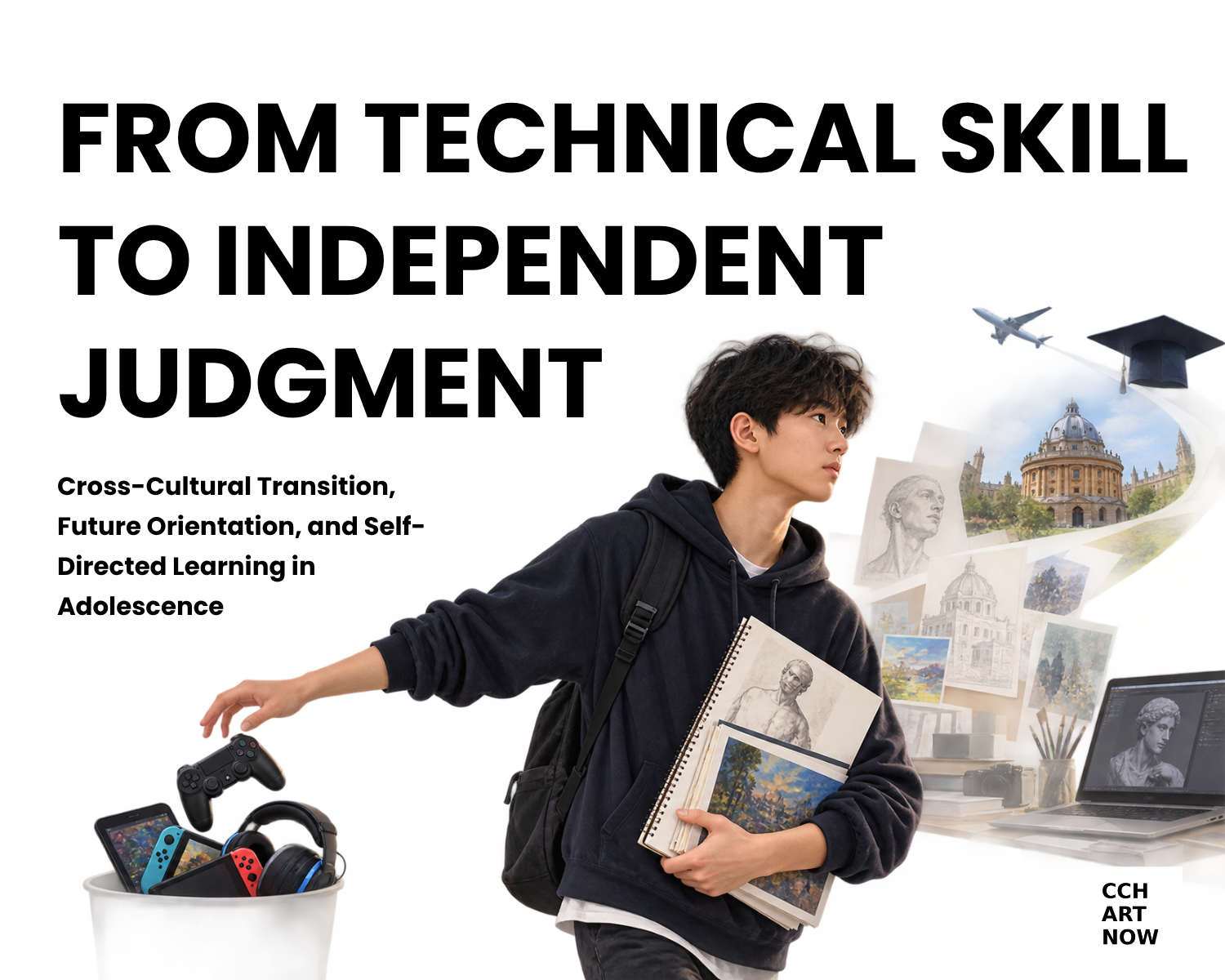
From Technical Skill to Independent Judgment
A high school student with strong technical drawing skills began developing conceptual thinking, future orientation, and self-directed learning through social inquiry and long-term goal mapping. This case explores how cross-cultural pedagogical translation can help adolescents connect present decisions with distant academic goals.
Creativity, Autonomy, and the Social Conditions of Learning
Creative learning does not happen outside culture, institutions, or systems of value. Drawing on Pierre Bourdieu’s The Rules of Art, this article examines how autonomy, material resistance, documentation, and professional interpretation shape what society recognizes as meaningful education.
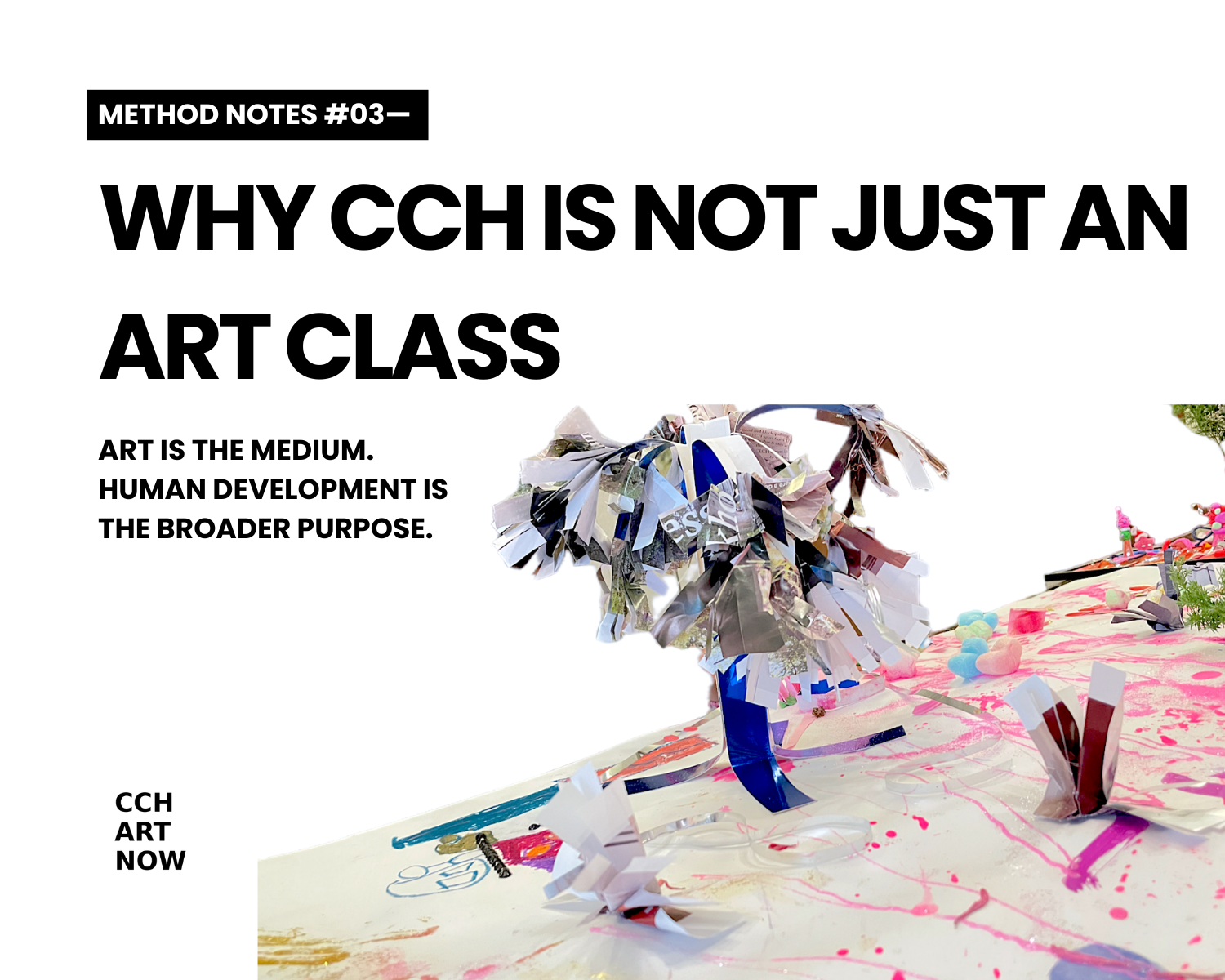
Before the Filter: Rebuilding Inner Order Through Studio Practice
CCH explores how material-based studio practice supports attention, judgment, frustration tolerance, and self-direction before polished performance emerges. Through real creative process, learners rebuild inner order by encountering uncertainty, material resistance, and meaningful decision-making.
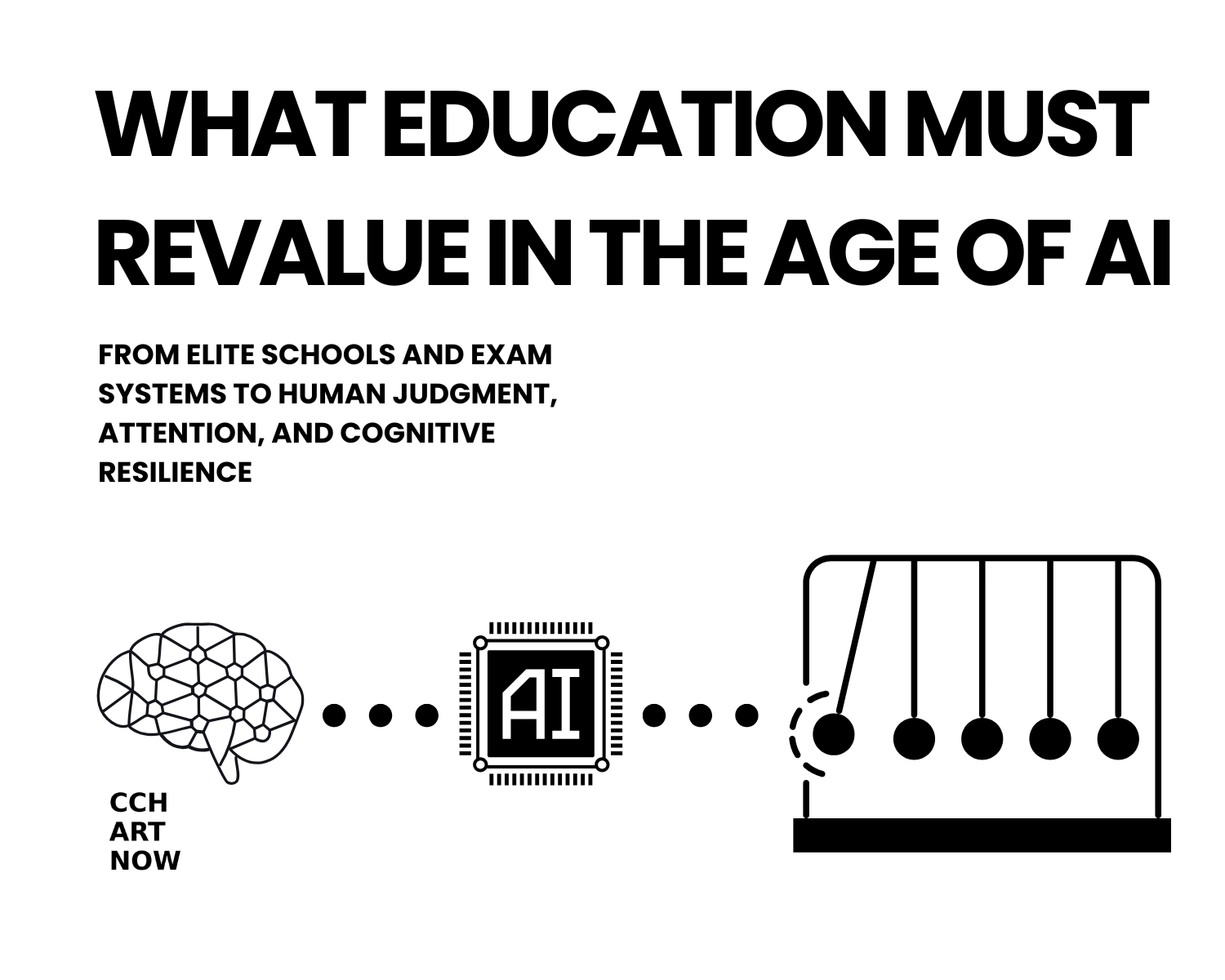
What Education Must Revalue in the Age of AI
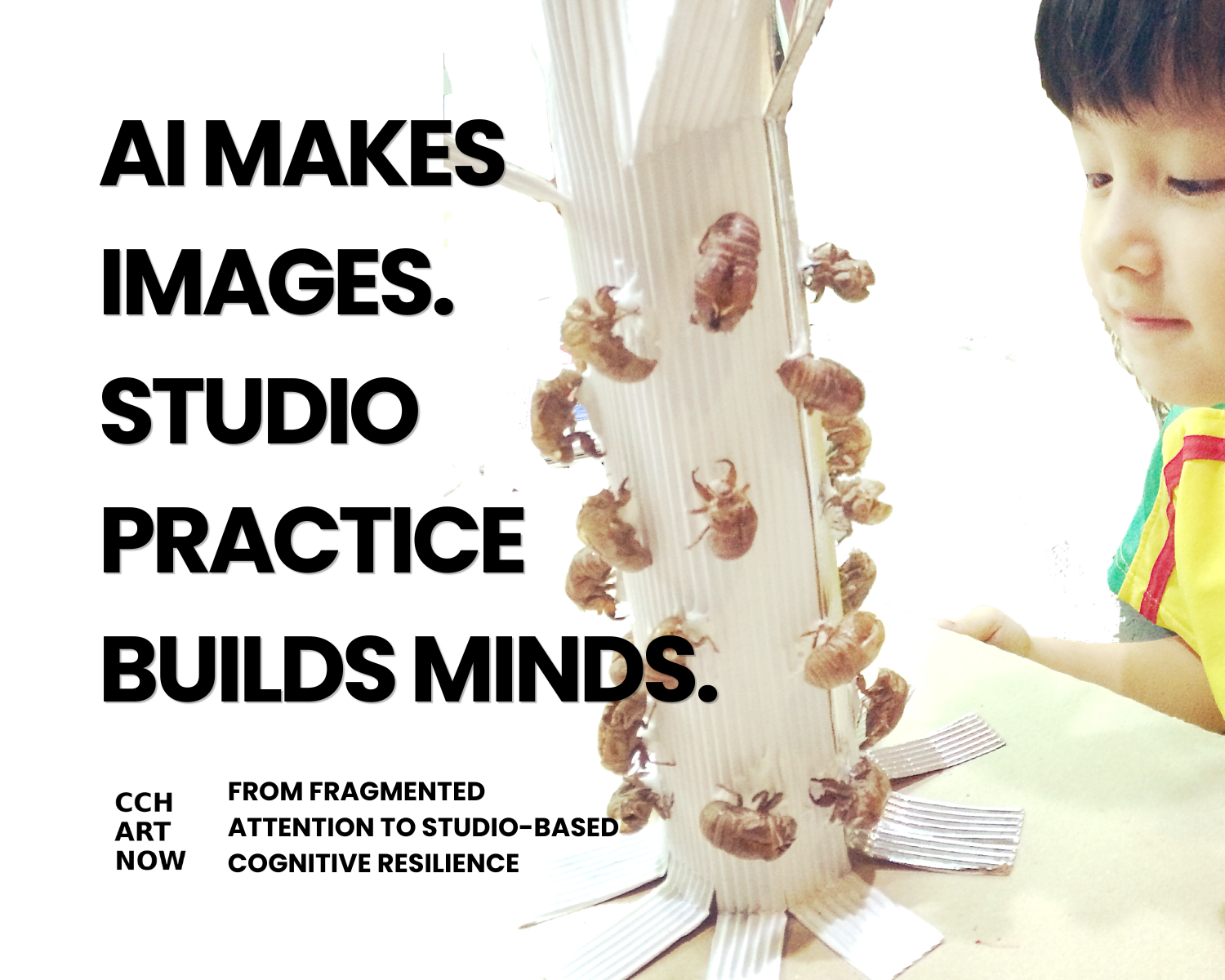
As AI makes knowledge increasingly accessible, education can no longer rely on information delivery as its primary value. The deeper task is to cultivate the human capacities that remain difficult to automate: sustained attention, independent judgment, embodied understanding, emotional regulation, and the ability to continue working under uncertainty. CCH ART NOW positions studio-based learning as a human capability system for the AI era.
Case 1|Performance Anxiety Recalibration
A case note on how CCH studio practice supported an adolescent learner facing performance pressure, attention fragmentation, and academic transition by rebuilding emotional regulation and focus stability through material-based creative engagement.
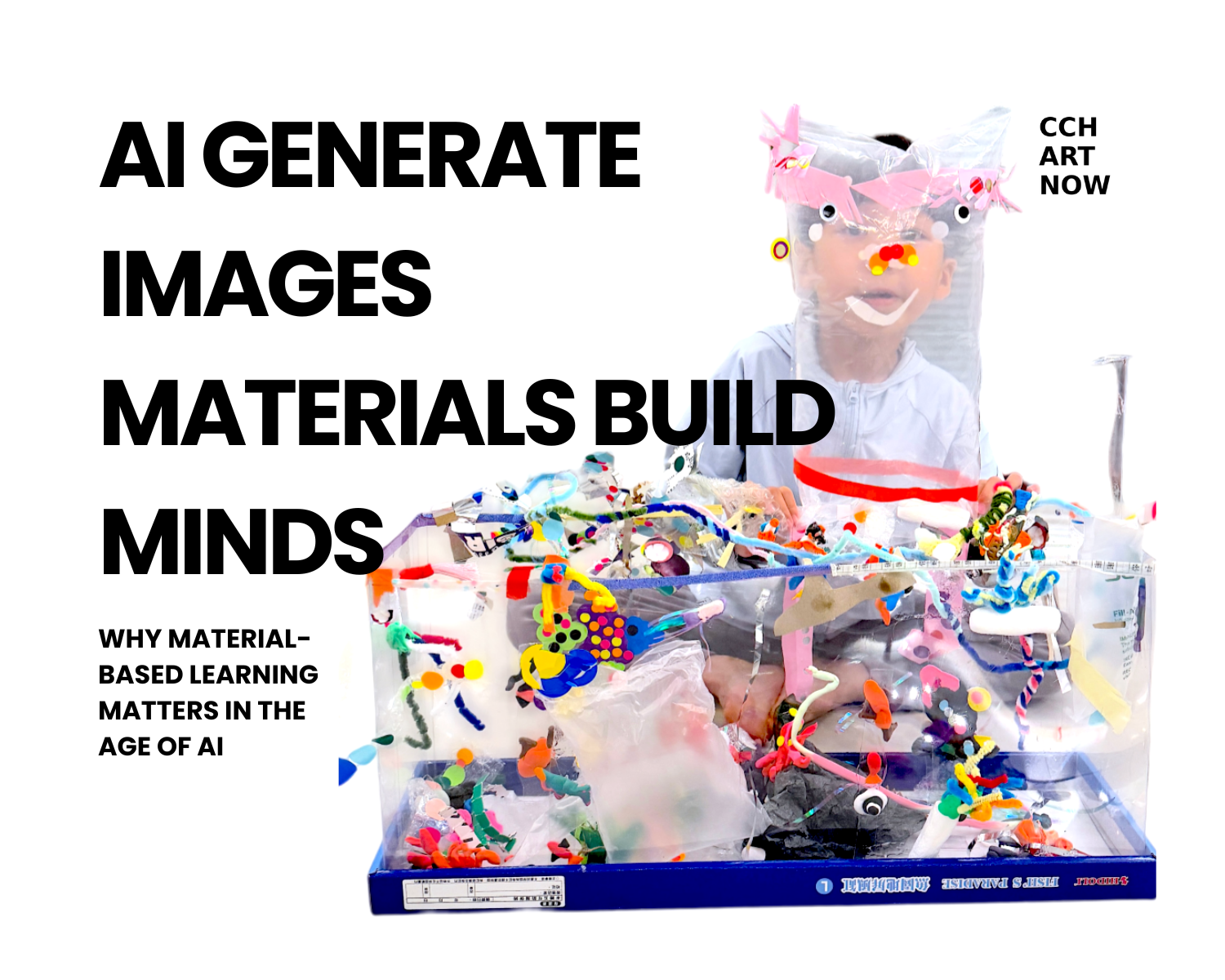
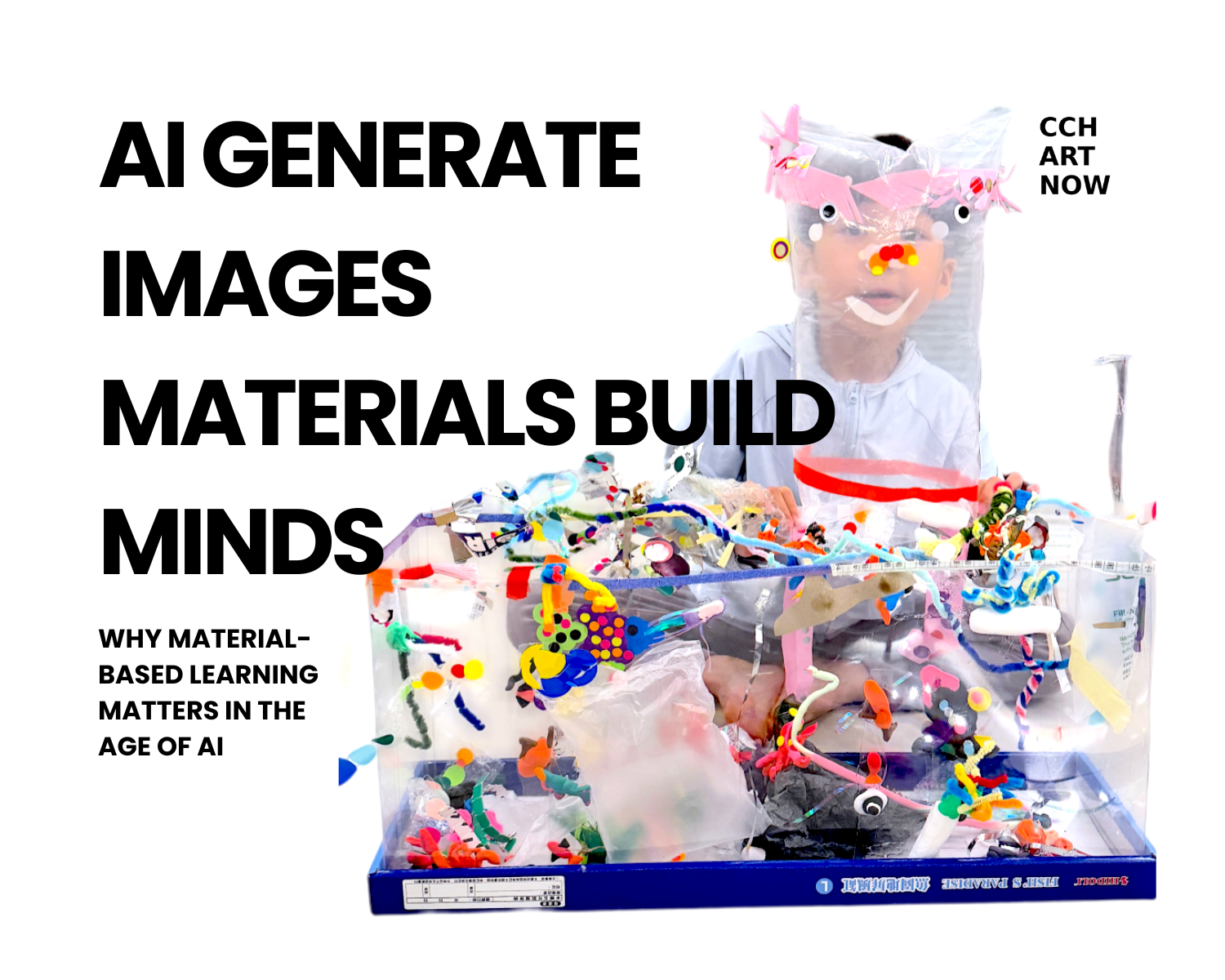
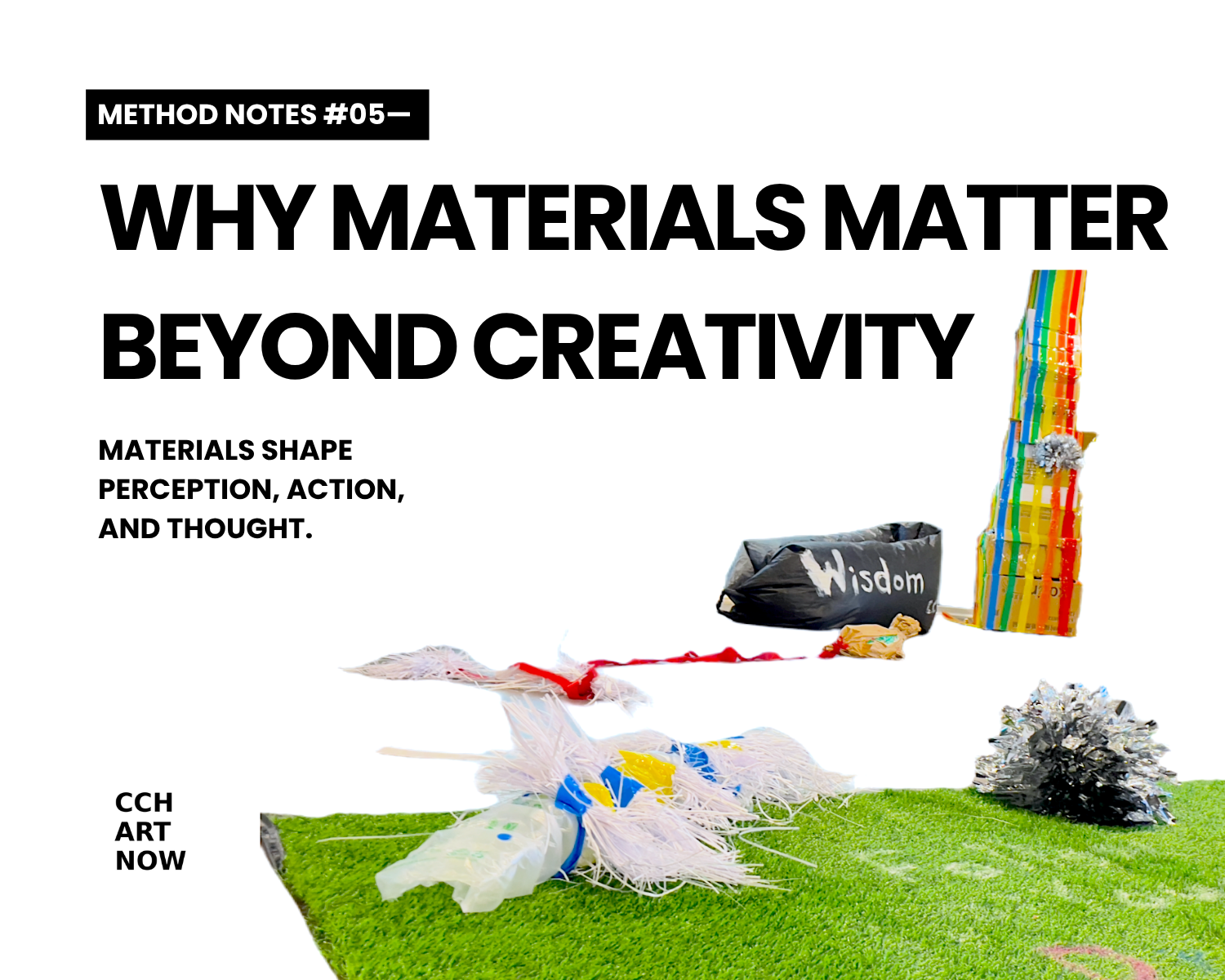
AI Generate Images Materials Build Minds
AI can generate outputs, but materials train minds. This article examines why physical materials still matter in the age of artificial intelligence, exploring how material resistance supports attention, judgment, emotional regulation, and reality-based learning. Through the lens of robotics, footwear, embodied cognition, and studio-based education, it argues that children need sustained contact with real materials to develop human capacities that speed and automation cannot replace.
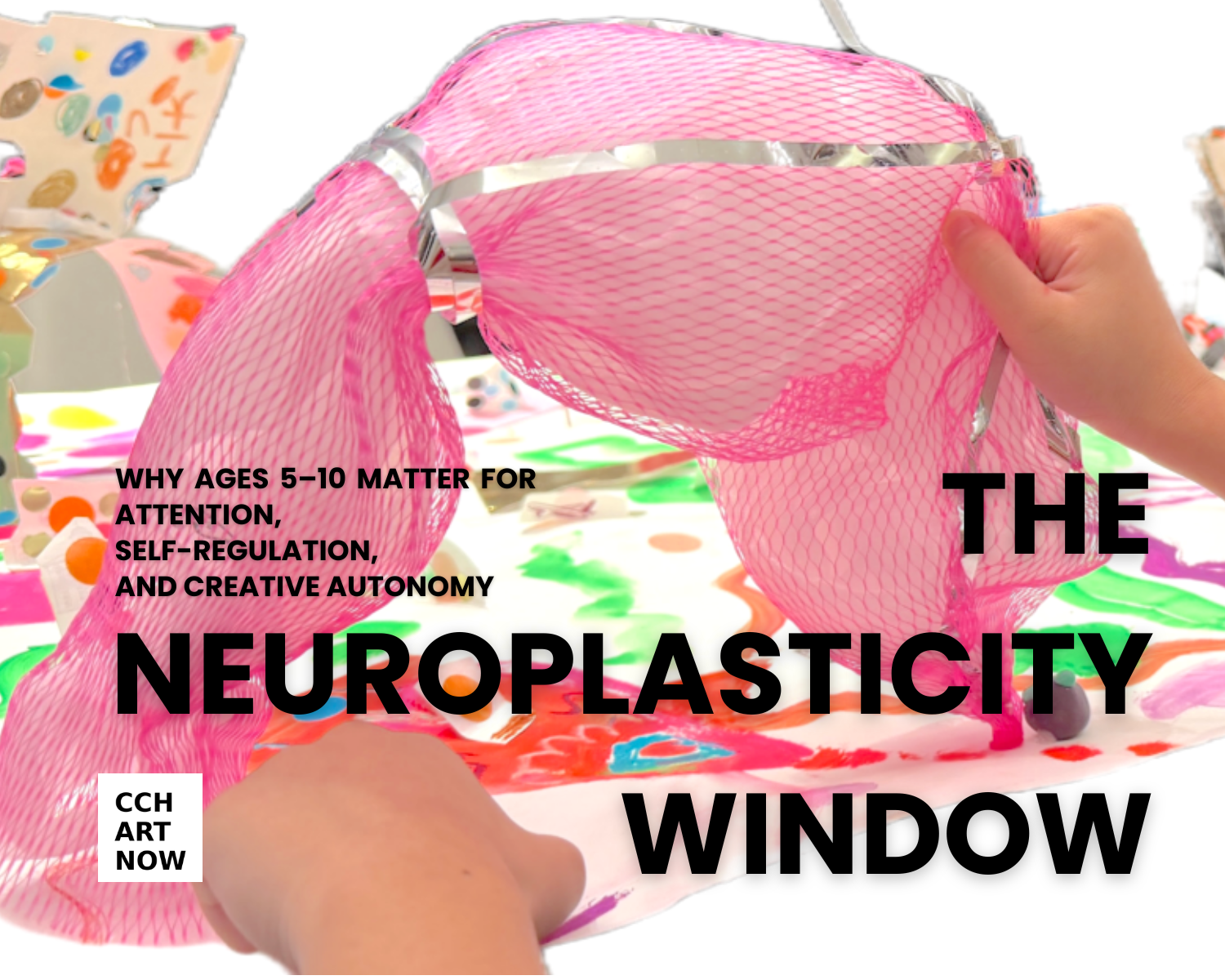
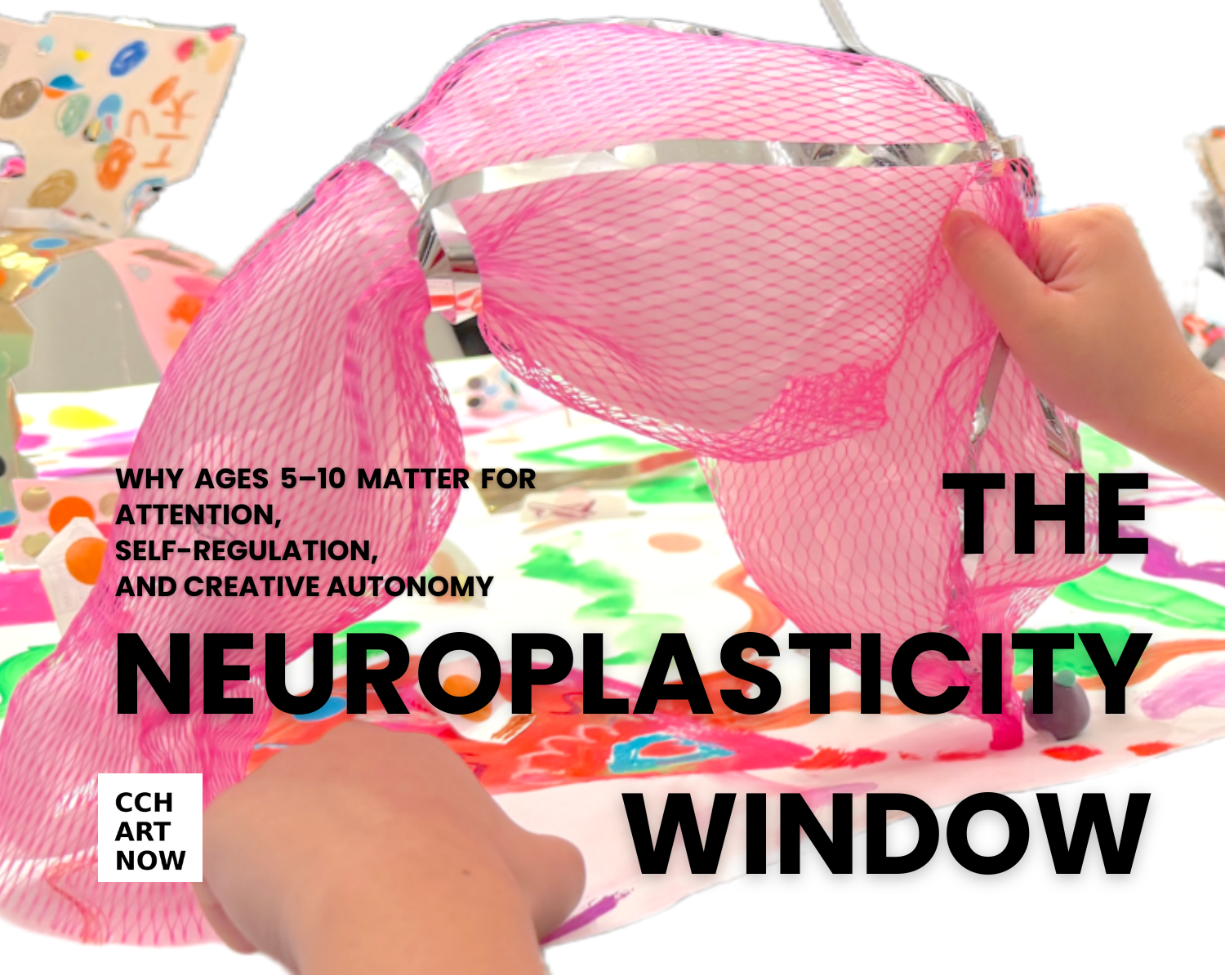
The Neuroplasticity Window
Why ages 5–10 matter for attention, self-regulation, and creative autonomy — and how material-based studio learning can support children’s developing executive function and independent judgment.
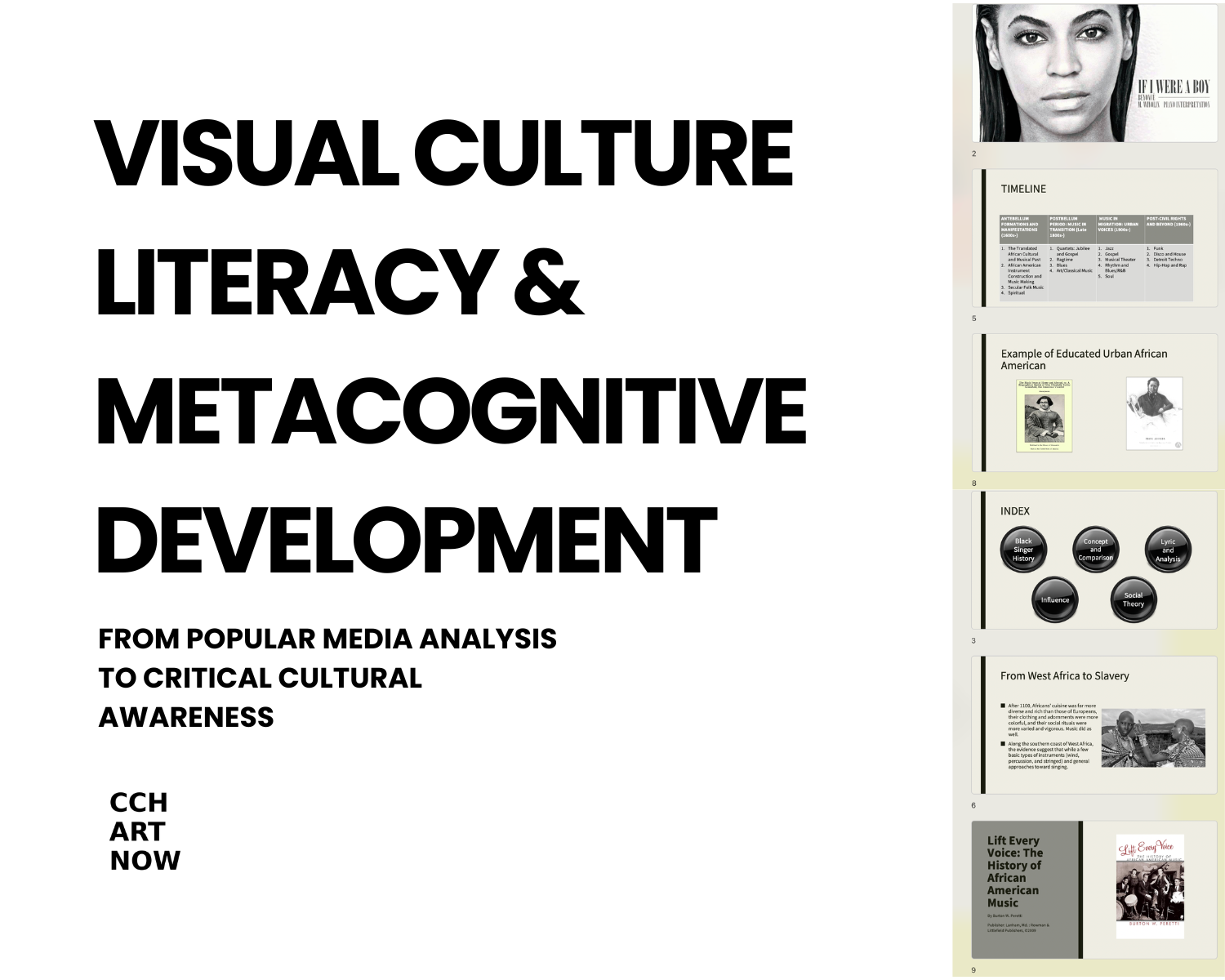
From Visual Culture Art Education to CCH
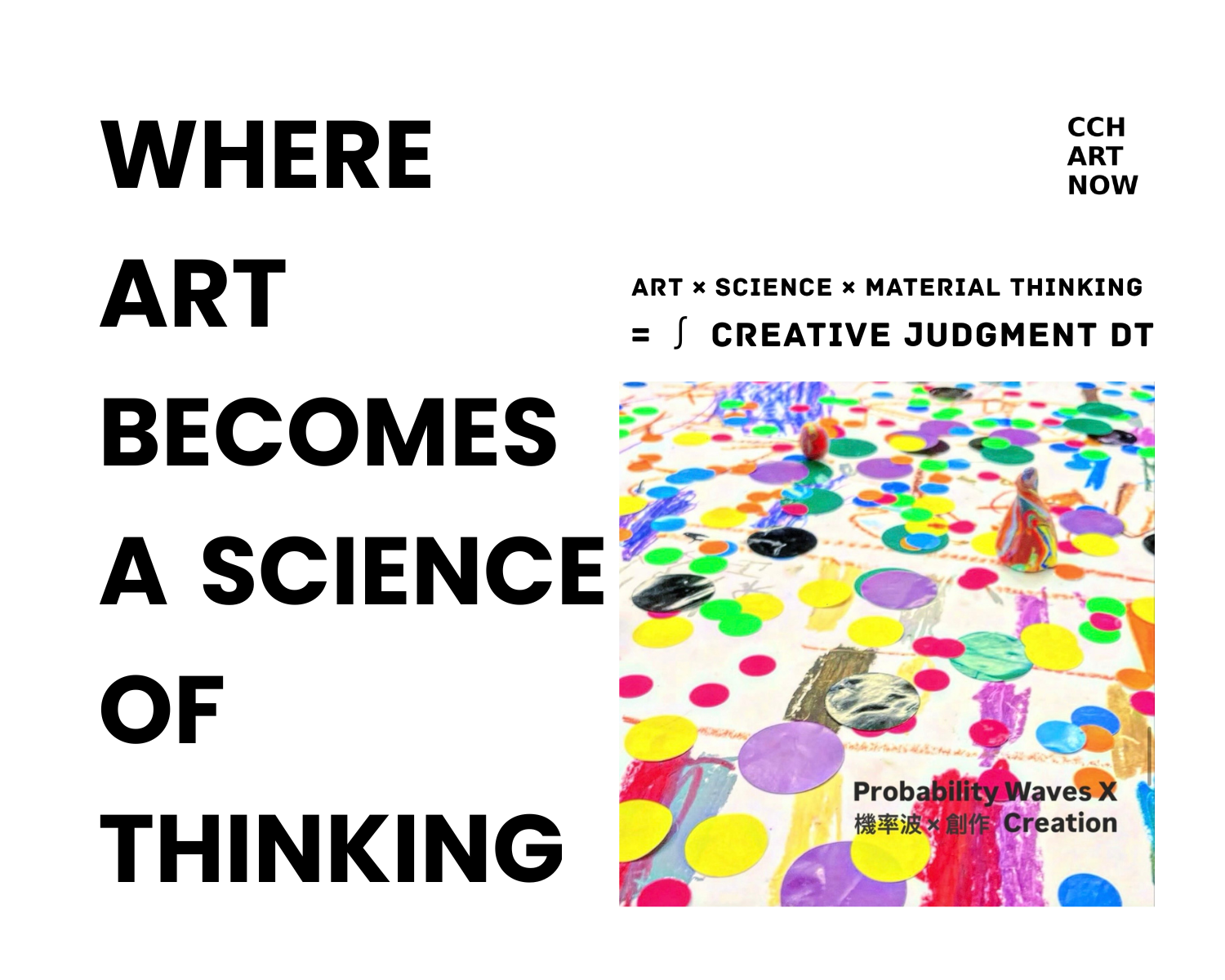
CCH extends Visual Culture Art Education from image reading to the embodied formation of perception, attention, and visual judgment. In the age of AI-generated images, CCH protects the human capacity to observe, create, reflect, and form a self through material-based artistic practice.
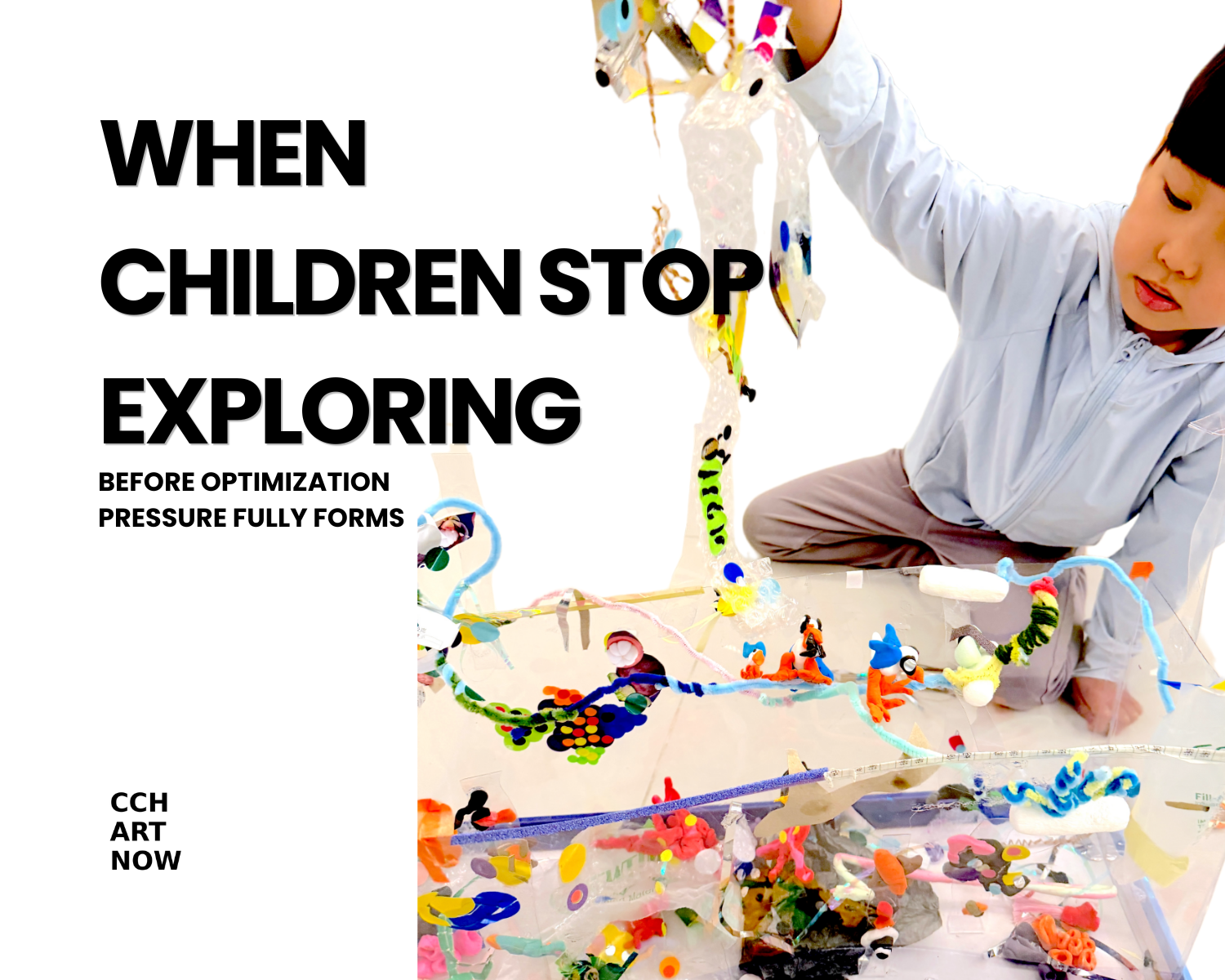
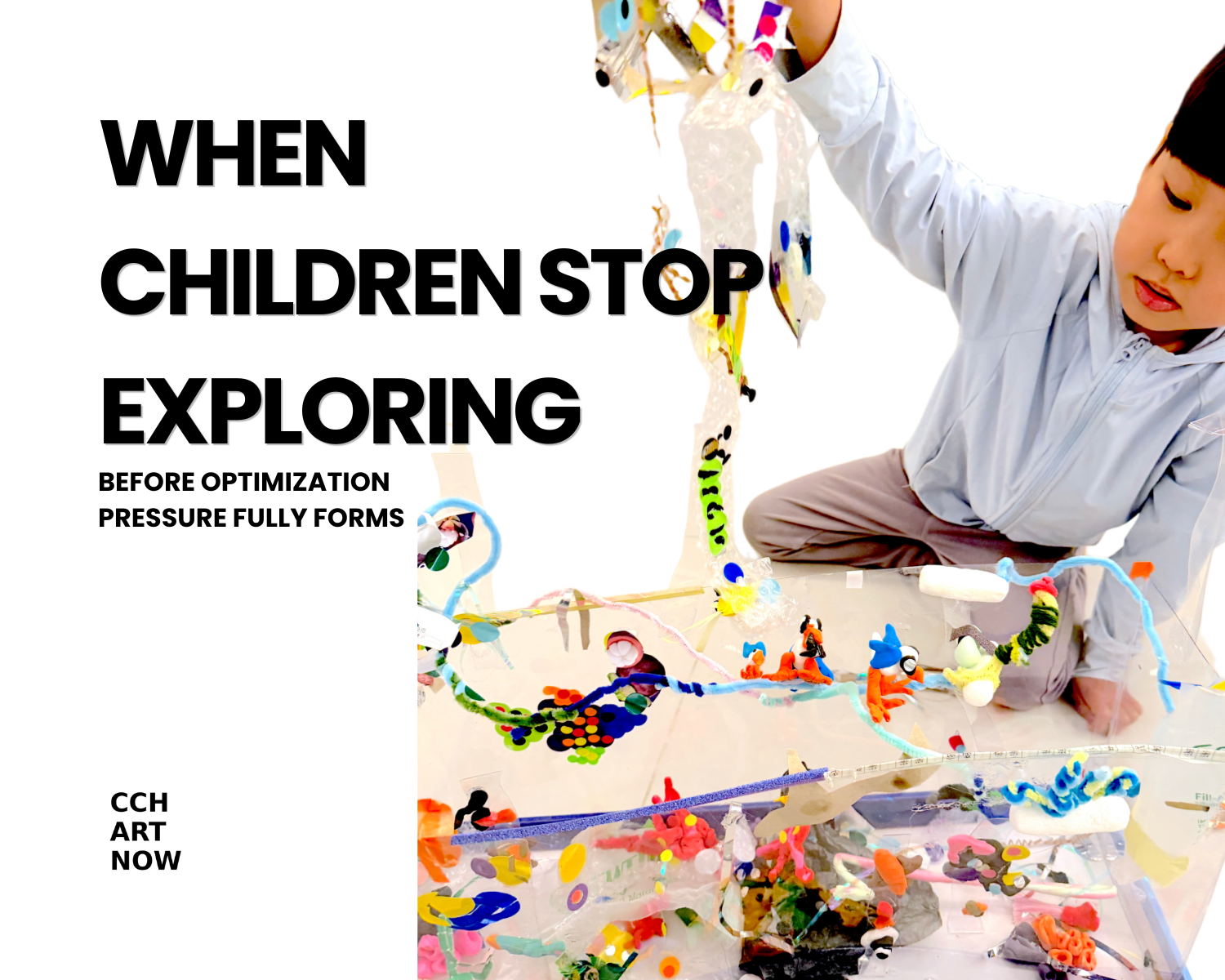
When Children Stop Exploring
When children stop exploring, it may not be a lack of creativity. It may be the result of increasing evaluation pressure. This article examines how exploratory cognition narrows over time, and why the ability to stay with uncertainty matters deeply in the AI era.