
1. AI & Education

2. CCH Method
2-1. Method Notes
3. Studio Observations — Children
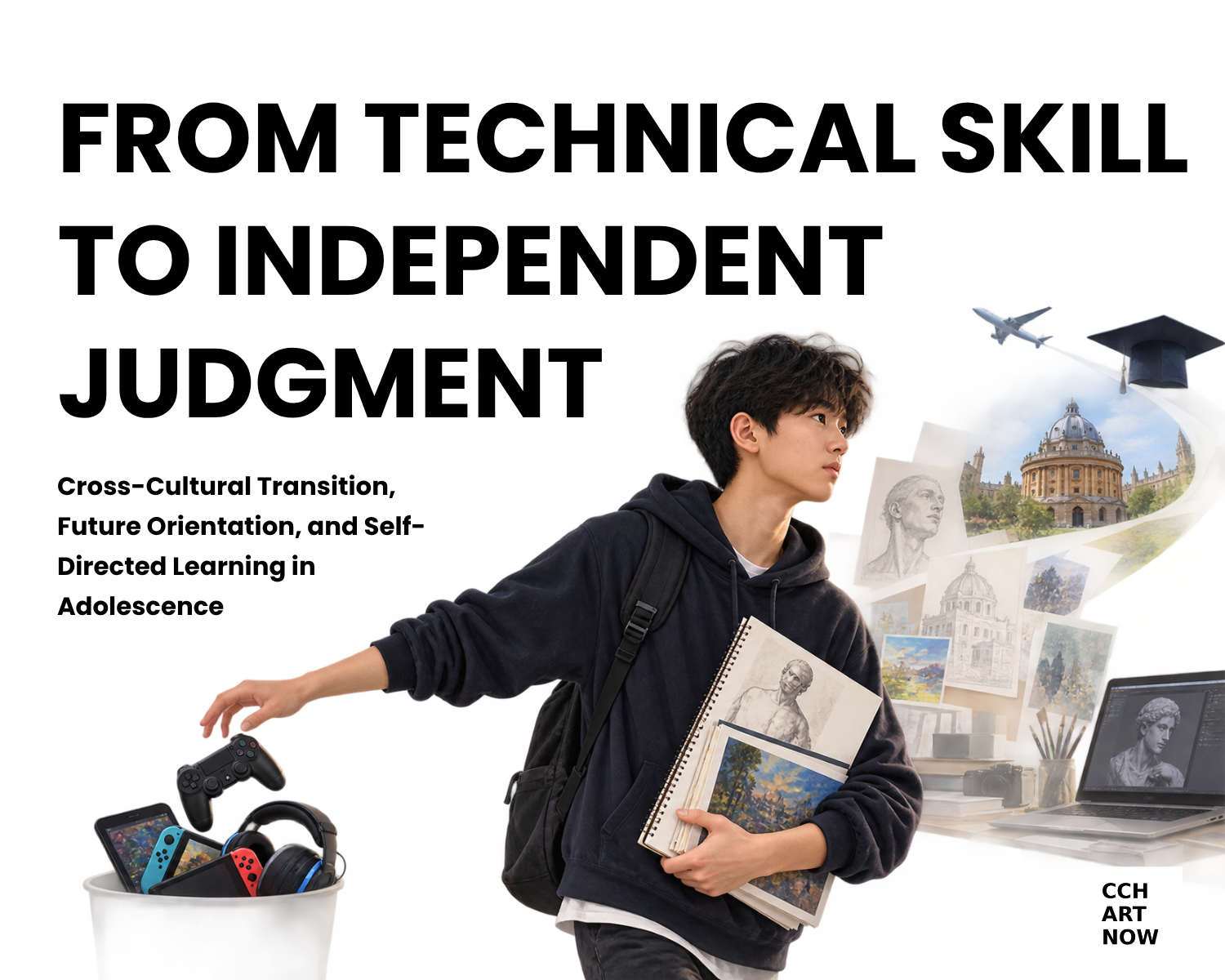
4. Adolescent Development
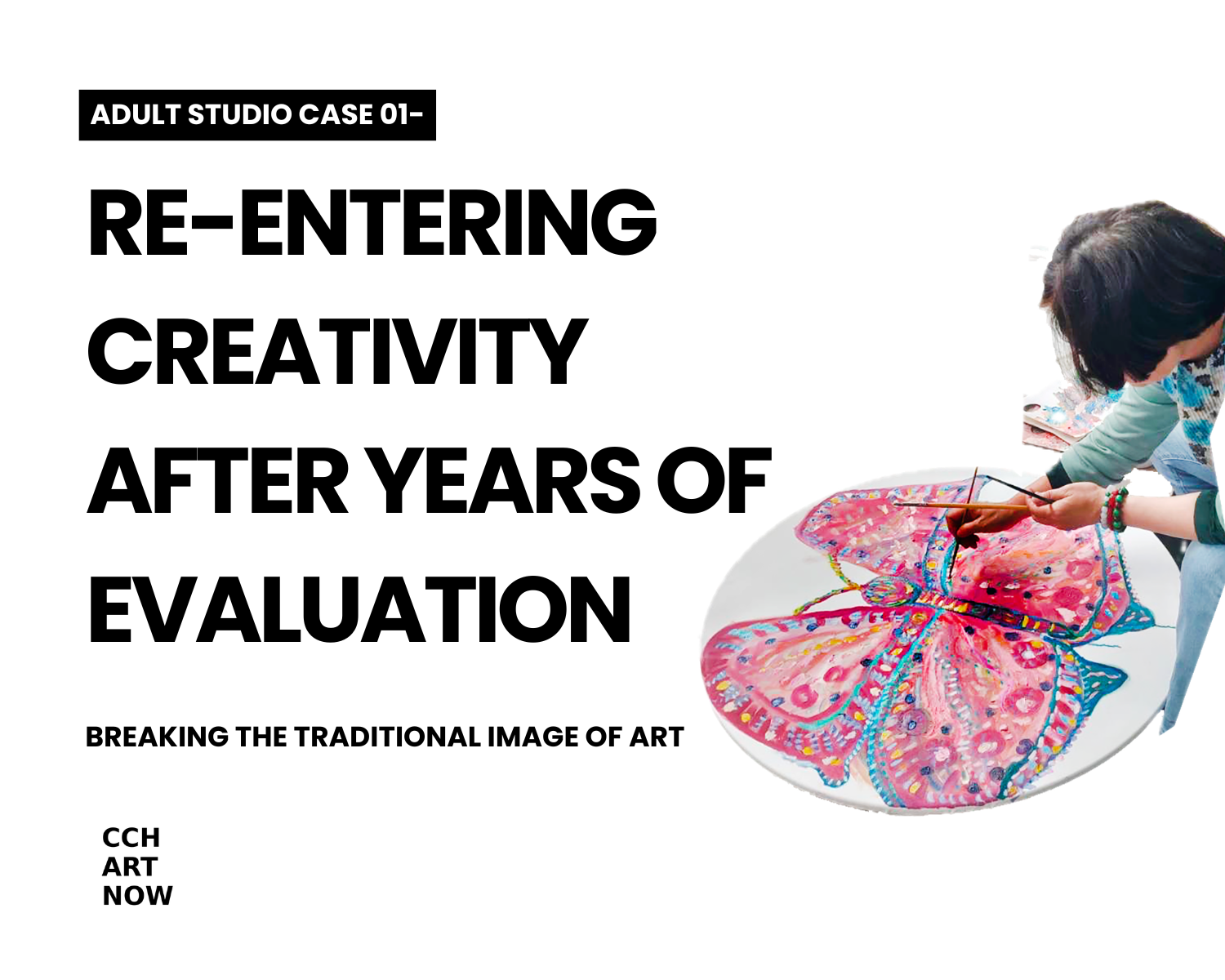
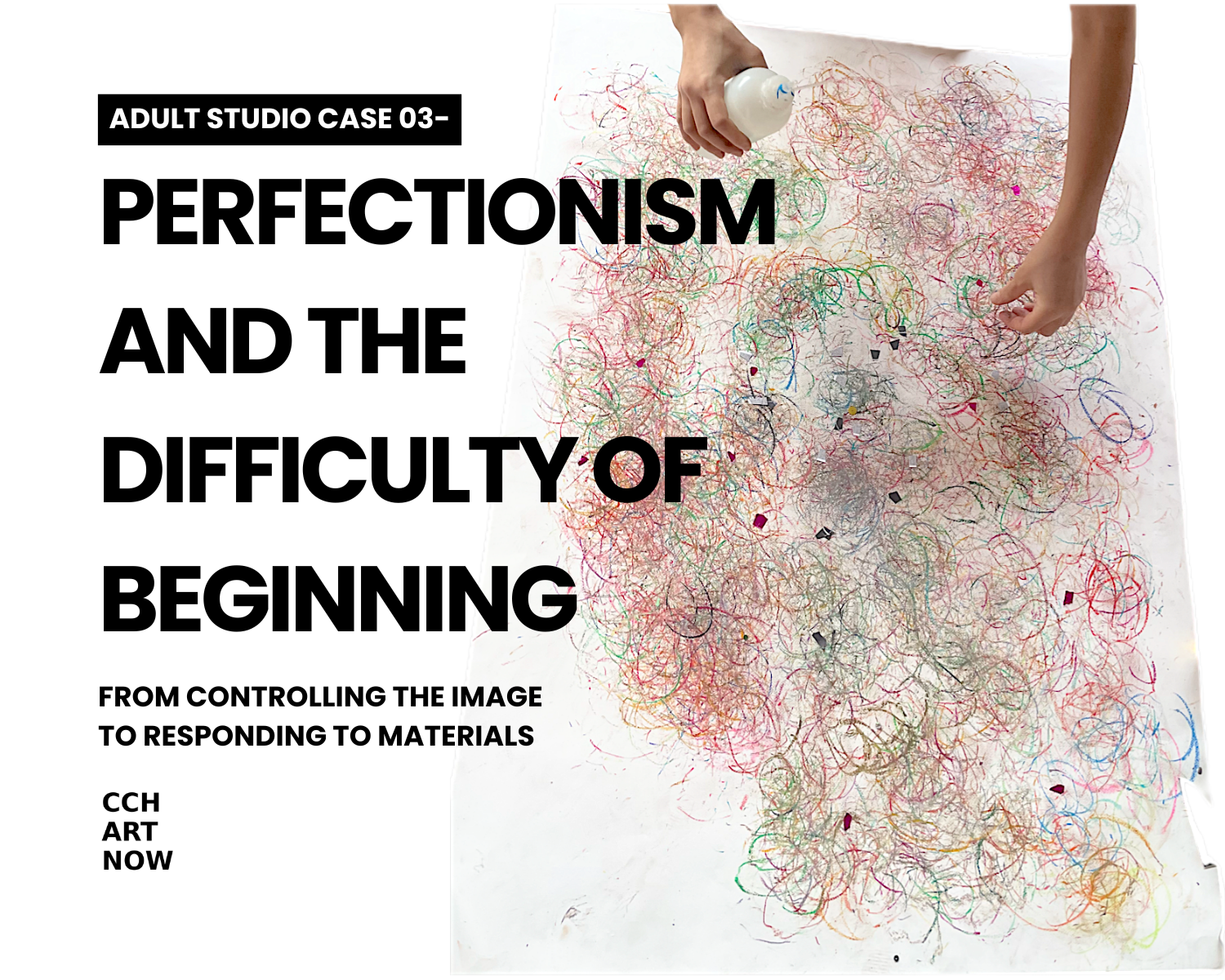
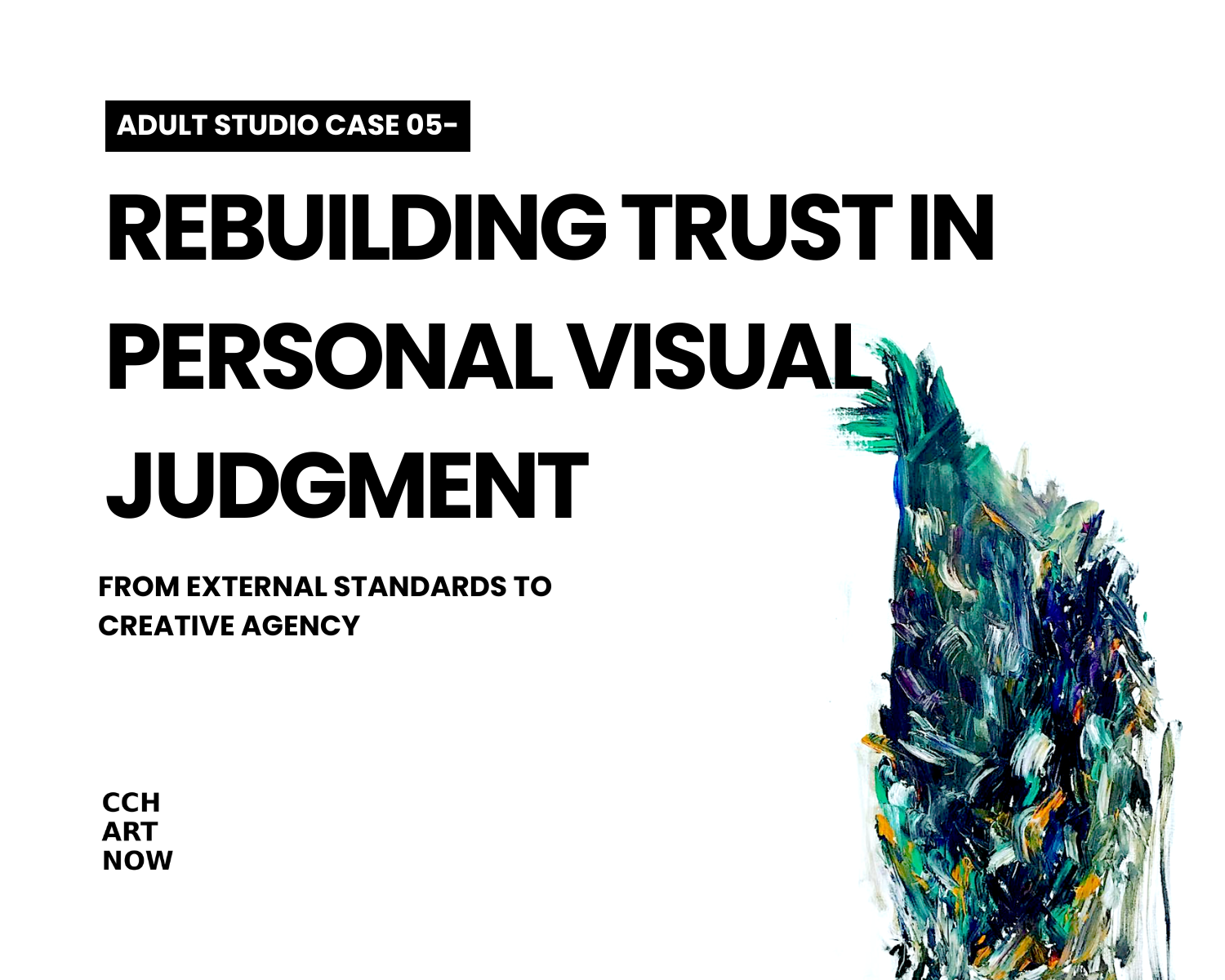
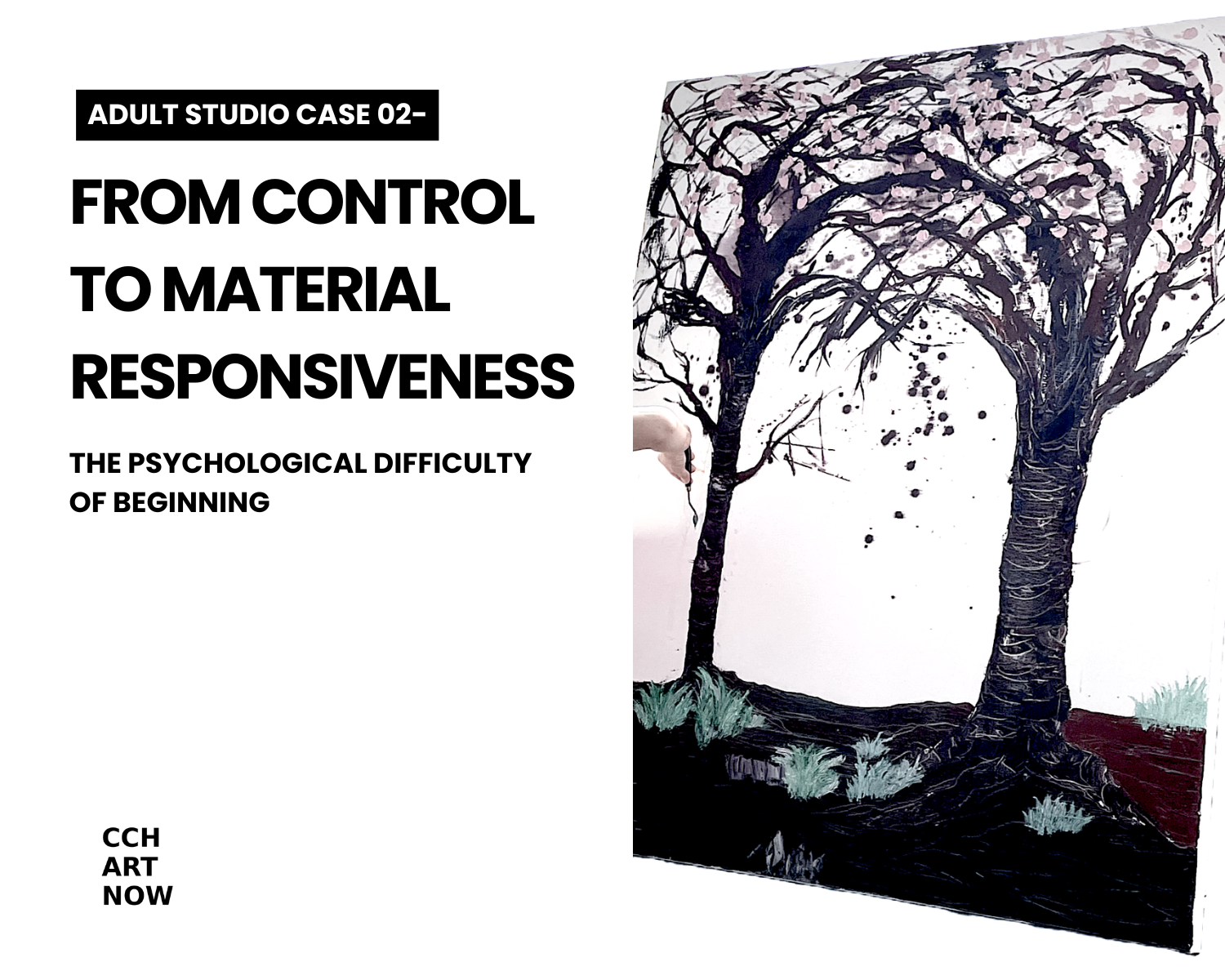
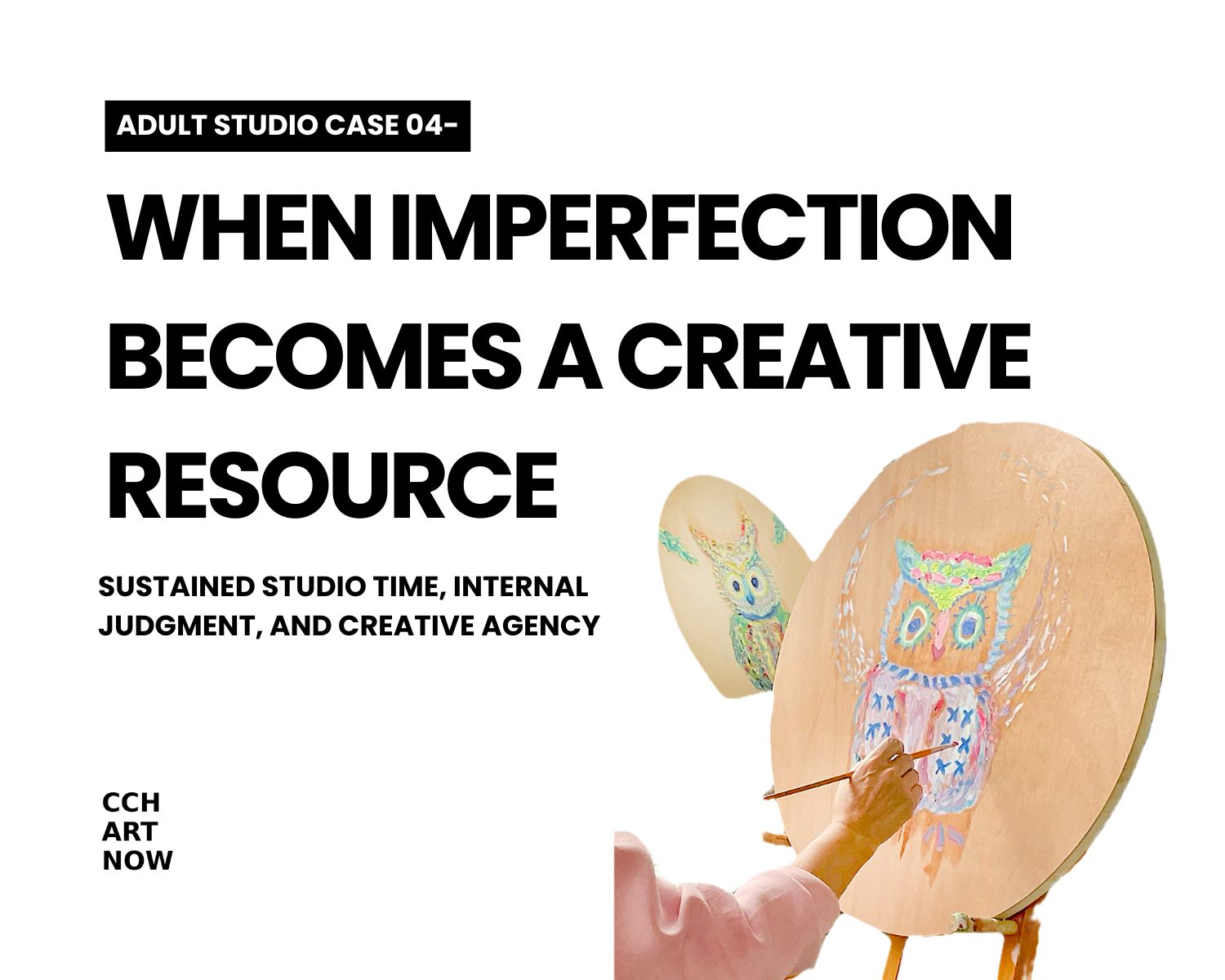
5. Adult studio case
6. Enterprise & Organizational Practice
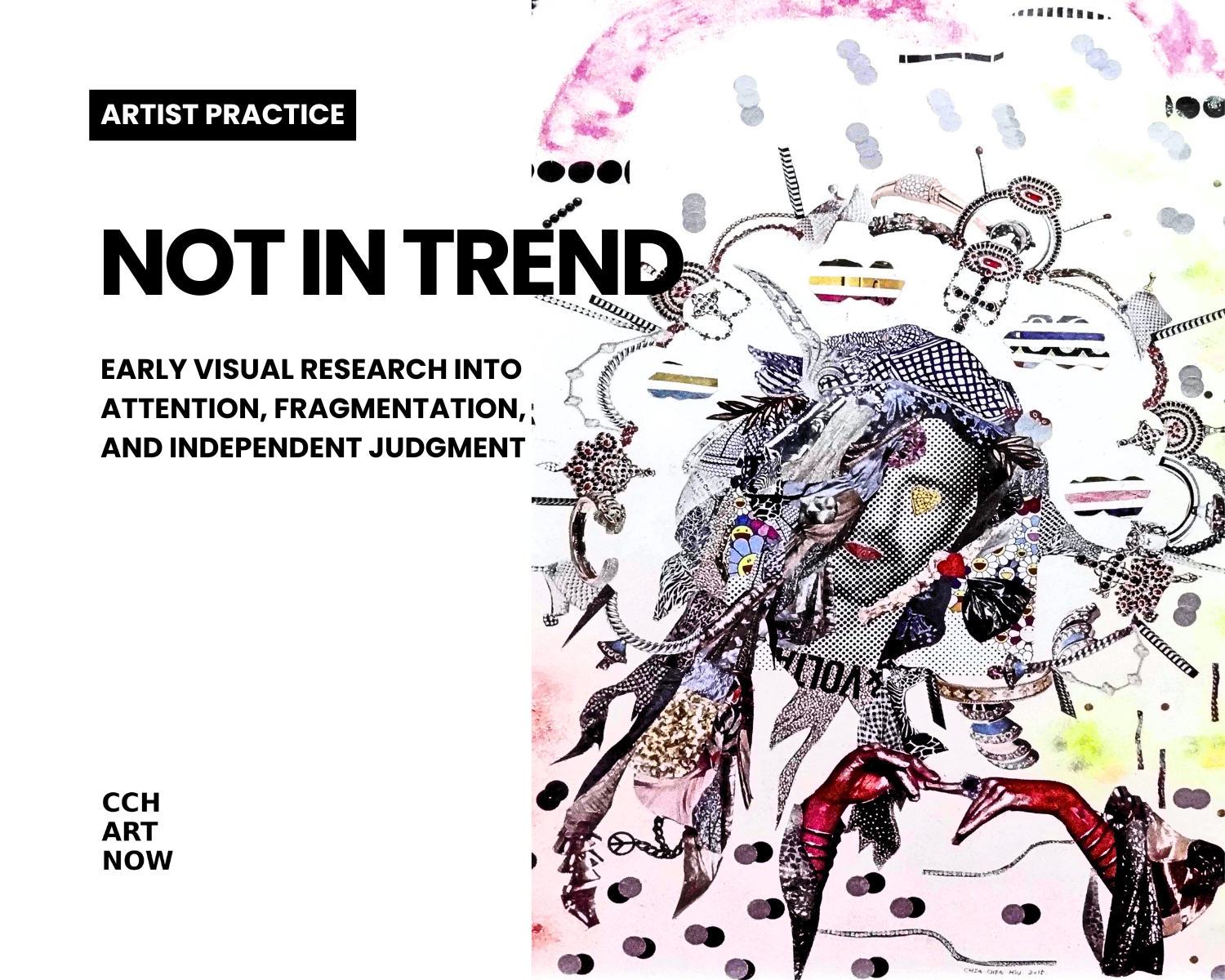
7. Artist practice
Full Article Archive
Browse all published writings, studio observations, case records, and educational essays from CCH ART NOW.
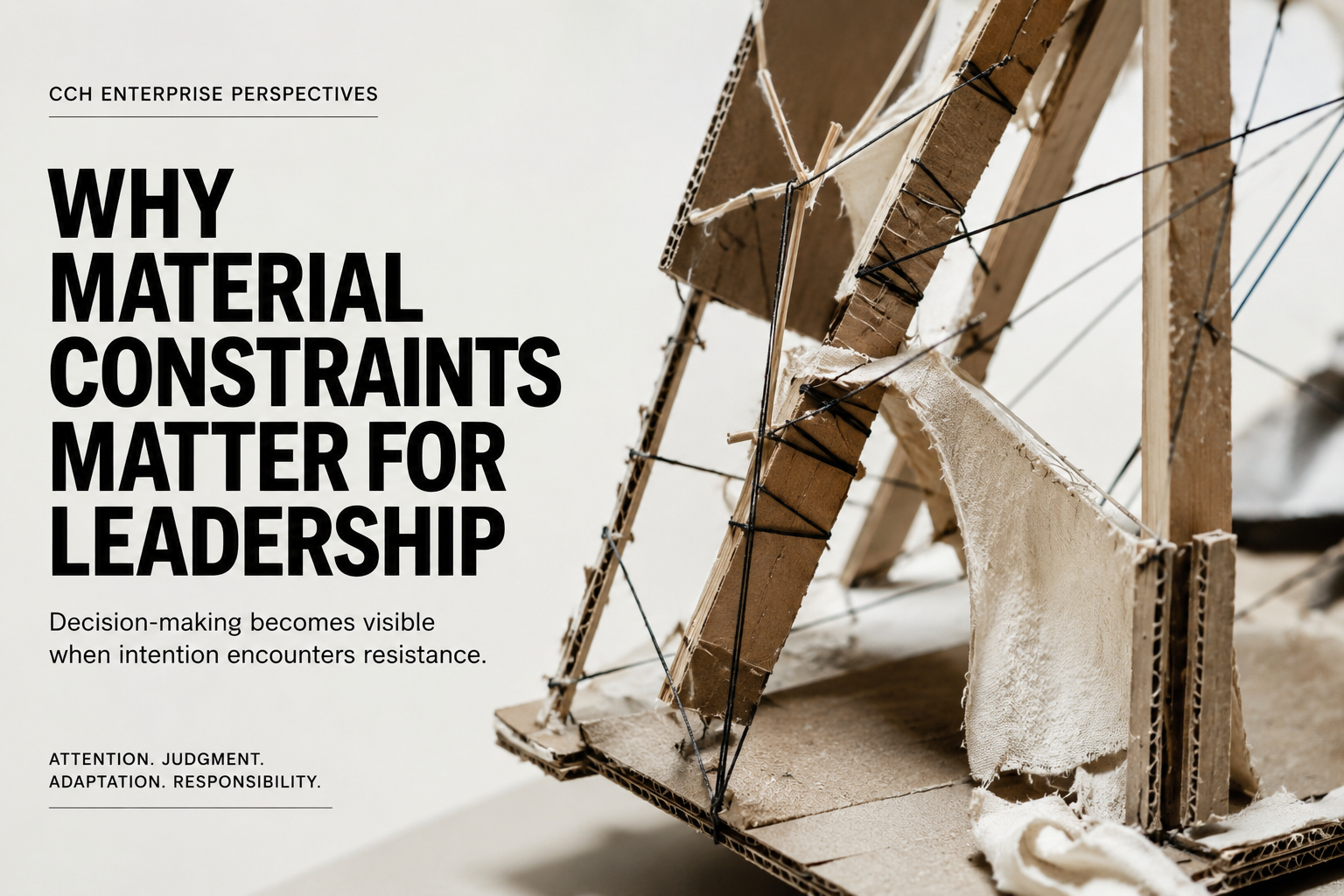
Why Material Constraints Matter for Leadership
Leadership becomes visible when intention encounters resistance. This article examines how material constraints create bounded decision environments in which attention, prioritization, adaptation, support-seeking, revision, and responsibility can be observed without reducing CCH enterprise work to a conventional creativity workshop.
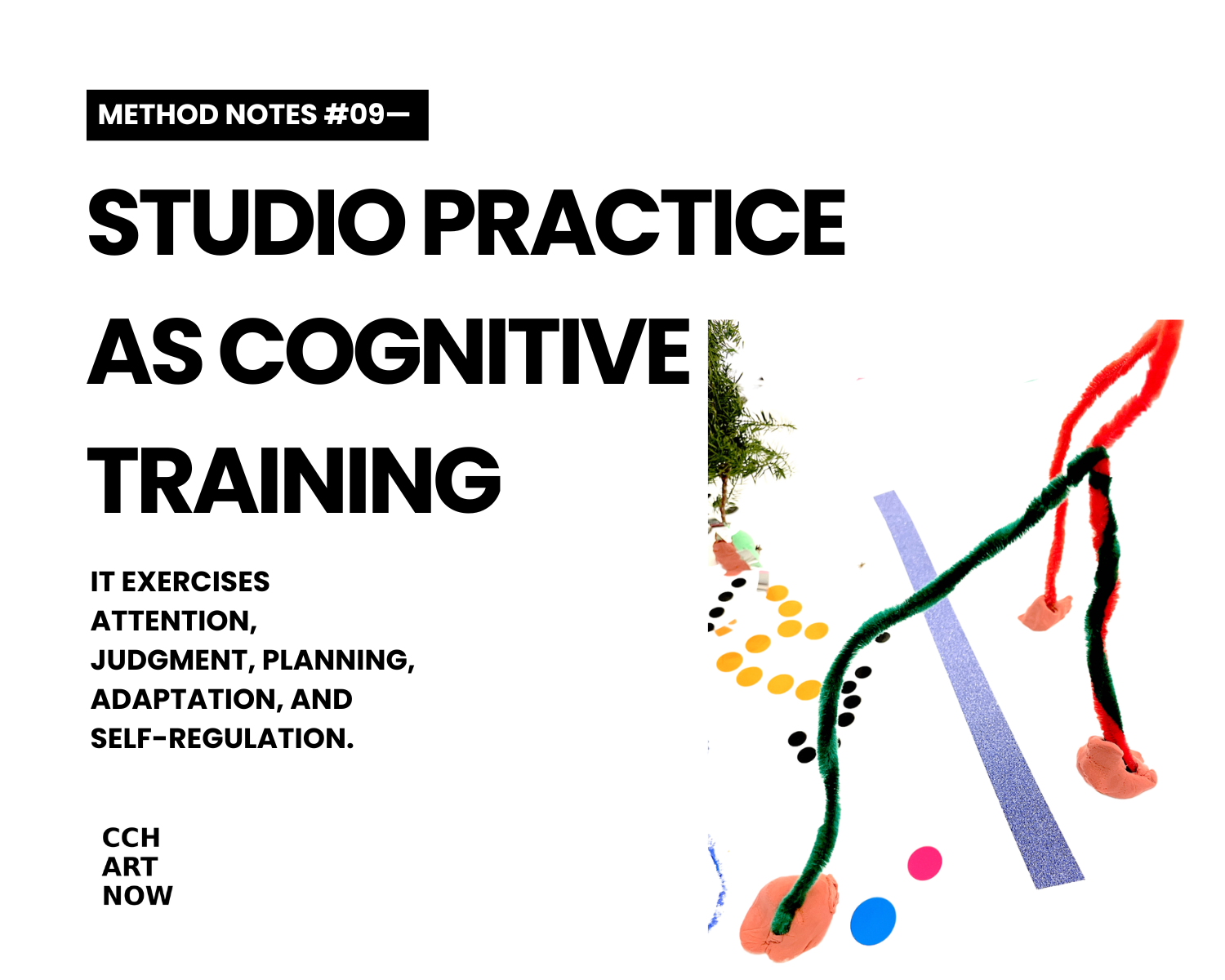
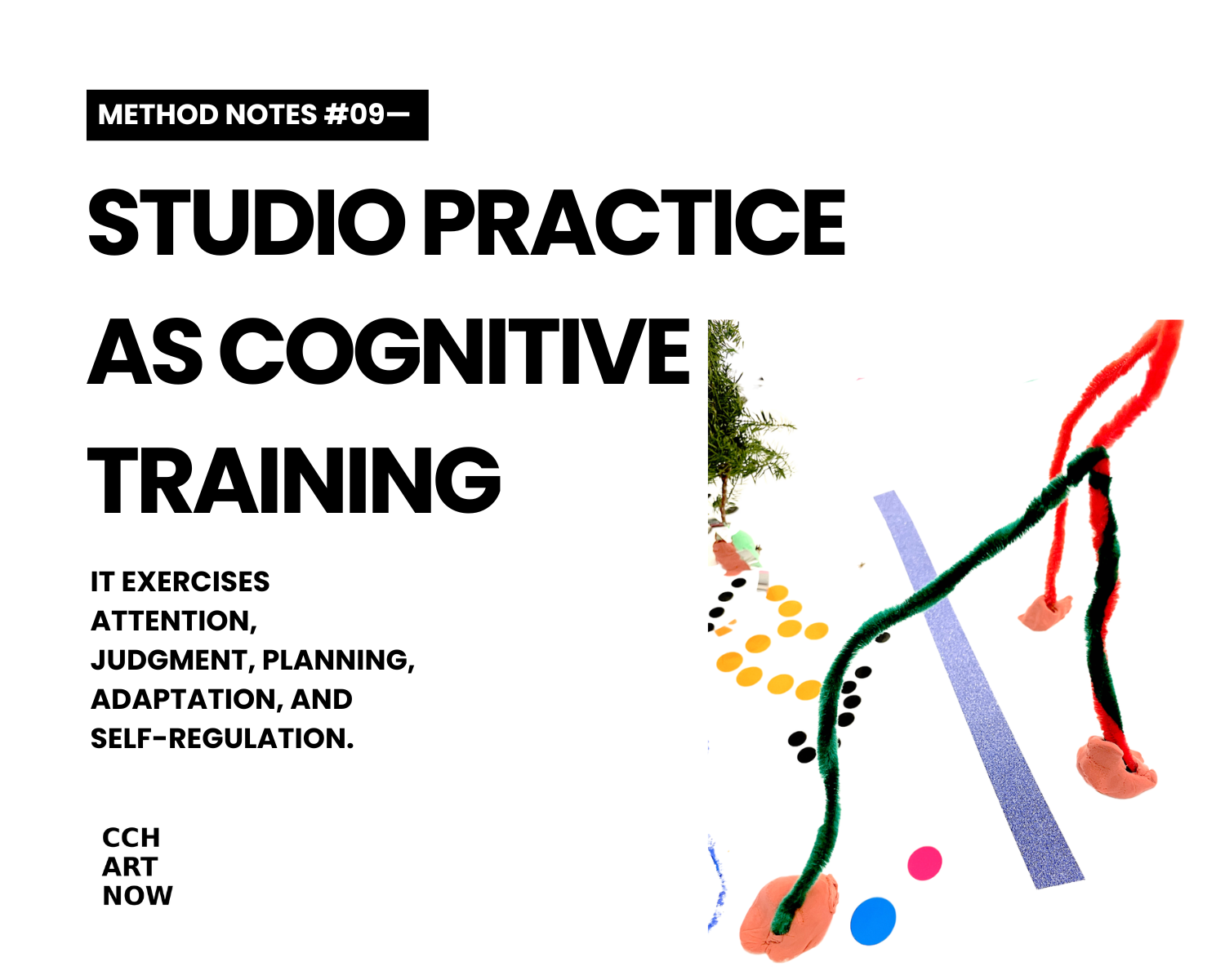
METHOD NOTES 09-Studio Practice as Cognitive Training
Studio practice can exercise more than artistic skill. This Method Note examines how making activates attention, working memory, planning, judgment, cognitive flexibility, self-regulation, and adaptive problem-solving through embodied material engagement.
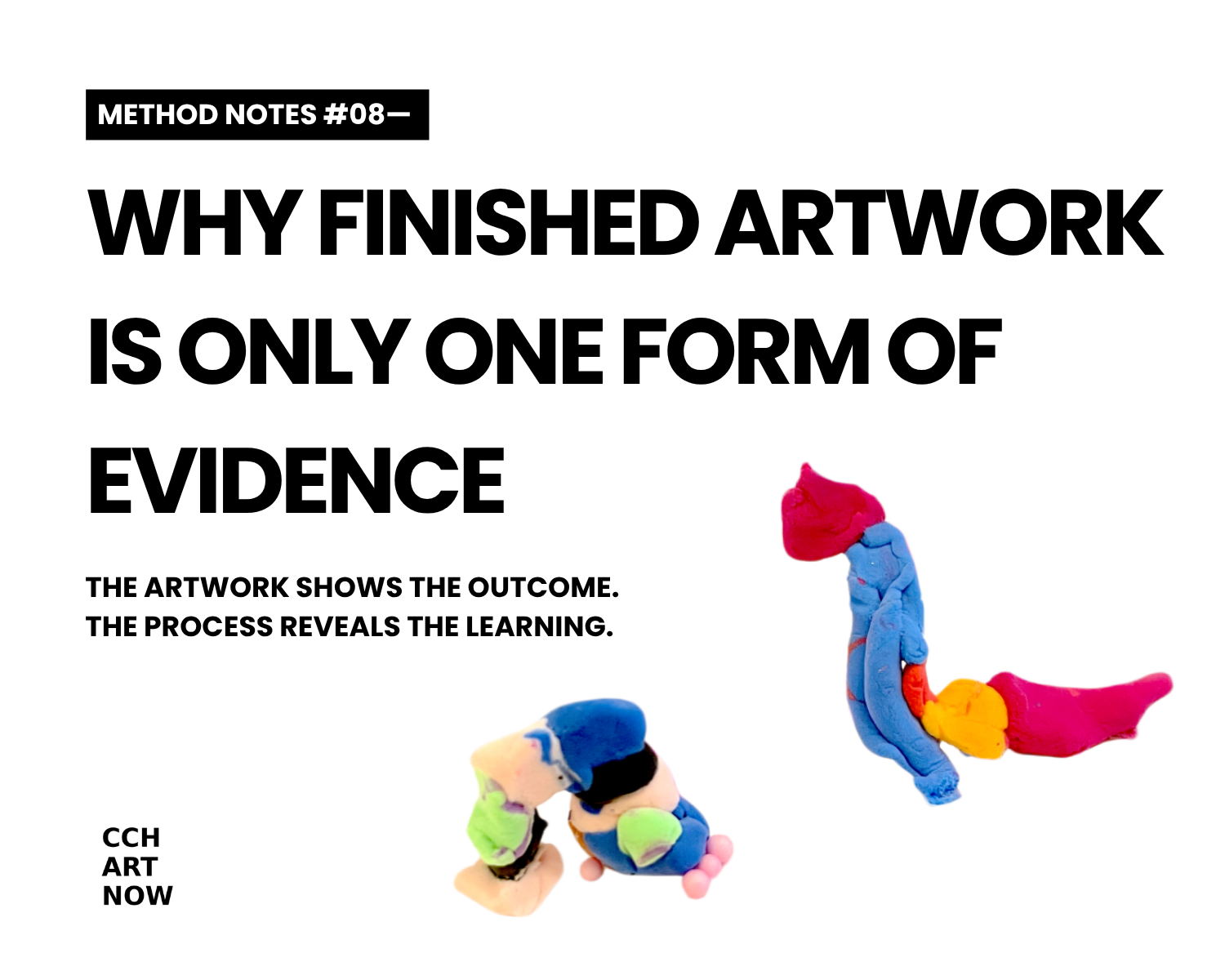
METHOD NOTES 08 - Why Finished Artwork Is Only One Form of Evidence
Finished artwork is meaningful evidence, but it cannot fully reveal how learning developed. This Method Note examines how CCH combines products, process records, observation, reflection, material traces, and longitudinal patterns to document studio learning.
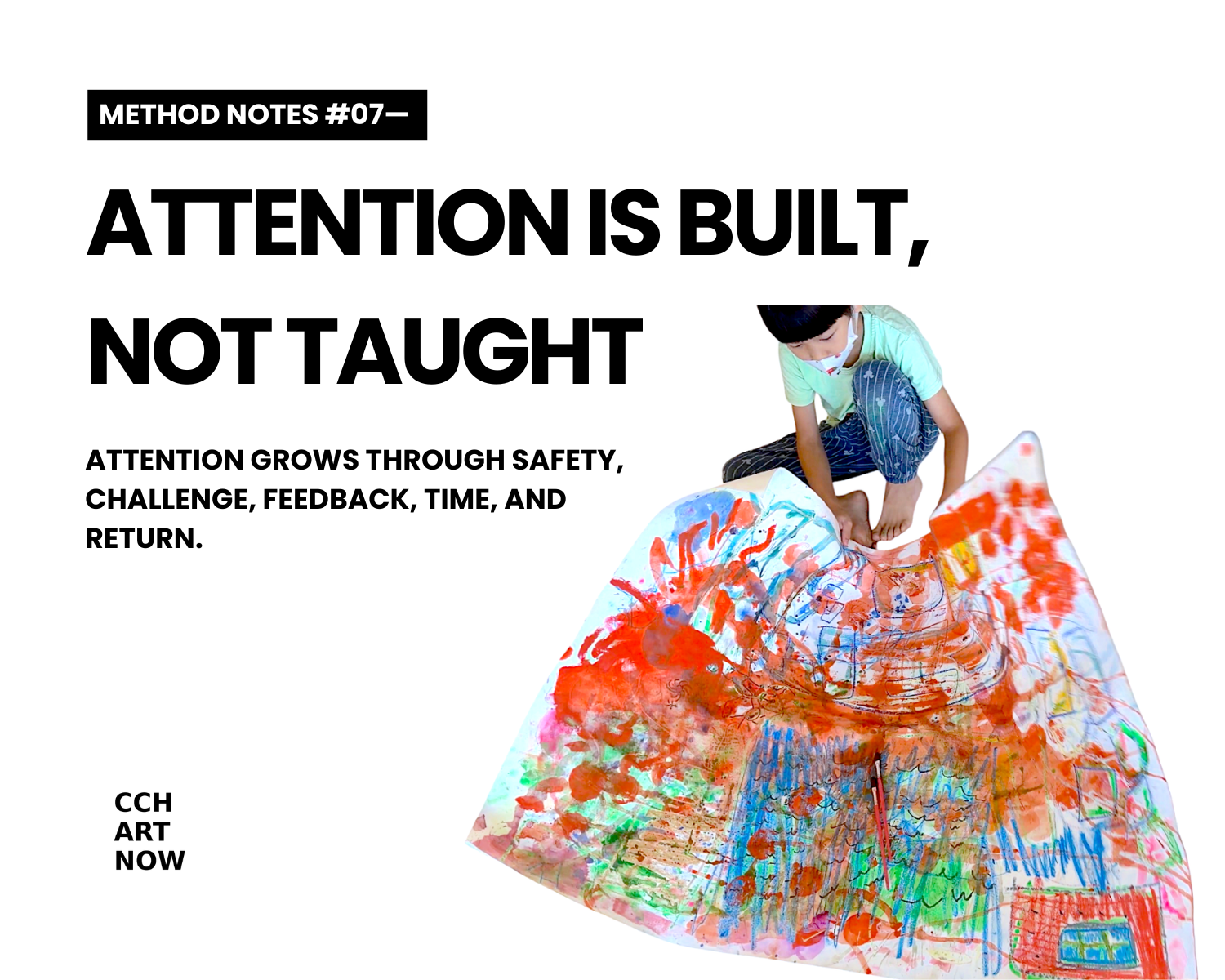
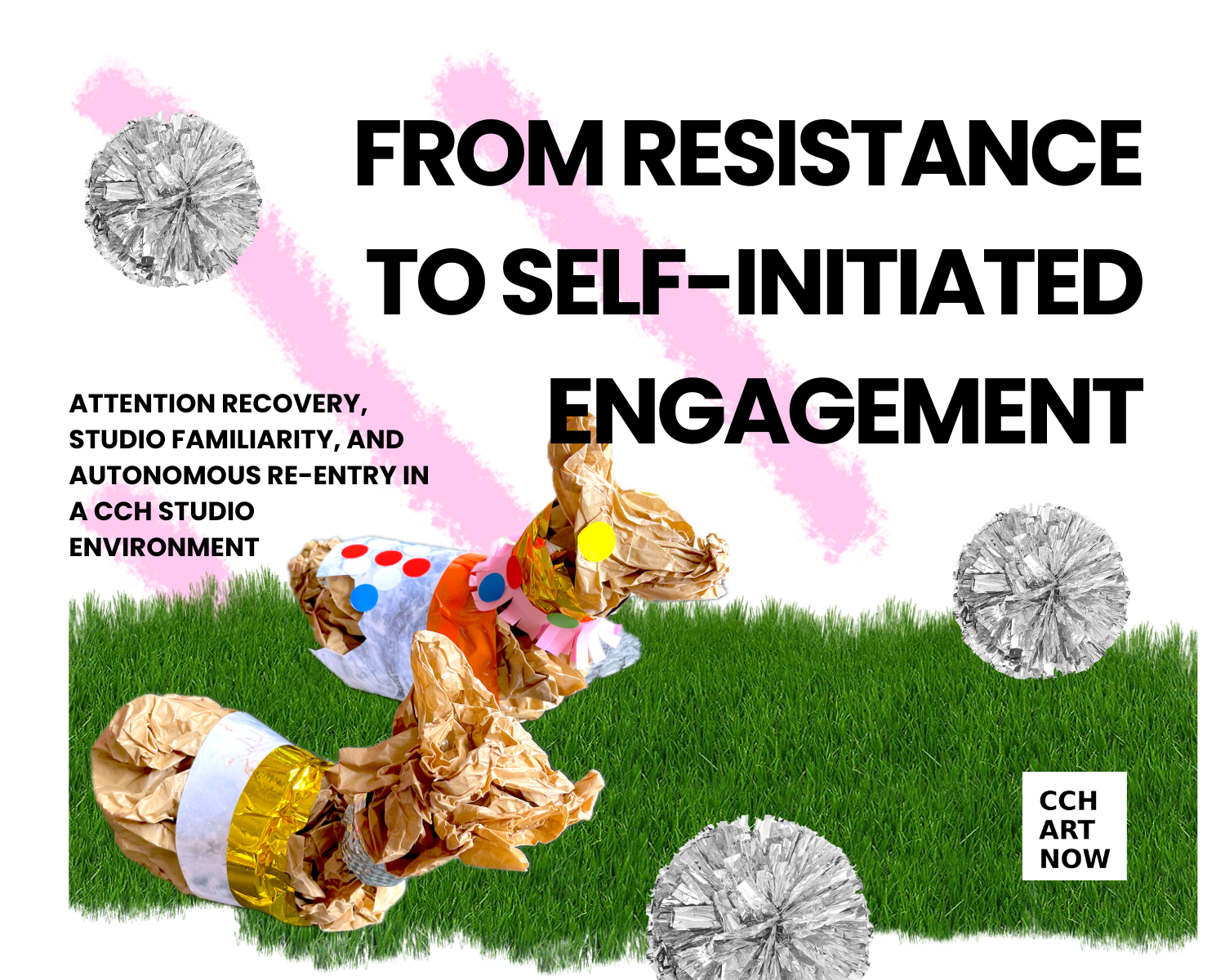
METHOD NOTES 07-Attention Is Built, Not Taught
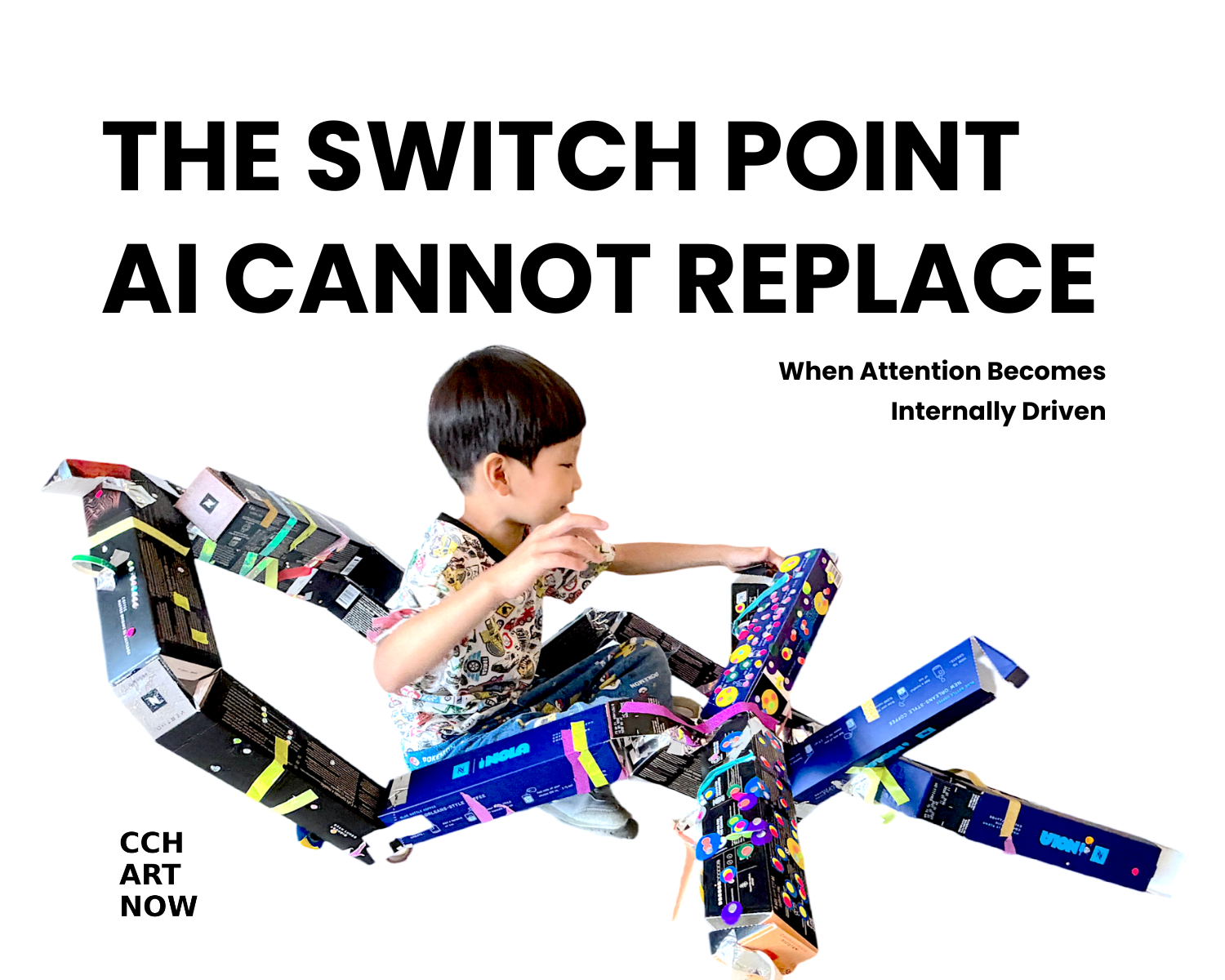
Attention is not built through reminders alone. This Method Note examines how emotional safety, material feedback, manageable challenge, flow conditions, repeated return, and two-hour studio units support the development of self-directed attention.
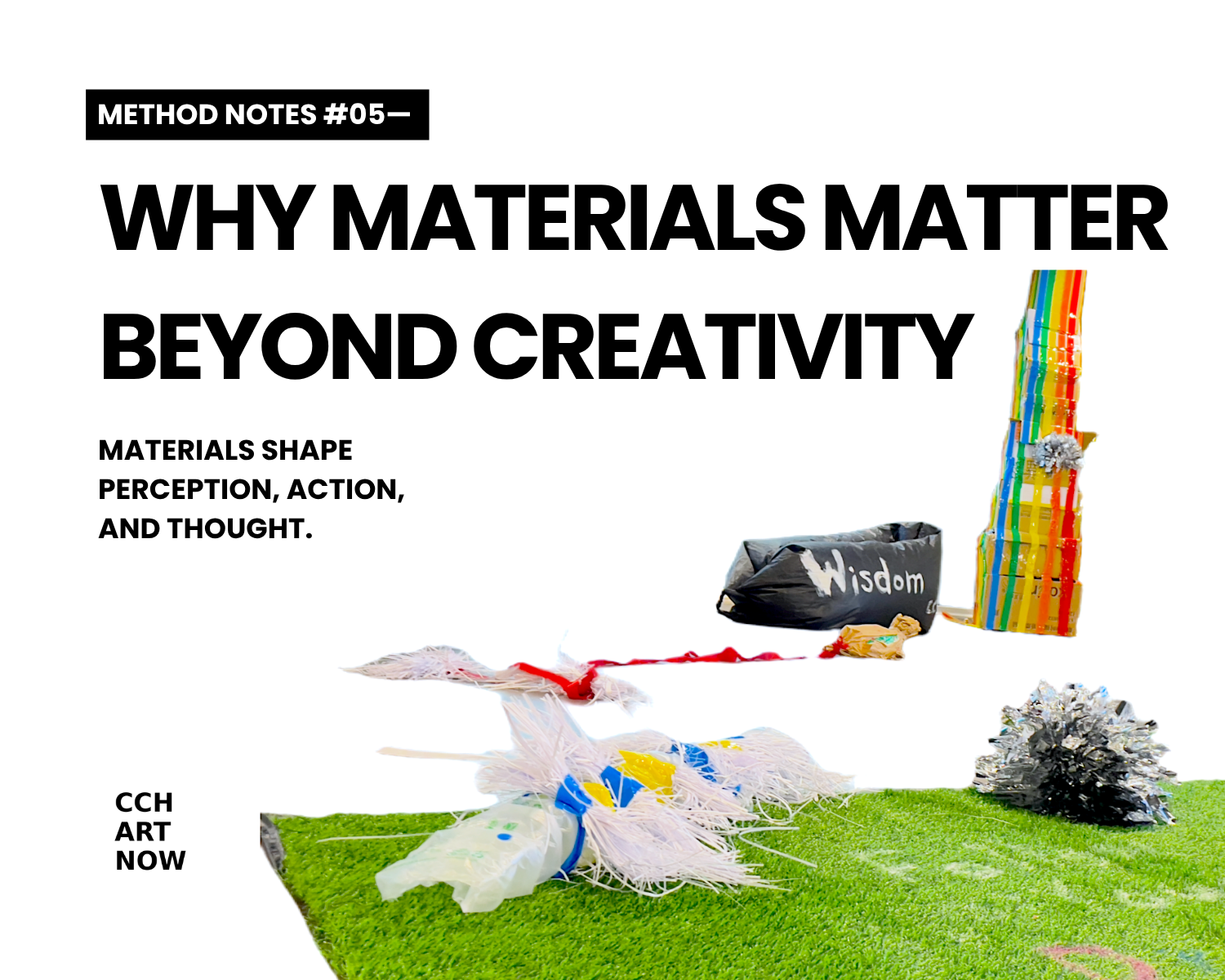
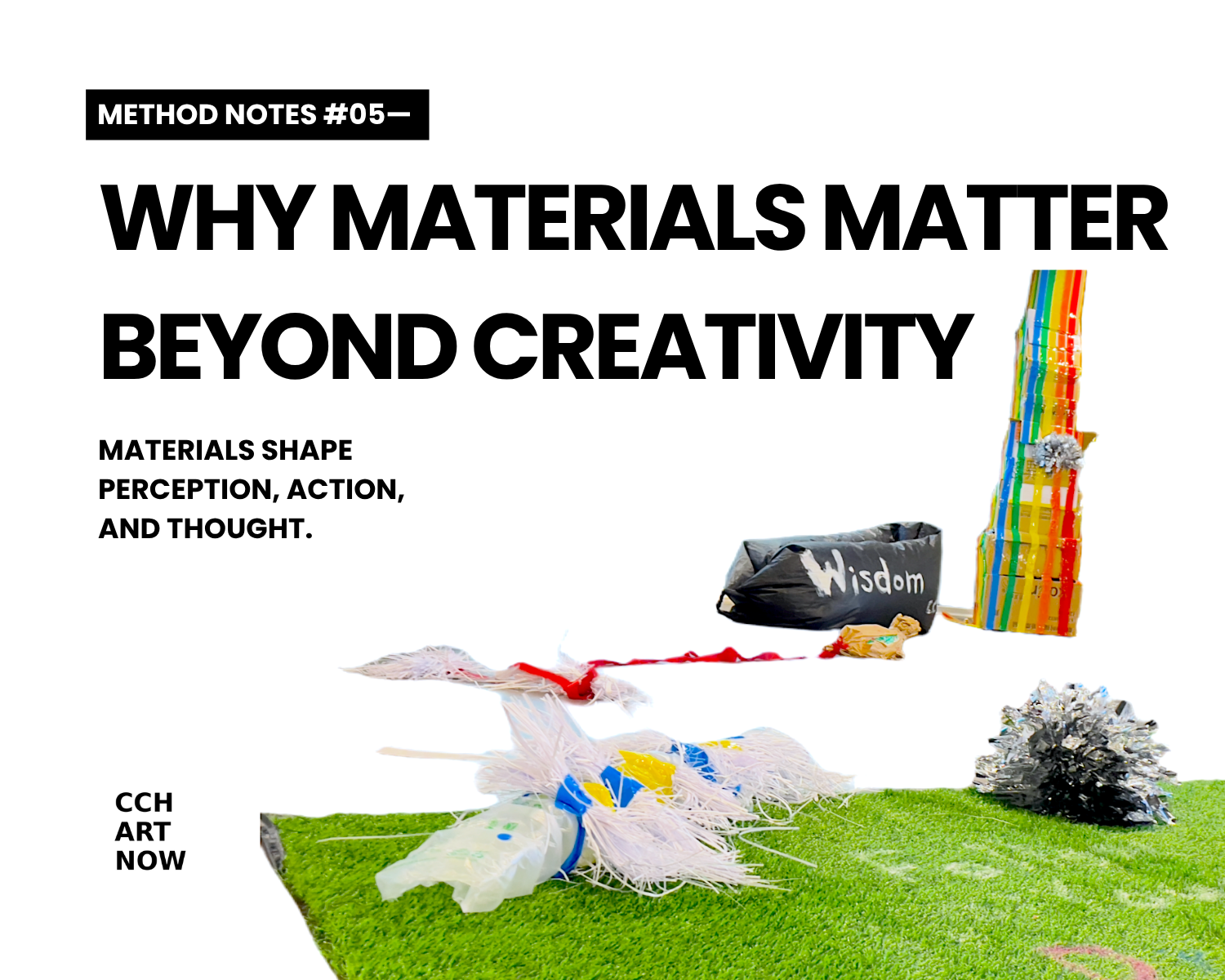
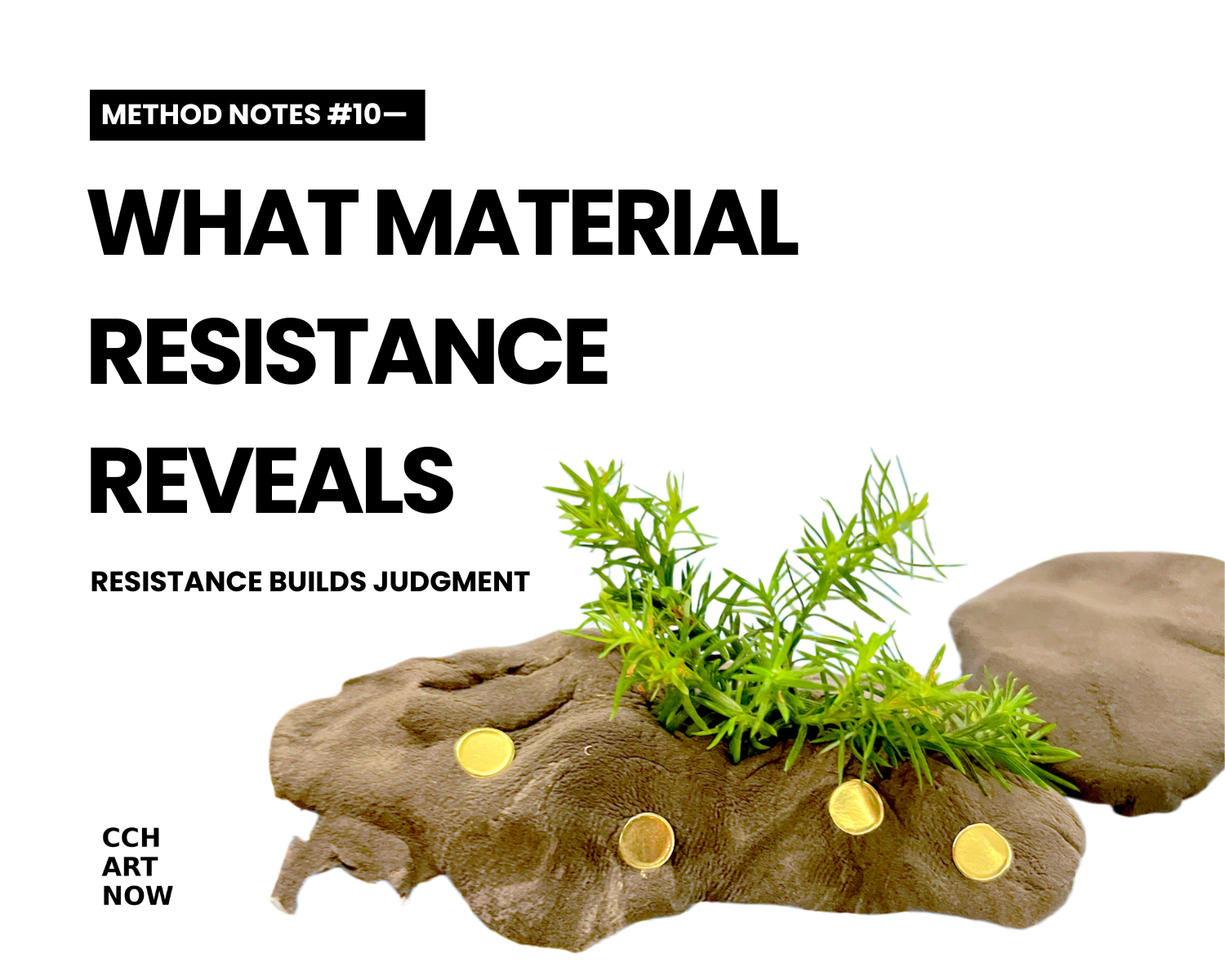
METHOD NOTES 05 - Why Materials Matter Beyond Creativity
Materials do more than support creativity. This Method Note examines how physical resistance, affordances, embodied action, and material feedback shape attention, judgment, autonomy, and cognitive development.
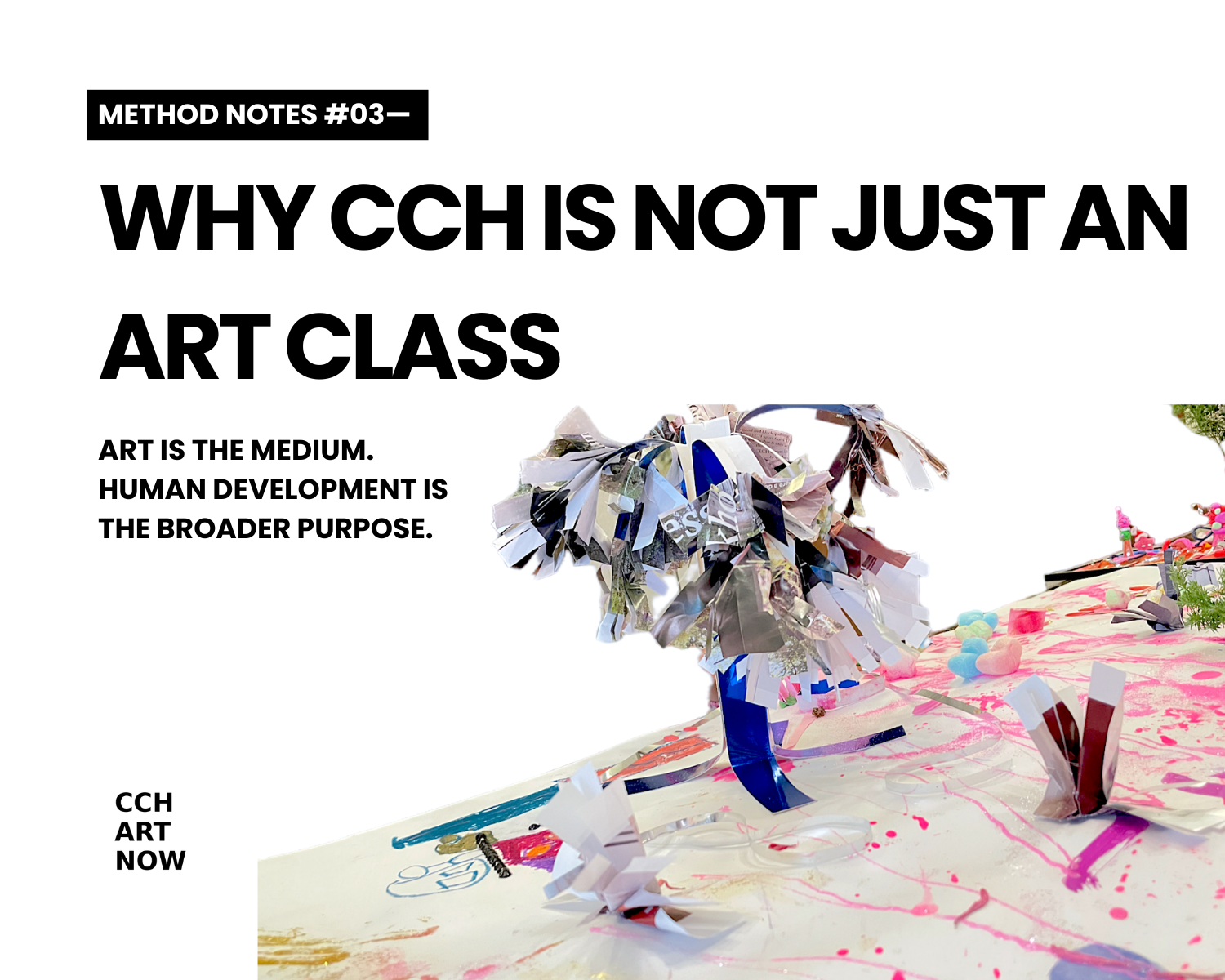
METHOD NOTES 03- Why CCH Is More Than an Art Class
CCH uses art as a medium for developing sustained attention, independent judgment, autonomy, self-regulation, and cognitive resilience. This Method Note explains why the framework extends beyond conventional technique- and outcome-centered art instruction.
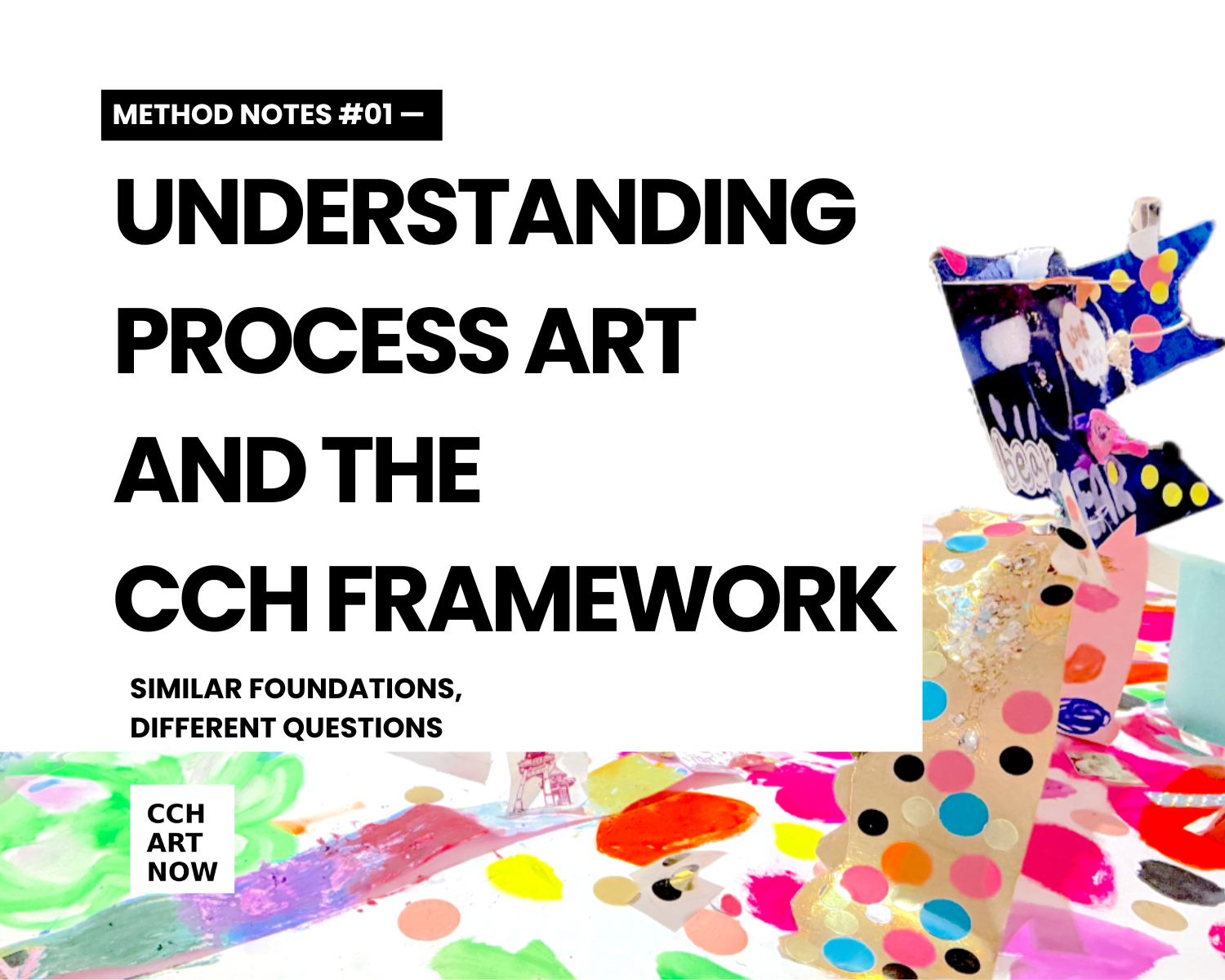
Method Notes 01-Understanding Process Art and the CCH Framework
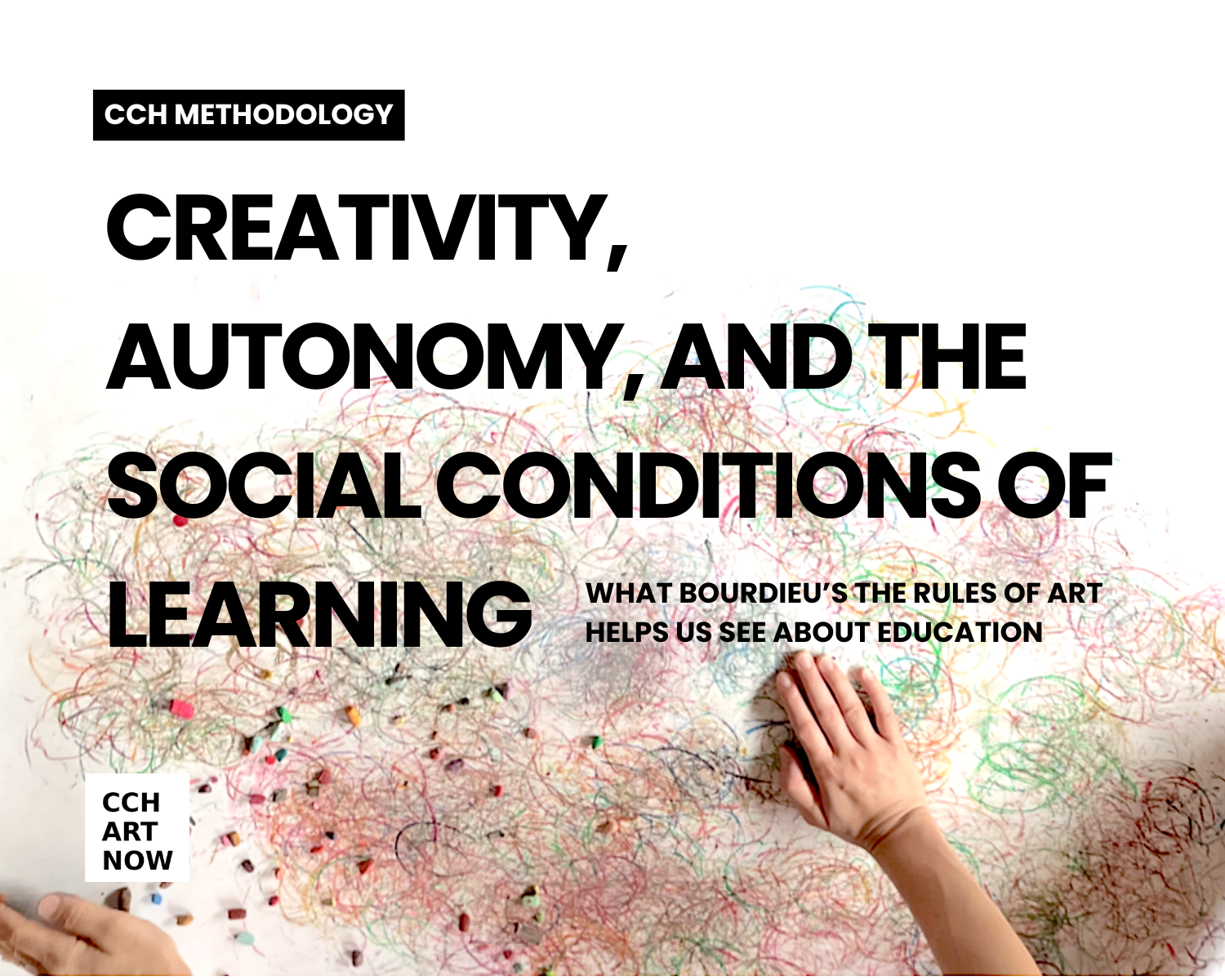
CCH shares several educational principles with Process Art while extending studio practice through attention, judgment, self-regulation, and cognitive development. This Method Note examines where these approaches overlap—and where their educational questions begin to diverge.
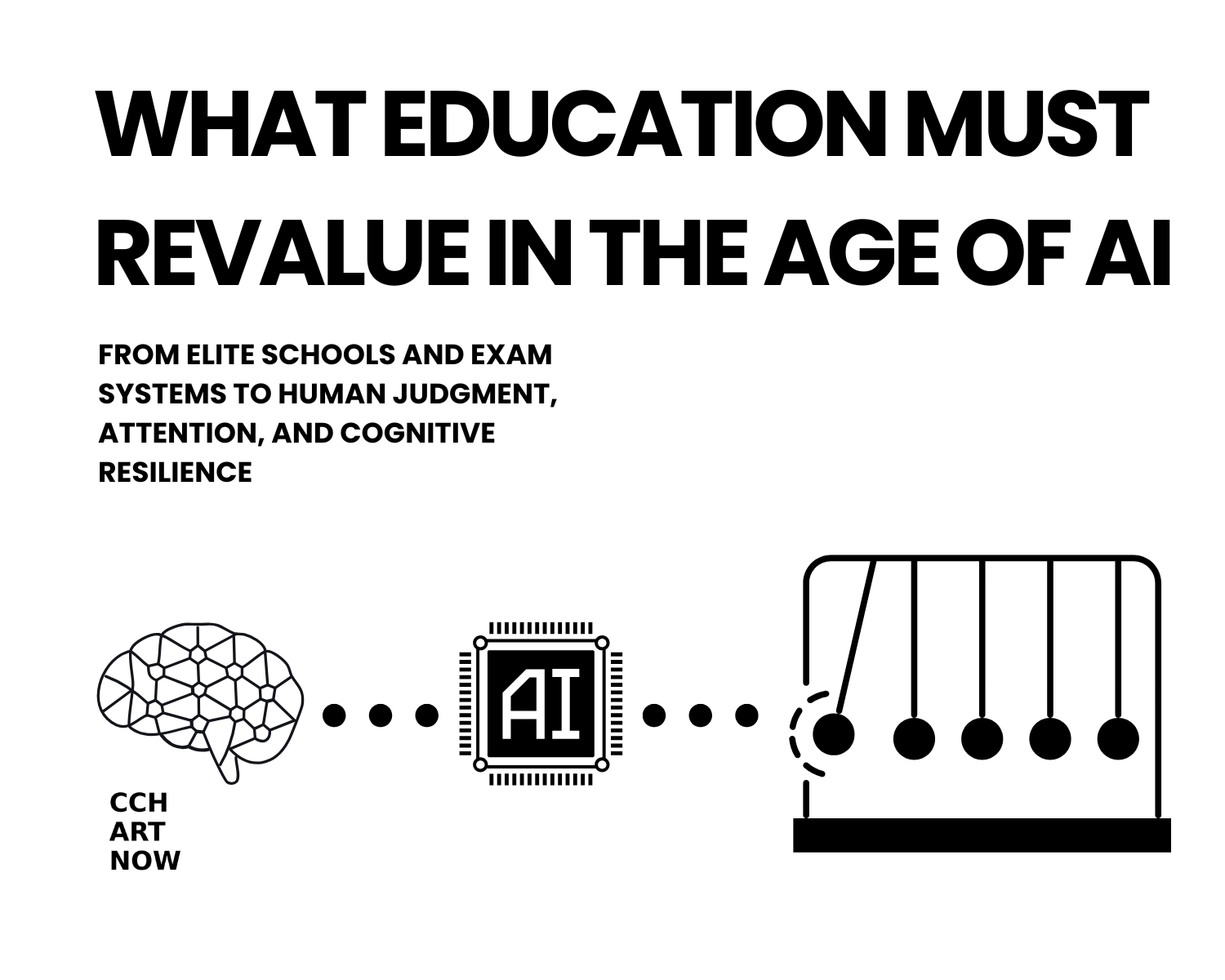
What Education Must Revalue in the Age of AI
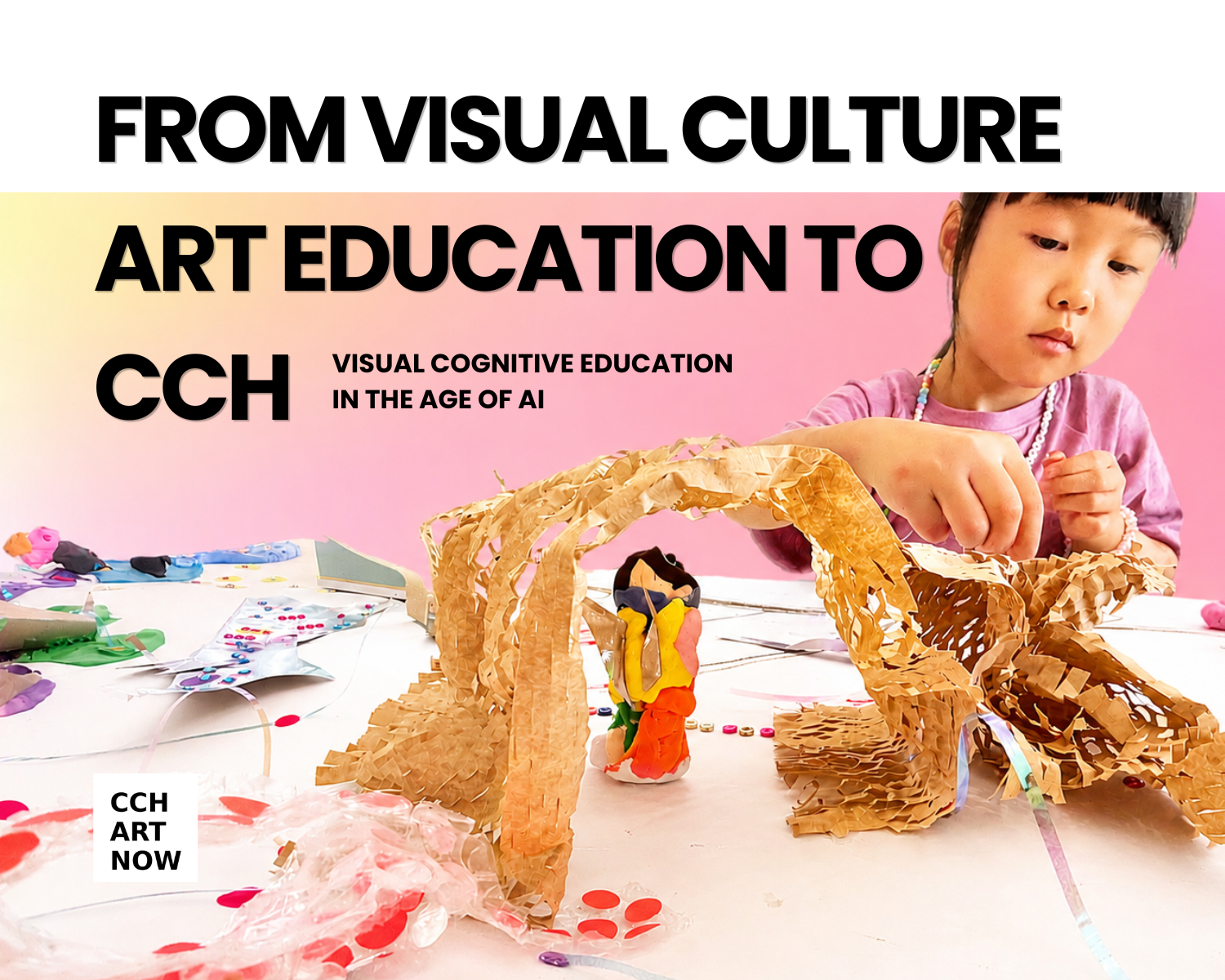
As AI makes knowledge increasingly accessible, education can no longer rely on information delivery as its primary value. The deeper task is to cultivate the human capacities that remain difficult to automate: sustained attention, independent judgment, embodied understanding, emotional regulation, and the ability to continue working under uncertainty. CCH ART NOW positions studio-based learning as a human capability system for the AI era.
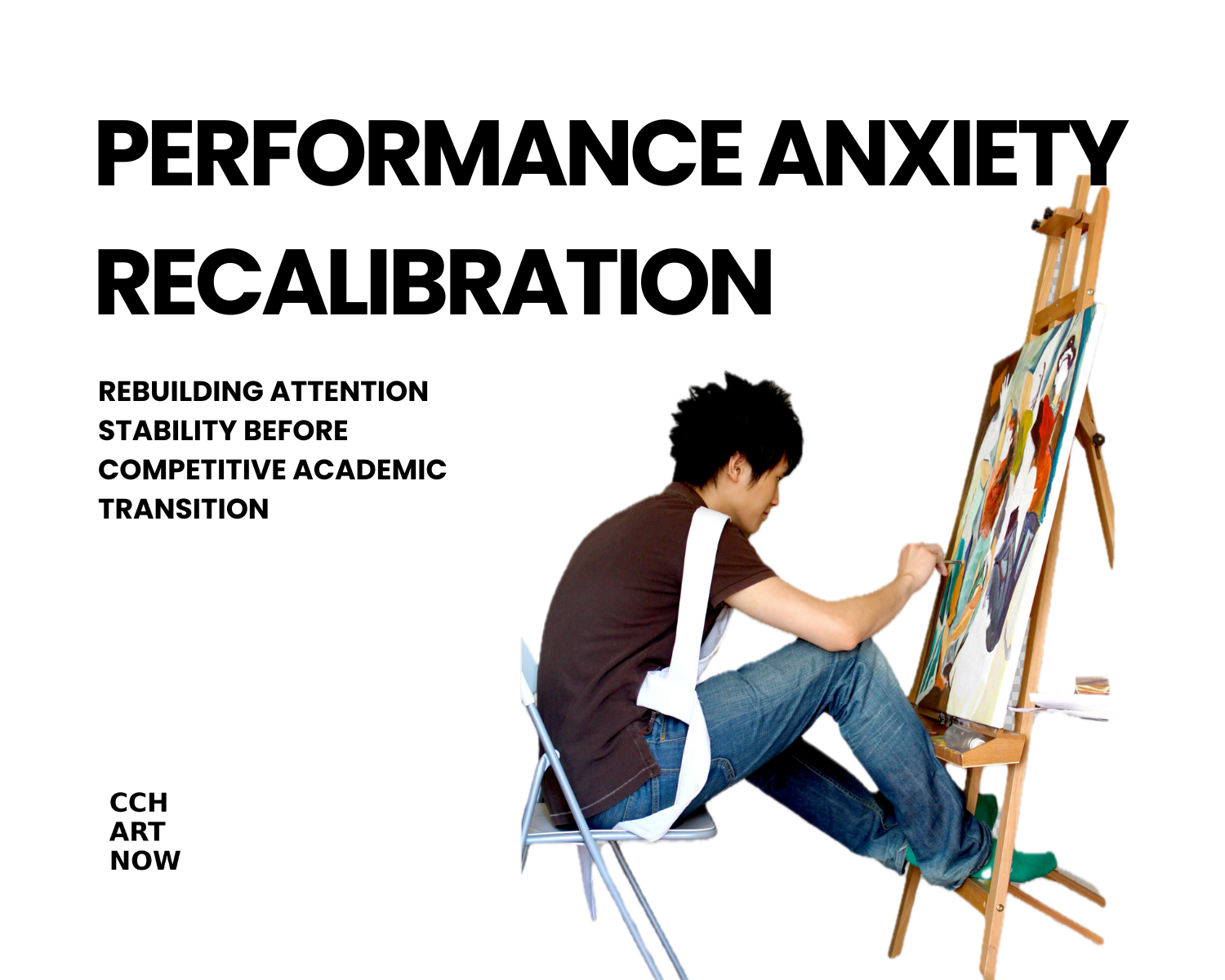
Case 1|Performance Anxiety Recalibration
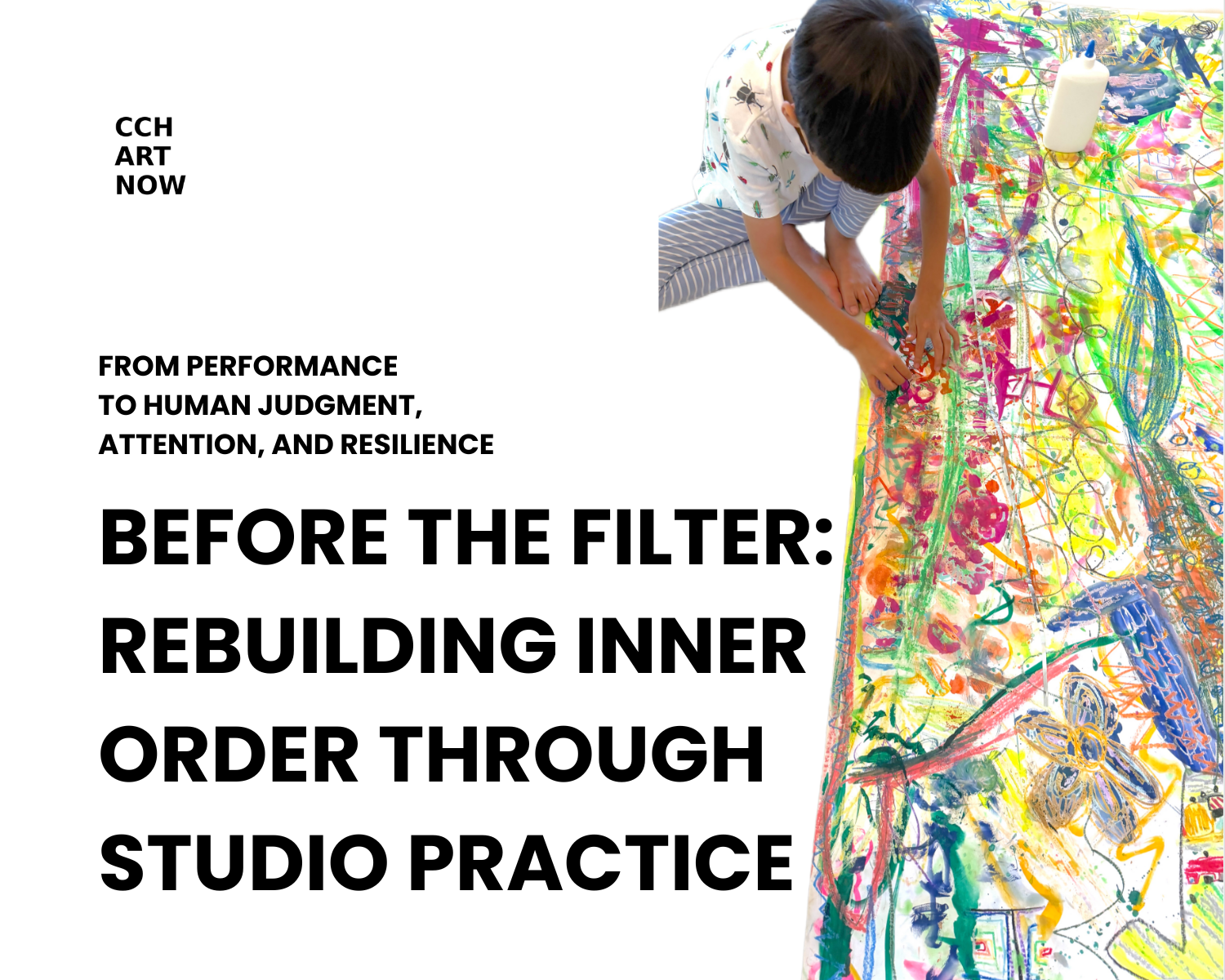
A case note on how CCH studio practice supported an adolescent learner facing performance pressure, attention fragmentation, and academic transition by rebuilding emotional regulation and focus stability through material-based creative engagement.
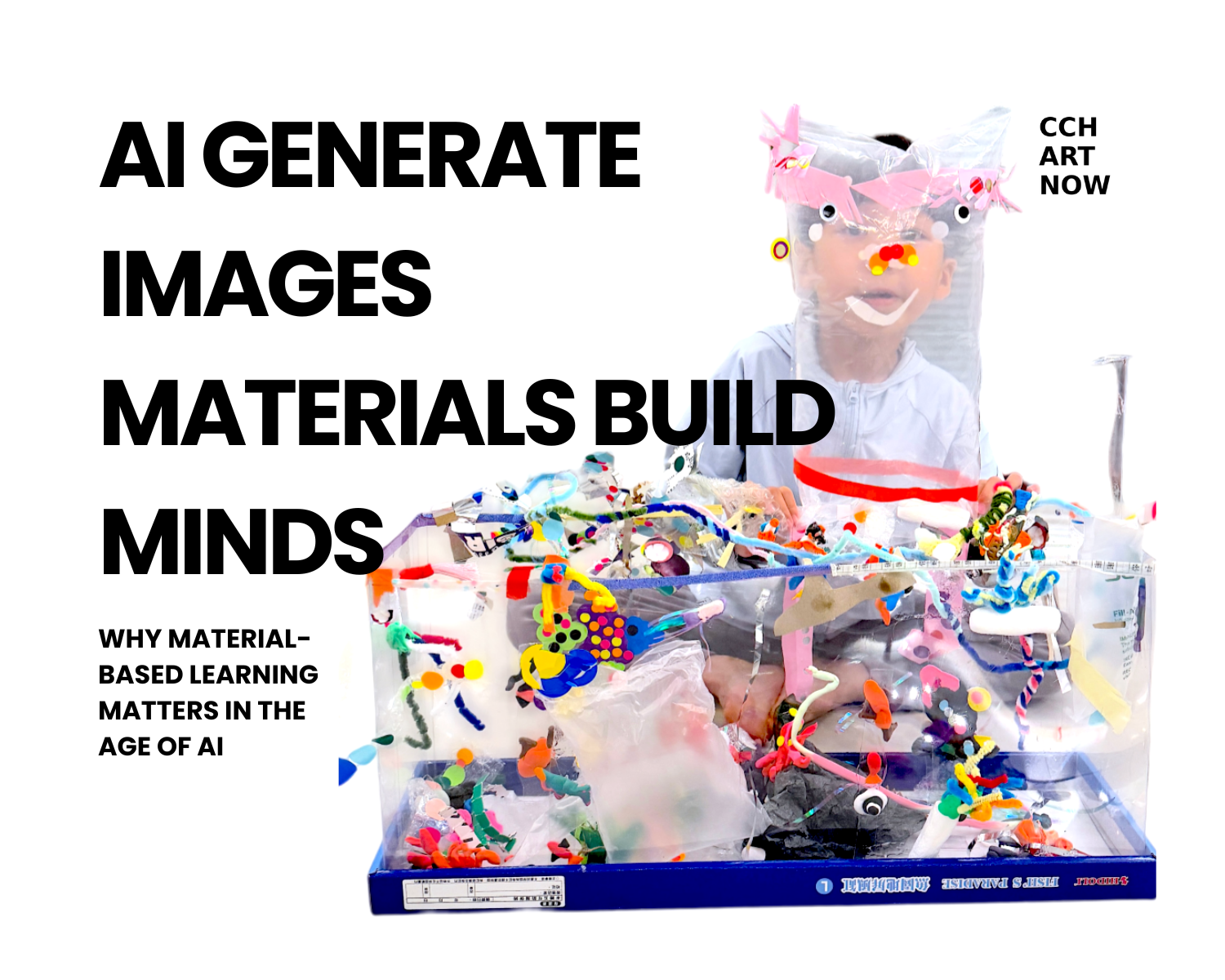
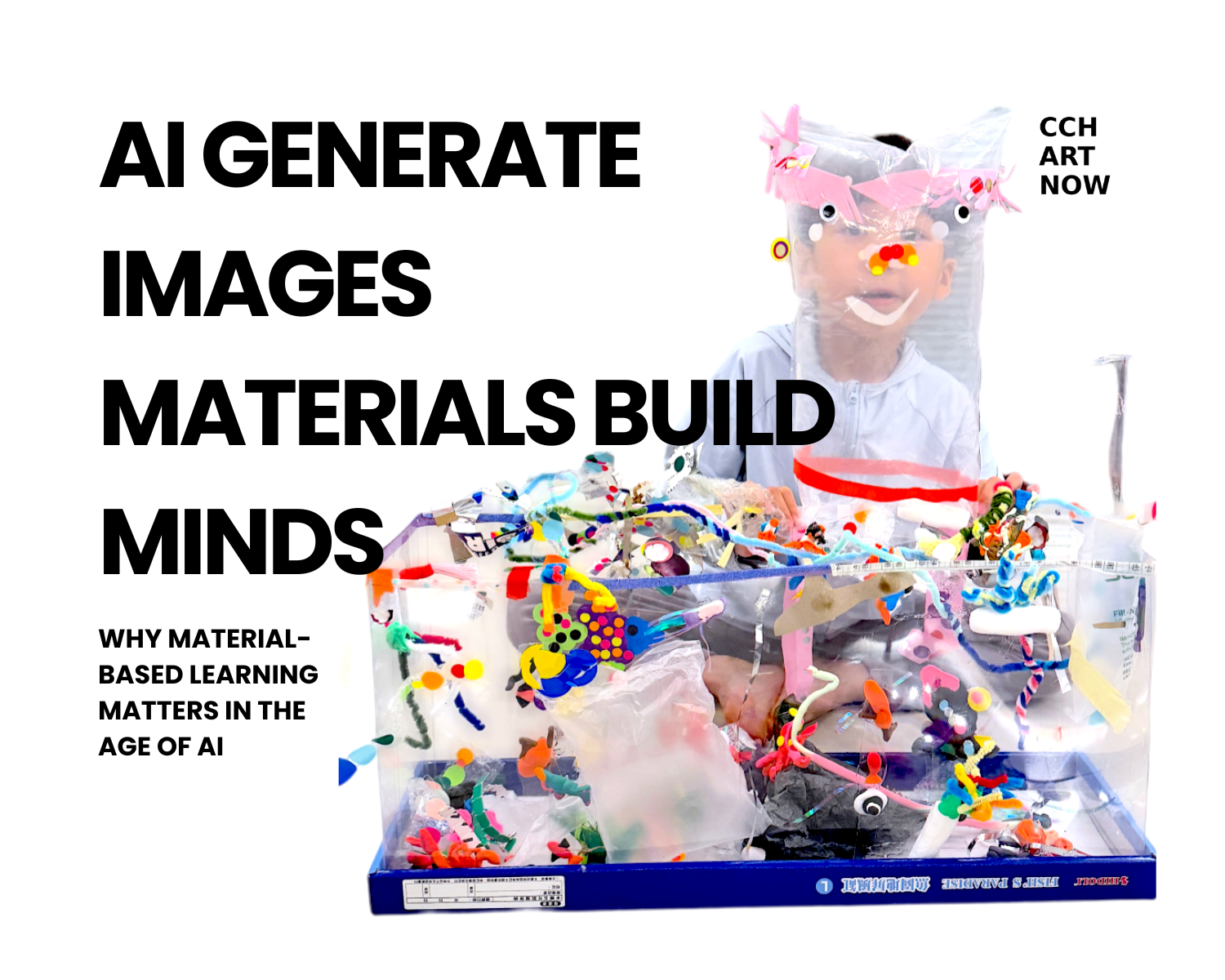
AI Generate Images Materials Build Minds
AI can generate outputs, but materials train minds. This article examines why physical materials still matter in the age of artificial intelligence, exploring how material resistance supports attention, judgment, emotional regulation, and reality-based learning. Through the lens of robotics, footwear, embodied cognition, and studio-based education, it argues that children need sustained contact with real materials to develop human capacities that speed and automation cannot replace.
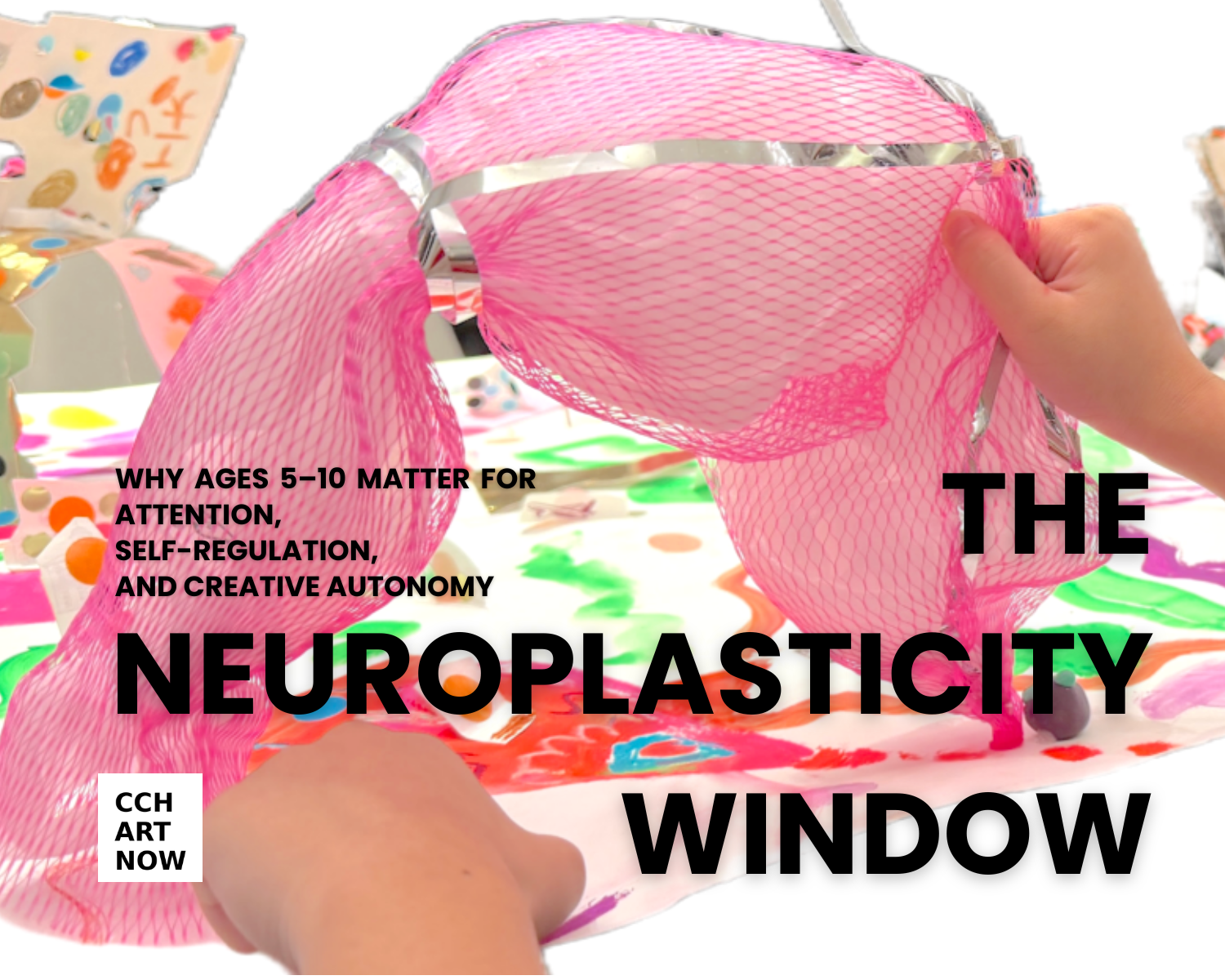
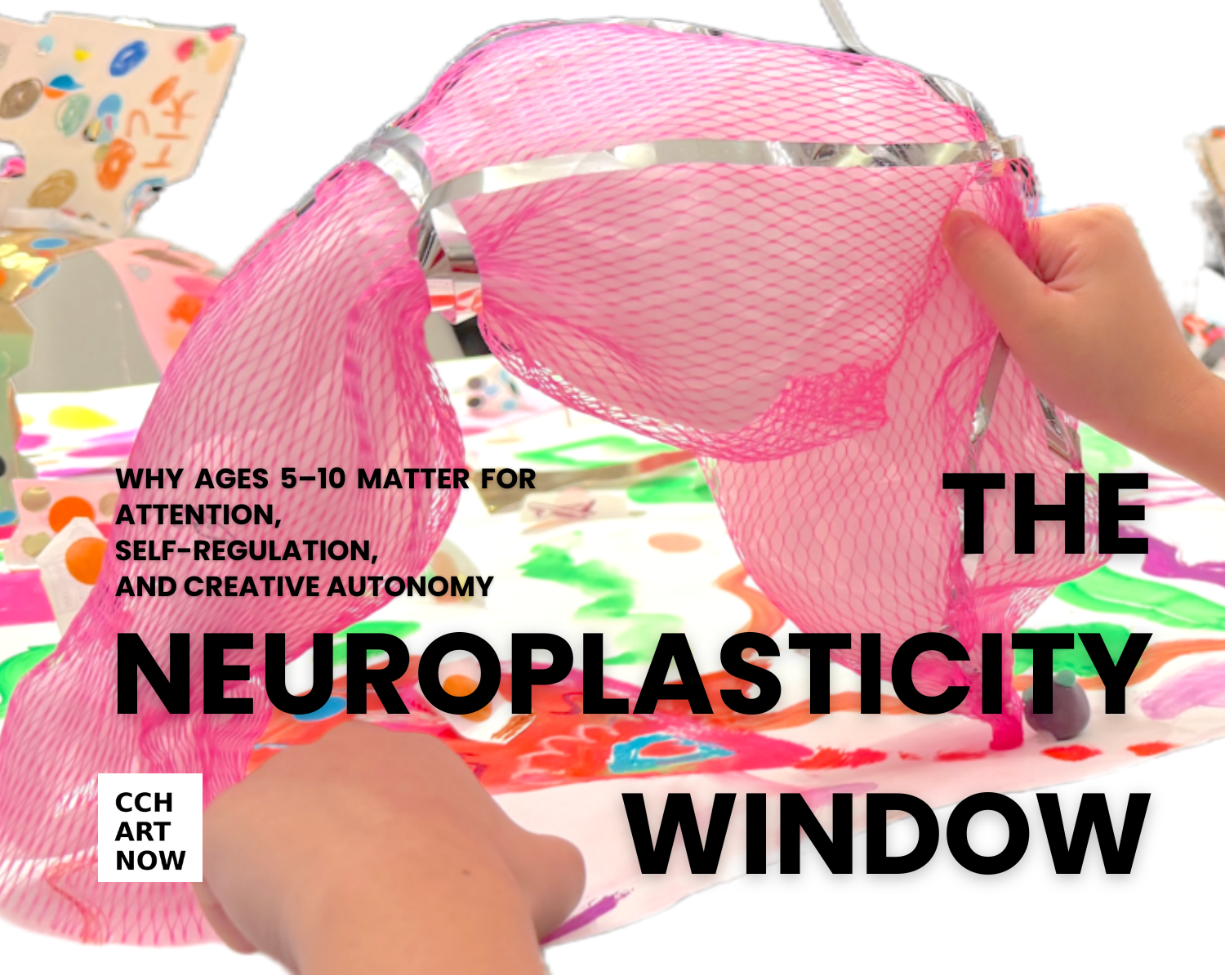
The Neuroplasticity Window
Why ages 5–10 matter for attention, self-regulation, and creative autonomy — and how material-based studio learning can support children’s developing executive function and independent judgment.
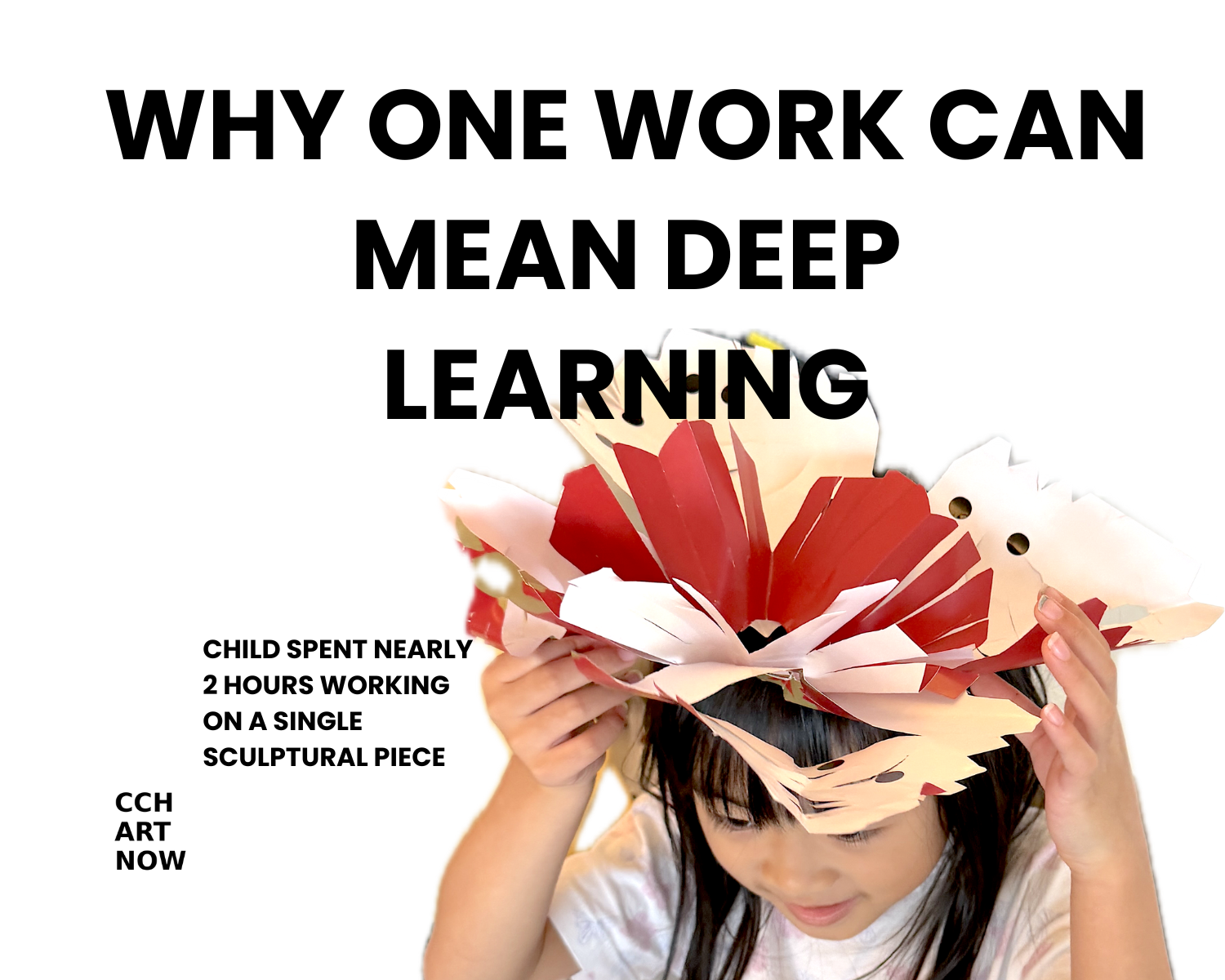
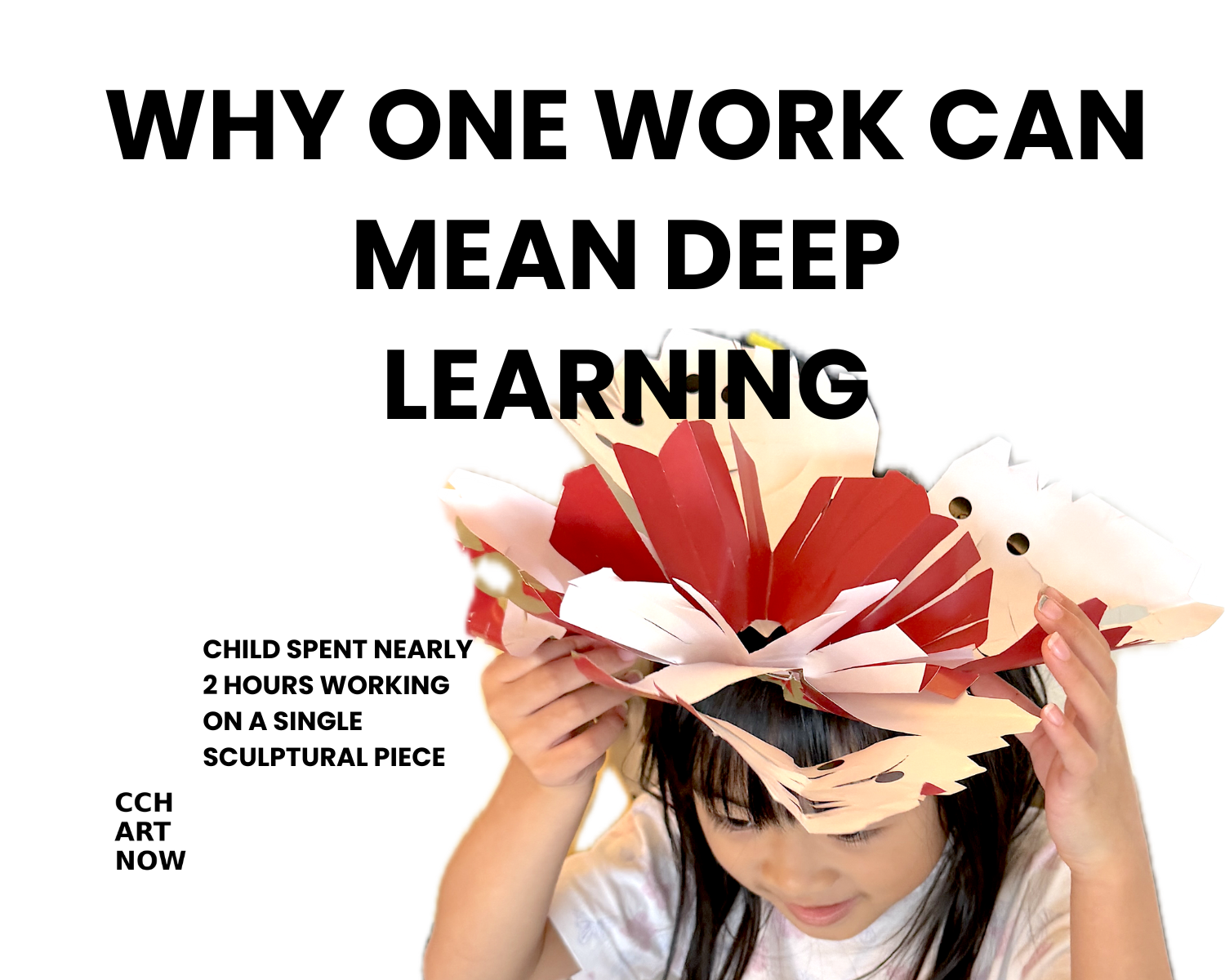
Why One Work Can Mean Deep Learning
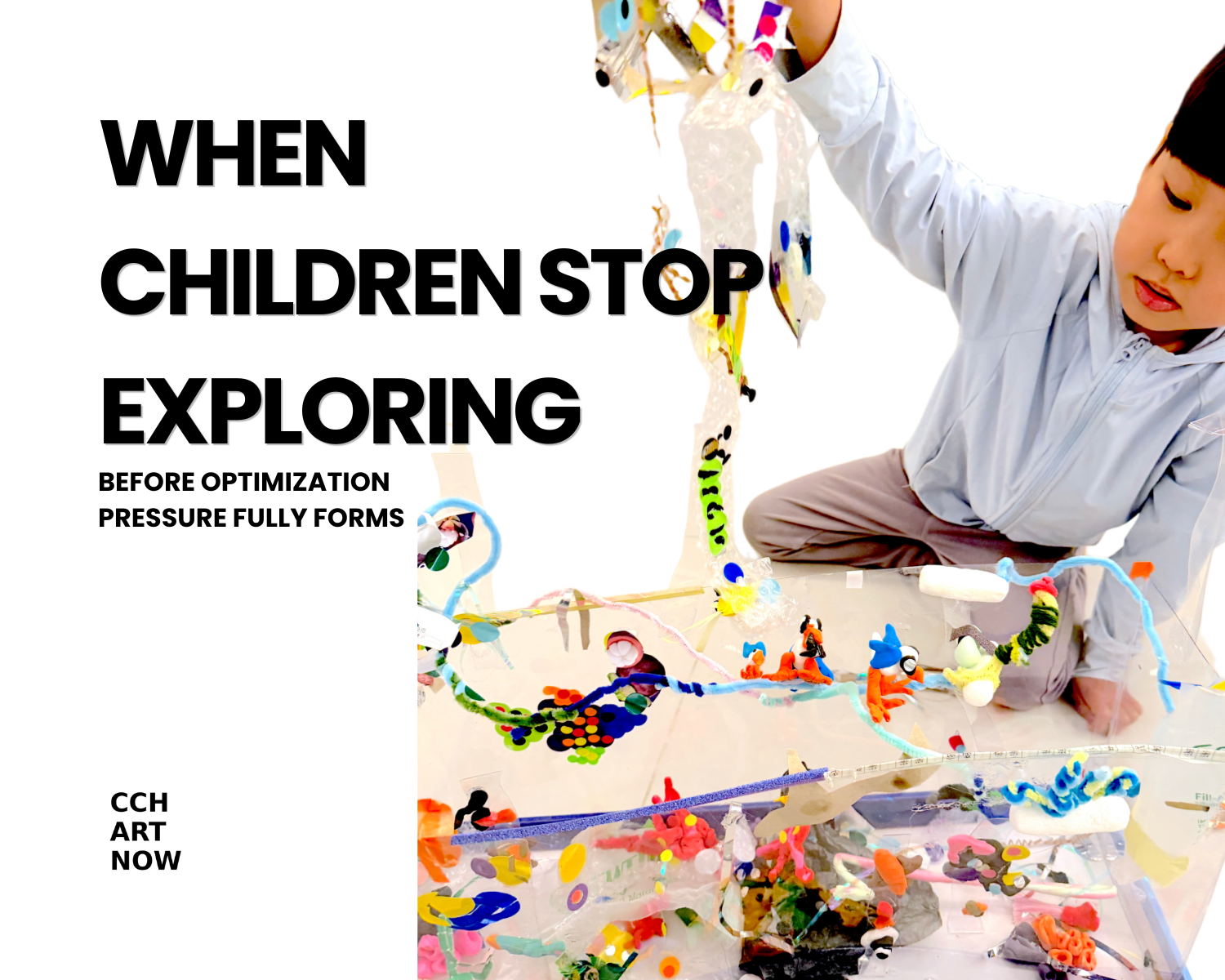
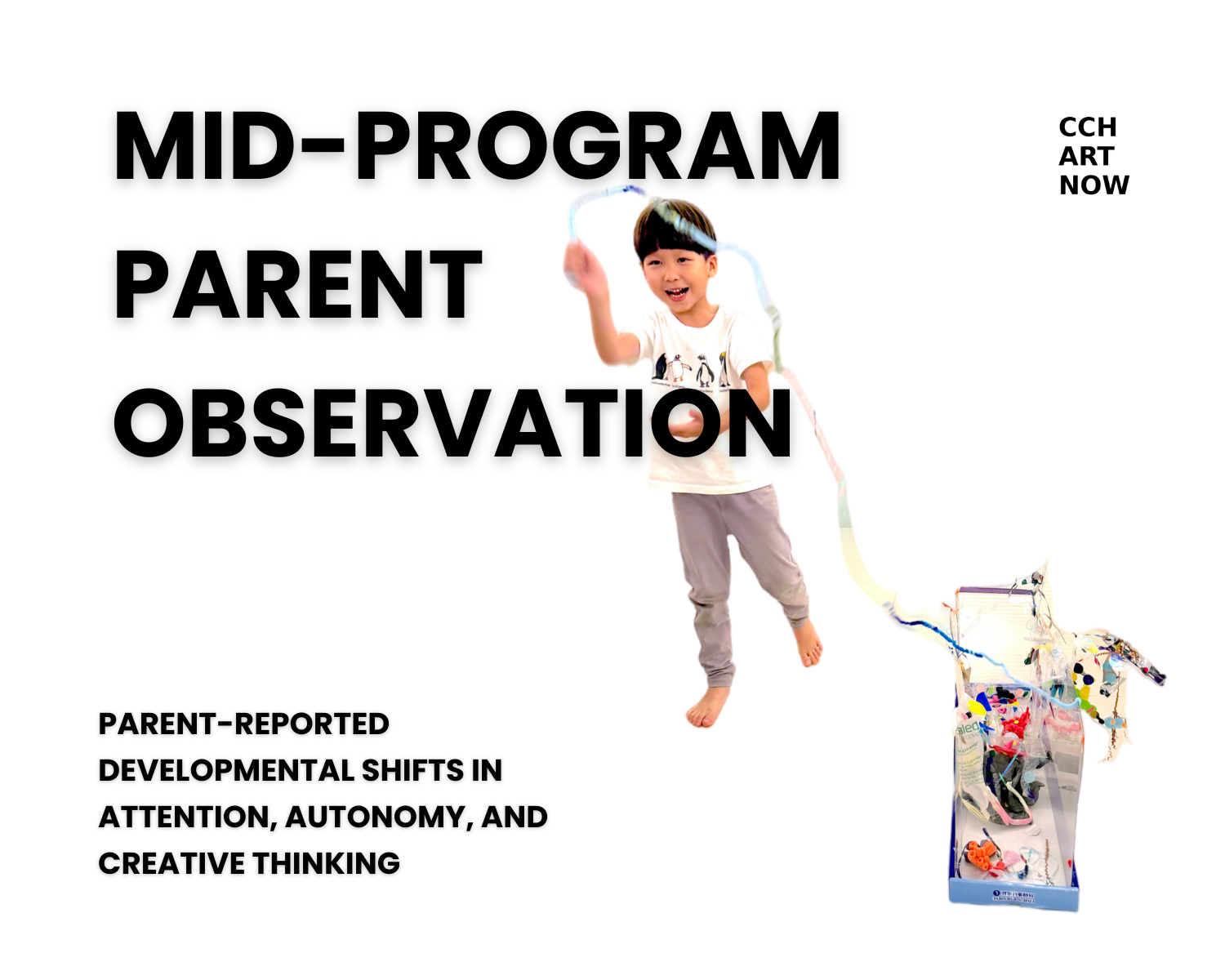
A CCH studio observation explaining why completing one work over an extended session can reflect sustained attention, material testing, structural thinking, and deep learning rather than slow progress or limited output.
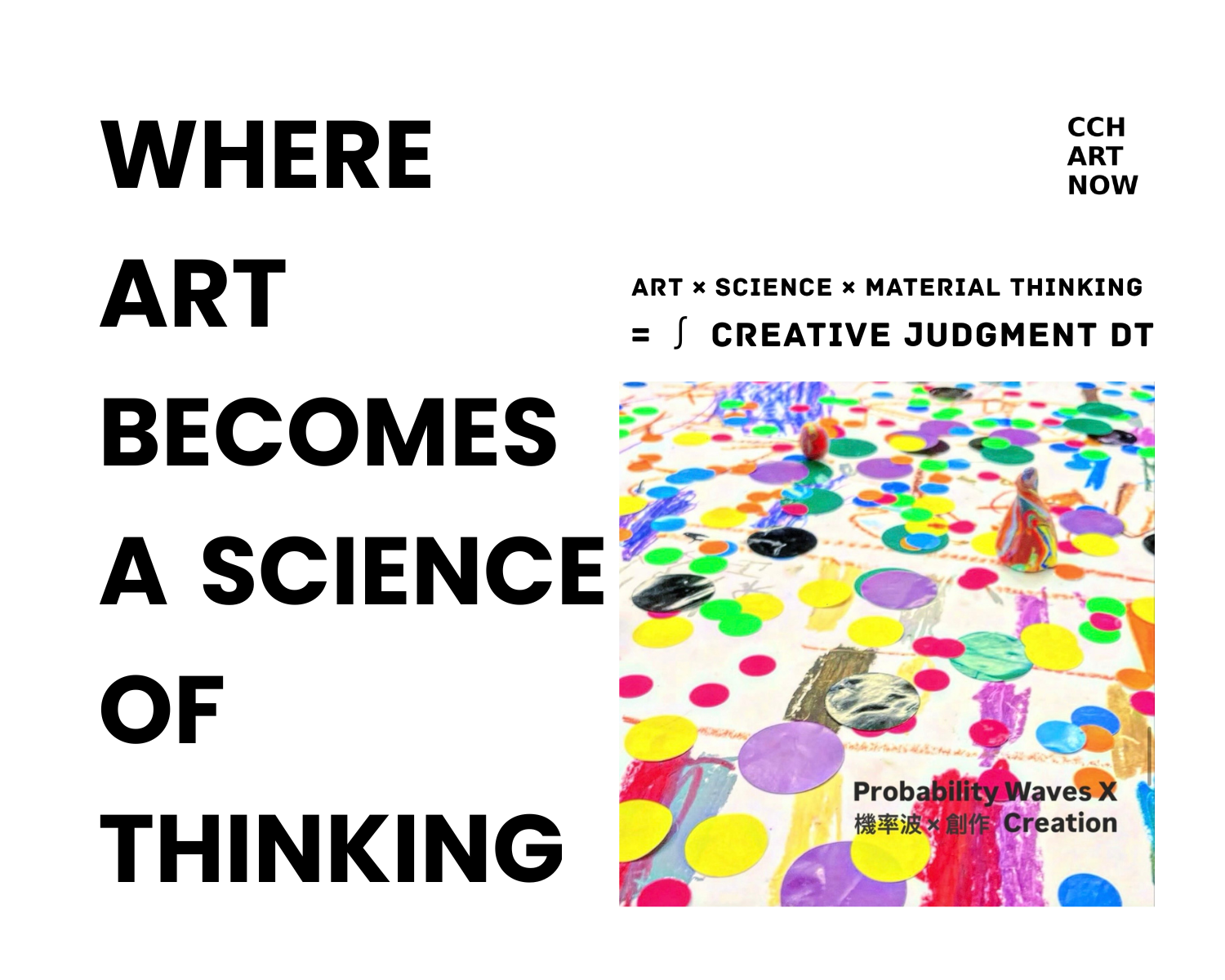
Where Art Becomes a Science of Thinking
A case-based article on how CCH ART NOW™ turns studio practice into a thinking lab where art, science, probability, material exploration, and creative autonomy meet. Through research evidence and student observation, the article explains why creativity is trainable, why material practice supports cognition, and why human attention, judgment, and meaning-making matter in the AI age.
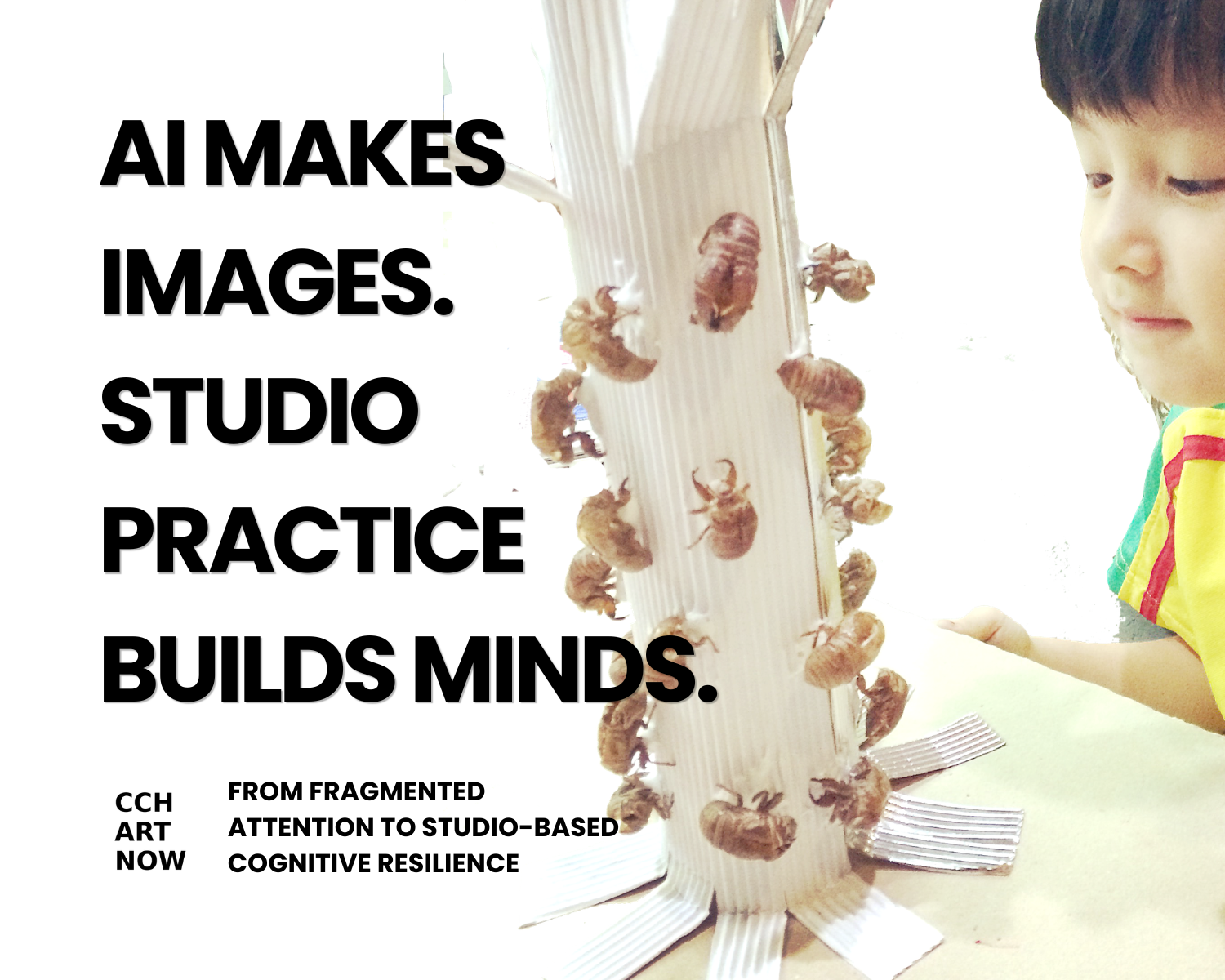
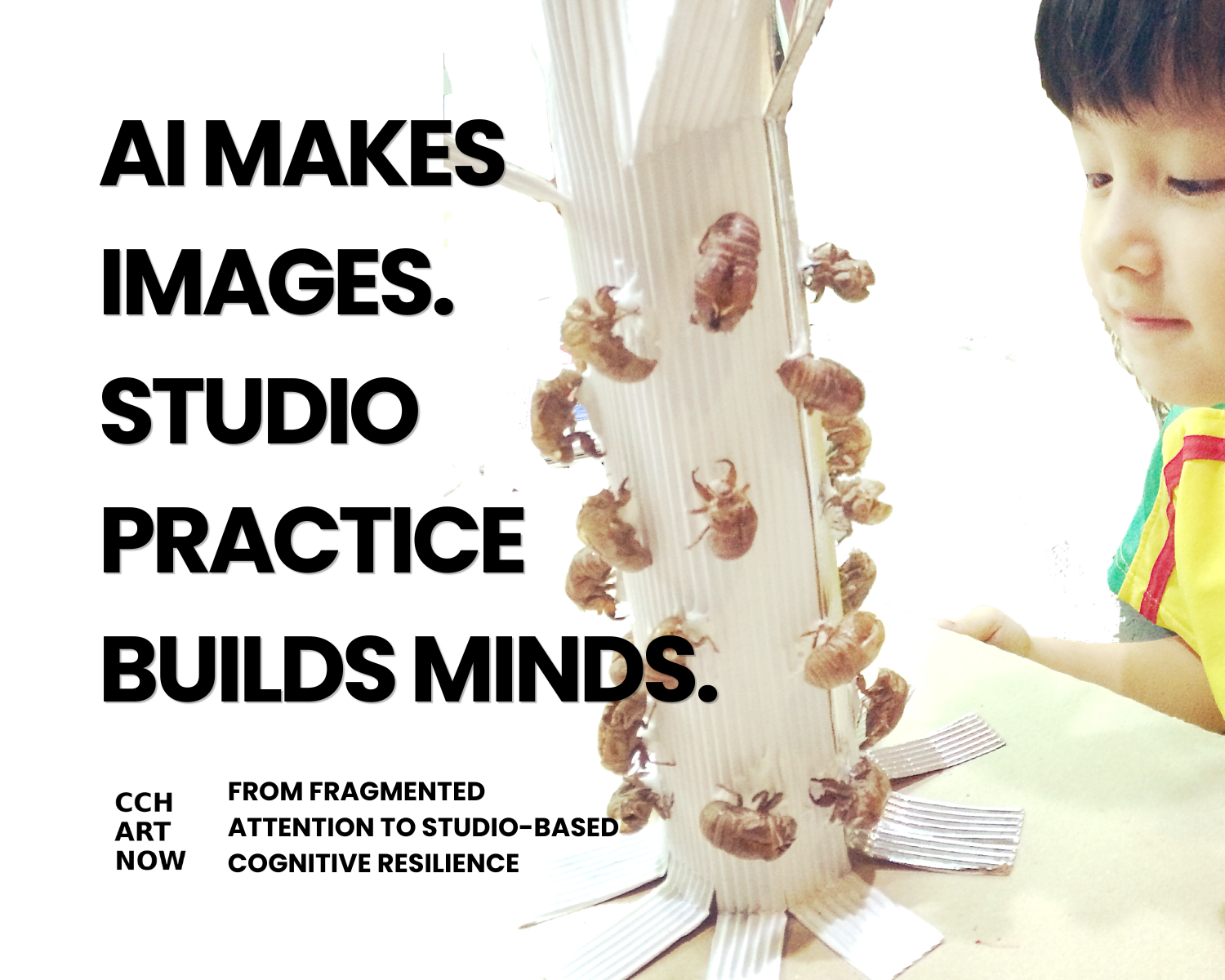
AI Makes Images. Studio Practice Builds Minds.
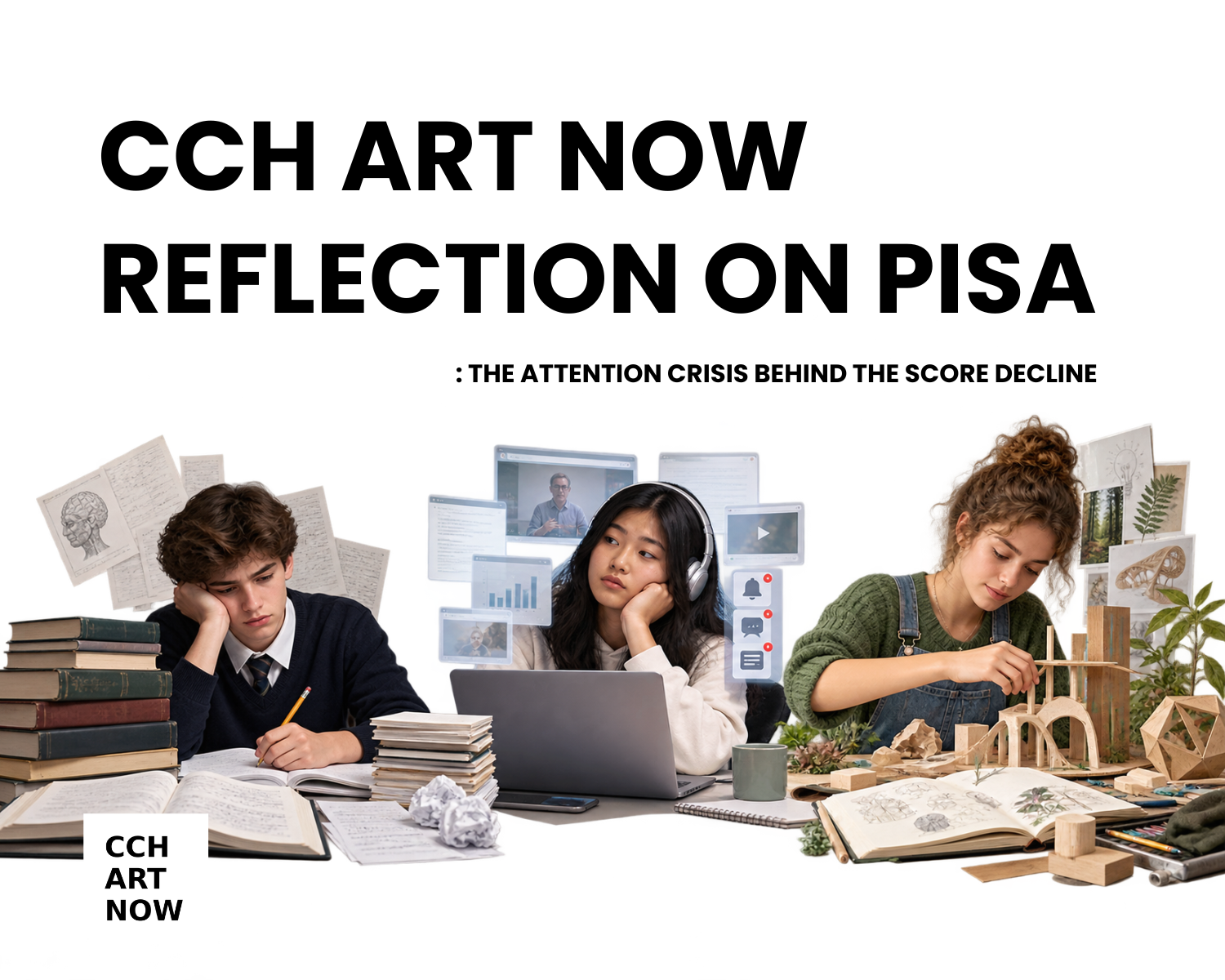
AI and digital tools are not the problem. The deeper issue is that human attention is increasingly being trained by interruption, acceleration, and output.
This article explores why studio-based practice matters in the AI age. Drawing from research on screen media, digital distraction, task switching, and Amishi Jha’s framework in Peak Mind, it argues that attention is not merely a personality trait or classroom behavior issue. Attention is a foundational human capacity shaped by environments.
CCH ART NOW™ develops studio-based practice as an attention architecture: a long-duration, screen-free, material-based learning system for deep attention, embodied judgment, creative autonomy, and cognitive resilience.
AI can generate images. Studio practice builds minds.