
1. AI & Education
2. CCH Method
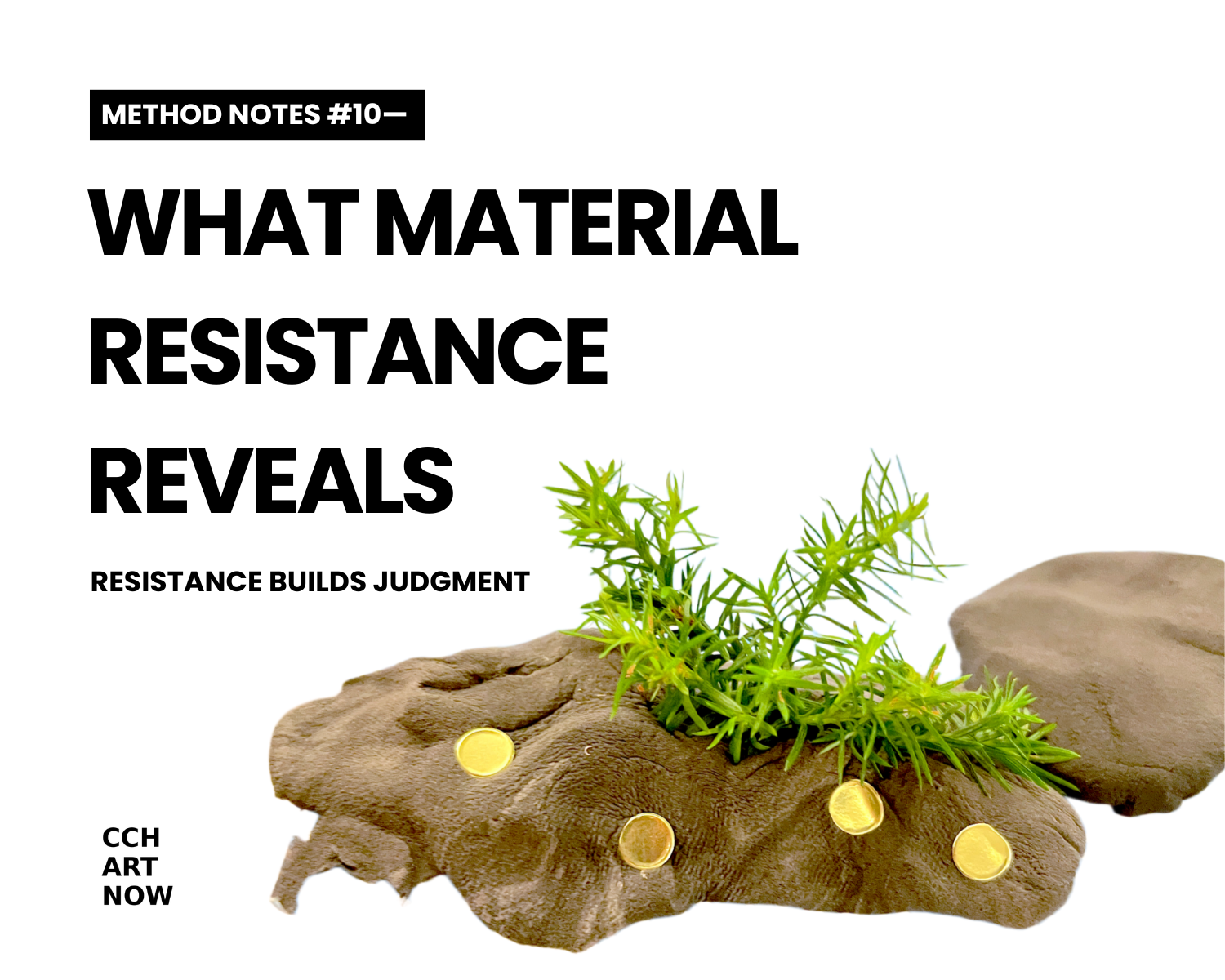
2-1. Method Notes
3. Studio Observations — Children
4. Adolescent Development
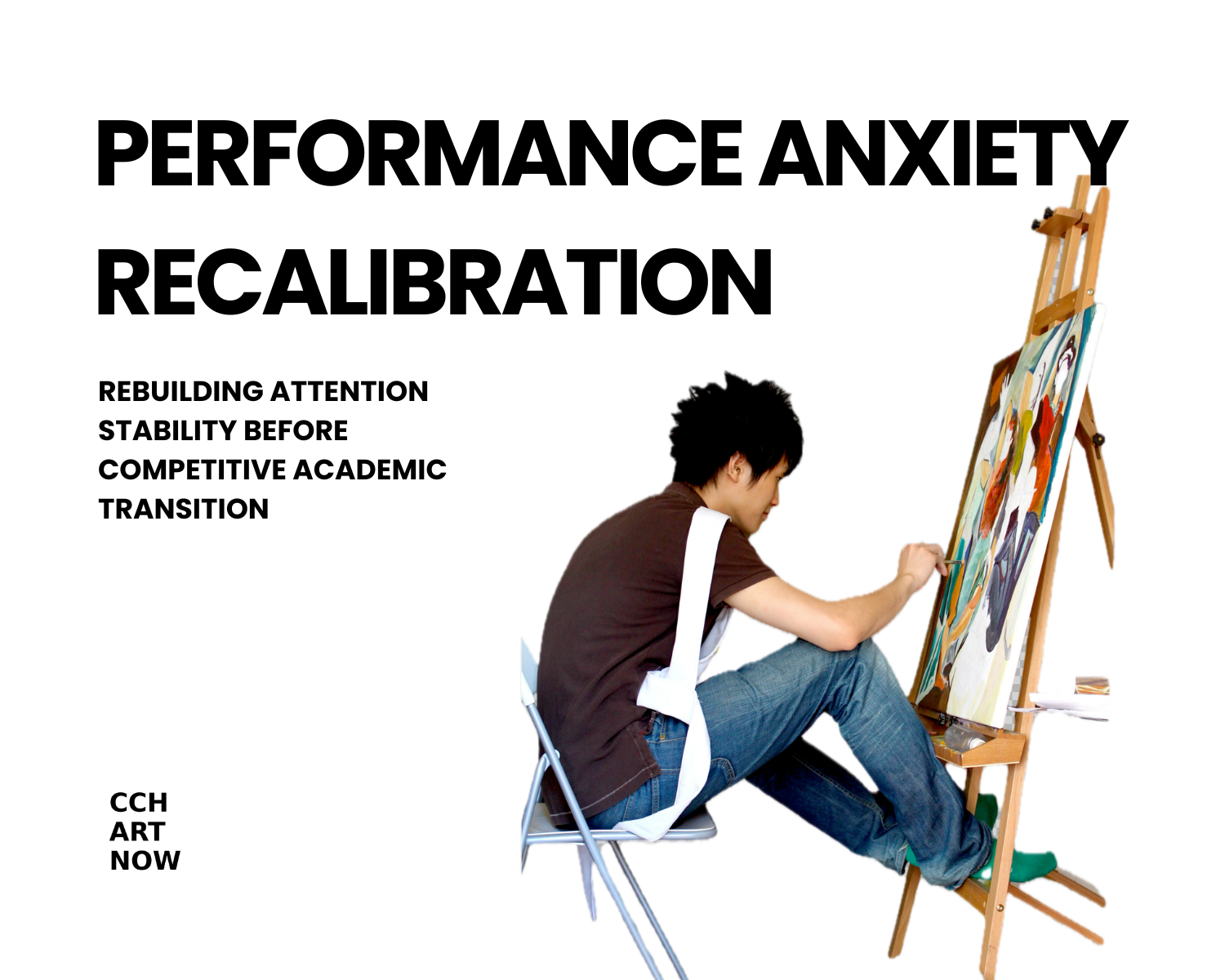
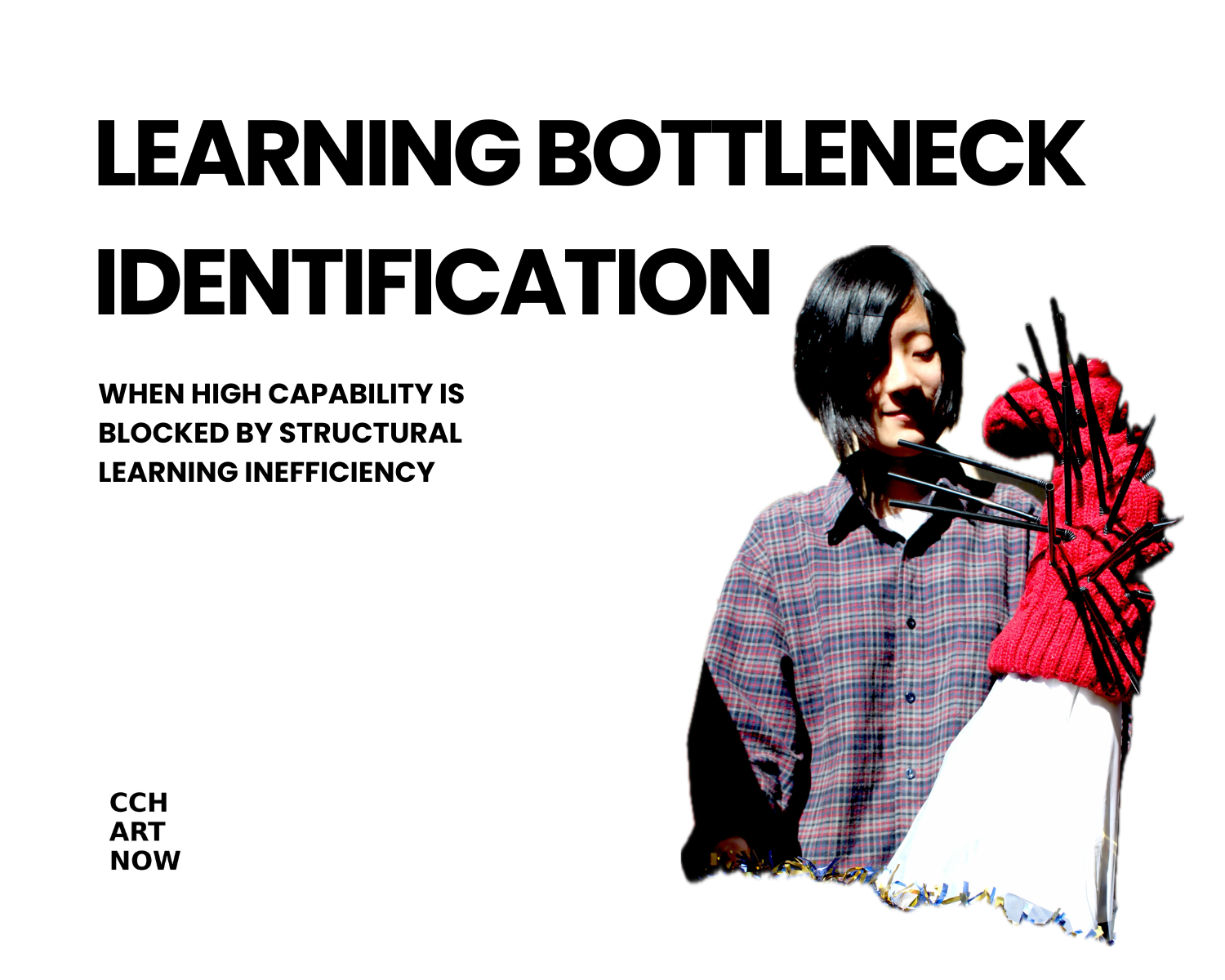
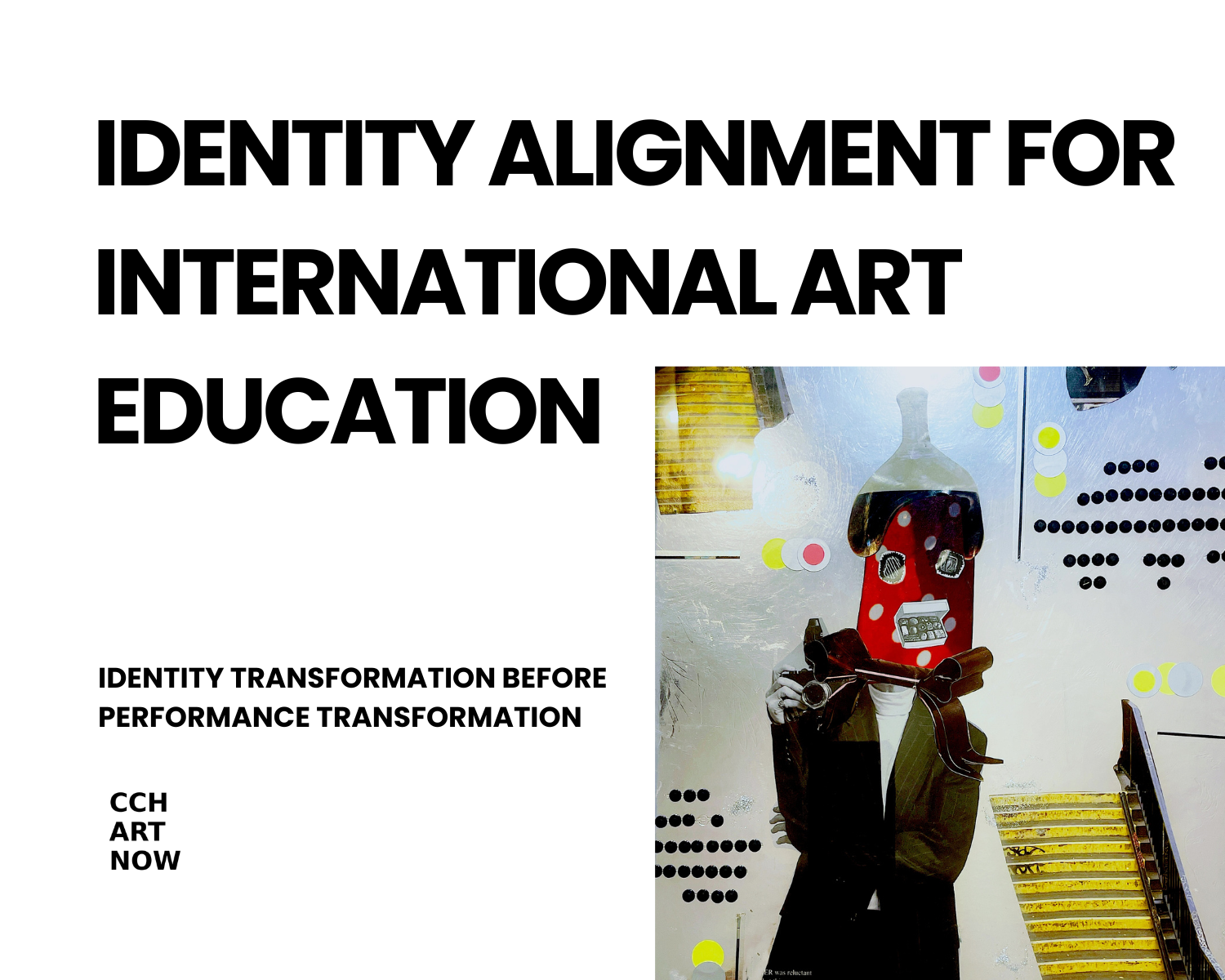
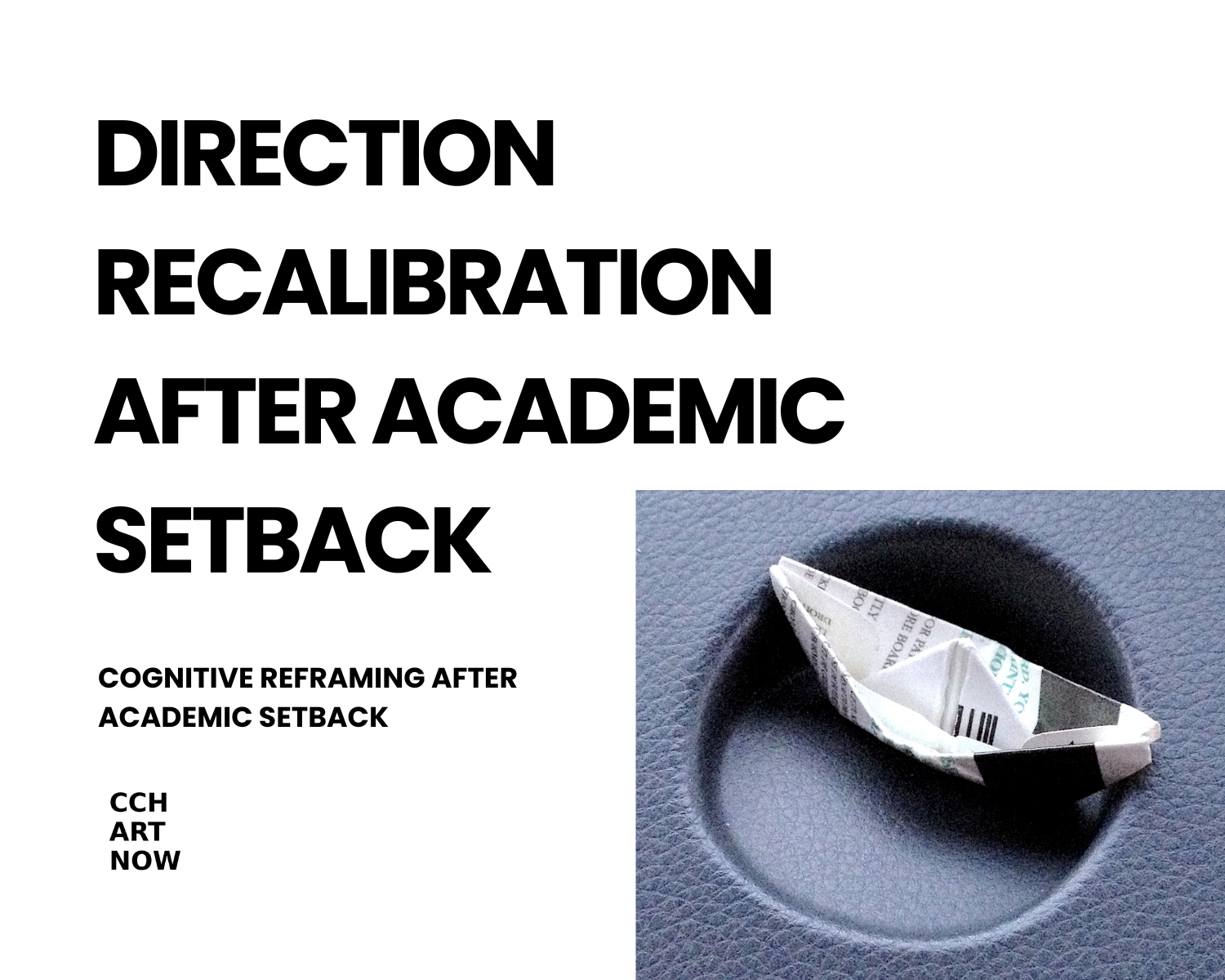
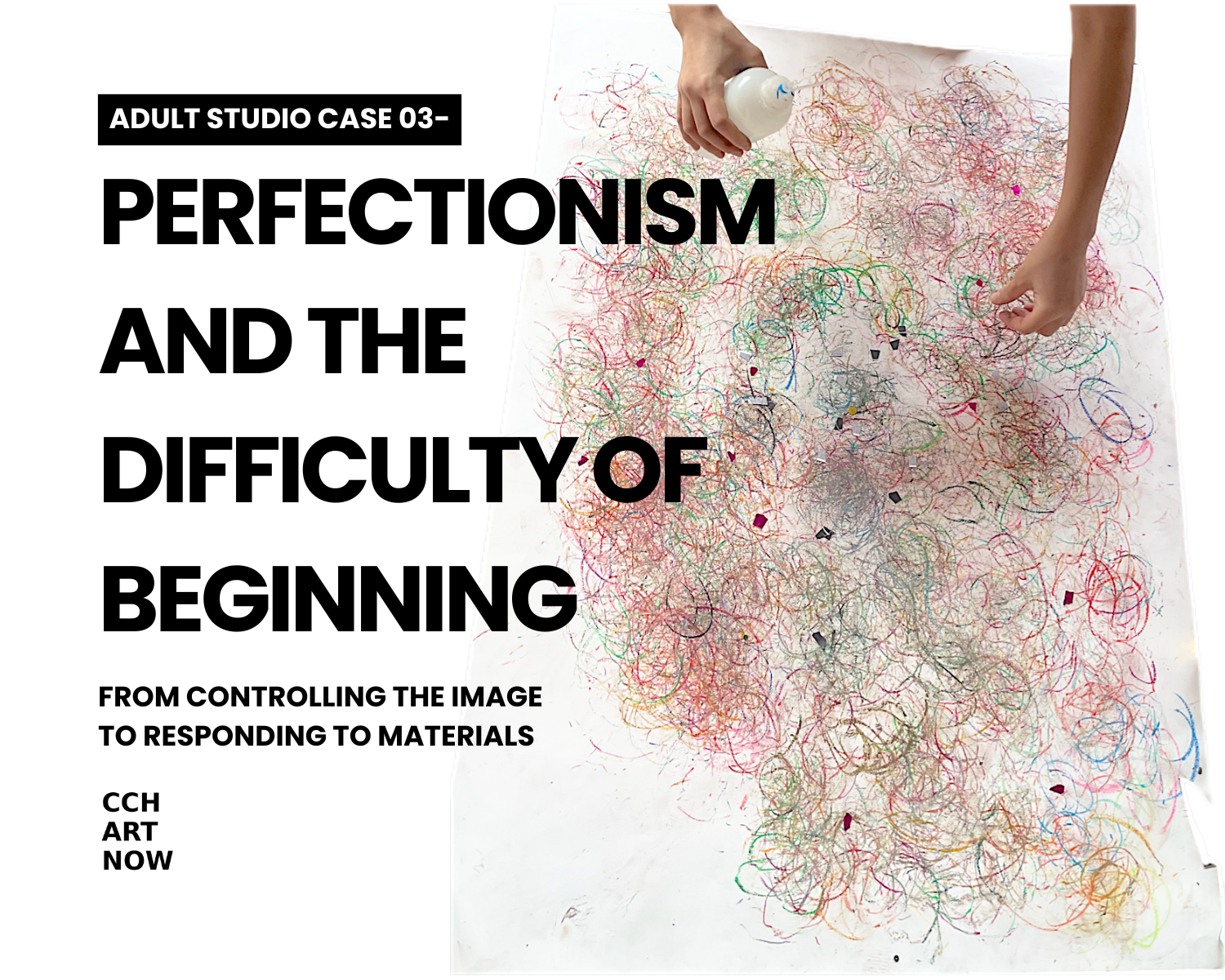
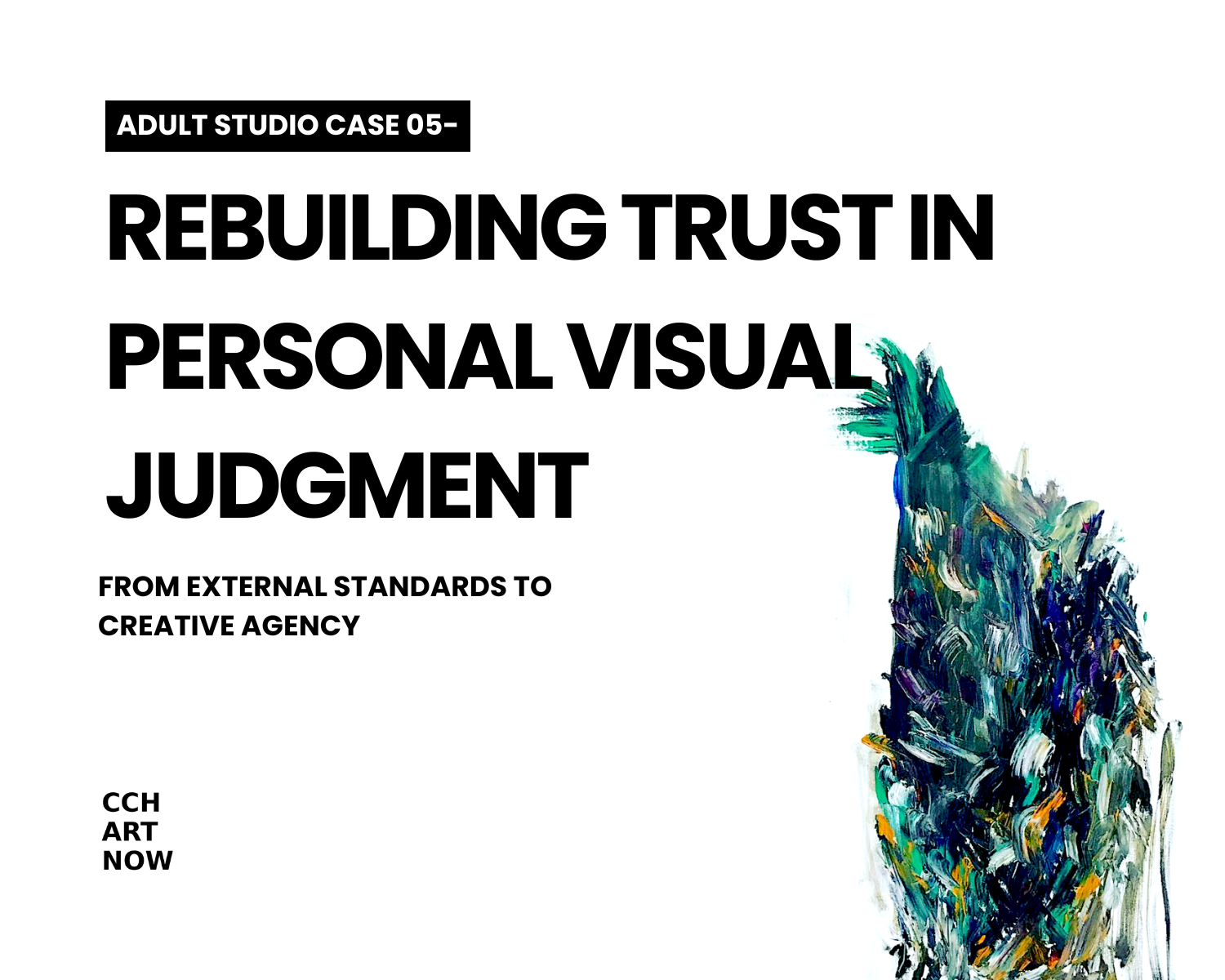
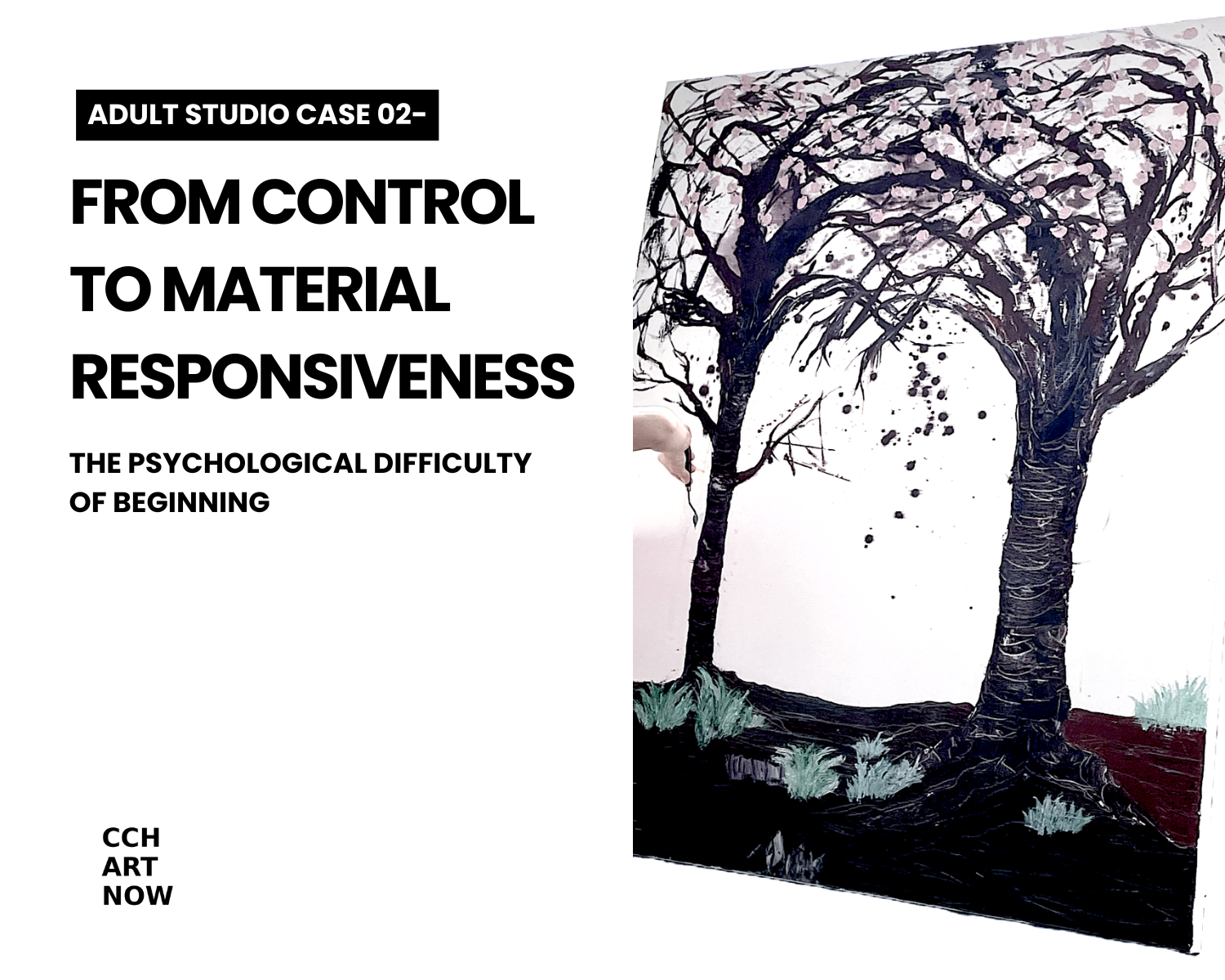
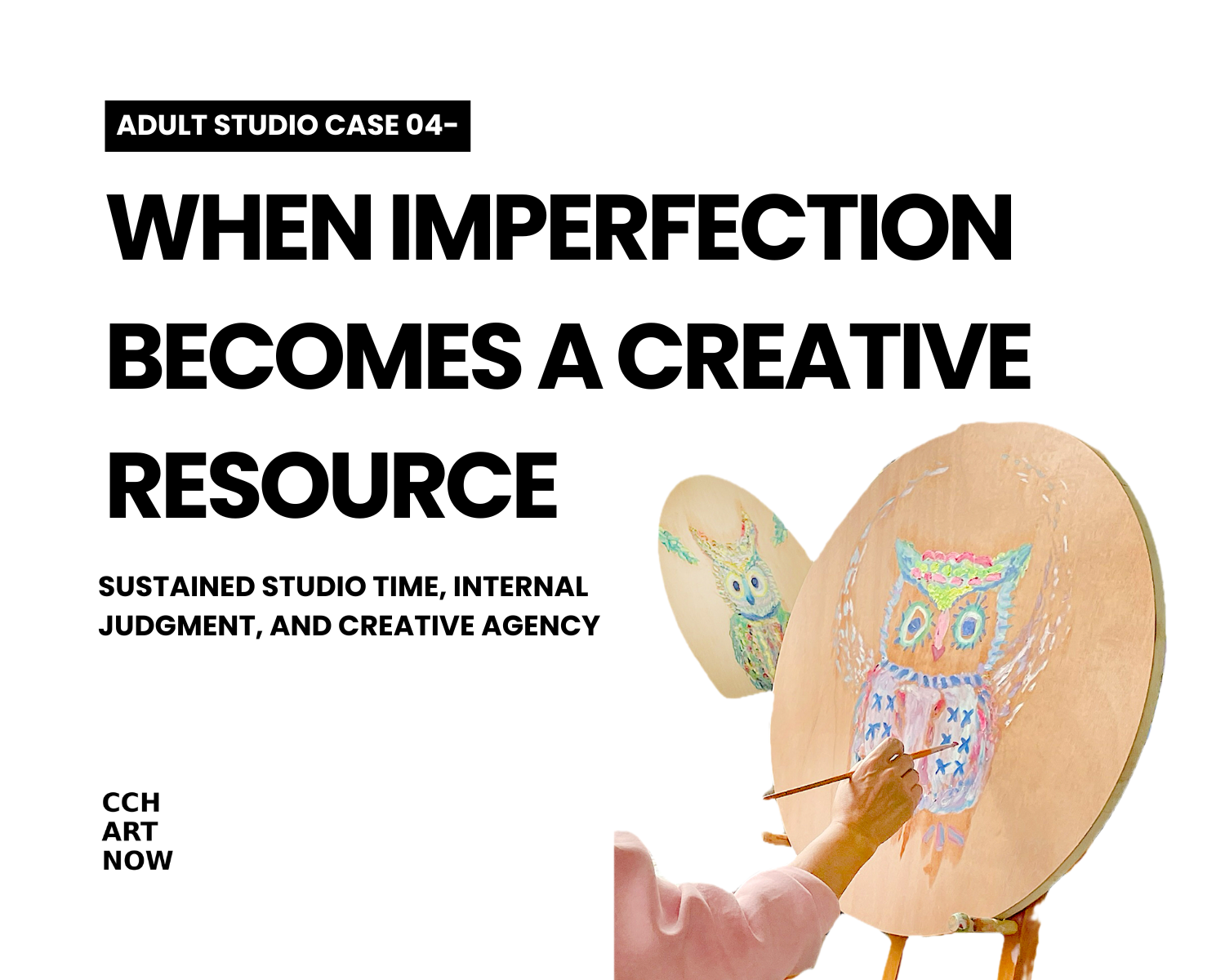
5. Adult studio case
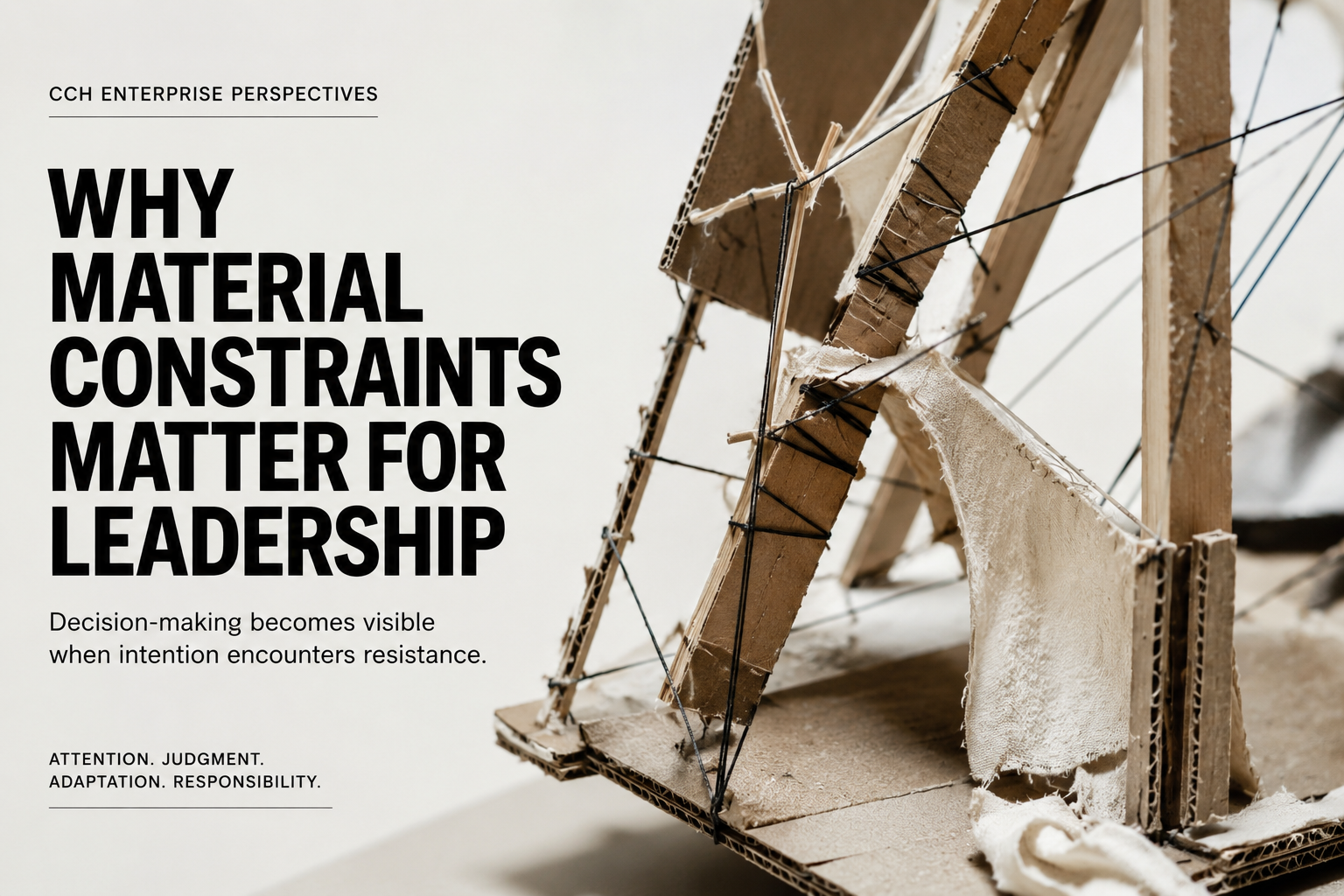
6. Enterprise & Organizational Practice
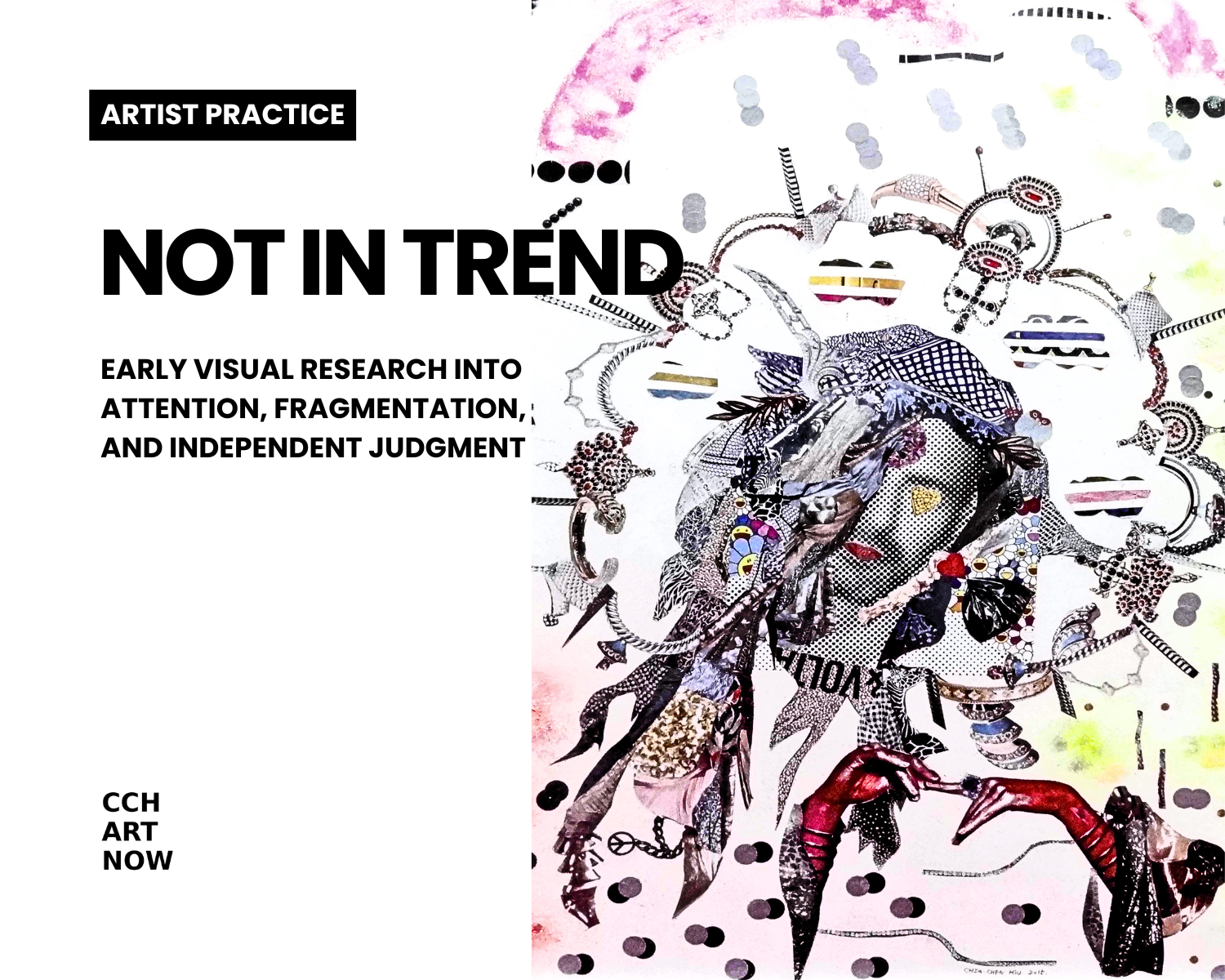
7. Artist practice
Full Article Archive
Browse all published writings, studio observations, case records, and educational essays from CCH ART NOW.

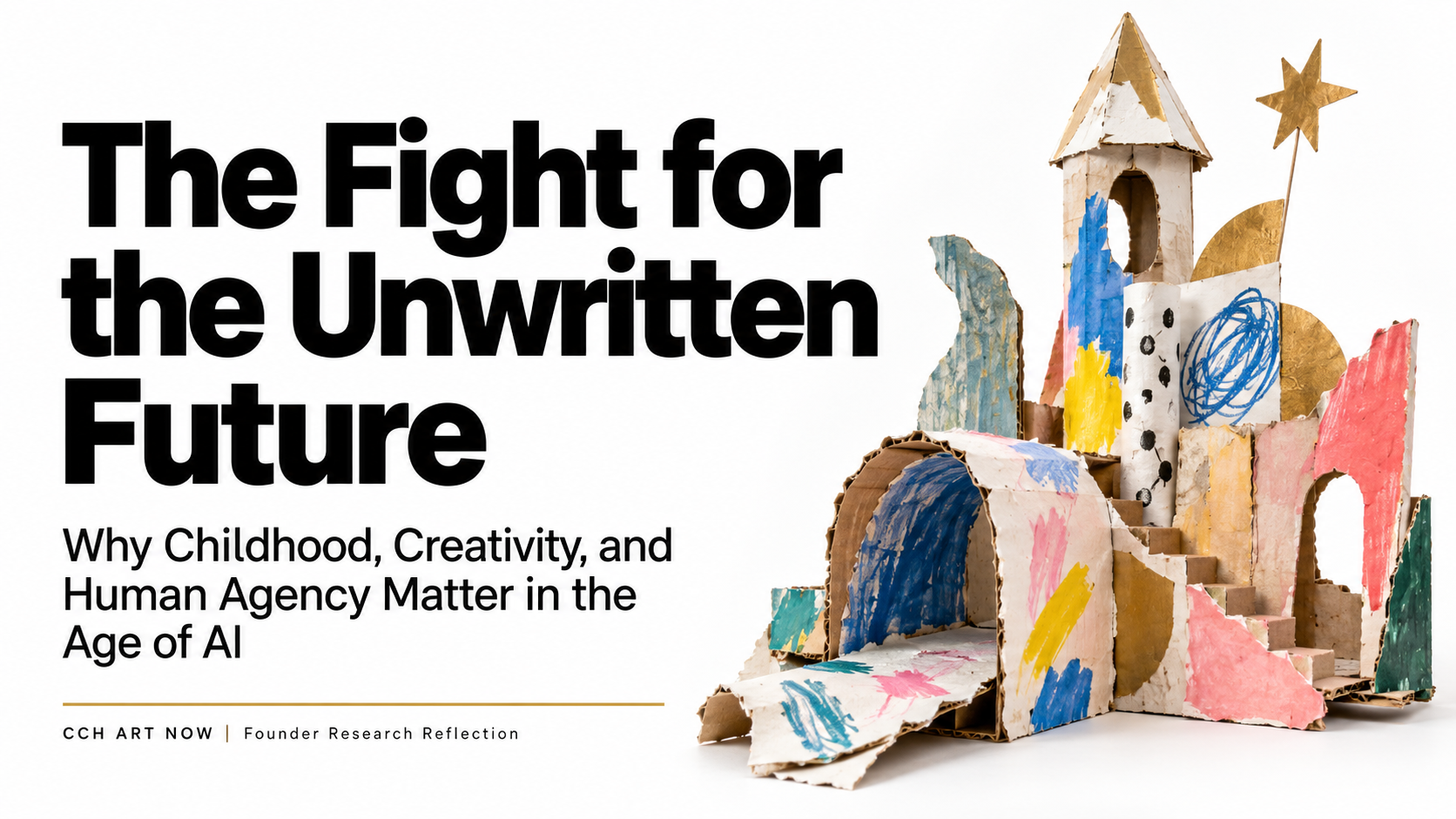
The Fight for the Unwritten Future
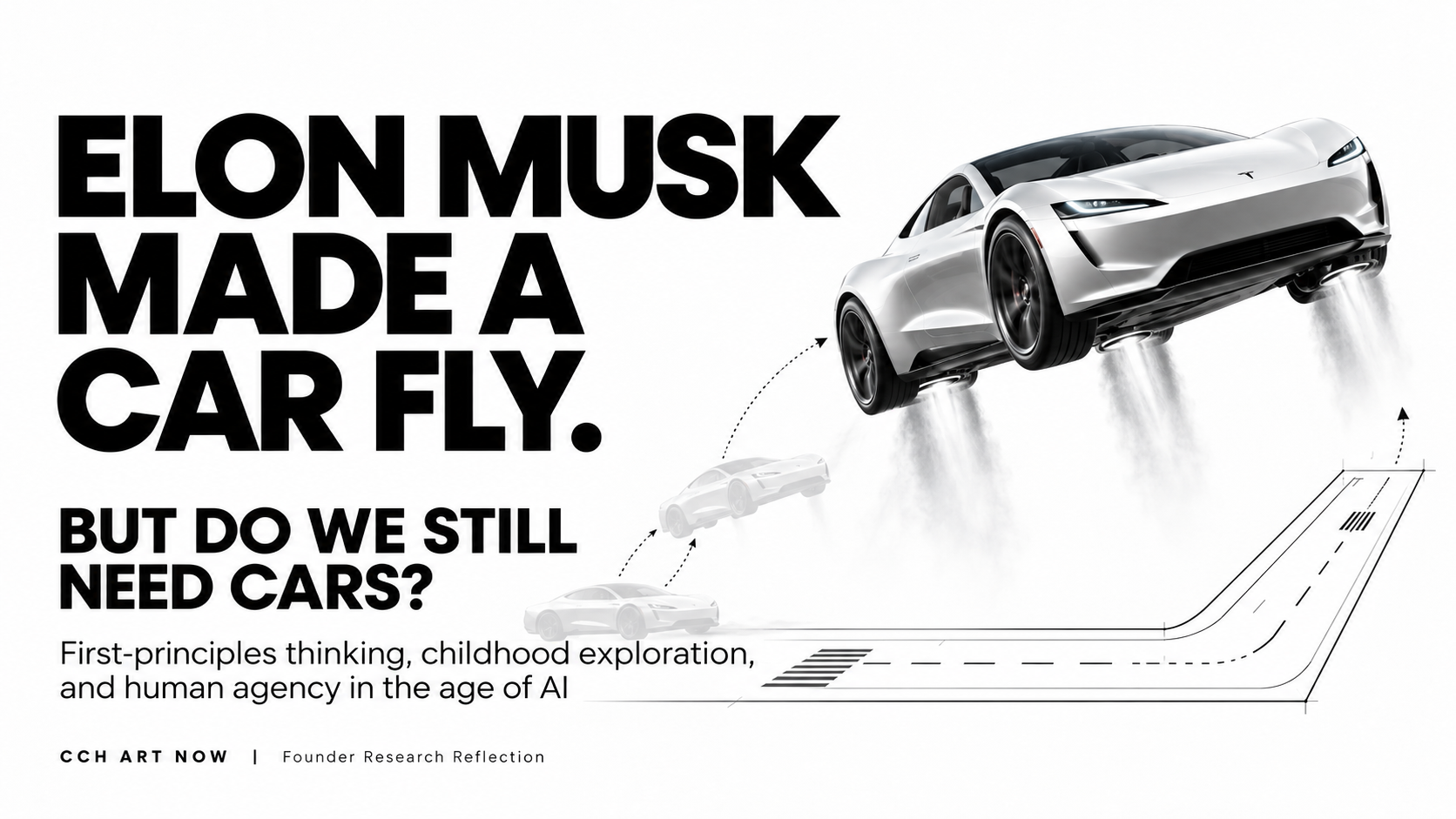
As artificial intelligence becomes increasingly capable of predicting human behavior, a deeper question emerges: Who has the power to shape the human future? Drawing on surveillance capitalism, AI ethics, and childhood development, this founder research reflection explores why human agency, creativity, and independent judgment remain essential. Through CCH ART NOW's long-term, material-based educational practice, it examines how children can develop the capacity to explore, decide, and create beyond predetermined expectations.

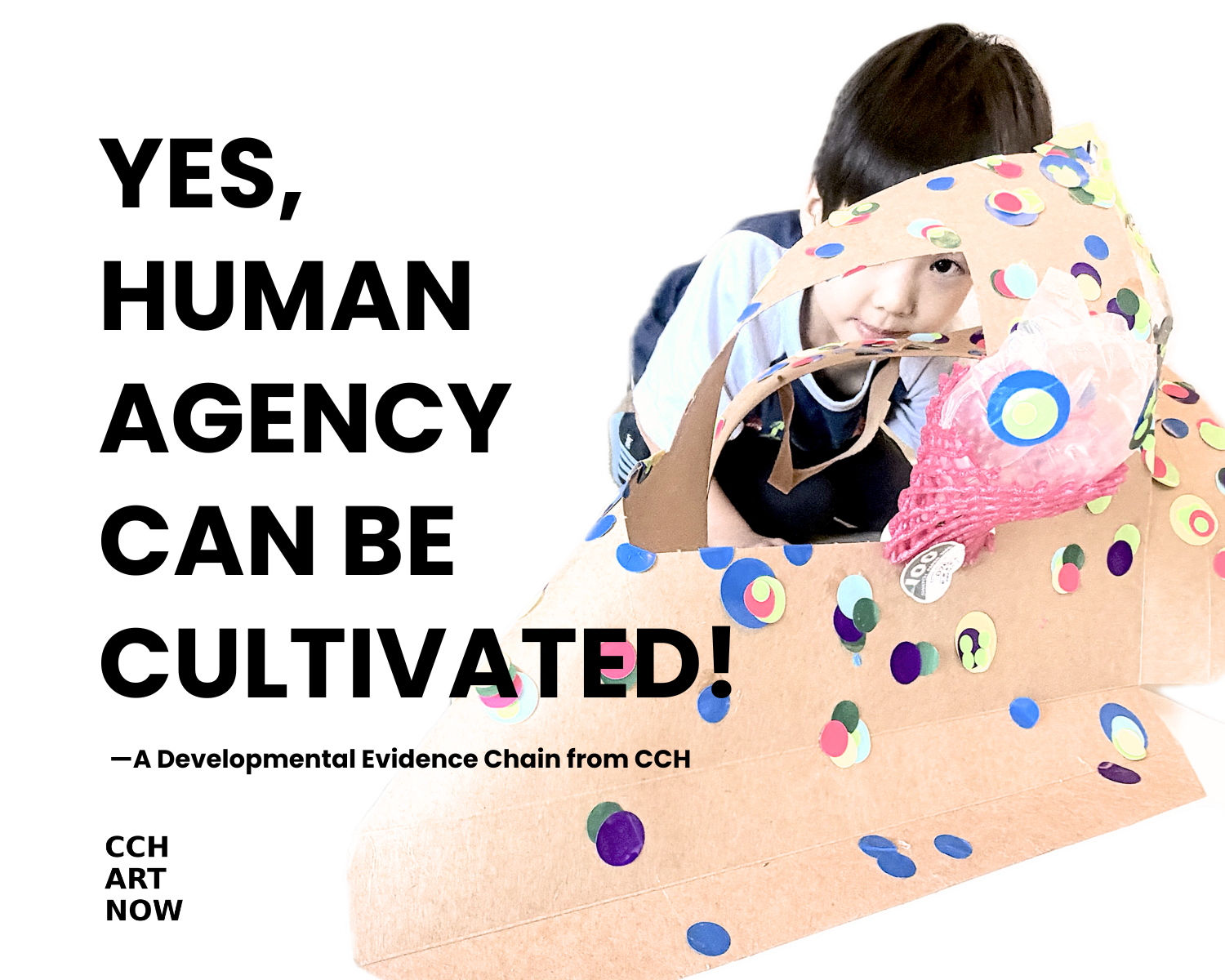
YES, HUMAN AGENCY CAN BE CULTIVATED!
A longitudinal CCH case study tracing how material exploration between ages five and seven may develop into strategy use, resilience, sustained attention, and increasingly self-directed learning.

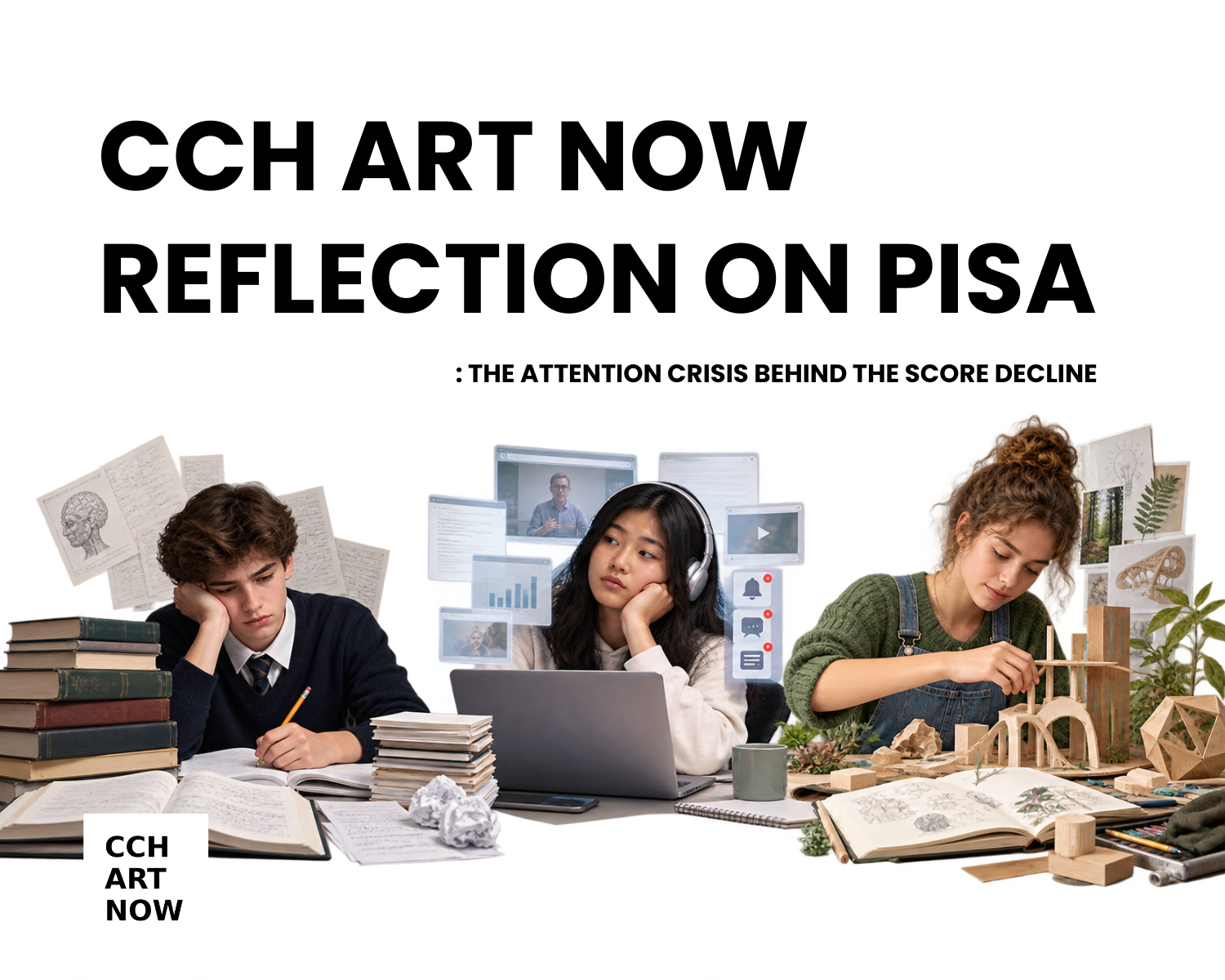
CCH ART NOW REFLECTION ON PISA
The latest PISA findings point to more than declining academic performance. They reveal shifts in attention, persistence, effort, and the way students respond to difficulty. CCH ART NOW examines what these signals may mean for learning, judgment, and human agency in the age of AI.

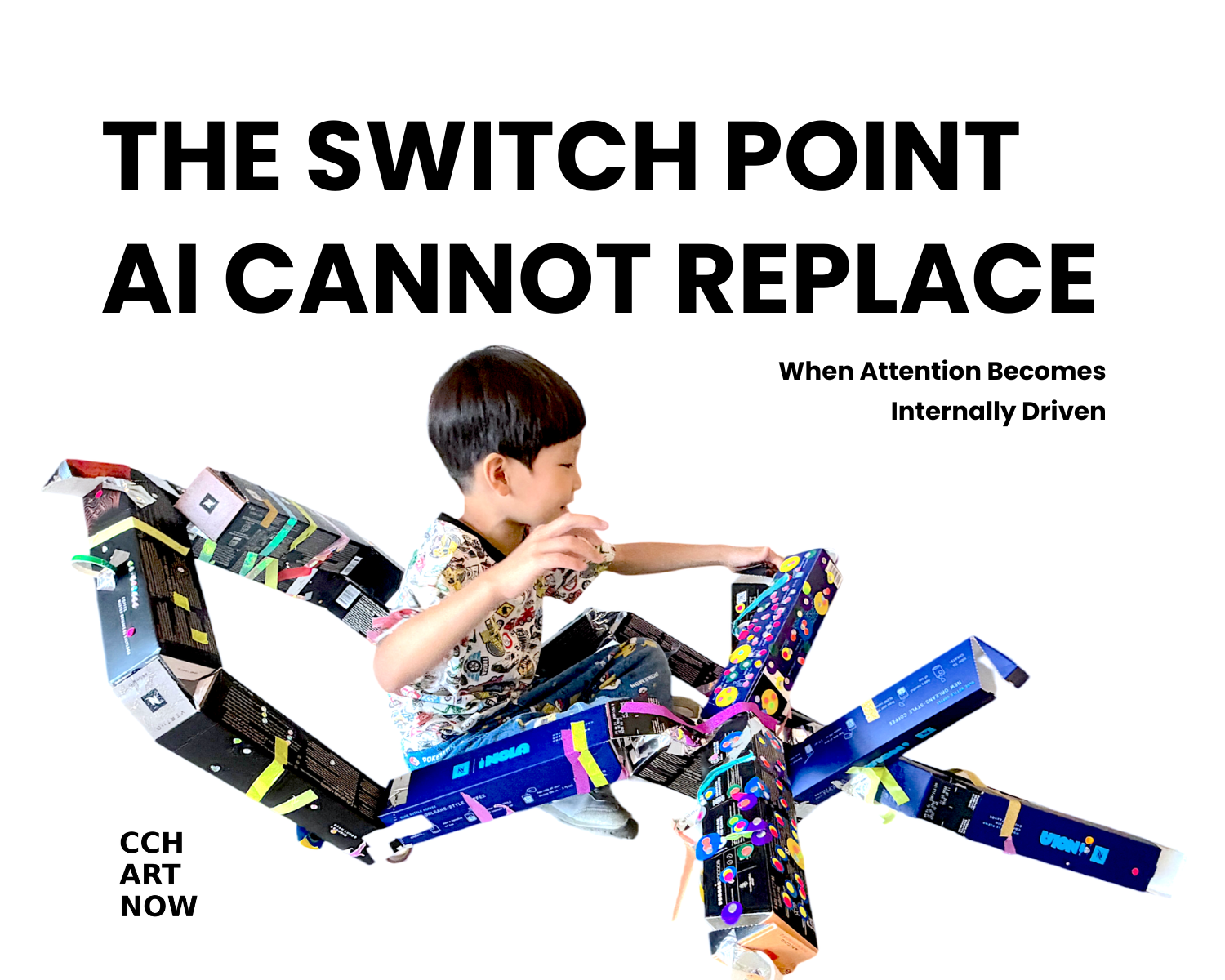
THE SWITCH POINT AI CANNOT REPLACE
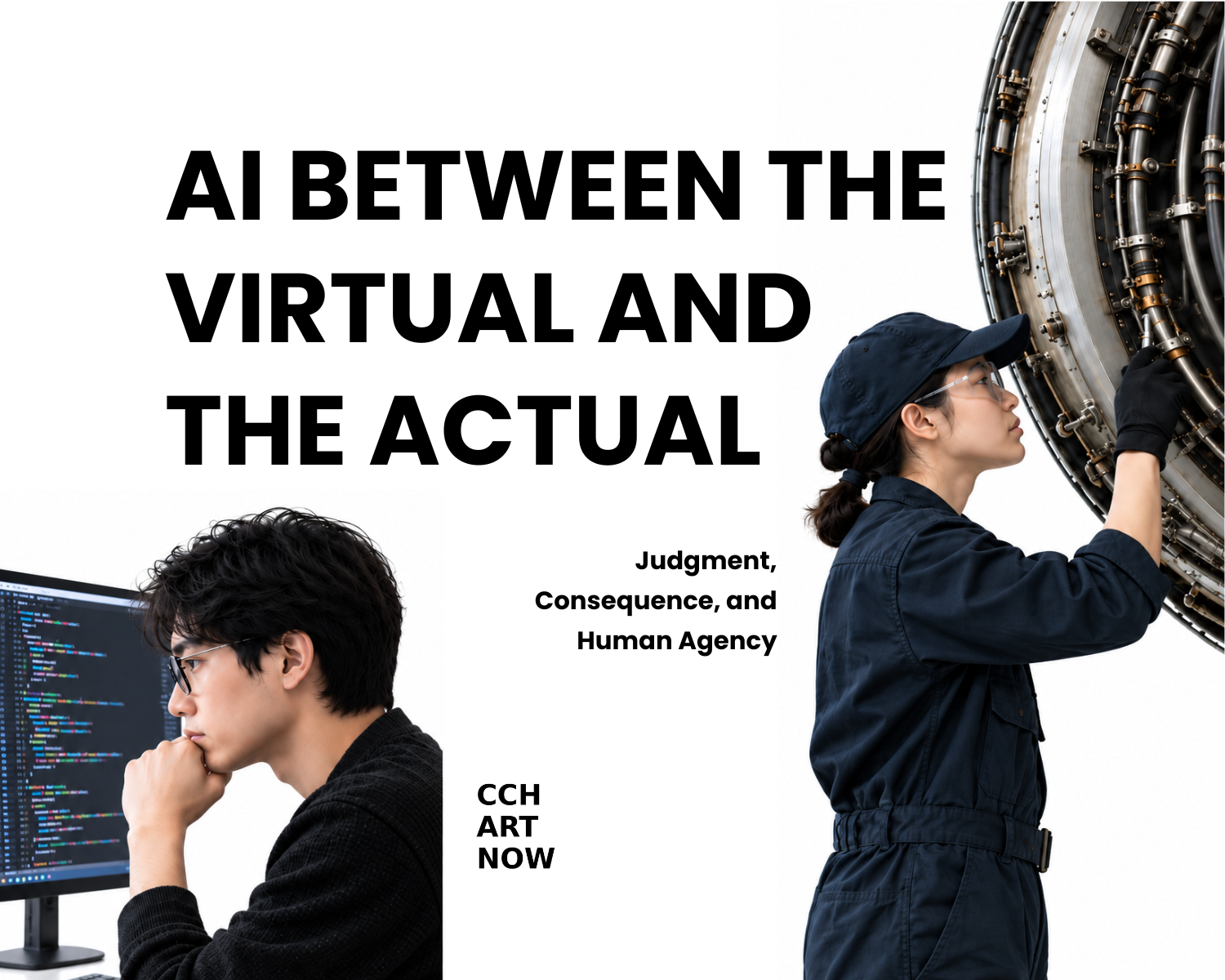
AI can generate possibilities instantly. But turning an intention into physical reality requires something different: attention, judgment, adaptation, and action. This case documents the moment a child shifted from resistance to deep engagement—and began solving a problem that could not be completed by prediction alone.

Creativity, Autonomy, and the Social Conditions of Learning
Creative learning does not happen outside culture, institutions, or systems of value. Drawing on Pierre Bourdieu’s The Rules of Art, this article examines how autonomy, material resistance, documentation, and professional interpretation shape what society recognizes as meaningful education.

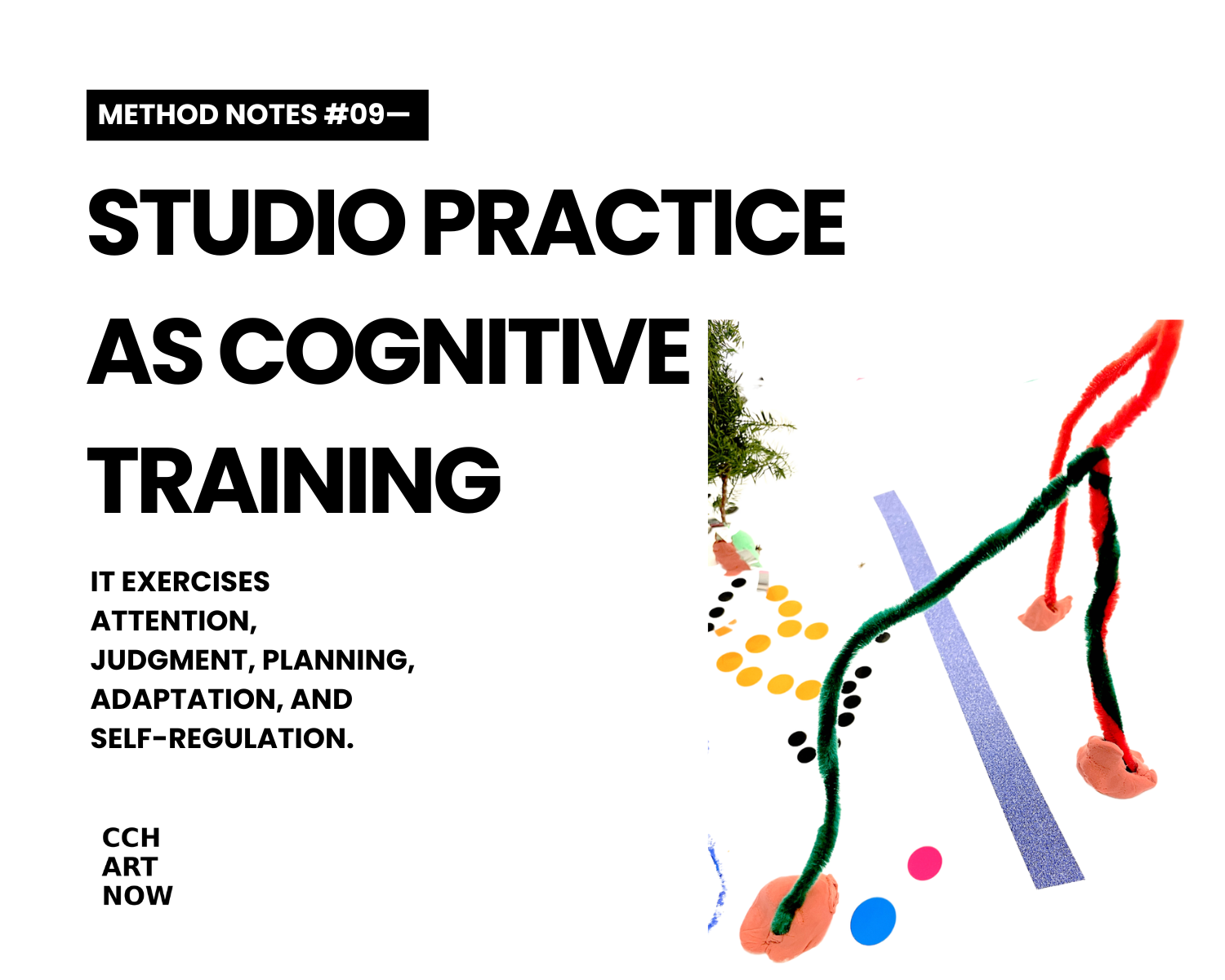
METHOD NOTES 09-Studio Practice as Cognitive Training
Studio practice can exercise more than artistic skill. This Method Note examines how making activates attention, working memory, planning, judgment, cognitive flexibility, self-regulation, and adaptive problem-solving through embodied material engagement.

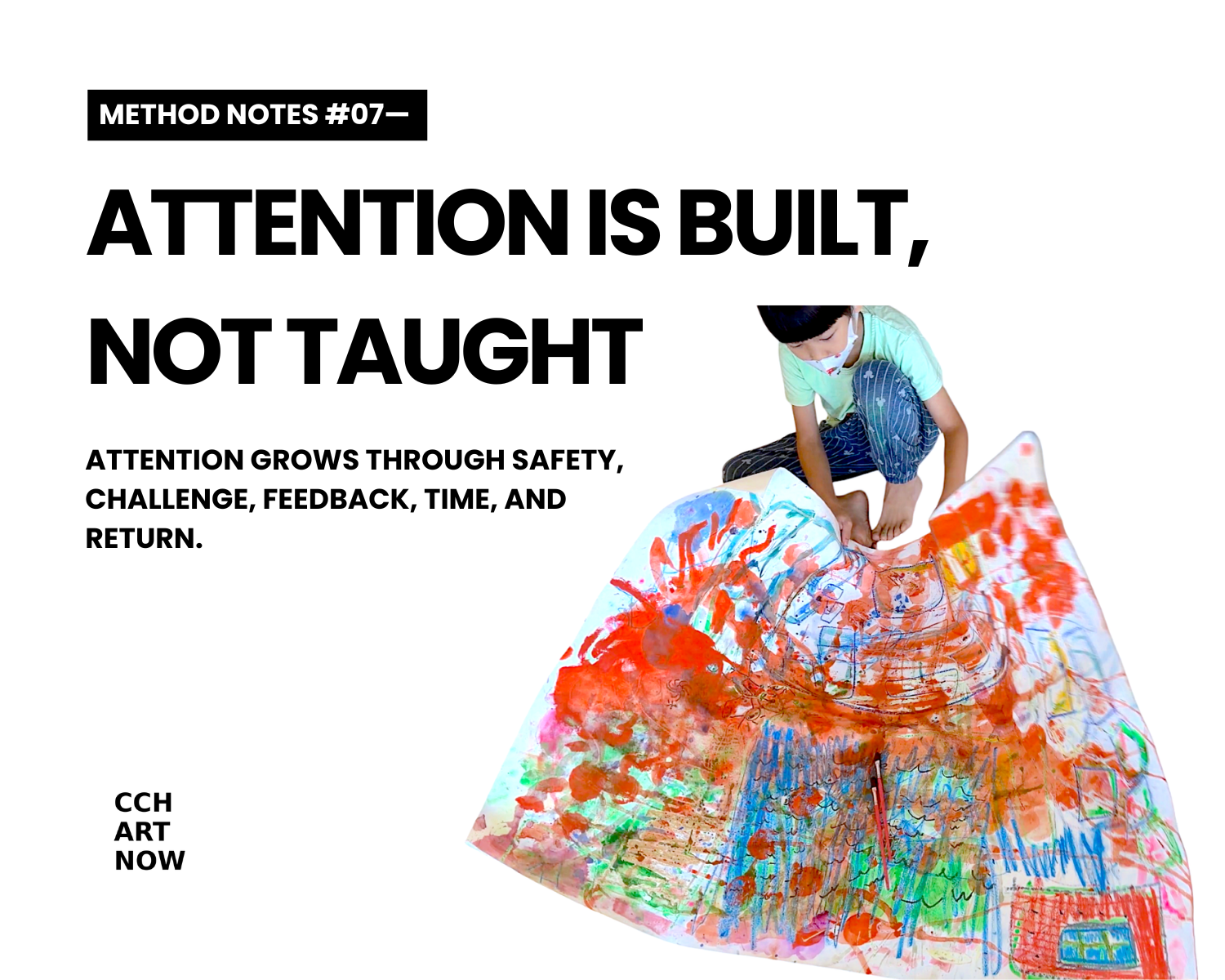
METHOD NOTES 07-Attention Is Built, Not Taught
Attention is not built through reminders alone. This Method Note examines how emotional safety, material feedback, manageable challenge, flow conditions, repeated return, and two-hour studio units support the development of self-directed attention.

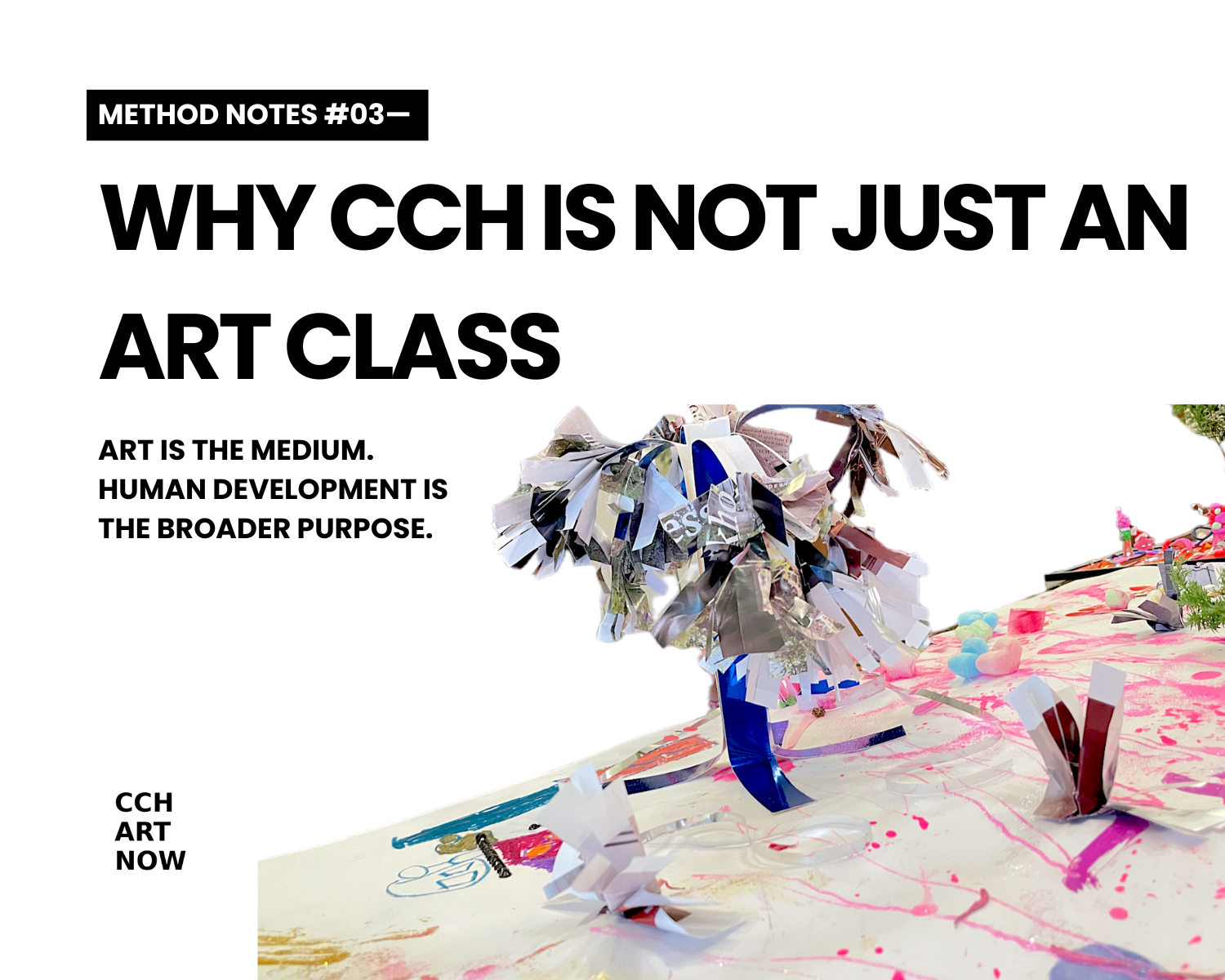
METHOD NOTES 03- Why CCH Is More Than an Art Class
CCH uses art as a medium for developing sustained attention, independent judgment, autonomy, self-regulation, and cognitive resilience. This Method Note explains why the framework extends beyond conventional technique- and outcome-centered art instruction.

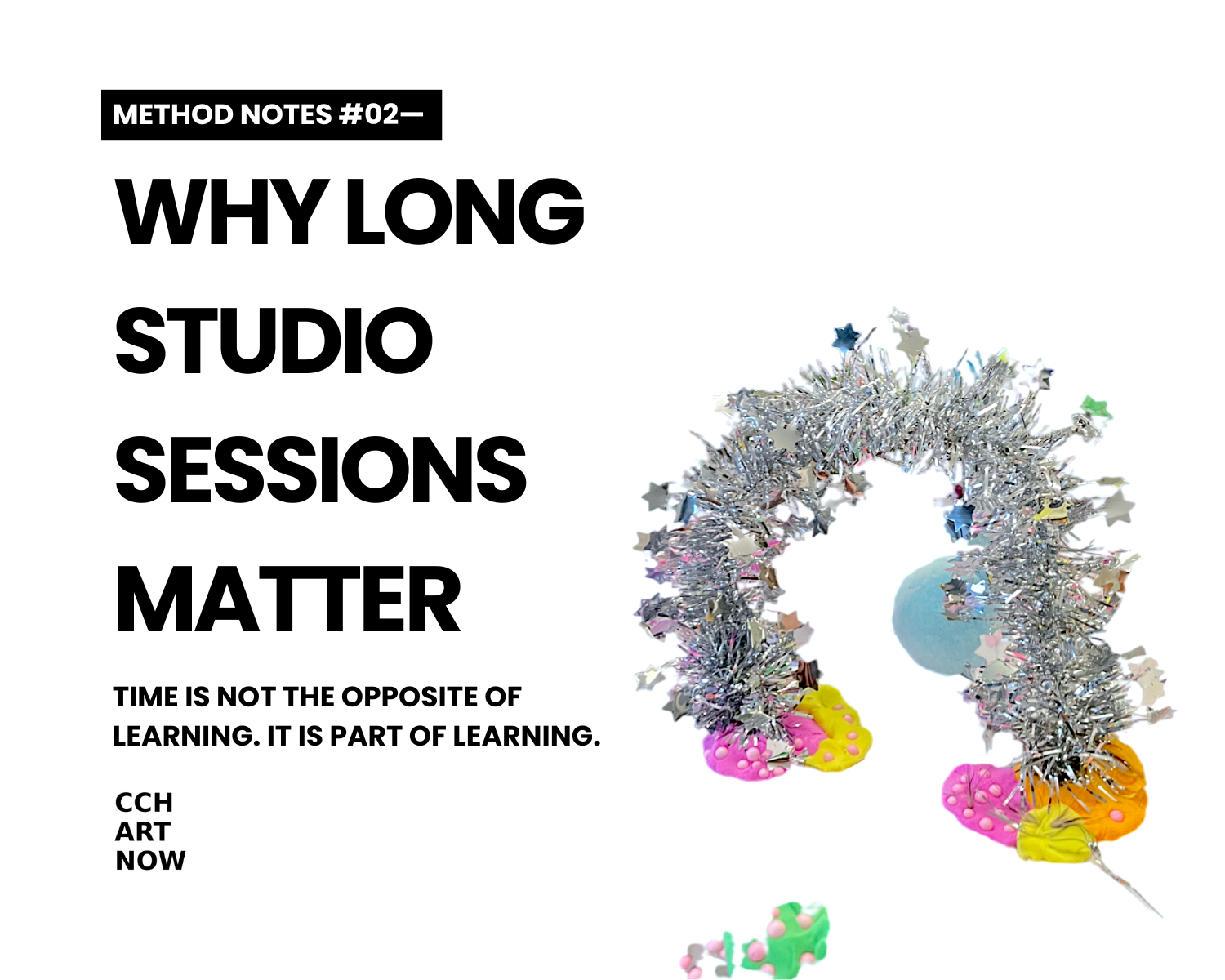
METHOD NOTES #02-Why Long Studio Sessions Matter
Why does CCH sometimes extend studio sessions beyond the conventional one-hour format? This Method Note explores how time supports sustained attention, independent decision-making, and cognitive development through extended studio practice.

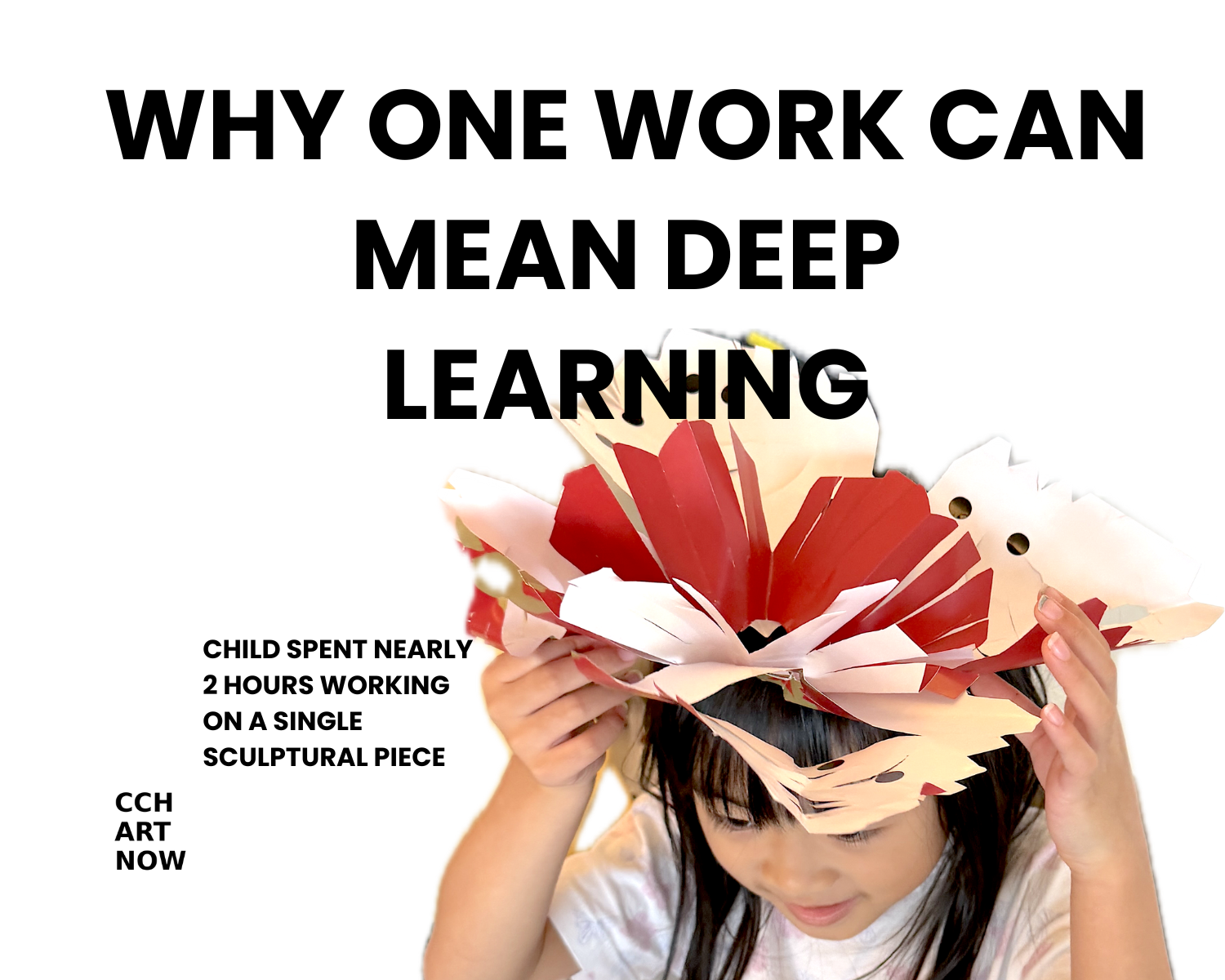
Why One Work Can Mean Deep Learning
A CCH studio observation explaining why completing one work over an extended session can reflect sustained attention, material testing, structural thinking, and deep learning rather than slow progress or limited output.

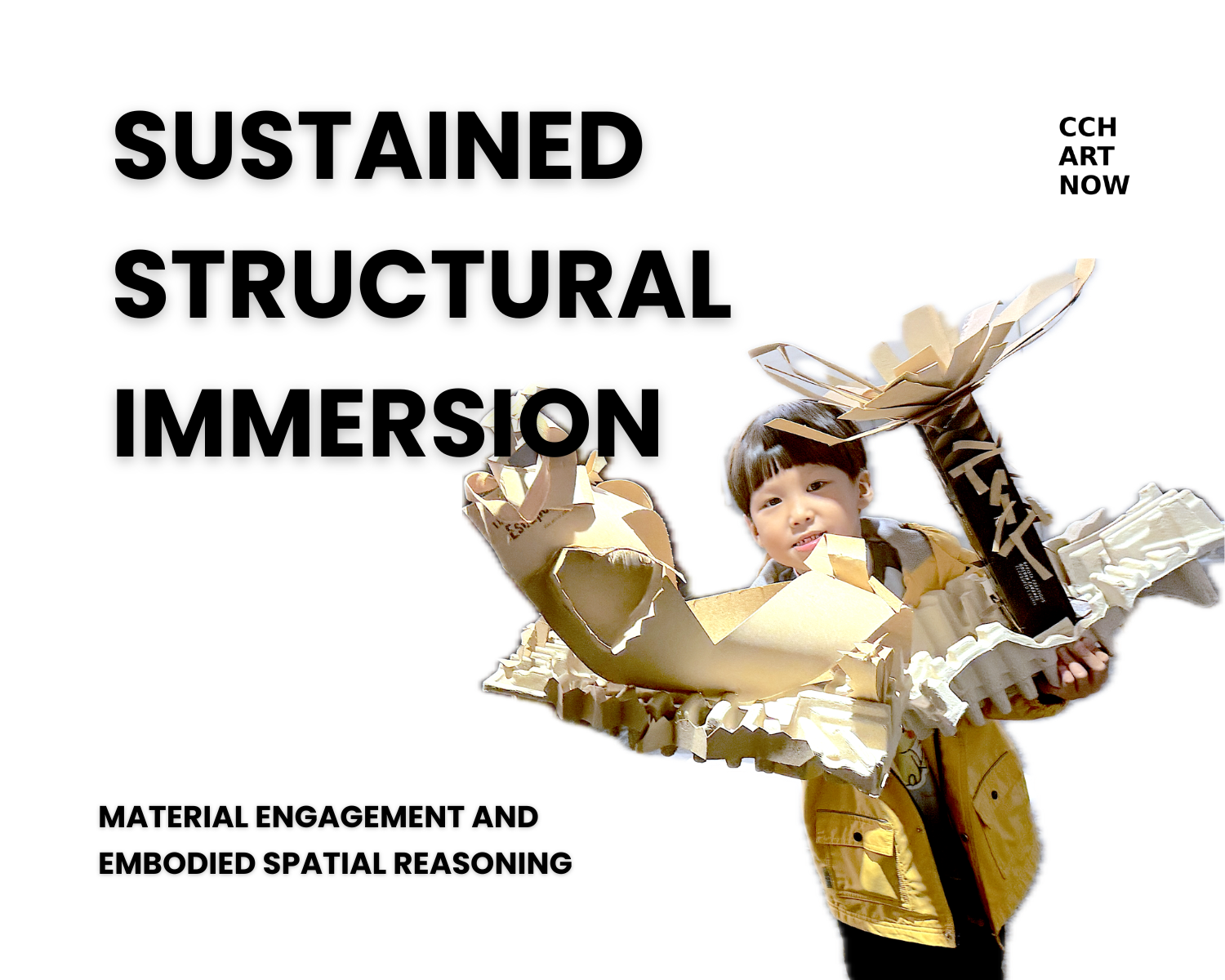
Sustained Structural Immersion
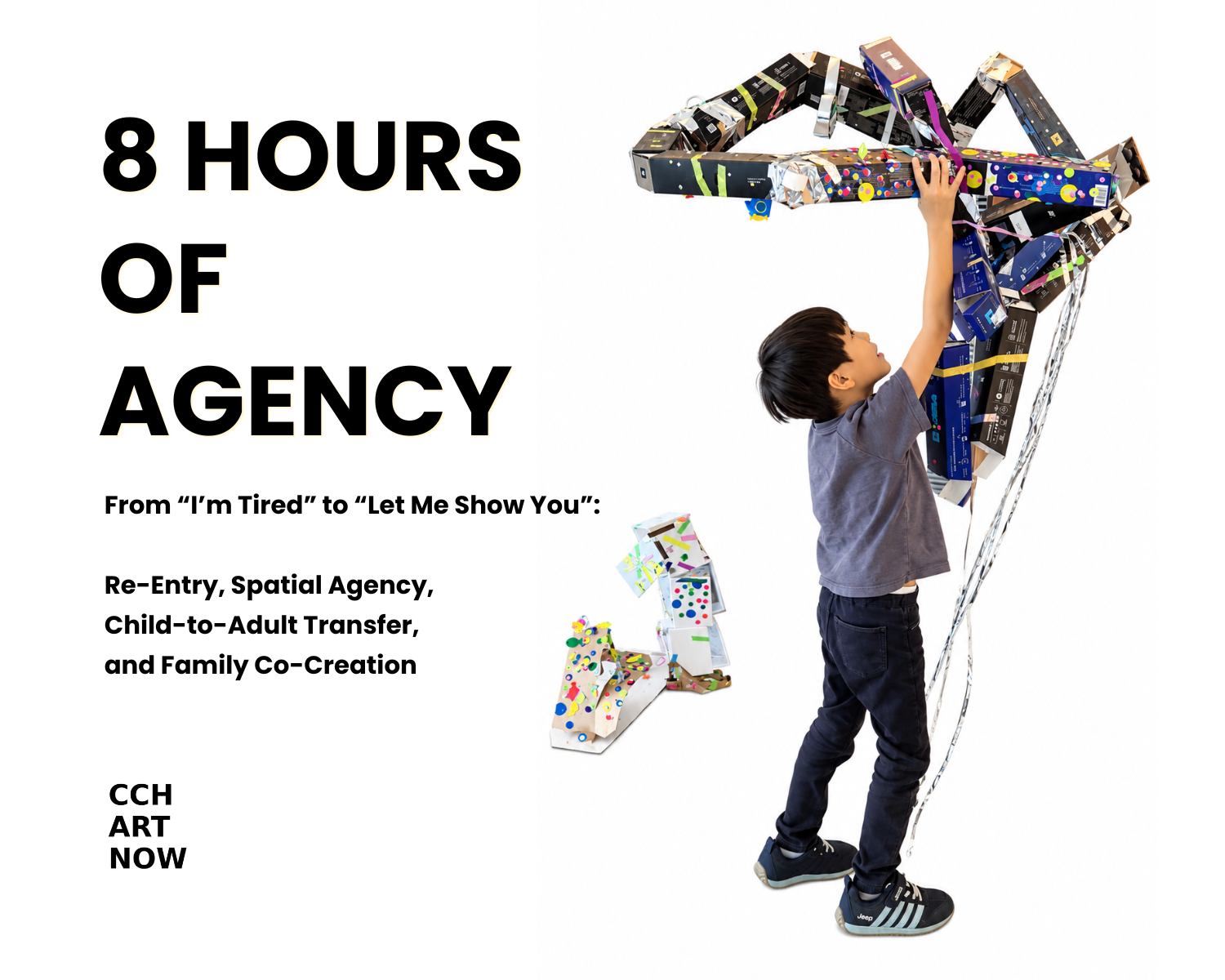
A qualitative studio observation documenting a four-hour continuous, zero-template material session with children aged 5–6. The case examines sustained attention, structural reasoning, spatial autonomy, persistence after instability, and embodied evaluation through an open-ended cardboard-based material system.

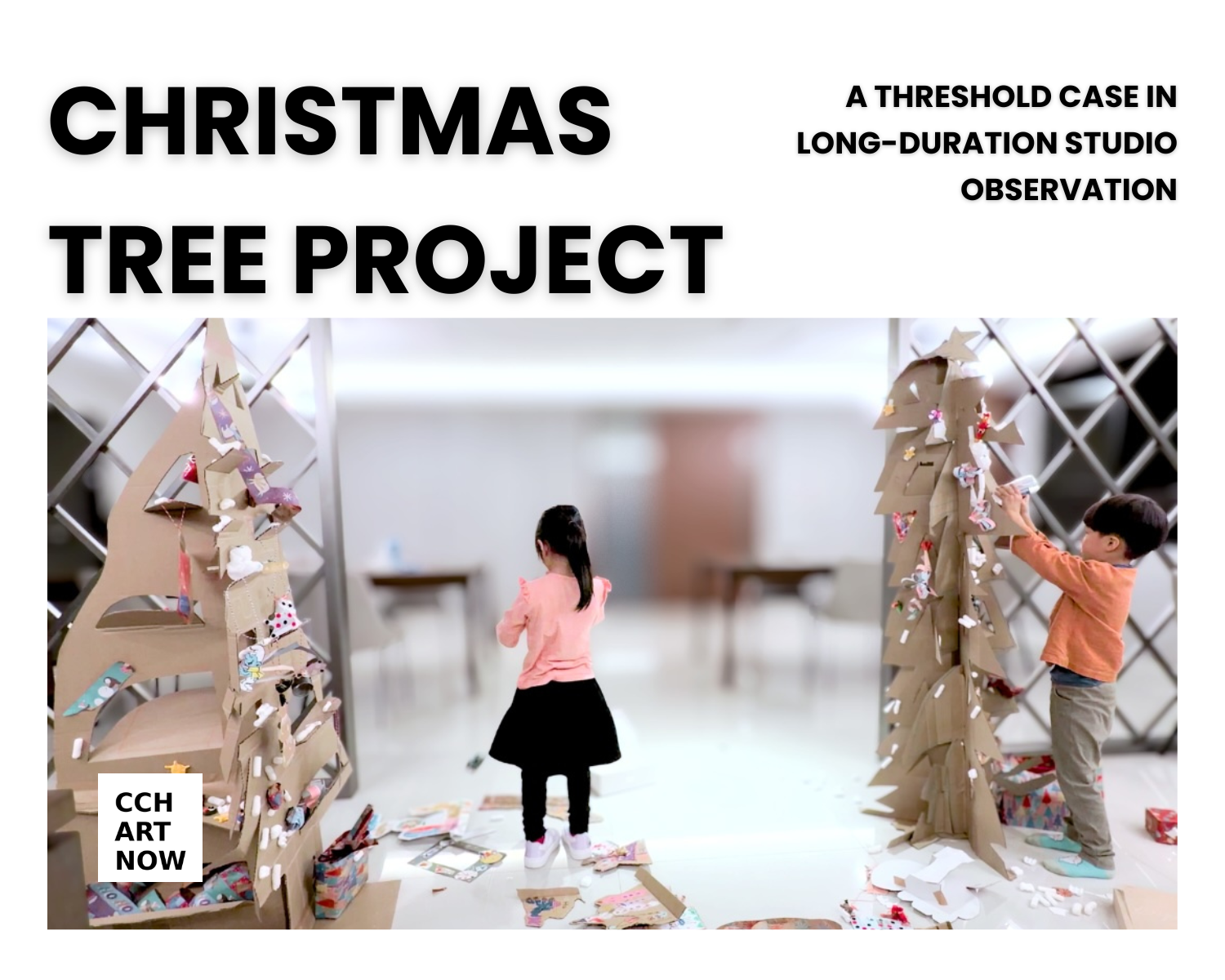
Christmas Tree Project
A qualitative studio observation of a multi-week, zero-screen cardboard construction project involving young learners aged 5–6. The case documents sustained attention, structural planning, material resistance, temporal continuity, and emerging executive-function-related behaviors within the CCH ART NOW™ studio ecology.