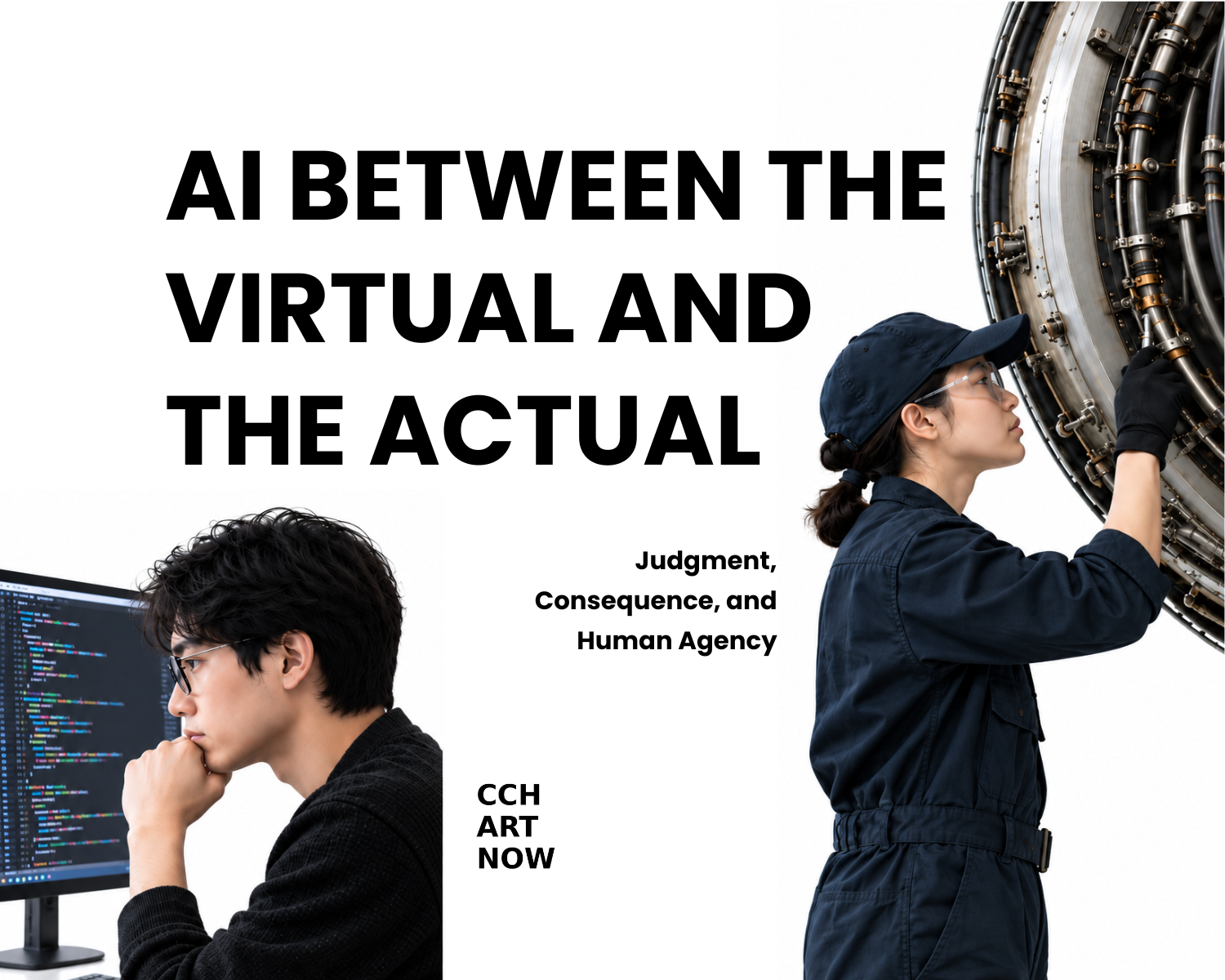
1. AI & Education


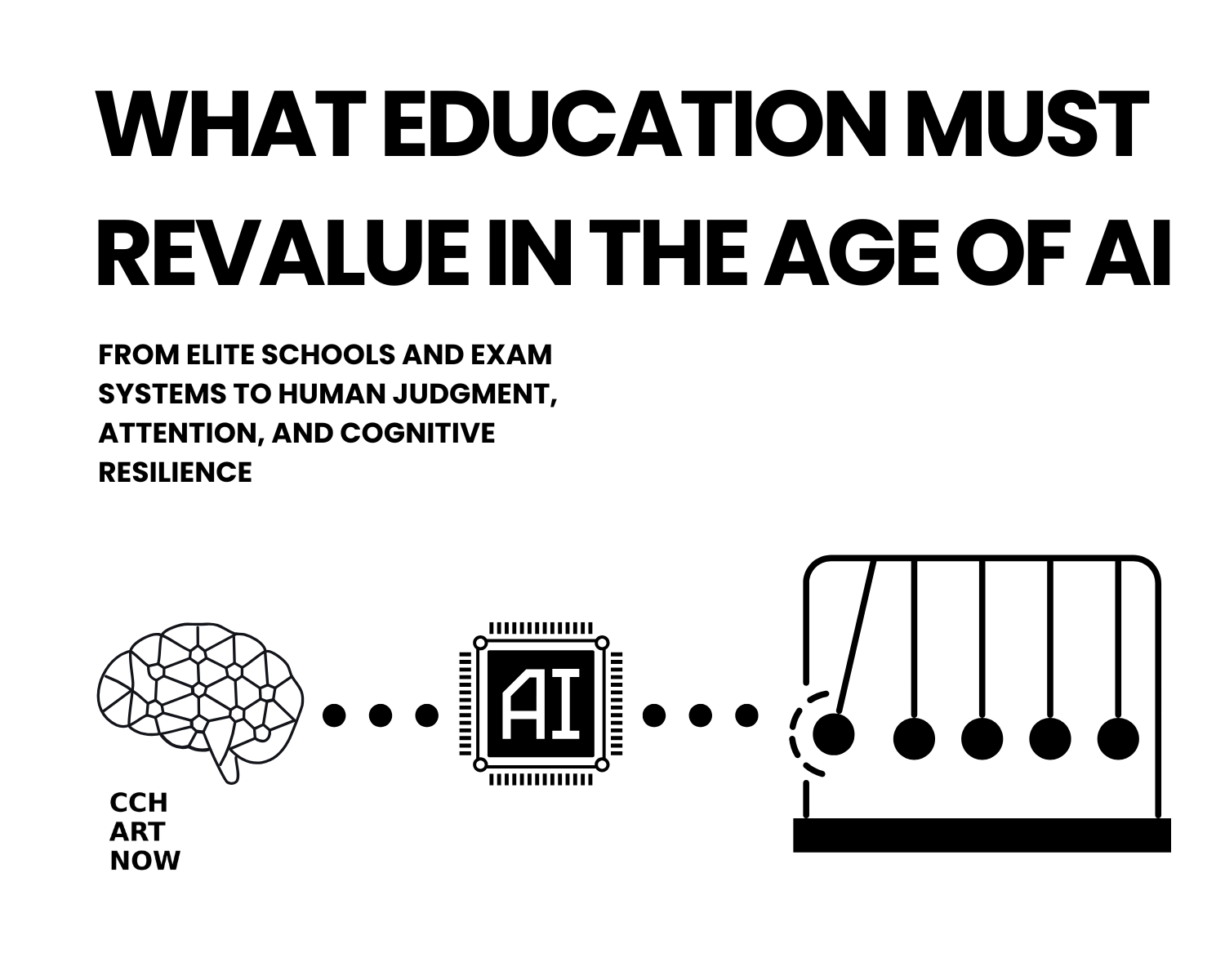
2. CCH Method
2-1. Method Notes
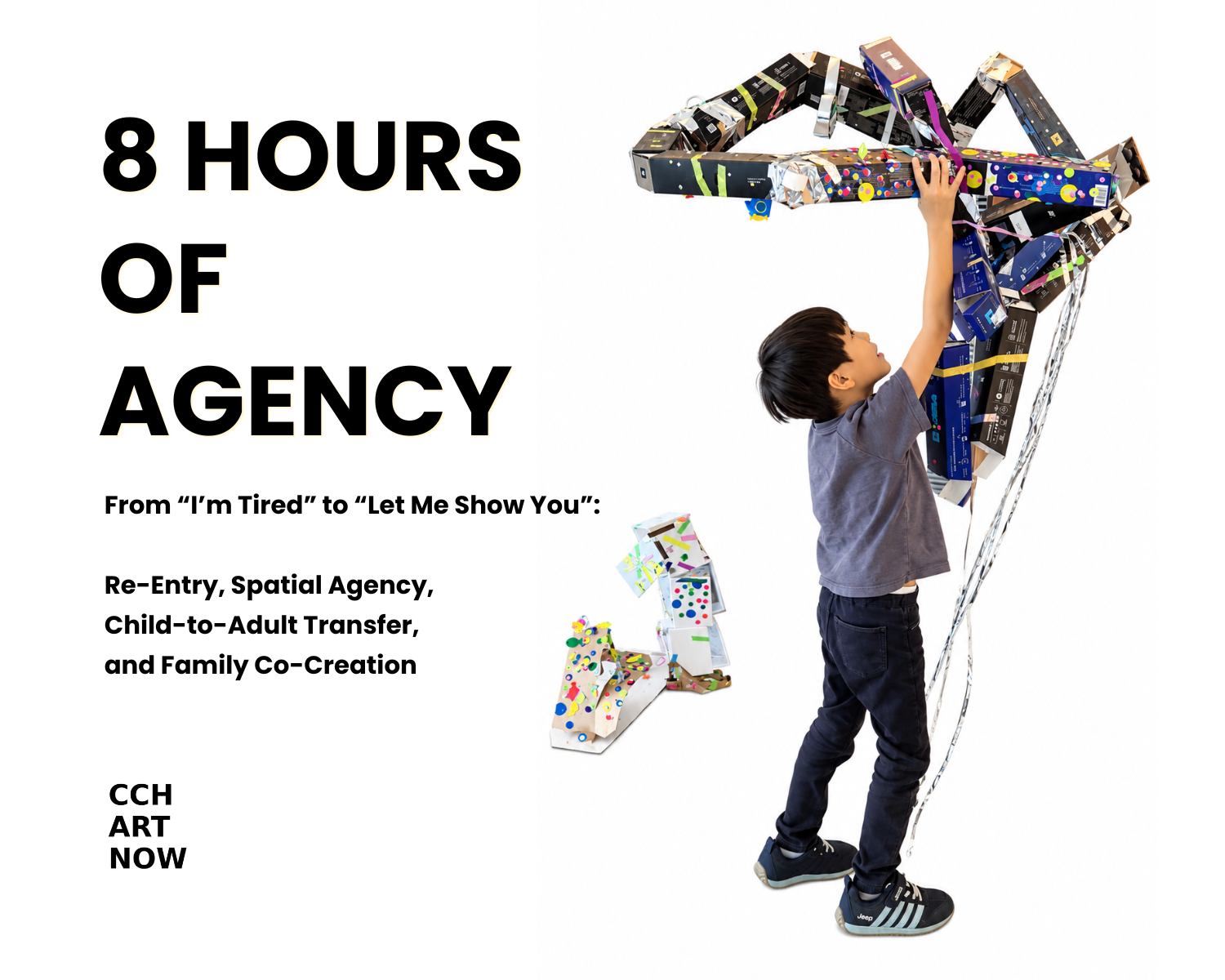
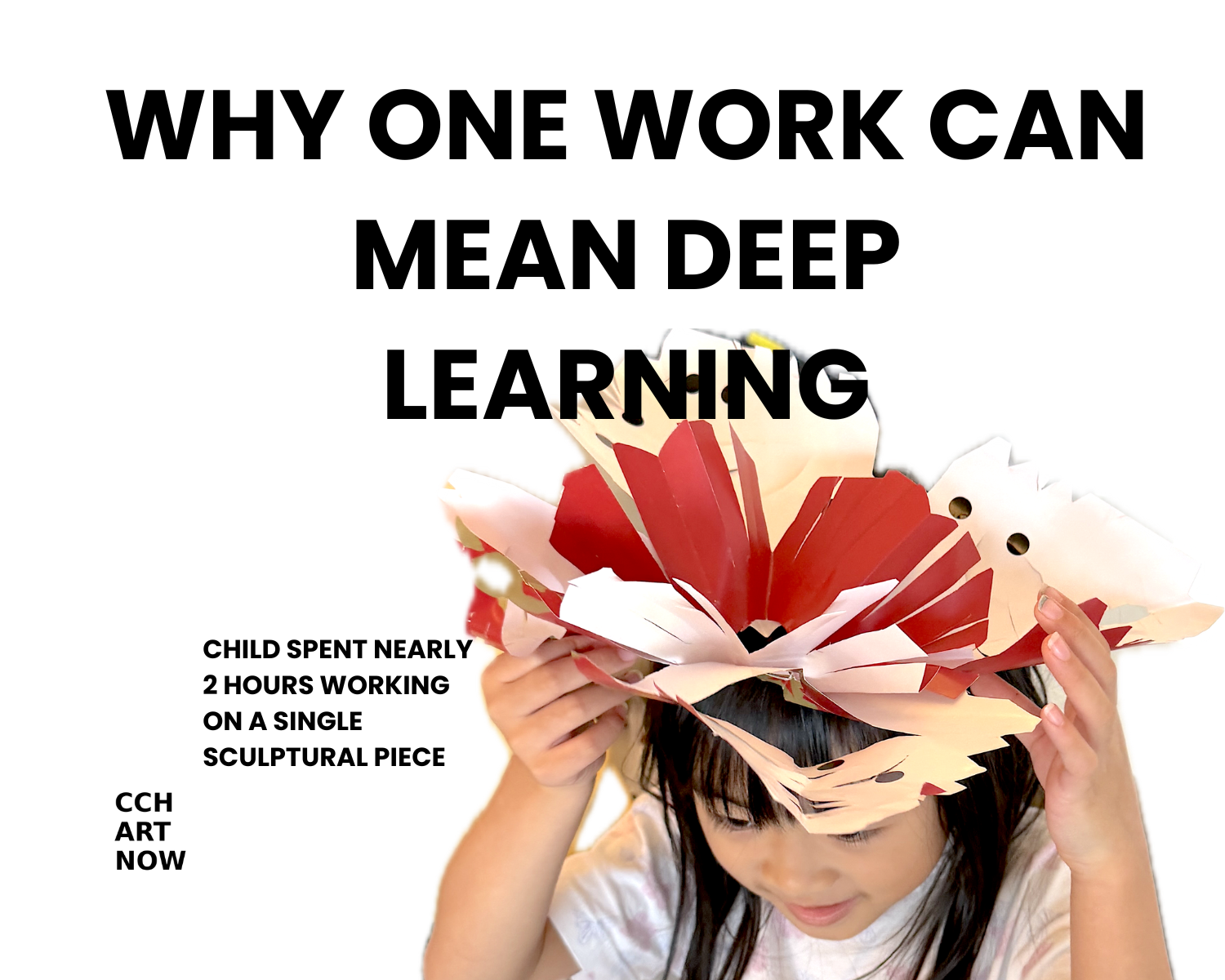
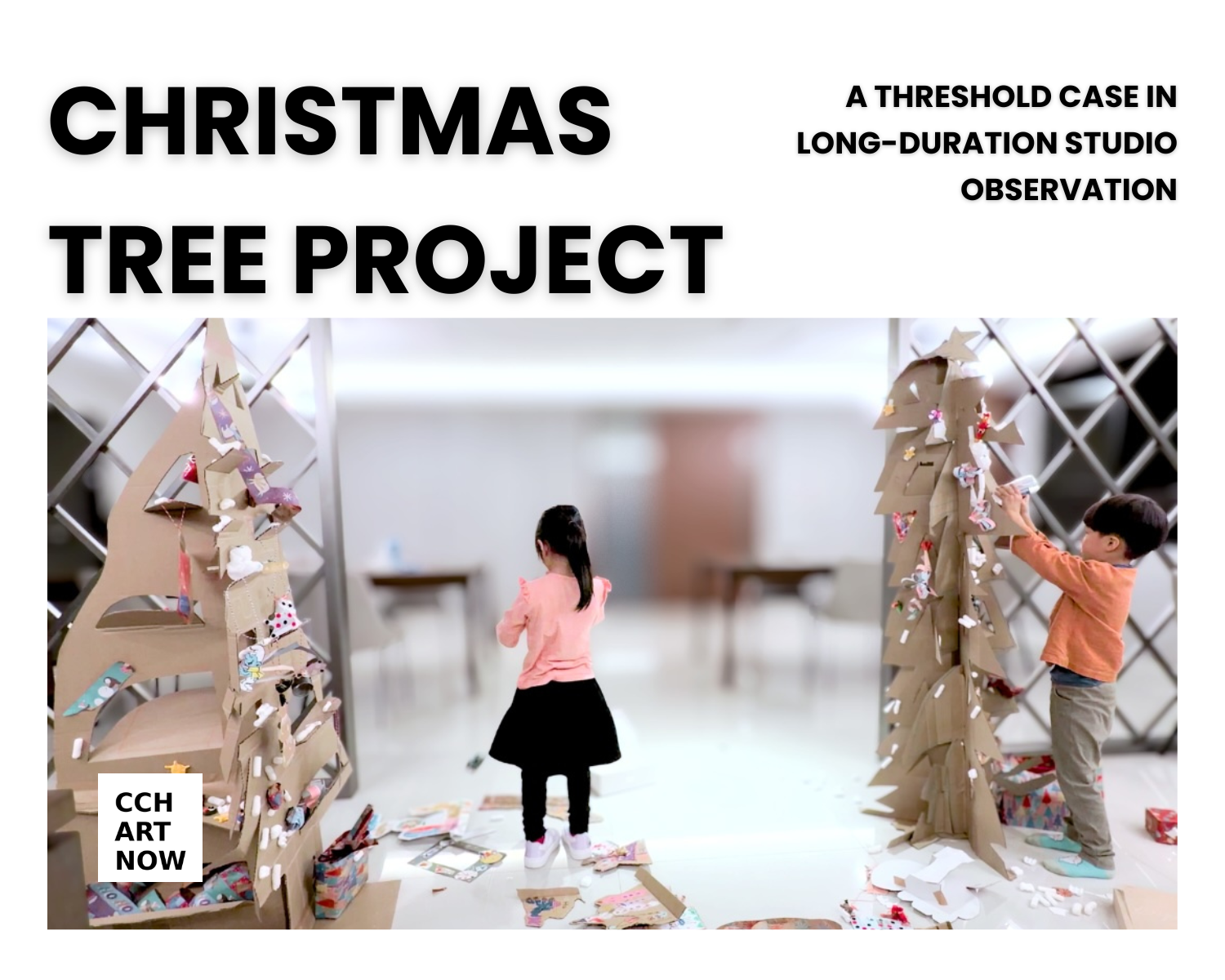
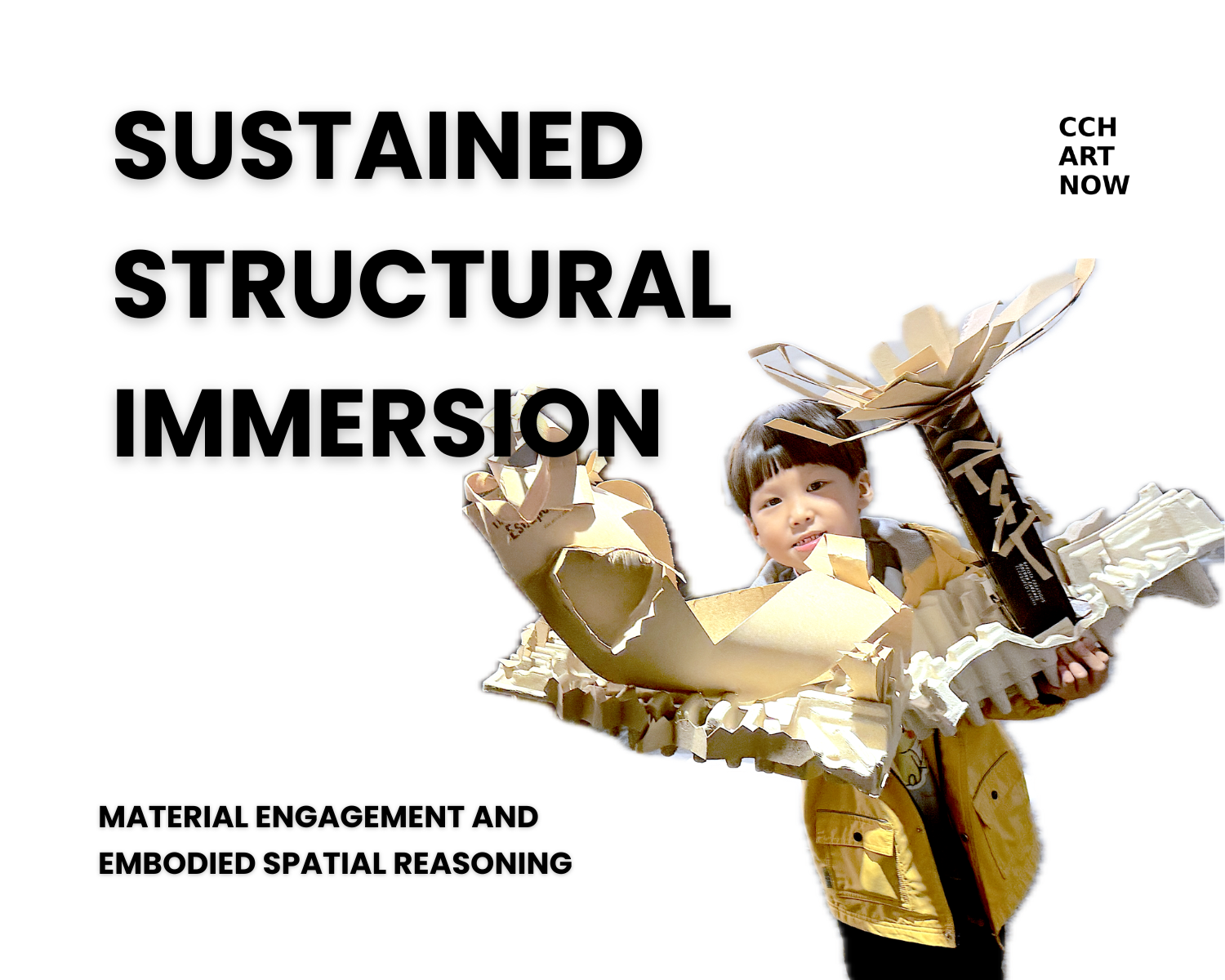
3. Studio Observations — Children
4. Adolescent Development
5. Adult studio case
6. Enterprise & Organizational Practice
7. Artist practice
Full Article Archive
Browse all published writings, studio observations, case records, and educational essays from CCH ART NOW.

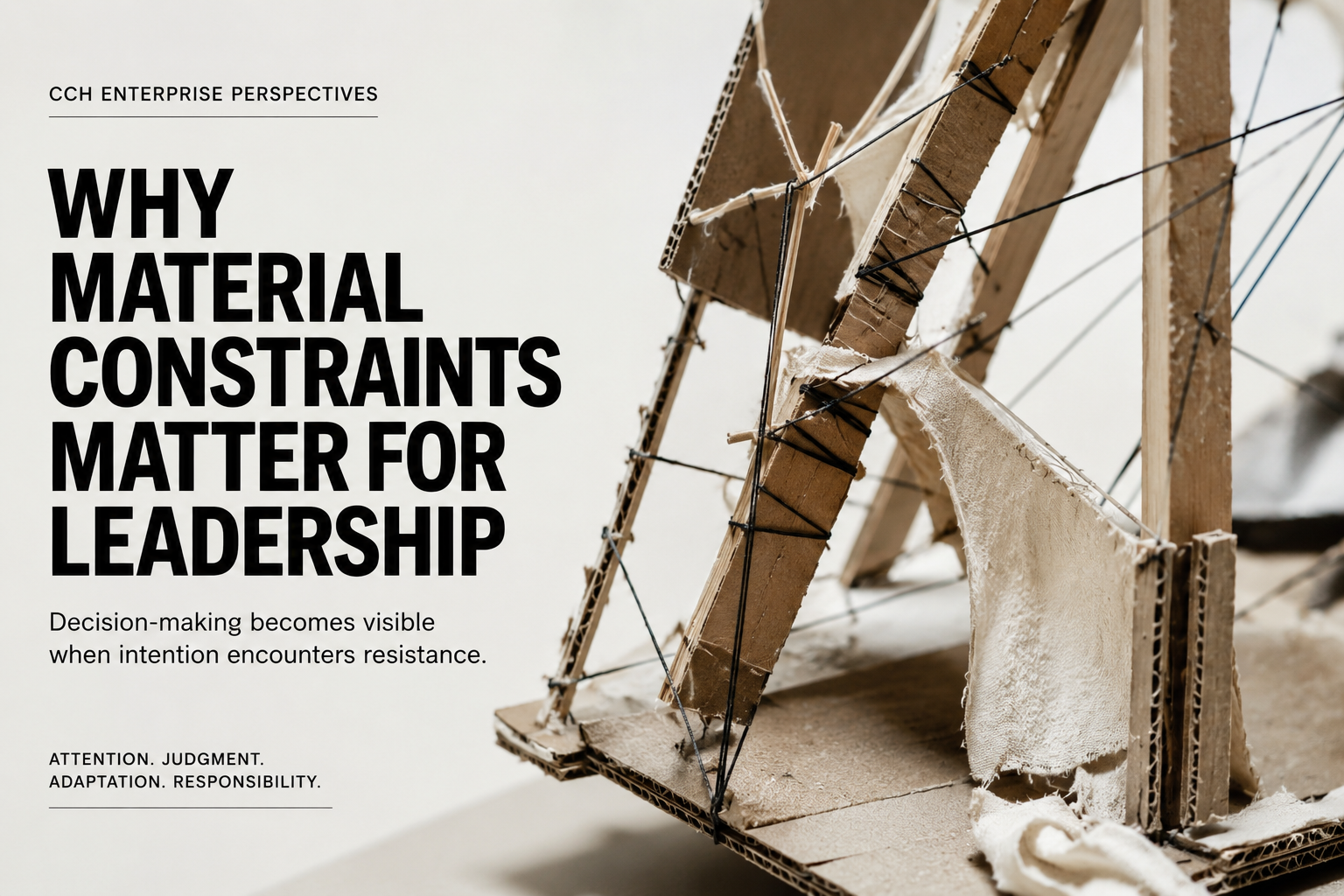
Why Material Constraints Matter for Leadership
Leadership becomes visible when intention encounters resistance. This article examines how material constraints create bounded decision environments in which attention, prioritization, adaptation, support-seeking, revision, and responsibility can be observed without reducing CCH enterprise work to a conventional creativity workshop.

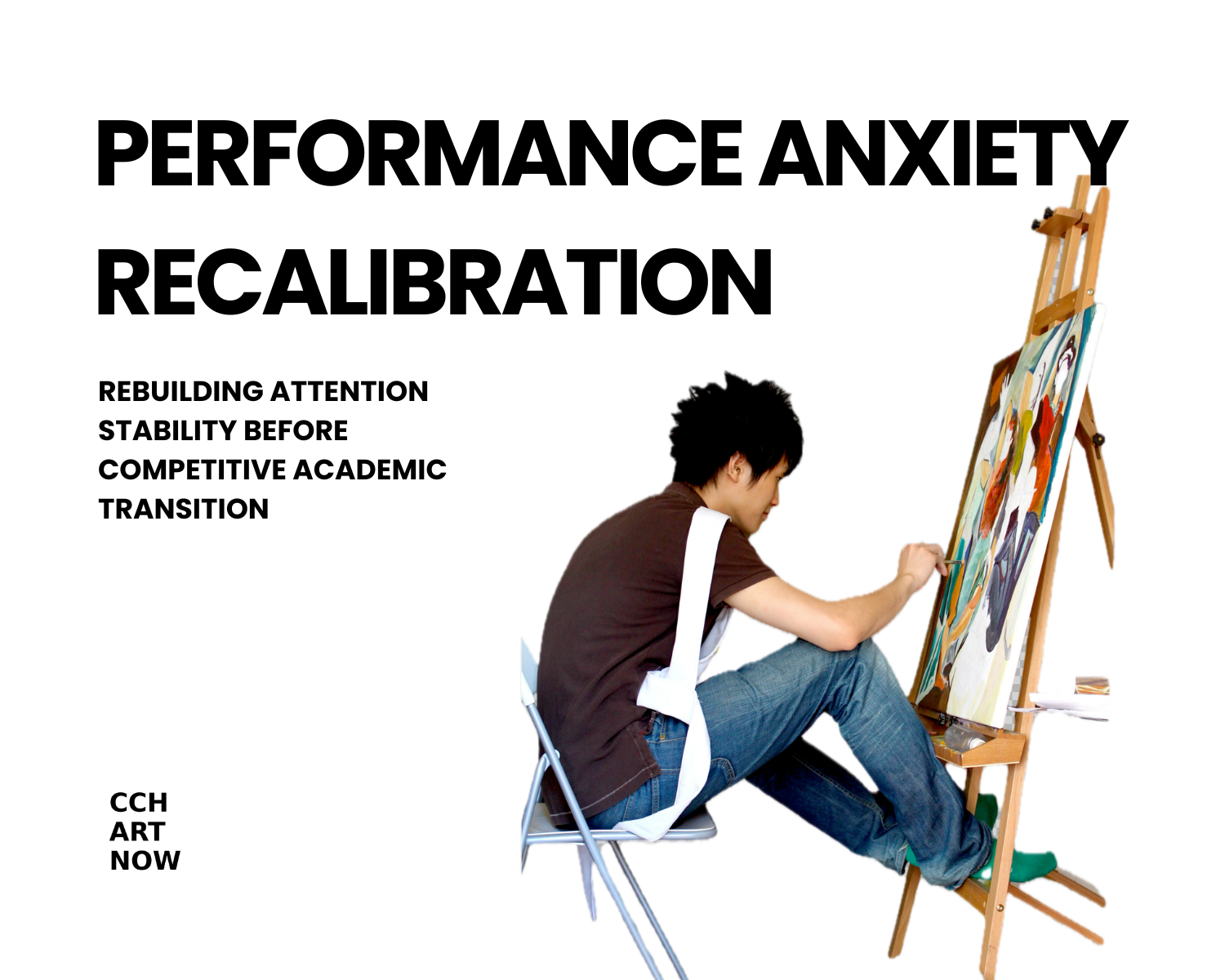
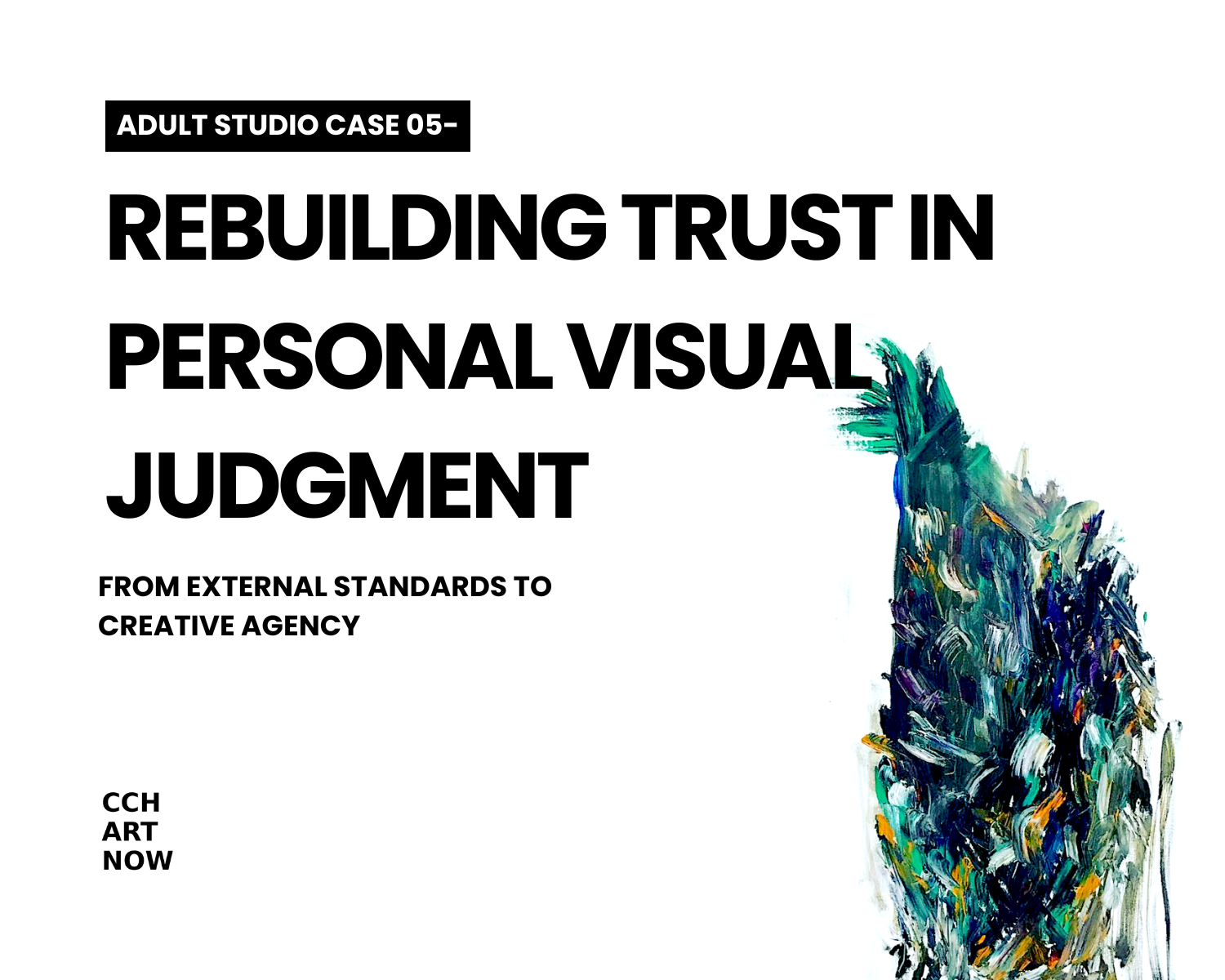
ADULT STUDIO CASE 05-Rebuilding Trust in Personal Visual Judgment
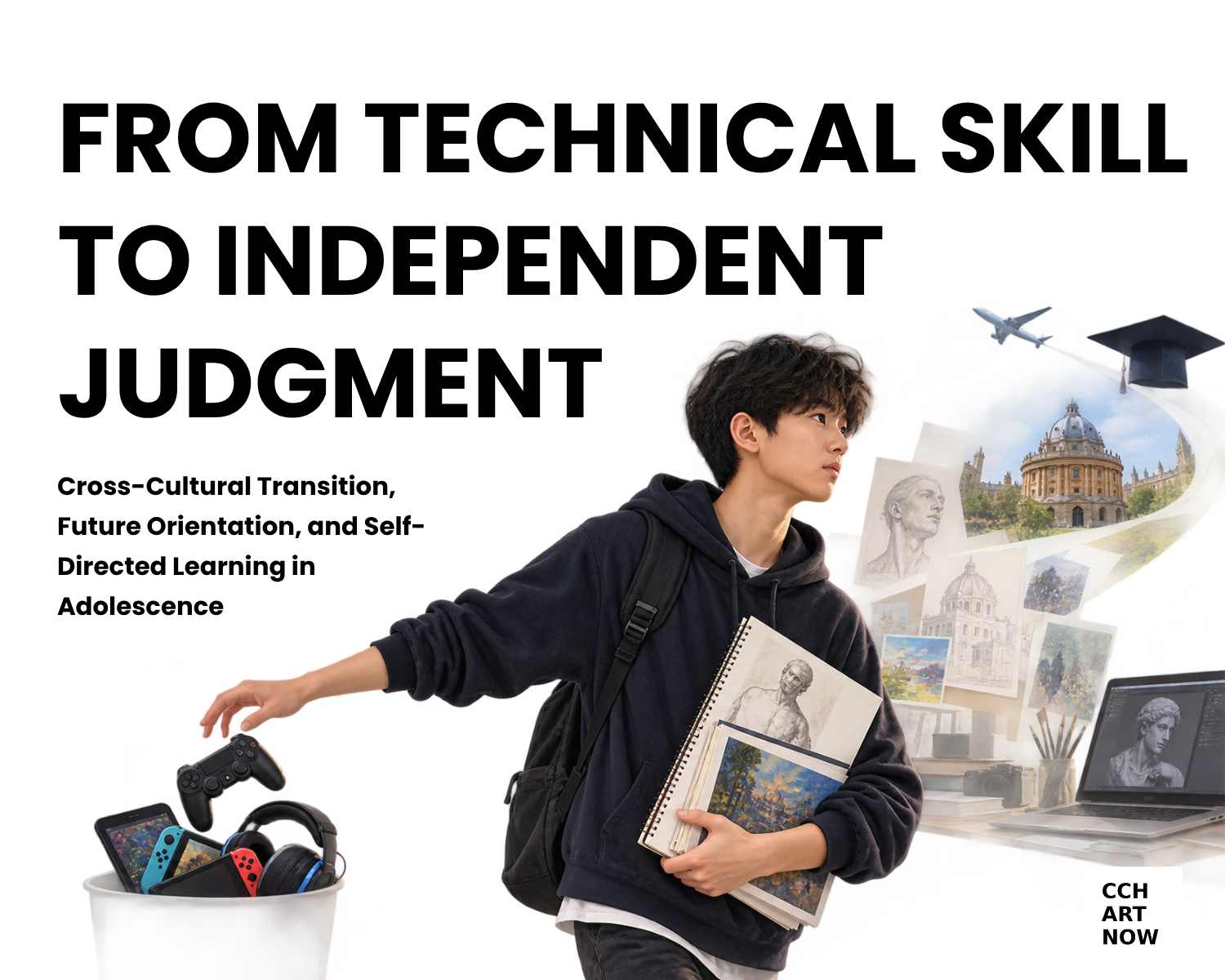
Adults often enter the studio relying on external approval, technical correctness, and inherited aesthetic standards. This case examines how sustained painting practice can support more specific visual reasoning, internally grounded judgment, meaningful closure, and creative agency.

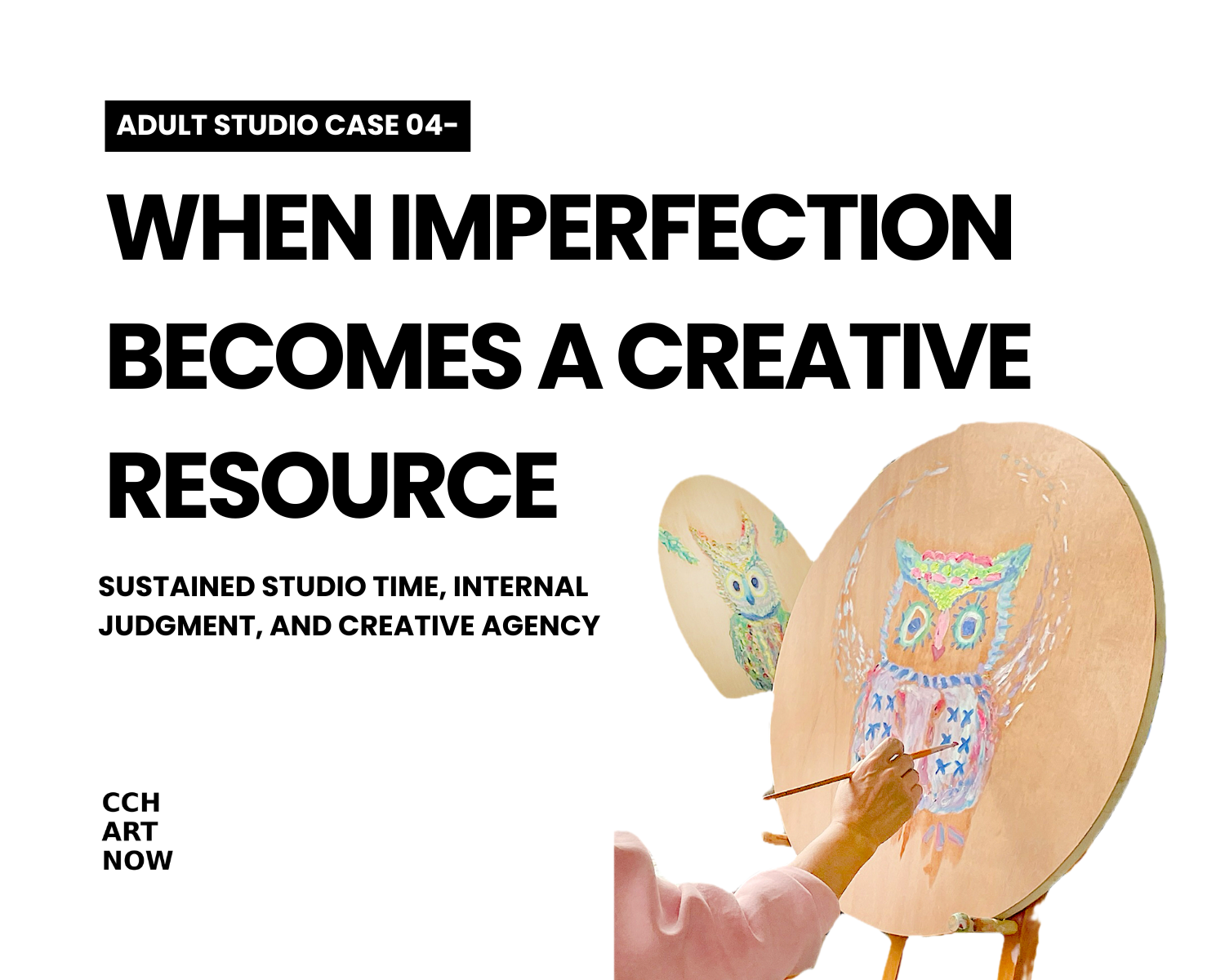
ADULT STUDIO CASE 04-When Imperfection Becomes a Creative Resource
Adults often interpret irregularity, incompletion, and material unpredictability as failure. This case examines how sustained studio time can slow premature evaluation, transform imperfection into visual evidence, and support the development of internal judgment and creative agency.

ADULT STUDIO CASE 03-Perfectionism and the Difficulty of Beginning
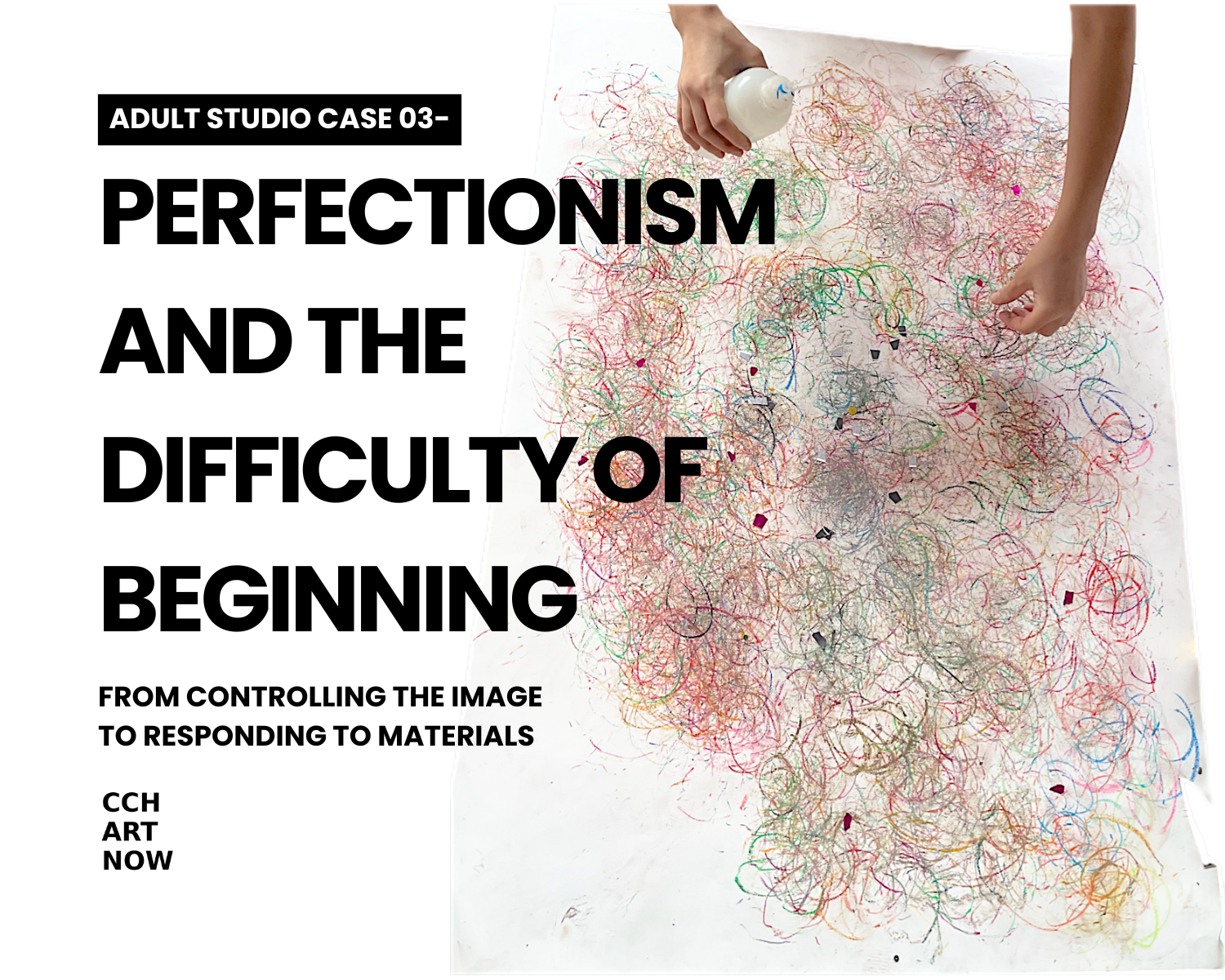
Perfectionism can make beginning difficult when adults attempt to predict and control the image before materials provide enough evidence. This case examines how paint flow, layering, scraping, collage, surface traces, and material uncertainty support a shift toward responsive visual judgment.

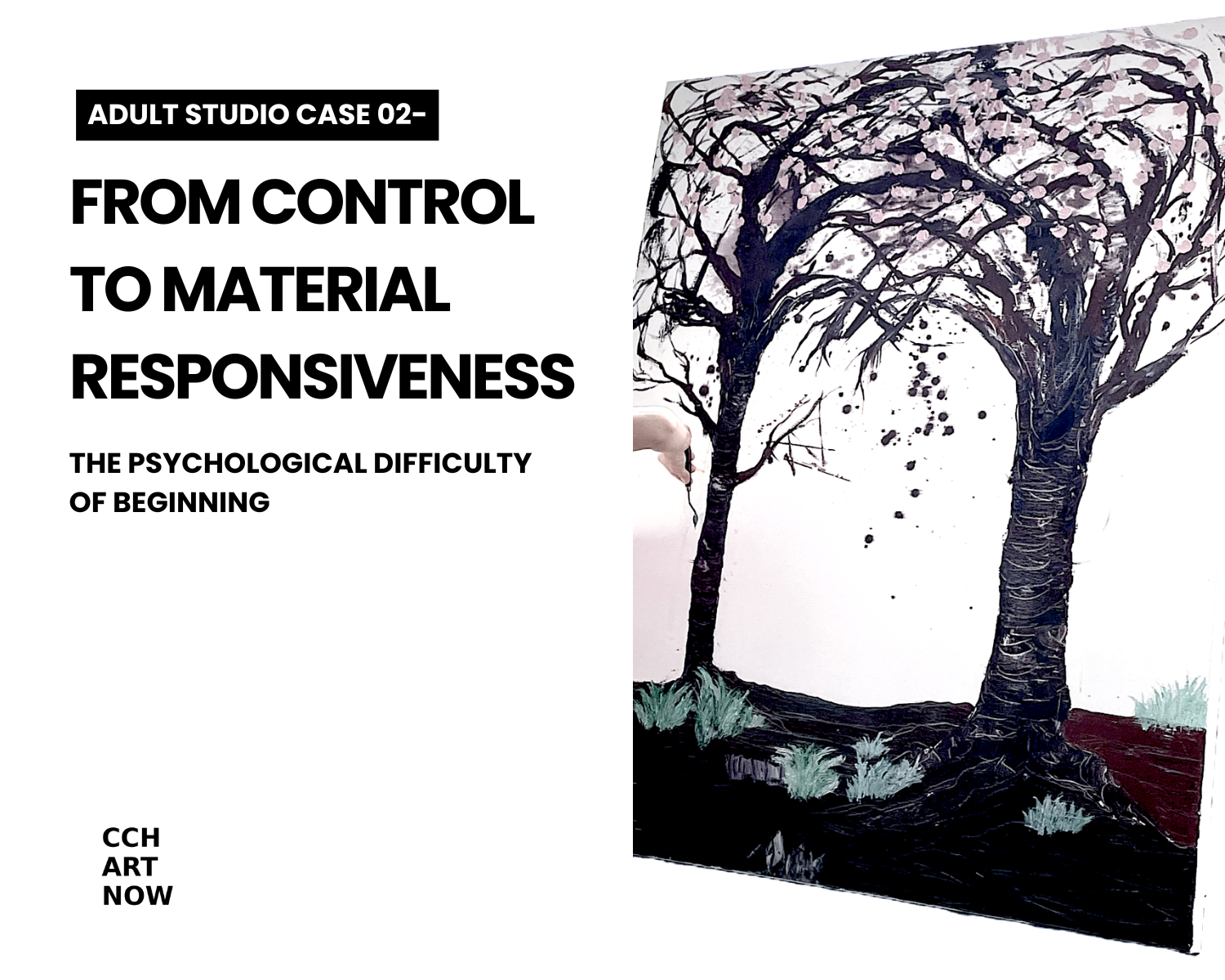
ADULT STUDIO CASE 02- From Control to Material Responsiveness
The difficulty of beginning is often psychological before it is technical. This adult studio case examines how material testing, residue, uncertainty, and visual evidence can help adults move from controlling a predicted result toward responsive decision-making.

ADULT STUDIO CASE 01-Re-entering Creativity After Years of Evaluation
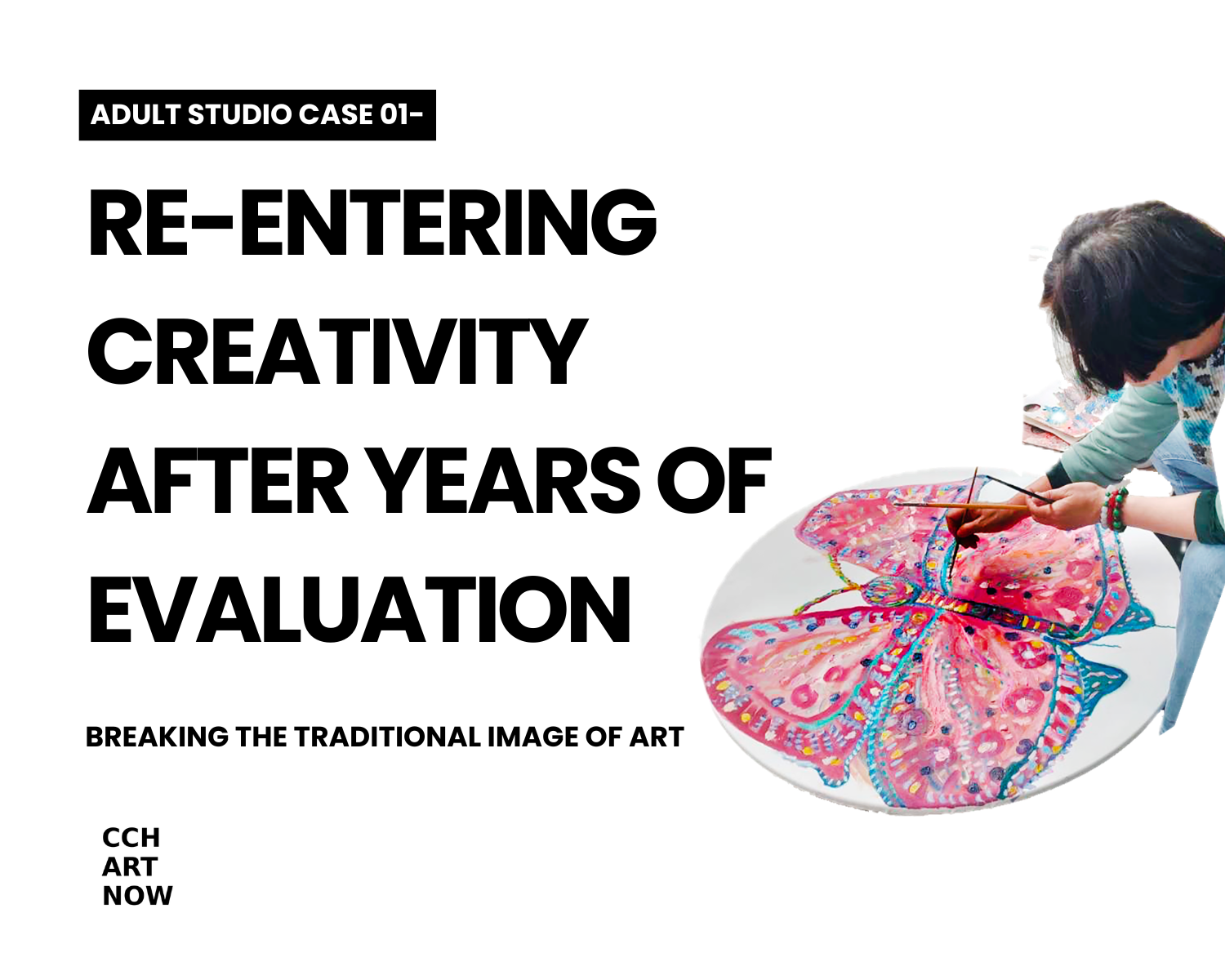
Adults often re-enter creativity carrying fixed ideas about talent, realism, refinement, and what serious art should look like. This case examines how painting and material exploration can loosen premature evaluation and rebuild personal visual judgment.

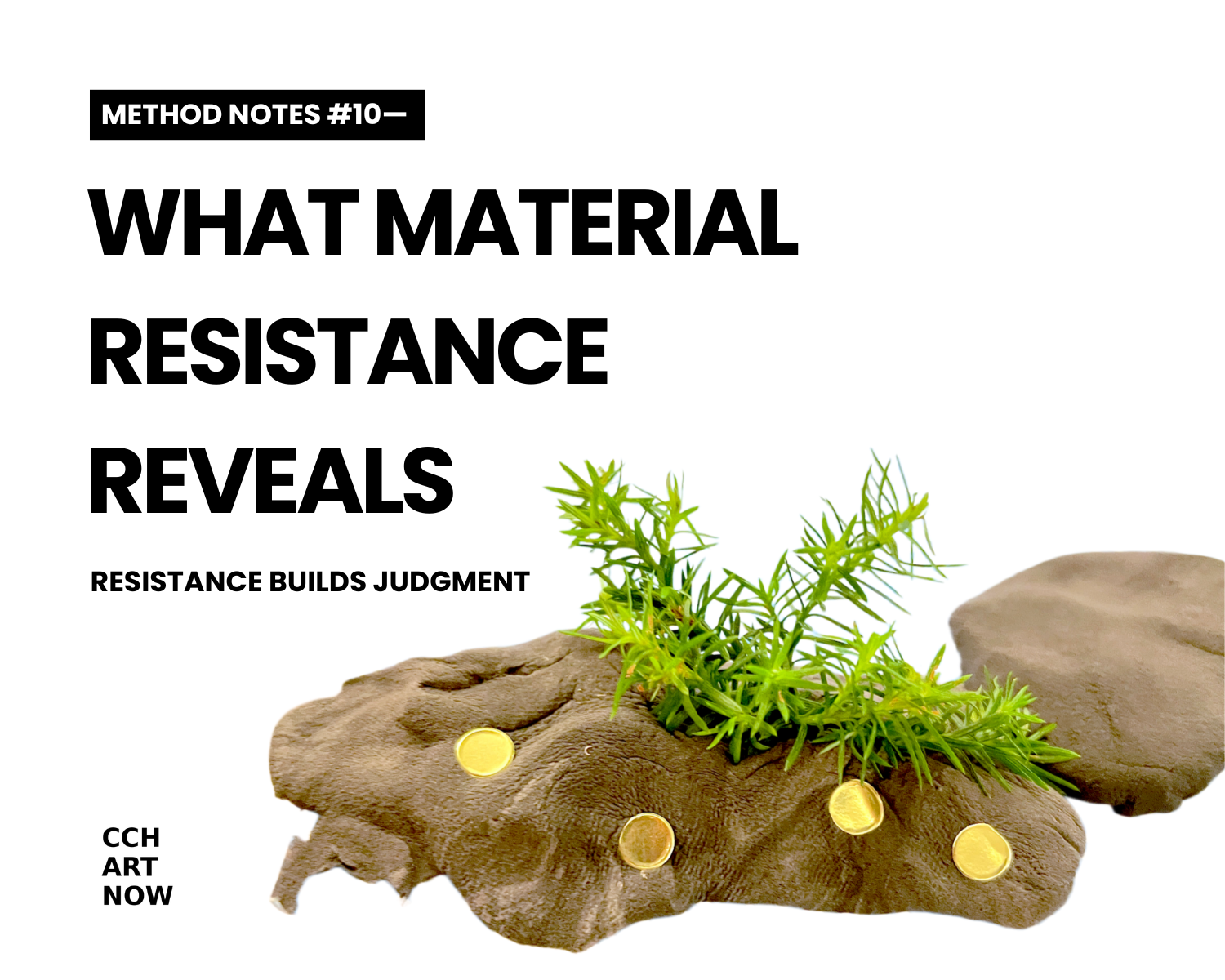
METHOD NOTES 10- What Material Resistance Reveals
Material resistance creates situations in which learners must observe, decide, revise, regulate, and recover. This Method Note examines how CCH interprets constraints as opportunities for judgment while distinguishing developmental observation from product evaluation.

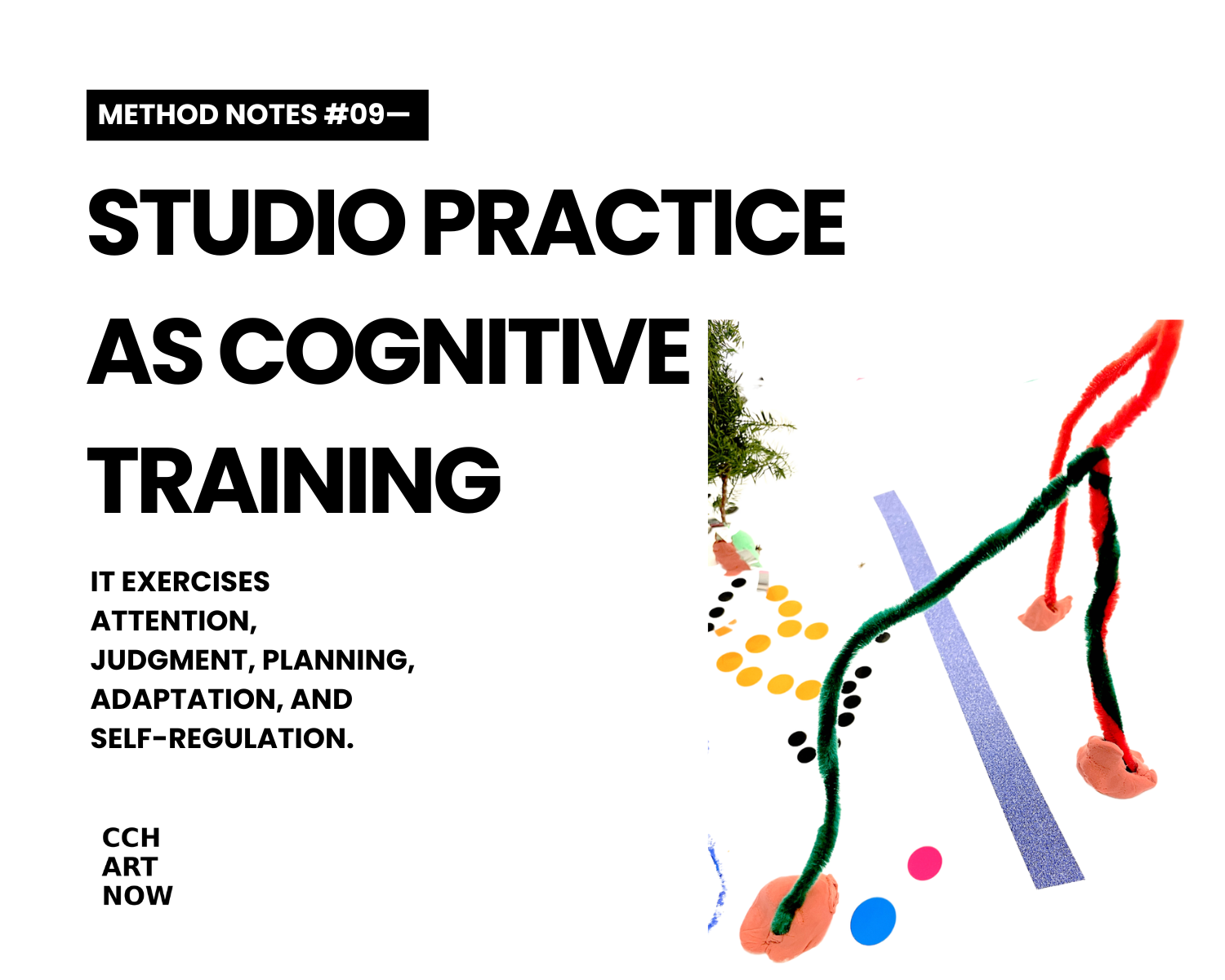
METHOD NOTES 09-Studio Practice as Cognitive Training
Studio practice can exercise more than artistic skill. This Method Note examines how making activates attention, working memory, planning, judgment, cognitive flexibility, self-regulation, and adaptive problem-solving through embodied material engagement.

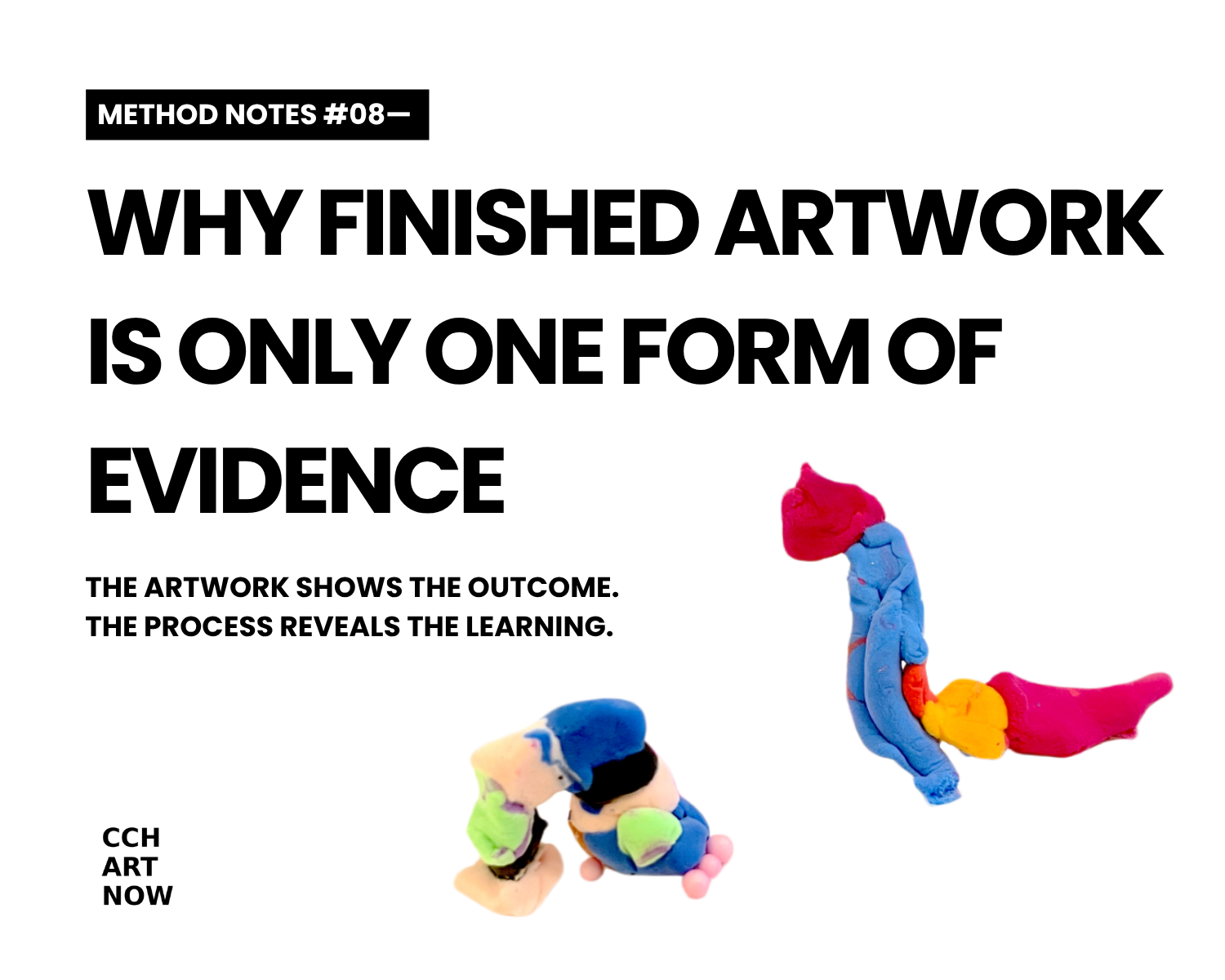
METHOD NOTES 08 - Why Finished Artwork Is Only One Form of Evidence
Finished artwork is meaningful evidence, but it cannot fully reveal how learning developed. This Method Note examines how CCH combines products, process records, observation, reflection, material traces, and longitudinal patterns to document studio learning.

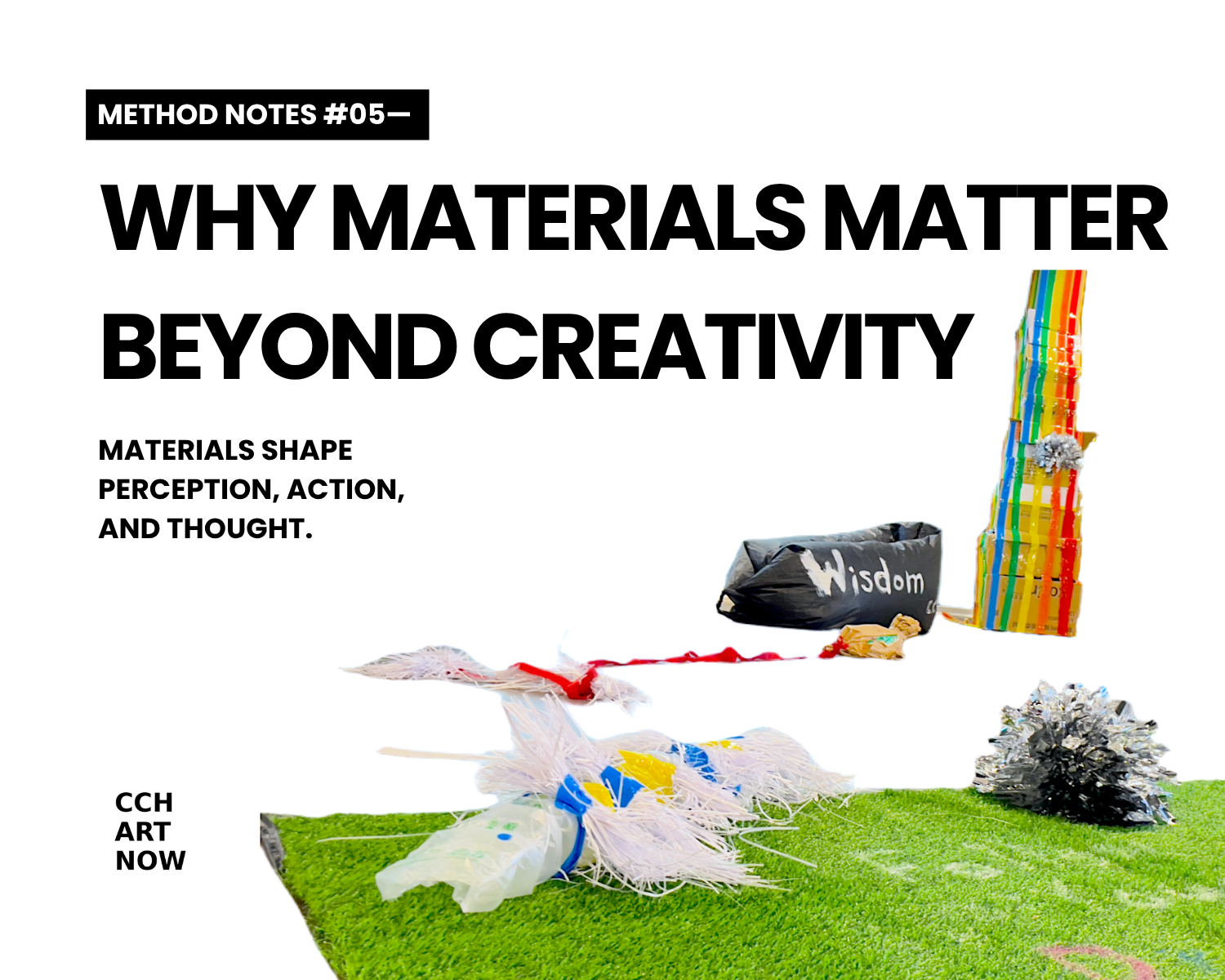
METHOD NOTES 05 - Why Materials Matter Beyond Creativity
Materials do more than support creativity. This Method Note examines how physical resistance, affordances, embodied action, and material feedback shape attention, judgment, autonomy, and cognitive development.

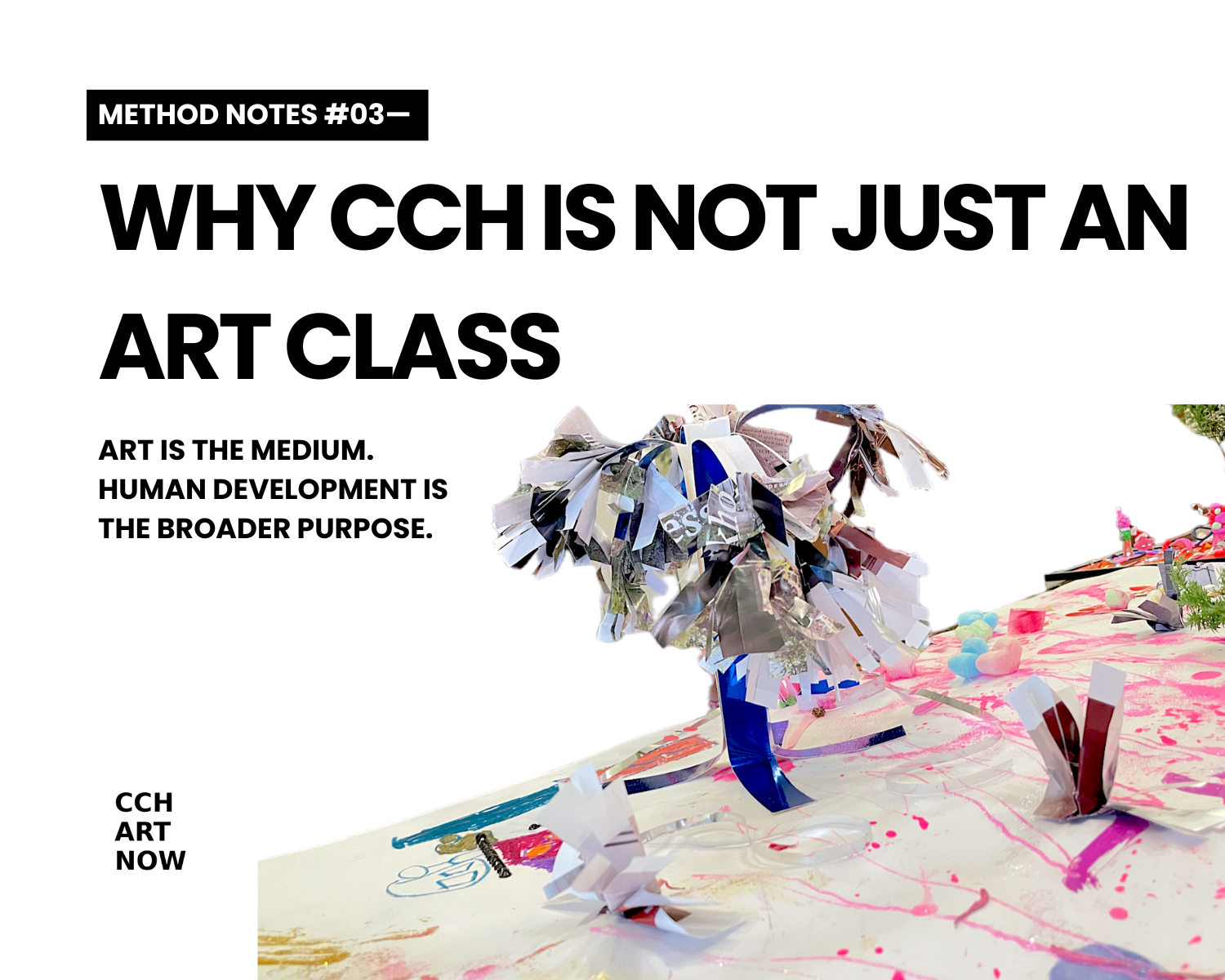
METHOD NOTES 03- Why CCH Is More Than an Art Class
CCH uses art as a medium for developing sustained attention, independent judgment, autonomy, self-regulation, and cognitive resilience. This Method Note explains why the framework extends beyond conventional technique- and outcome-centered art instruction.

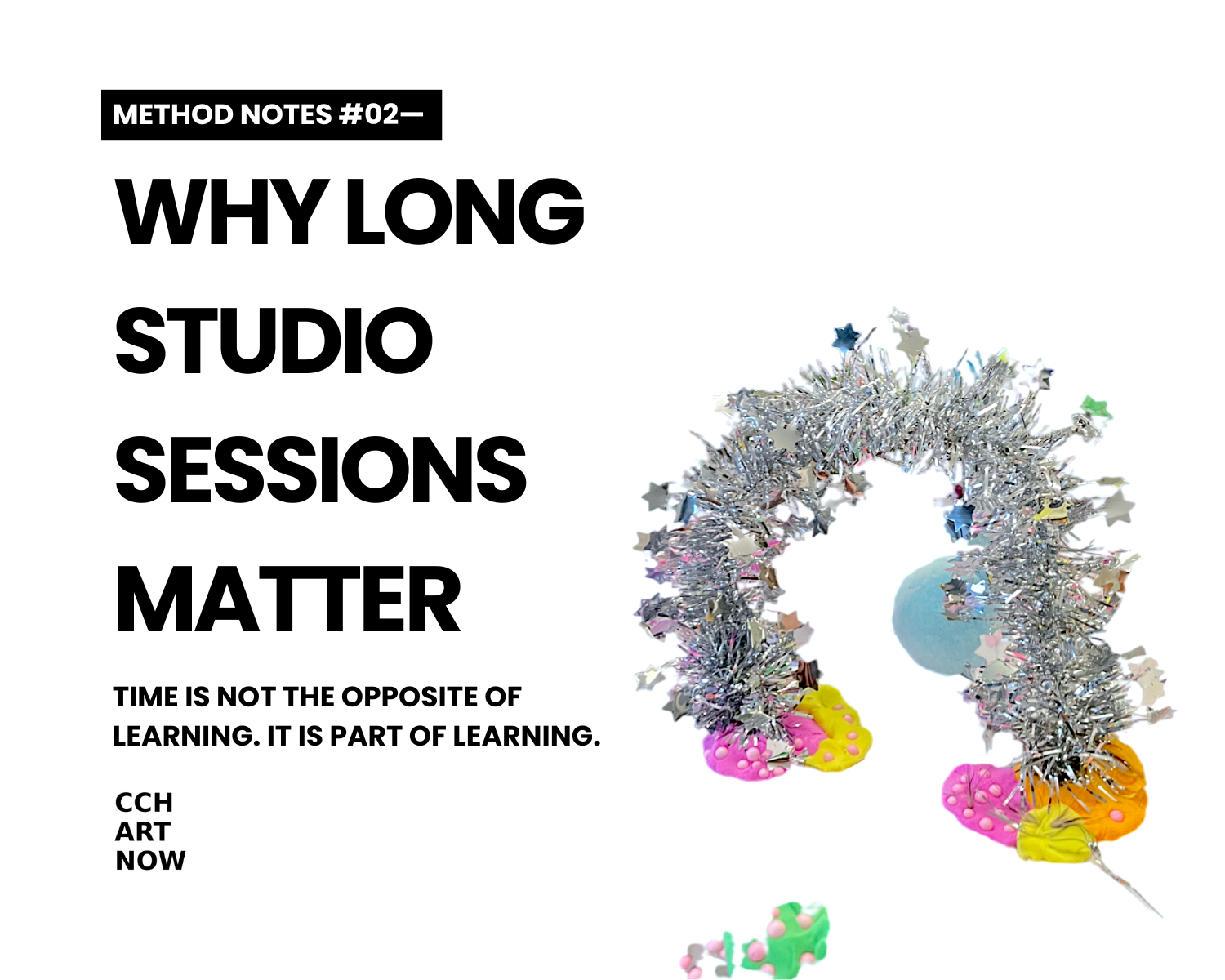
METHOD NOTES #02-Why Long Studio Sessions Matter
Why does CCH sometimes extend studio sessions beyond the conventional one-hour format? This Method Note explores how time supports sustained attention, independent decision-making, and cognitive development through extended studio practice.

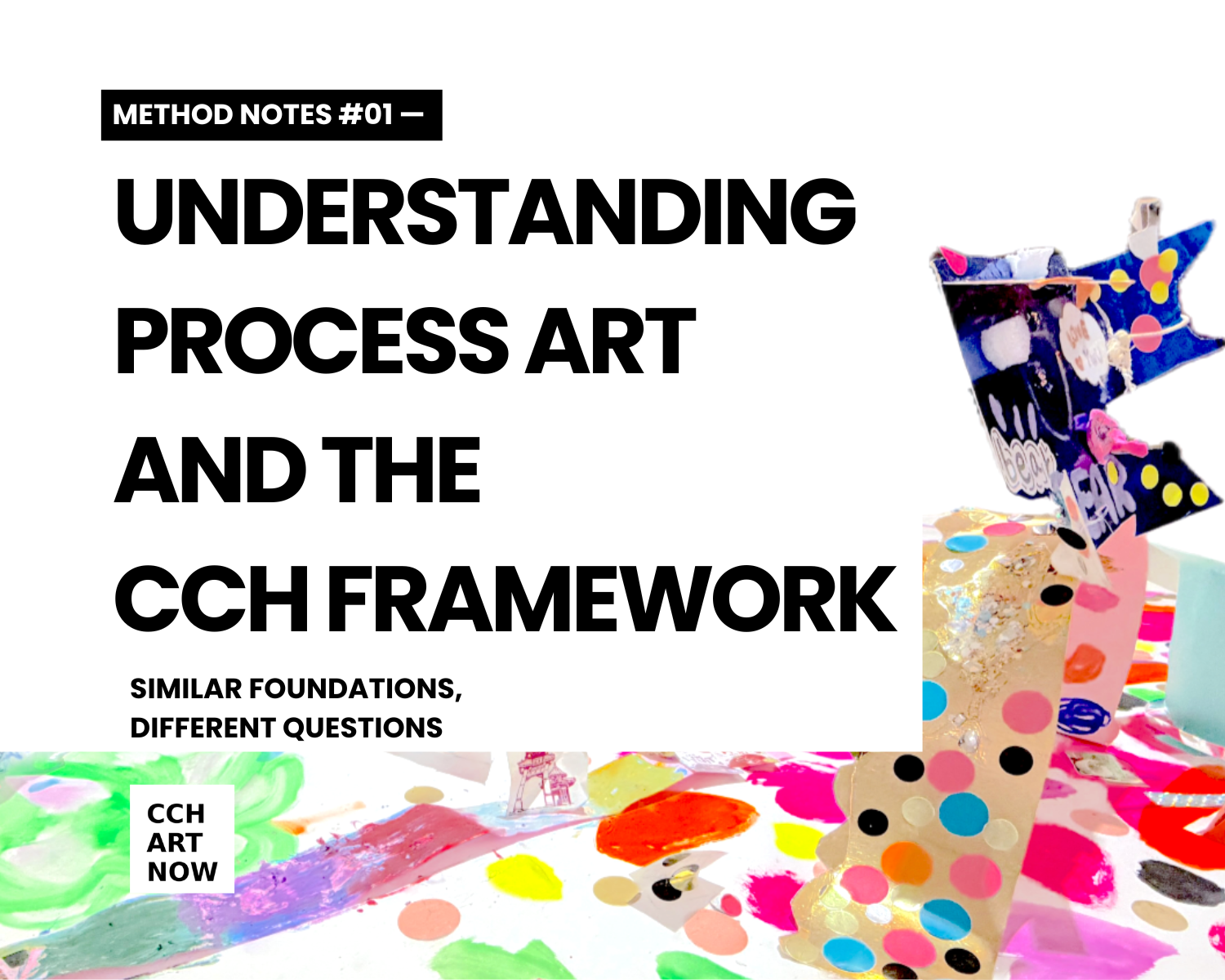
Method Notes 01-Understanding Process Art and the CCH Framework
CCH shares several educational principles with Process Art while extending studio practice through attention, judgment, self-regulation, and cognitive development. This Method Note examines where these approaches overlap—and where their educational questions begin to diverge.