
1. AI & Education
2. CCH Method
2-1. Method Notes
3. Studio Observations — Children
4. Adolescent Development
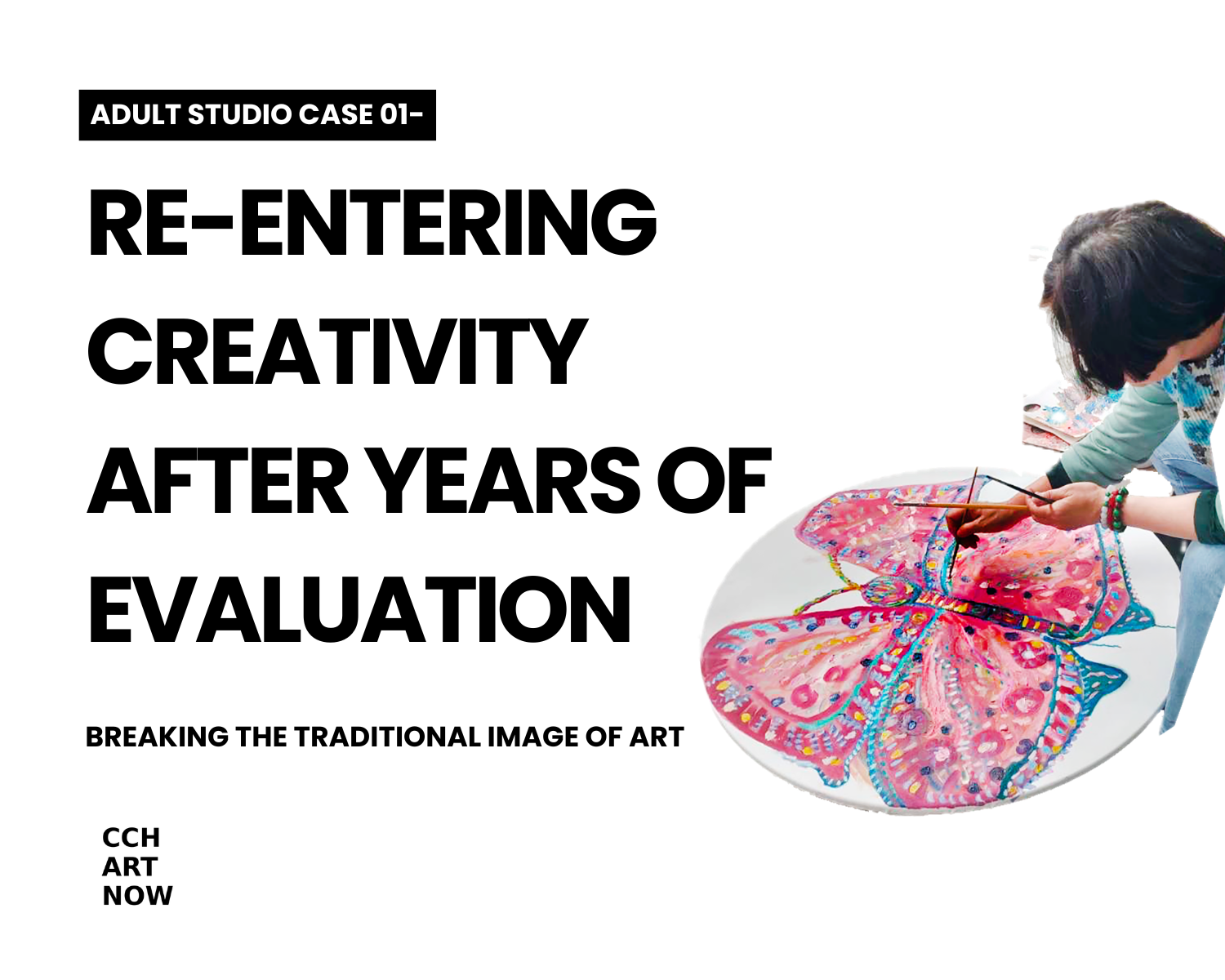
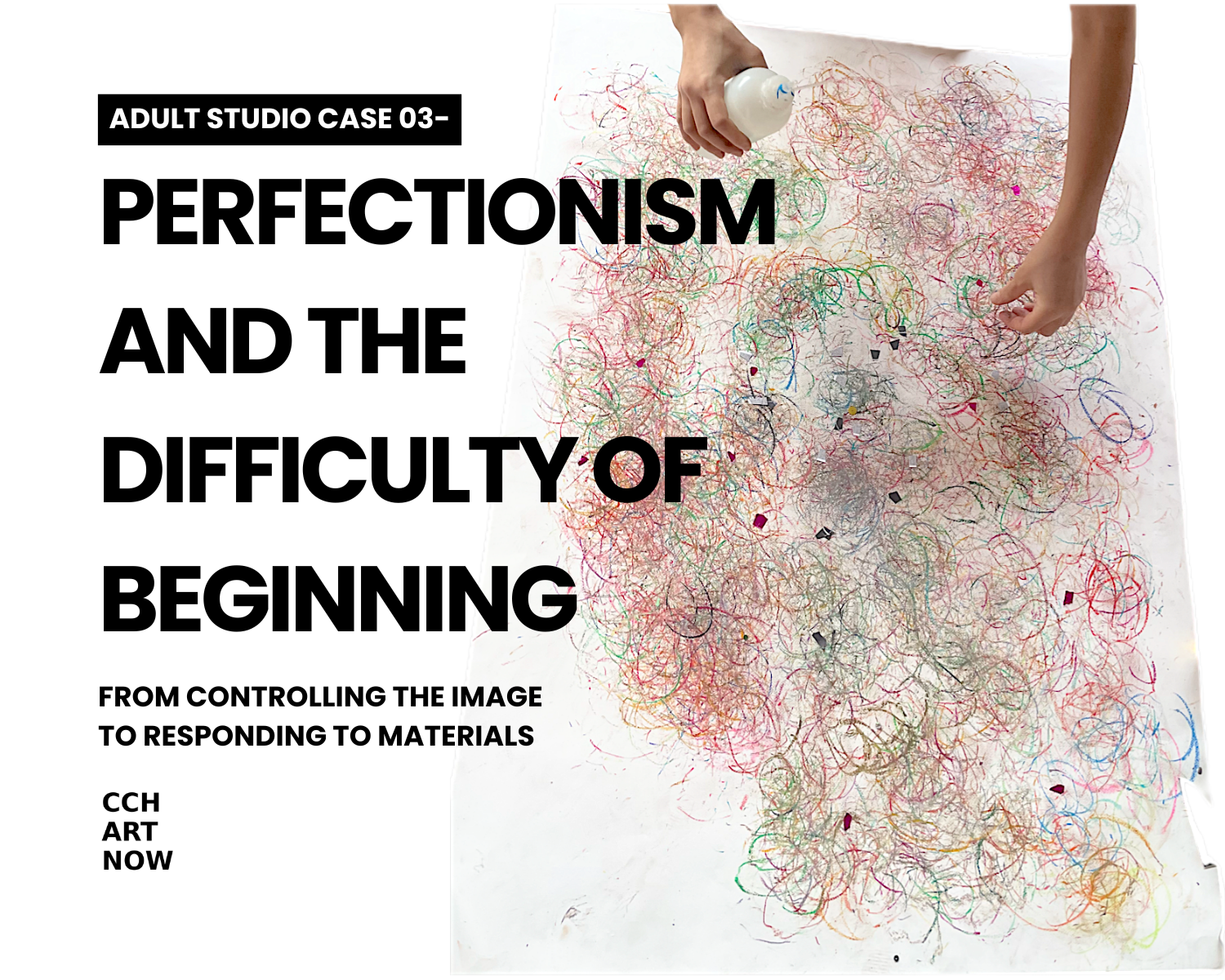
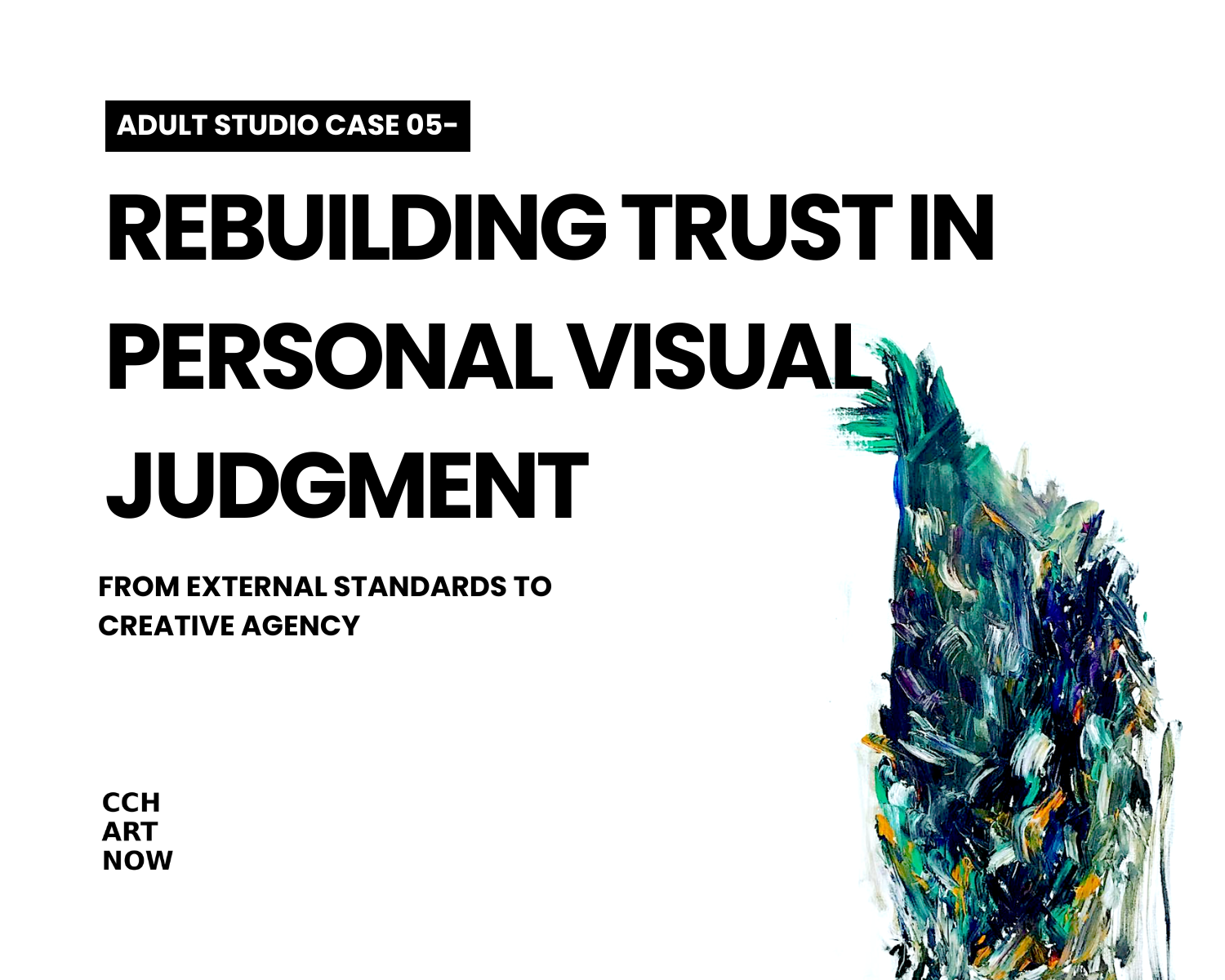
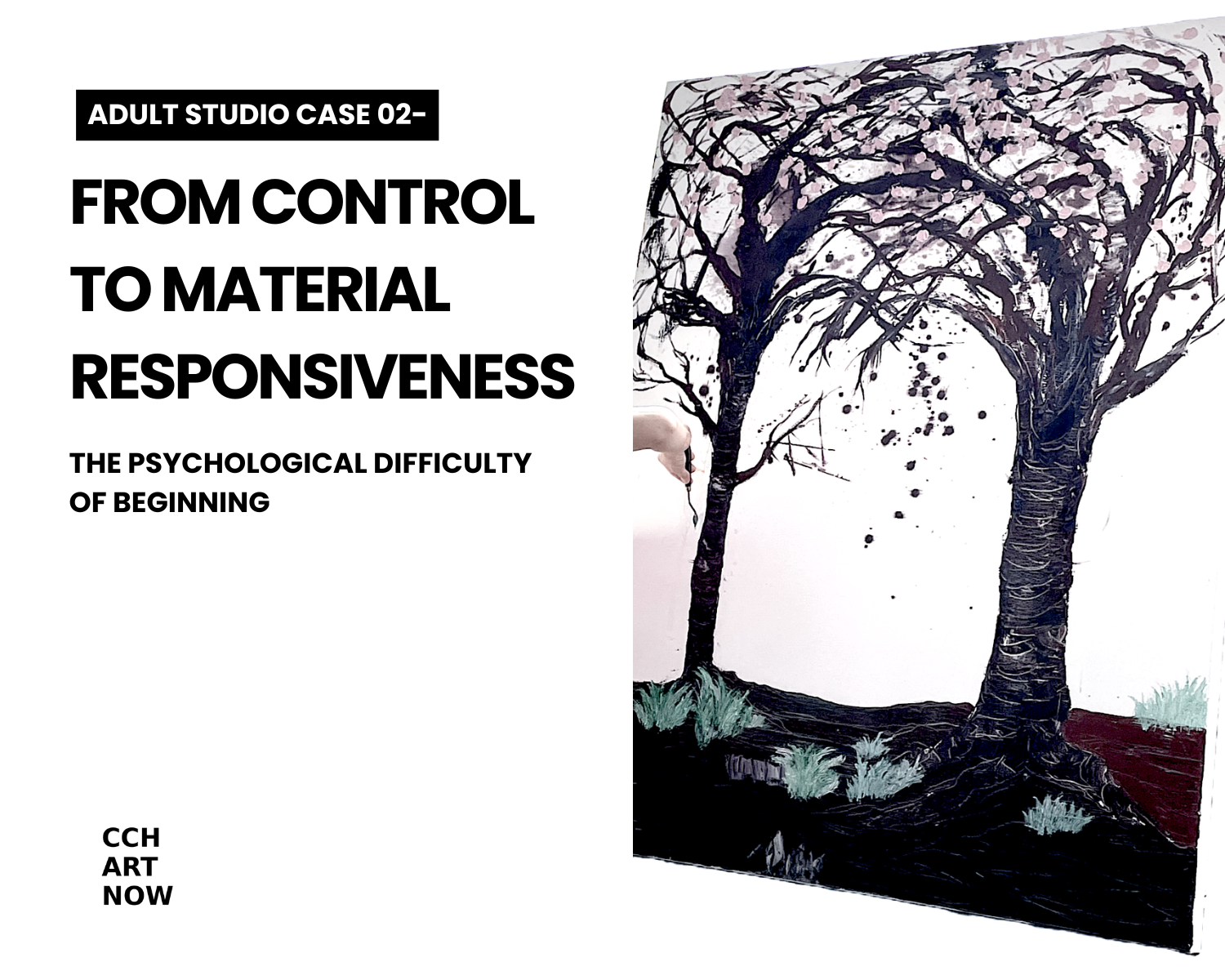
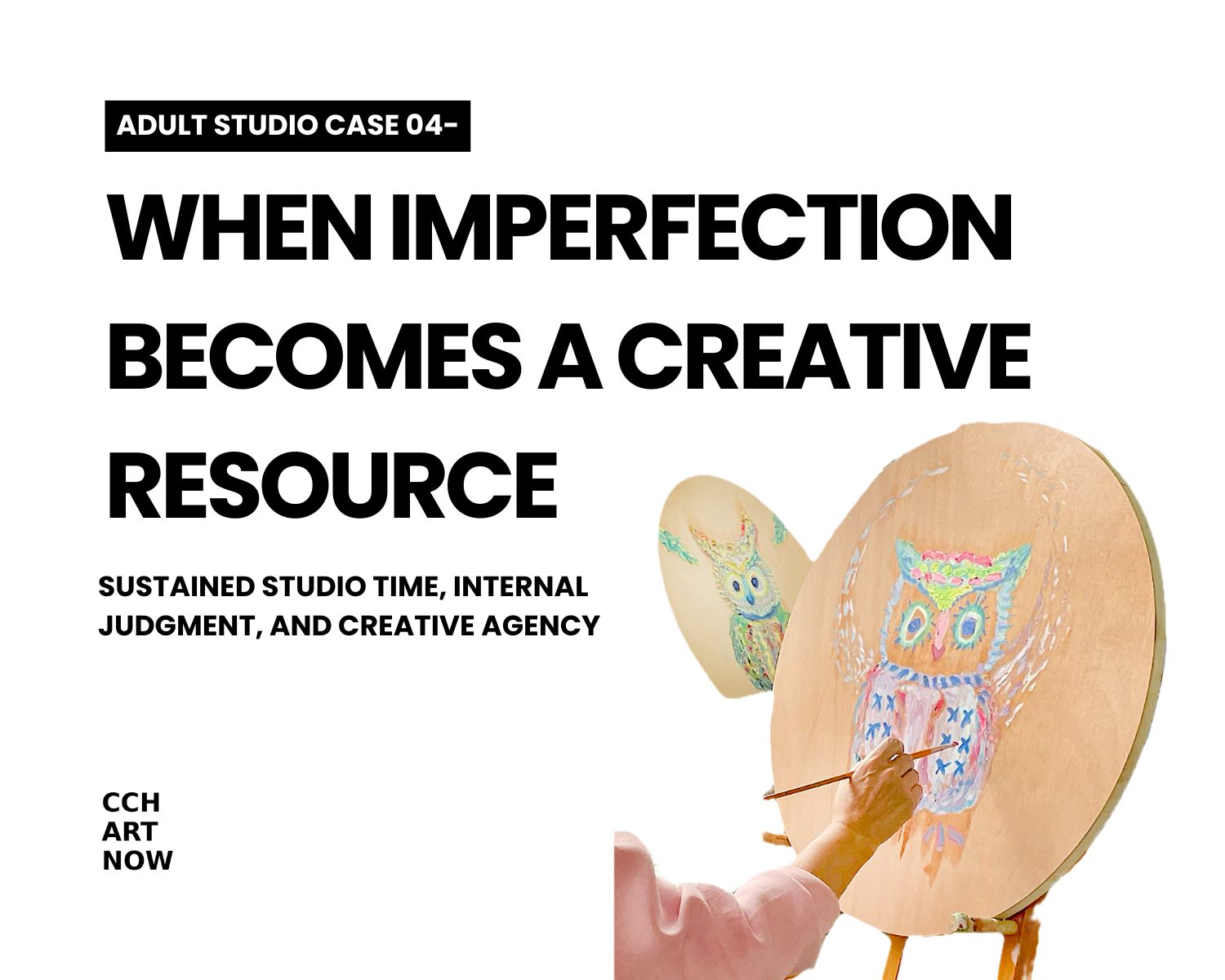
5. Adult studio case
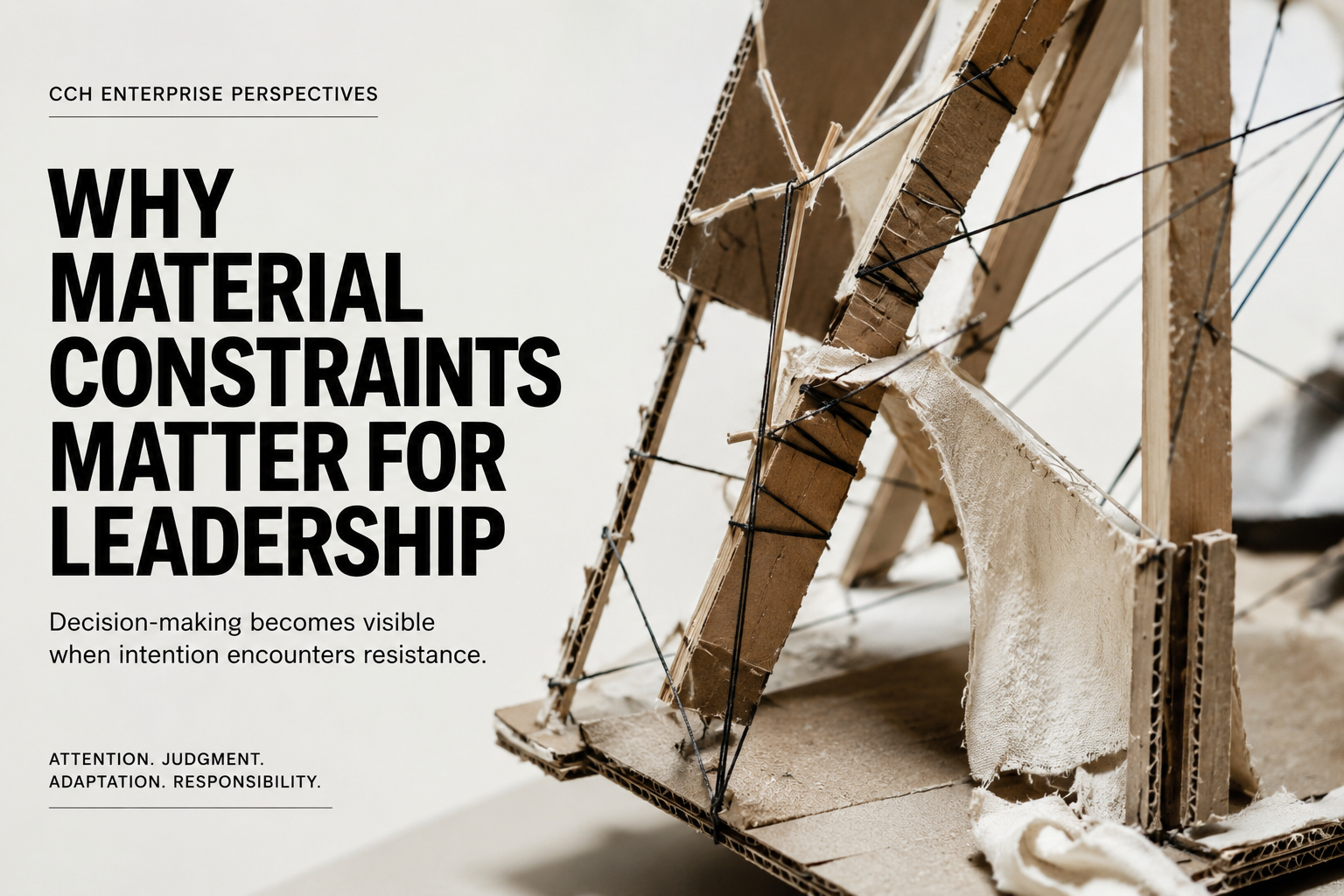
6. Enterprise & Organizational Practice
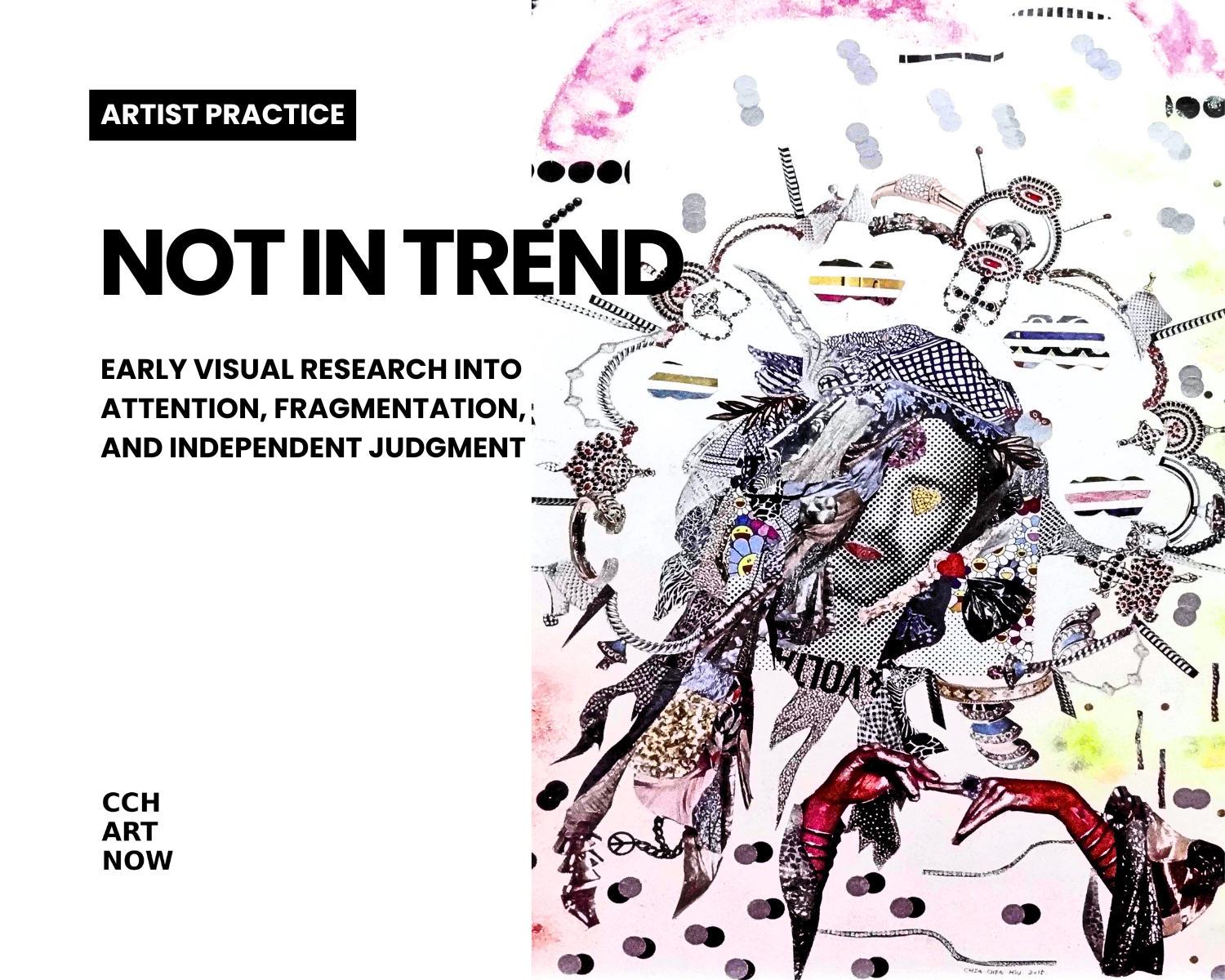
7. Artist practice
Full Article Archive
Browse all published writings, studio observations, case records, and educational essays from CCH ART NOW.
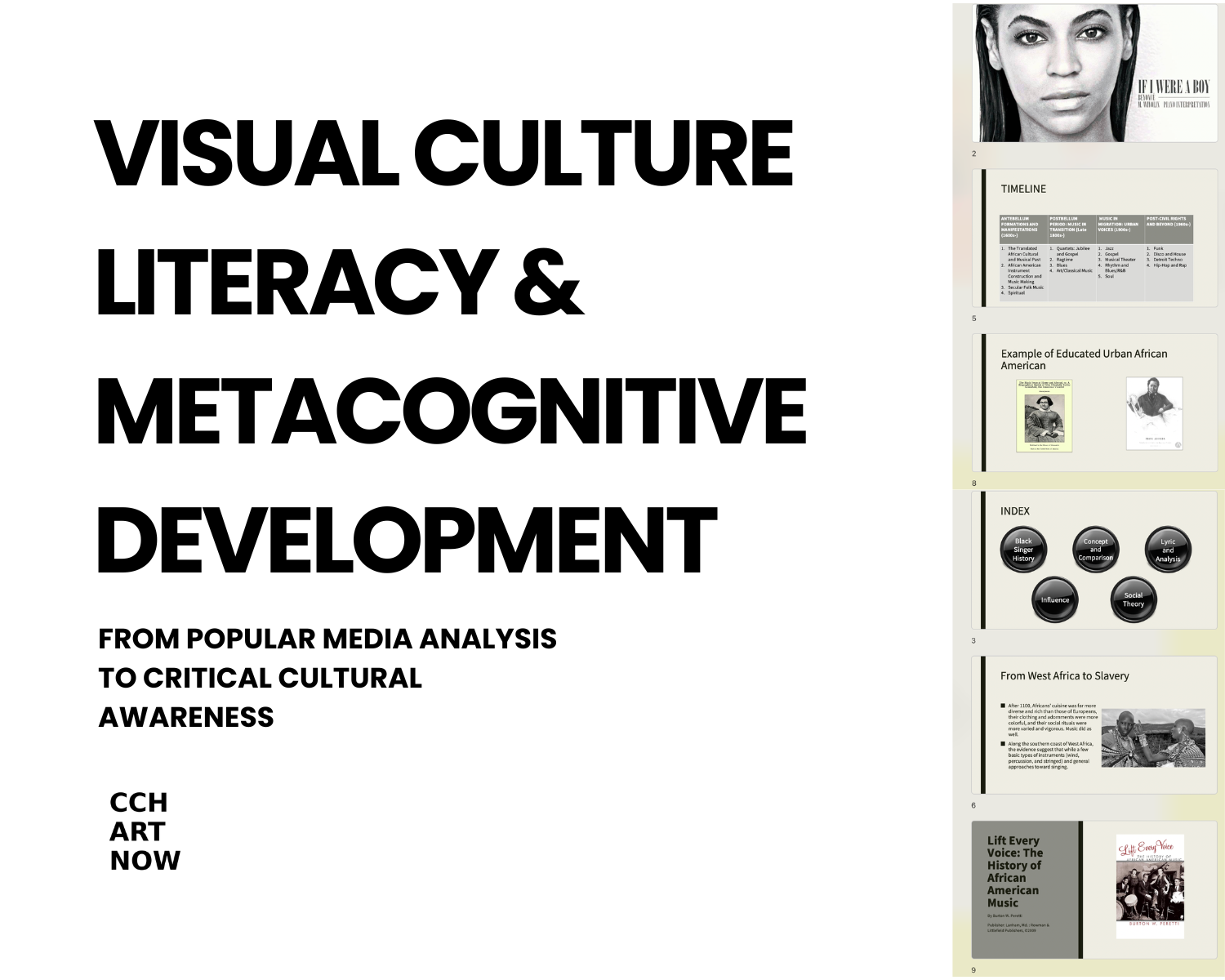
Case 5|Visual Culture Literacy & Metacognitive Development
A CCH ART NOW™ university learning case examining how an international student group used Beyoncé’s If I Were a Boy to develop visual culture literacy, gender analysis, cultural awareness, media interpretation, and metacognitive reflection.
Case 4|Direction Recalibration After Academic Setback
A CCH ART NOW™ young adult development case examining how cognitive reframing and visual-cultural exploration supported direction recalibration, confidence recovery, and sustained motivation after academic setback.
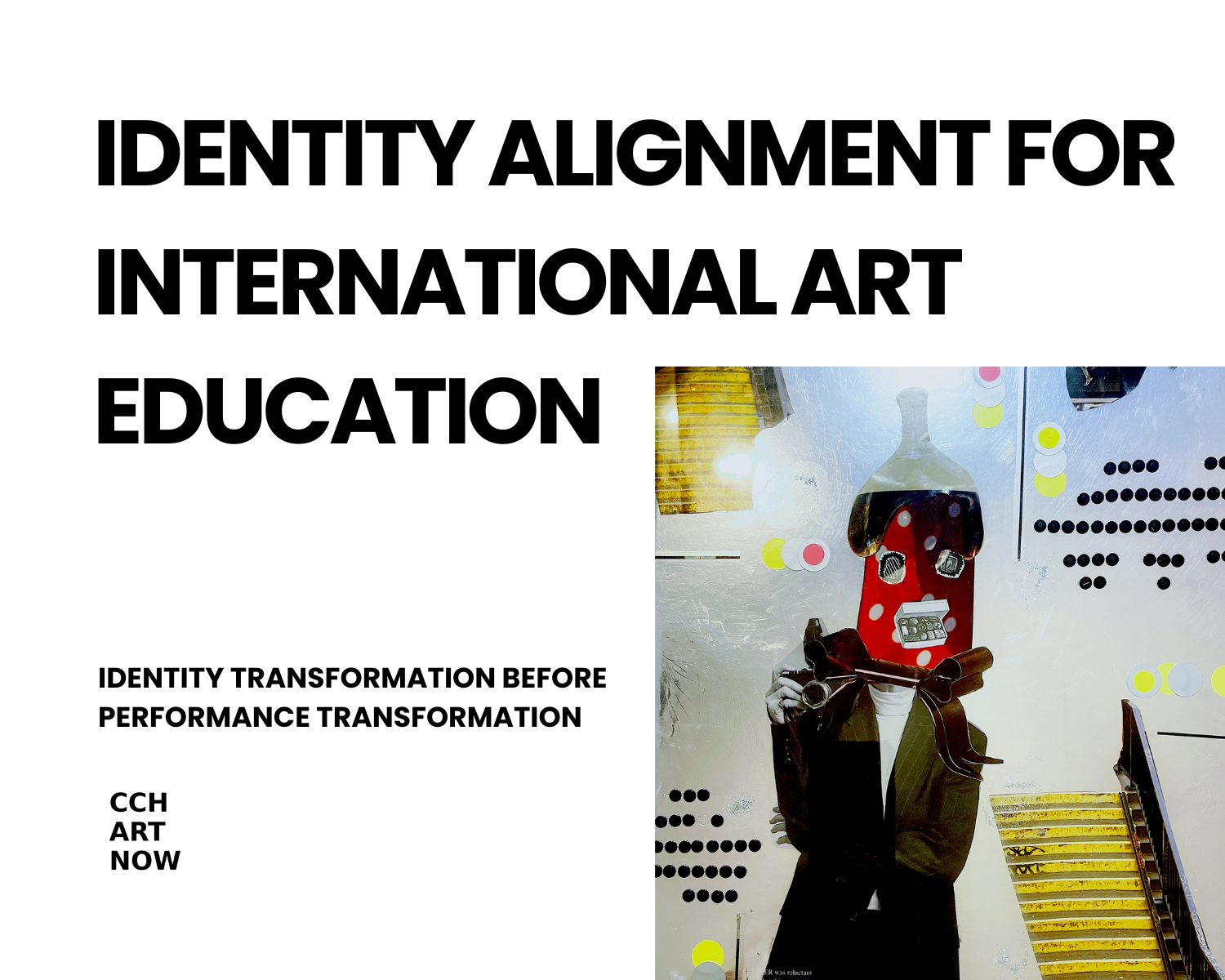
Case 3|Identity Alignment for International Art Education
A CCH ART NOW™ adolescent development case examining how identity alignment, international art education awareness, and habit restructuring supported a student’s transition from external pressure toward internal creative commitment.
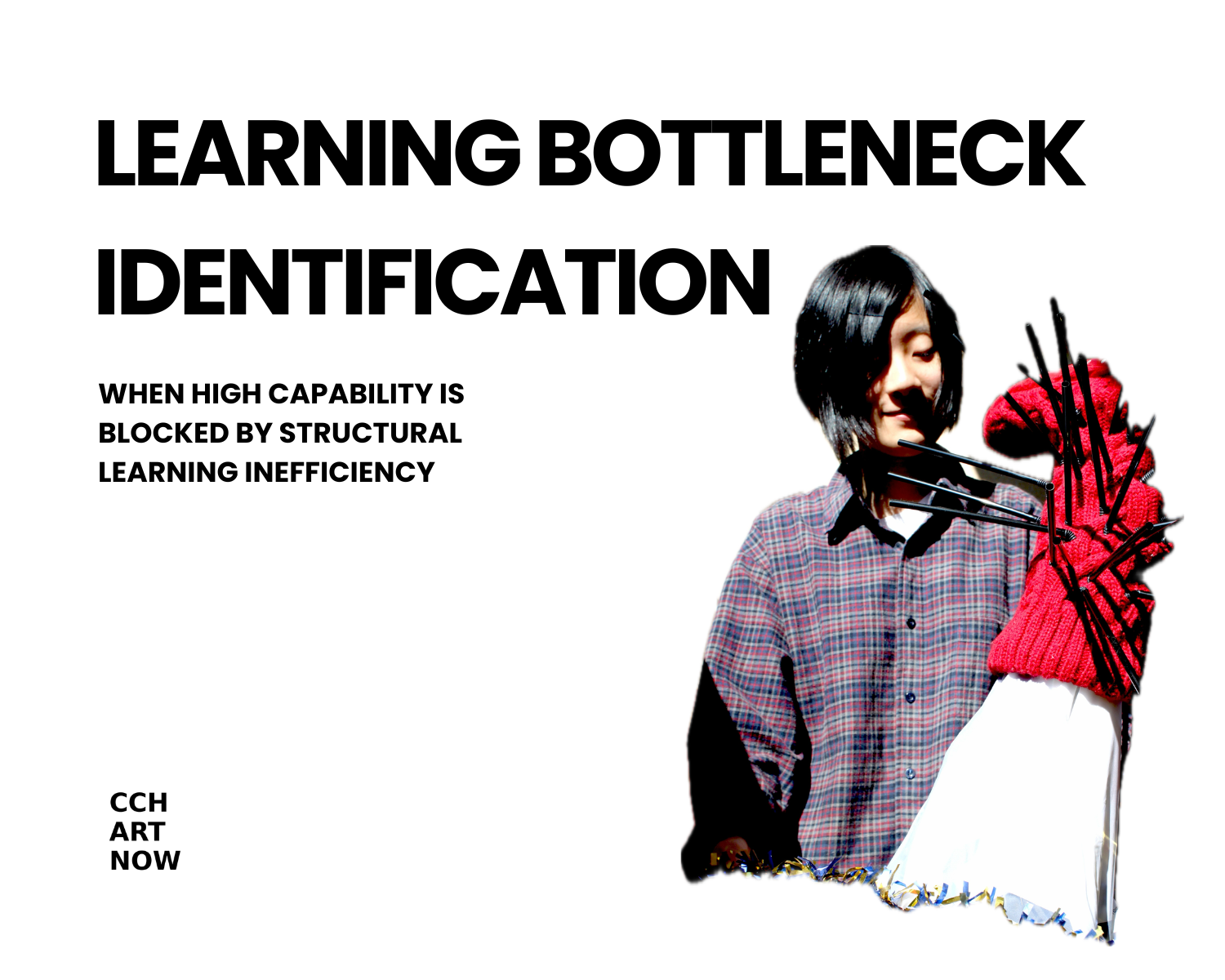
Case 2|Learning Bottleneck Identification
A CCH ART NOW™ adolescent development case examining how a high-capability learner restored confidence and learning flow after a specific phonetic decoding bottleneck was identified and structurally addressed.
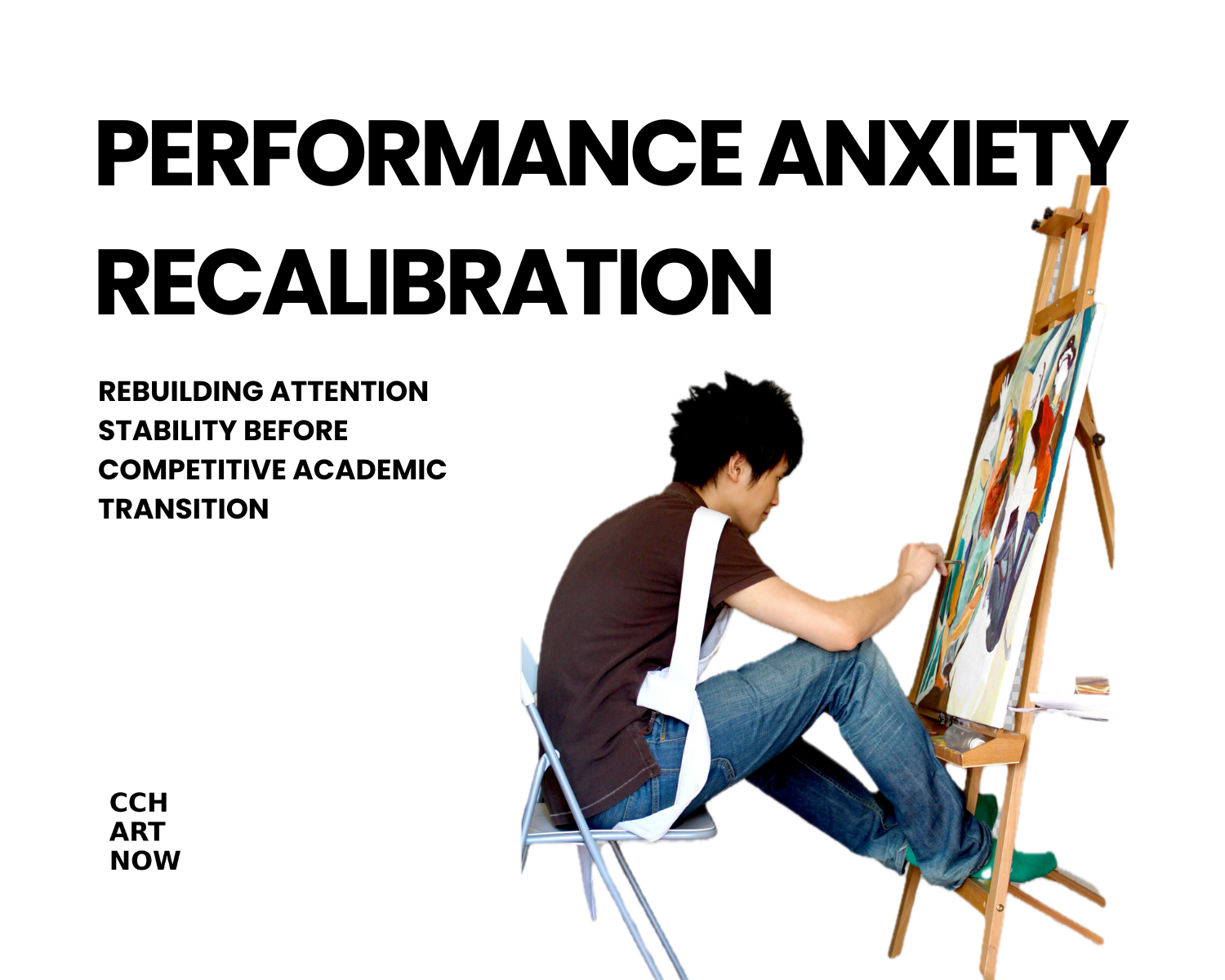
Case 1|Performance Anxiety Recalibration
A case note on how CCH studio practice supported an adolescent learner facing performance pressure, attention fragmentation, and academic transition by rebuilding emotional regulation and focus stability through material-based creative engagement.
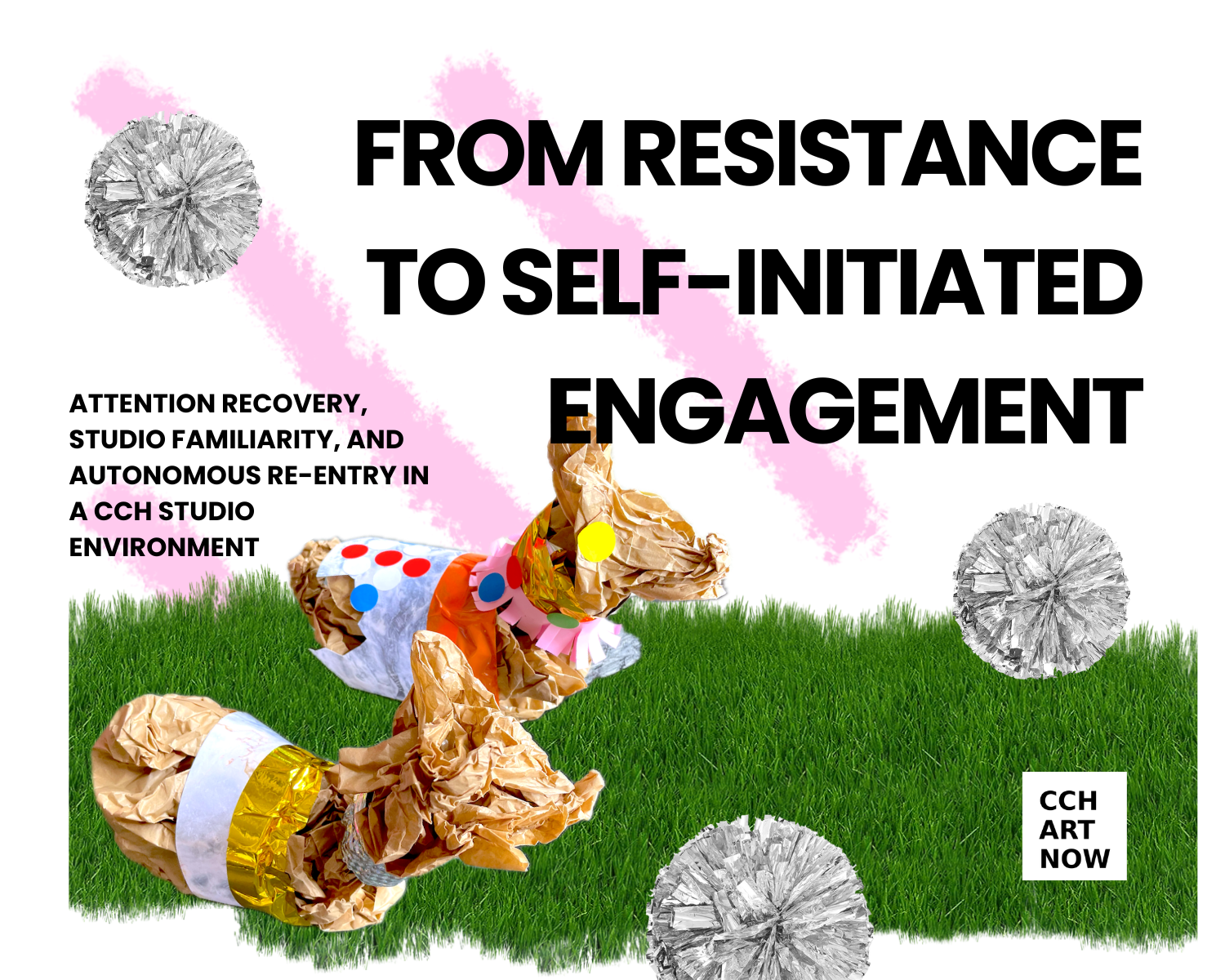
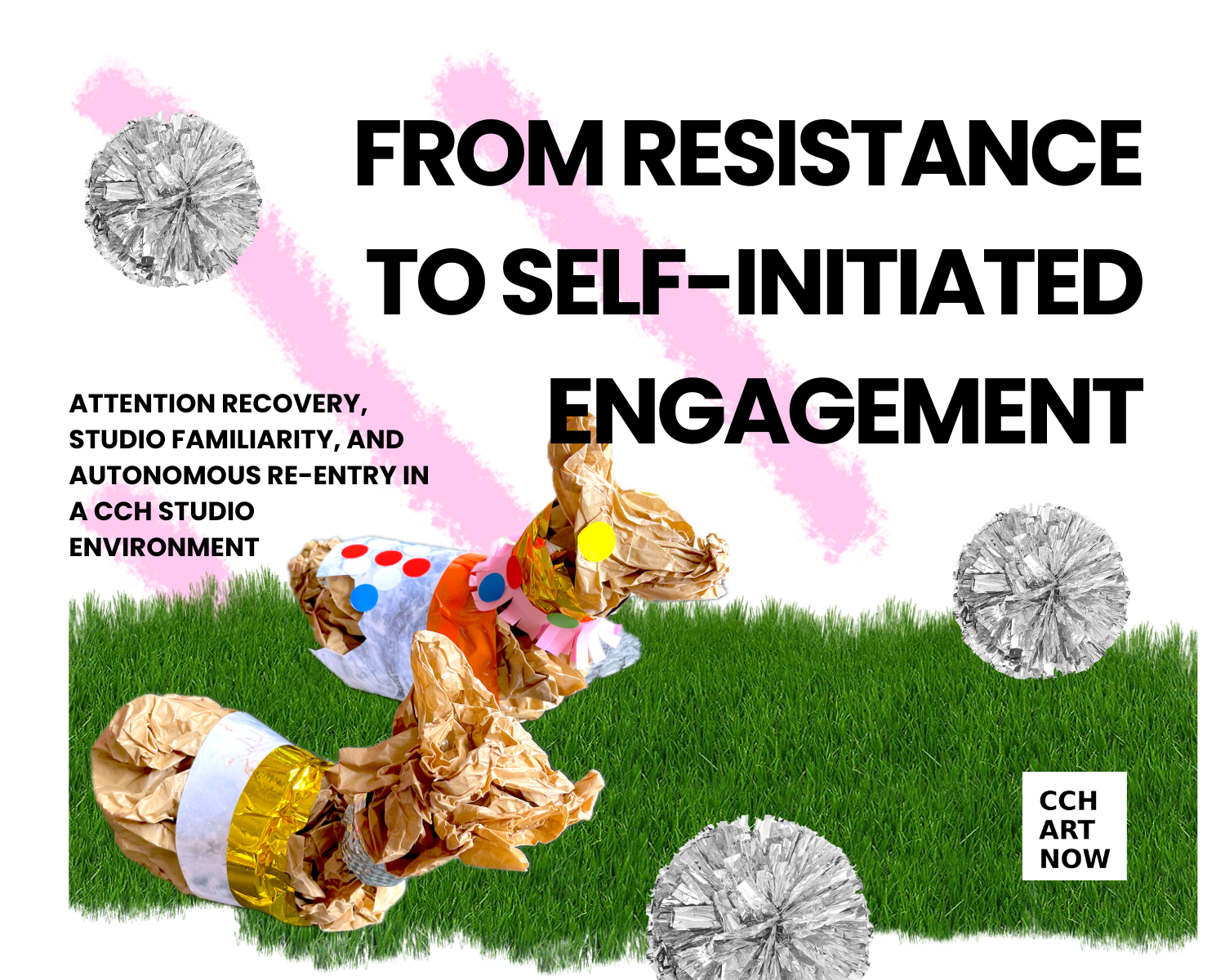
FROM RESISTANCE TO SELF-INITIATED ENGAGEMENT
A CCH ART NOW™ studio observation examining how a young learner moved from initial resistance to self-initiated engagement through attention recovery, studio familiarity, material interaction, and autonomy-supportive structure.
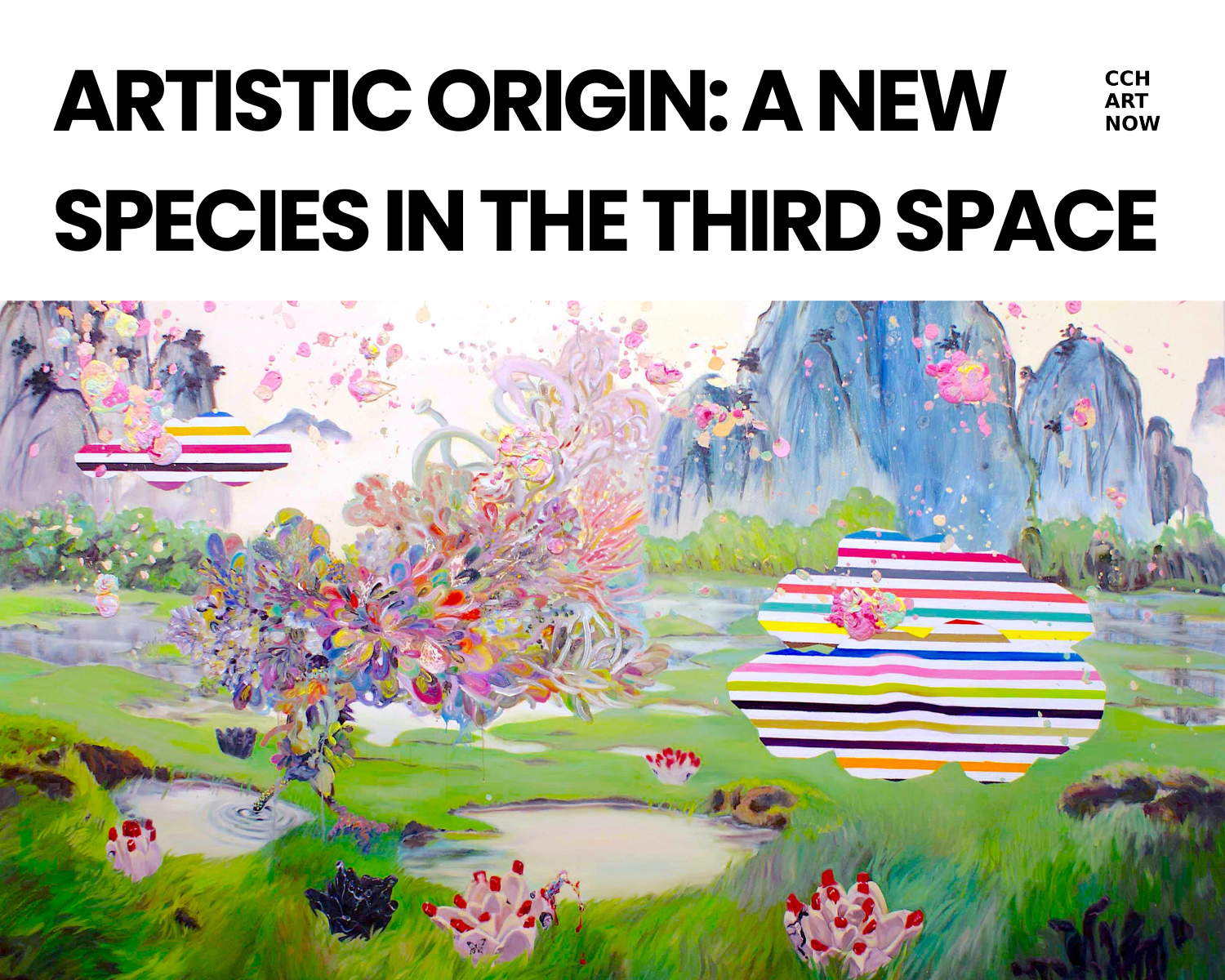
Artistic Origin: A New Species in the Third Space
A selected archive of artistic works and material-based studies exploring color, landscape, space, memory, hybridity, and embodied perception. These works form part of the visual and conceptual foundation behind the CCH ART NOW™ studio framework.
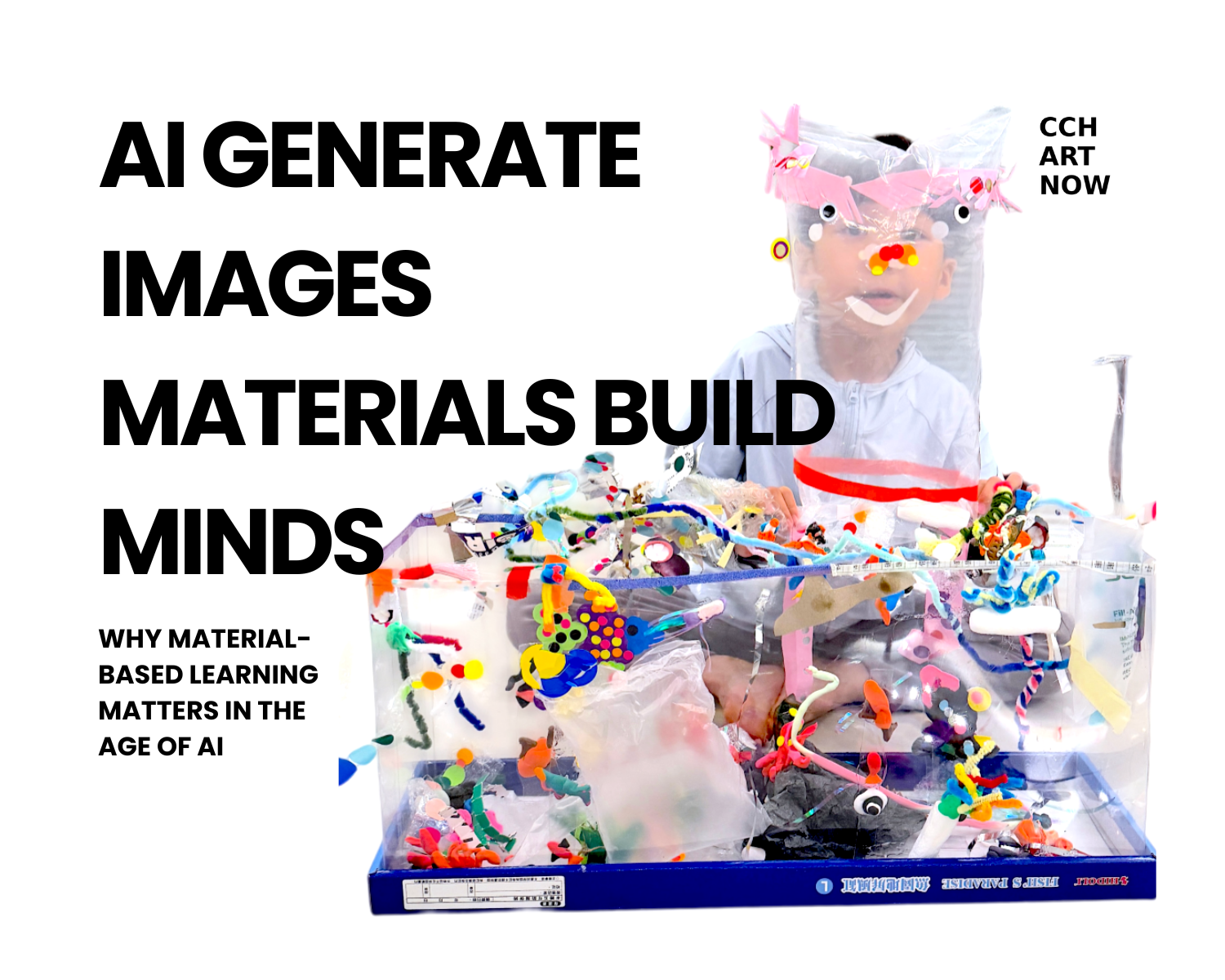
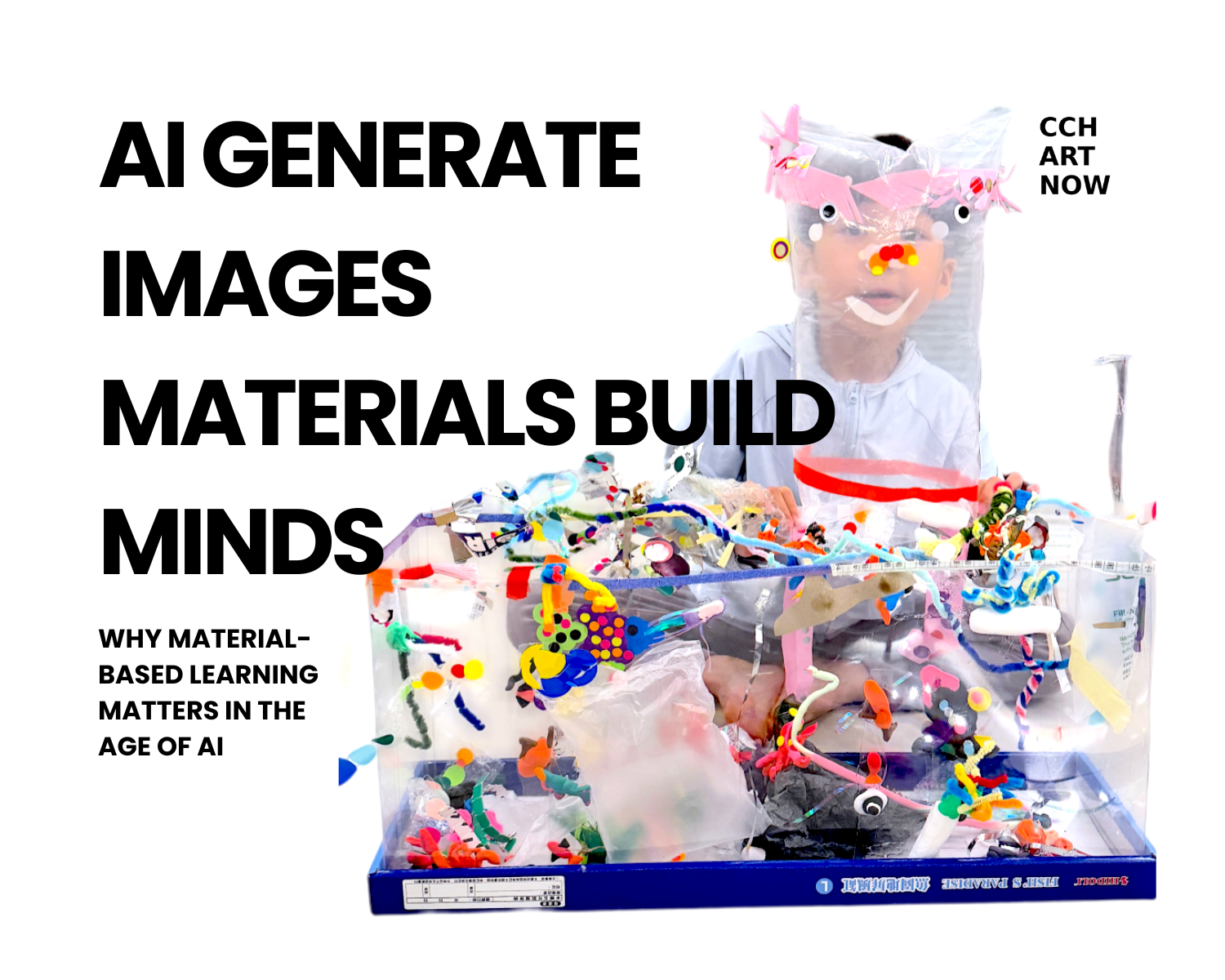
AI Generate Images Materials Build Minds
AI can generate outputs, but materials train minds. This article examines why physical materials still matter in the age of artificial intelligence, exploring how material resistance supports attention, judgment, emotional regulation, and reality-based learning. Through the lens of robotics, footwear, embodied cognition, and studio-based education, it argues that children need sustained contact with real materials to develop human capacities that speed and automation cannot replace.
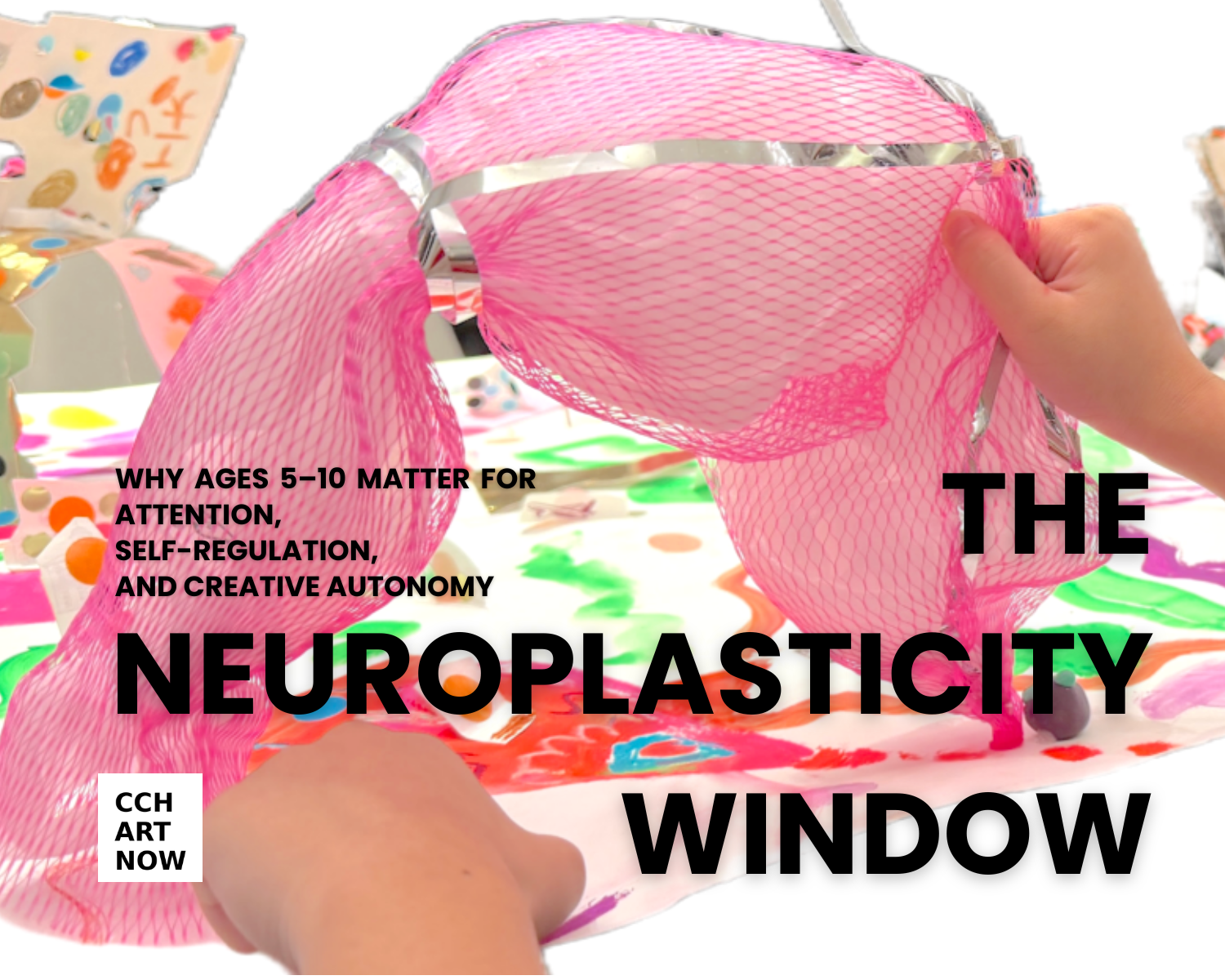
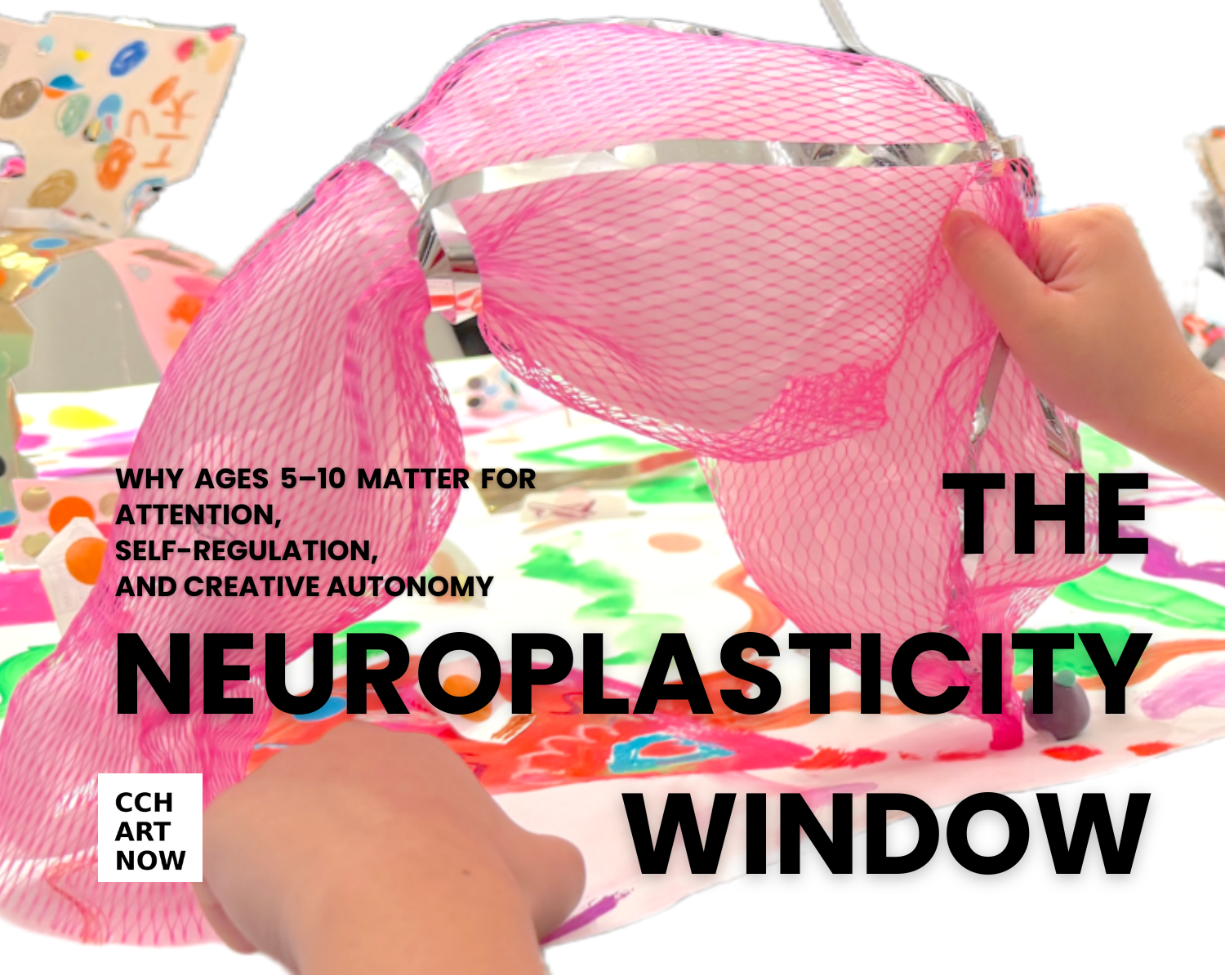
The Neuroplasticity Window
Why ages 5–10 matter for attention, self-regulation, and creative autonomy — and how material-based studio learning can support children’s developing executive function and independent judgment.
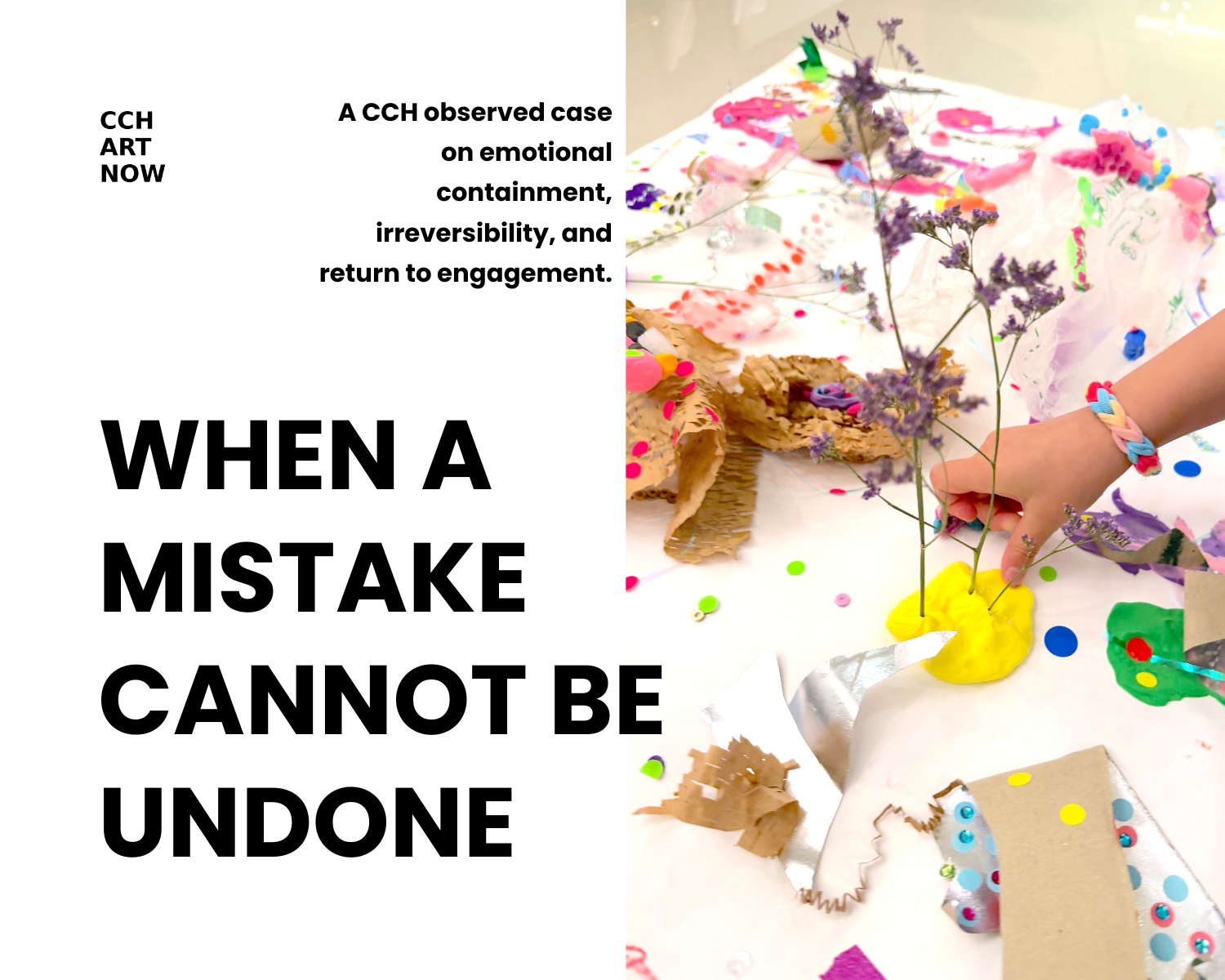
When a Mistake Cannot Be Undone
A CCH observed case documenting how a young learner moved from emotional intensity toward recognition of irreversibility, ownership of the action–outcome relationship, and self-initiated return to studio engagement.
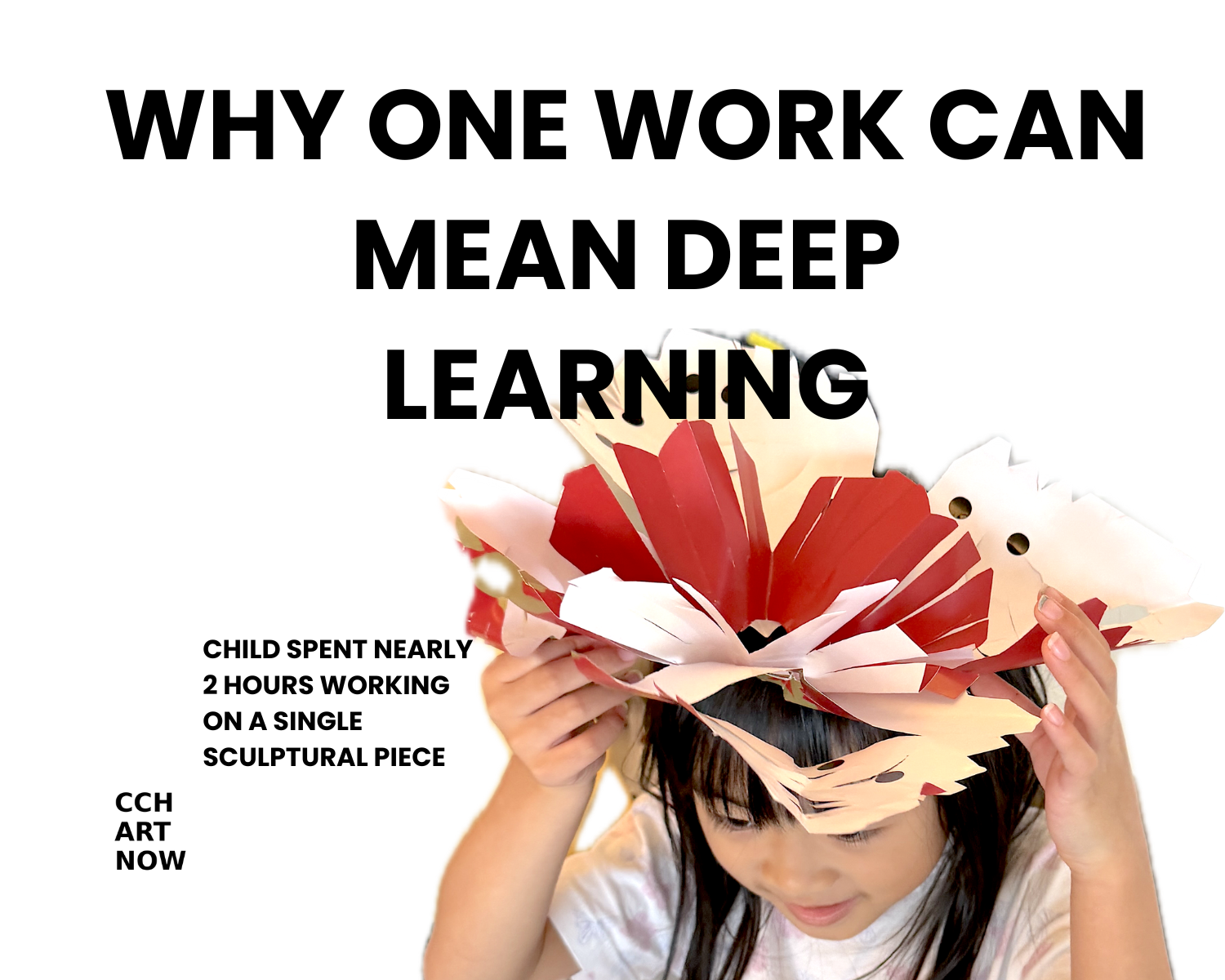
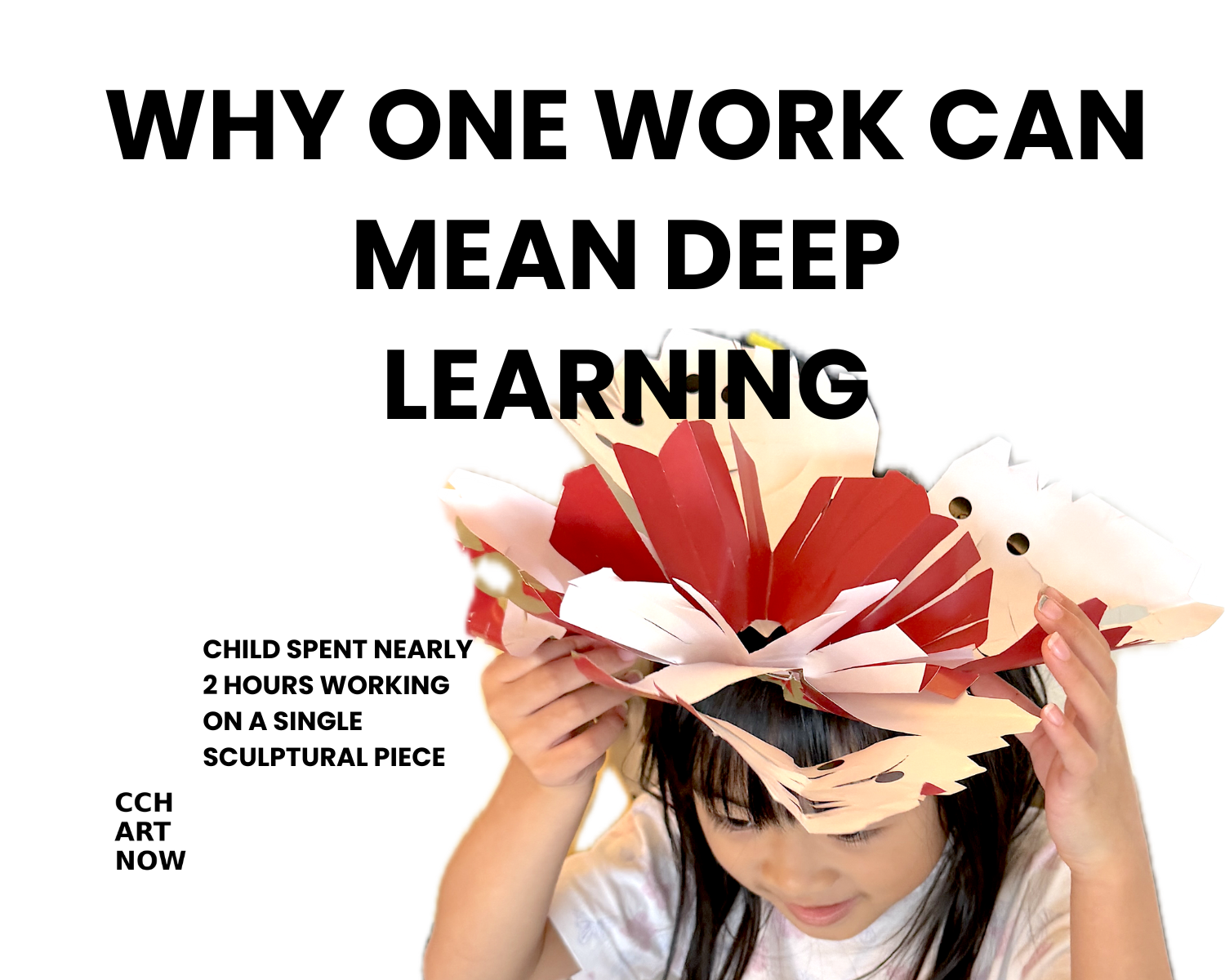
Why One Work Can Mean Deep Learning
A CCH studio observation explaining why completing one work over an extended session can reflect sustained attention, material testing, structural thinking, and deep learning rather than slow progress or limited output.
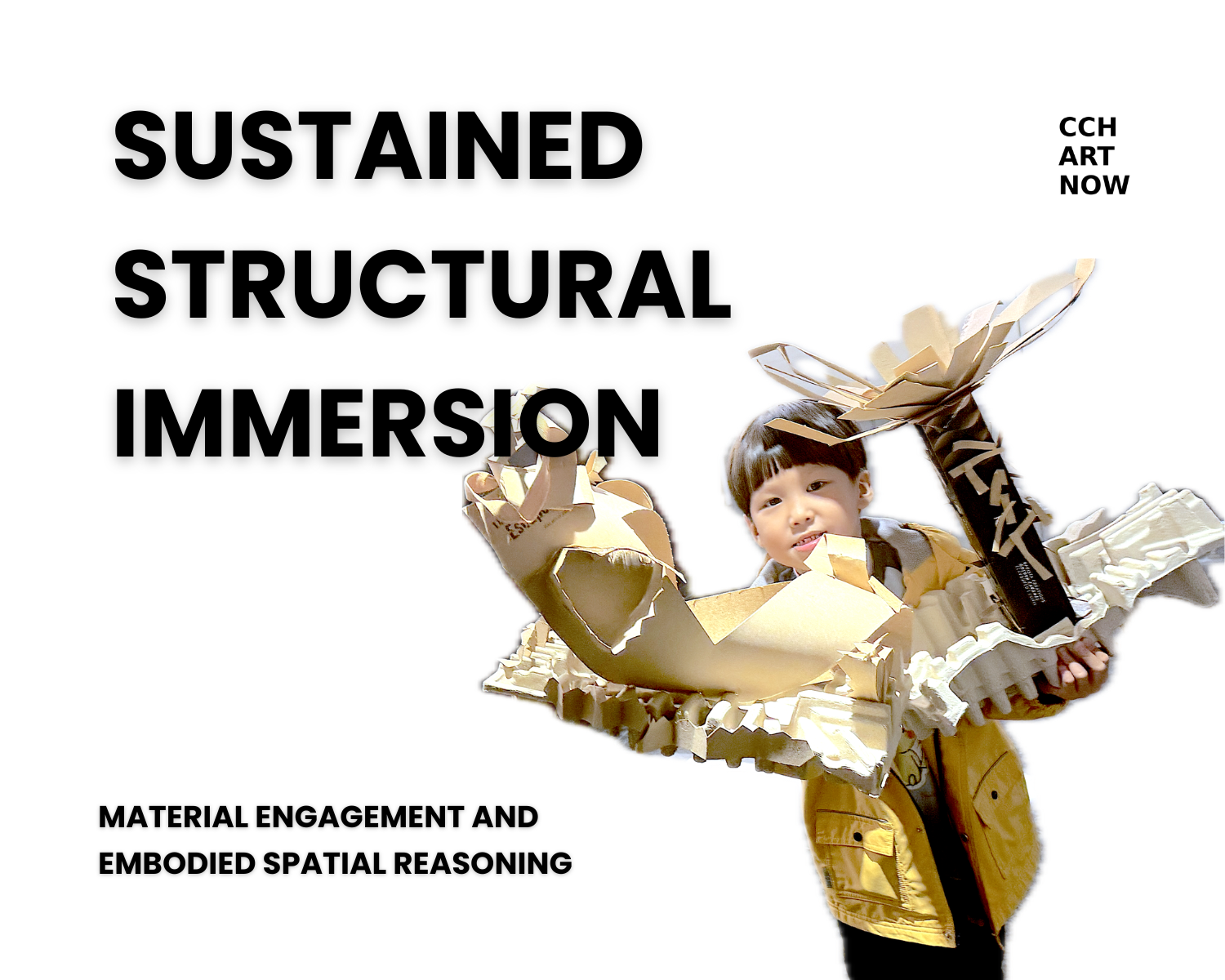
Sustained Structural Immersion
A qualitative studio observation documenting a four-hour continuous, zero-template material session with children aged 5–6. The case examines sustained attention, structural reasoning, spatial autonomy, persistence after instability, and embodied evaluation through an open-ended cardboard-based material system.
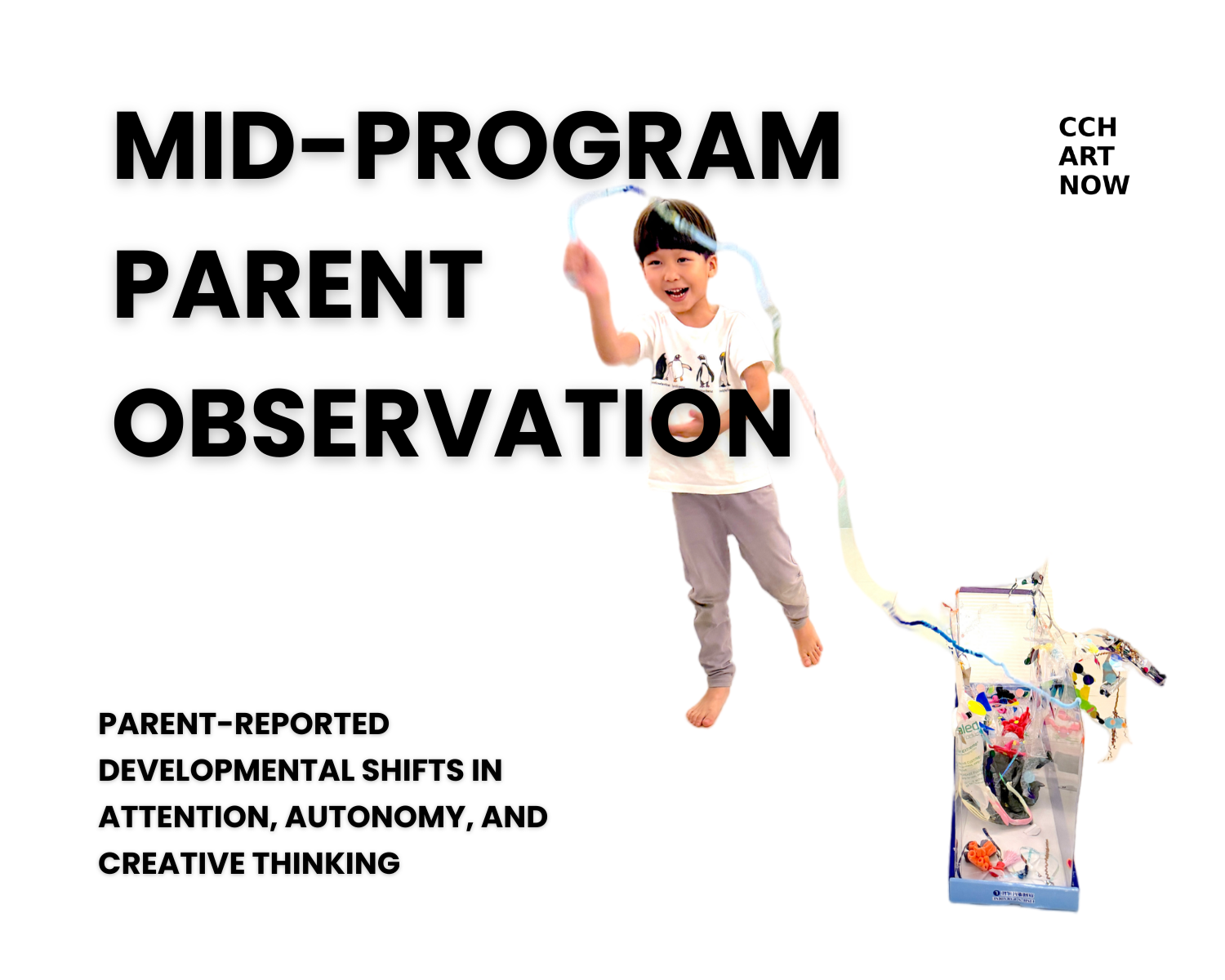
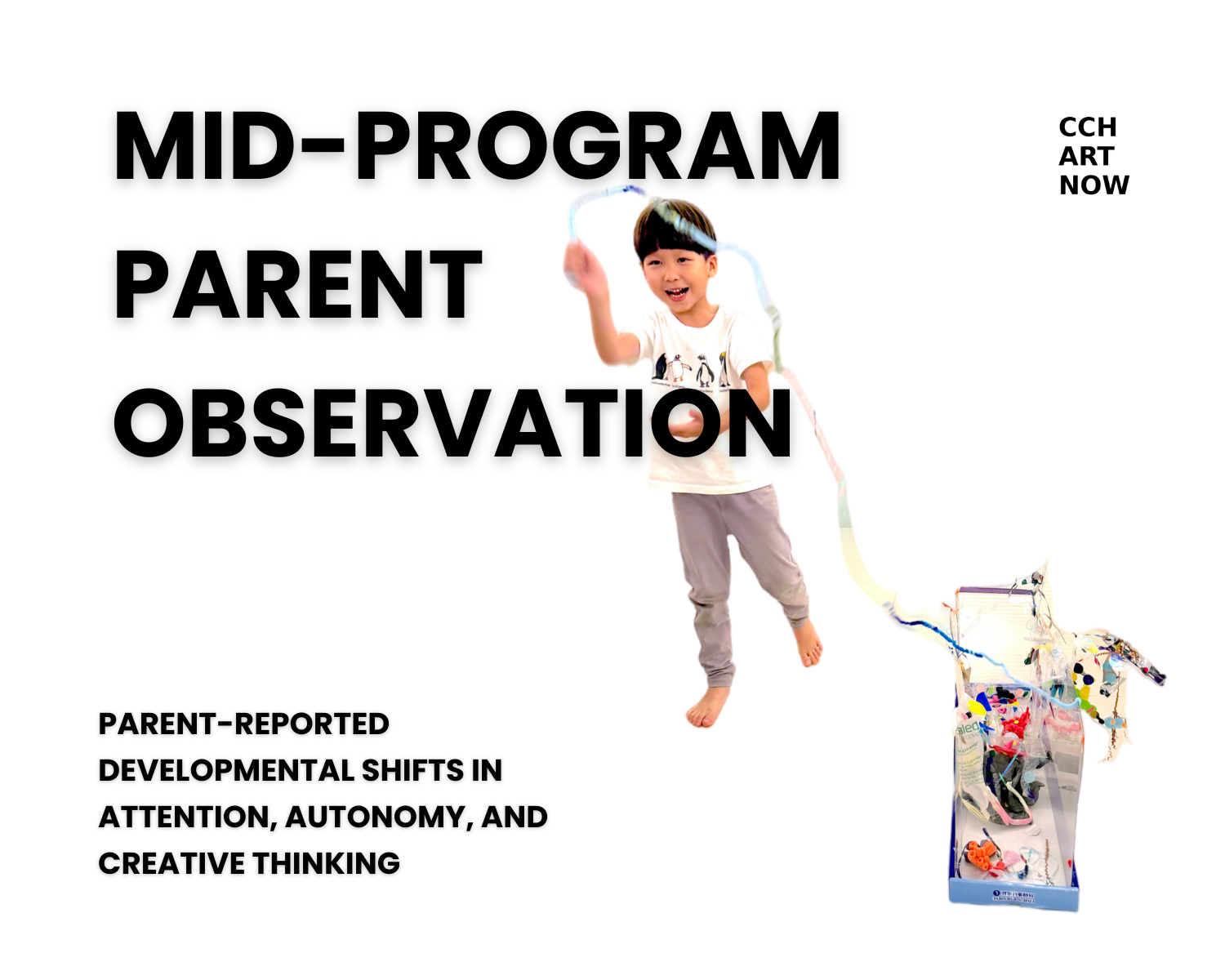
Mid-Program Parent Observation
Two anonymized mid-program parent observations documenting early and longitudinal developmental shifts in attention stability, independent decision-making, emotional regulation, sensory integration, and creative autonomy within the CCH ART NOW™ studio environment.
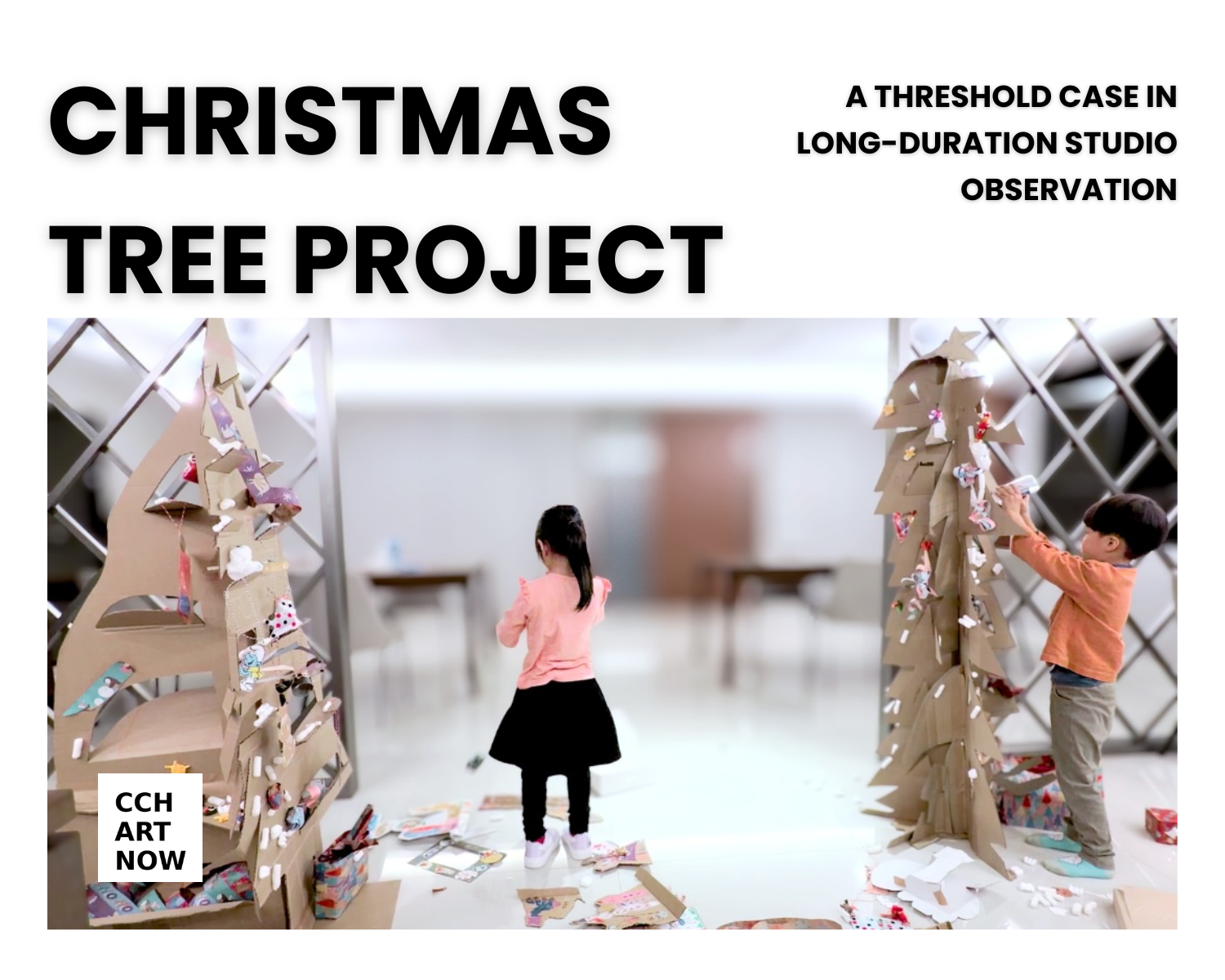
Christmas Tree Project
A qualitative studio observation of a multi-week, zero-screen cardboard construction project involving young learners aged 5–6. The case documents sustained attention, structural planning, material resistance, temporal continuity, and emerging executive-function-related behaviors within the CCH ART NOW™ studio ecology.
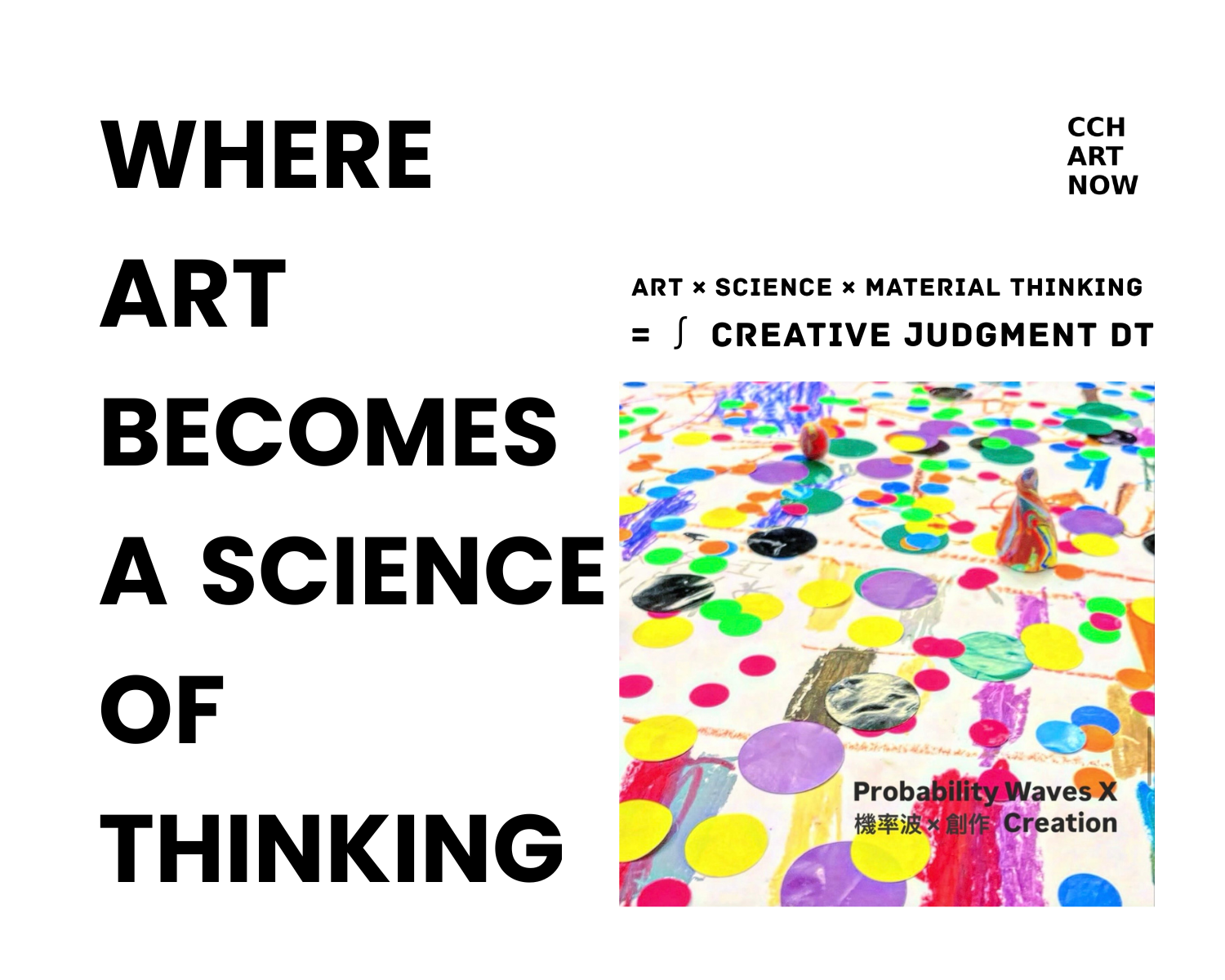
Where Art Becomes a Science of Thinking
A case-based article on how CCH ART NOW™ turns studio practice into a thinking lab where art, science, probability, material exploration, and creative autonomy meet. Through research evidence and student observation, the article explains why creativity is trainable, why material practice supports cognition, and why human attention, judgment, and meaning-making matter in the AI age.
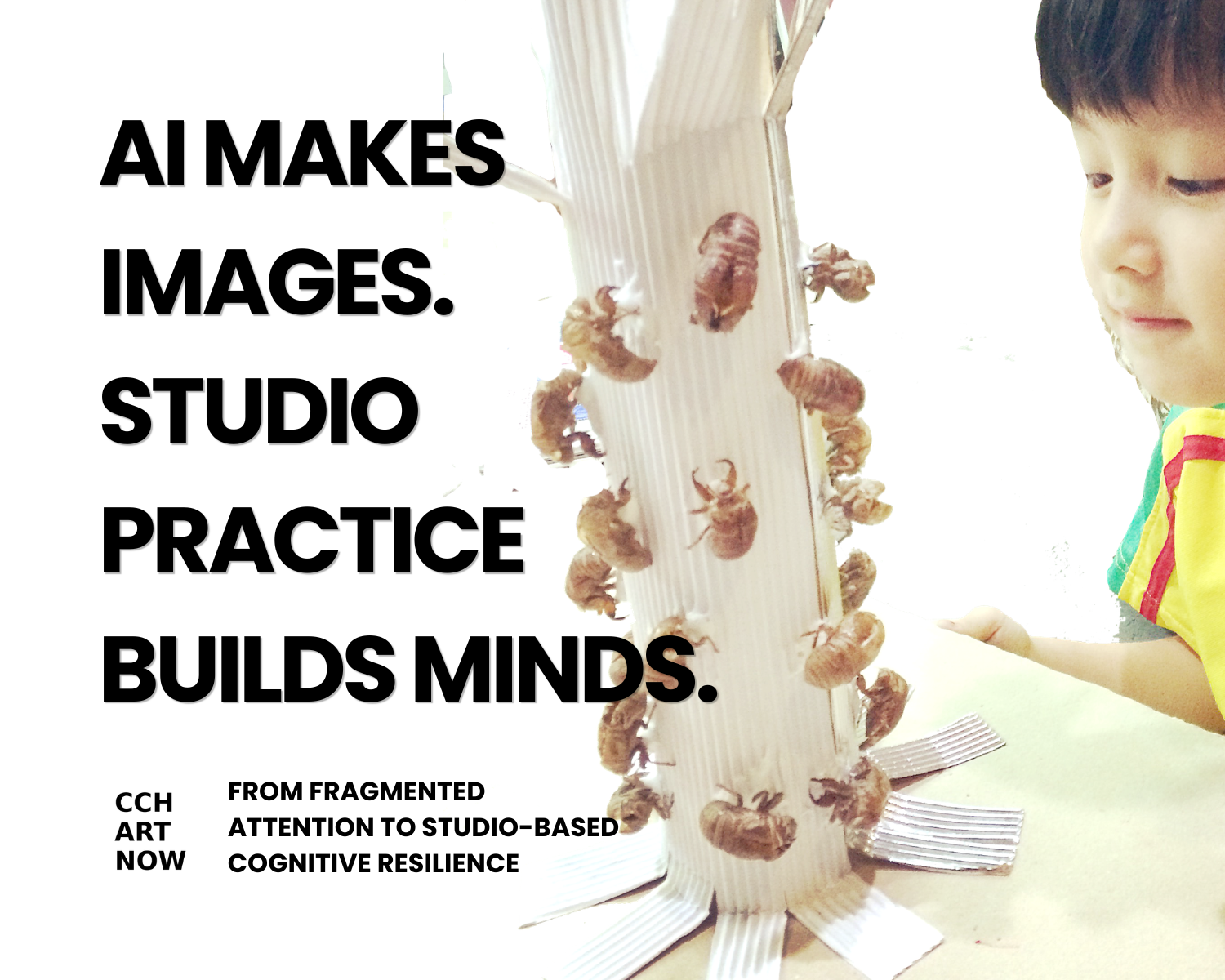
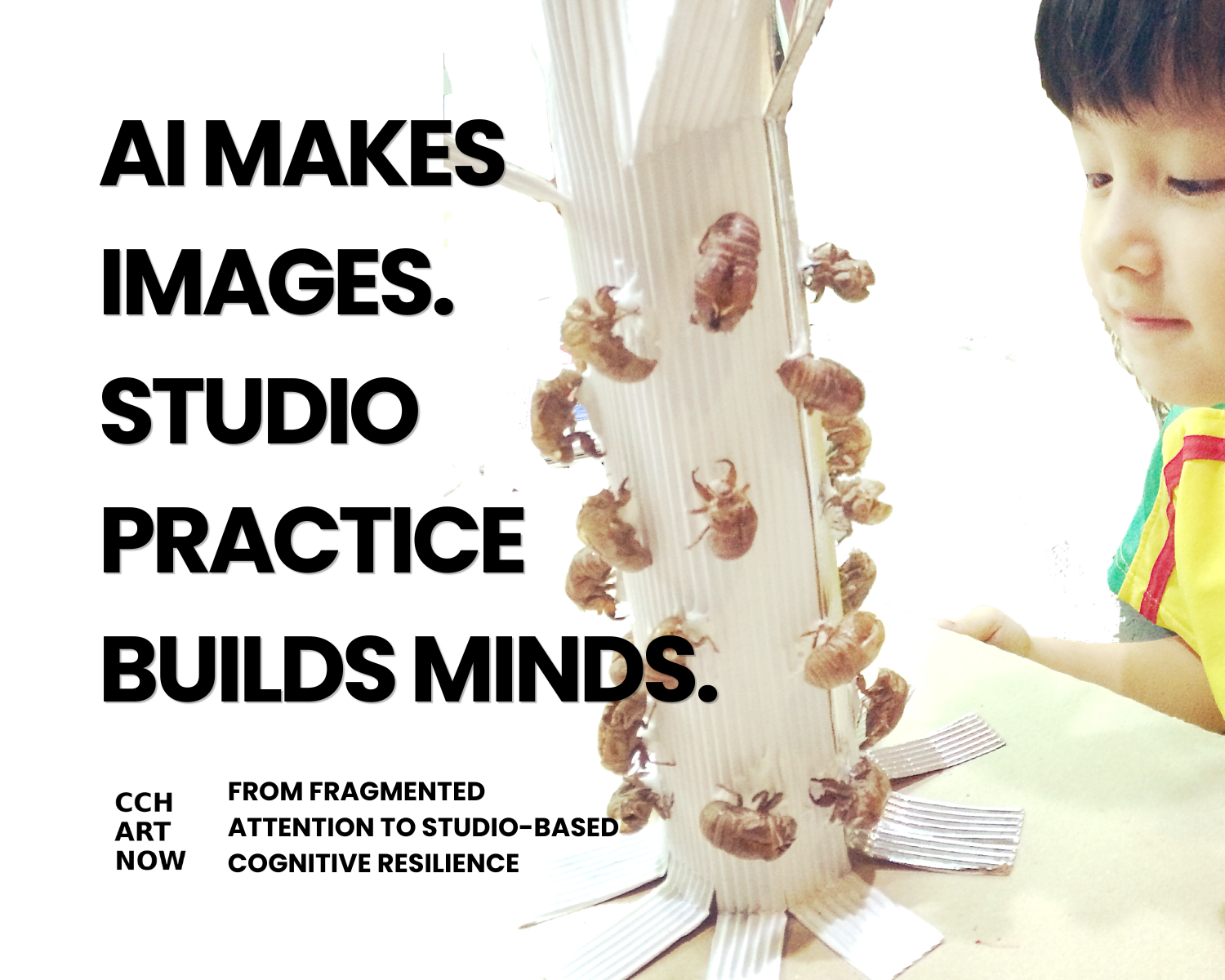
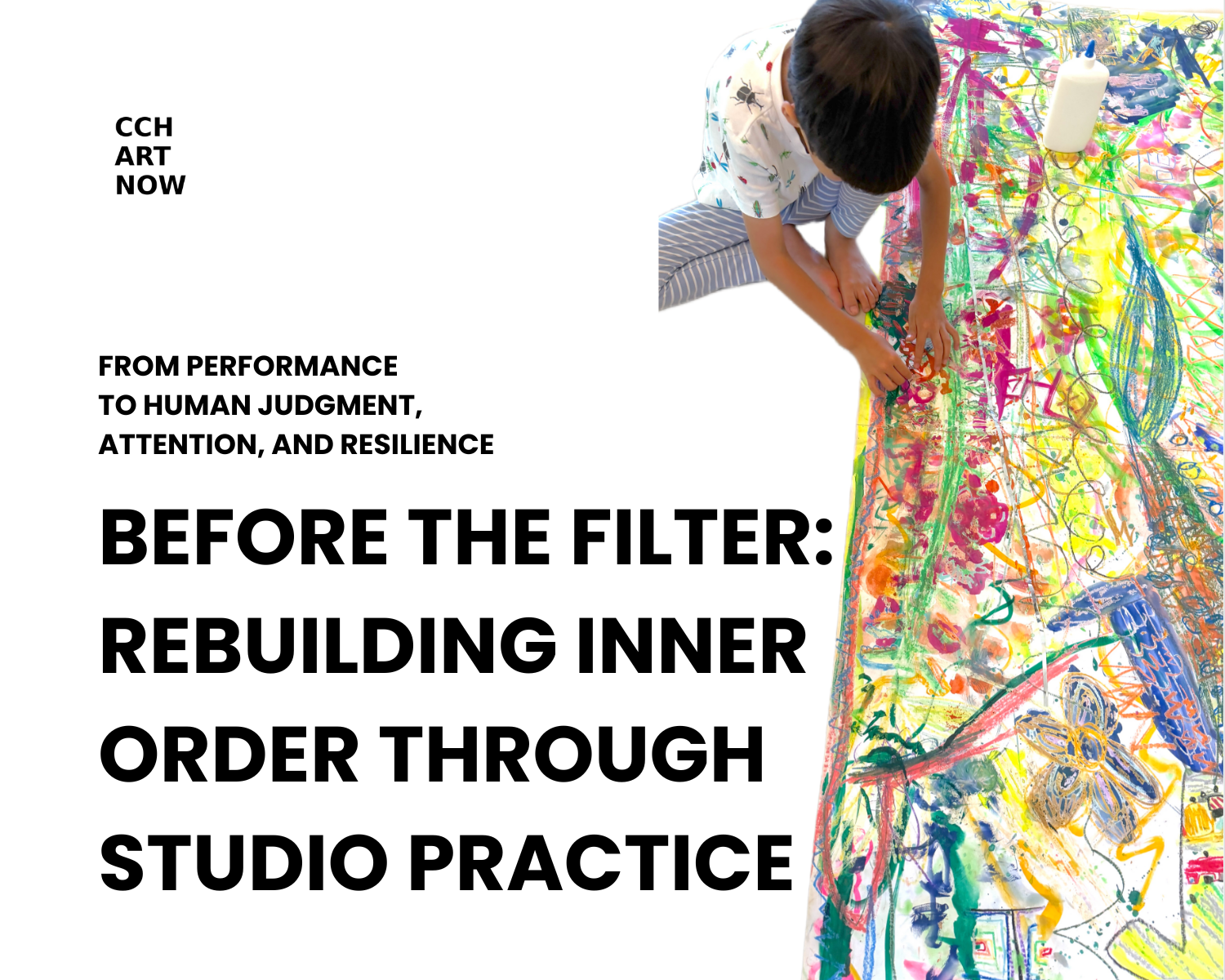
AI Makes Images. Studio Practice Builds Minds.
AI and digital tools are not the problem. The deeper issue is that human attention is increasingly being trained by interruption, acceleration, and output.
This article explores why studio-based practice matters in the AI age. Drawing from research on screen media, digital distraction, task switching, and Amishi Jha’s framework in Peak Mind, it argues that attention is not merely a personality trait or classroom behavior issue. Attention is a foundational human capacity shaped by environments.
CCH ART NOW™ develops studio-based practice as an attention architecture: a long-duration, screen-free, material-based learning system for deep attention, embodied judgment, creative autonomy, and cognitive resilience.
AI can generate images. Studio practice builds minds.
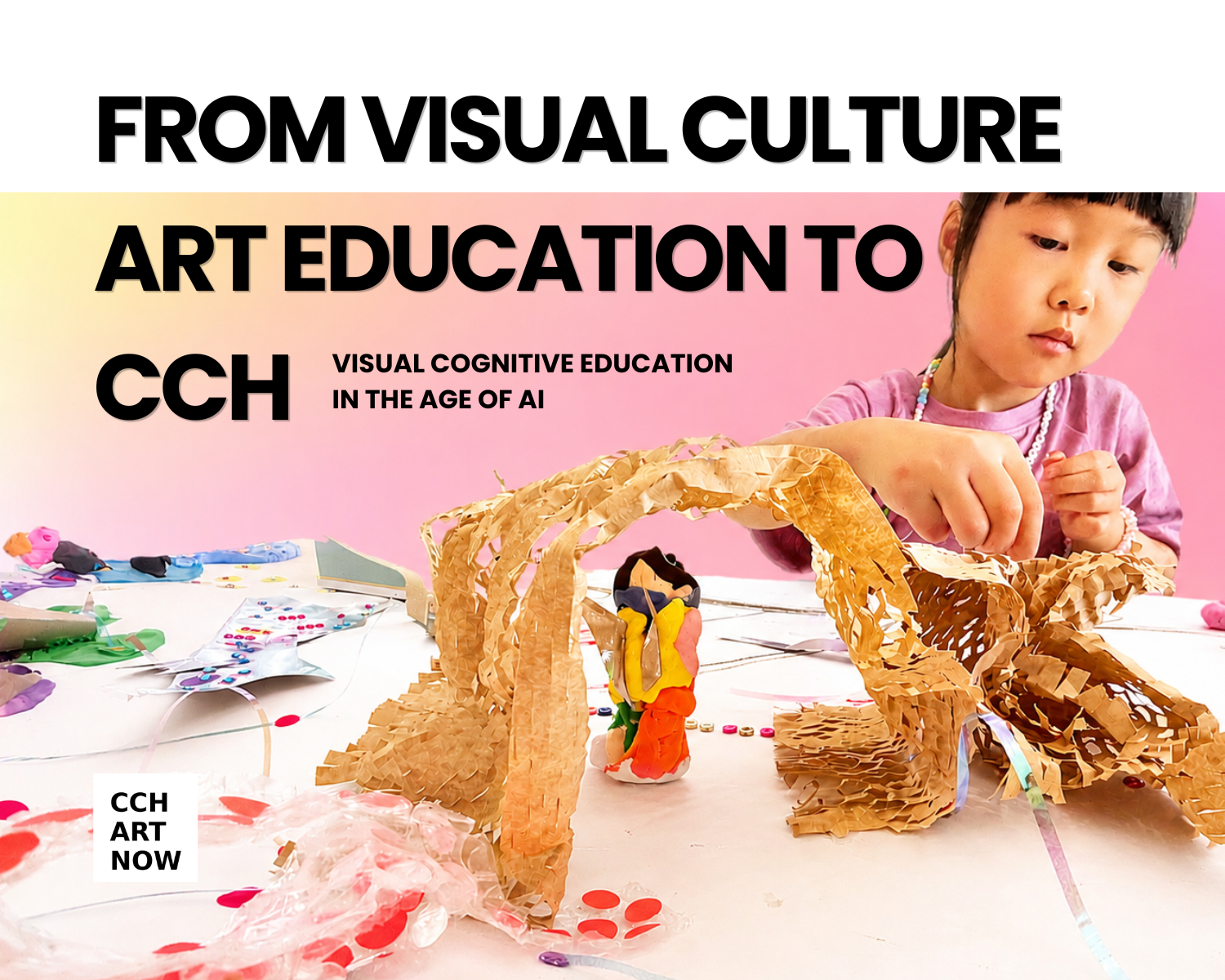
From Visual Culture Art Education to CCH
CCH extends Visual Culture Art Education from image reading to the embodied formation of perception, attention, and visual judgment. In the age of AI-generated images, CCH protects the human capacity to observe, create, reflect, and form a self through material-based artistic practice.
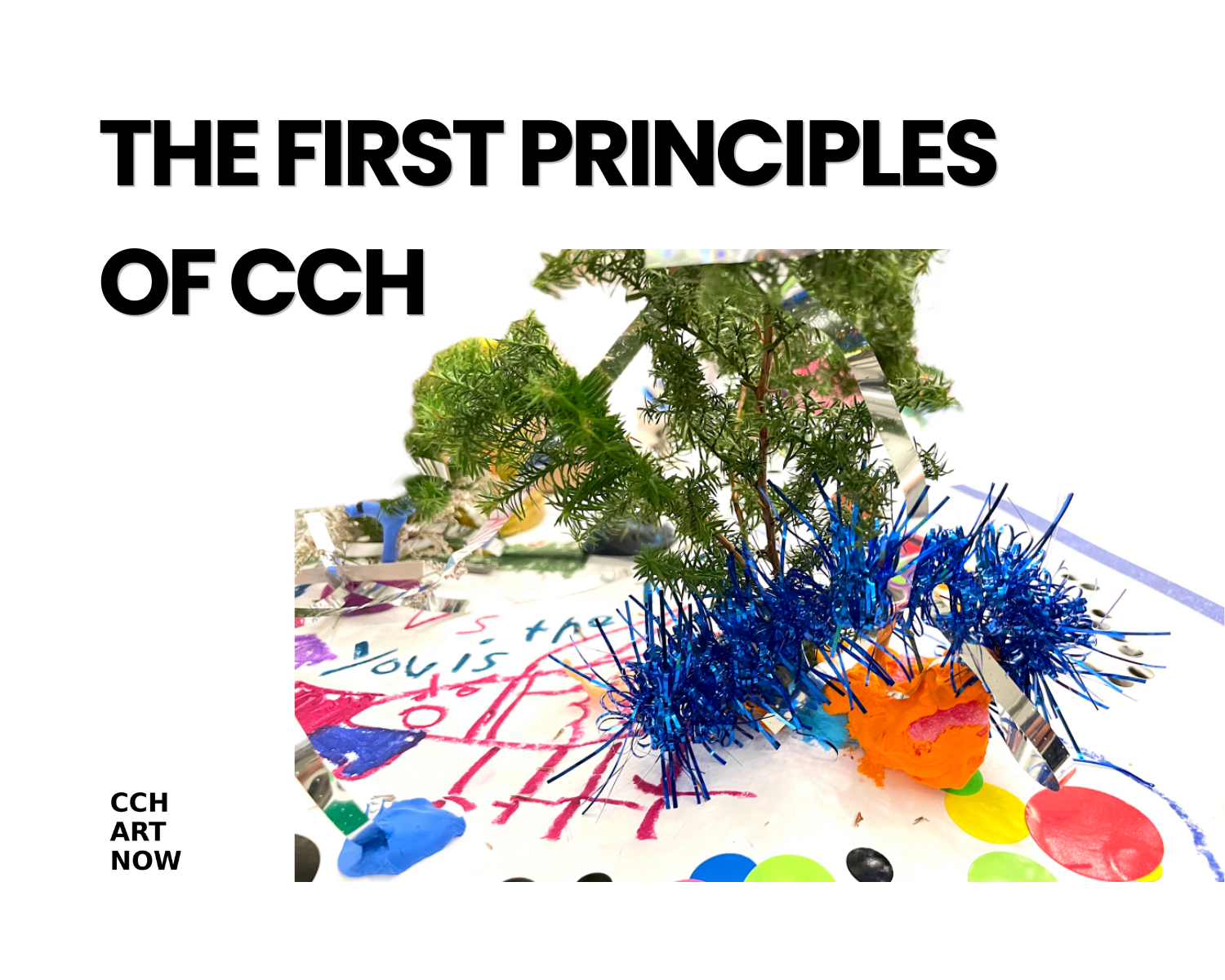
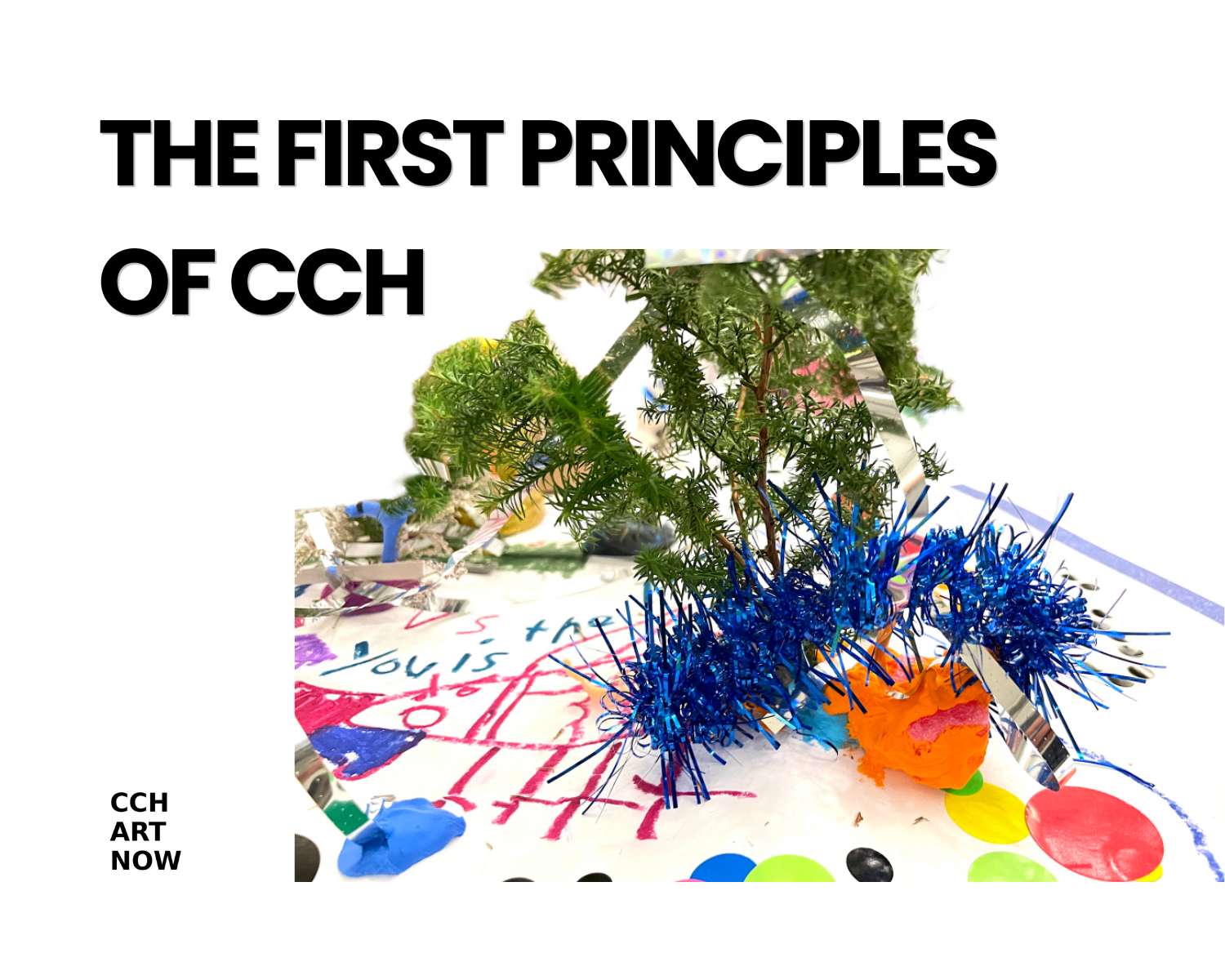
The First Principles of CCH
CCH ART NOW™ proposes a first-principles framework for human capability development in the AI era. Through material engagement, sustained attention, embodied cognition, and experiential learning, the article rethinks creativity as an integrated cognitive process rather than a decorative outcome.
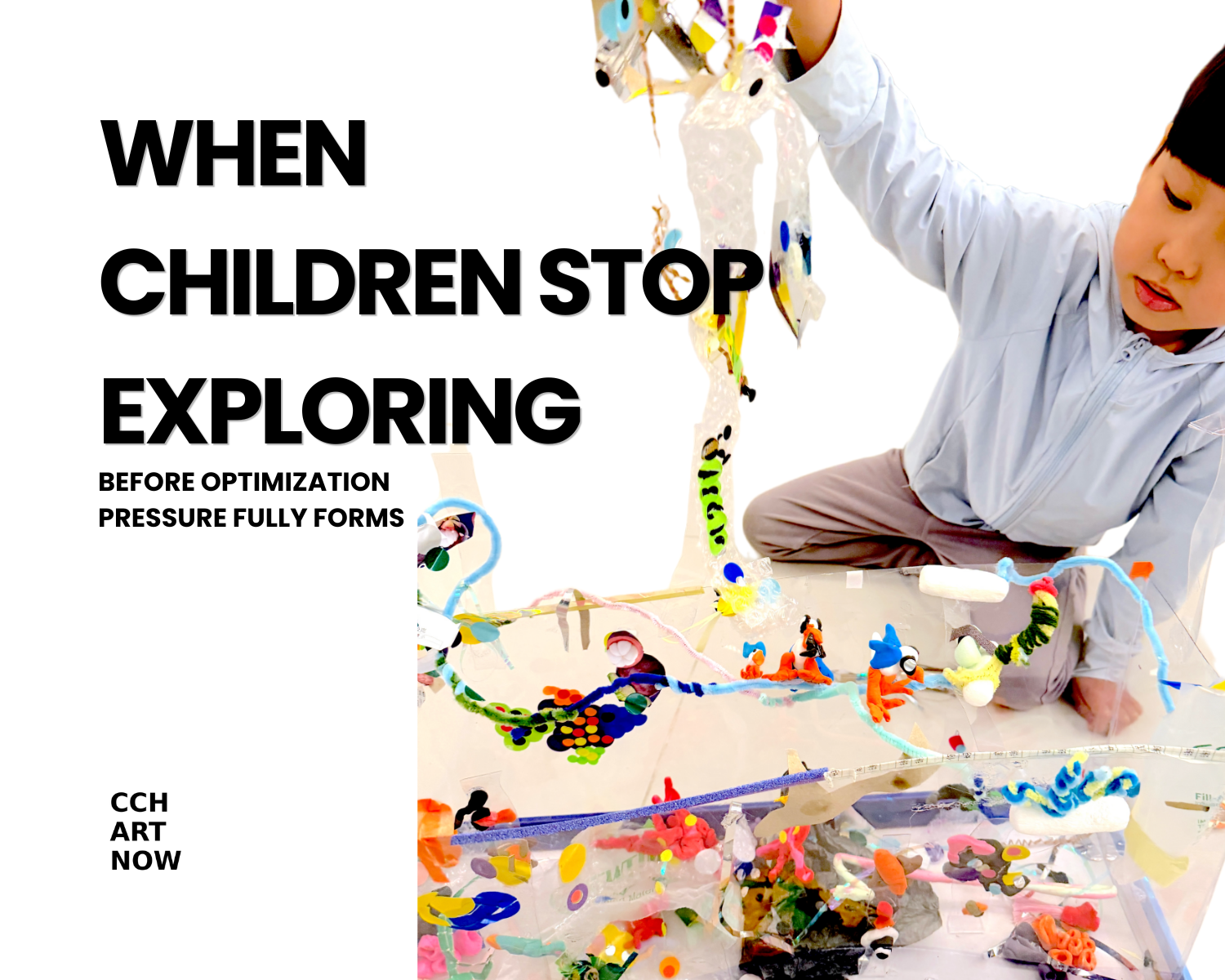
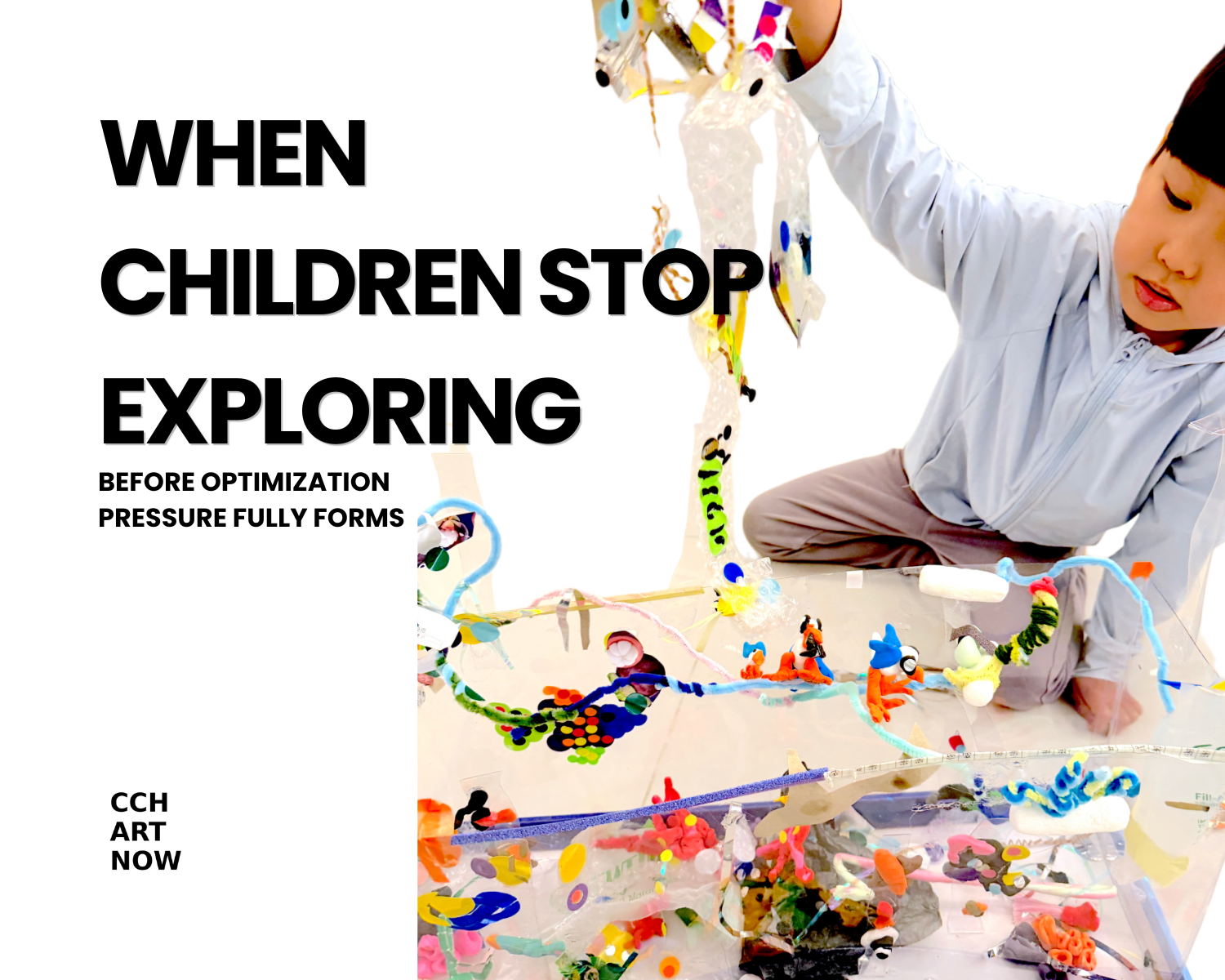
When Children Stop Exploring
When children stop exploring, it may not be a lack of creativity. It may be the result of increasing evaluation pressure. This article examines how exploratory cognition narrows over time, and why the ability to stay with uncertainty matters deeply in the AI era.
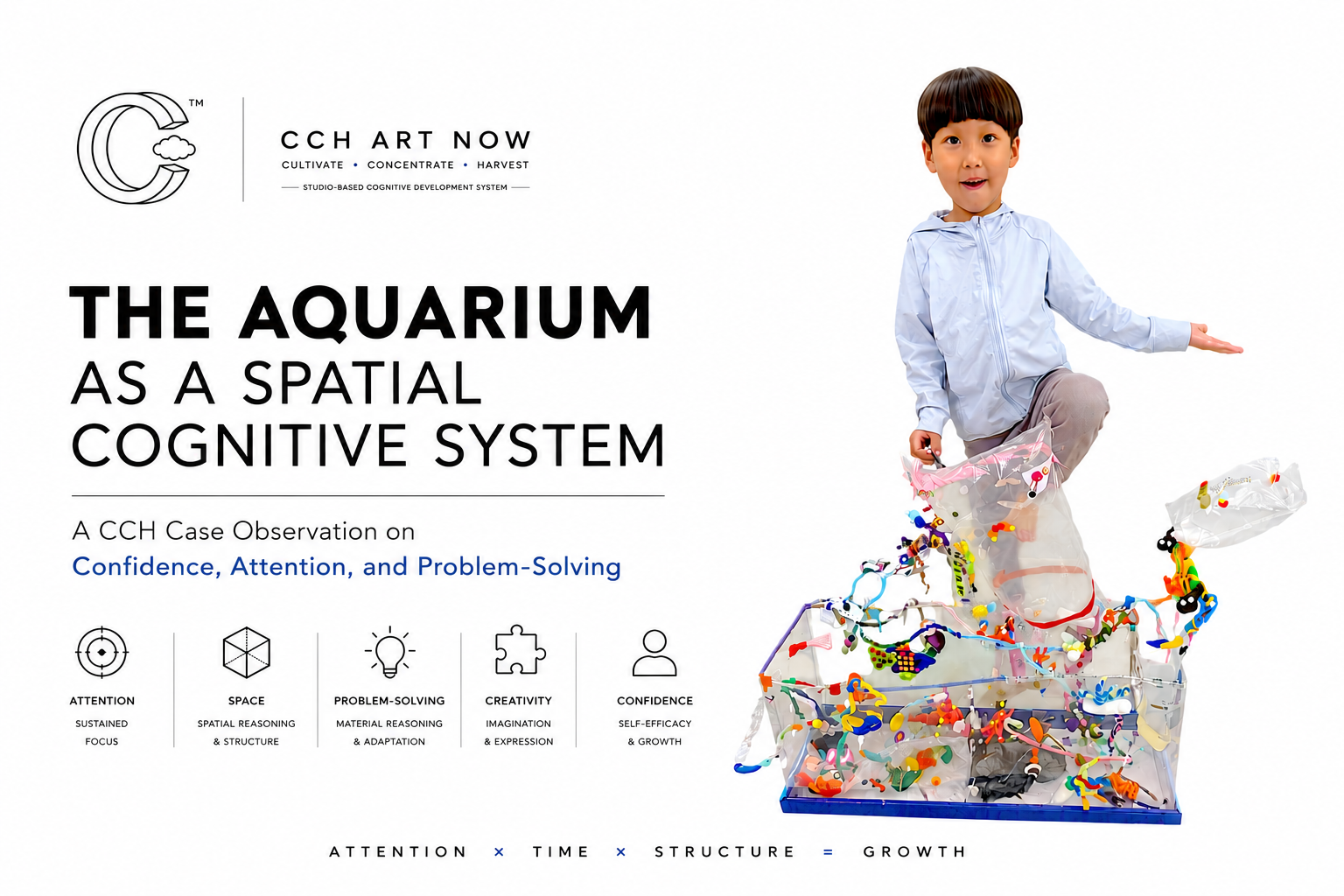
The Aquarium as a Spatial Cognitive System
This article examines a child’s aquarium project as a spatial cognitive system constructed through material engagement, sustained attention, and iterative decision-making.
Rather than reading the work as a decorative art object, the article analyzes how bubbles, characters, spatial layers, and narrative structures became evidence of accumulated thinking over time.