Sustained Creative Immersion in Adult Studio Practice
Abstract
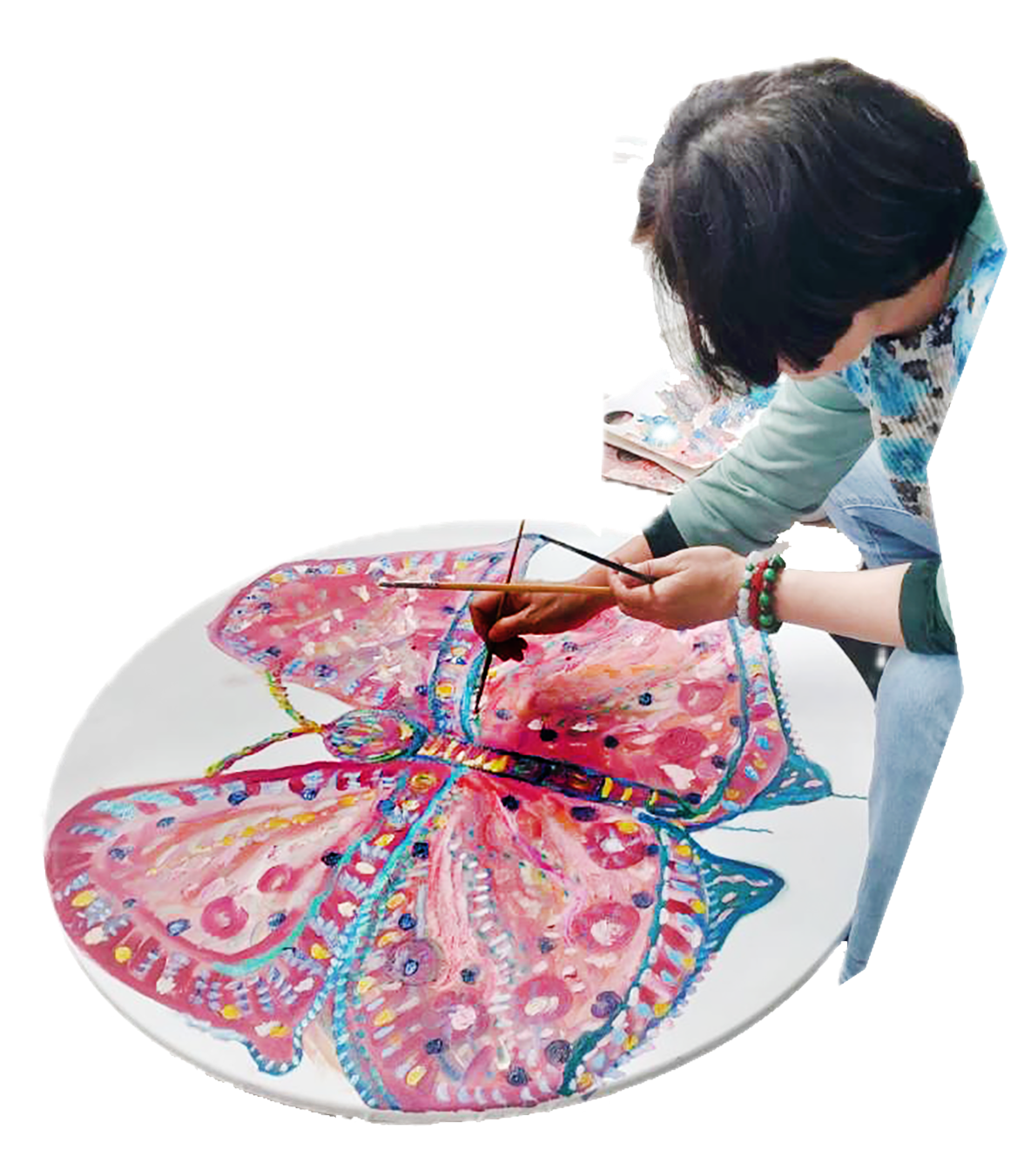
This case study examines sustained creative engagement in adult learners within a studio-based material practice and positions it in comparative dialogue with early childhood creative immersion. The project investigates how non-prescriptive environments, material resistance, and extended working durations influence attention regulation, decision-making autonomy, and cognitive stabilization in adult participants. Findings suggest that sustained creative immersion operates not as a developmental phase limited to childhood but as a transferable condition that supports perceptual refinement, reflective judgment, and psychological regulation across age groups.
Context and Research Orientation
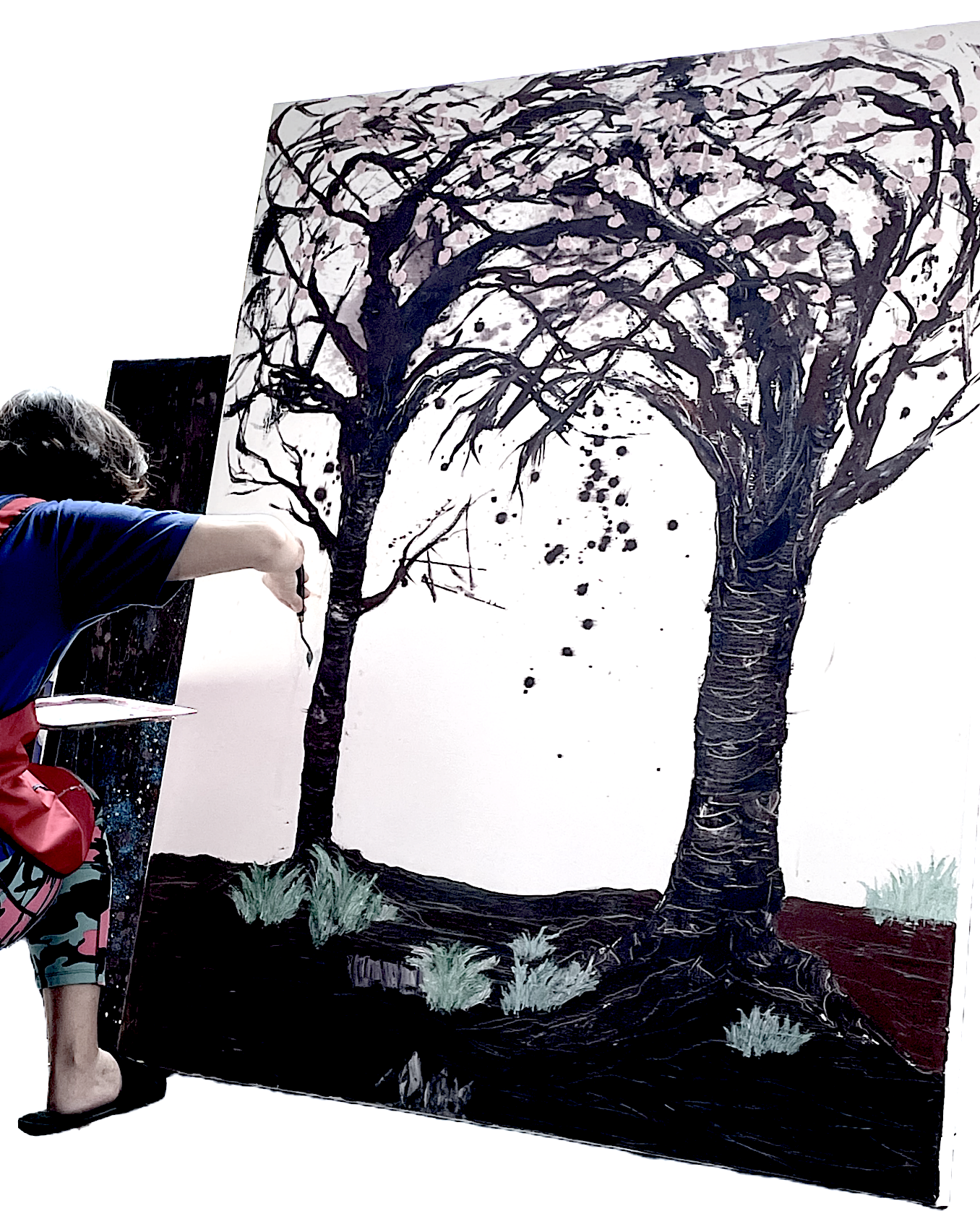
The adult studio context was structured to mirror key conditions present in the early childhood case study: material openness, spatial continuity, and absence of outcome-driven instruction. Participants entered the studio without predefined stylistic expectations or performance criteria.
Rather than skill acquisition alone, the pedagogical orientation emphasized:
perceptual engagement with materials
temporal continuity in making
internalized decision-making processes.
This approach situates adult creative practice within a broader inquiry into attention ecology rather than artistic production per se.
Structural Conditions
The studio environment incorporated:
extended uninterrupted working periods
open-ended mixed media materials
absence of digital distraction
facilitative rather than directive instruction
preservation of unfinished work across sessions.
Unlike conventional adult art education models that prioritize technical mastery or rapid output, this structure emphasized sustained encounter with uncertainty and material negotiation.
Process Dynamics
Participants demonstrated progressive shifts in working rhythm over time:
initial exploratory manipulation → reflective pause → structural reconsideration → iterative refinement.
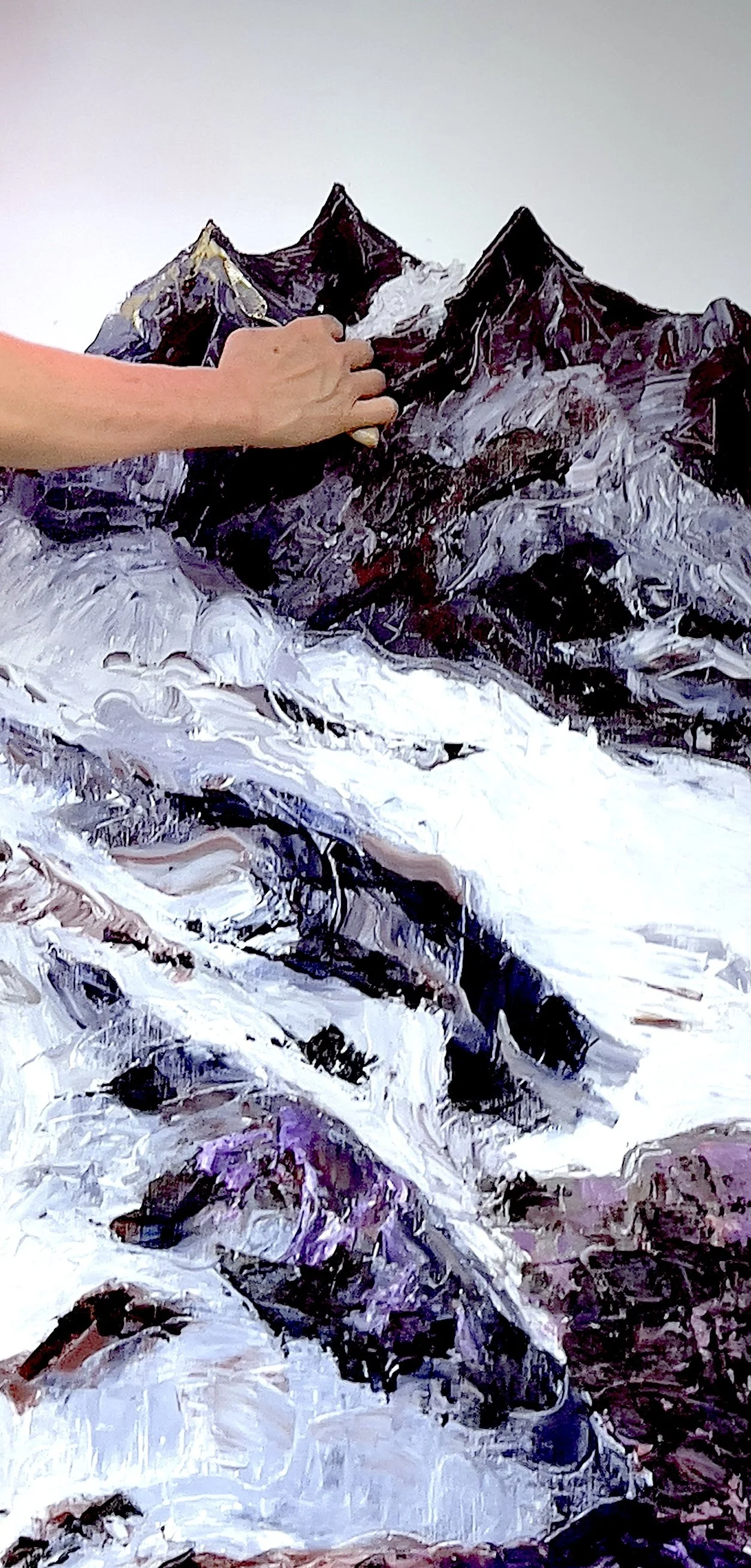
Periods of stillness frequently coincided with tactile engagement, suggesting embodied cognitive processing rather than disengagement.
Material resistance played a central role in shaping decision pathways, often replacing external evaluation as the primary feedback mechanism.
Observational Findings
Several recurring patterns emerged:
increased tolerance for ambiguity
reduced urgency for completion
heightened sensitivity to material qualities
greater autonomy in compositional decision-making.
Participants reported shifts in attentional quality, often describing the experience as stabilizing rather than effortful. This contrasts with productivity-driven educational models where sustained attention is frequently associated with cognitive fatigue.
Comparative Insights (Child–Adult)
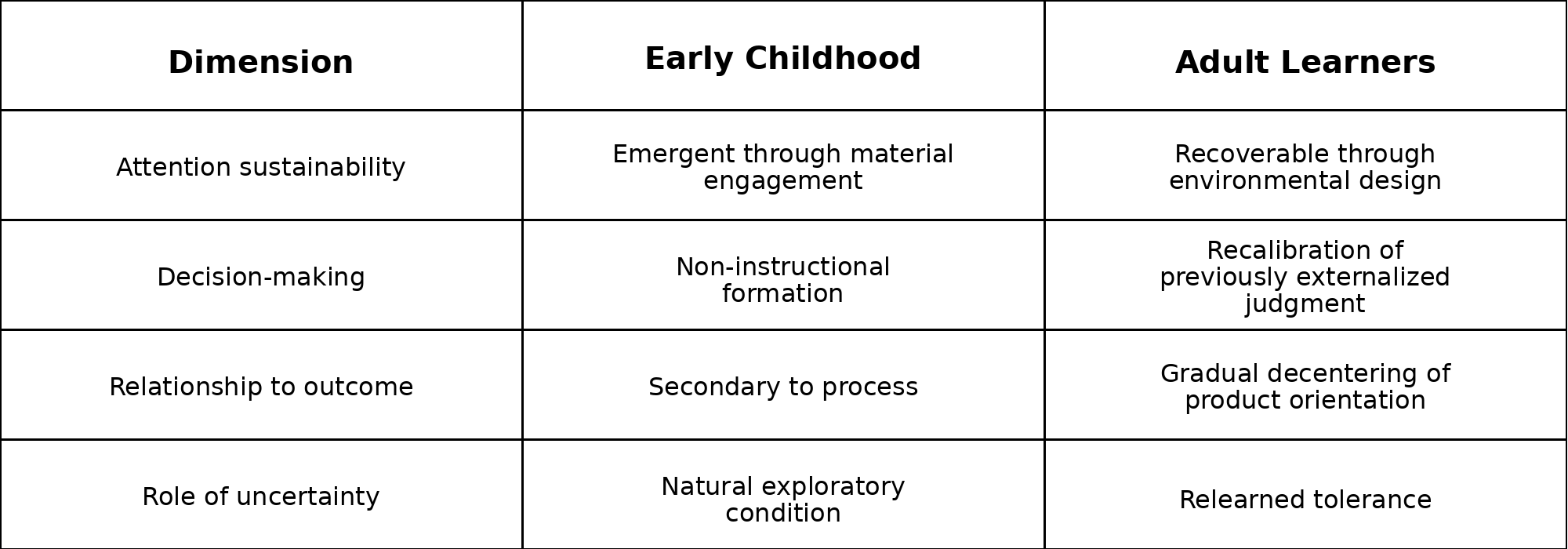
When examined alongside the early childhood case study, notable parallels emerge:
These parallels suggest that sustained creative immersion is not age-dependent but condition-dependent.
Educational Implications
Adult learners frequently enter studio environments shaped by productivity norms, evaluation anxiety, and accelerated attention cycles. Studio conditions emphasizing material encounter, temporal continuity, and autonomy may function as a counterbalance to these pressures.
Such environments appear to support:
attentional restoration
reflective cognition
perceptual recalibration
renewed creative agency.
This positions studio-based creative practice as a potential site for cognitive resilience development rather than solely artistic skill acquisition.
Methodological Position
This case contributes to the evolving framework of Sustained Creative Immersion, understood as:
a pedagogical ecology that supports extended attention, autonomous decision-making, and embodied cognitive engagement across developmental stages.
Within this framework, creative practice functions as both expressive medium and cognitive training environment, enabling learners to inhabit uncertainty while maintaining psychological stability and perceptual sensitivity.
Adult Creative Development
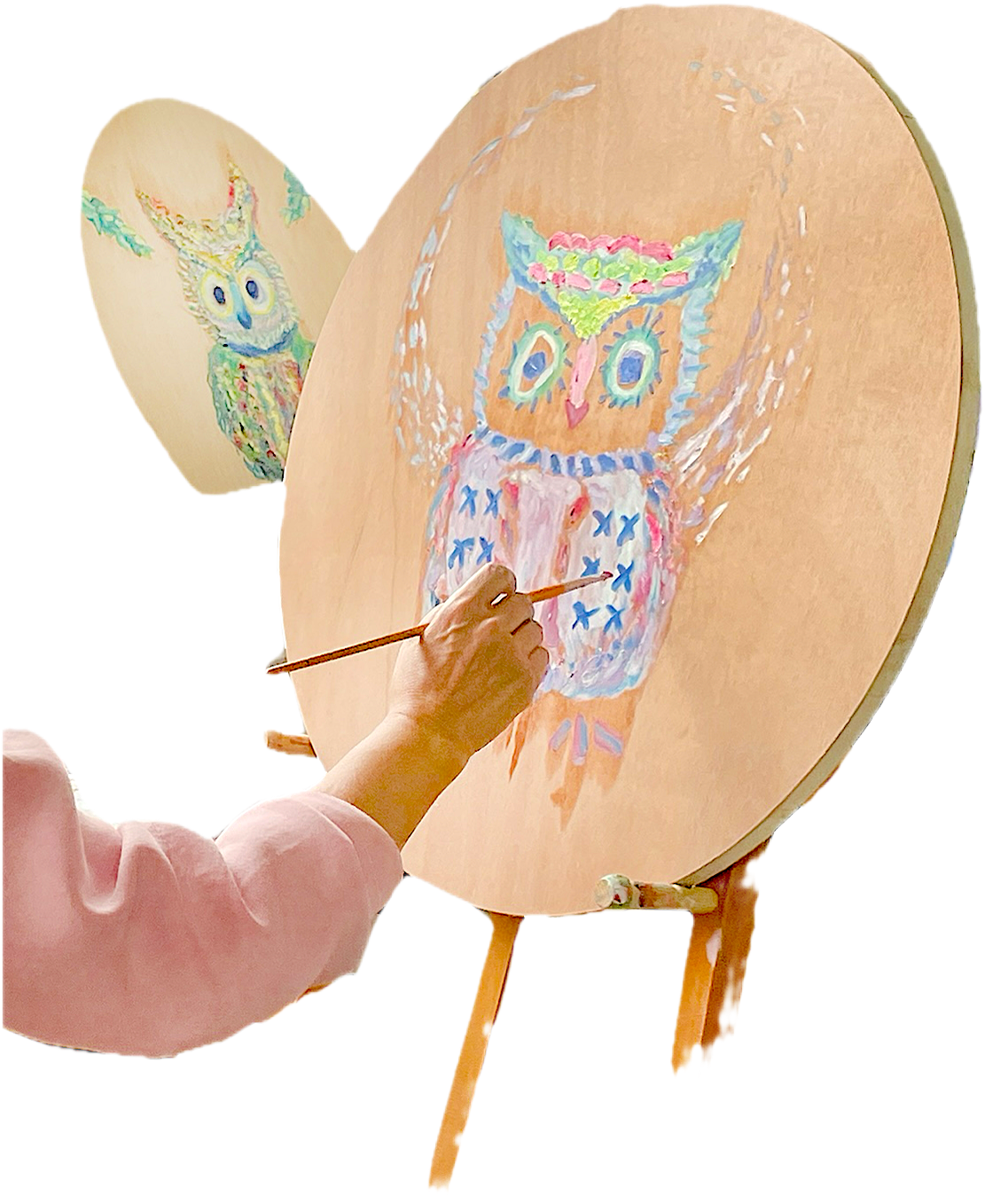
Many adults begin creative practice with established cognitive patterns shaped by years of evaluation, comparison, and professional performance expectations.
The early stages of studio engagement therefore involve a gradual shift from outcome-oriented thinking toward direct perception and material interaction.
Participants do not need prior drawing or painting experience. Exploration often begins with simple engagement with color, texture, and form. Everyday observations become a source of visual inquiry and creative response.
Through sustained studio practice, adults gradually develop greater perceptual awareness, more flexible decision-making, and renewed confidence in their own visual language.
Within the CCH framework, creative practice functions not only as artistic activity, but as a process of cognitive recalibration.
Material-Based Exploration
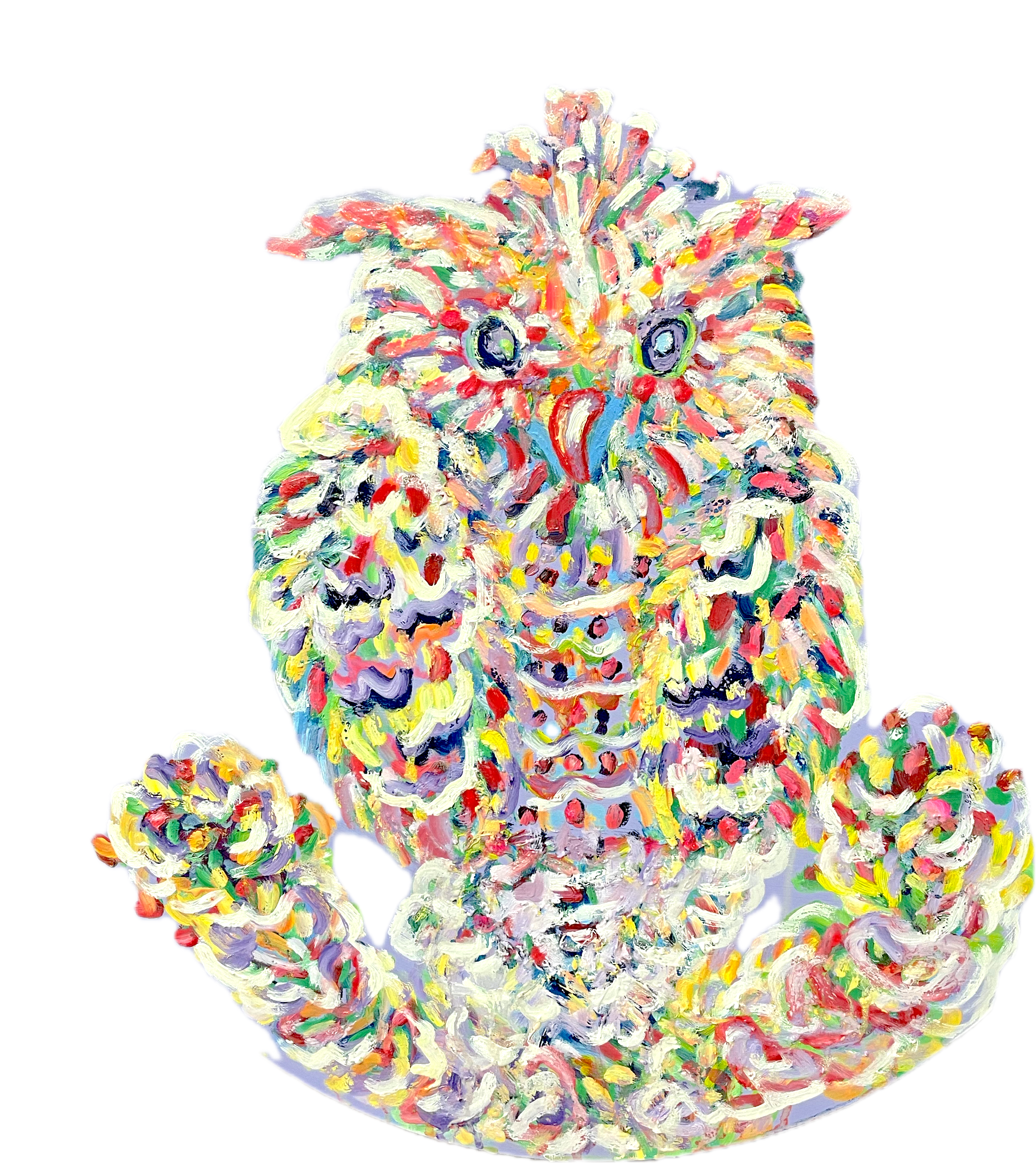
Participants do not need prior drawing or painting experience.
Creative exploration often begins with simple material interaction — color, texture, and form.
By observing everyday surroundings and responding to physical materials, individuals gradually develop sensitivity to visual relationships and personal expression.
Adult Learning Context
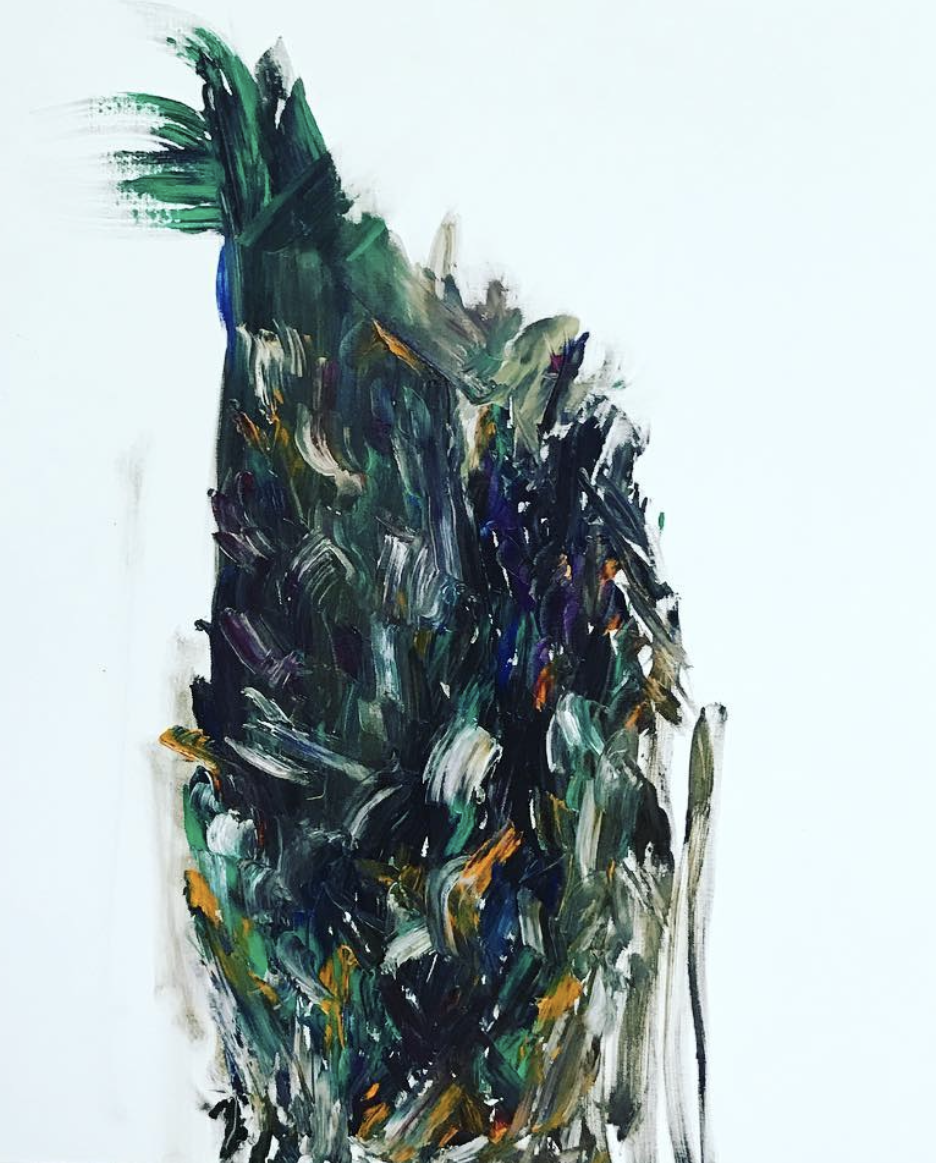
Adults often begin creative practice with established cognitive frameworks shaped by professional life, social evaluation, and performance expectations.
As a result, the initial phase of studio engagement involves a gradual shift from outcome-oriented thinking toward direct perception and material interaction.
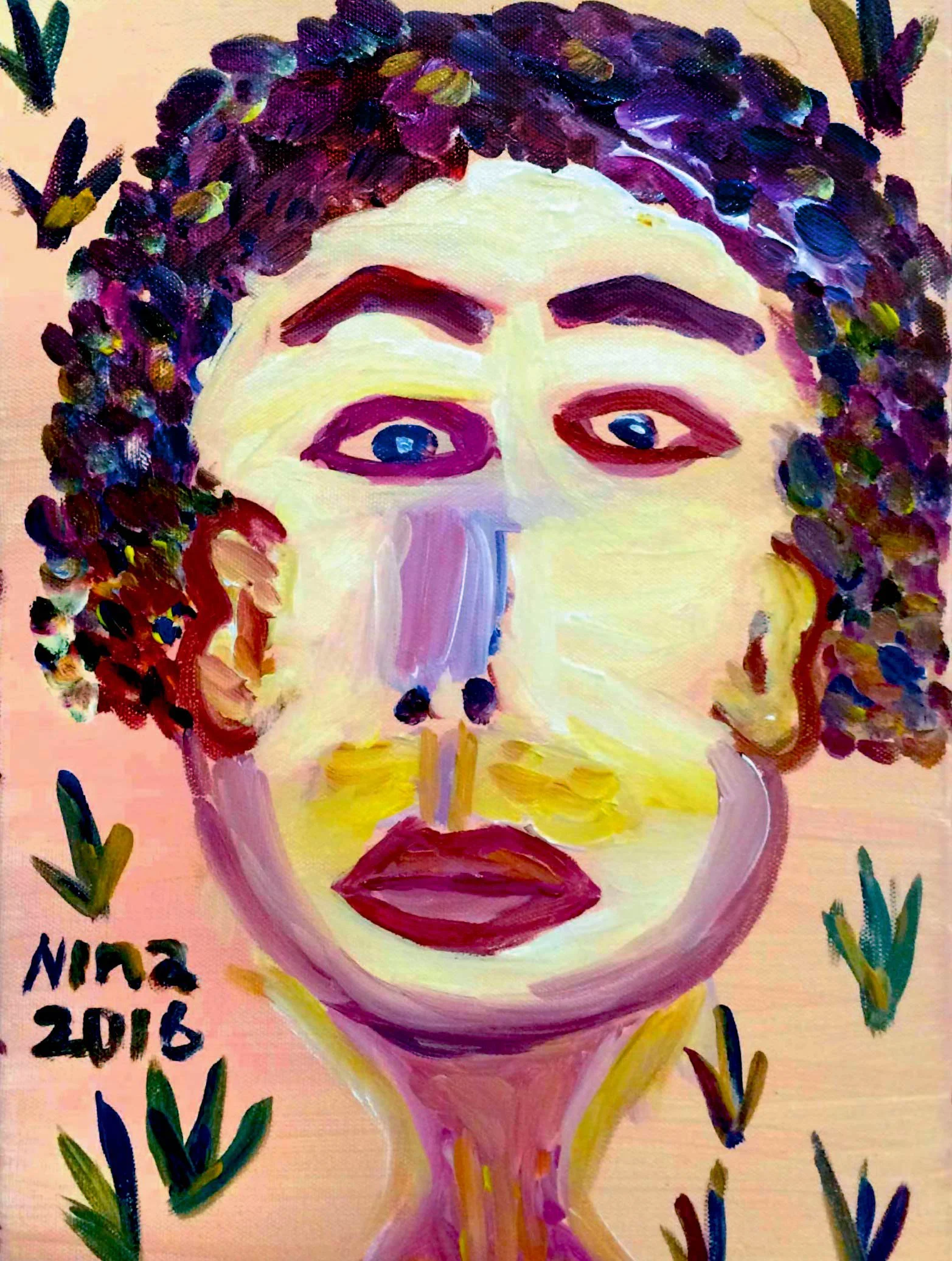
Cognitive Recalibration Through Practice
Through sustained studio engagement, adults often experience:
• renewed perceptual awareness
• increased tolerance for ambiguity
• more flexible decision-making
• rediscovery of personal visual language
Rather than producing artworks for evaluation, the studio becomes a space where perception, judgment, and internal coherence are gradually rebuilt.
Case Study — Material Residue Field
Re-entering Creativity Through Release
Background
A retired participant, recently returned from Canada, entered the studio after decades of structured, rule-based living. Her experience with art was minimal. Her cognitive mode was highly controlled, precise, and outcome-oriented.
Rather than introducing technique, we designed a different entry point.
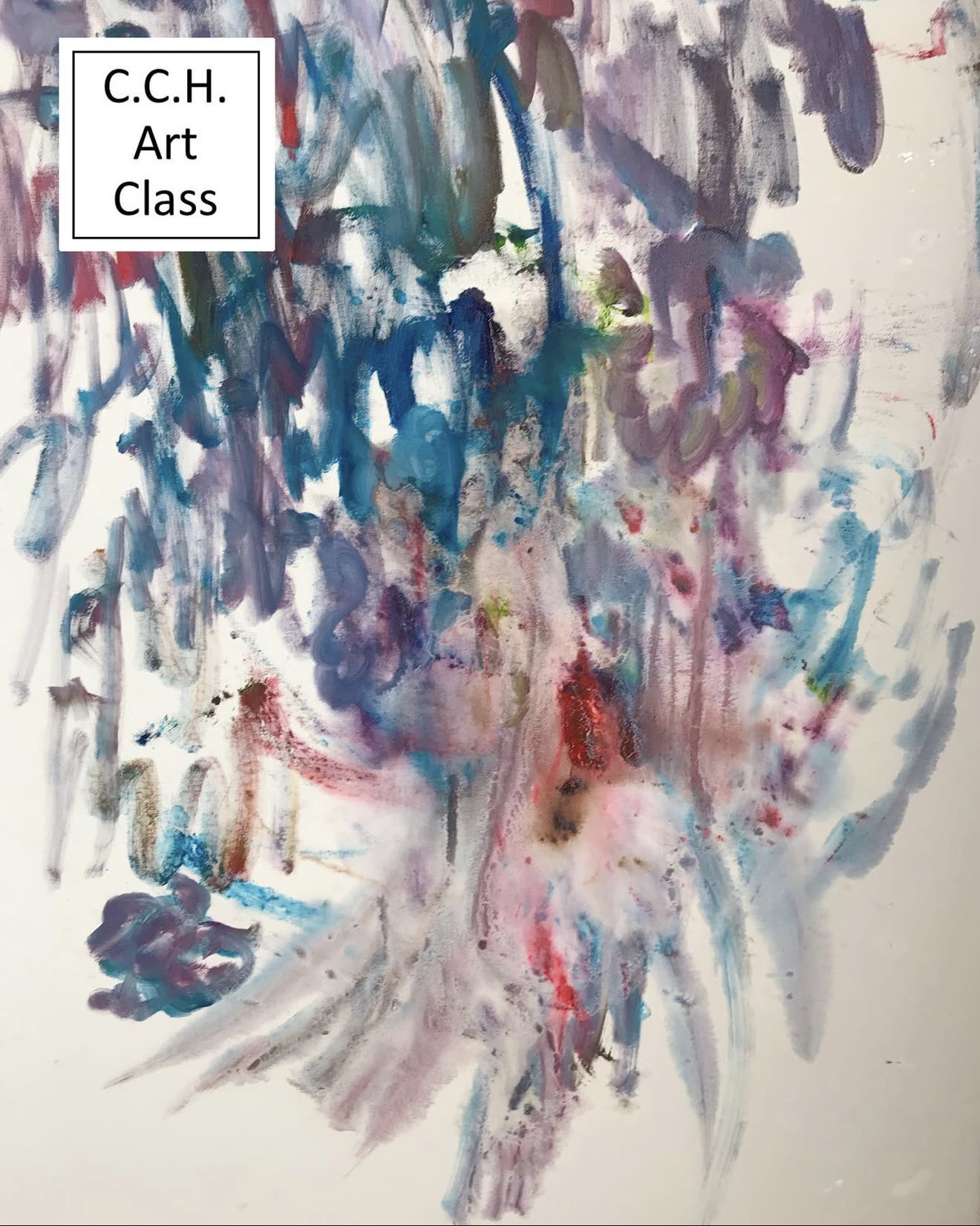
Process Observation
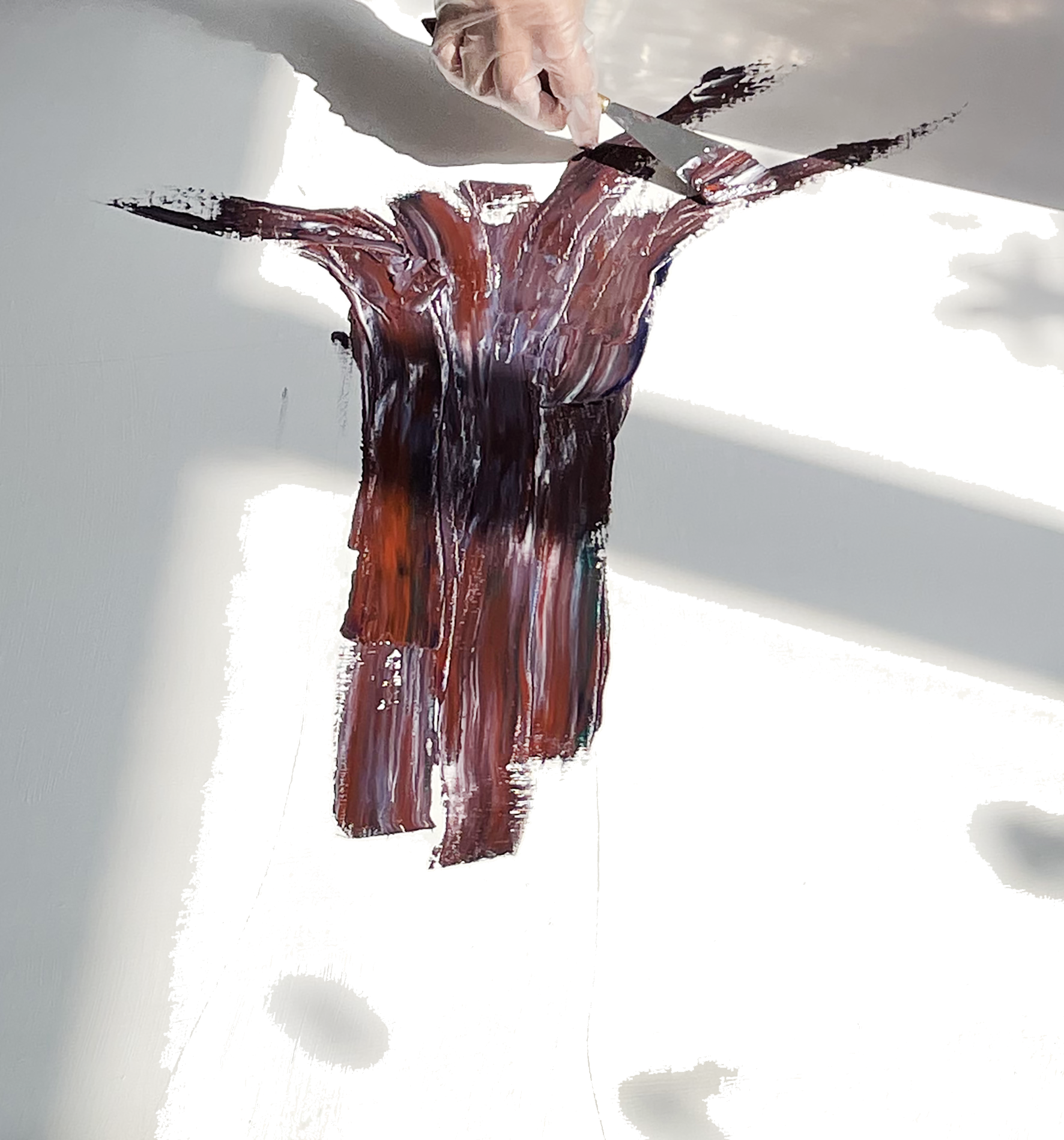
Over time, the surface accumulated layers of color and movement.
Without intentional composition, the following began to emerge:
• spontaneous rhythm
• organic color relationships
• non-linear spatial dynamics
As cognitive control decreased,
material interaction increased.
Why This Matters
For many adults,
creative capacity is not absent—
it is suppressed
by long-term structural conditioning.
The Material Residue Field provides:
→ a low-pressure entry point
→ a non-evaluative environment
→ a reactivation of perception
Method — Material Residue Field
Instead of asking her to “create a painting,” she was given a secondary canvas.
A surface intended for:
• excess paint
• cleaning brushes
• unplanned gestures
This canvas carried
no expectations,
no evaluation,
no defined outcome.
We define this as a: Material Residue Field
Cognitive Shift
This process represents a transition:
From:
control-based decision systems
correctness-oriented thinking
To:
perceptual responsiveness
adaptive material engagement
In this state:
• judgment is suspended
• decision pressure is reduced
• awareness expands
Outcome
This canvas is not a byproduct.
It is:
→ the first stage of cognitive release
→ the re-emergence of visual sensitivity
→ the beginning of creative re-entry
CCH Perspective
Not every surface is for producing outcomes. Some are designed to dissolve structure and reopen perception.