CCH
Cultivate · Concentrate · Harvest
is a studio-based framework examining how attention, judgment, and creative identity form under conditions of technological acceleration.
Rather than treating art as output, the studio is approached as a cognitive environment — where material resistance, time, and consequence shape structural thinking. Creativity is not the objective. It emerges as a byproduct of sustained cognitive coherence.
CCH
CONCENTRATE
• sustained attention
• decision stability
• embodied cognition
CULTIVATE
material exploration
cognitive readiness
creative curiosity
HARVEST
• creative identity
• judgment formation
• long-term capability
CCH
does not oppose
AI.
It addresses the human capacities that remain
non-transferable.
As computation, memory, and optimization become increasingly externalized, the relative value of human capability is shifting toward judgment, responsibility, and sustained presence.
As artificial intelligence accelerates information processing, the differentiating human capacity is no longer access to knowledge, but the stability of attention, the integrity of judgment, and the continuity of identity formation.
The CCH framework focuses on capacities that remain inherently human: how decisions are made under uncertainty, how attention is sustained without constant external stimulation, and how responsibility develops through lived experience and consequence.
CCH addresses these conditions through environmental design rather than instructional intensity. The work is developmental rather than performative, structural rather than curricular.
CC
H
The Engine
CCH emerged from sustained cross-cultural studio observation across Asia and North America, informed by formal training within internationally recognized art institutions.
Exposure to diverse pedagogical systems did not lead to the adoption of a single model, but to an inquiry into how material culture, identity formation, and learning environments intersect.
This inquiry positioned CCH between research and practice — not as a stylistic art program, but as a structural framework for cultivating attention, judgment, and long-term human capability in technologically mediated contexts.
Structural Engine
CCH operates through three interdependent elements:
Material — as a medium for cognitive testing
Time — as a container for sustained engagement
Decision — as the core unit of learning
When these conditions stabilize, creativity appears not as expression, but as structural consequence.
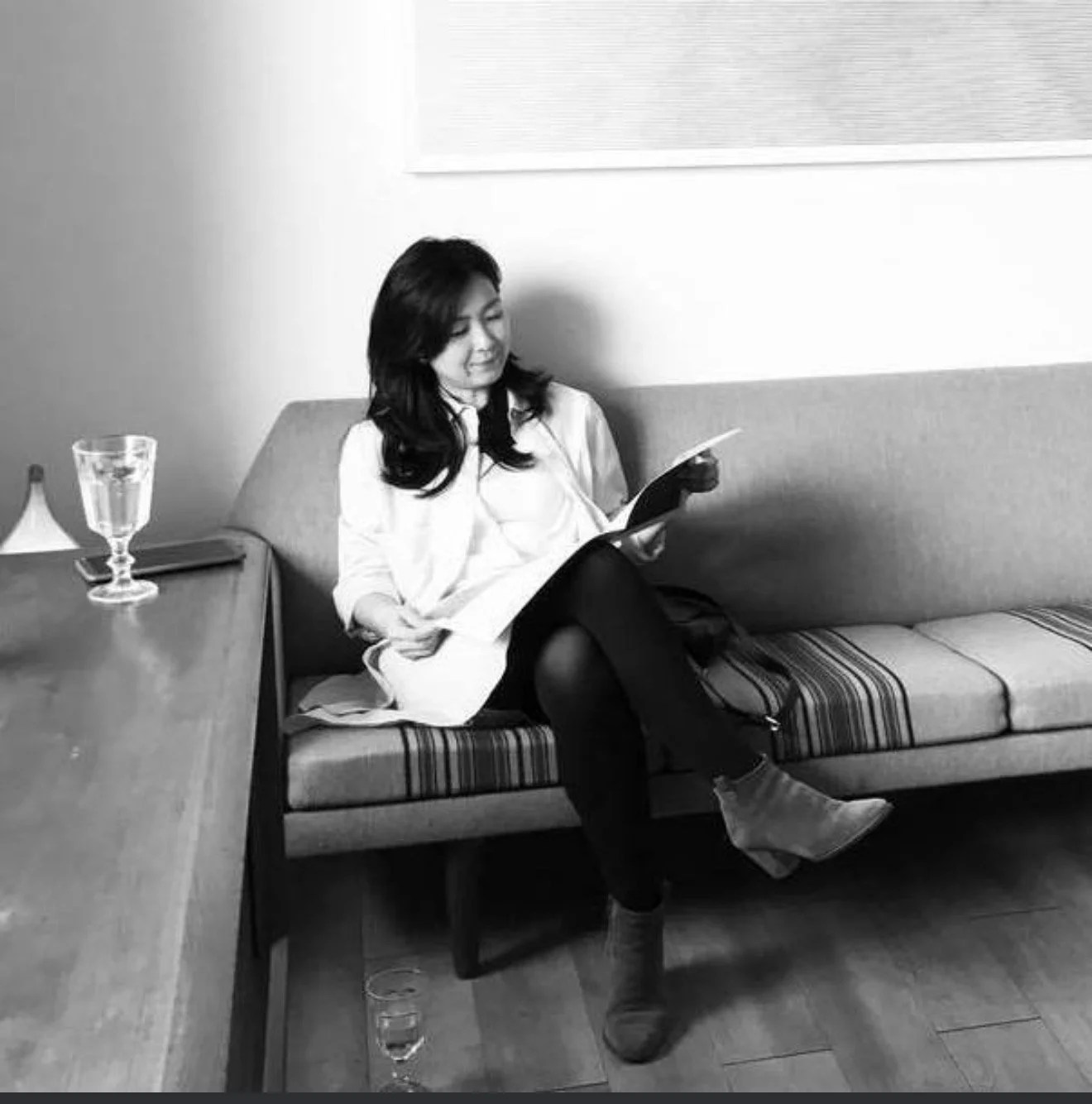
Founder
CCH emerged from long-term studio observation across North America and Asia, informed by formal training in art education and studio practice.
Chia-Chen Hsu holds a Master’s degree in Art Education from the School of the Art Institute of Chicago and a Bachelor of Fine Arts from Emily Carr University of Art + Design.
However, the framework did not originate from academic prescription. It developed through sustained observation of how attention, material negotiation, and decision-making patterns evolve across developmental stages. While CCH carries the founder’s initials, it is intentionally structured as a transferable system — independent of individual personality or teaching style.
Integrity & Learning Environment
Educational integrity within CCH refers to structural clarity rather than moral positioning. Roles, boundaries, and communication are defined in order to stabilize attention and protect developmental continuity. The framework does not operate through predefined outcomes or accelerated production cycles. Learning unfolds through sustained engagement, material resistance, and real decision-making within defined constraints. CCH is structured not around short-term performance indicators, but around the cultivation of long-term cognitive stability and human capability.