
CHILDREN
Reconstructing Internal Cognitive Architecture
Through Material Immersion
These documented cases do not present projects or outcomes.
They examine how sustained attention, structural reasoning, emotional regulation, and independent decision-making stabilize within carefully engineered studio conditions.
All observations are documented within the CCH Sustained Creative Immersion (SCI) framework — a longitudinal material-based system designed to rebuild internal cognitive architecture during the neuroplasticity window of ages 5–10.
CCH does not teach themes.
It engineers cognitive conditions.
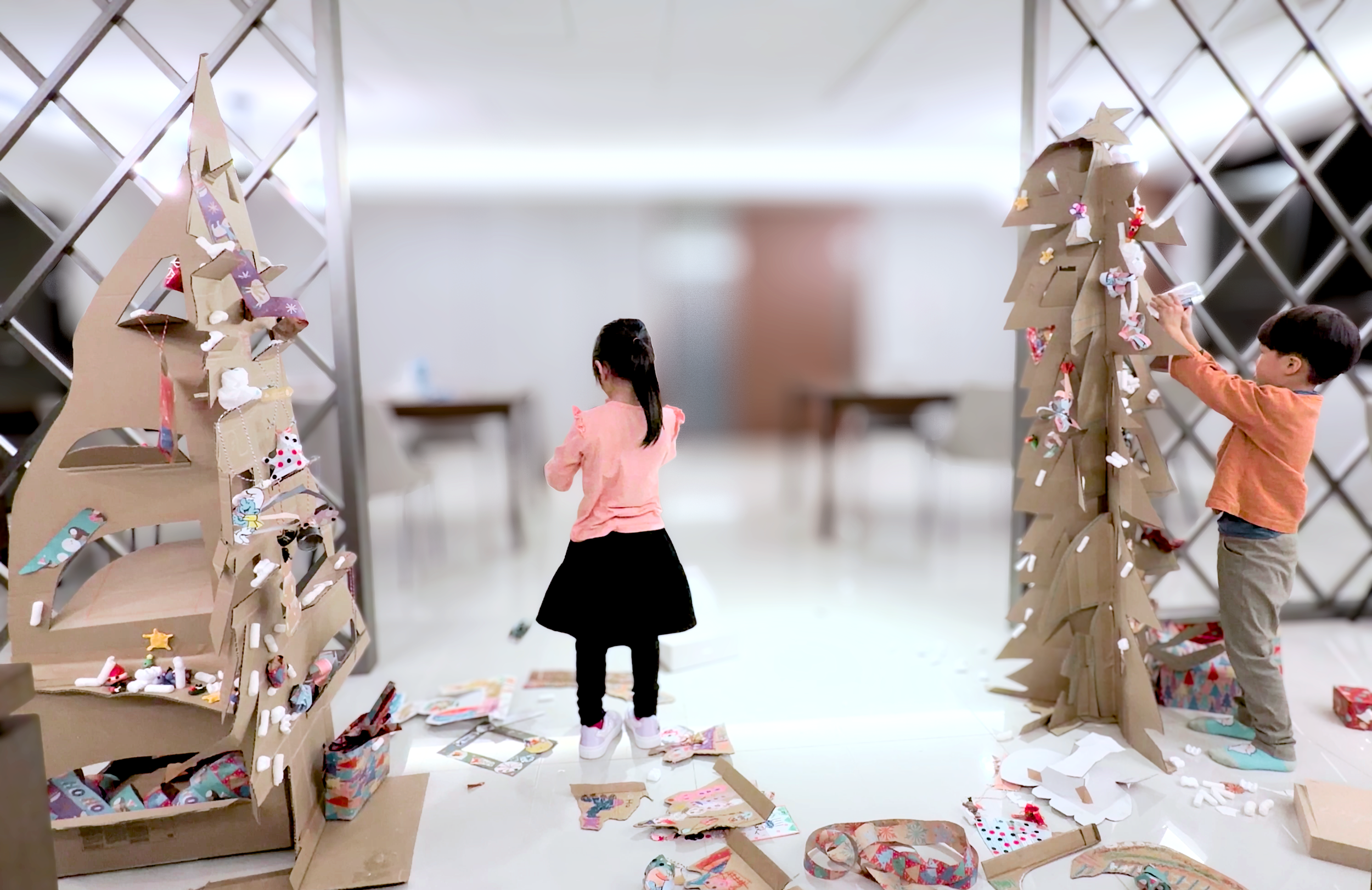
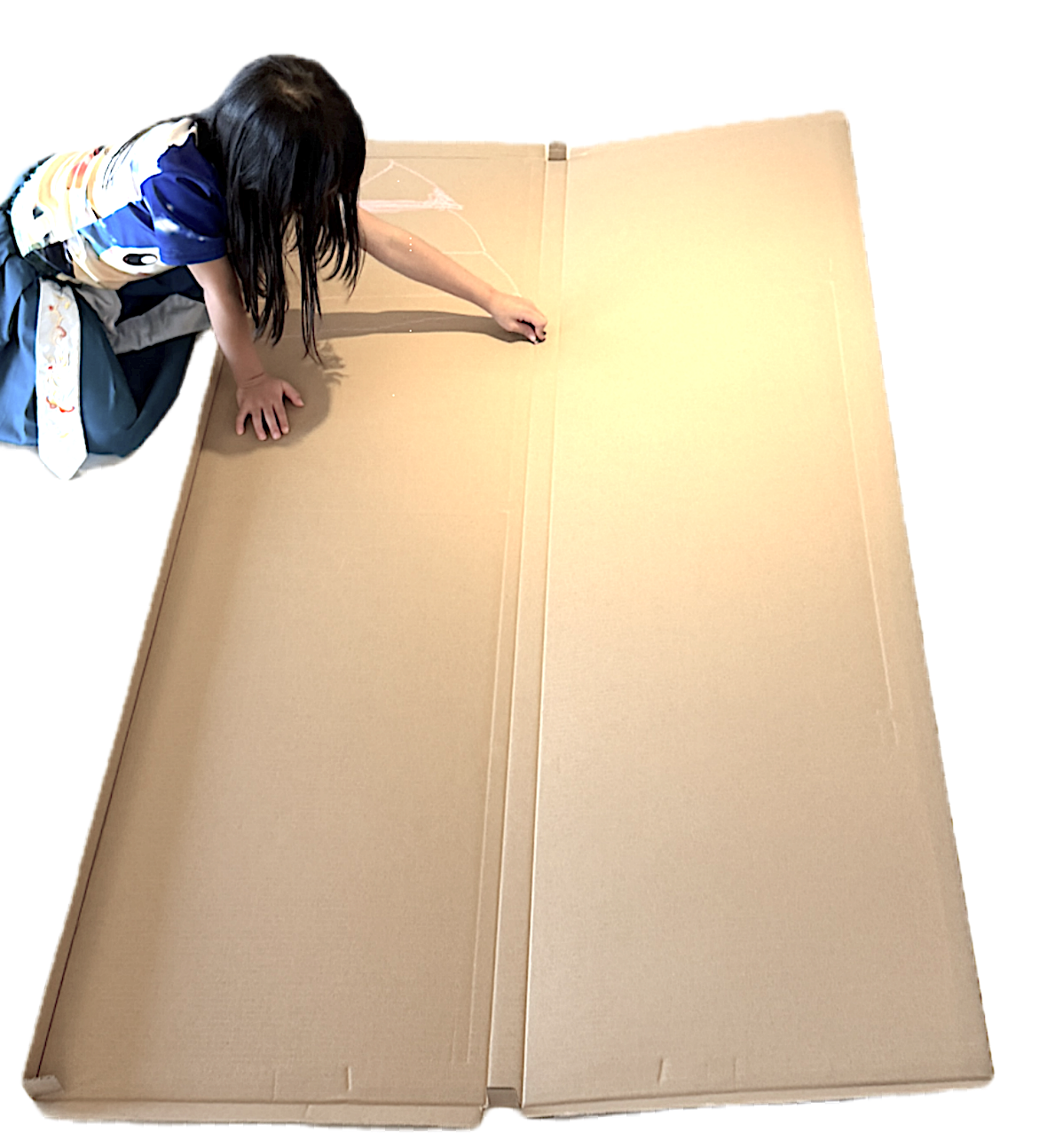
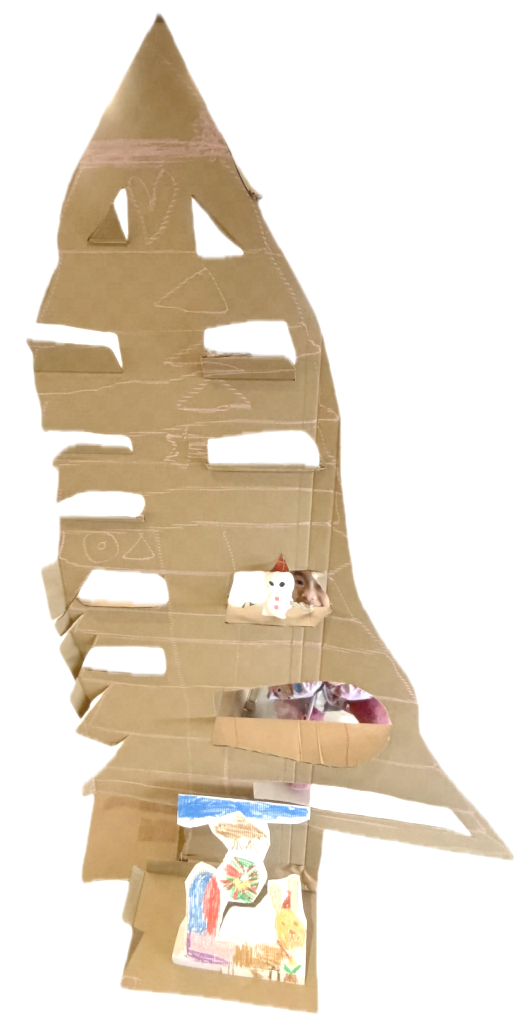
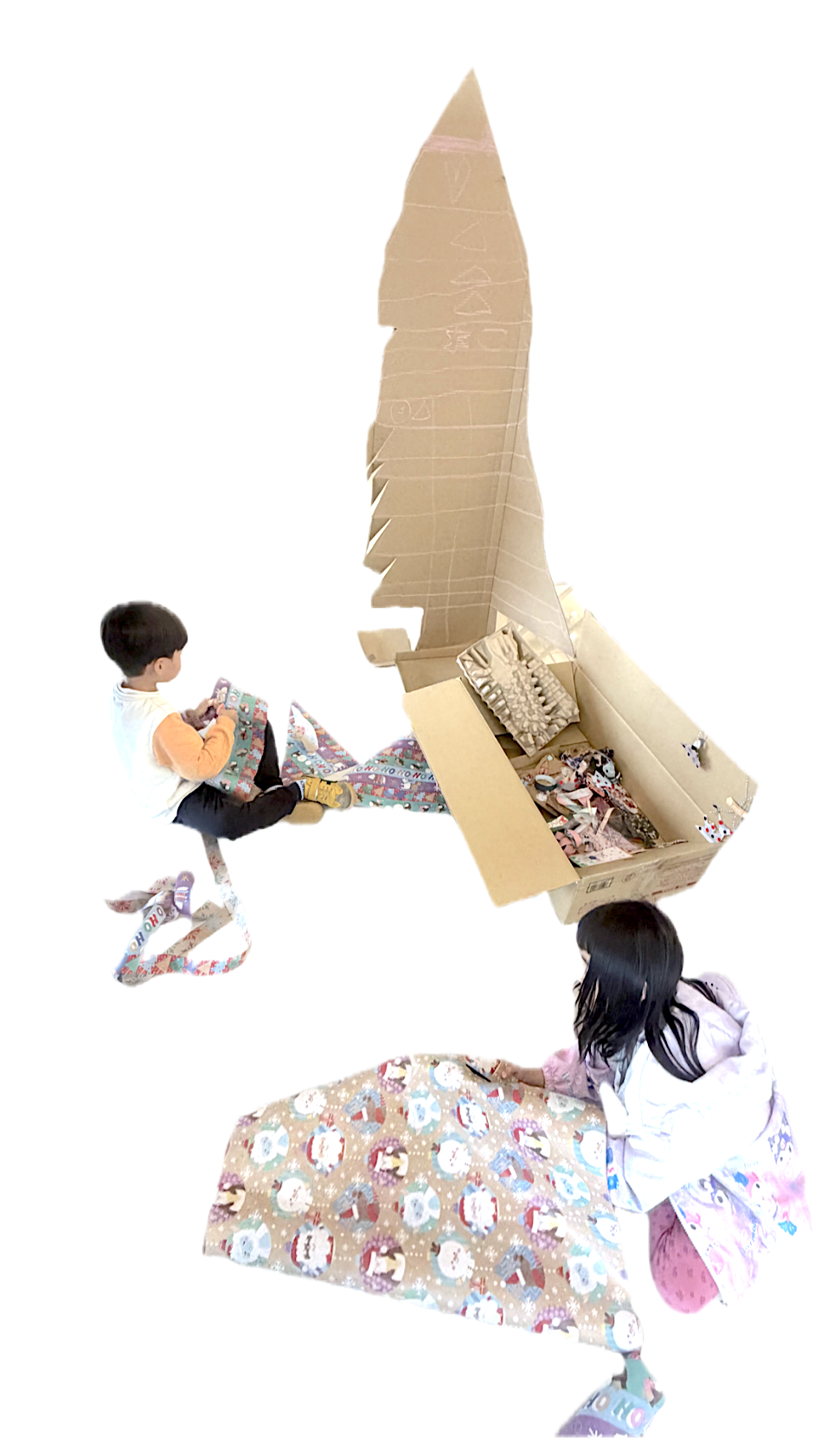
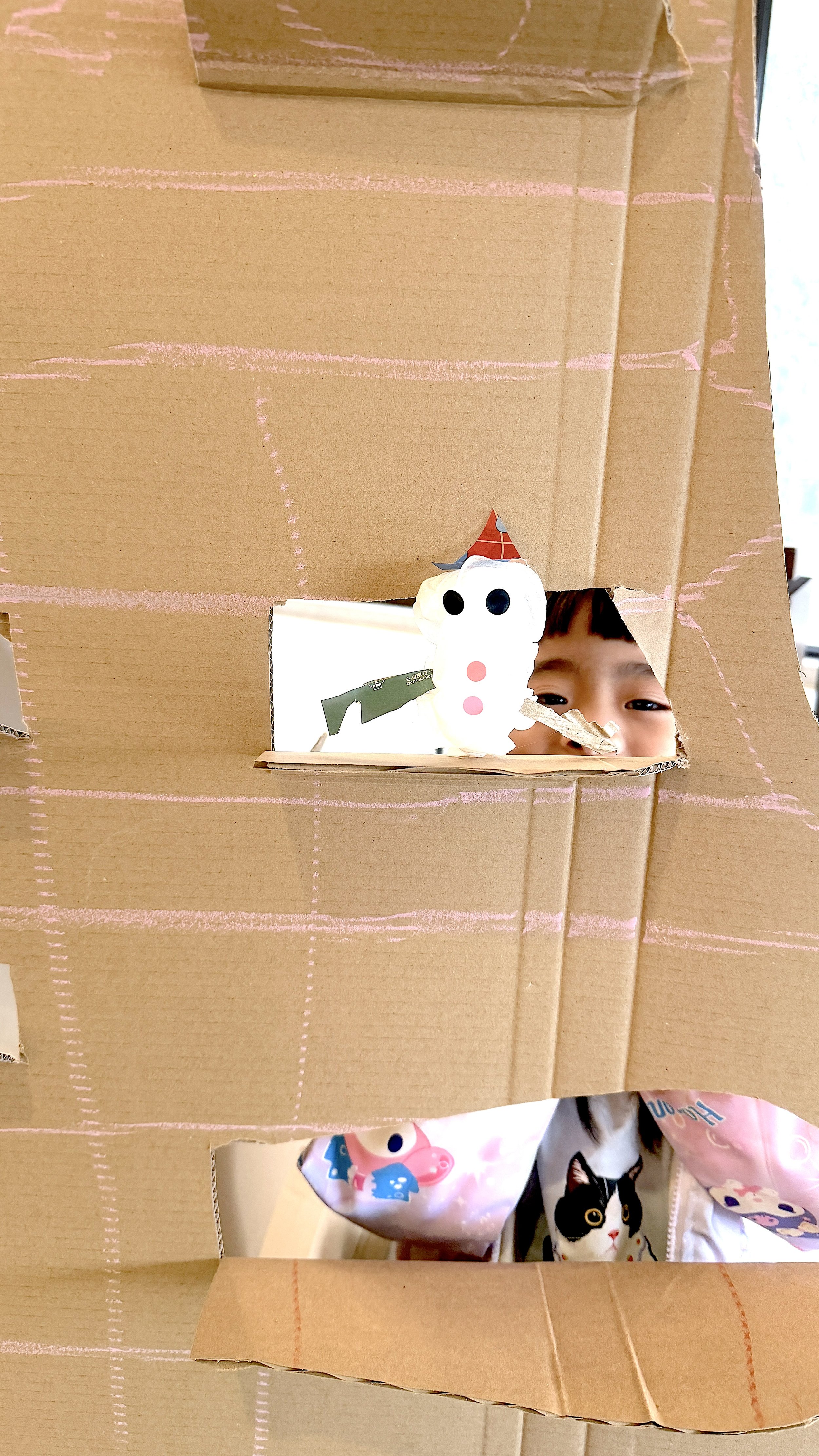
Most CCH studio work unfolds through open-ended individual material systems without predetermined themes. The Christmas Tree Project marked the first collective large-scale installation sustained across multiple weeks under a shared structural constraint. For this reason, it is presented as a threshold case within the SCI framework.
CHRISTMAS
TREE PROJECT
Ⅰ. Context Overview
Age: 5–6
Duration: 4 consecutive weeks
(12+ cumulative studio hours)
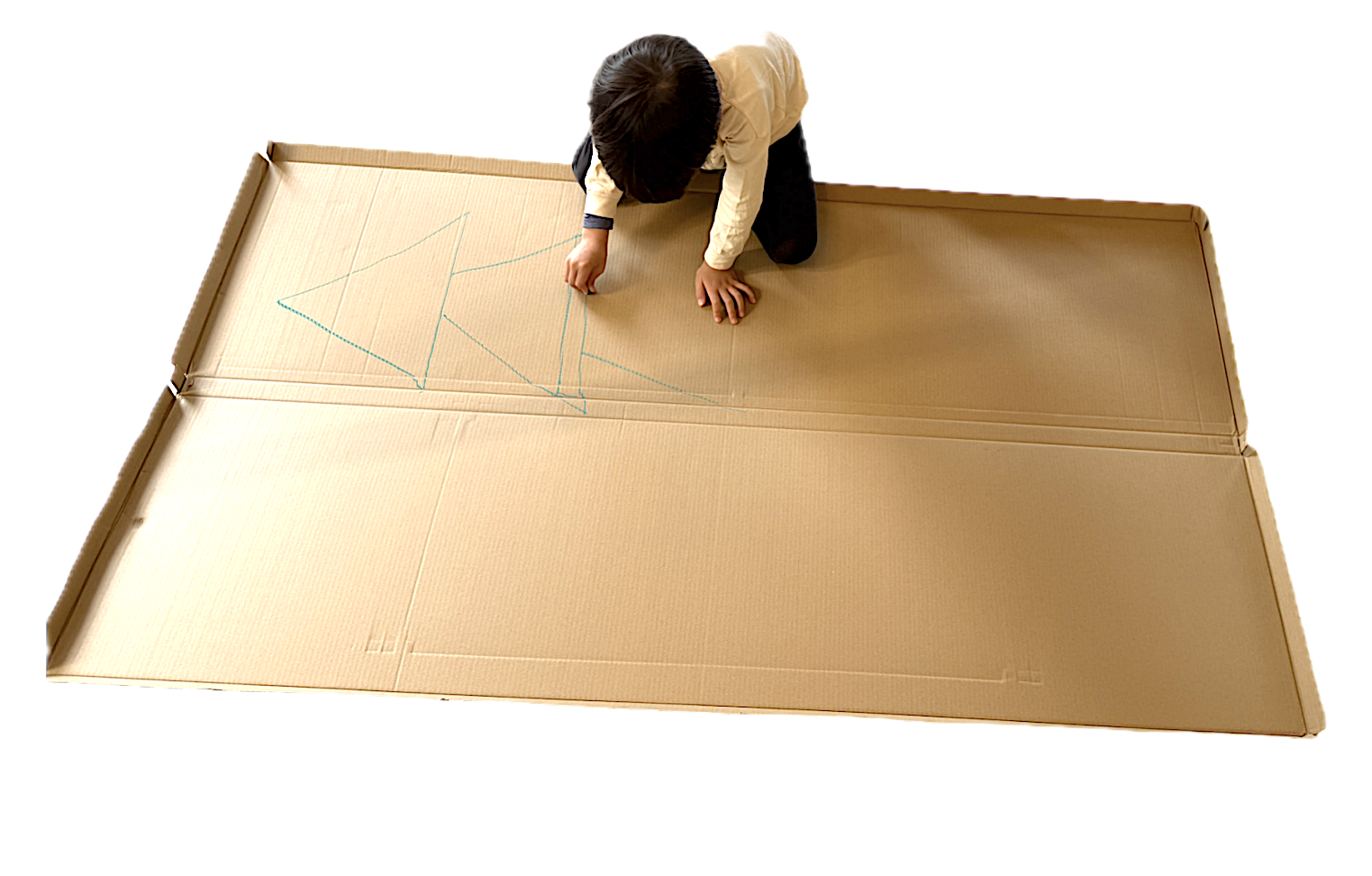
Material System: Corrugated cardboard, cut paper, modular vertical load-bearing assembly
Project Format: Single evolving structure sustained across multiple sessions, with progressive structural integration.
Ⅲ. Observed Behavioral Patterns
Sustained Attention Beyond Normative Duration
Engagement remained stable across extended 2+ hour sessions with minimal redirection.
Progressive Internal Planning
Participants began anticipating structural consequences prior to material attachment.
Autonomous Iterative Reinforcement
Structural instability triggered self-initiated revision rather than withdrawal.
Temporal Continuity
Verbal reference to the structure between sessions indicated cognitive carryover beyond studio time.
Ⅱ. Structural Conditions
– Multi-session temporal continuity without reset
– Vertical load distribution requiring cumulative balance planning
– Open construction without template replication
– No imposed completion deadline
– Facilitator restraint in corrective intervention
Ⅳ. Developmental Significance
This case documents sustained executive function stabilization within a non-competitive studio ecology.
Longitudinal vertical construction activated:
– Delayed gratification tolerance
– Internal planning schema consolidation
– Reduced dependency on external validation
– Embodied spatial foresight
The multi-week format contrasts with conventional early childhood task cycles, which are typically short-duration and outcome-oriented.
Findings suggest that when structural consequence and temporal continuity are preserved, children operate at a significantly higher executive-function threshold than commonly assumed.

FROM RESISTANCE TO SELF-INITIATED ENGAGEMENT

During one studio session, a six-year-old student entered the class in a resistant state, expressing fatigue and reluctance to begin working. Rather than forcing participation, the student was invited to remain in the studio and observe the process.
Over the course of the two-hour session, the student continued watching peers work and gradually re-engaged in conversation about future projects. When the next session’s work was introduced, his attention returned immediately.
In contrast, another student who had participated in the studio since the age of three demonstrated stable attention patterns and remained focused despite minor disruptions.
This contrast suggests that early exposure to sustained creative practice may support the development of more resilient attention structures.
MATERIAL ENGAGEMENT AND AUTONOMOUS ATTENTION
Case Description
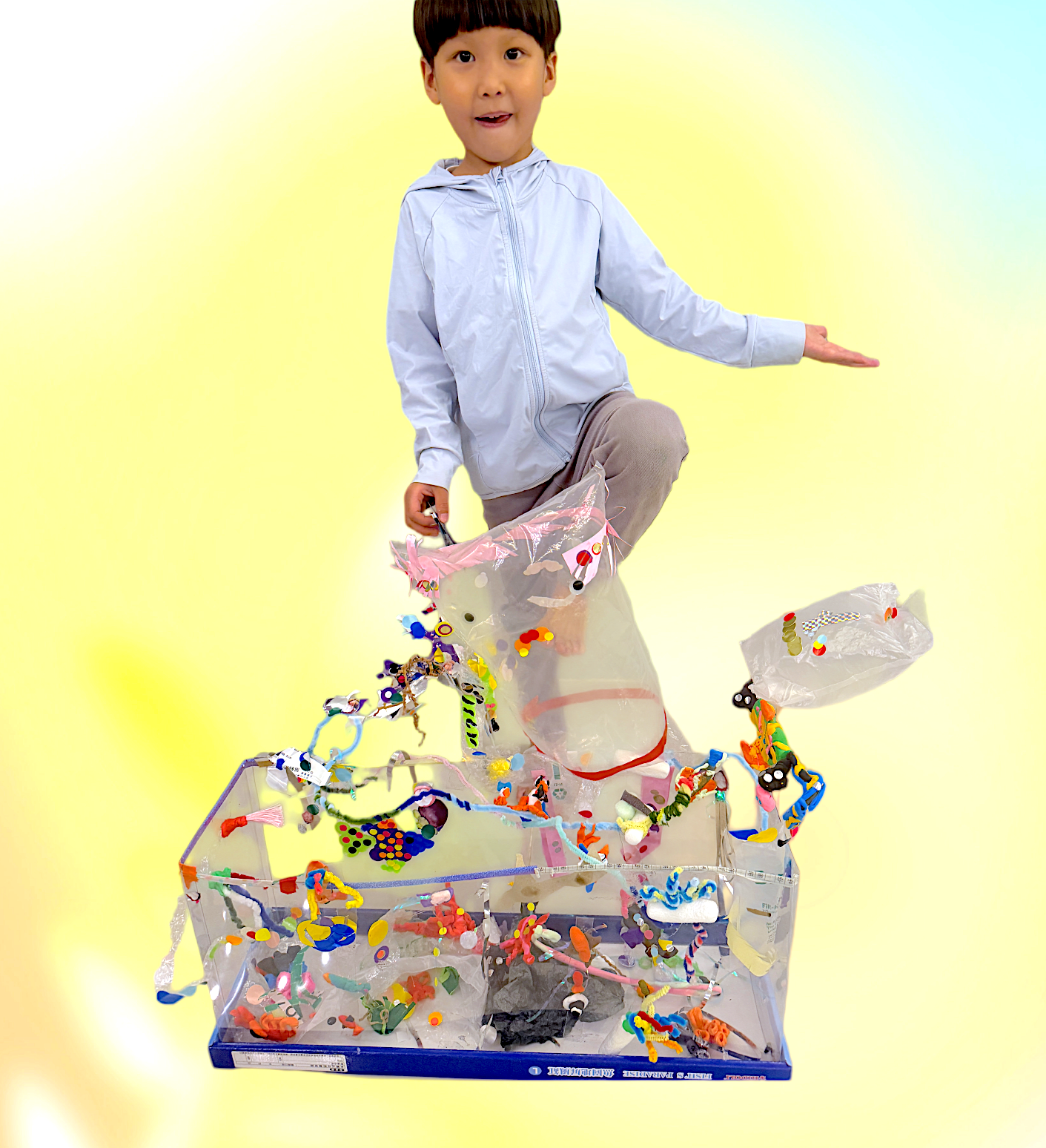
During this session, children were invited to construct a “fish tank” environment using transparent panels and mixed materials. Without instruction, both children immediately began:
selecting materials
testing structural possibilities
negotiating spatial placement
Their engagement was self-initiated and continuous.
Key Observations
As the session progressed, several shifts became visible:
Attention stabilized through material interaction
Performance pressure decreased
Bodily engagement increased
At the beginning, one child preferred the presence of a parent. However, after entering a sustained working state, the child turned and said:
“You can leave now. I want to focus.”
This transition was not instructed.
It emerged from:
internal attention stabilization
reduced emotional dependency
autonomous decision-making
Long-term Effect
A second child, with longer exposure to the studio environment, demonstrated:
rapid entry into focused states
no need for warm-up
more complex and confident construction
This suggests that:
attention is not a fixed trait.
It is a trained temporal structure.
Cognitive Development Indicators
Further observations included:
the ability to continue making while engaging in conversation
flexible interpretation of form (e.g. shrimp representation)
willingness to deviate from fixed or “correct” models
These behaviors reflect early-stage structural thinking rather than replication.
“Attention does not need to be forced.
It needs to be allowed to stabilize.”
Core Insight
Creative capacity is not determined by material cost.
It is shaped by:
attention stability
decision-making freedom
tolerance for uncertainty
embodied interaction with materials
For Parents
Many parents focus on what children make. CCH focuses on how children think while making.
Because in the age of AI:
output is easy.
Attention and judgment are rare.
Standardization produces identical outputs
Cognition produces difference.
Two children.
Same materials.
Two fundamentally different cognitive processes.
“What matters is not what they make, but how differently they think.”
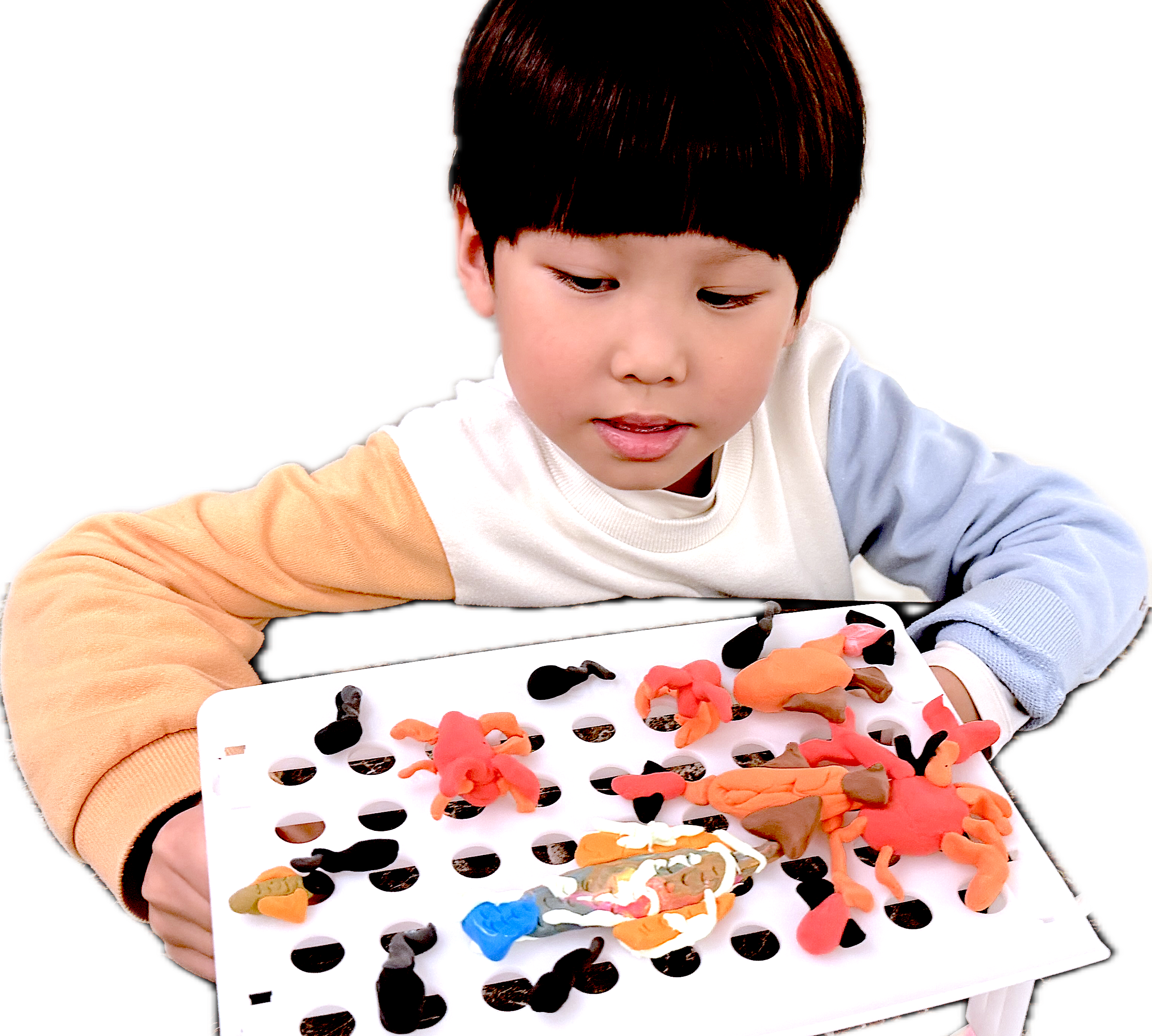
Boy (Suspension + Clay)
He is engaging in:
testing
adjustment
variation
→ This reflects:
dynamic exploration
He is not constructing a single correct outcome.
He is allowing the system to evolve.
His process is not about arriving at an answer,
but about generating possibilities.

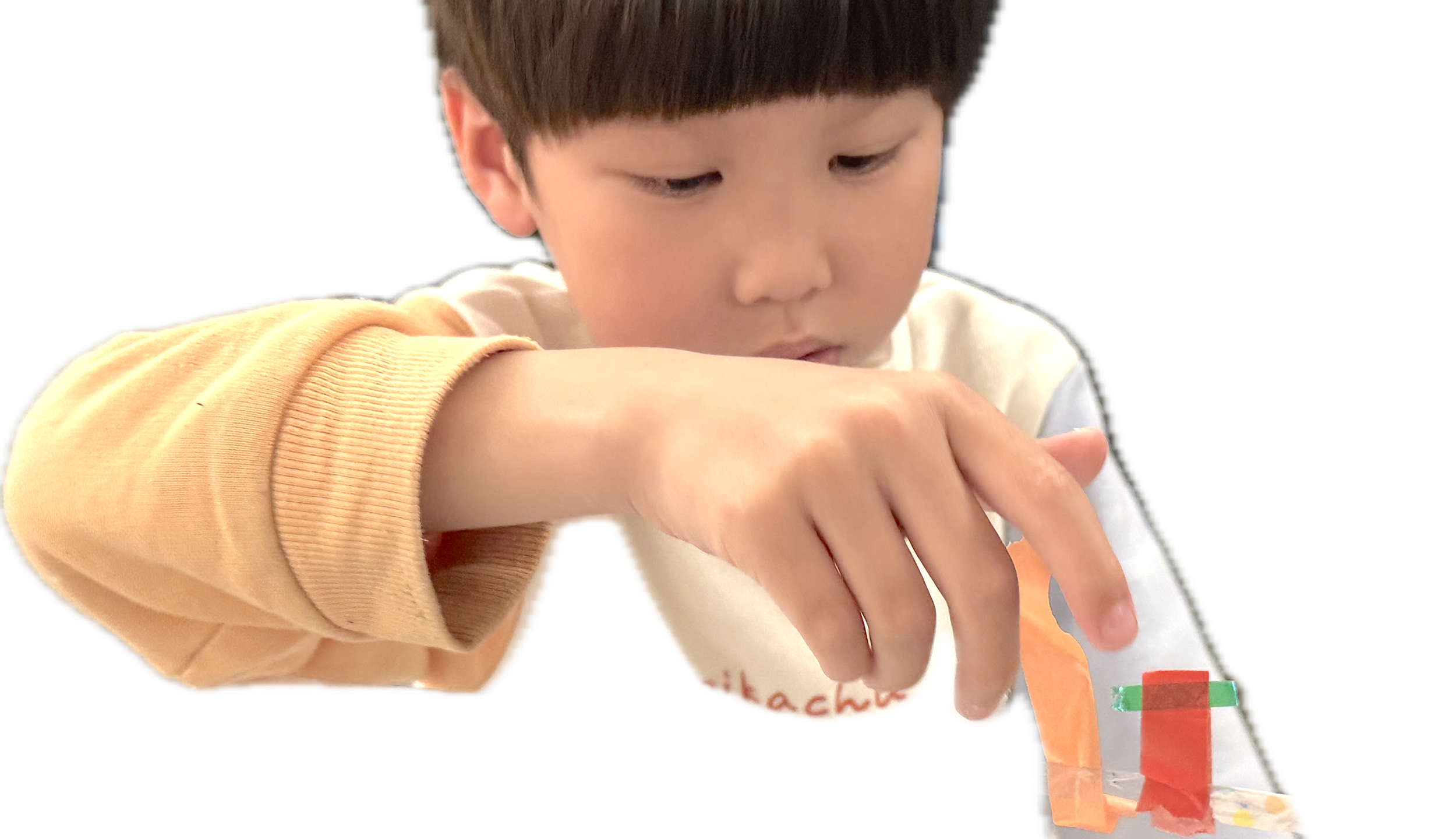
Girl (Tape + Structure)
She is engaging in:
precision control
alignment and fixation
spatial relationship assessment
→ This reflects:
structural cognition
Her process is not primarily expressive.
It is constructive.
She is not representing an idea.
She is building a structure.
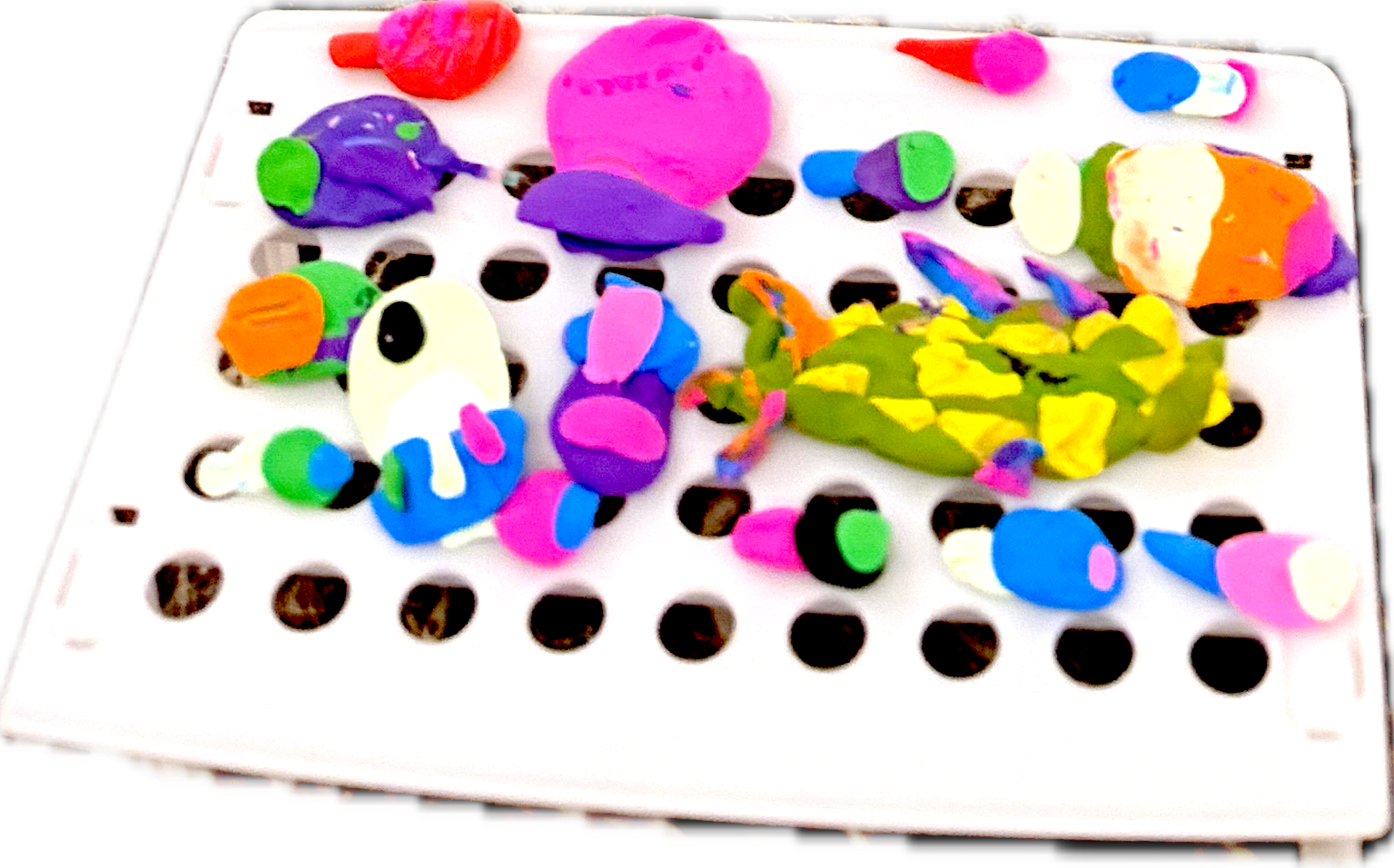
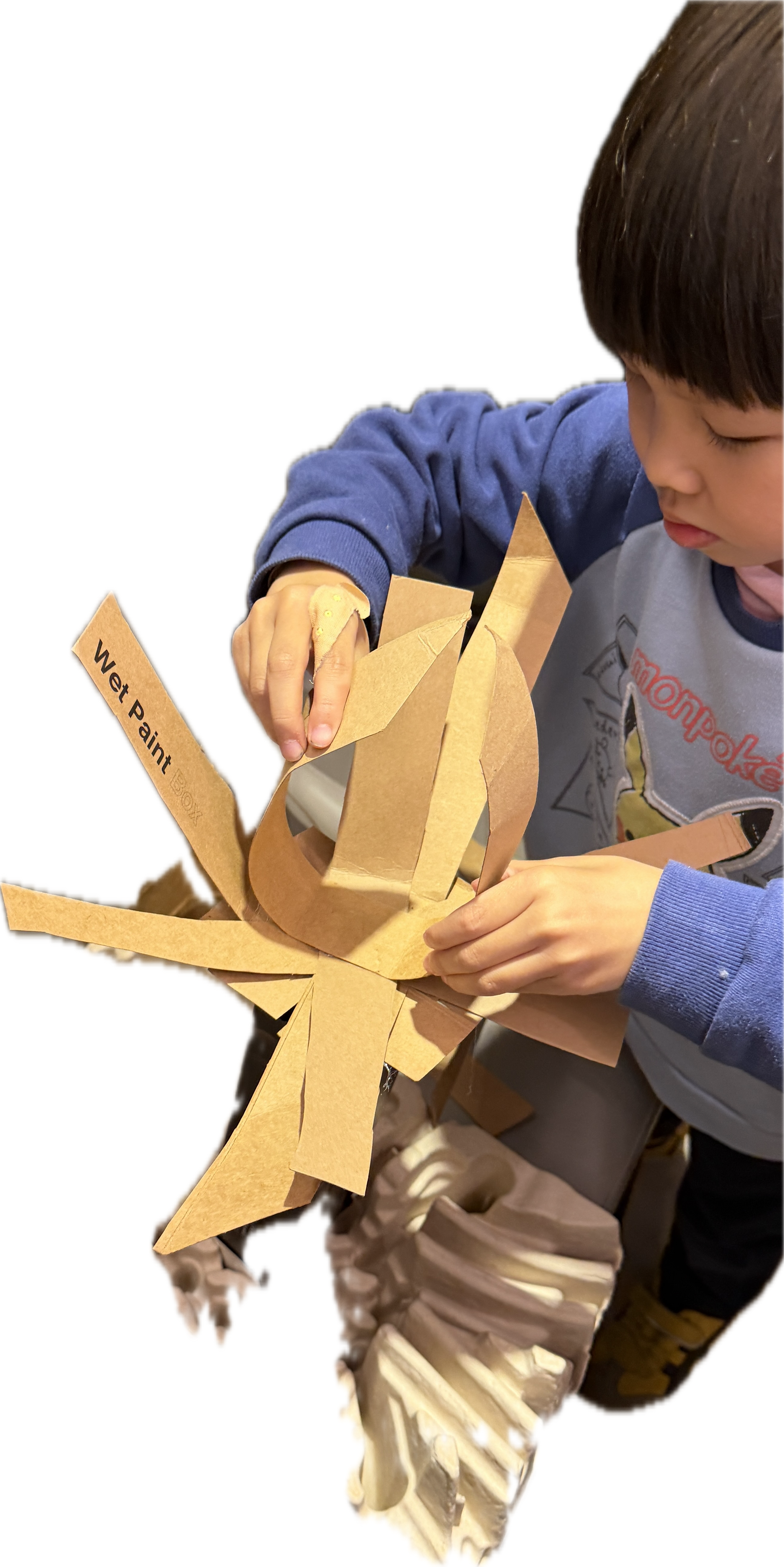
Refined Academic Version
The girl demonstrates a mode of engagement characterized by precision control, alignment, and spatial structuring.
This reflects a form of structural cognition, where the focus is on constructing stable relationships between elements.
Her work is not driven by expression, but by organization and structural coherence.
—
In contrast, the boy engages in iterative testing, adjustment, and variation.
This reflects dynamic exploration, where the system remains open and continuously evolving.
Rather than seeking a fixed outcome, his process is oriented toward transformation and possibility generation.
“I’m not teaching children what to make.
I’m protecting how differently they think.”
Emotional Regulation Under Structural Constraint | Age 5–6
In a studio observation, a child exhibited intense emotional response when the outcome of an artwork diverged from internal expectations. The material result was not altered, and environmental conditions remained stable. As emotional intensity subsided, a reality-based reference grounded in everyday experience supported the child’s recognition of irreversibility, leading to voluntary re-engagement with the work.
This observation suggests that when structural conditions remain consistent and are not modified in response to emotional escalation, affective experience can reorganize into an integrated understanding of consequence and constraint. The process reflects the concurrent formation of emotional regulation and causal reasoning in early development.
Irreversible Reality Cue
A guidance strategy that uses familiar embodied experience to introduce:
Cause and effect awareness
Understanding of irreversibility
Transition from emotional reaction to decision-making
The intention is not to suppress emotion, but to prevent emotion from overriding reality.
Why This Matters in Early Development
At ages 5–6, children often develop strong internal certainty about how things “should” be. When expectations are disrupted, emotional intensity can increase rapidly.
Using concrete, lived experiences helps children:
Anchor abstract concepts in reality
Recognize limits that apply universally
Shift from protest toward problem-solving
This is less about discipline and more about building a stable internal decision framework.
Observable Outcomes
Following this type of intervention, typical indicators include:
Emotional intensity stabilizing more quickly
Reduced argumentative language
Increased willingness to try alternative approaches
Re-engagement with the creative process
These shifts suggest not compliance, but an updated understanding of how reality functions.

Educational Perspective
Creative learning environments inevitably involve uncertainty, mistakes, and unexpected outcomes. Helping children develop the capacity to remain engaged despite these moments supports:
Emotional regulation
Reality-based thinking
Adaptive decision-making
Long-term creative resilience
Rather than forcing immediate resolution, the emphasis is on cultivating understanding that remains transferable beyond the studio.
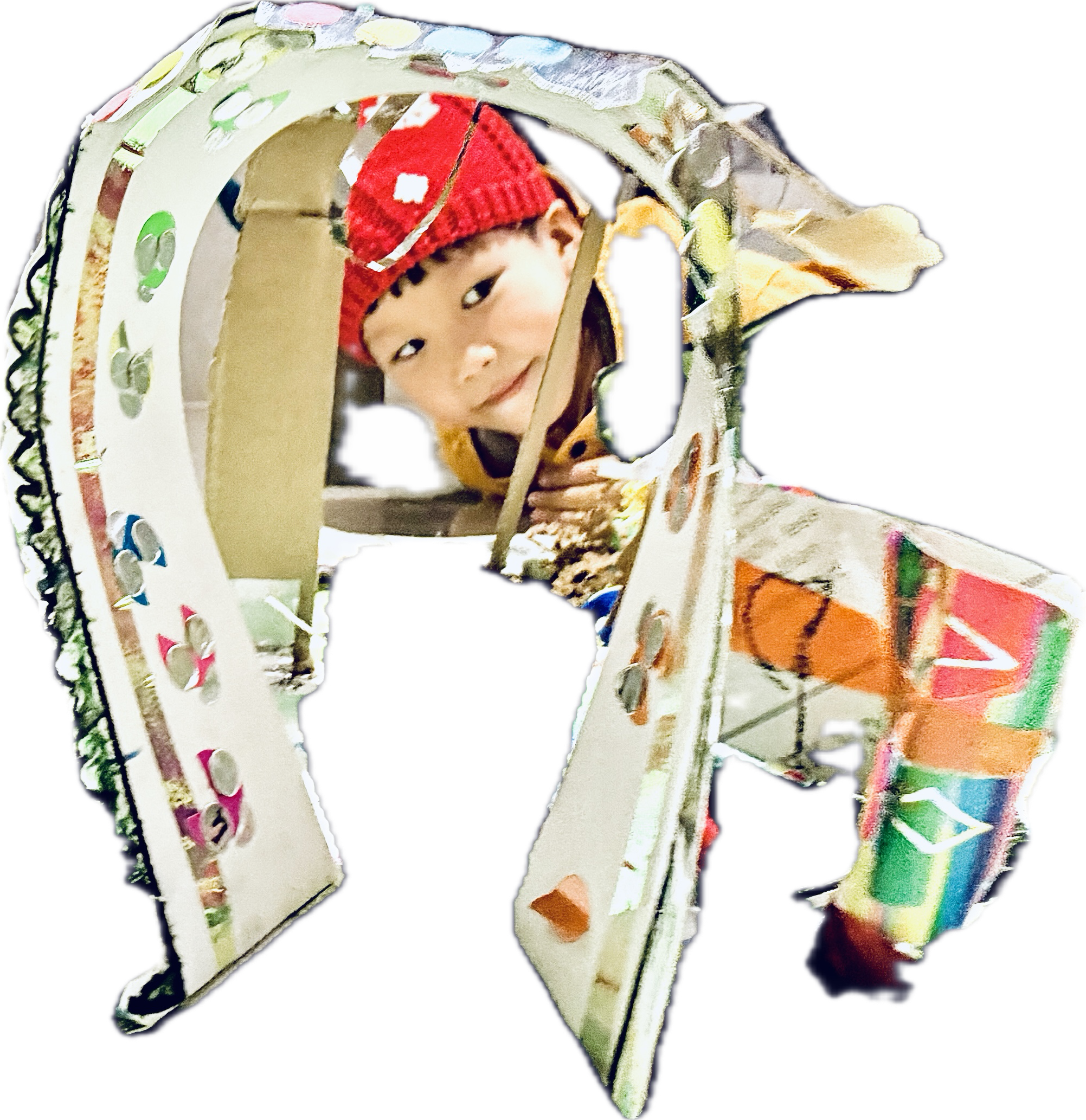
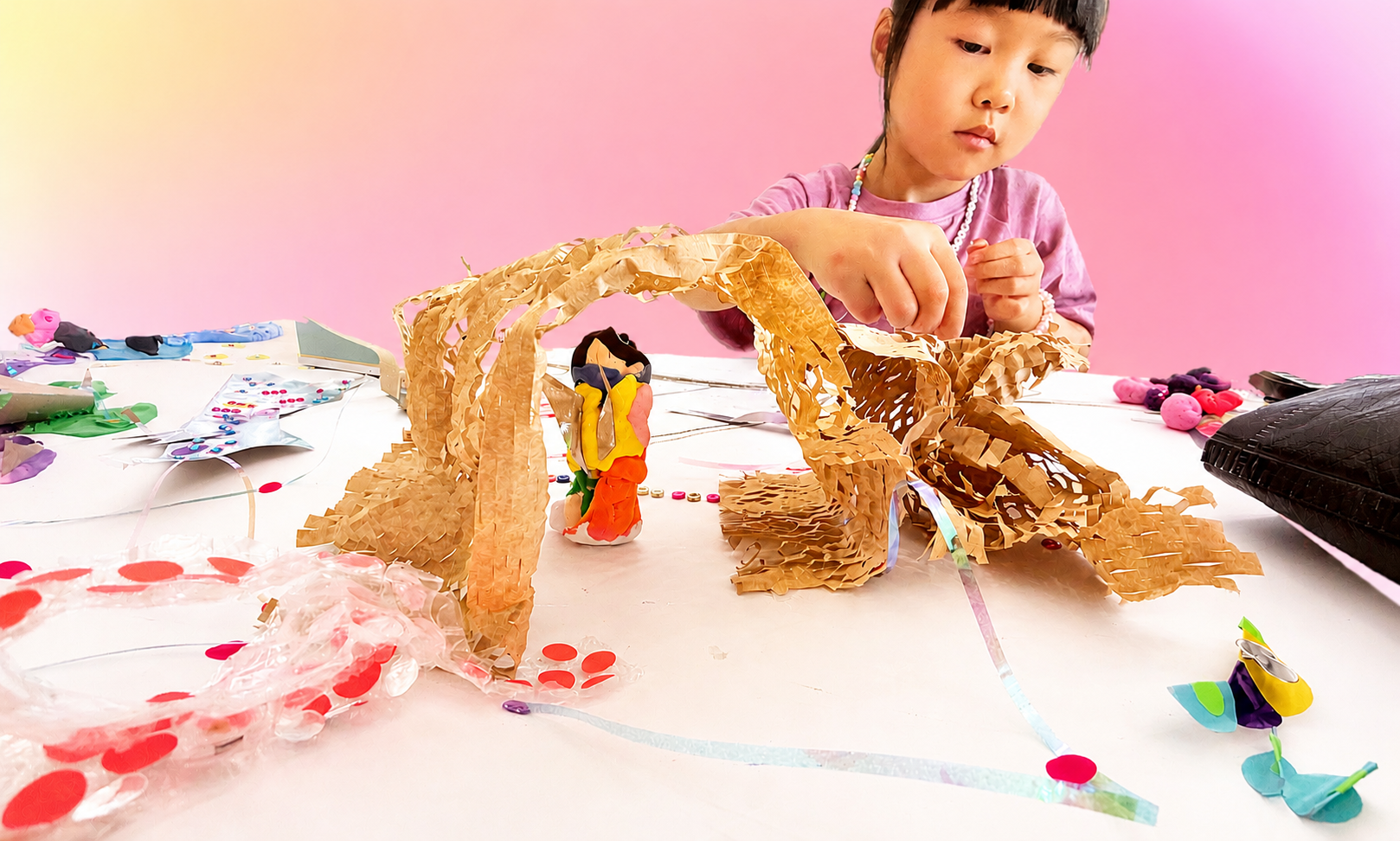
Mid-Program Parent Observation PARENT OBSERVATION
CASE EVIDENCE : X
Participant: Age 5
Observation Period: 5 sessions
Focus Area: Early indicators of attention stability, independent decision-making, and creative autonomy within a studio-based cognitive development environment.
A Visible Developmental Shift After Five Sessions
This anonymous parent observation documents a five-year-old child’s developmental shift after only five CCH sessions.
The parent reported visible changes in the child’s confidence, attention, emotional regulation, and creative autonomy. Compared with conventional talent classes, the parent identified the most important difference as “thinking”: the child was not simply imitating or completing a task, but actively searching for materials, making decisions, and creating something of her own.
The feedback is especially meaningful because it was given mid-program, before the full learning cycle was completed. In CCH, parent feedback is not treated as promotional praise. It is read as one layer of developmental evidence, especially when it identifies changes in behavior, attention, confidence, decision-making, and self-authored creative action.
Mid-Program Parent Observation
CASE EVIDENCE : Y
Participant: Age 6
Observation Period: 20+ sessions
Focus Area:
Longitudinal indicators of attention regulation, sensory integration, material-based thinking, and self-directed creative development within a studio-based cognitive development environment.
From Sensory Distraction to Integrative Creative Thinking
This anonymous parent observation documents a six-year-old child’s developmental progress after more than twenty CCH sessions.
The parent described the child as highly curious, sensitive to sensory input, and easily affected by surrounding sounds, movement, visual stimuli, and environmental changes. Within the CCH studio-based environment, the child gradually developed stronger attention regulation, clearer creative intention, and a more integrated way of working with materials, ideas, and structure.
The parent observed that the child became more able to combine materials, organize visual and tactile information, and bring creative learning into everyday play and school contexts. His work was no longer limited to making isolated objects. Instead, he began to connect different materials, stories, toys, and sensory impressions into new creative systems of his own.
Compared with conventional classes, the most significant difference was the expansion of thinking. The child was not working toward a fixed model or predetermined result. He was learning to perceive, select, combine, revise, and present his own creative process with increasing confidence.
This case is meaningful because it reflects a longer developmental arc. After more than twenty sessions, the parent was able to observe changes beyond short-term class engagement, including improved integration ability, stronger expressive confidence, better post-class regulation, and a growing capacity to transform rich sensory input into self-directed creative structure.
In CCH, parent feedback is read as one layer of developmental evidence, especially when it identifies changes in attention, sensory regulation, material integration, conceptual clarity, and self-authored creative action.
Sustained Structural Immersion
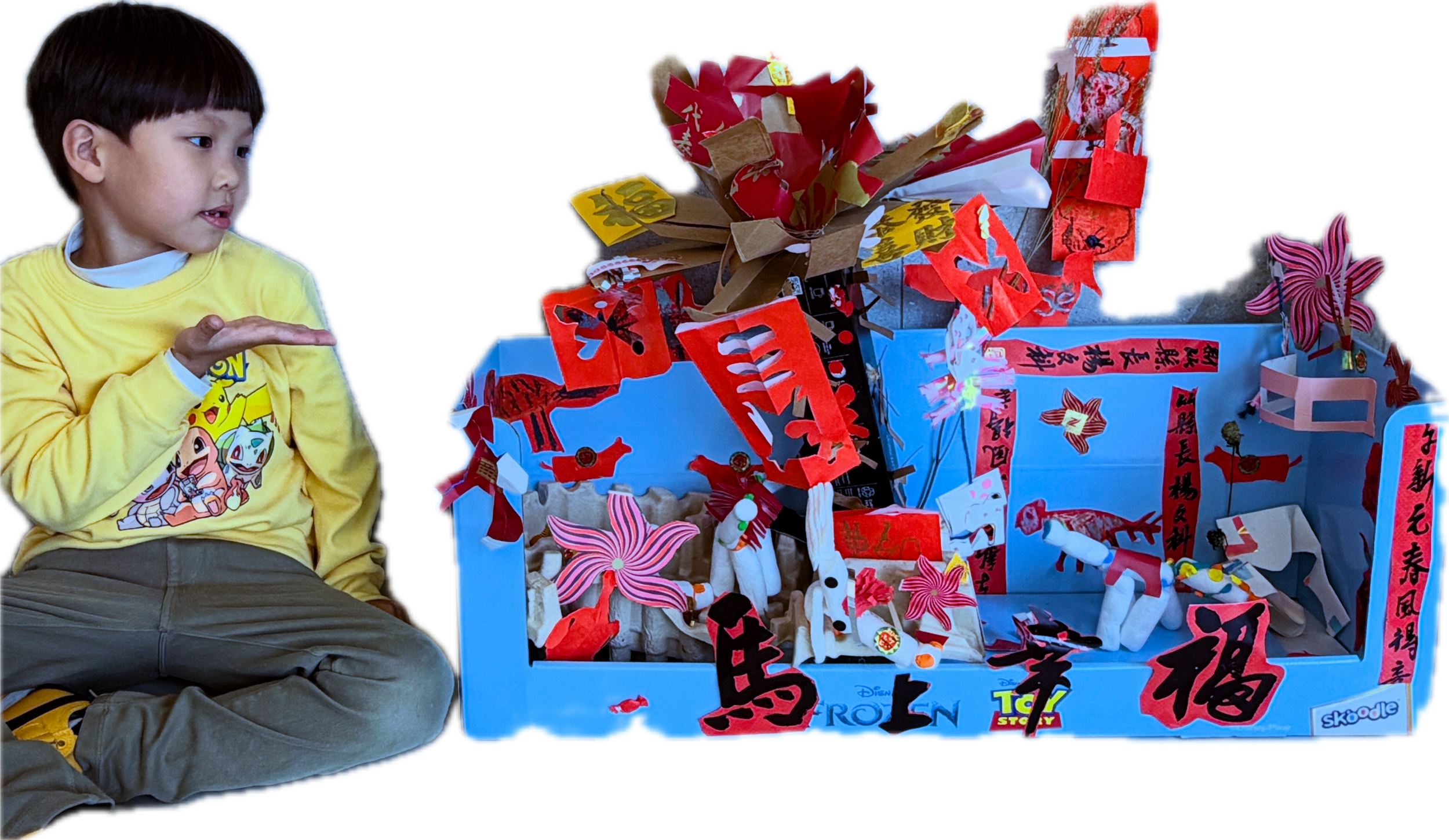
Age 5–6 | 4+ Hour Continuous Studio Session | Open-Ended Material System
Project Context
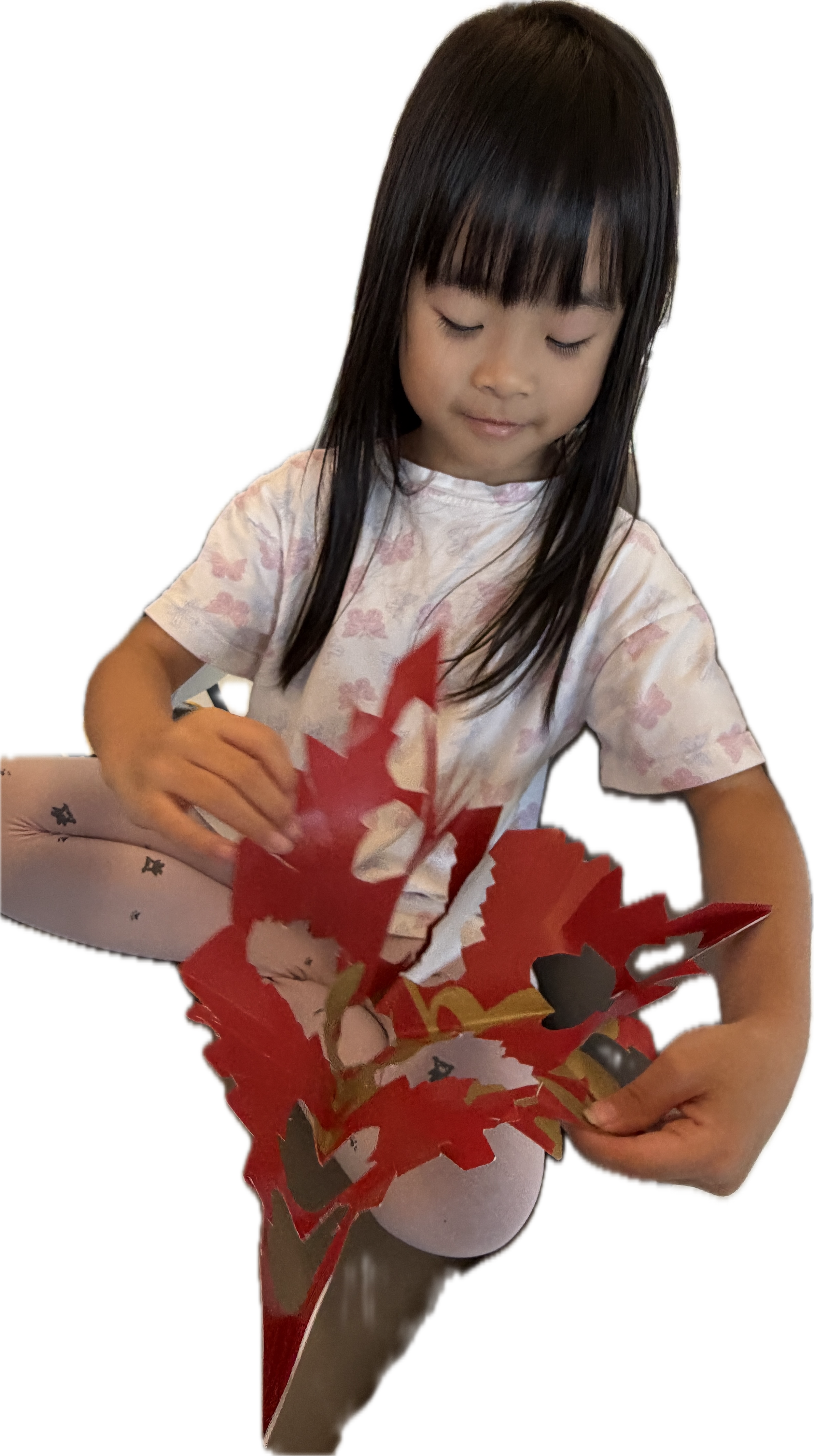
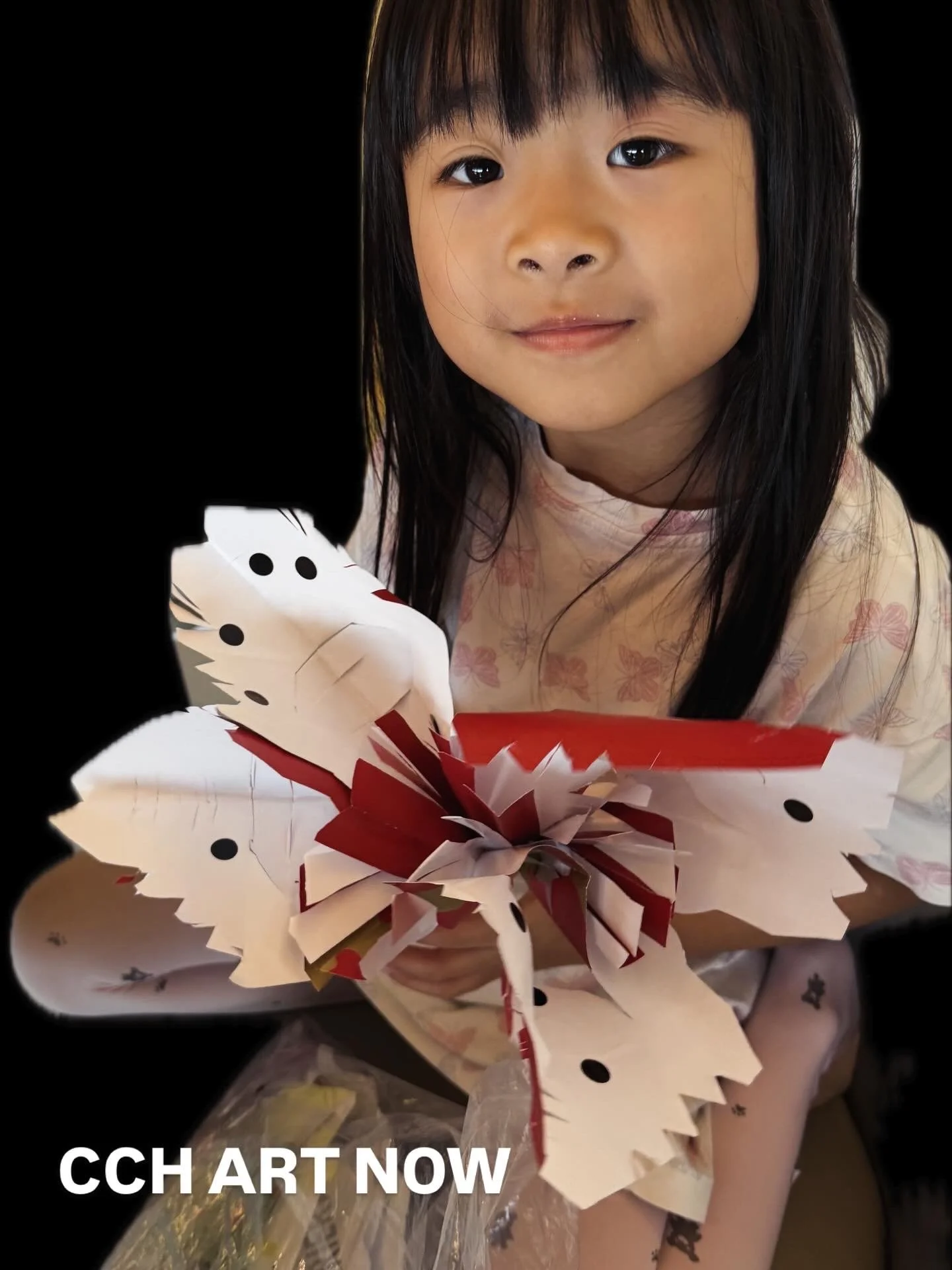
This four-hour studio session unfolded during the Lunar New Year period within an open-ended material environment.
No templates were introduced.
No predefined visual outcome was suggested.
The spatial setting emphasized autonomy, material feedback, and uninterrupted concentration.
The resulting work emerged through extended engagement rather than decorative intent.
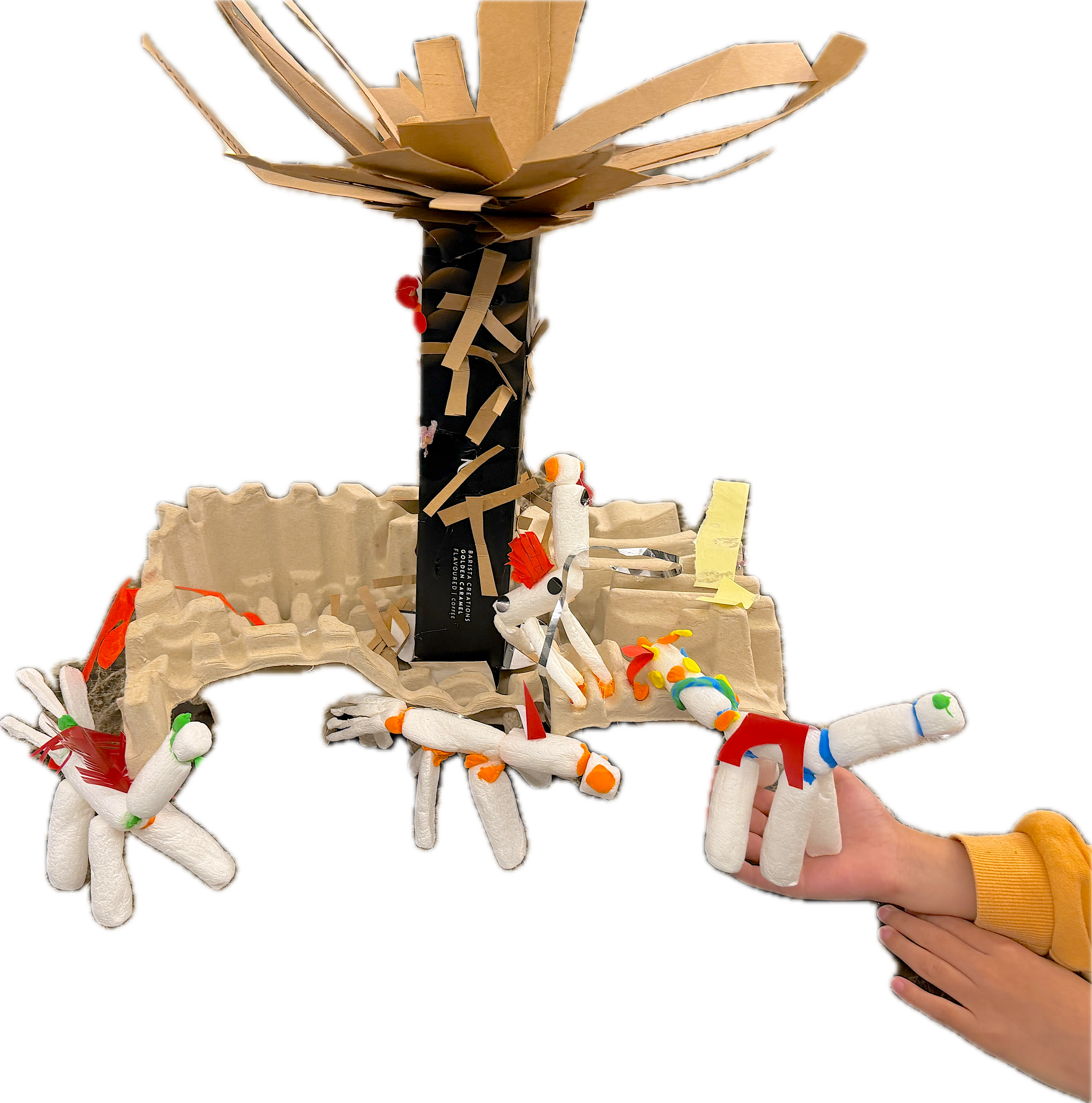
Studio Design
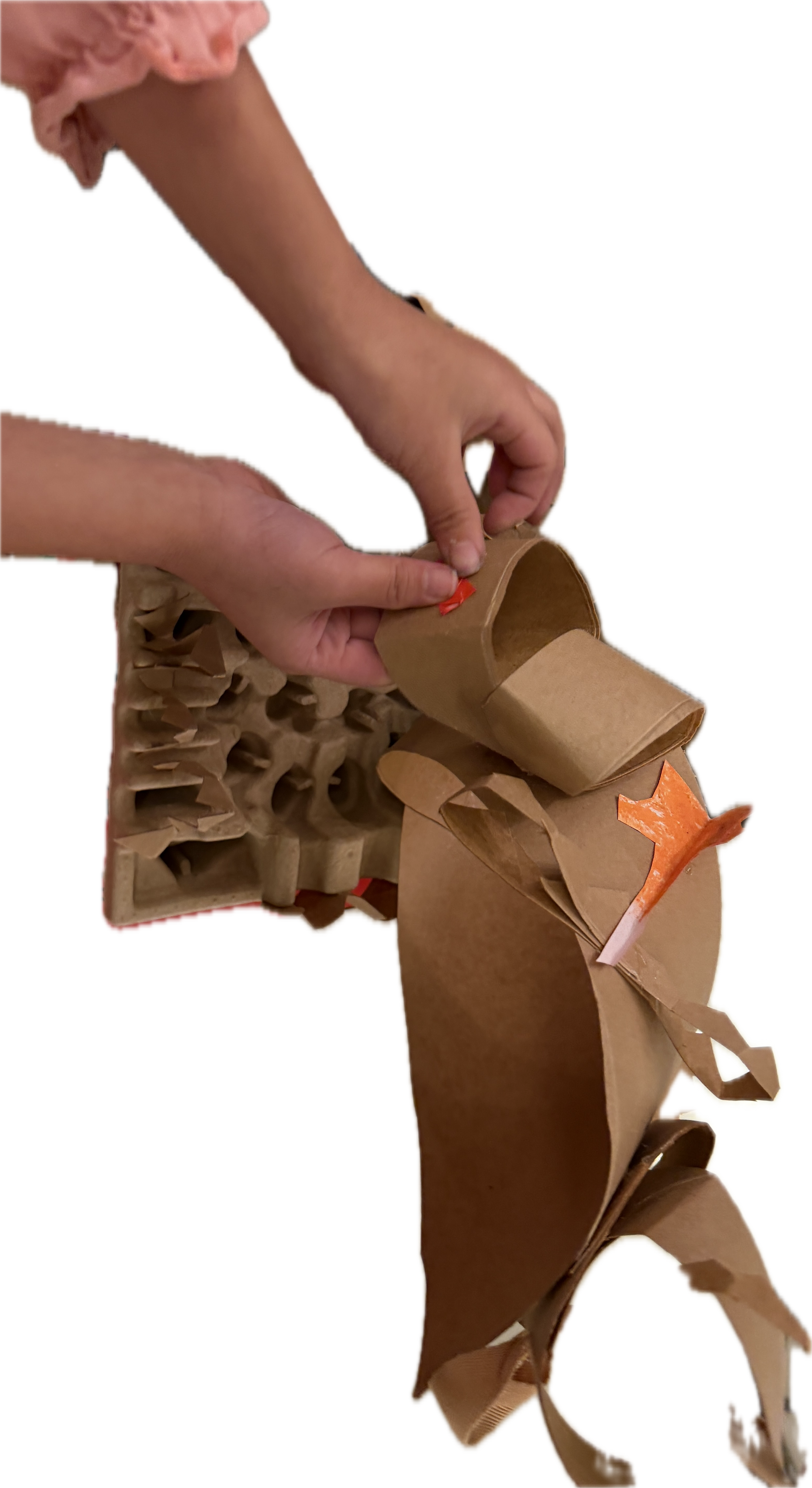
Large-format cardboard and recycled structural components
Open base system (egg-tray foundation)
Progressive layering of modular elements
Absence of performance prompts or time pressure
The environment was designed to support uninterrupted concentration and spatial autonomy.
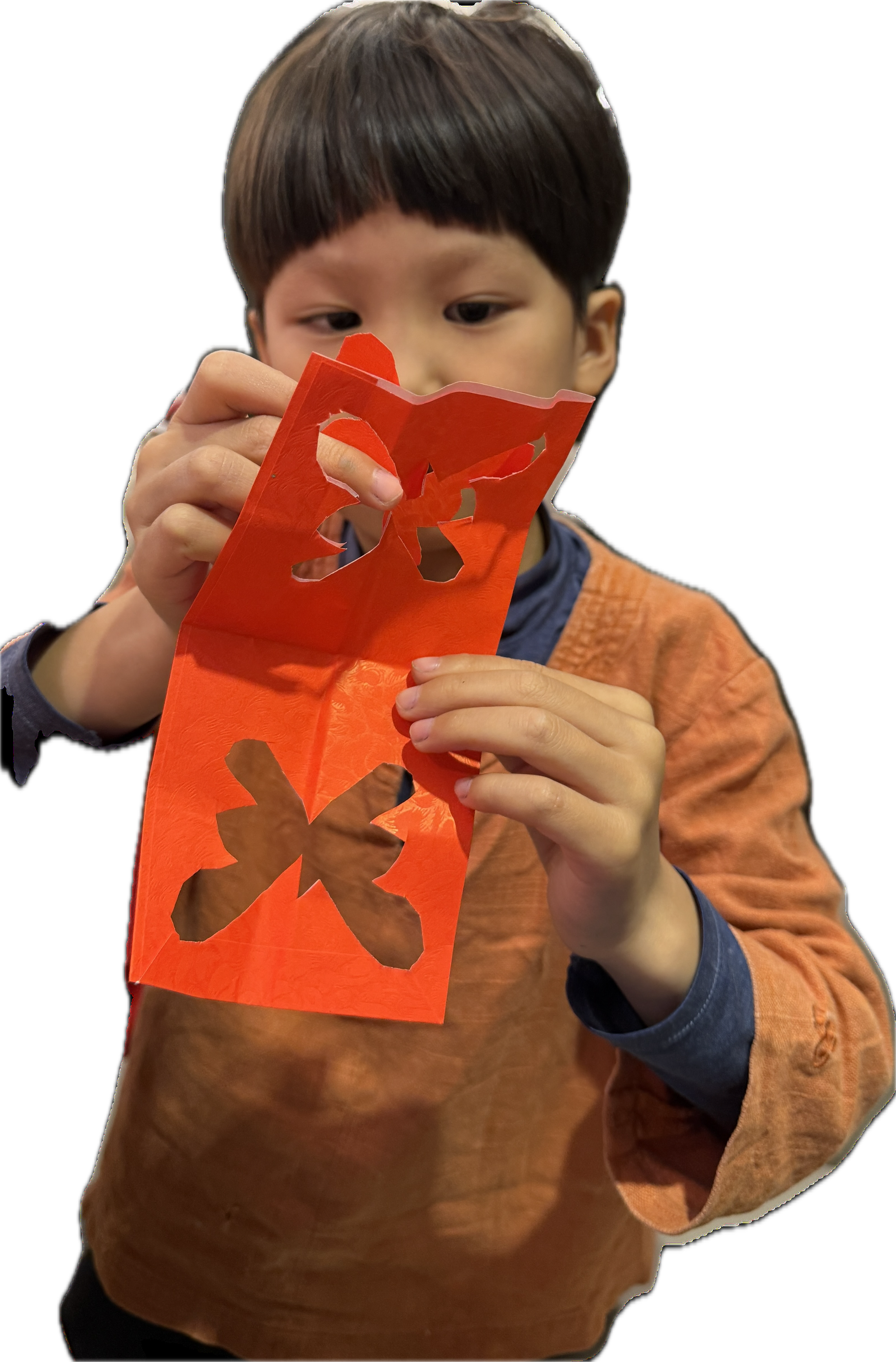
Cognitive Indicators Observed
sustained attention across extended duration
independent structural problem-solving
persistence following instability
spatial reasoning in three dimensions
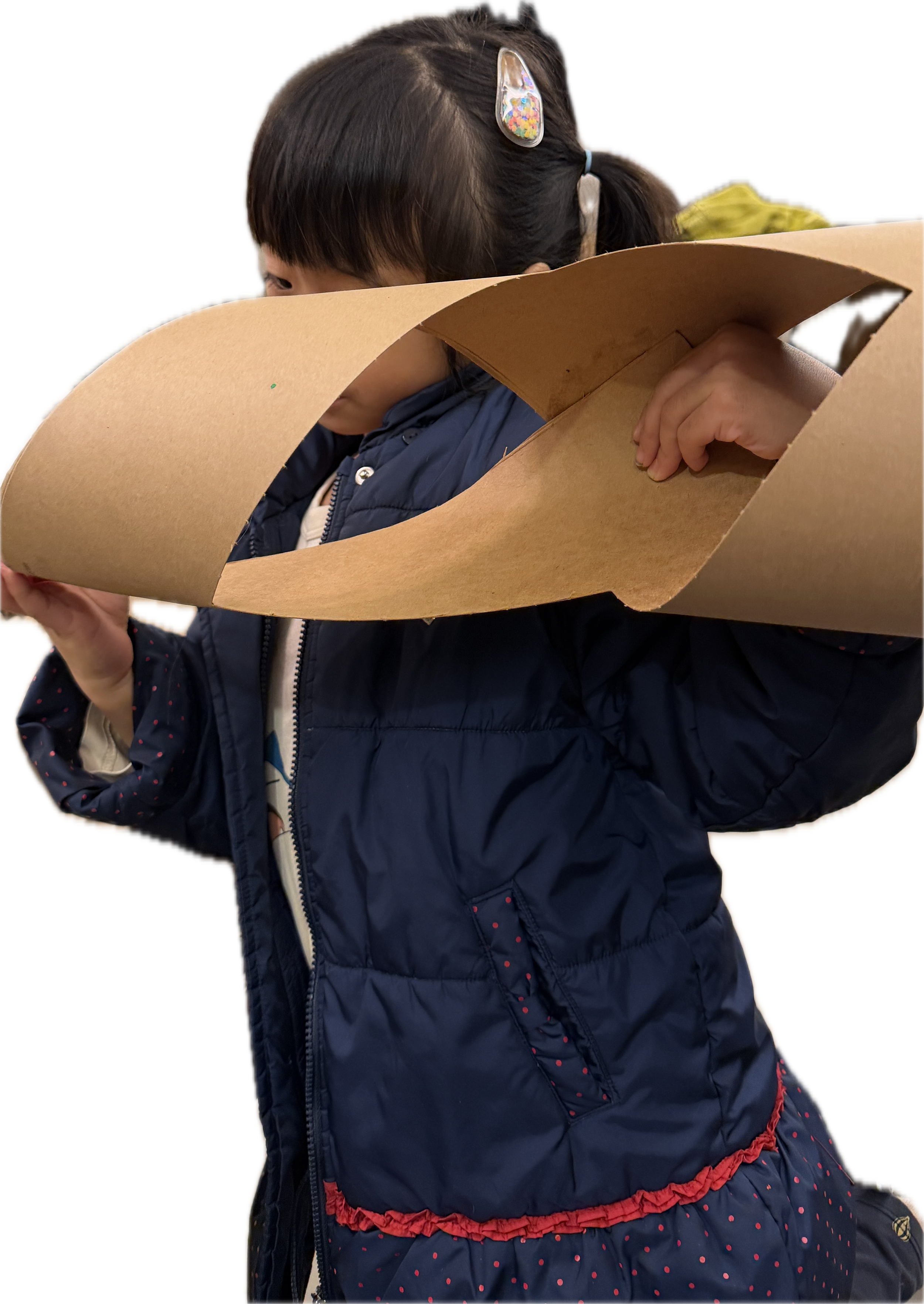
embodied evaluation through lifting and wearing
The project expanded from a single constructed form into a layered spatial system incorporating narrative extensions and wearable adaptation.
Educational Implication
Under appropriately designed spatial conditions, children at ages 5–6 demonstrate the capacity for prolonged concentration and structural reasoning beyond commonly assumed limits.
This case exemplifies Sustained Creative Immersion (SCI) —
a studio-based framework that cultivates long-duration attention and decision-making through material interaction rather than external instruction.
Structural Development
The work evolved through continuous testing of:
balance
attachment
load distribution
vertical expansion
Elements were modified repeatedly until structural stability was achieved.
Engagement remained steady throughout the four-hour duration without external prompting.

Developmental Context — Neuroplasticity Window
Ages 5–10 represent a period of heightened neuroplasticity, during which executive function, attention regulation, and independent decision-making are actively consolidating.
When learning environments are designed to support sustained concentration and material-based problem-solving, these capacities are more likely to stabilize into durable cognitive patterns rather than remain situational skills.
At this stage, children typically demonstrate reduced dependence on external evaluation, creating optimal conditions for autonomous exploration and flexible identity formation.
Intervention later in development remains possible, but generally requires increased structural support and environmental recalibration.
These observations inform the spatial and pedagogical design of CCH studios; they are not presented as universal developmental prescriptions.
Our View on Output & Thinking
Why Works Can Reflect Deeper Learning
In our practice, we do not evaluate children by how many works they complete. Some children explore through quantity. Others explore through structure, testing, and sustained thinking. Both are valid learning paths. What we observe instead includes:
Whether thinking is active during making
Whether hands remain engaged in exploration
Whether adjustments and persistence are present
Whether understanding is being built rather than rushed
Completing one piece over two hours can indicate focused attention and cognitive processing— not slow learning, but deep learning in progress. Creative work naturally varies in pace. Sometimes it unfolds quickly; other times it requires pauses, testing, and reflection.
Our core principle remains: Creation is not defined by how much is produced, but by how deeply it is understood.
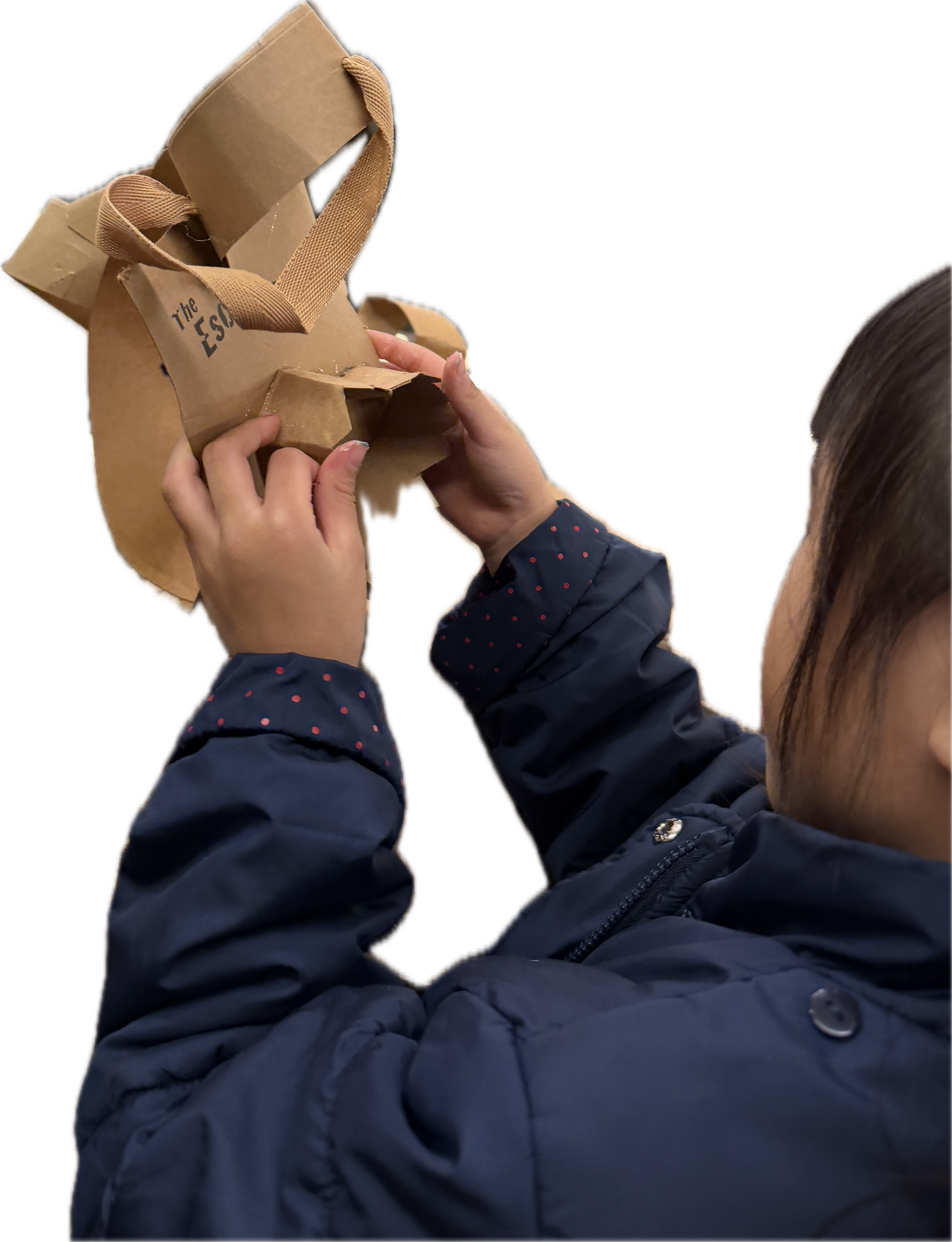
Structural Exploration Moment
Deep Structural Exploration
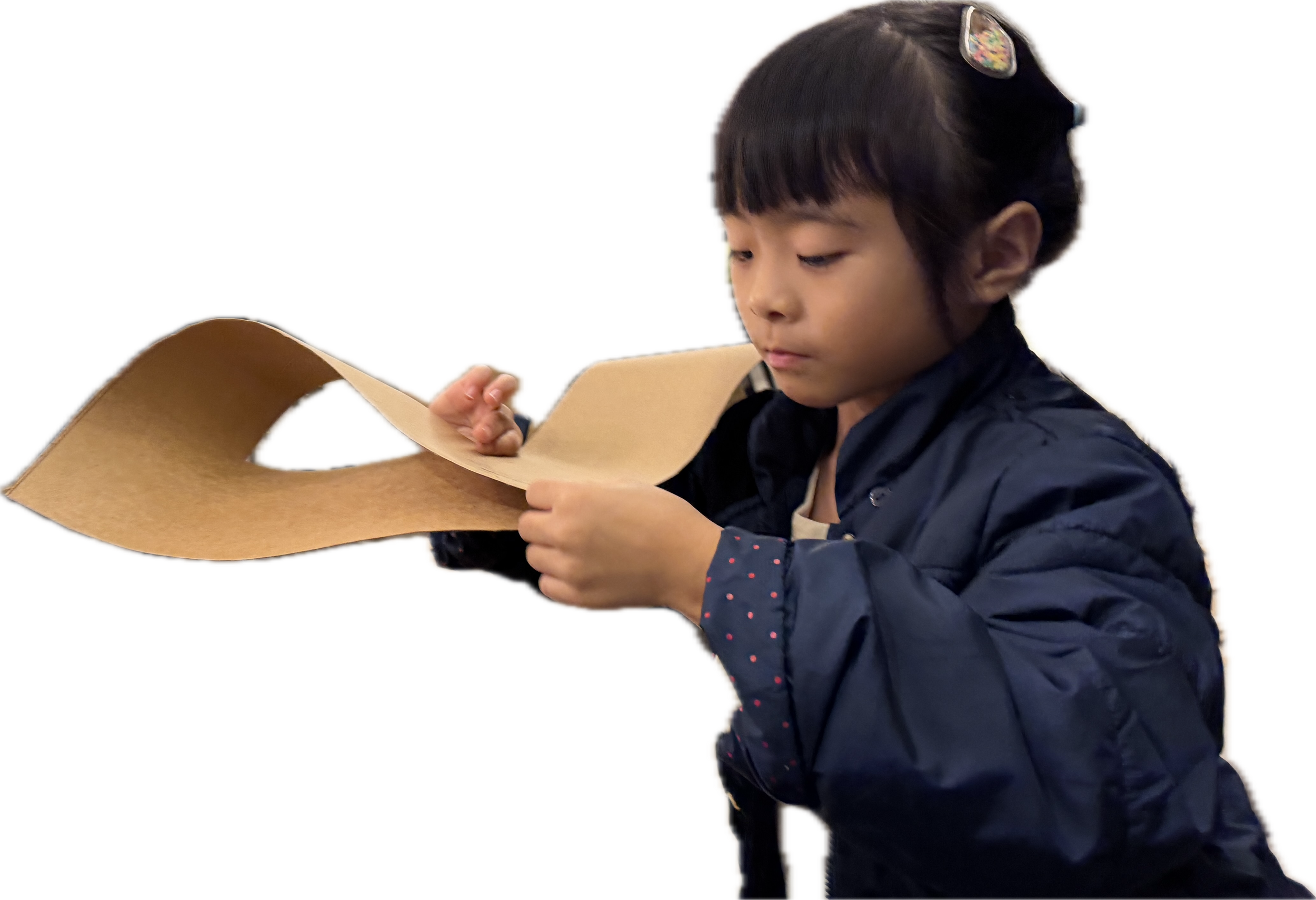
During a session, one child spent nearly two hours working on a single sculptural piece.
Much of the time was devoted to testing materials, stabilizing structure, and thinking through how elements could hold together.
From the outside, the output appeared minimal. Internally, however, the child remained continuously engaged—hands active, attention sustained, decisions ongoing.
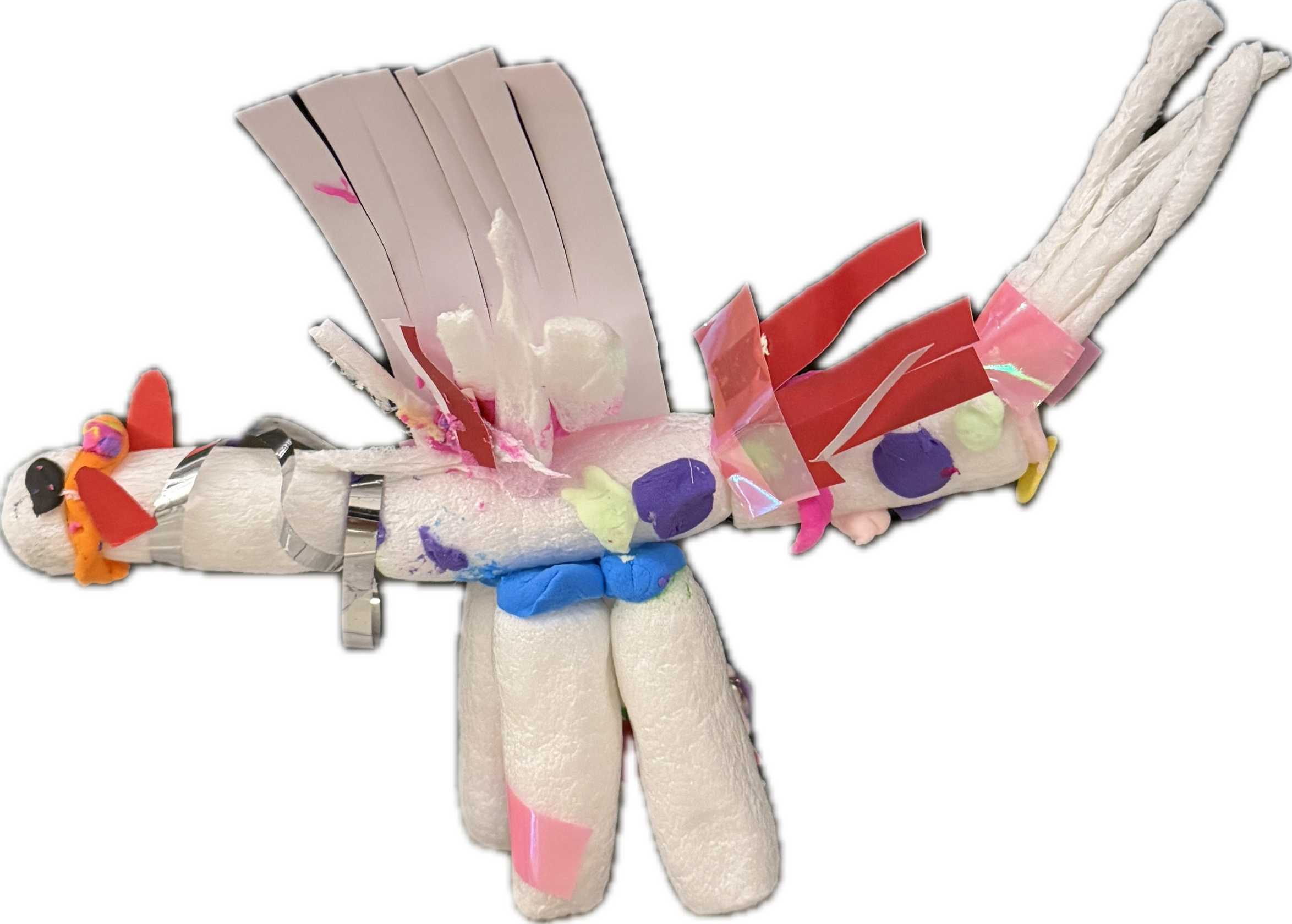
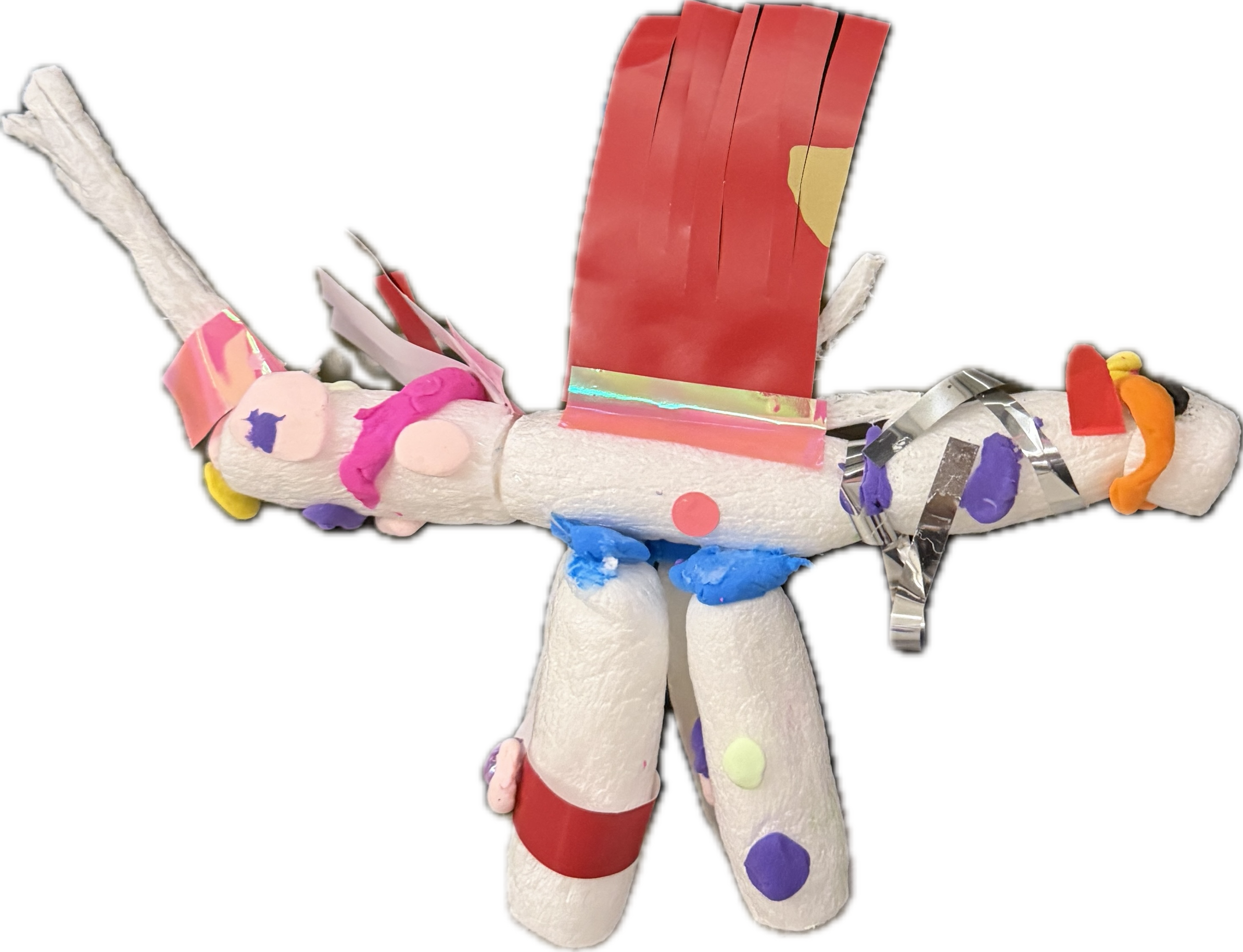
CCH Observed Cases
Selected observations illustrating how learning is recognized within the CCH framework.
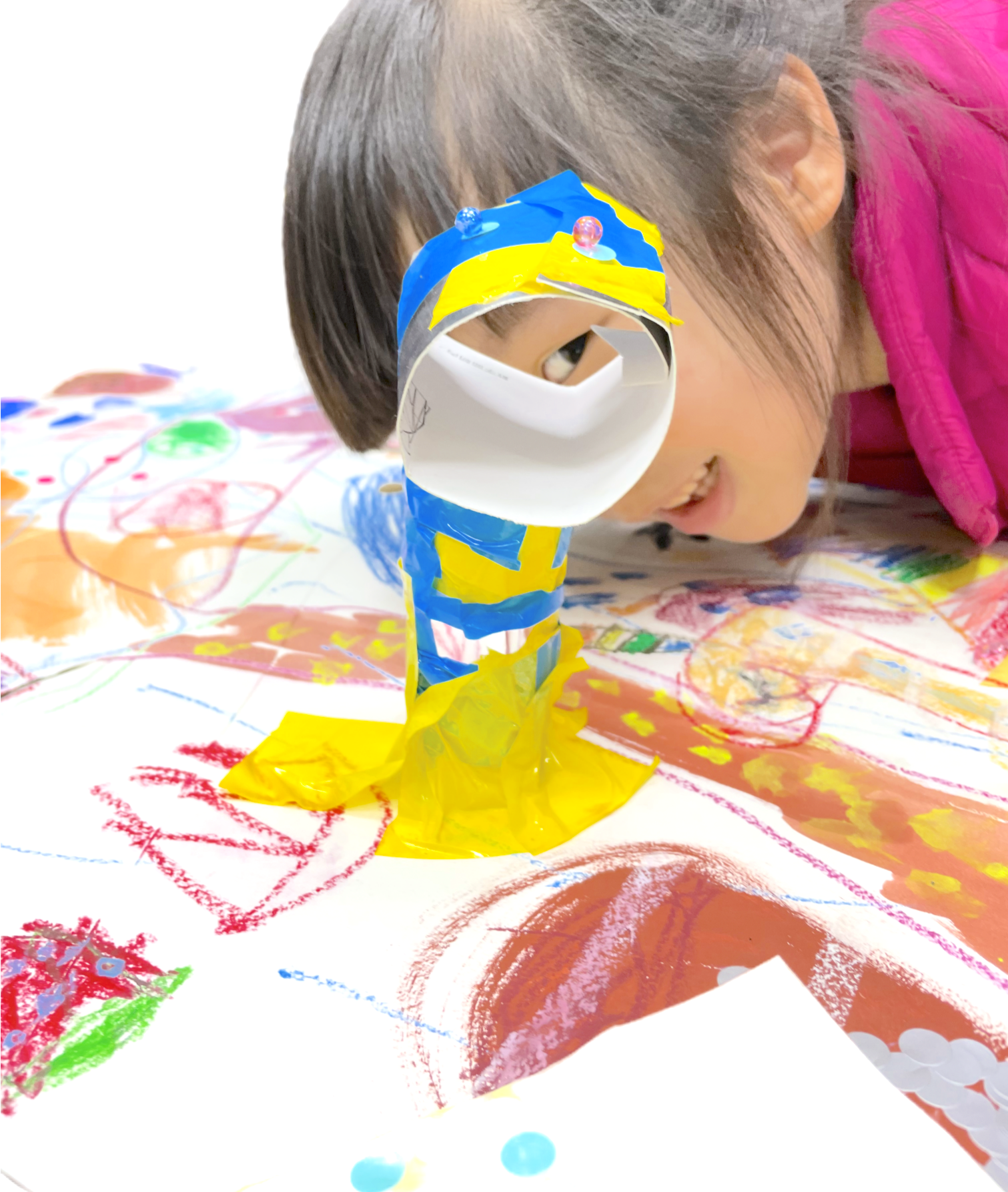
① Case Focus
Observed Case: Emotional Regulation Under Structural Limits
② Situation
During a session, a participant experienced a strong emotional response. when an object was altered in a way that conflicted with their expectation.
③ Response Structure
Emotional expression was acknowledged without interruption. No external intervention was introduced. The physical outcome was irreversible.

④ Observed Shift
(Developmentally calibrated: ages 5–6)
After emotional intensity decreased, the participant demonstrated:
recognition of irreversibility
emerging ownership of action–outcome relationship
self-initiated return to task engagement
⑤ Learning Recognition
The learning observed was not emotional suppression. It was the development of emotional containment alongside reality-based thinking.
The working environment remained stable. This type of learning cannot be measured by speed or output quantity.